



Push-Up Bars in Exercise & Fitness Accessories




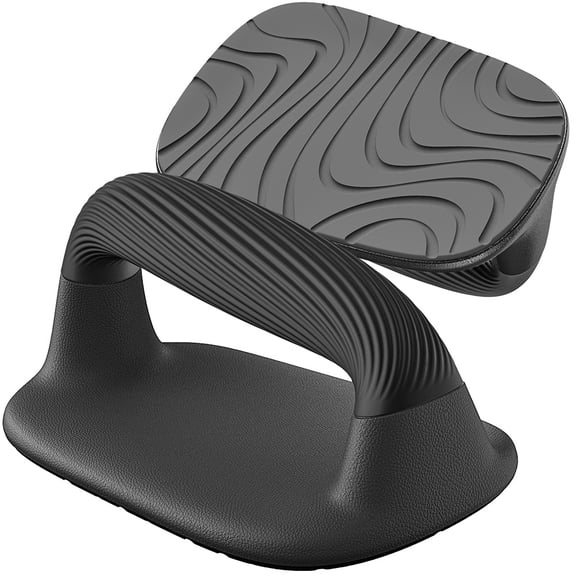


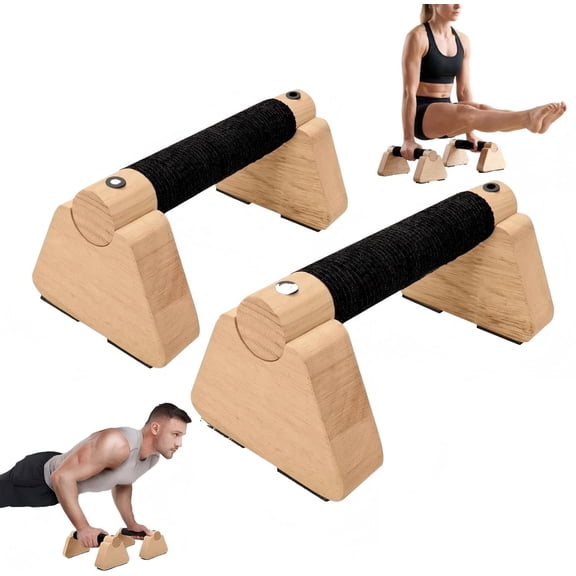
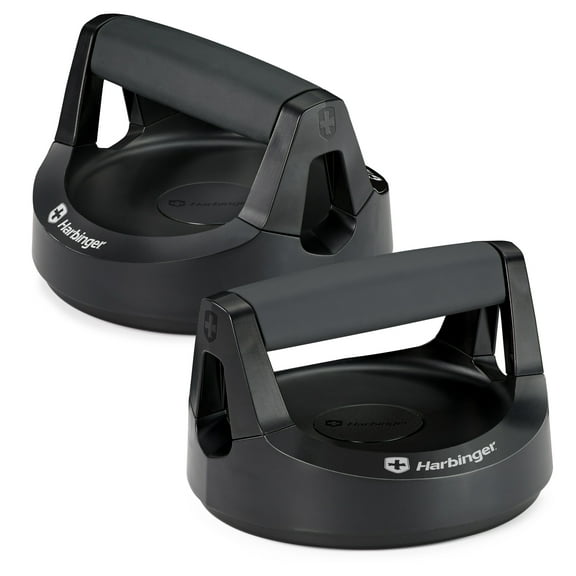

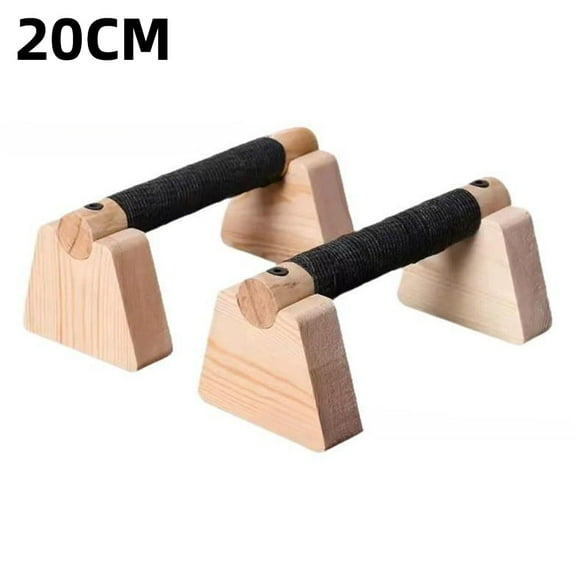










About Push-Up Bars in Exercise & Fitness Accessories - Walmart.com
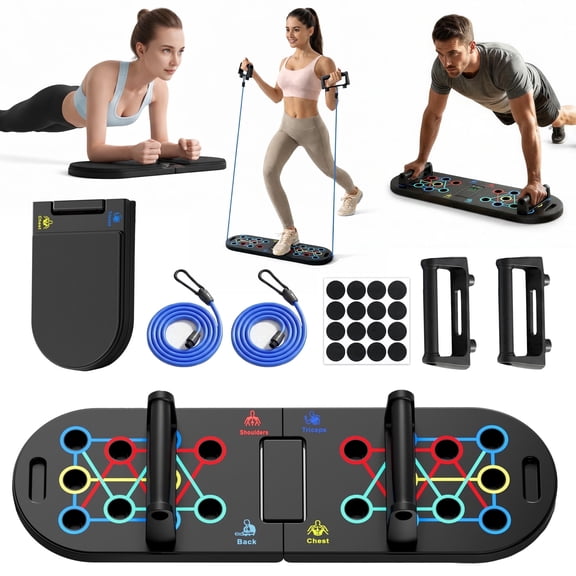
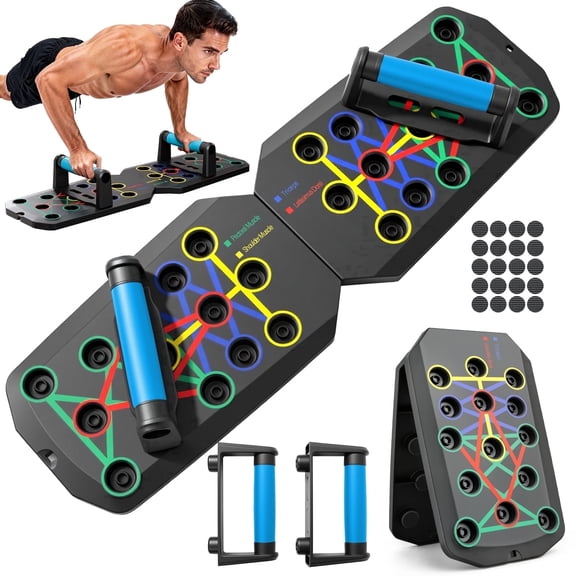
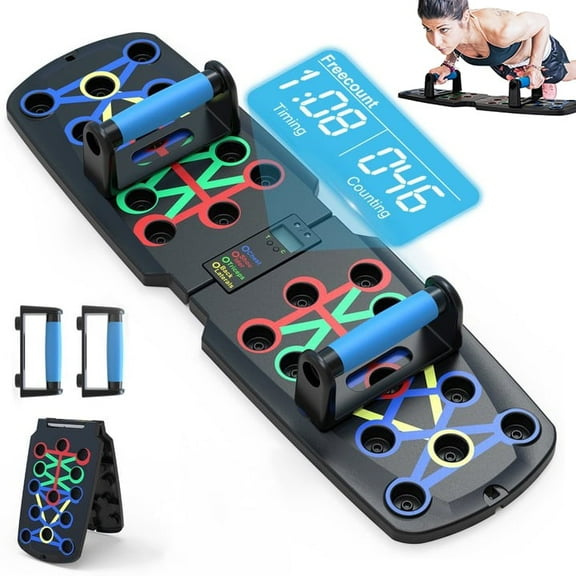
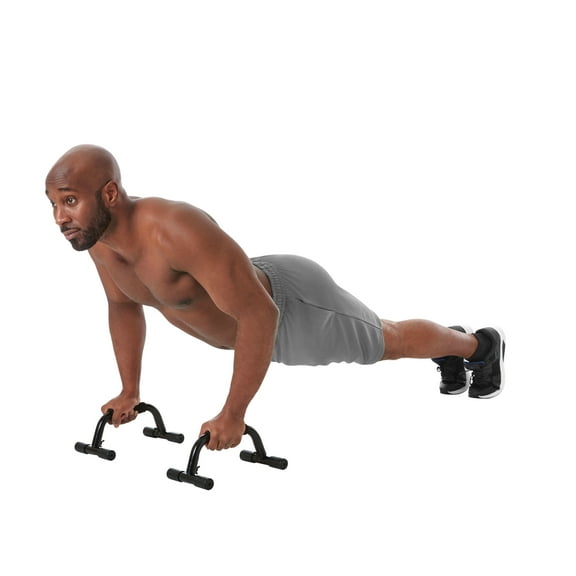
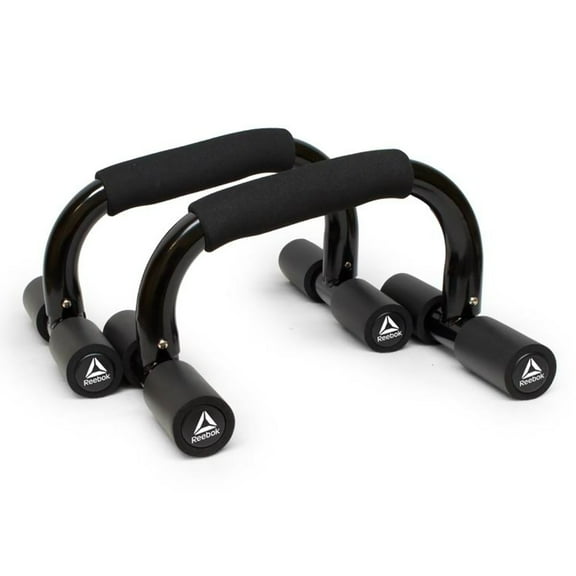
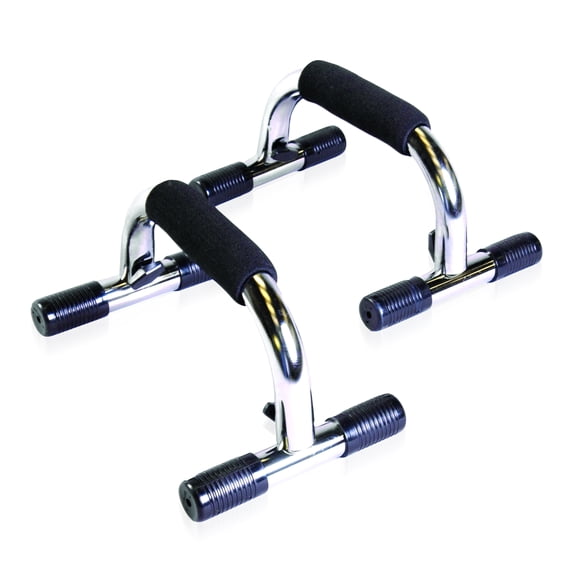
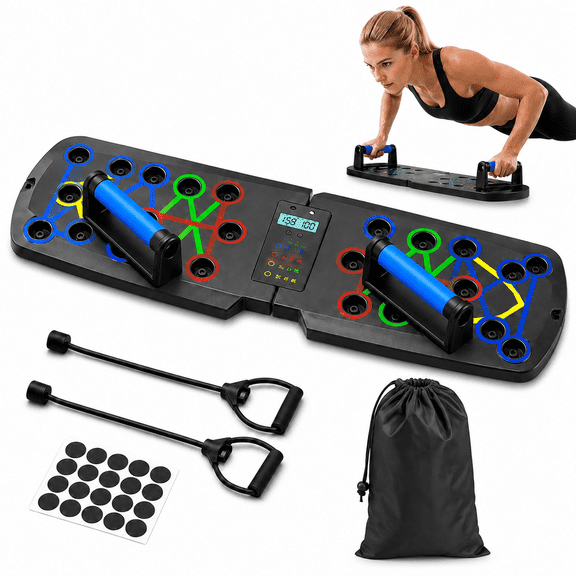
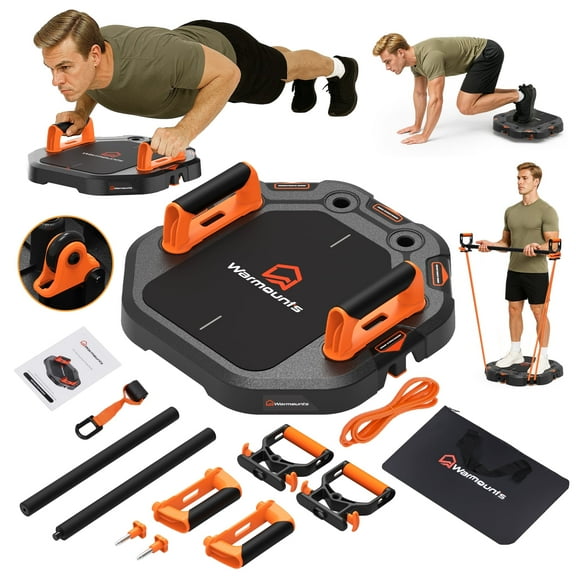
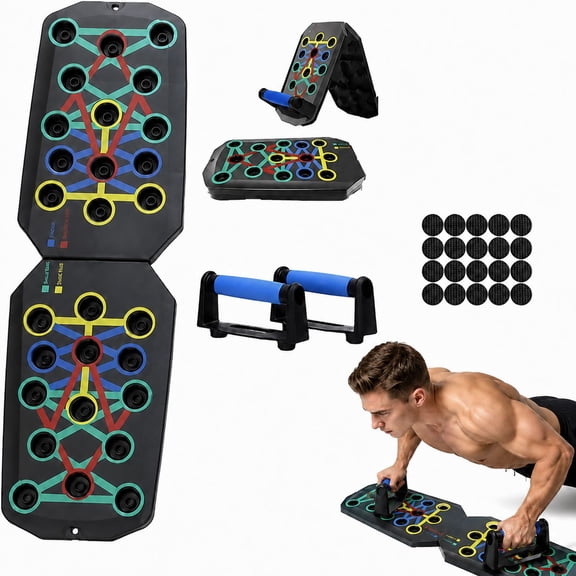
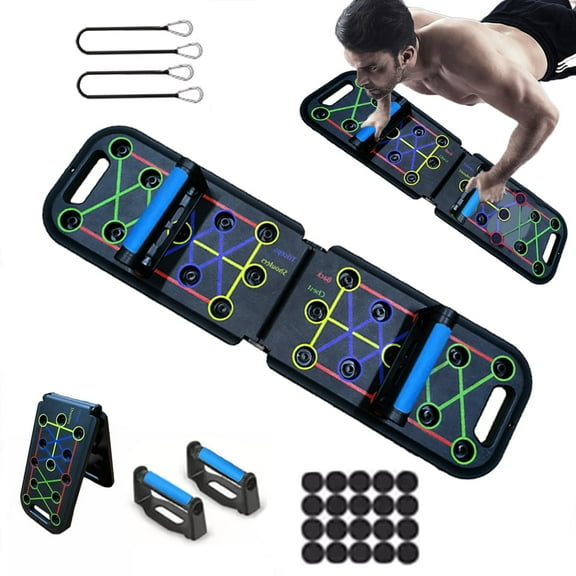
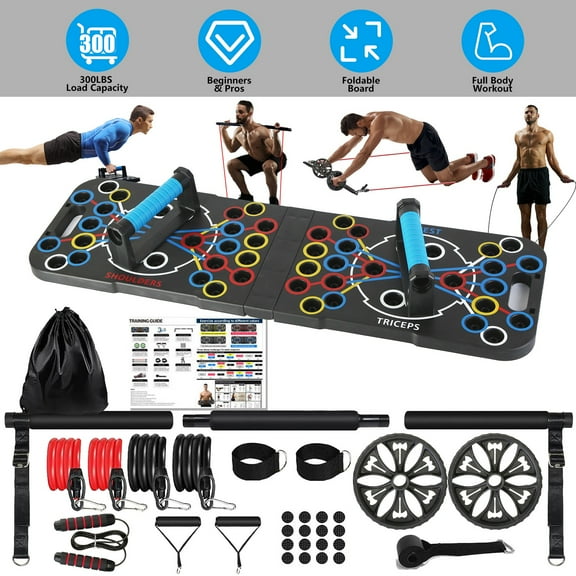
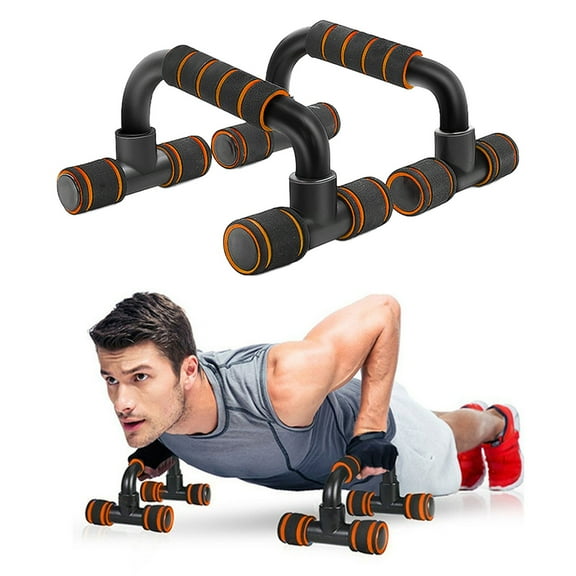
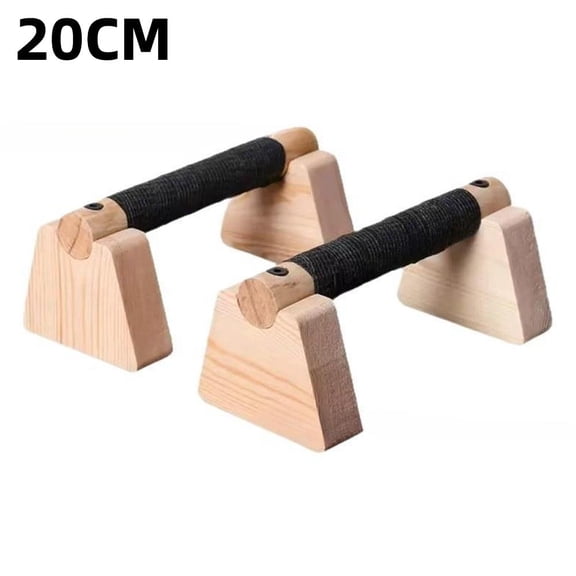
Press up stands give home workouts a cleaner setup for wrist-friendly push-ups, deeper range of motion, and compact bodyweight training tools. This category also covers push up bar options, handles, holders, and parallettes, so you can compare formats that fit small spaces and different training styles.
Choosing press up stands by product type
Start with product type, because bars, stands, handles, holders, and parallettes each change how your hands sit and how your workout flows. That difference matters when you want standard push-ups, deeper reps, or calisthenics moves on a stable base.
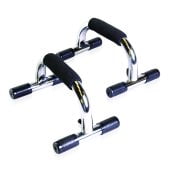
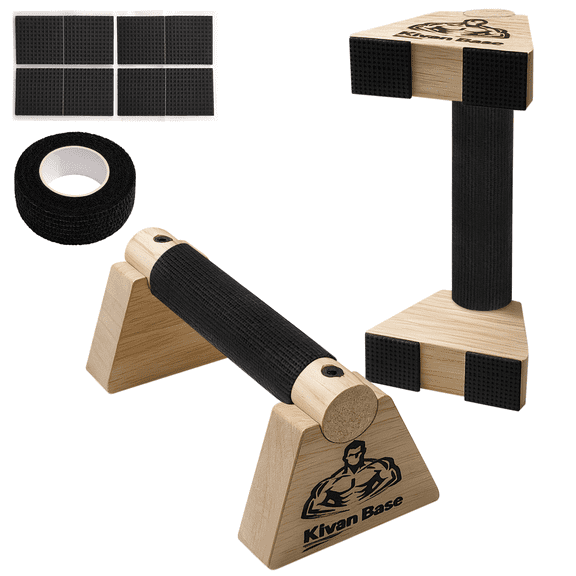
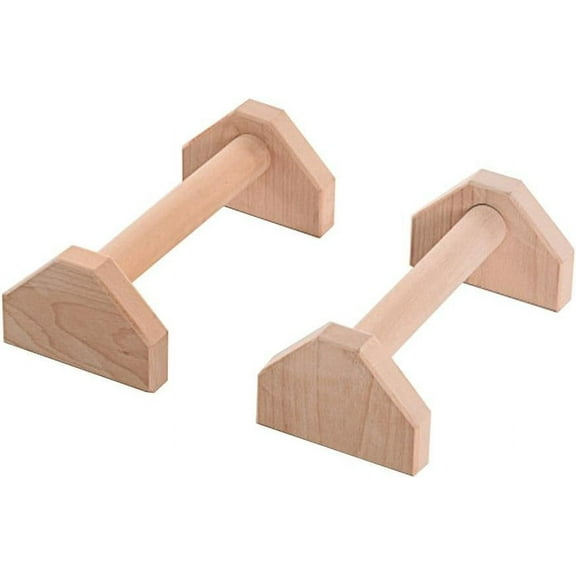
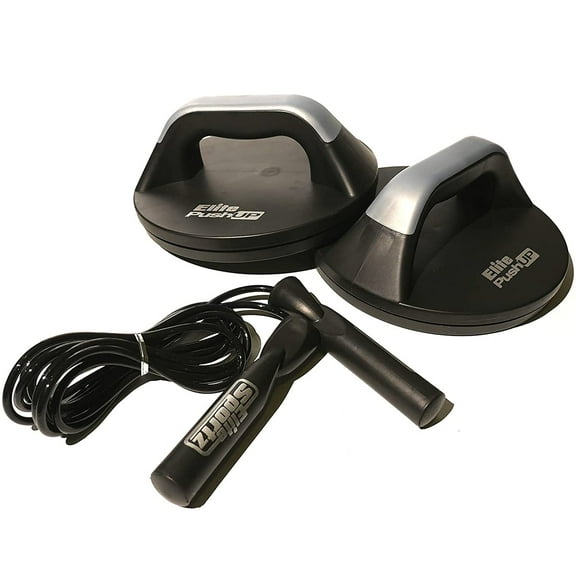
A push up stand or handle usually keeps the focus on push-ups and simple bodyweight sessions. Parallettes often add extra height for dips, L-sits, and controlled holds. Holders and bars can overlap in function, but shape and base width affect grip position and floor contact.
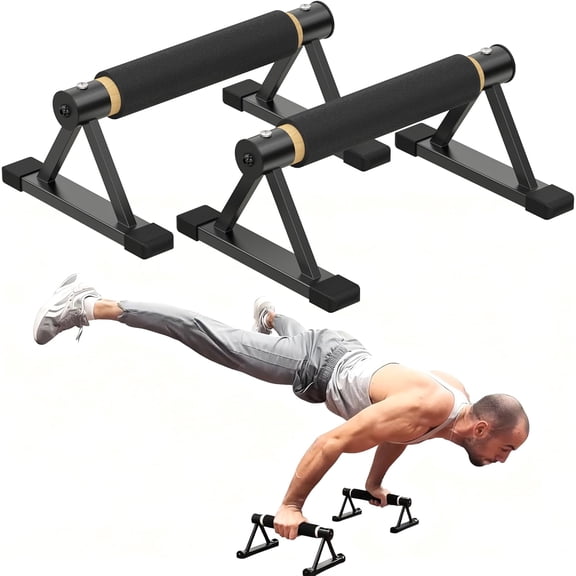
- Bars and stands often raise your hands for deeper push-ups.
- Handles and holders can create a compact setup for quick sessions.
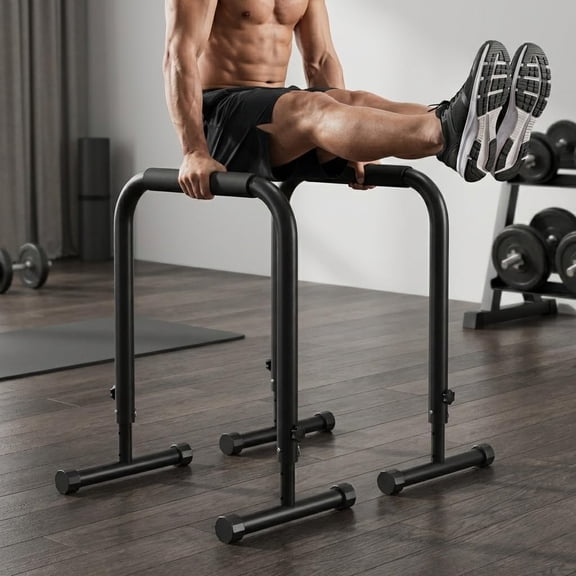
- Parallettes support calisthenics drills like L-sits and dip progressions.
- Different shapes help match shoulder width and hand placement preferences.
Compare the format first, then narrow by grip, base design, and storage needs. That process makes it easier to choose gear that fits your training space and routine.
How to choose a push up bar for home
Use case is the next decision point. A push up bar for home should fit your floor space, workout frequency, and preferred exercises without creating clutter. Compact models work well in apartments, spare rooms, or corners shared with other equipment.
For strength training, many shoppers look for a sturdy frame, a balanced footprint, and handles that feel secure through repeated reps. For bodyweight training, portability and fast setup often matter just as much. Lightweight designs are easy to move between rooms or tuck into a closet.
Calisthenics sessions usually need more versatility. That is where taller bars or a paralette style becomes useful. Extra clearance can help with deep push-ups, support holds, dips, and controlled skill work. If your routine changes often, compare models that transition easily from quick push-up sets to longer circuits.
Availability matters too for shoppers who want a convenient purchase path. Checking Walmart.com can help you compare delivery or pickup options while narrowing the right format for home use.
Comparing grip and comfort features
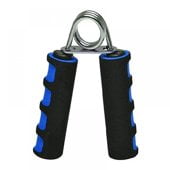
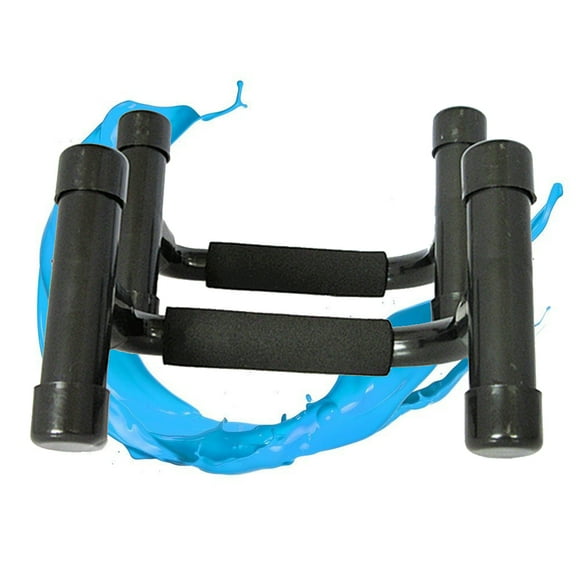
Grip and comfort features shape how a set feels in your hands during repeated training. Look for foam grip, ergonomic grip, or a non-slip handle when you want a steadier hold. Those details affect control during standard push-ups and slower tempo work.
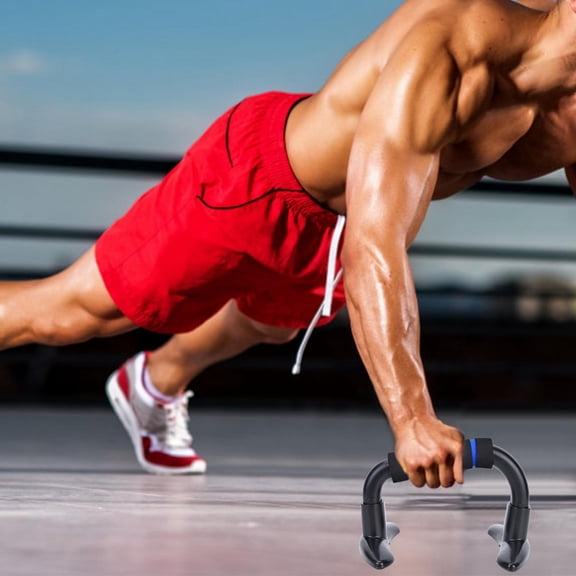
Many shoppers choose press up stands to keep palms elevated and wrists in a more natural angle than floor-only push-ups. A wrist-supportive design can also make longer sets feel more consistent. Handle diameter matters here, because a thicker grip may feel different from a narrow bar.
Check whether the grip material covers the full contact area or only the center section. Also compare the handle shape, because straight bars and slightly angled grips create different hand positions. These details are small, but they change comfort across high-rep sessions.
When comparing push up handles for home, think about how you train most often. Fast circuits, paused reps, and calisthenics holds can each feel different depending on grip texture and handle spacing.
What to look for in stability and base design
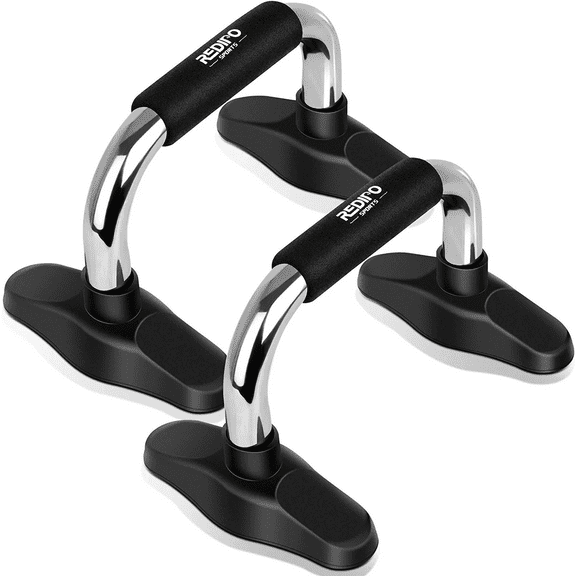
Stability decides how confident each rep feels on wood, tile, or workout mats. A strong push up stand usually includes non-slip feet, a wide base, or floor-friendly pads. Those features help the equipment stay planted during standard reps and deeper movement patterns.
Base shape matters because narrow supports can feel very different from wider frames. Some shoppers prefer a lower profile for compact storage, while others want a heavier-duty frame for a grounded feel. Check product dimensions and footprint before choosing, especially in smaller home gyms.
Floor-friendly pads are useful when you want grip without scratching hard surfaces. Non-slip feet can also help when you move between rooms or train on different flooring types. For repeated bodyweight work, compare how the frame joins the handle and whether the overall design looks balanced.
If you want a push up bar that doubles for varied drills, consider height and clearance with stability together. More elevation can support deeper push-ups, but the base still needs steady contact with the floor.
Matching training style with parallettes for calisthenics
Training style should guide the final choice. Standard push-ups often pair well with compact bars, stands, or holders that are easy to position and store. Deep push-ups usually benefit from added height, which creates more room below the chest.
Parallettes for calisthenics are often the practical choice when your routine includes L-sits, dips, tuck holds, or skill-focused bodyweight drills. A par bar or paralette format usually offers more versatility than simple push-up handles. That added function matters when one tool needs to support several movement patterns.
For travel-friendly setups, lightweight models are easier to carry and easier to store after use. If portability is a priority, compare frame size, total weight, and whether the shape fits a shelf or gym bag. Compact storage can keep your workout area clear between sessions.
Use the category as a decision guide instead of focusing on one label alone. Press up stands, push-up bars, and parallettes all support bodyweight training, but the right choice depends on your grip preference, floor setup, and exercise mix.
A well-matched set supports smoother reps, steadier hand placement, and more flexible home training. That combination helps your equipment fit your routine instead of interrupting it.