

Shop Durable Push Brooms for Indoor and Outdoor






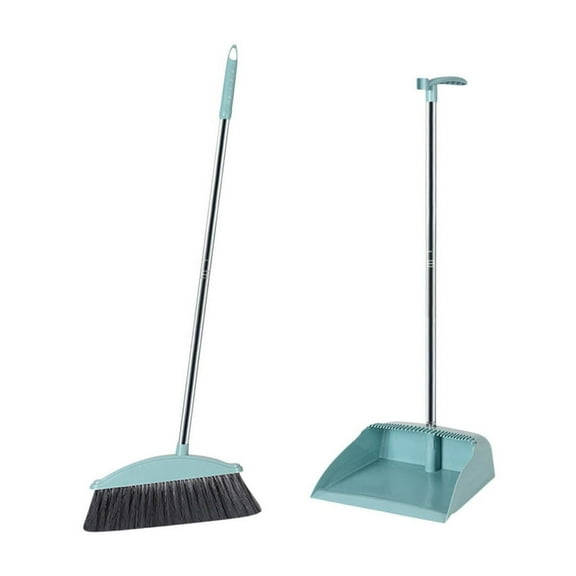


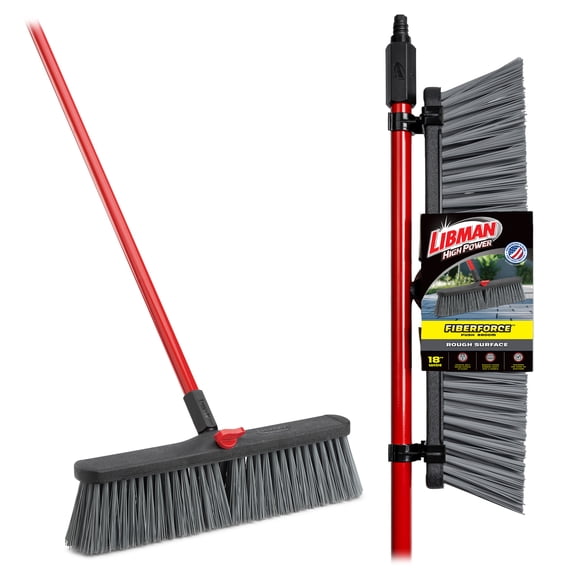


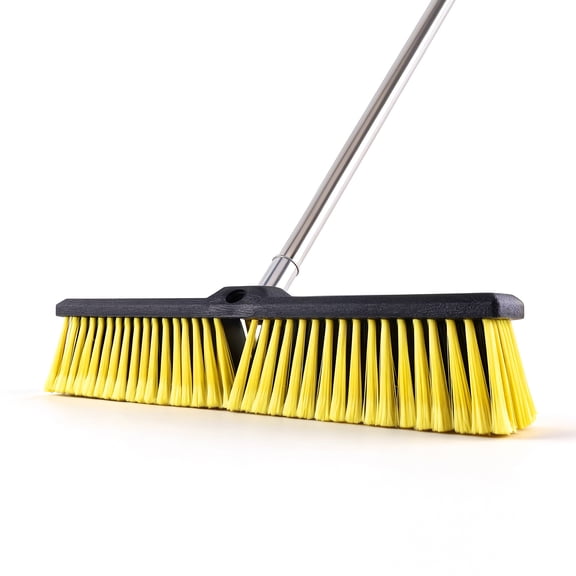


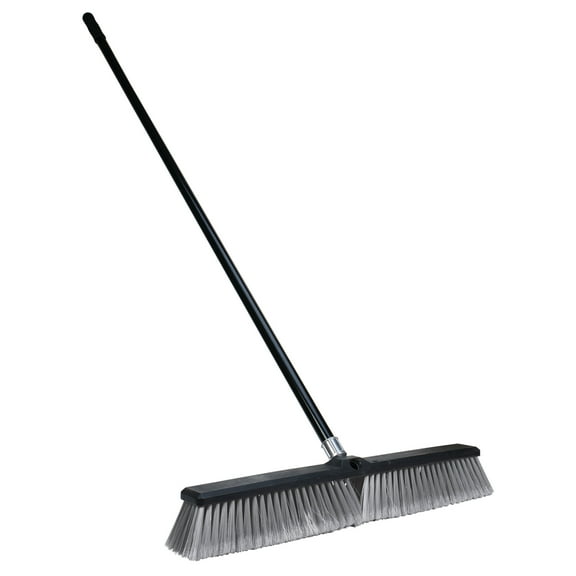


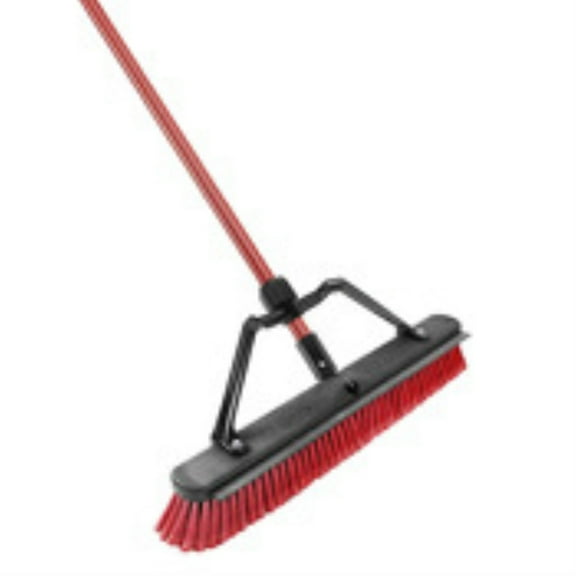

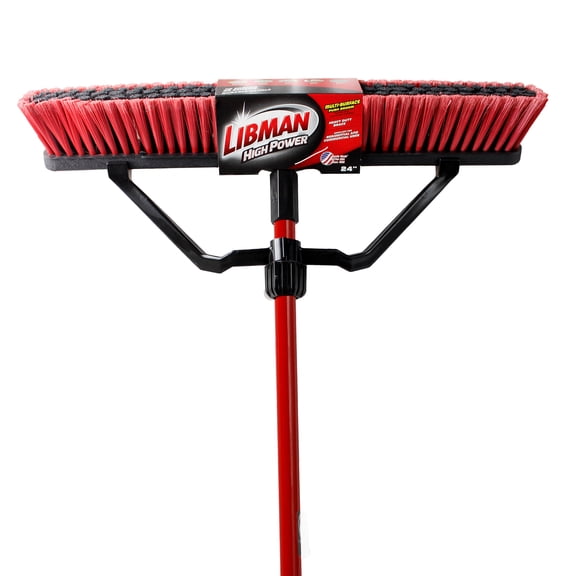

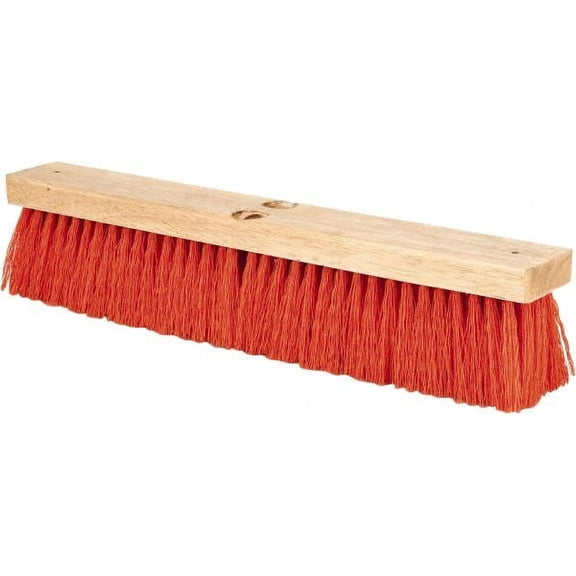
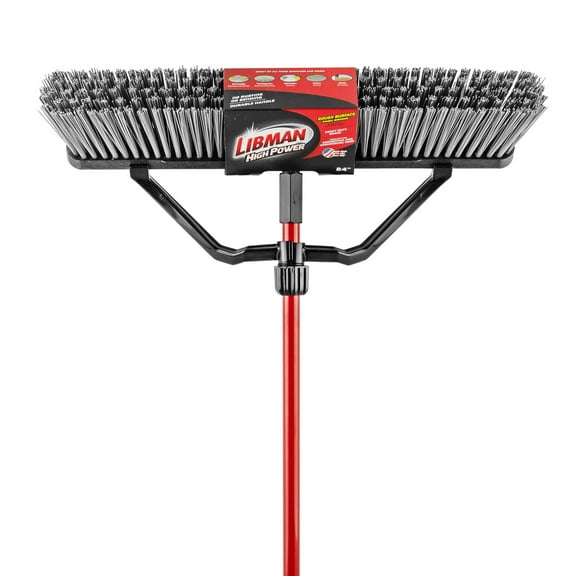



About Shop Durable Push Brooms for Indoor and Outdoor - Walmart.com
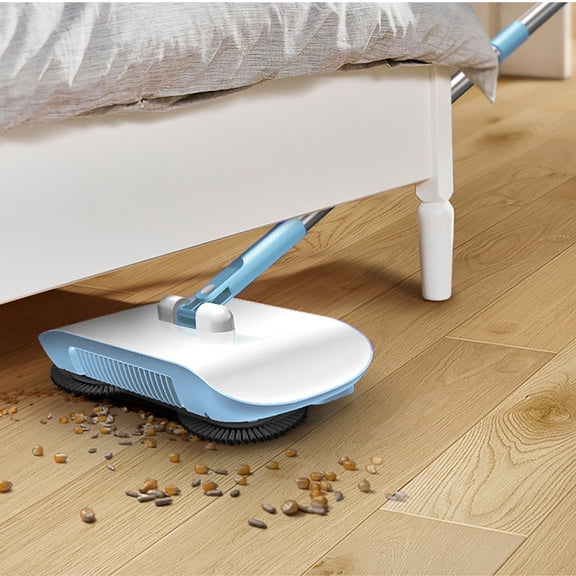
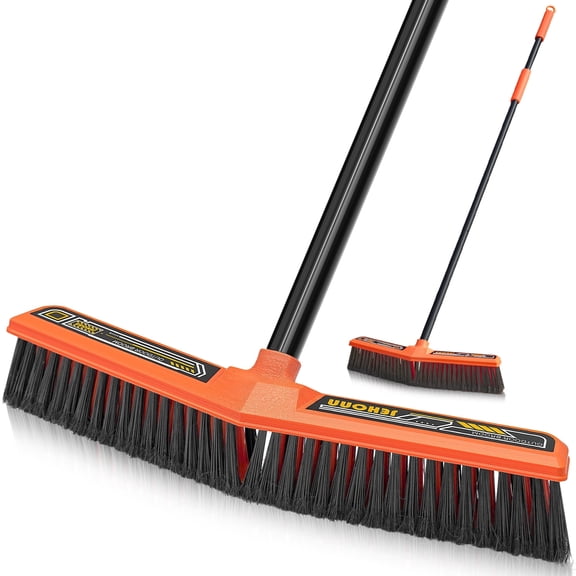
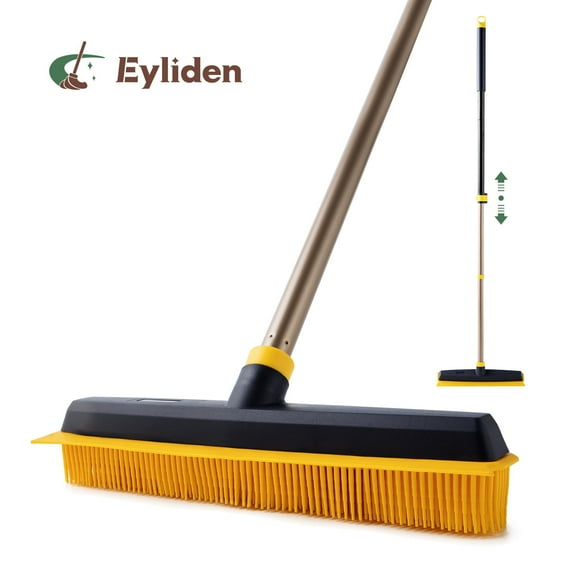
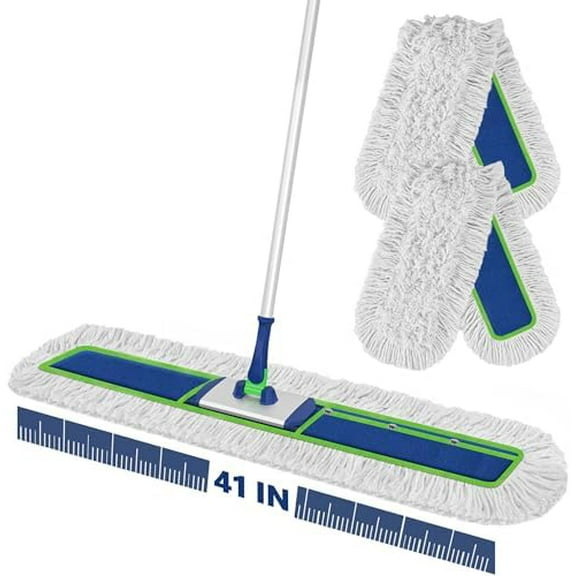
Push brooms make fast work of wide-floor cleanup, from garages to shop floors and driveways. This category focuses on broad sweep paths, durable handles, and bristles built for concrete and textured surfaces. Choose a push broom that matches your surface and debris type for smoother passes and fewer missed piles. Walmart.com makes it easy to compare head widths, bristle stiffness, and handle styles in one place.
Why push brooms earn a spot in your cleaning kit
A push broom covers more ground per pass than many small household sweepers. That matters when you’re clearing sawdust, leaves, or packing debris from large spaces. Wider heads also help you guide debris into a clean windrow for faster pickup.
Stiffer bristles can move gritty messes on rough concrete and asphalt. Softer bristles glide on smoother floors and help capture finer dust. With the right bristle, you’ll spend less time re-sweeping edges and corners.
Many shop spaces need tools that hold up to frequent use. Look for reinforced head blocks and secure handle connections that stay tight through repeated pushes. A dependable shop broom also helps keep entryways and work zones looking orderly.
- Clear wide areas quickly with broad broom heads and steady, even bristle contact.
- Match stiff or soft bristles to concrete, epoxy floors, tile, or sealed wood.
- Handle larger debris like mulch or shavings without constant clogging.
- Keep garages and workshops cleaner between deeper cleanups.
Features to compare before you pick a shop broom
Head width is the first choice point for most shoppers. A large push broom speeds up sweeping in open bays and driveways. A narrower head can feel more controlled along shelves, benches, and tight aisles.
Bristle material and stiffness drive how the broom behaves on your floor. Stiff bristles dig into textured concrete to move sand and grit. Medium or soft bristles are useful on smoother finishes where you want steady glide.
Pay attention to bristle length and density. Denser fill can improve contact and reduce streaky lines on dusty surfaces. Longer bristles can flex over small cracks and expansion joints in concrete.
Handle length affects posture and leverage during long sessions. Longer handles can help reduce bending on wide pushes. Shorter handles can add control in smaller rooms and around equipment.
Connection hardware is a key durability checkpoint. Threaded handles should seat firmly without wobble at the head. Braced or reinforced sockets can help keep the handle stable during heavier pushes.
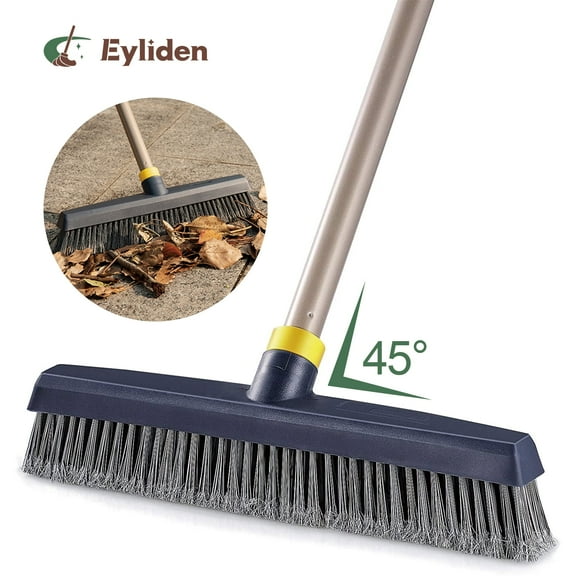
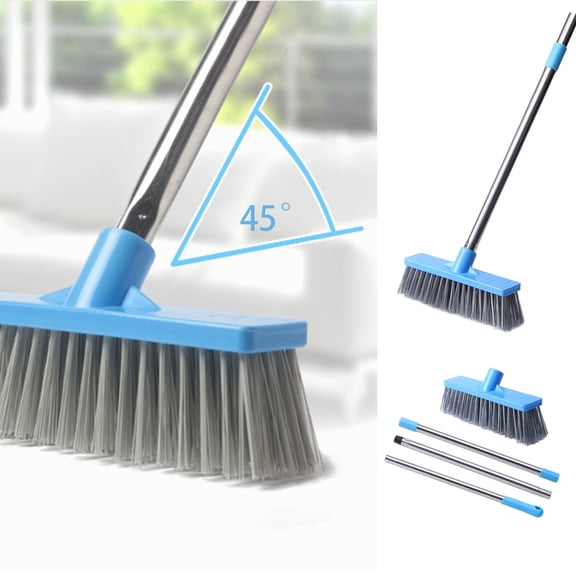
Some options include angled heads for better reach along baseboards. Others use straight blocks for consistent contact across the full width. For a heavy duty push broom, look for sturdy block material and a solid handle interface.
Use cases for garage broom and outdoor sweeping
A garage broom is built for everyday messes that pile up fast. Sweep salt crystals, dried dirt, and driveway grit toward the door in controlled passes. A wider head helps finish the center quickly, then detail along walls.
Workshops create a mix of debris sizes. A brush broom with the right stiffness can move sawdust, wood shavings, and small hardware packaging. Pair it with a dustpan or collection bin for simple cleanup after projects.
For outdoor patios and sidewalks, bristle stiffness matters a lot. Rough pavers and brushed concrete often respond well to stiffer fibers. Smooth sealed surfaces can sweep cleaner with medium bristles that keep contact without skipping.
Entryways and breezeways benefit from frequent, quick sweeps. A push broom with a comfortable grip helps you reset the space in minutes. That’s useful when foot traffic tracks in leaves and fine dust.
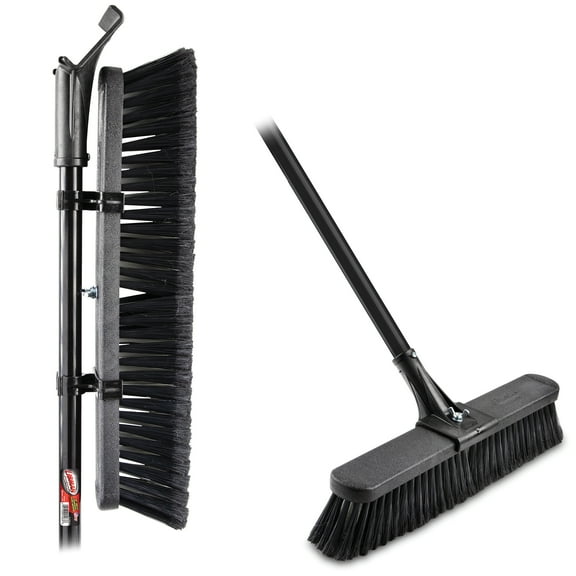
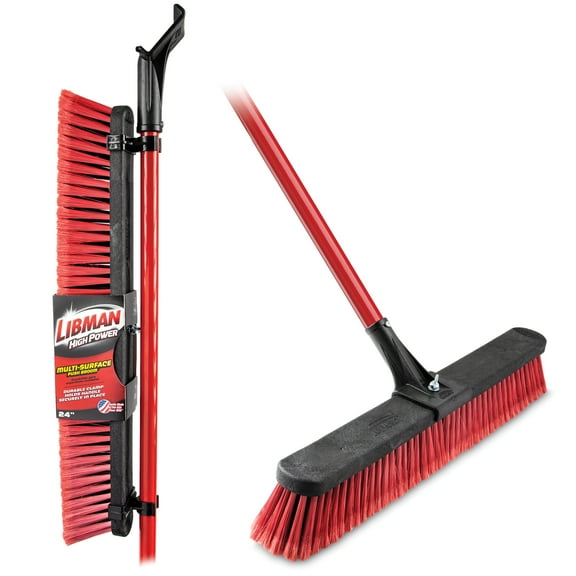
In larger areas like warehouses or back rooms, head width and handle strength do the heavy lifting. A large push broom can reduce the number of passes across a long aisle. Choose a sturdy handle connection to keep the head aligned through long pushes.
If you switch between indoor and outdoor zones, consider having two brooms. Keep one shop broom for fine dust on smoother floors. Use another for gritty outdoor surfaces to avoid dragging rough debris indoors.
Bristle selection guide for push brooms
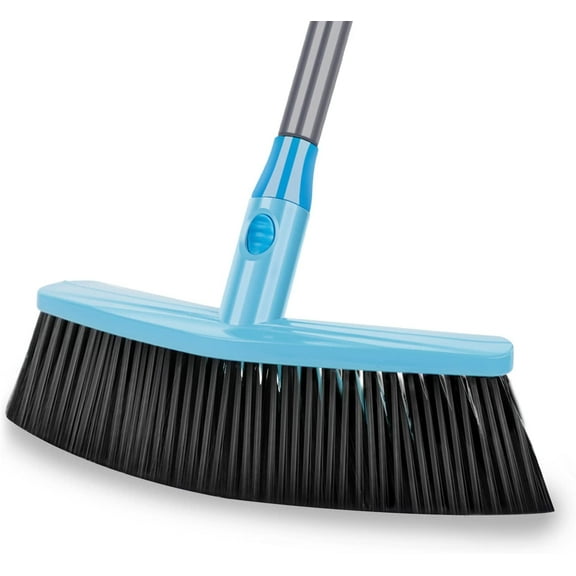
Soft bristles work well for fine dust and light debris on smoother floors. They can help gather powdery messes without scattering. They’re a solid fit for sealed concrete, laminate, and finished wood surfaces.
Medium bristles balance control and sweep strength. They handle everyday garage debris while still gliding across many floor types. This stiffness is common for general-purpose shop use.
Stiff bristles are built for rough surfaces and heavier debris. They push sand, gravel, and packed dirt on textured concrete and asphalt. They’re also useful when you need more bite at the leading edge.
When you’re deciding, think about the mess you see most often. Fine dust favors softer fibers and dense fill. Chunkier debris favors stiffer bristles and a sturdy block.
Handle fit and assembly basics
Many push brooms arrive with a handle that threads into the head. Tighten the handle fully so it sits straight and secure. A stable connection helps the bristles stay flat for more even sweeping.
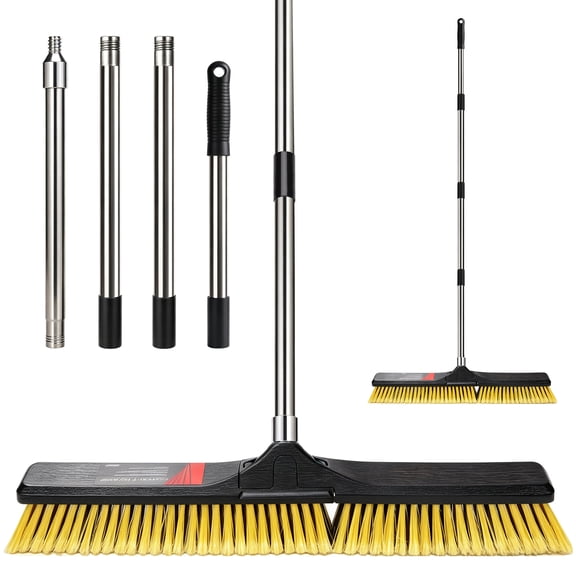
Some handles come in multiple pieces for storage and shipping. Assemble sections until the joints stop turning and feel firm. A straight, rigid handle helps you guide debris without twisting the head.
Storage is easier with a hanging hole or a hook-ready grip. Keeping bristles off the floor can help them keep their shape longer. A simple wall hook also frees up shelf space in busy garages.
Finish your sweep with fewer passes
The right push brooms setup comes down to surface type, head width, and bristle stiffness. Once those match your space, cleanup feels smoother and more predictable. That means cleaner floors, clearer walkways, and less debris left behind after each pass.