




Protein Bars in Protein Bars






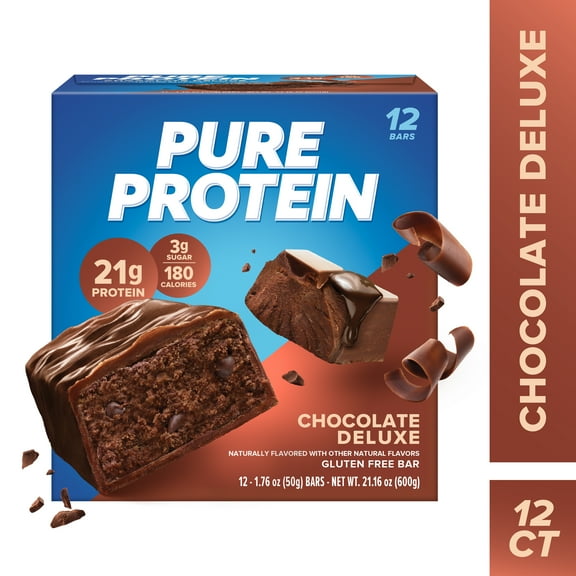

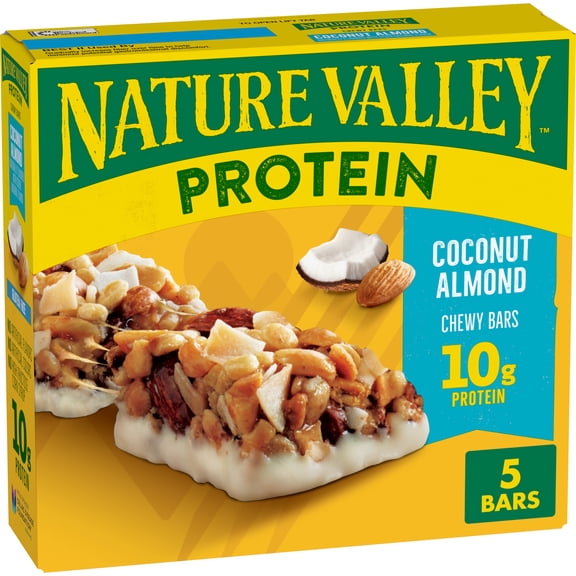
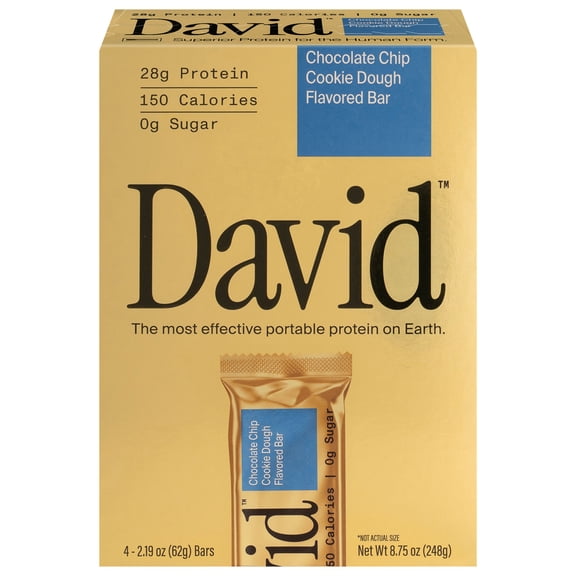
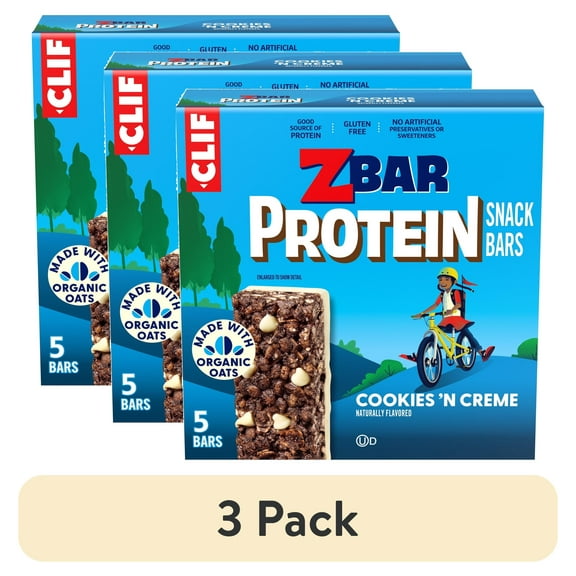





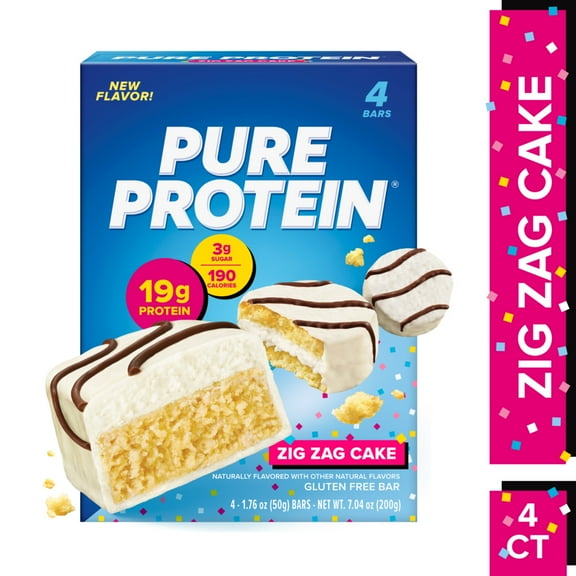


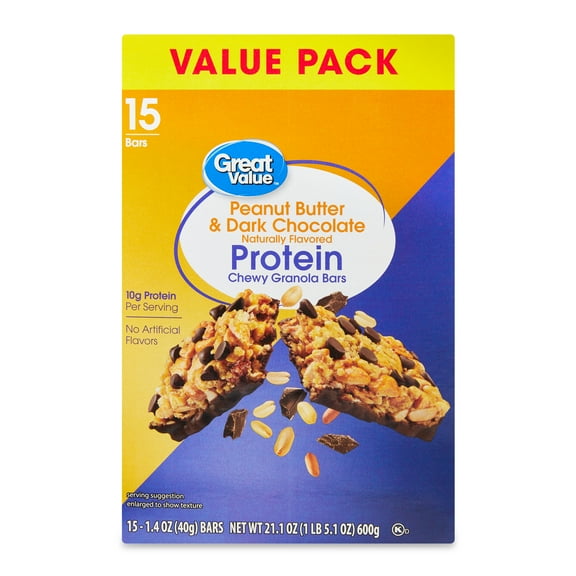
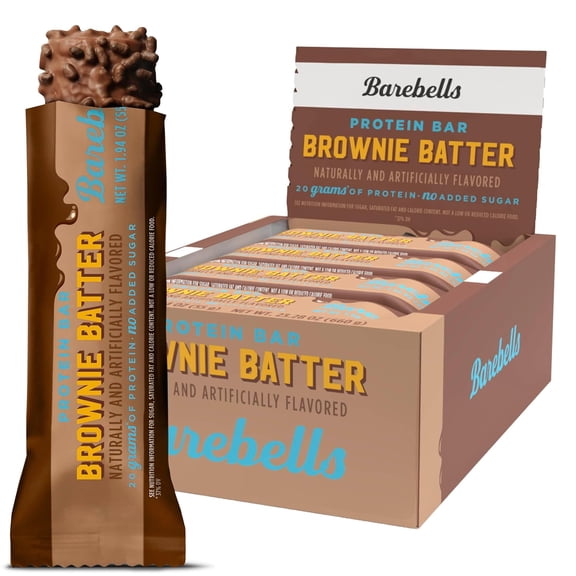


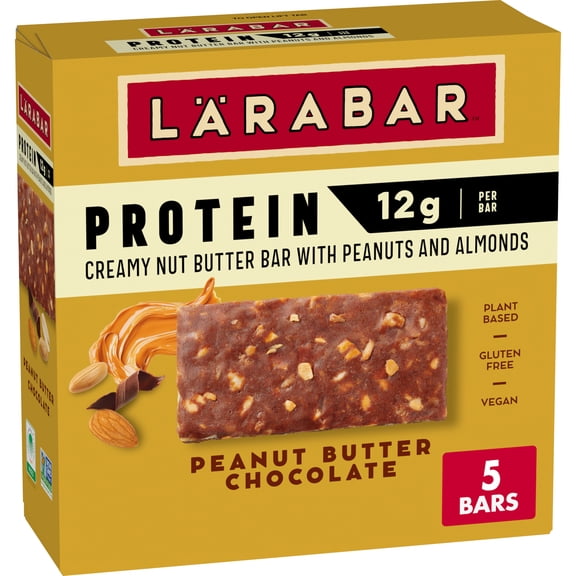




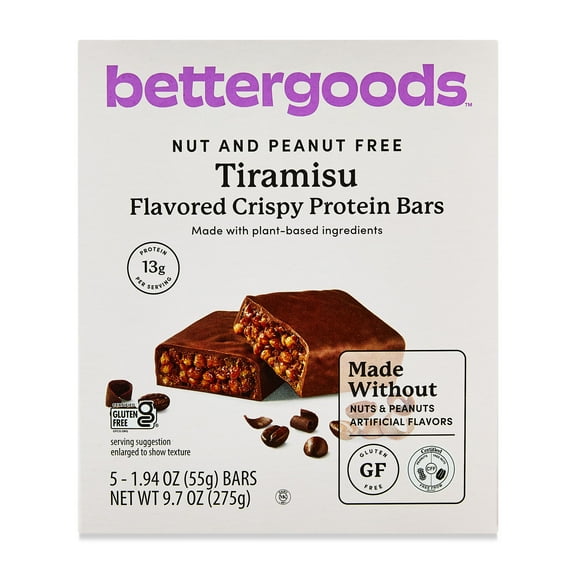


About Protein Bars in Protein Bars - Walmart.com
You can compare protein bars faster when you focus on protein source, sugar level, texture, and serving purpose. You'll find options for workouts, busy mornings, desk drawers, and gym bags in one convenient category.
If you're narrowing a crowded shelf, you should start with the details that change taste and fit. Your choice may depend on whey isolate, pea protein, chewy texture, or lower sugar counts.
How to choose protein bars for your routine
You should match your bar to the moment you plan to eat it. Your post-workout pick may look different from your afternoon snack or meal replacement.
When you compare labels, you can quickly sort bars by protein grams, carbs, and texture. You'll also want flavors that keep your routine easy to repeat.
- You can choose higher protein counts when your snack needs more staying power after training.
- You can look for lower sugar options when your routine calls for a simpler macro balance.
- You can keep chewy, crunchy, baked, or wafer textures on hand for different cravings.
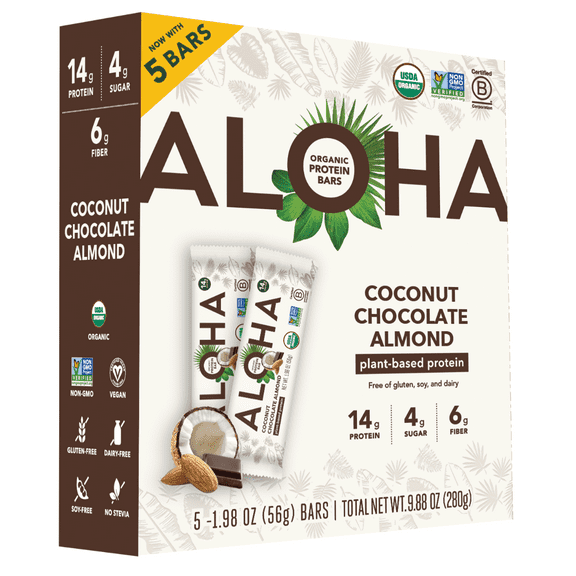
- You can compare whey protein bars and plant based protein bars by ingredient preference.
Choosing high protein bars by protein source
You should begin with the protein source because it affects texture, flavor, and dietary fit. Your options may include whey isolate, milk protein, soy, or pea protein.
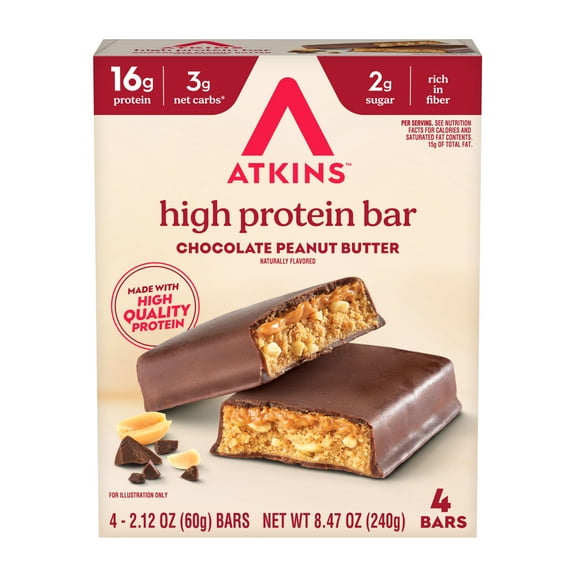
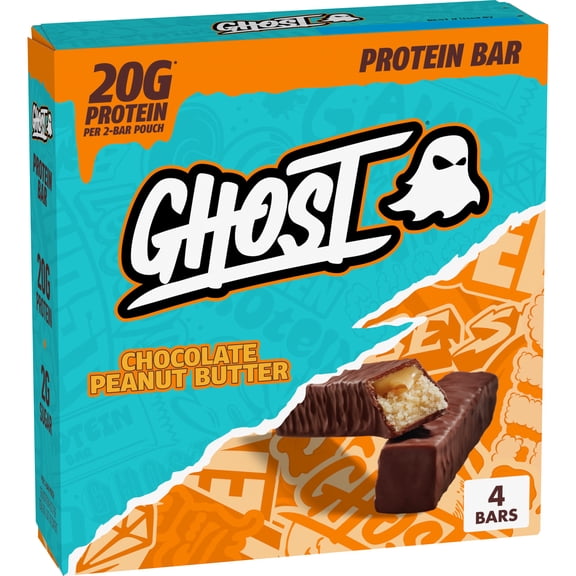
If you want a dairy-based option, you may notice whey protein bars often deliver a familiar gym-bag format. You'll often see whey isolate when you want a leaner ingredient list and a lighter texture.
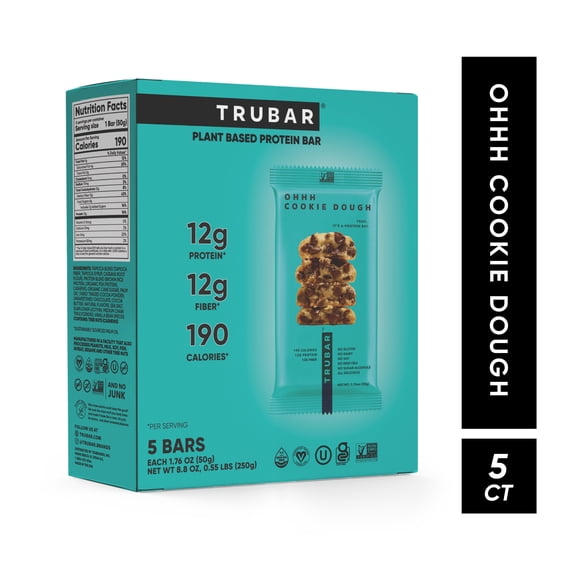
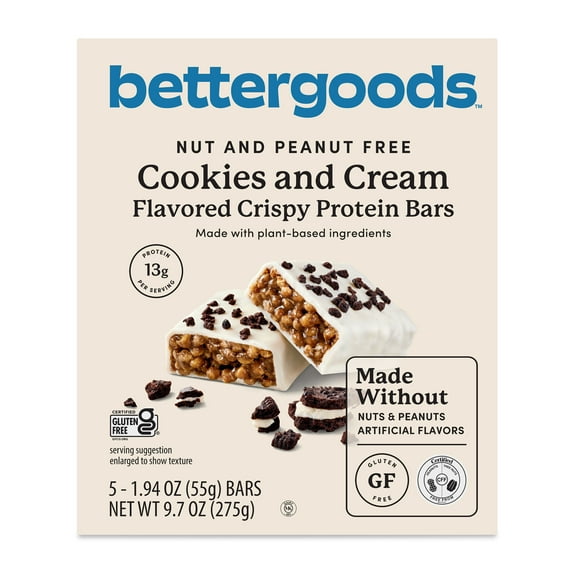
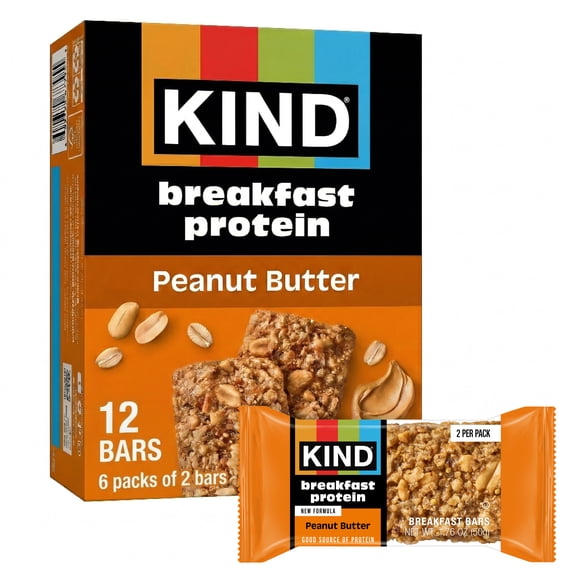
If you prefer non-dairy choices, you can compare soy and pea protein for plant-forward options. Your plant based protein bars may pair protein blends with nuts, seeds, or crisped grains.
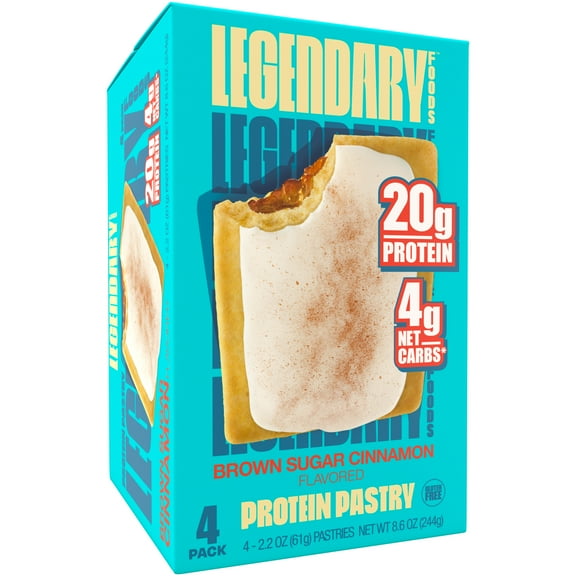
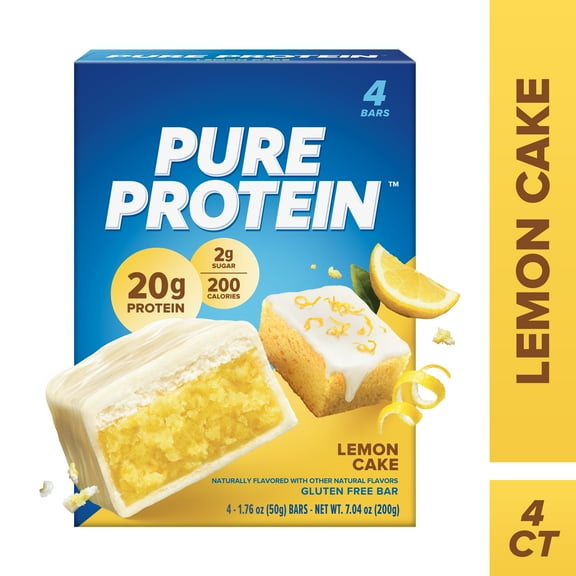
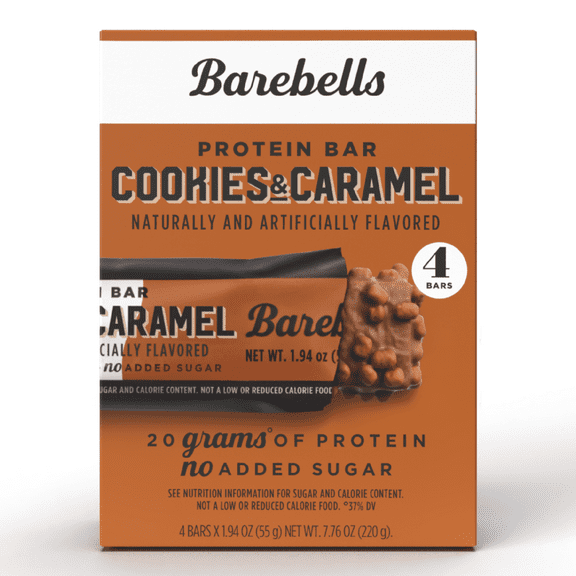
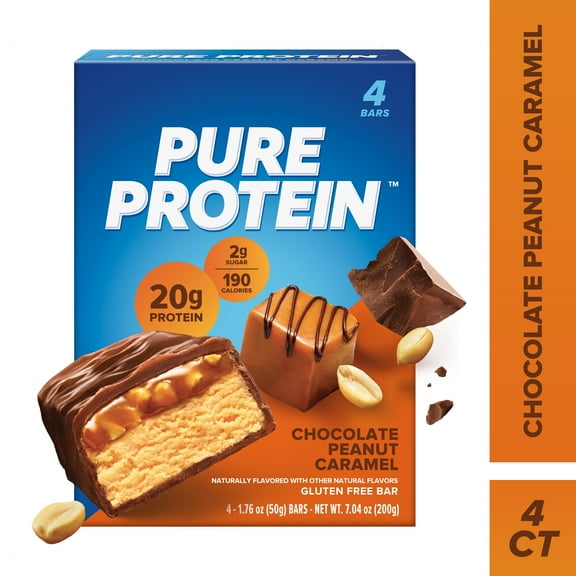
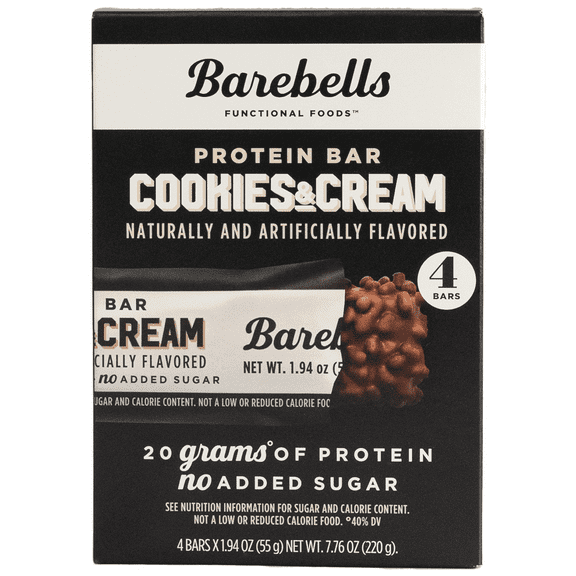
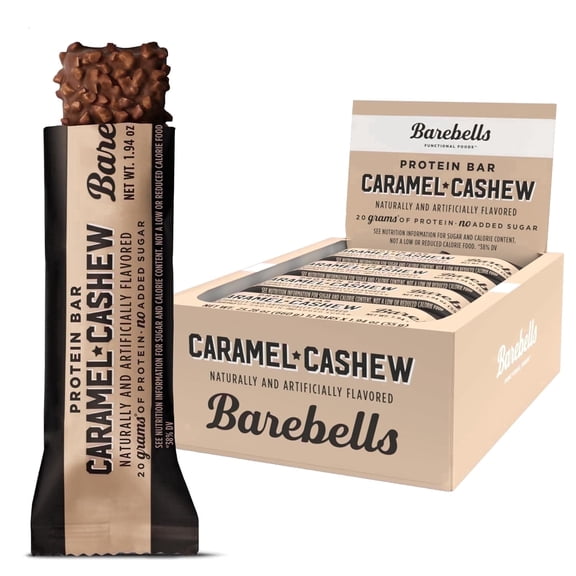
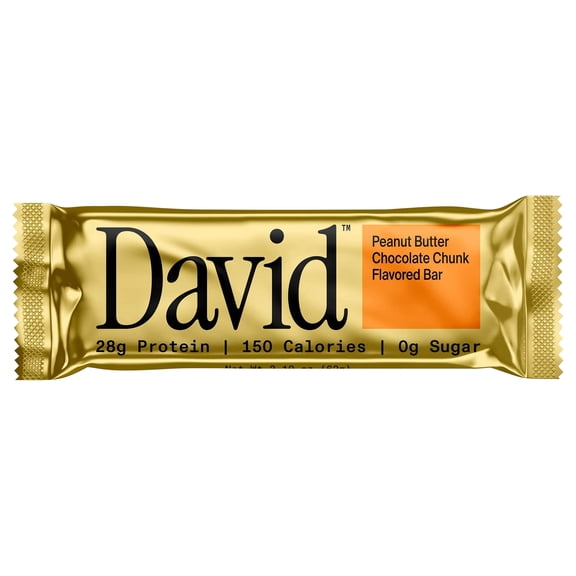
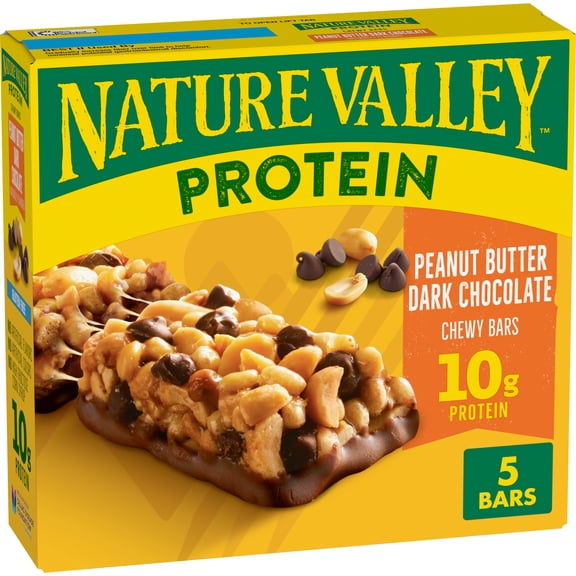
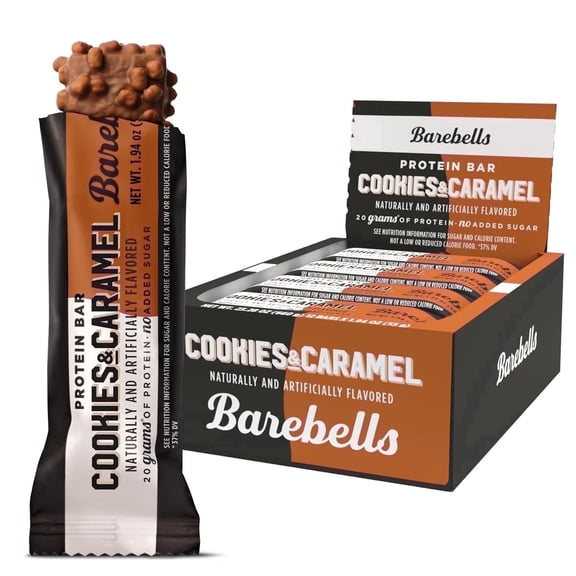
You should also check protein grams per bar before you decide. Your needs may lean toward 10g for lighter snacking, 20g for balanced support, or 30g+ for dense formats.
Comparing low sugar protein bars and net carbs
You can narrow options quickly by checking sugar and carbohydrate numbers on each label. Your lower sugar pick may fit better when you want a snack with less sweetness.
If you're comparing keto-friendly choices, you should look at net carbs along with protein grams. Your label check can help you spot bars that align with a lower carb eating style.
You may also want gluten-free or vegan filters when dietary preferences guide your cart. Your low sugar protein bars can come in chewy, crunchy, or wafer styles without feeling repetitive.
When you compare nutrition panels, you should also notice serving size and calories. Your bar may work as a quick bite, while another may feel closer to a meal replacement.
What to look for in texture, format, and flavor
You shouldn't overlook texture because it shapes how often you'll actually reach for a bar. Your preference may be soft and chewy, crisp and crunchy, baked and cake-like, or light like a wafer.
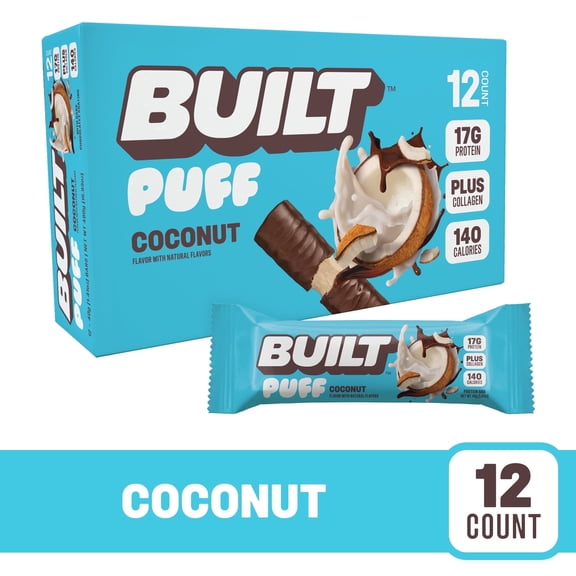
If you've had bars that felt dense, you can compare layered fillings, crisped centers, and wafer builds. Your texture choice can make protein snacks feel closer to candy bars, cookies, or crispy treats.
Flavor matters just as much when you stock up for the week. You can rotate chocolate peanut butter, cookie dough, salted caramel, and fruity options to keep your snacks interesting.
You should also think about where the bar will live during your day. Your desk drawer, backpack, pantry, or cup holder may favor wrappers and formats that travel neatly.
Matching protein bars to real use cases
You can use lighter bars for quick breaks between meetings, classes, or errands. Your 10g option may suit a small snack when you don't want a heavier bite.
After training, you may prefer bars with more protein and a straightforward ingredient profile. Your 20g or 30g+ choice can feel more substantial when you need a convenient gym-to-car snack.
If breakfast gets rushed, you can compare denser bars with higher calories and richer textures. Your choice may work well when a meal replacement style fits your morning routine.
For long commutes or travel days, you can keep shelf-stable protein snacks within easy reach. Your bag can hold crunchy bars, baked bars, or wafers without needing extra prep.
If your household has different preferences, you can mix whey protein bars with vegan options in one order. Your variety pack approach can cover fruity, chocolate, chewy, and crispy preferences at once.
You can also branch into related routines with protein powder, energy bars, and sports nutrition staples. Your overall plan becomes easier when each snack type fits a specific part of your day.
You can shop protein bars with more confidence when you compare source, sugar, texture, and serving purpose together. Your final choice feels simpler when the bar fits your routine, your taste, and your nutrition priorities.