

ColemanOzark TrailKtaxonGas OneBlackstoneSIXDAYSOXGVDVCityOutEccomumLNOWDWALESternoVivicreateRhino ValleyCamp ChefVINGLIAsotewtSPECSTARUnbrandedHike CrewCostwayLdysoBestFireFire MapleZimtownFriziGasproLanthourShinestarStansportFlame KingMixmartKoblenzKFFKFFBartonBig Horn OutdoorSalonMoreAlvantorVEVORCoghlan'sTOMSHOOWakemanUBesGooDengmoreGonexGenericAlpine CuisineMatladinSolo StoveToptengHibibudRedcampSaveJoyUSBINX LIFEBENTISMAMTPMWadeoAiqidiLIZEALUCKYAcahhotxxJkapagzyWoodEzeRedSwingZintownLilypelleEKIDAZBNsxcdhSportteerEotviaImountekOUFANdykaaeCHEF MASTERXGRFSJWOuterMustRIEDHOFFQuLuJingOverpatioDwellnixAsterOutdoorOcibmnNOBRANDWswqopUxcellSONRETcoaaLynonoQSTDGVPWArealerMiumaeovAxiomaColaxiharayaaSuodokaTrangiaDBM ImportersDodocoolMagiDealToppiJoyfigatiaARC USABayou ClassicBrynnaLylongQccHieUsCEORPERKASENDPitycboCacagooKarymiTOUMENYkedijiadianziRiouseryTAPDRAARCADORAMoobodyXirurusFOMIYESJZROCKERKoolsooNieyigjRENACLIPYTFCFLWofarmyYAHHUYajisiBESTYASHConcord CookwareGoaderHGYCPPM BuderOlicampOunonaXanyeCaraMartCPOMSDigital ZakkaElowenGeneralIFRINIDJesscasdayJUANCHENGRaindropsSpacoCarevasCeveminCNCESTDenestEDOEMSELAZIOEGRLZZTBVECHIWINDLANDBQBQERTDICEWENGARENDEHannLkHIPKZHONMEETLITINKIMIMosieeSIXDAYYardi YardaBAOPAIBOKYANCOCEQUCDANCHELDemifillKing KookerKyusrdMOMOJIANational StandardPetromaxTcbosikTgbvmtUSUERYVensioVisit the Horizon Vista StoreAUTRINIXBlarkrusGoDecorGVNHersfrdKorogimeeetLadaidra Brown fhgksmLEHOZIHEQLOLIPPYYLryxjaMGWMKEQNecviorNessalonlyliuaQENASHAINGTOOL1SHOooTopcobeWarmFuPalaceXhegheXINYUANYIFAEUXARC





Shop 4th of July Outdoor Camping Stoves & Burners - Walmart.com
Uses item details. Price when purchased online


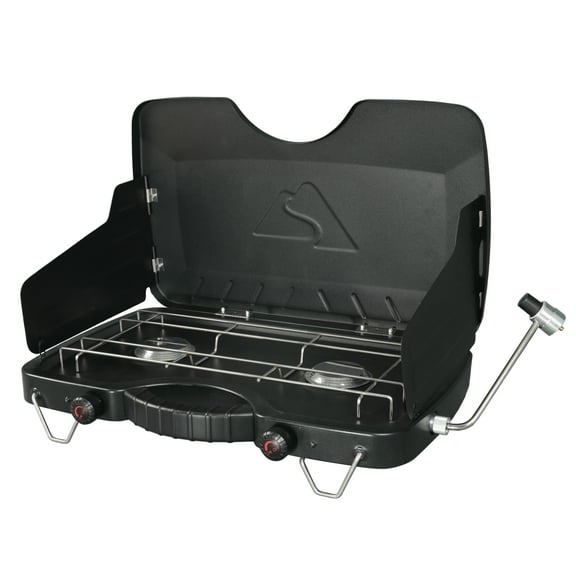

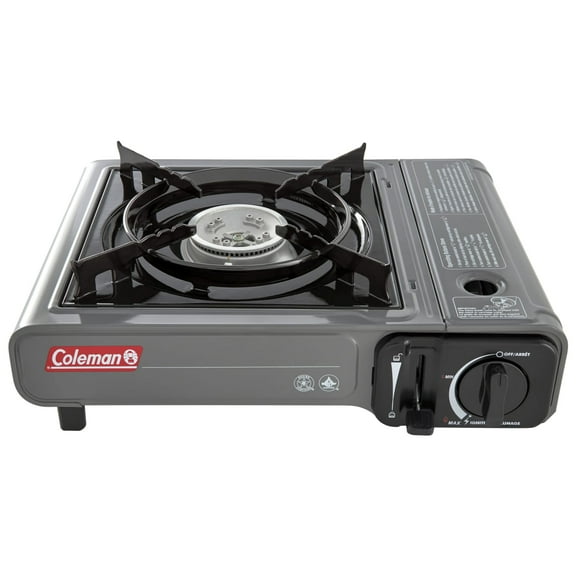
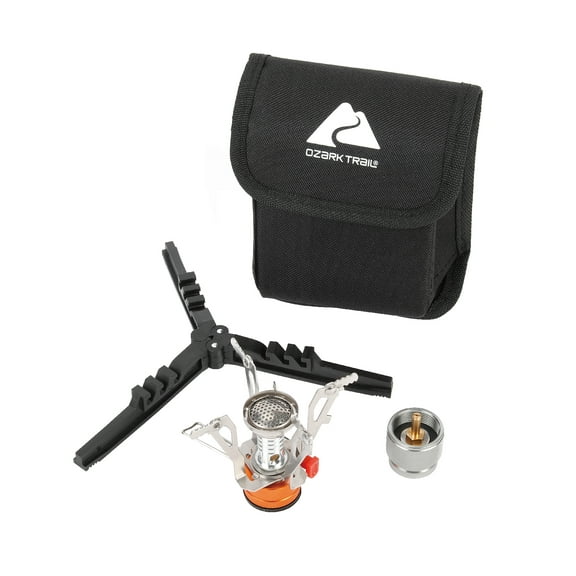












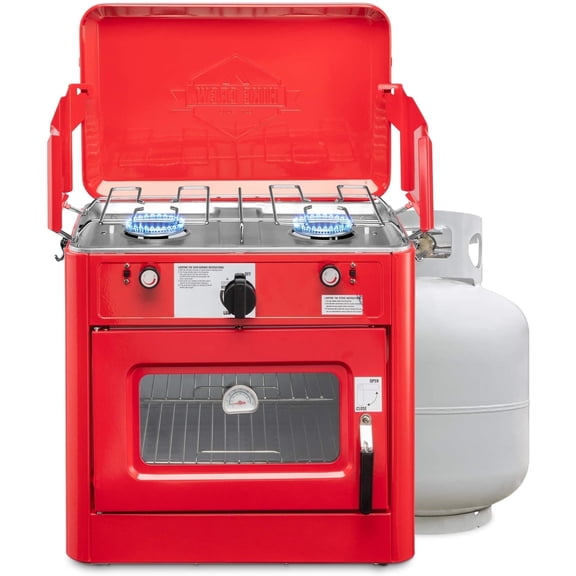
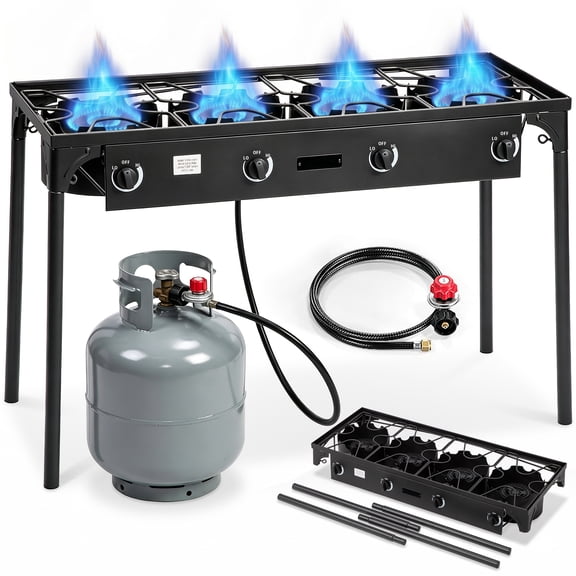

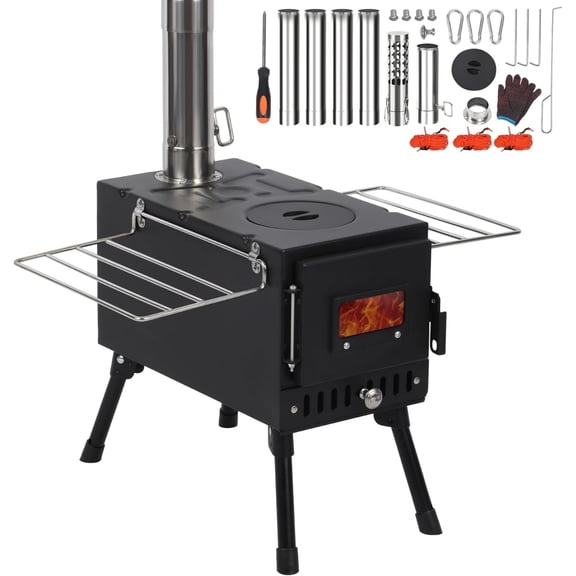

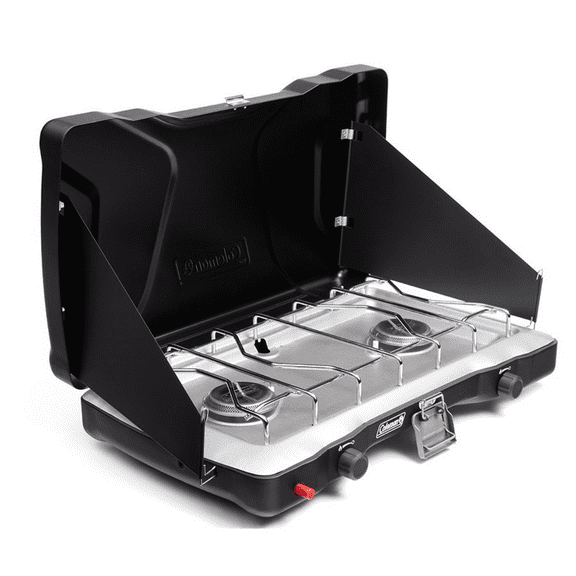





About Shop 4th of July Outdoor Camping Stoves & Burners - Walmart.com
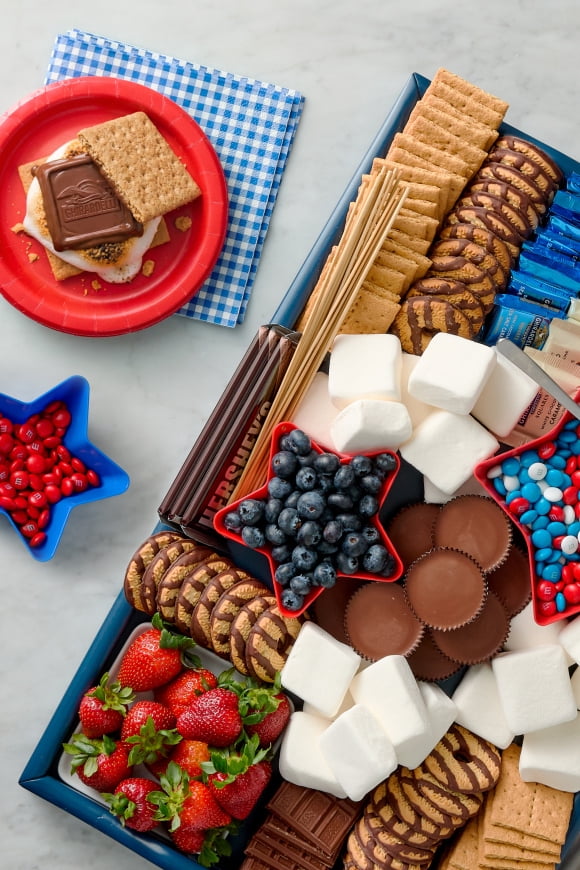
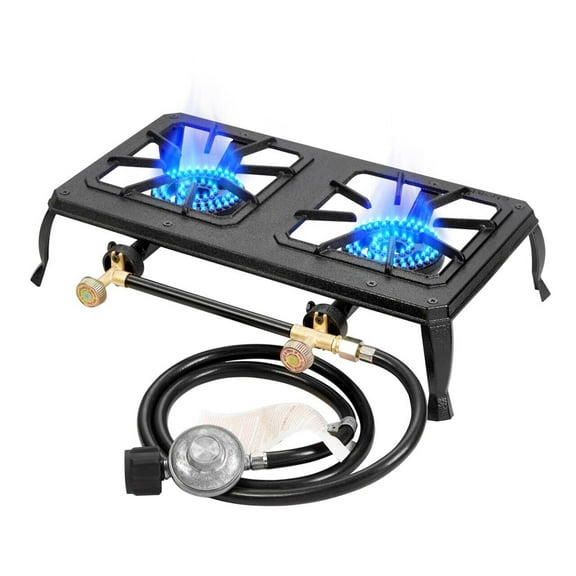
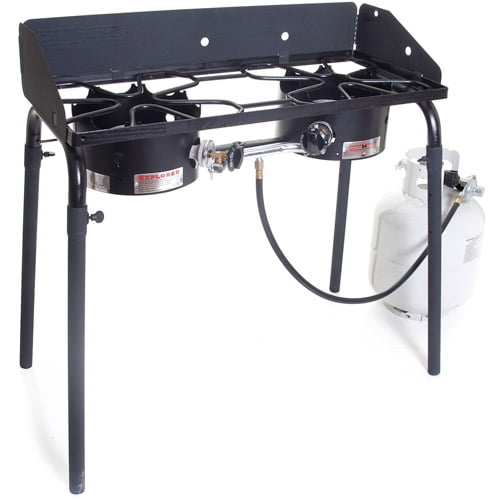
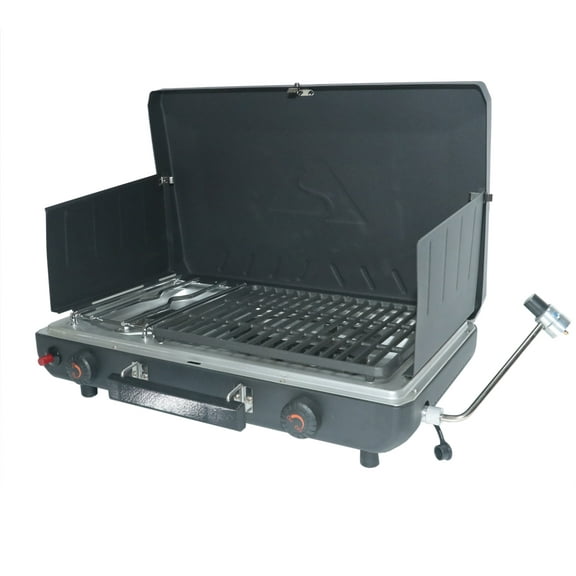
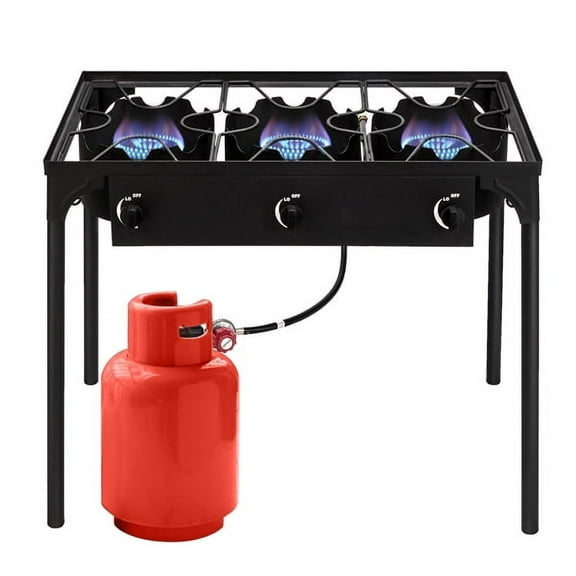
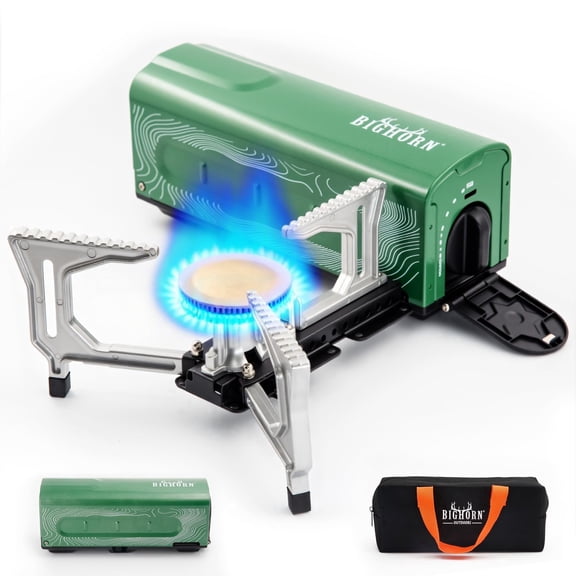
Celebrate the 4th of July outdoors with camping stoves and burners that help you cook up good times wherever the festivities take you. Whether you're prepping a meal at your campsite, hosting a backyard gathering, or gearing up for tailgating, find gear that makes outdoor cooking simple and reliable.
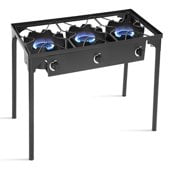
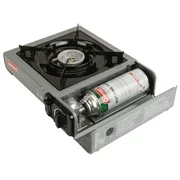
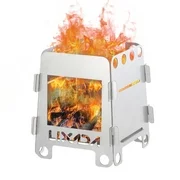
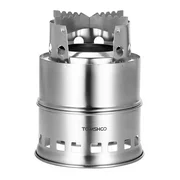
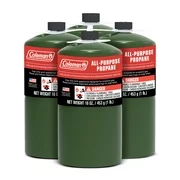
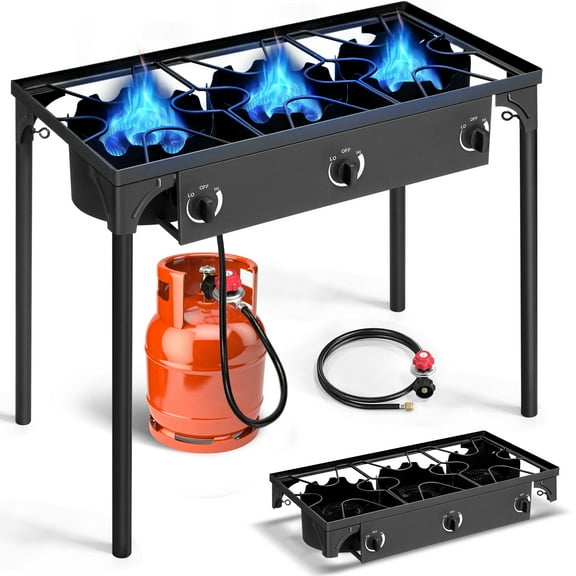
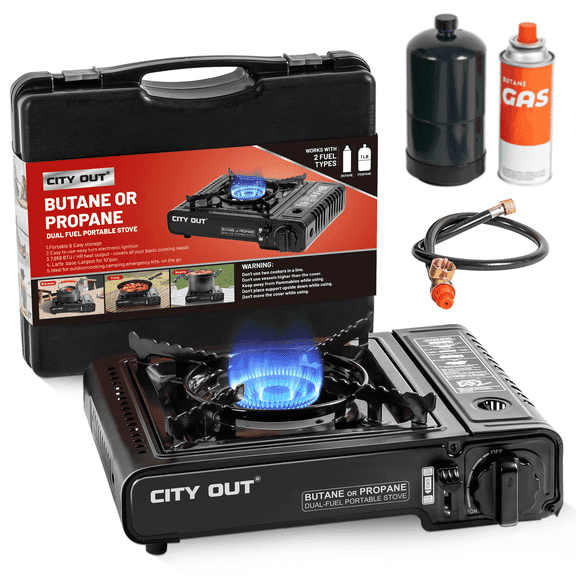
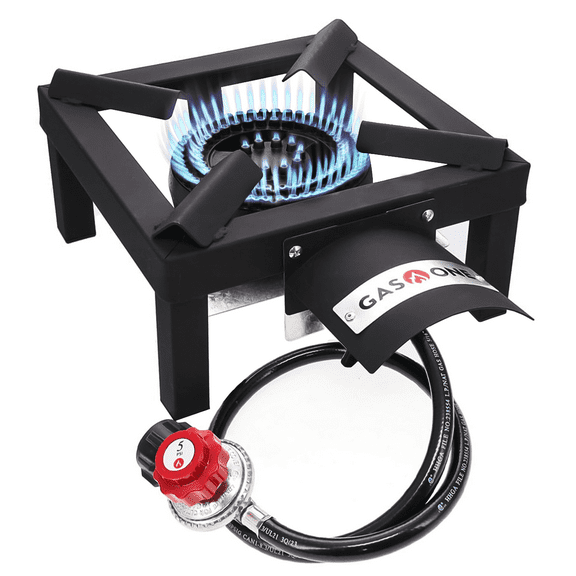
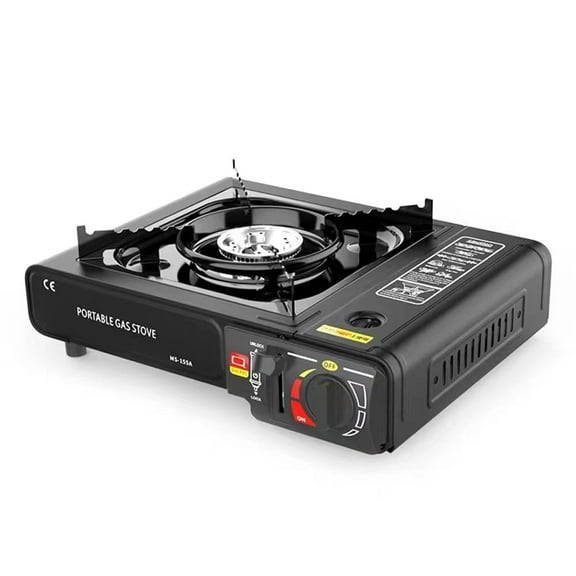
- Explore fuel flexibility: Choose from propane, butane, dual-fuel, and wood stoves to suit your July barbecue plans and match your cooking location—no matter if you're at the park or on the trail.
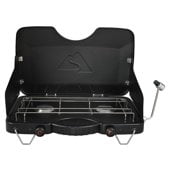
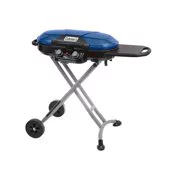
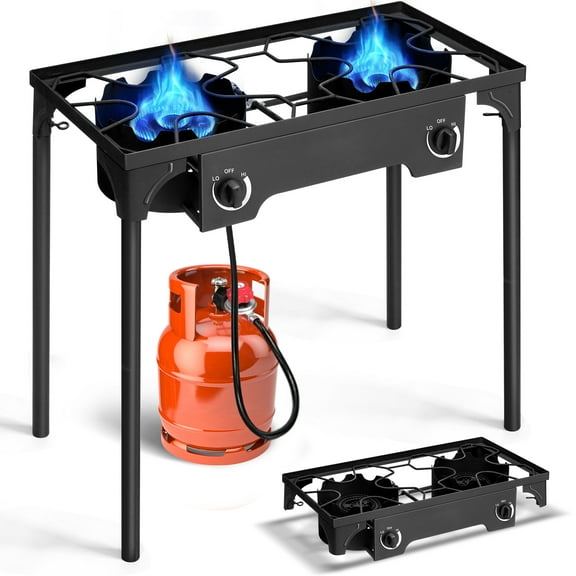
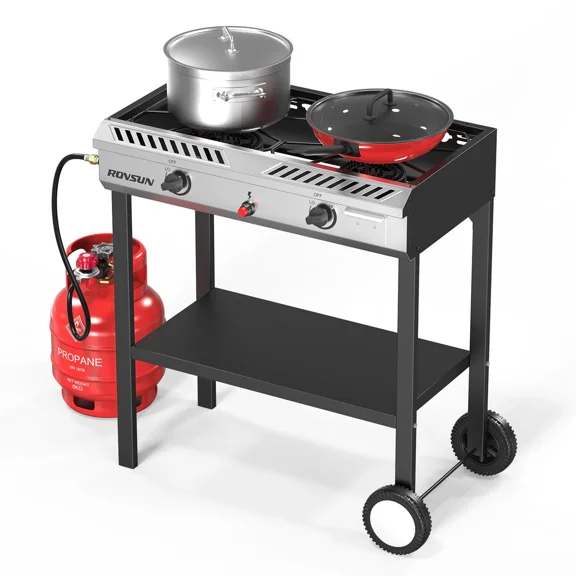
- Adaptable setups for every group: Select single, dual, or multi-burner stoves so you can heat sides, mains, and beverages efficiently during your Independence Day gathering.
- Get ready faster: Easy ignition systems, responsive flame control, and portable designs ensure you spend less time setting up and more time celebrating.
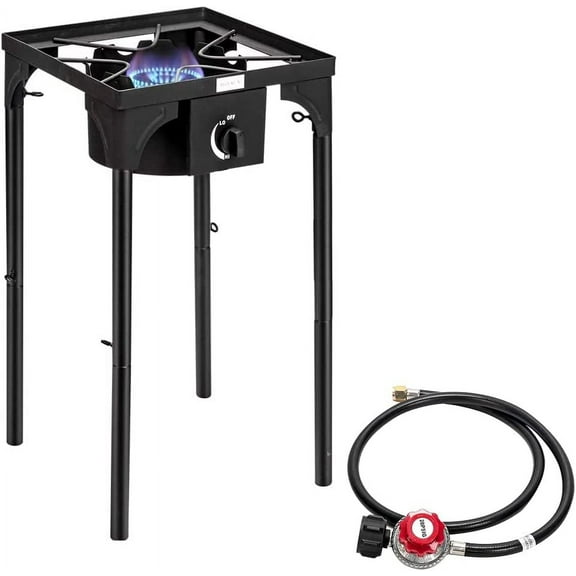
- Stay organized and safe: Look for sturdy frames, stable legs, and wind guards that help keep your cooking station secure and flames steady, even with summer breezes.
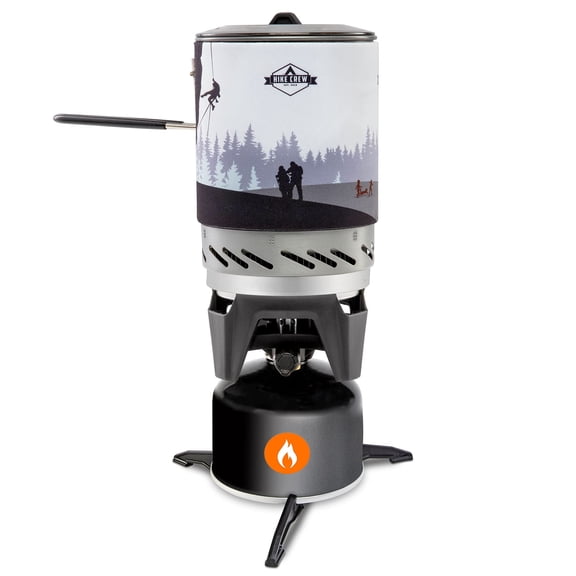
- Pack and travel with ease: From lightweight backpacking models to freestanding units with removable legs, find the right fit for tailgating, picnicking, or camping without sacrificing cooking space.
- Make cleanup simple: Durable materials and smart build features mean less hassle after the party, so you can focus on enjoying time with friends and family.
No matter how you plan to celebrate, Walmart makes it easy to discover the camping stoves and burners that keep your 4th of July meals sizzling. Shop online and pick up today for a seamless outdoor experience.