






Copy Paper in Paper

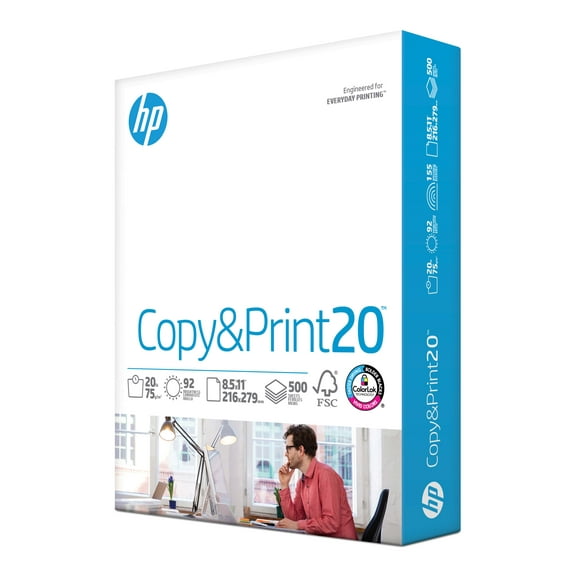

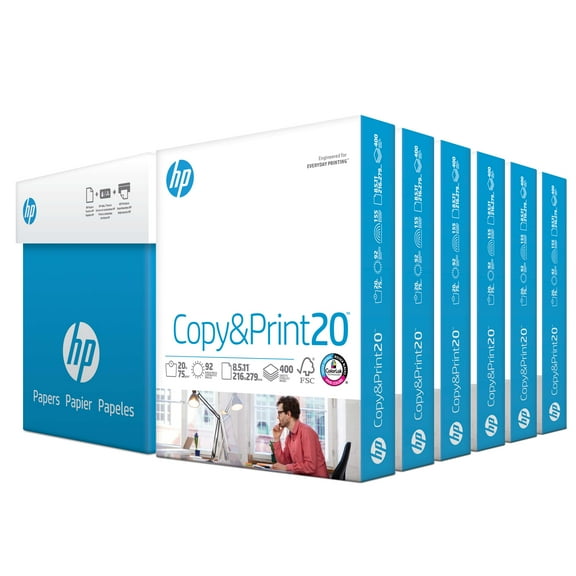
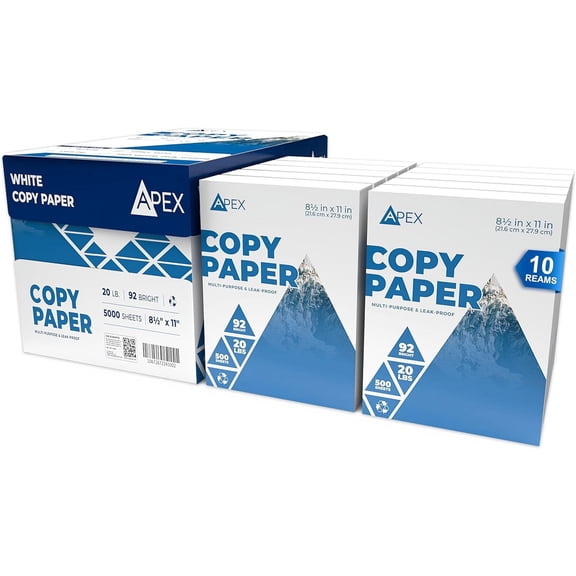
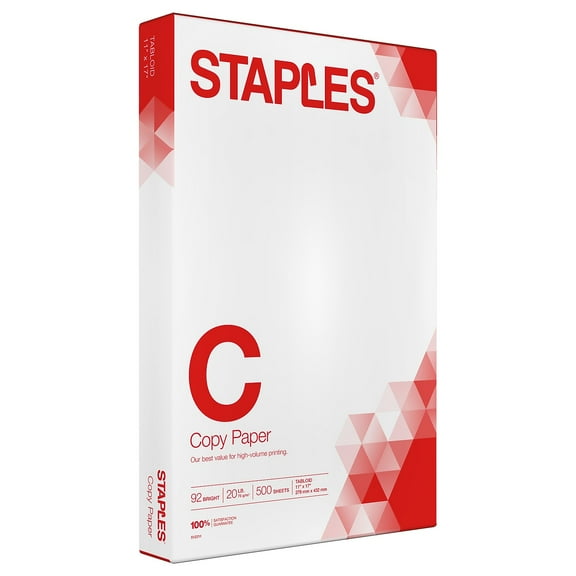






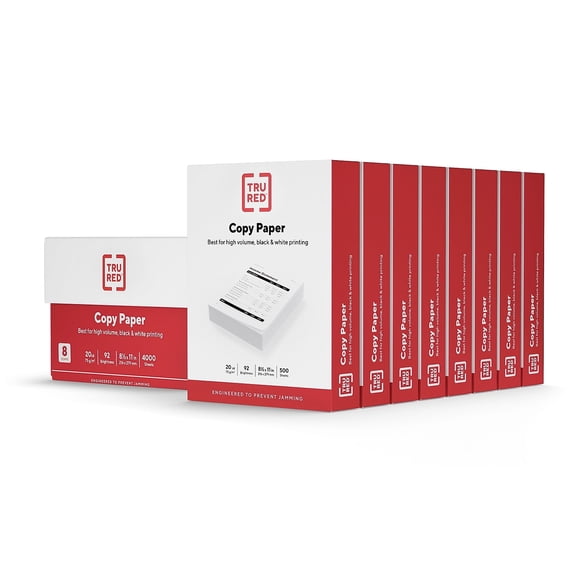
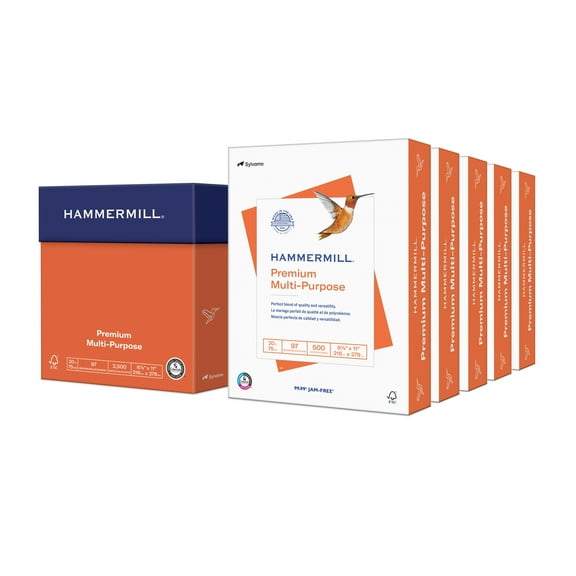


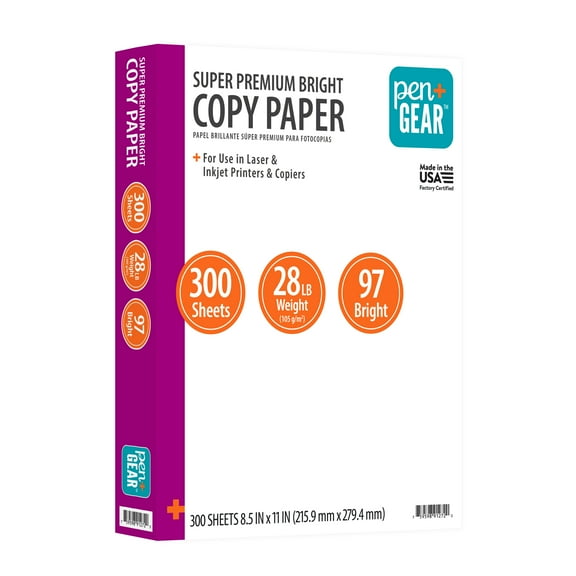











About Copy Paper in Paper - Walmart.com
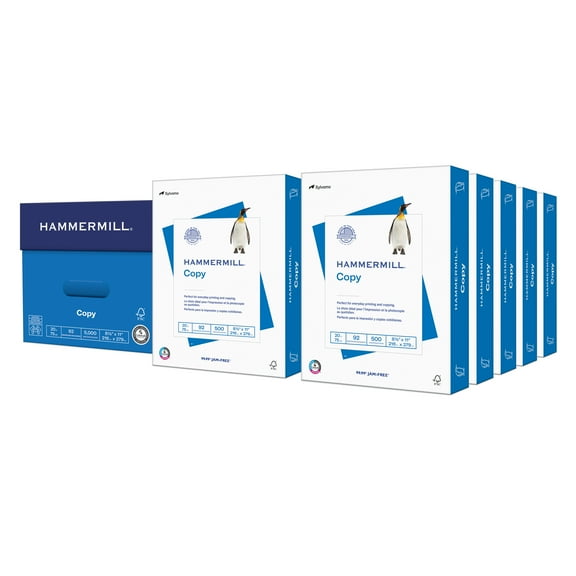
Copy paper helps you keep printing organized for home, school, and office tasks. You can compare size, weight, brightness, and quantity to match your printer and daily workload.
If you print forms, homework, invoices, or drafts, you need sheets that feed smoothly and stack neatly. You can also choose options made for everyday printing, cleaner text, or larger office restocks.
How to choose copy paper for your printer
When you shop copy paper, you should start with paper type and your printer setup. You can pick multipurpose copy paper when you want one option for mixed home and office tasks.
If you switch between inkjet and laser printing, you should look for printer paper labeled for both uses. You can enjoy a simpler routine when your paper handles reports, handouts, and everyday copies.
- You can use multipurpose sheets for schoolwork, forms, schedules, and general office printing.
- You can choose white copy paper when you want clear contrast for text-heavy pages.
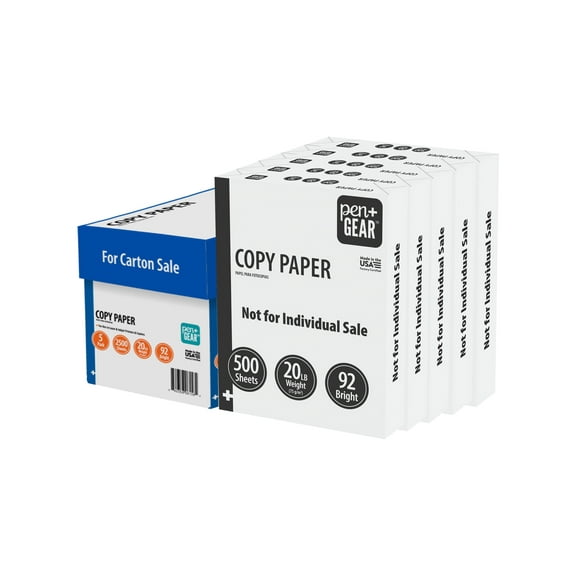
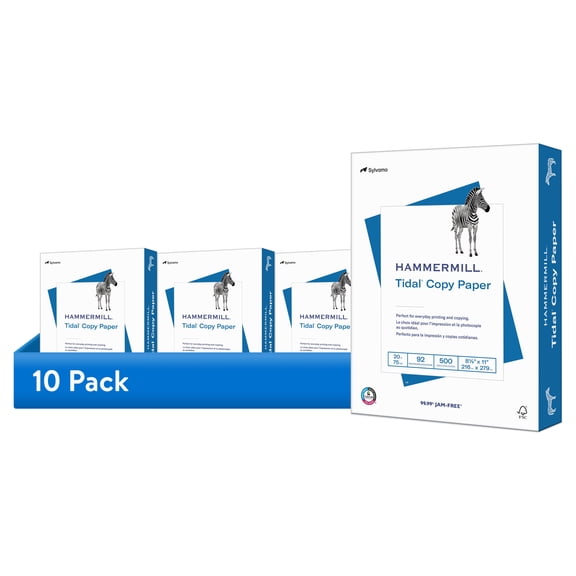
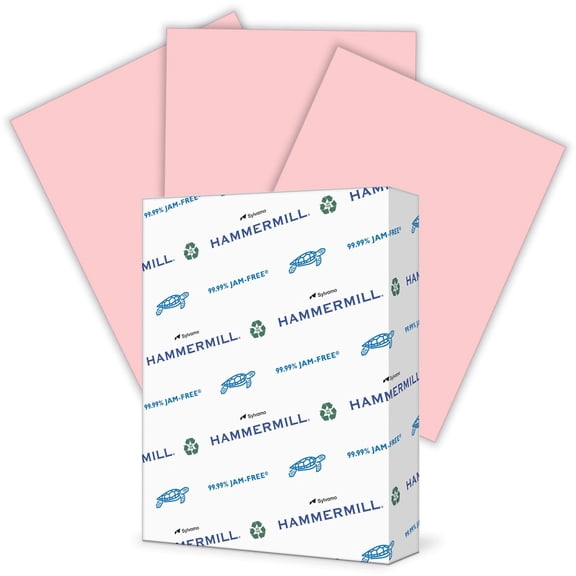
- You can buy a copy paper ream for lighter use or a copy paper case for steady demand.
- You can keep projects organized by matching letter, legal, or ledger sheets to the document type.
For many shoppers, letter size copy paper covers the bulk of everyday jobs. You can use 8.5 x 11 paper for printers, copiers, binders, and classroom handouts.
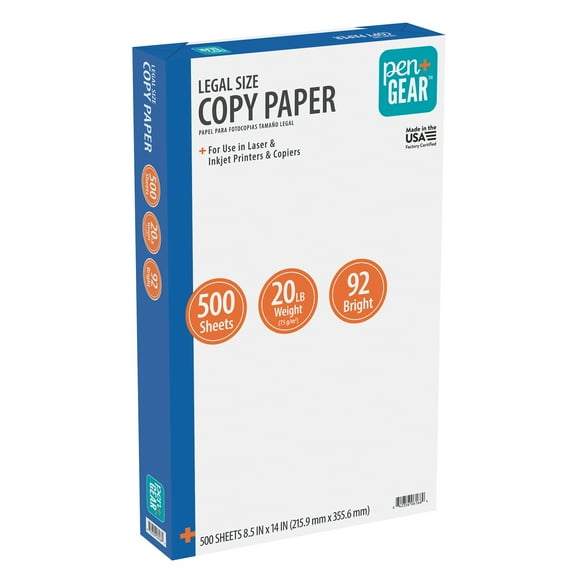
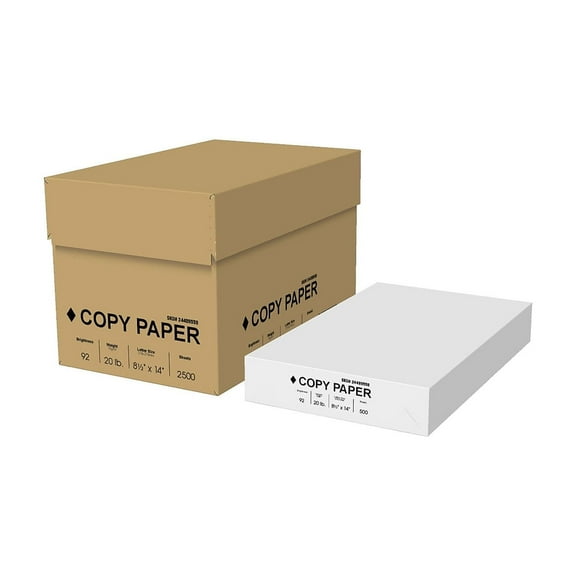
Legal sheets give you extra length for contracts, checklists, and forms with more lines. Ledger pages give you wider space when you print spreadsheets, diagrams, or large-format layouts.
Choosing the right copy paper weight and brightness
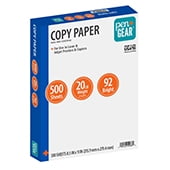
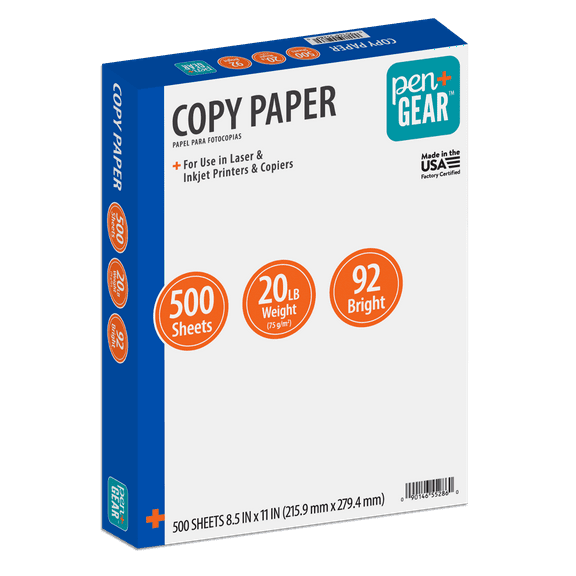
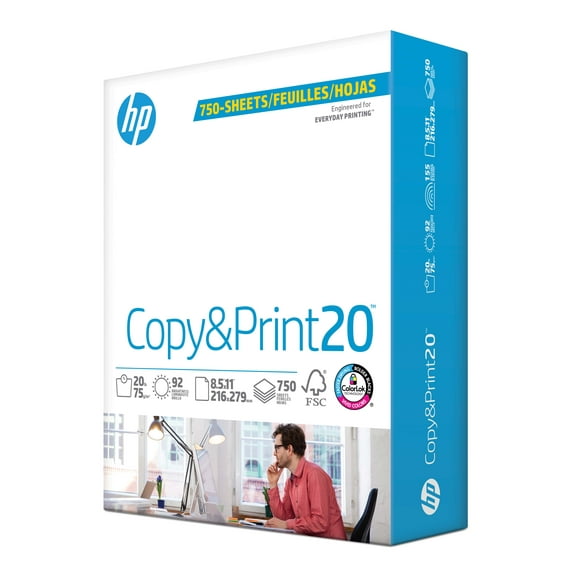
You should compare paper weight first because it affects feel, opacity, and everyday handling. You can usually find 20 lb copy paper for standard printing and routine copying.
If you print large volumes, 20 lb sheets help you move through drafts, memos, and worksheets with ease. You can step up to 24 lb paper when you want a thicker feel and a more polished page.
For presentations, covers, or pages with dense color, you may prefer 28 lb or 32 lb options. You may notice heavier sheets feel sturdier in hand and show less shadow from the other side.
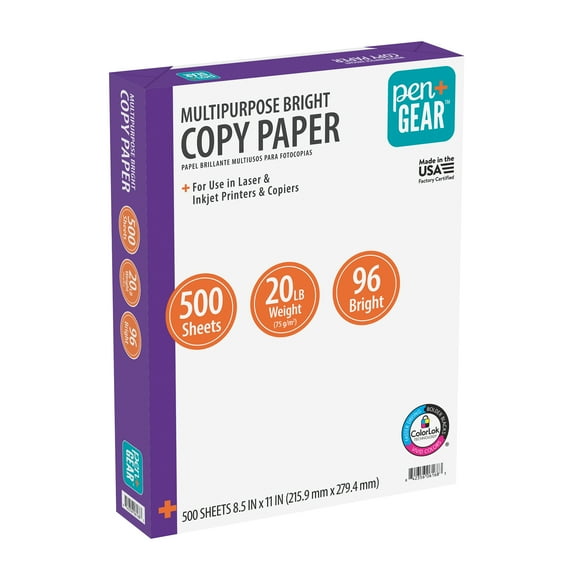
Brightness is another decision that changes how your documents look on the page. You can compare 92 Bright, 96 Bright, and 97+ Ultra Bright ratings for sharper contrast.
Lower brightness works well when you want dependable everyday output without extra glare. Higher brightness helps your text look crisper, and your color graphics appear cleaner and more vivid.
If readability matters for reports or classroom packets, you should compare brightness with your usual ink coverage. You can often find that brighter paper gives charts, headings, and small text stronger definition.
Matching size and quantity to your routine
You should measure your printing habits before choosing quantity. You can start with a single ream when your home office prints occasionally and your storage space is limited.
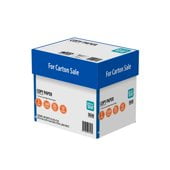
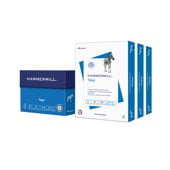
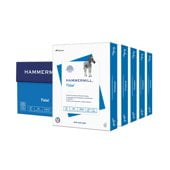
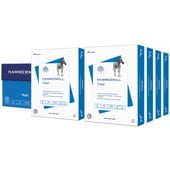
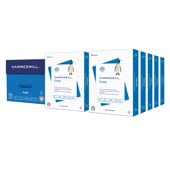
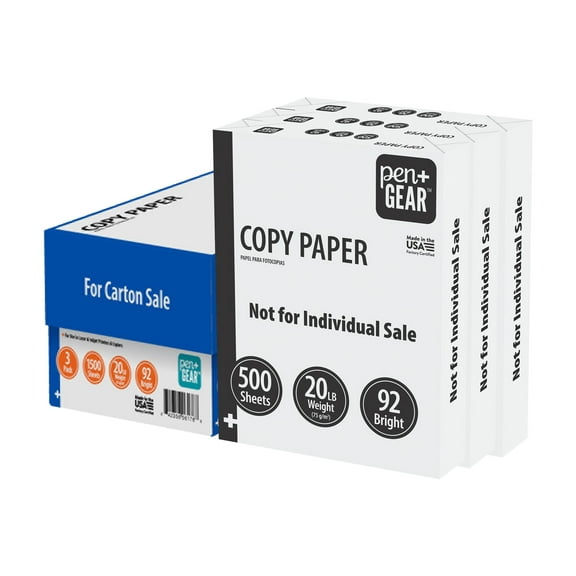
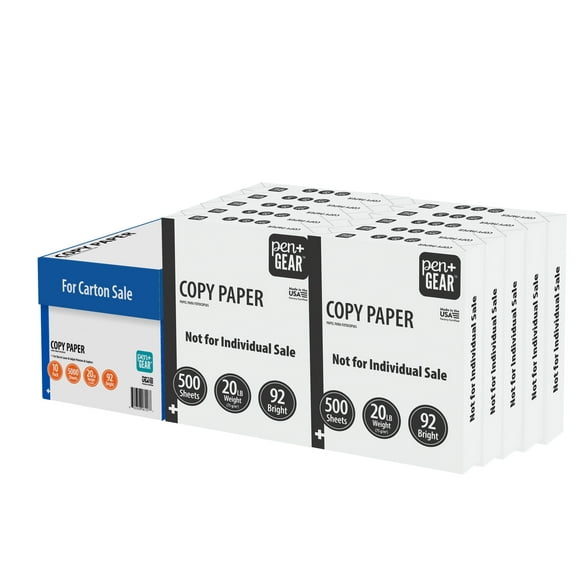
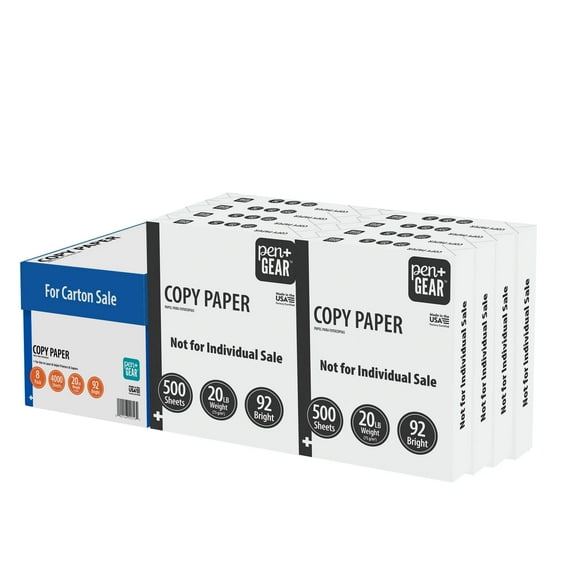
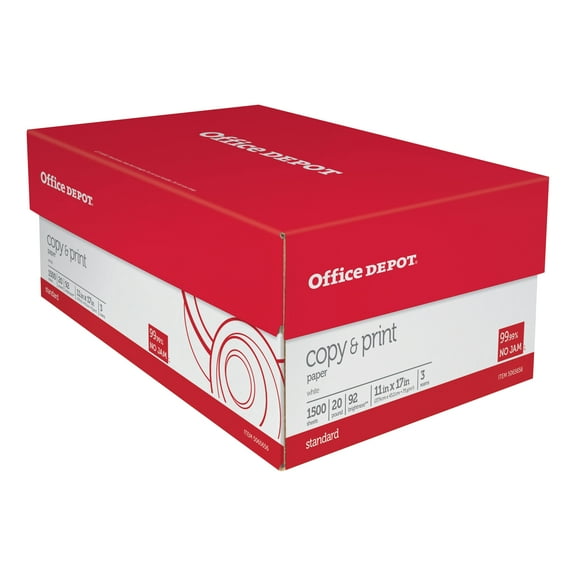
If your printer runs daily, a three-ream pack can reduce restocking between assignments and household tasks. You may prefer a copy paper case when your workplace prints packets, invoices, or shipping documents all week.
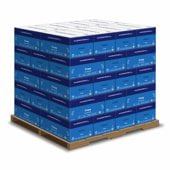
Busy offices and school settings may need larger counts to keep shared printers ready. You can also compare pallet quantities when your team manages frequent print runs across multiple rooms.
Your page size choice should follow the documents you print most often. You can rely on letter size for resumes, lesson plans, and standard office paperwork.
When your forms require added length, legal paper gives you room without shrinking the text. If your spreadsheets or posters need width, ledger sheets can support larger layouts clearly.
Using printer paper for home, school, and office tasks
You can use printer paper for everyday routines that need clean, consistent output. Your shopping list might include homework pages, return labels, schedules, reports, flyers, and draft documents.
At home, you may want multipurpose sheets that move from recipes to tax forms without fuss. You may appreciate a format that loads easily and fits standard trays and filing systems.
For school copy paper needs, you can choose lighter everyday sheets for handouts and practice pages. You may want brighter paper for presentations, color charts, and materials that need stronger visual contrast.
In an office, your team may print contracts, onboarding packets, spreadsheets, and meeting agendas every day. You can keep shared spaces stocked more efficiently by choosing larger pack sizes and dependable multipurpose paper.
During back to school paper season, you may need several reams for supply lists and family printers. You can simplify prep by choosing white sheets in standard letter size for broad classroom use.
If you print a mix of text and images, you should compare weight and brightness together. You can get a clearer match when your paper choice reflects both your printer type and document style.
With the right copy paper, you can keep pages crisp, trays stocked, and daily printing more predictable. Your documents look cleaner when size, weight, brightness, and quantity fit the way you print.