


Potassium Supplements at Walmart.com


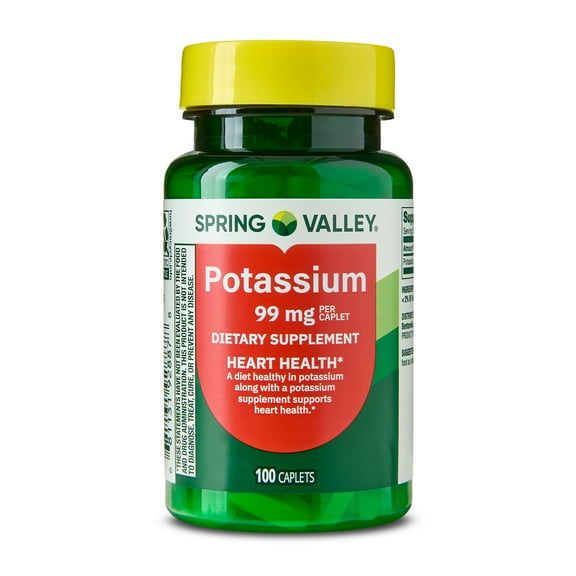

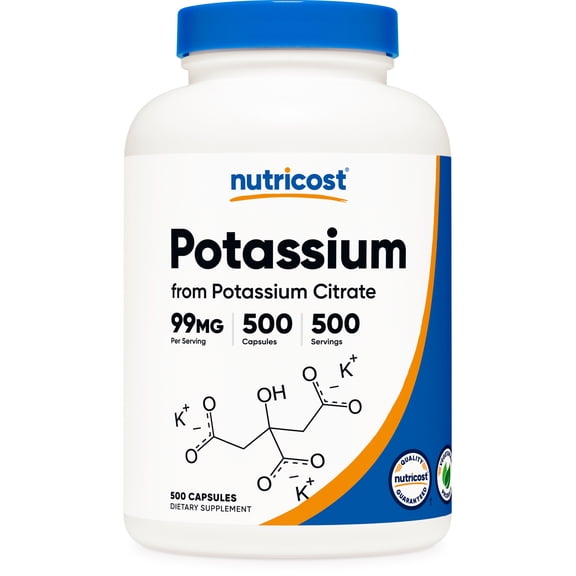

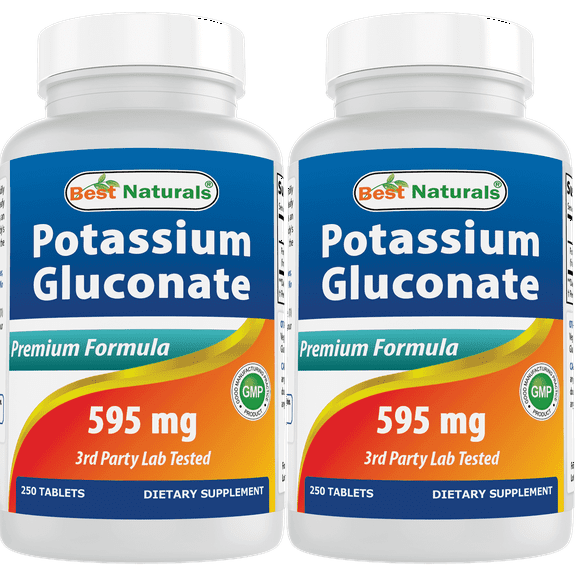
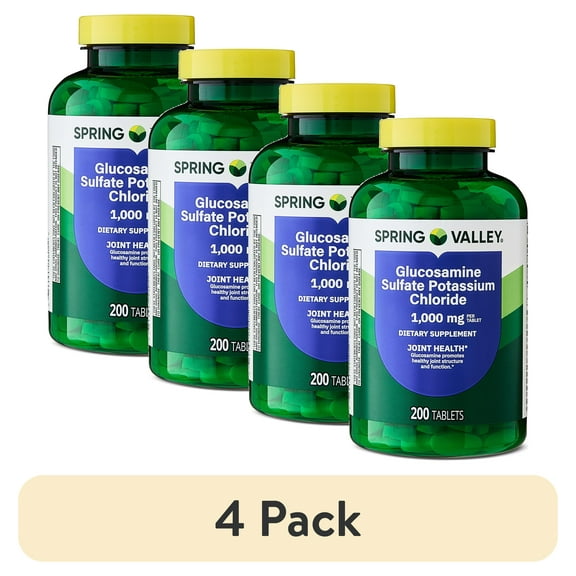
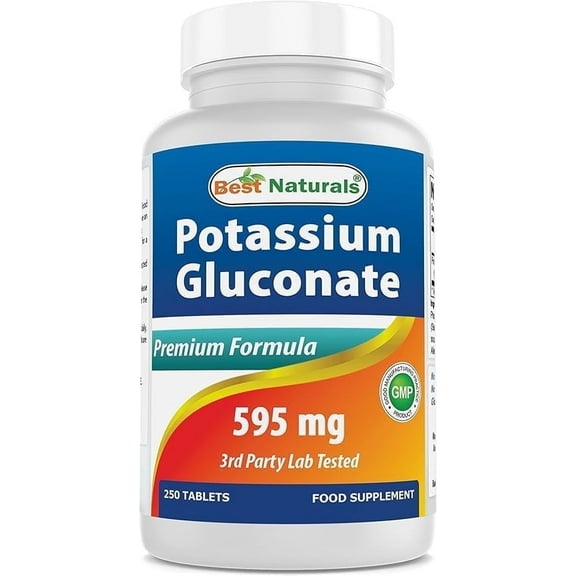


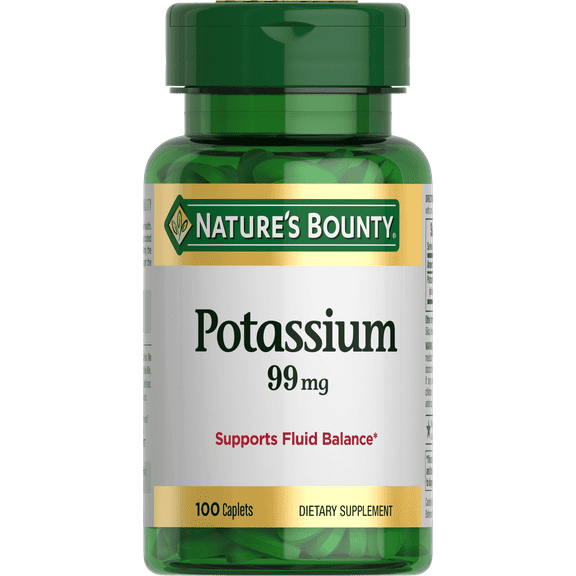










About Potassium Supplements at Walmart.com
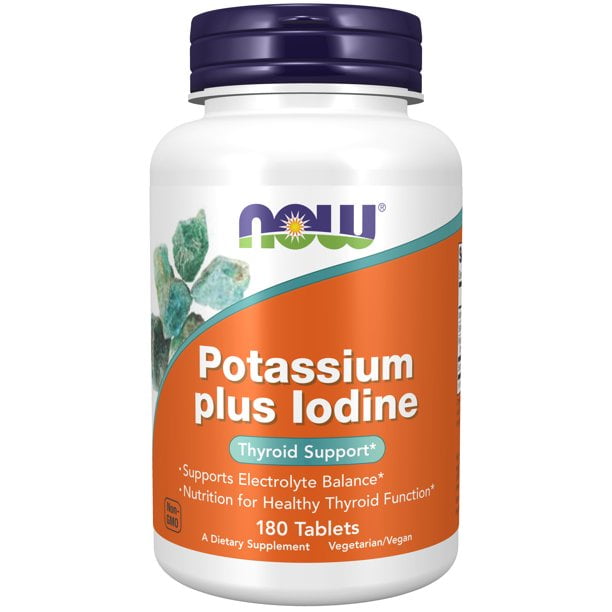
Potassium supplements help you compare forms, strengths, and formats with more clarity. You can narrow your options by chemical form, pill size, and label preferences that fit your routine.
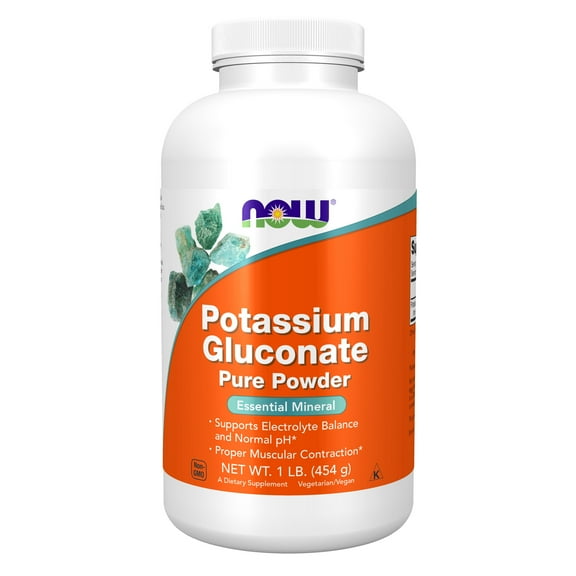
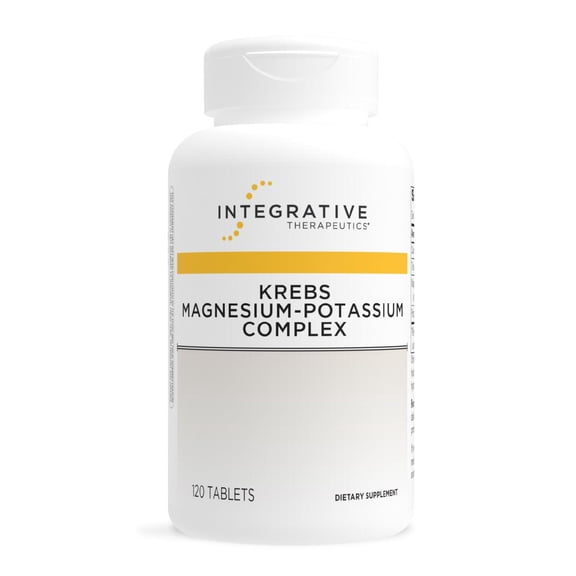
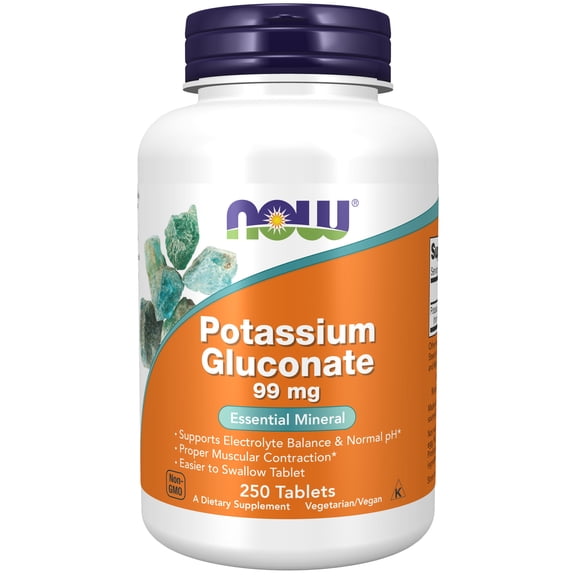
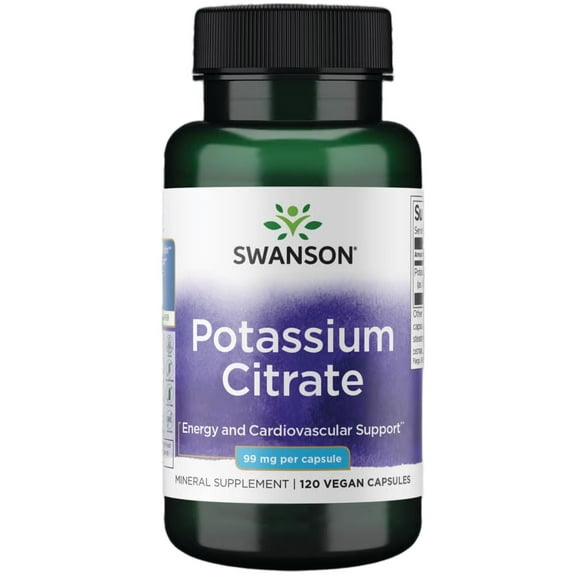
If you're choosing potassium supplements for daily use, you'll notice important differences across tablets, capsules, caplets, liquids, and powders. You can also compare potassium gluconate, potassium citrate, and other forms that appear throughout this category.
How potassium supplements fit your routine
You may want a format that feels simple to take and easy to track. You can choose options that match your schedule, whether you prefer a quick tablet or a mixable powder.
Some shoppers prefer potassium pills because they're familiar and easy to store. You might prefer liquid or powder forms if your routine calls for flexible serving styles.
- You can compare tablets, capsules, caplets, liquid, and powder in one place.
- You can look for potassium gluconate, potassium citrate, chloride, or aspartate based on label details.
- You can check dietary preferences like gluten-free, vegan, non-GMO, and sugar-free before you choose.
- You can review dosage strengths, including 99 mg, 500 mg, and 1000 mg, for clearer label comparison.
You'll also find that supplement labels often present potassium in different ways. You can use those details to compare serving amounts, serving counts, and the form included in each option.
Choosing between potassium pills and other forms
You should start with supplement form because it affects how easily you can use it every day. You may find potassium tablets convenient, while capsules or caplets may feel easier for your preference.
If pill size matters to you, you should check the product format and serving directions closely. You may prefer smaller tablets, split servings, or liquids when you want a simpler swallowing experience.
Powders can work well when you want to mix your serving into water or another drink. Liquids can also help when you prefer measuring a serving instead of taking a pill.
You should also compare bottle size and servings per container before you decide. You can match a shorter trial size or a larger supply to your household routine.
Comparing potassium gluconate, citrate, and other forms
You should compare chemical form because it tells you which potassium compound appears on the label. You’ll commonly see potassium gluconate and potassium citrate, and each form gives you a distinct way to identify products.
When you compare citrate versus gluconate, you should read the Supplement Facts panel closely. You can use that panel to see the listed compound and the amount of elemental potassium per serving.
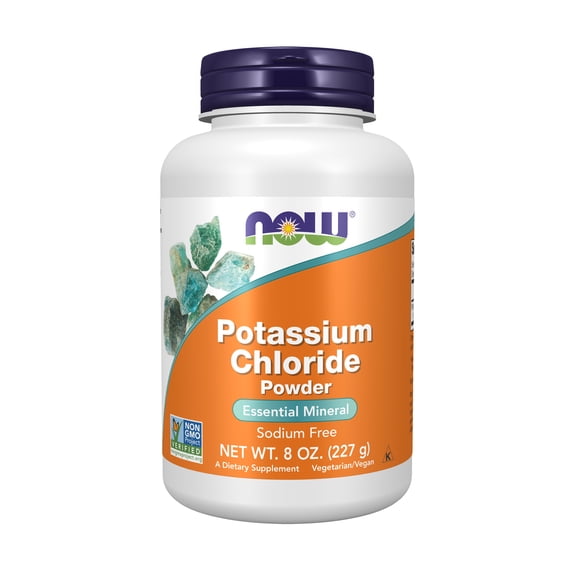
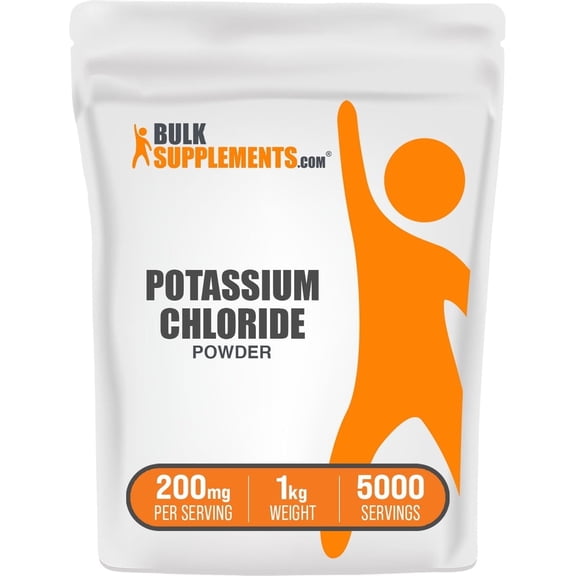
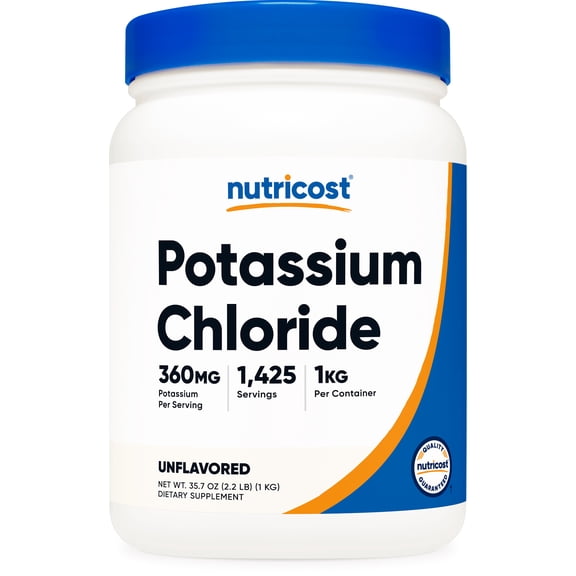
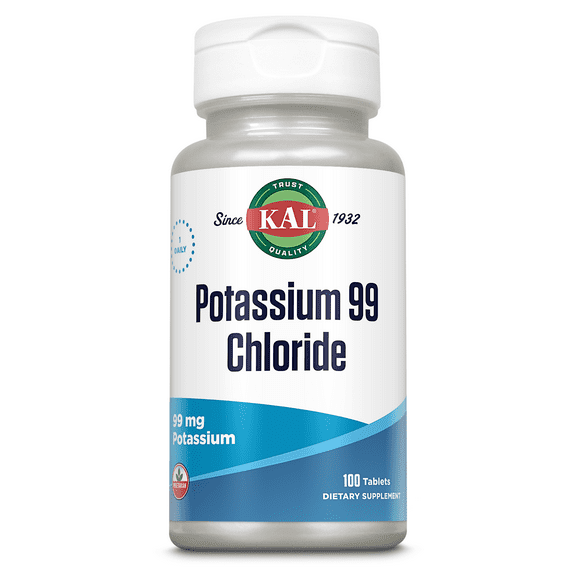
You may also see potassium chloride or potassium aspartate in this category. You should treat those names as decision points that help you sort products by label style and ingredient preference.
If you want technical clarity, you should know that absorption discussions often center on citrate and gluconate. You can keep your comparison practical by focusing on the labeled form, serving size, and directions.
Understanding dosage strength and label details
You should pay close attention to dosage strength because numbers can vary across products. You’ll often see 99 mg, while some listings may also reference 500 mg or 1000 mg in broader label language.
For over-the-counter options, you should know many potassium supplements list 99 mg per serving. You can use that number as a familiar reference point when you compare labels across this category.
You should also read whether the amount refers to one serving or multiple units. You can avoid confusion by checking serving size, daily servings, and the exact wording on the package.
If you're comparing potassium tablets for convenience, you should balance strength with serving format. You may prefer one small serving, or you may prefer multiple units that fit your routine.
Checking dietary preferences and everyday use
You should review dietary preferences if ingredients and label standards matter in your home. You can look for gluten-free, vegan, non-GMO, and sugar-free options as you narrow your choices.
Those filters can make comparison faster when you want a supplement that aligns with your eating style. You should also check inactive ingredients, capsule materials, and flavor details when those factors matter.
You may use electrolyte supplements as part of an active routine or a travel setup. You can keep your search focused by comparing form, strength, and dietary details together instead of one at a time.
If you already shop related mineral categories, you may also compare magnesium supplements, calcium supplements, and multivitamins. You can build a more organized routine when your labels and serving formats line up clearly.
You can shop this potassium category with more confidence when you understand form, strength, and label language. That clarity helps you choose a supplement that fits your preferences with fewer tradeoffs.