


Folding Tables in Folding Furniture



























About Folding Tables in Folding Furniture - Walmart.com
Folding tables give you flexible surface space for meals, projects, parties, and events. With the right size, shape, material, and fold style, you can match your setup and storage plan.
Whether you’re hosting guests or creating a temporary workspace, you can choose folding tables that fit your room and routine. A smart pick helps you seat people comfortably and store the table neatly afterward.
How to choose folding tables by size
Size affects how many people you can seat and how much floor space you’ll use. Before you choose, measure your open area so your chairs and walkways still fit comfortably.
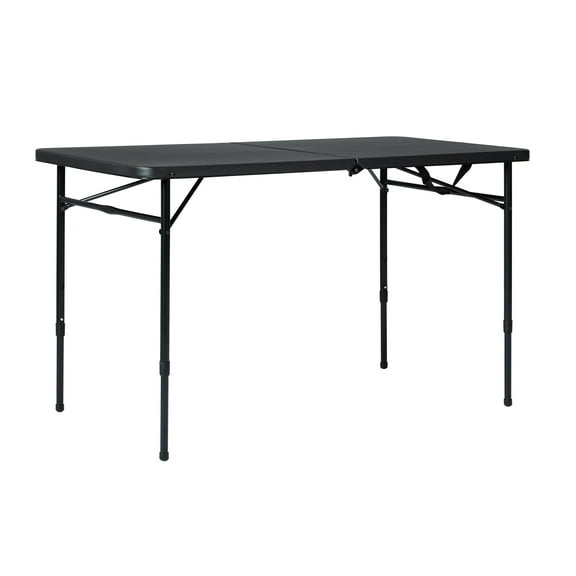
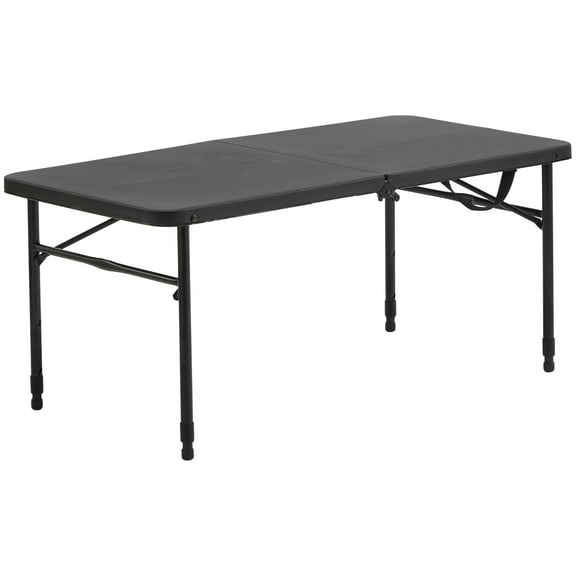
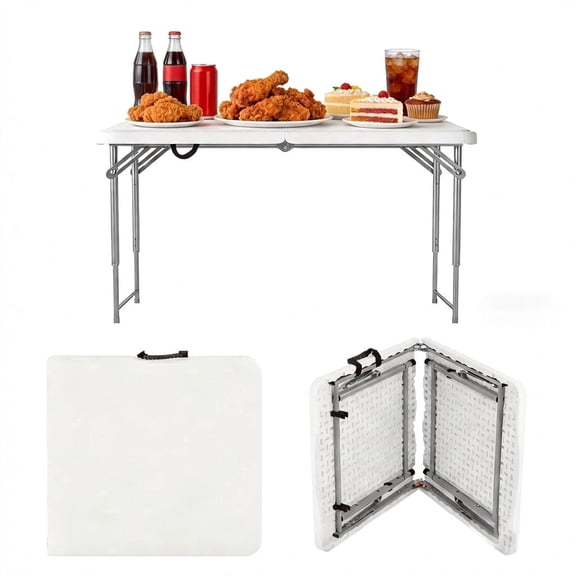
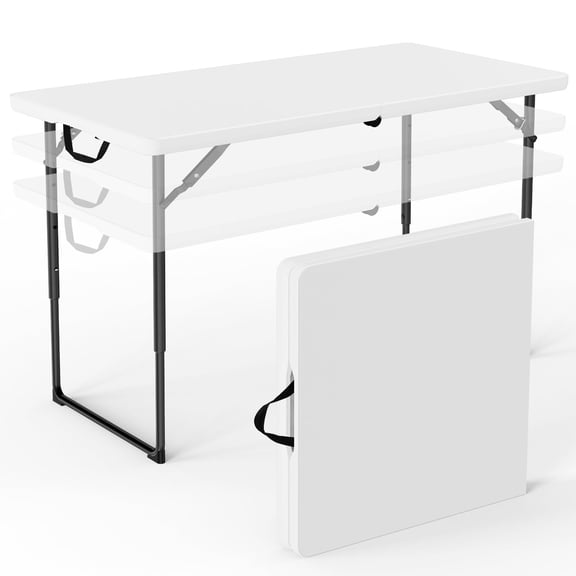
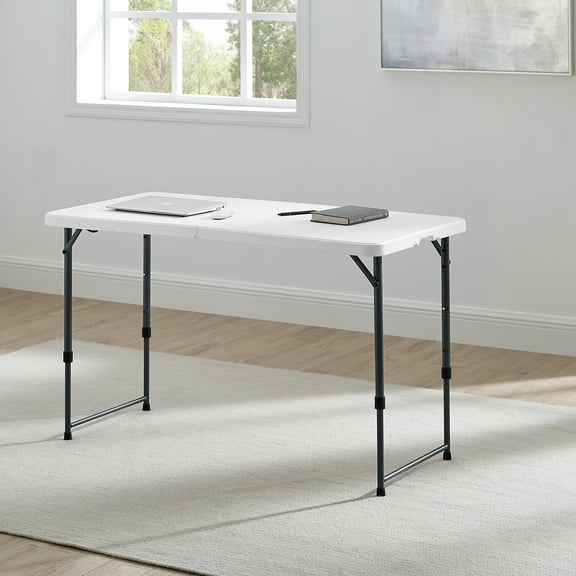
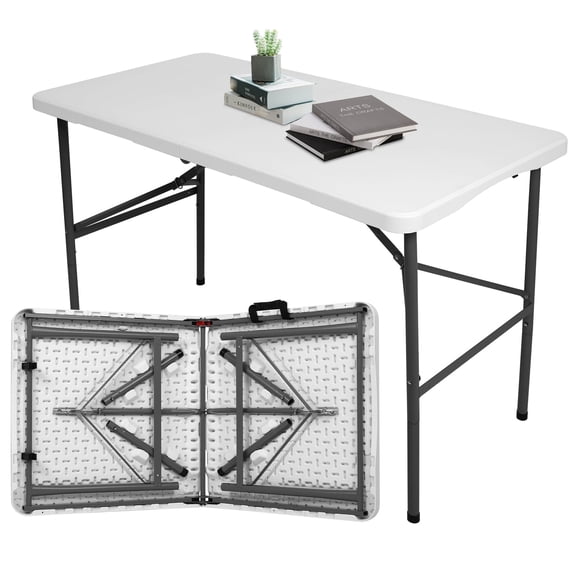
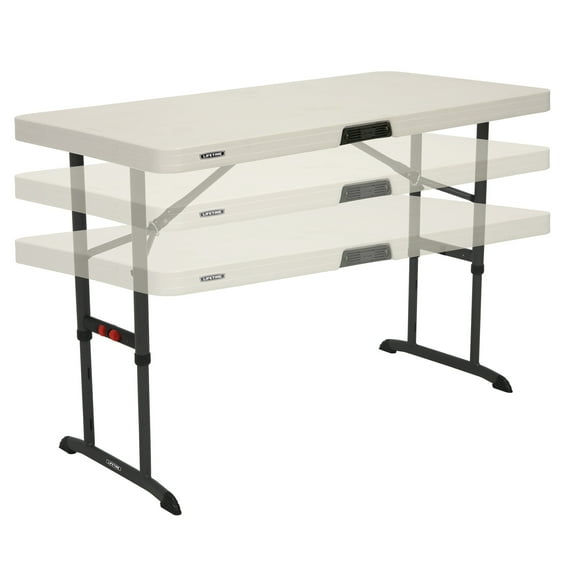
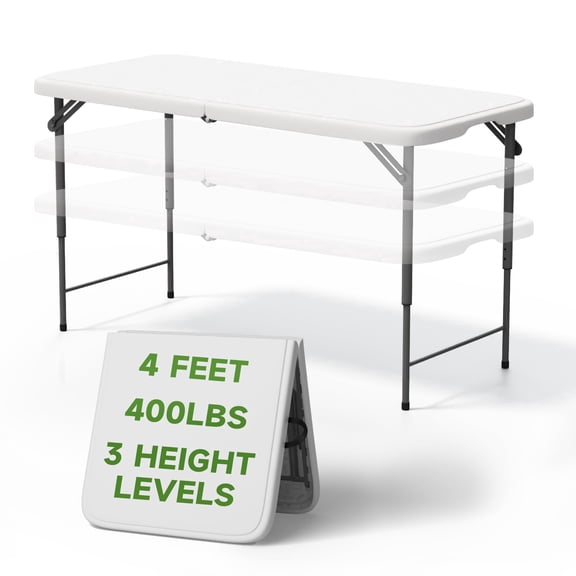
For compact rooms, a 4 foot table can give you a useful surface without crowding the space. In breakfast nooks, hobby corners, or apartments, you may find that smaller length easier to place.
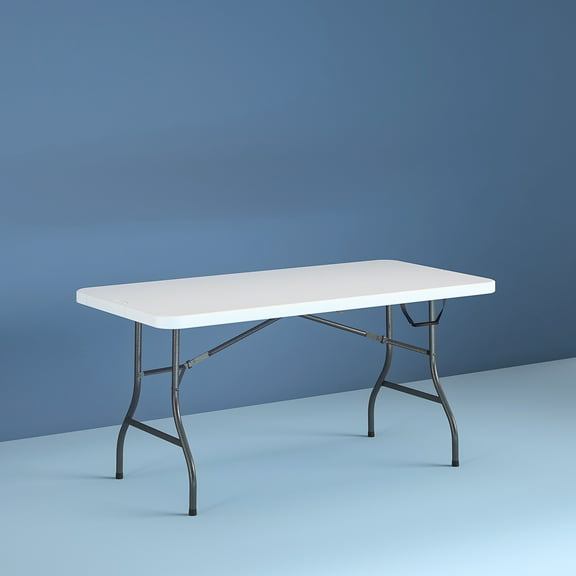
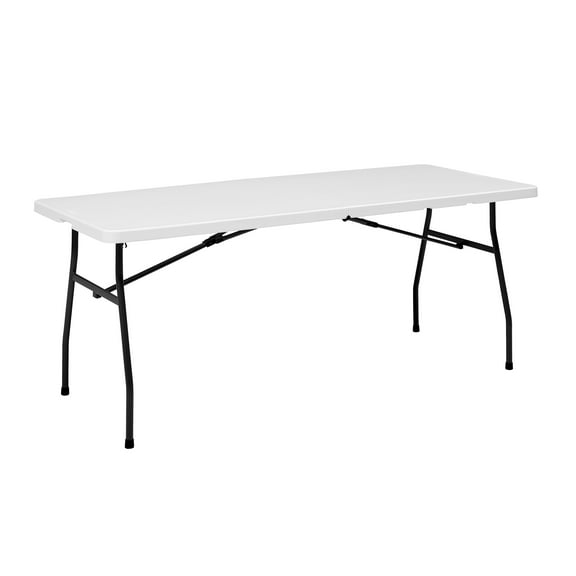
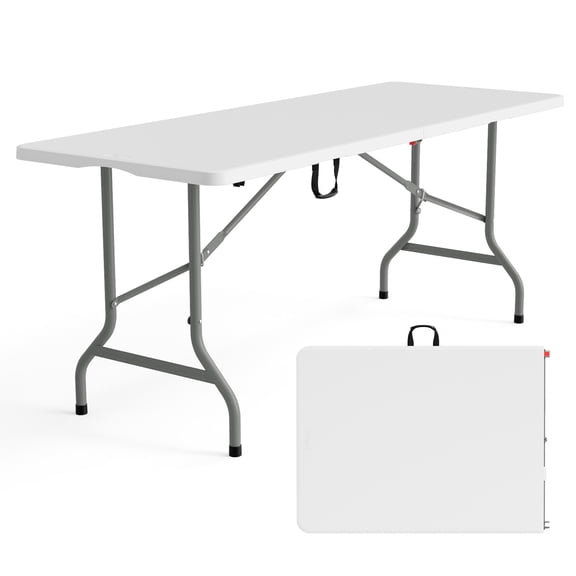
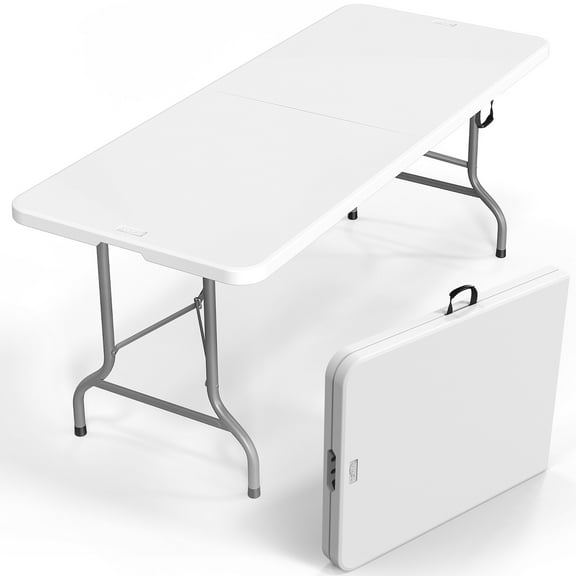
When you need more seating, a 6 foot folding table often suits family gatherings, holiday meals, and group activities. That length can also give you extra serving space for food, gifts, or supplies.
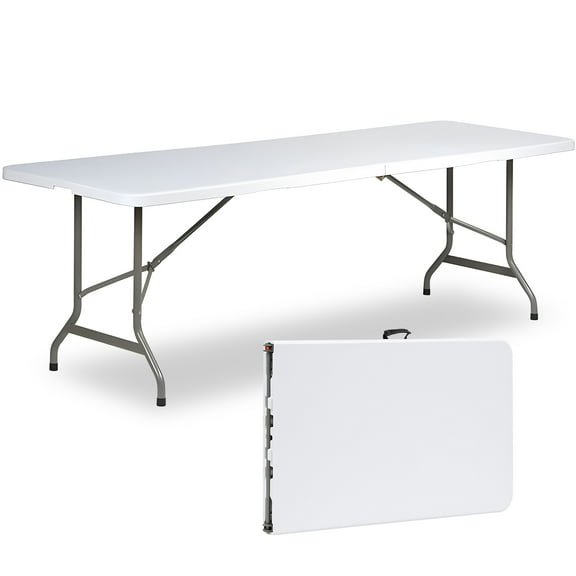
If you’re planning larger events, an 8 foot table can support buffet lines, display layouts, or more guests. Longer tables can also help you spread out materials for workshops or school functions.
- You can use 4 foot tables when your room layout feels tight.
- You may prefer a 6 foot folding table for flexible seating and serving.
- You can choose 8 foot lengths for events, displays, and group projects.
- Before ordering, you should measure doorways, storage spots, and open floor space.
Choosing materials for plastic folding tables and more
Material changes how your table looks, feels, and handles repeated setup. As you compare options, think about cleanup, carrying weight, and where you’ll use the table most.
Plastic folding tables can work well when you want easy cleanup after meals, crafts, or parties. For patios, tailgates, or busy family spaces, you may like a smooth top that wipes down quickly.
Metal frames can matter when you want sturdy support during frequent use. If you move your table often, you should compare frame design and overall table weight together.
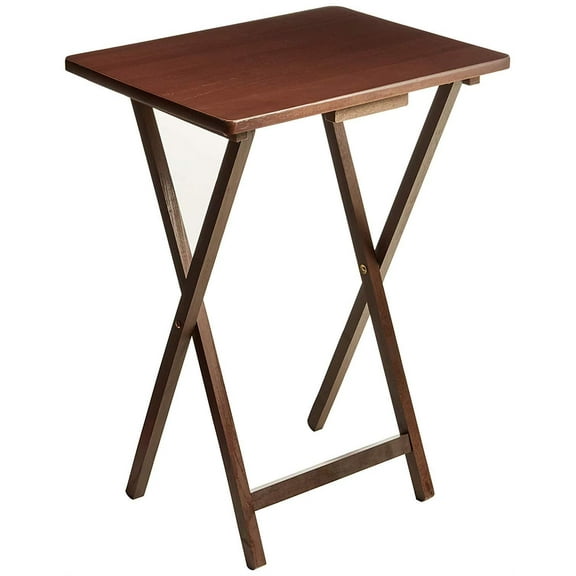
Wood and wood-look tops can suit spaces where you want a warmer appearance. In dining areas or multipurpose rooms, that finish can help your temporary setup feel more coordinated.
Resin tops can give you a smooth work surface for hobbies, serving, or event prep. When you need outdoor folding tables, you should check whether the top and frame fit regular transport.
Load limit in pounds is another detail you should compare before deciding. If you’re placing catering pans, equipment, or display pieces on top, that number can shape your choice.
Choosing shape and layout for rectangular folding tables
Shape affects how people gather, move, and use the table during an event. As you plan your room, consider whether you need serving length, conversation flow, or compact seating.
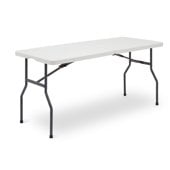
Rectangular folding tables can make sense when you need banquet seating, classroom layouts, or buffet space. Along a wall or in the center of a room, that shape can use space efficiently.
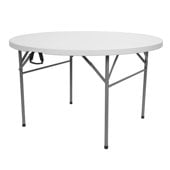
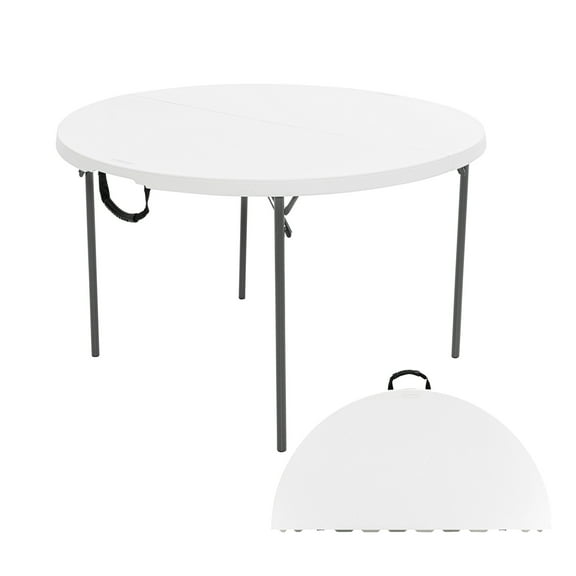
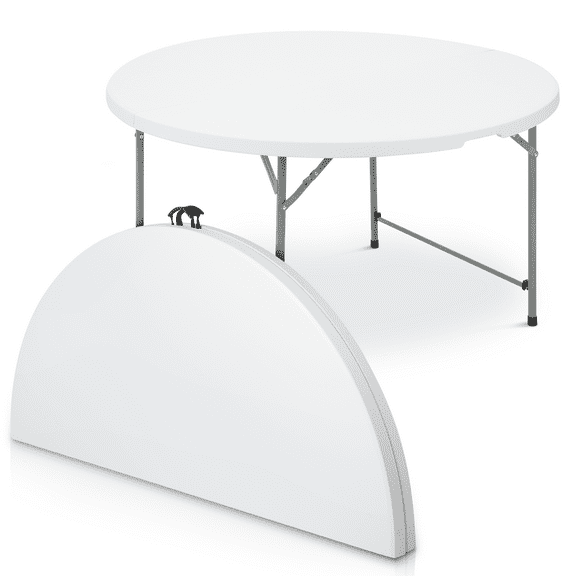
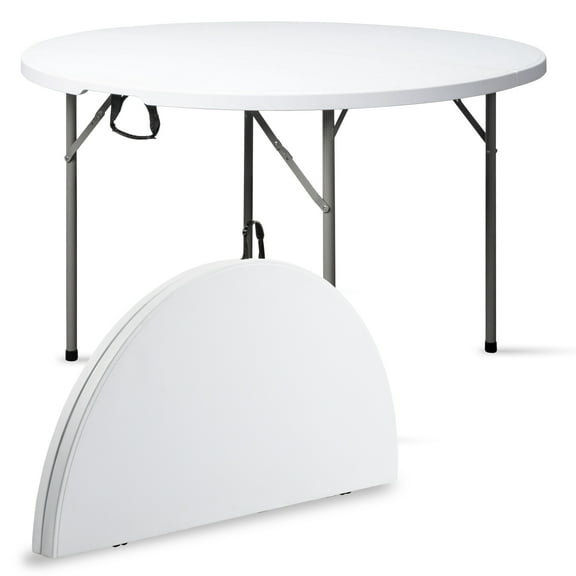
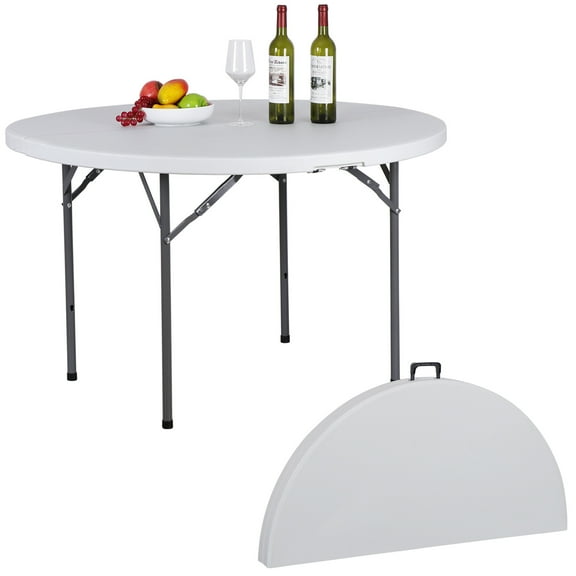
Round tables can encourage face-to-face conversation during parties, card games, or shared meals. If you want easier movement around the edges, you may like a round setup.
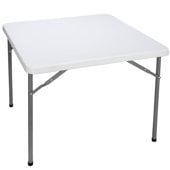
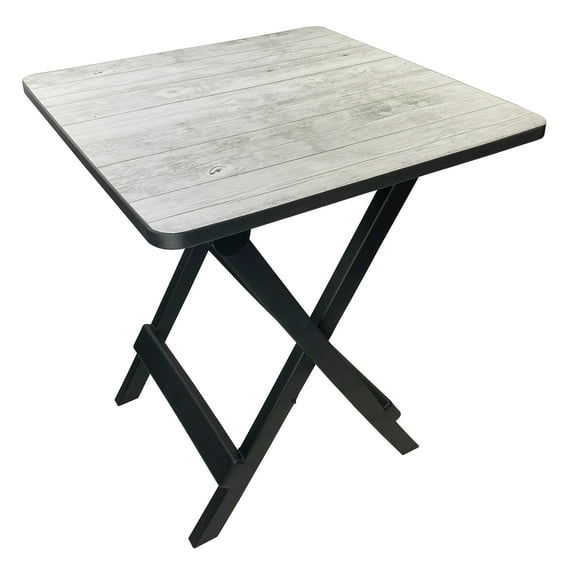
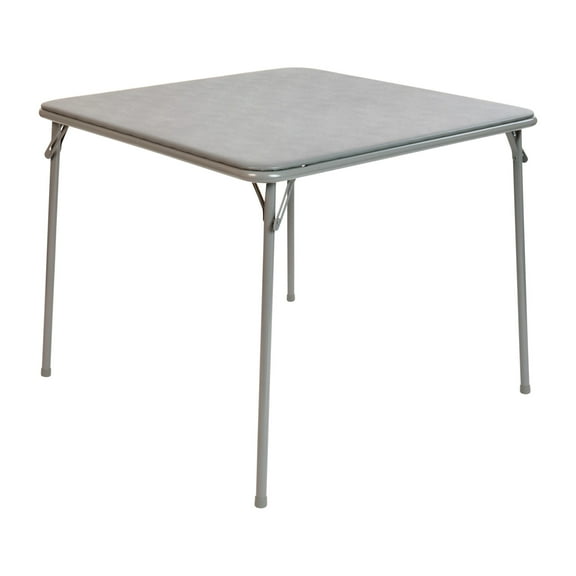
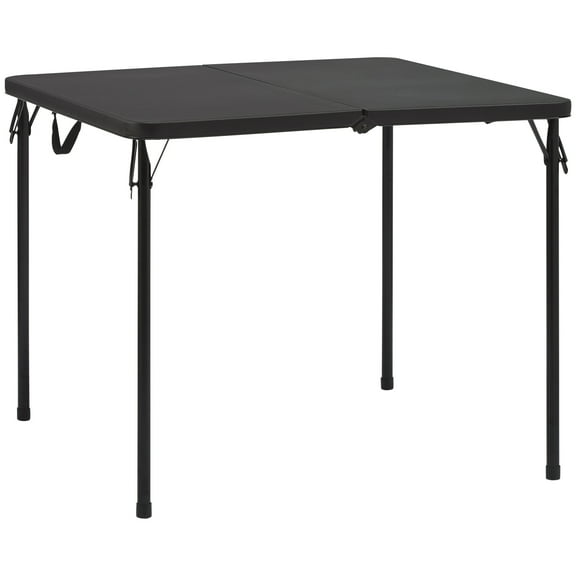
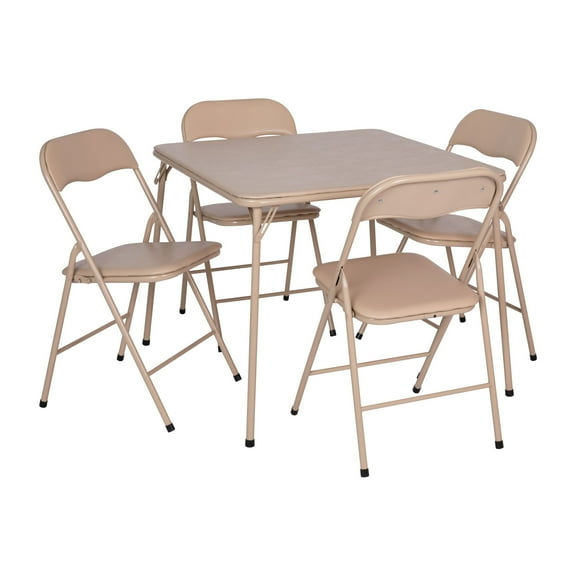
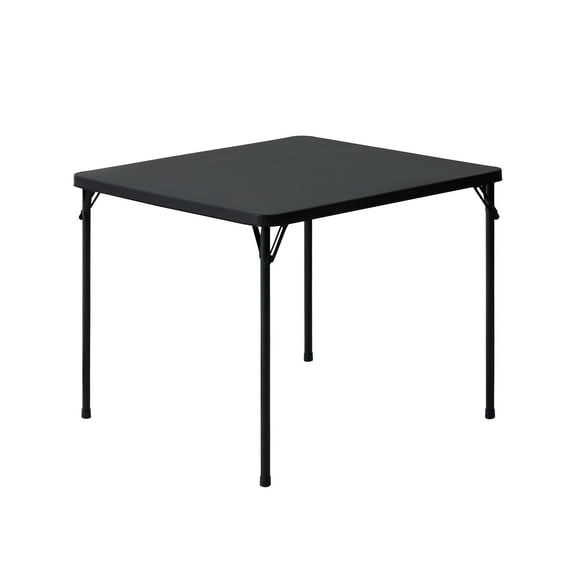
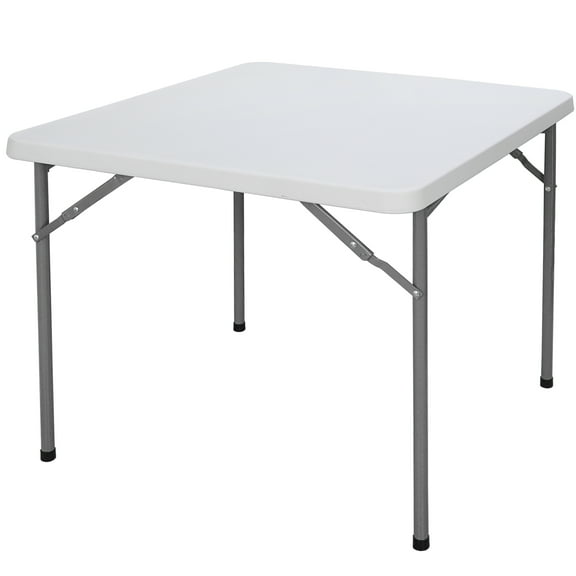
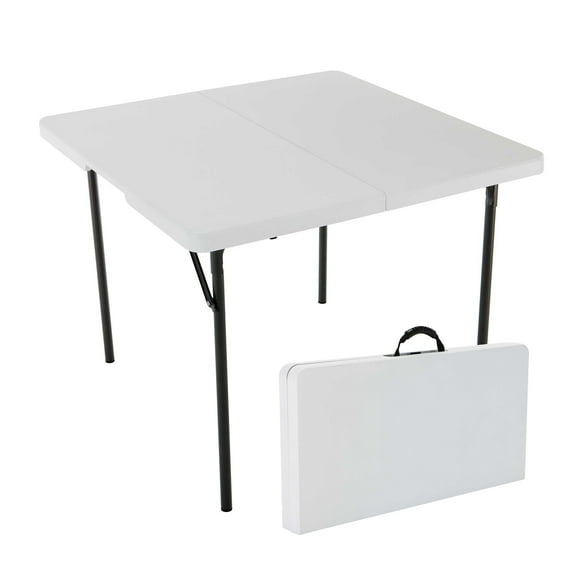
Square tables can fit smaller rooms where balanced seating matters. In dens, guest rooms, or activity spaces, you can often place a square table without wasting corners.
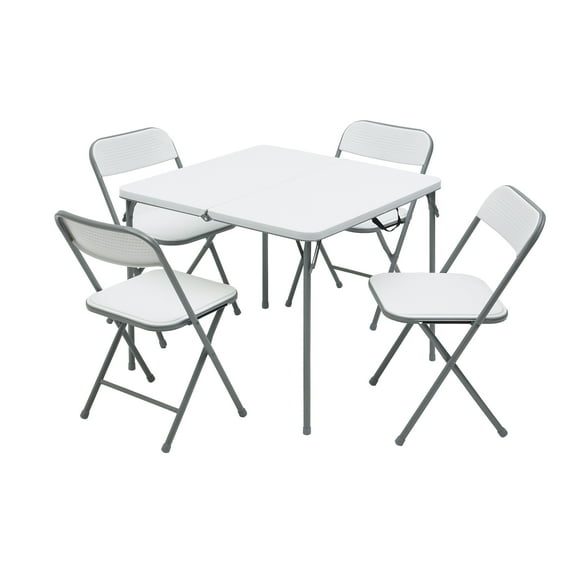
For game nights, you may also consider card tables for smaller groups and temporary setups. That format can work well when you want a compact table for quick gatherings.
How to compare portable folding tables and fold styles
Portability matters when you carry your table between rooms, vehicles, and event spaces. Before you decide, compare folded dimensions as closely as you compare the open tabletop size.
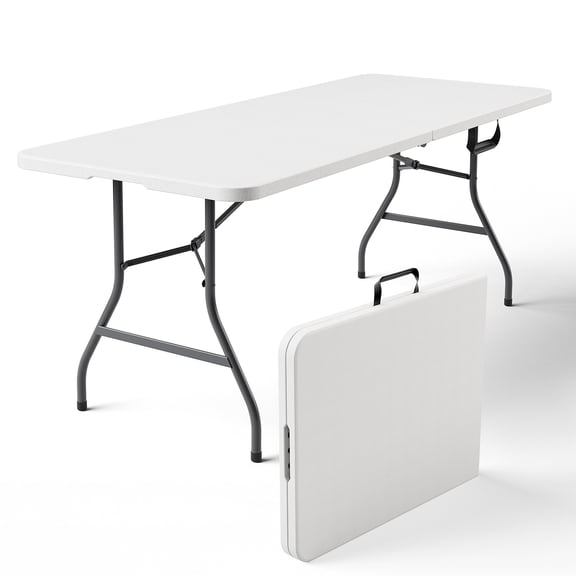
Fold in half tables can give you a shorter packed shape for closets, trunks, or shelves. If storage space feels limited, that style can be easier for you to handle.
Bi-fold designs can also help when you load and unload for parties, fairs, or school events. A carry handle may matter if you expect to transport the table often.
Flat-folding styles can work well when you store tables against a wall or behind furniture. In garages, utility rooms, or event storage areas, that profile can feel simpler to stack.
Locking legs, stable hinges, and folded depth can all shape day-to-day convenience. When you need portable folding tables, those details can influence setup speed and storage fit.
Matching folding tables to everyday use
Your table choice should reflect how you entertain, work, and organize your space. By matching size and material to the task, you can avoid a setup that feels awkward.
For birthdays and holiday gatherings, rectangular folding tables can hold food, gifts, crafts, or extra place settings. A 6 foot folding table can be especially useful when your dining room needs overflow seating.
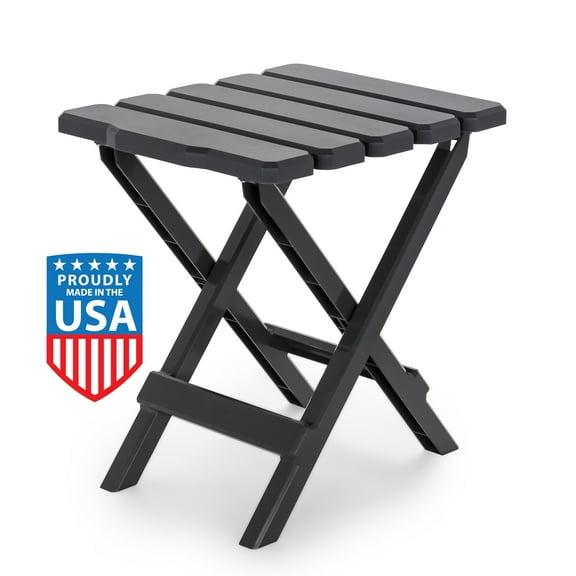
During camping trips, tailgates, or backyard meals, you may prefer outdoor folding tables with plastic or resin tops. Those surfaces can make cleanup easier after snacks, drinks, or serving dishes.
If you sell at fairs or community events, heavy duty folding tables may fit your display needs. In that case, you should check tabletop length, frame style, and load limit before choosing.
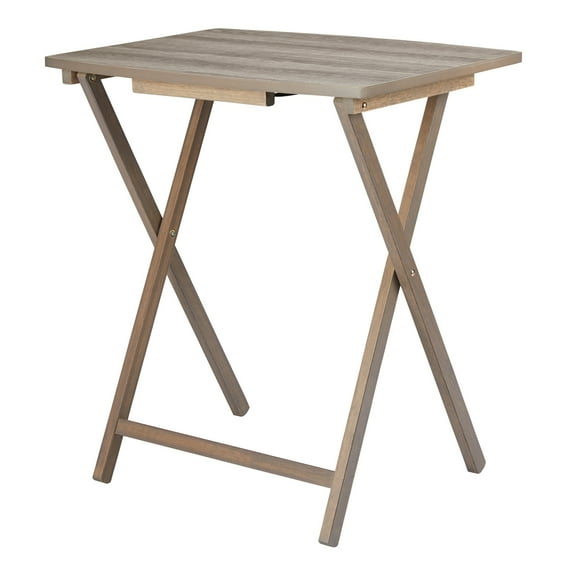
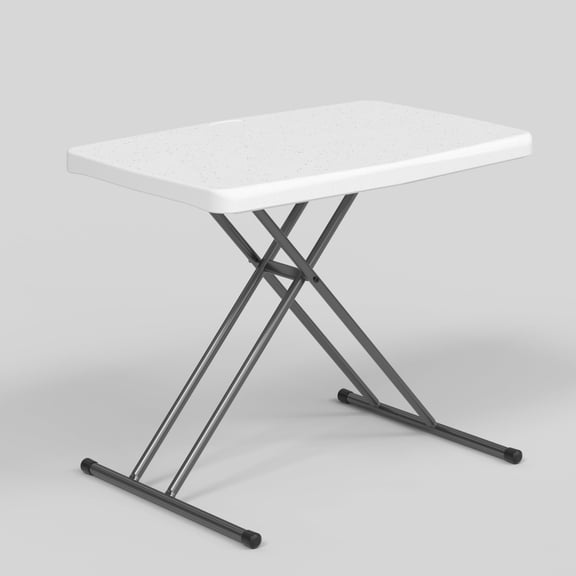
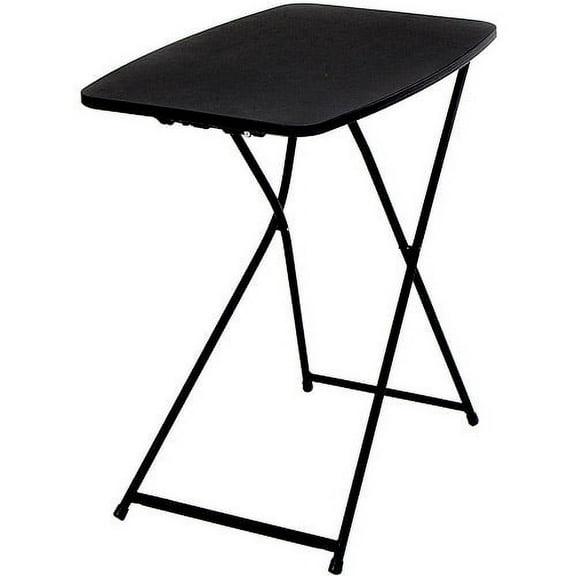
For remote work, homework, or puzzles, small folding tables can give you a temporary station without taking permanent floor space. After you finish, you can fold the table away and clear the room.
When you want a complete setup for guests, you can pair your table with folding chairs or folding table and chair sets. You can also coordinate your space with outdoor dining furniture for backyard gatherings.
What to look for before you decide on folding tables
As you narrow your options, compare seating capacity, folded size, material, shape, and load limit together. Looking at those details as a group can help you match the table to your real space.
With folding tables that fit your room and routine, you can create extra seating, serving, or work space without a permanent footprint. The right choice gives you a practical surface that stores neatly between uses.