

Sewing Machines in Arts Crafts & Sewing

























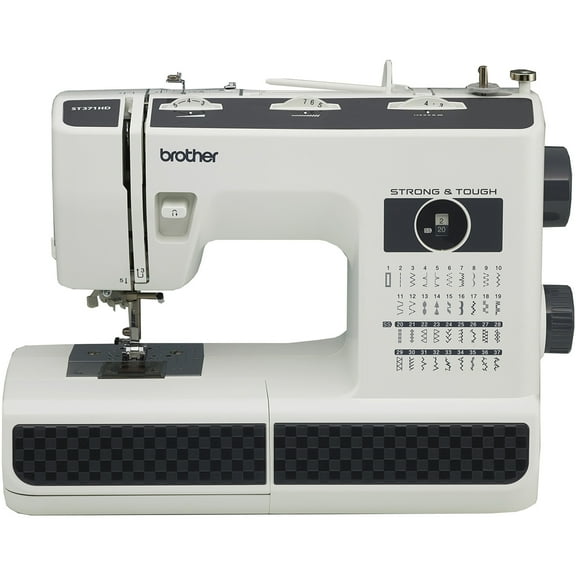
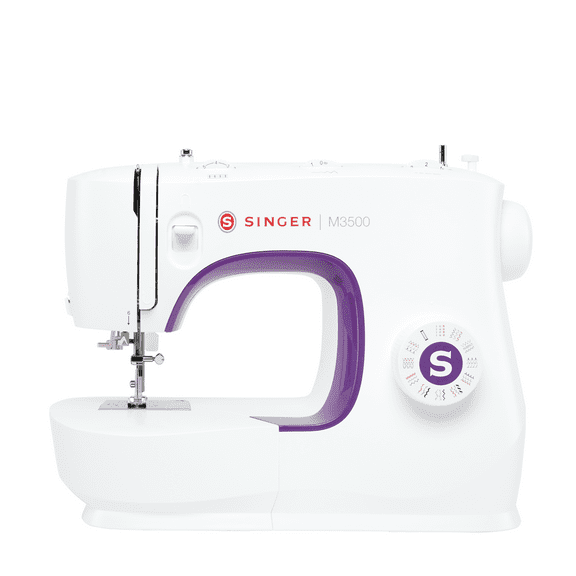


About Sewing Machines in Arts Crafts & Sewing - Walmart.com
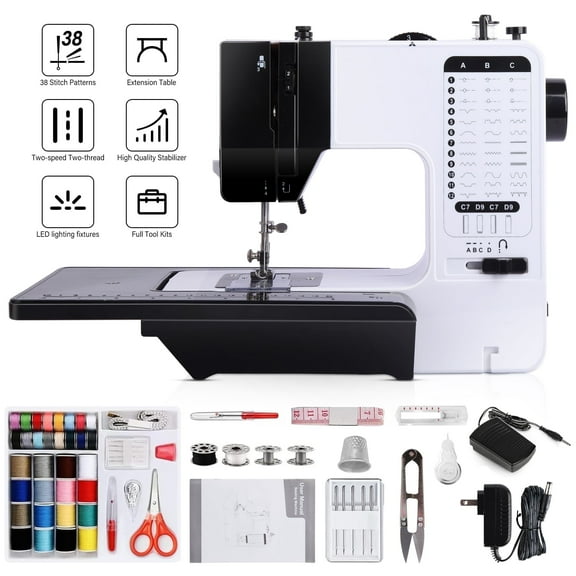
Sewing machines help you turn hemming, mending, quilting, and custom projects into smoother work at home. You can compare machine type, skill level, portability, and workload capacity to match the way you sew.
Choosing sewing machines by machine type
When you compare sewing machines, you can start by looking at how each machine operates. You can choose mechanical, computerized, embroidery, or serger styles based on the projects you plan to finish.
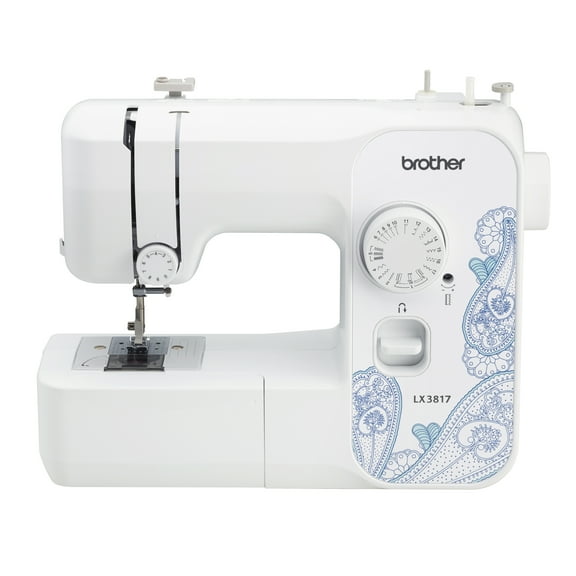
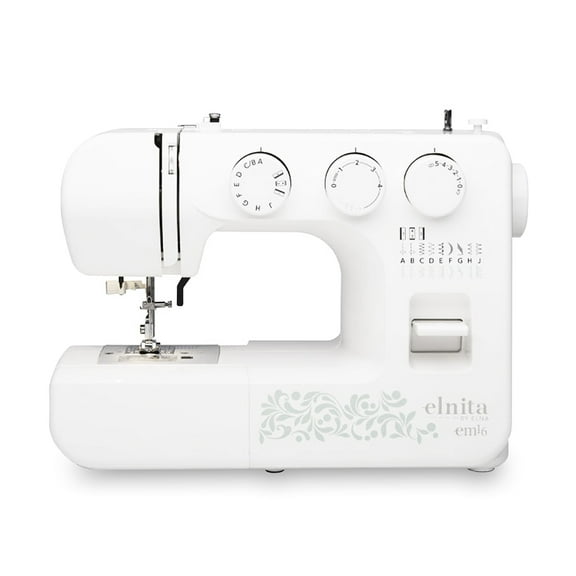
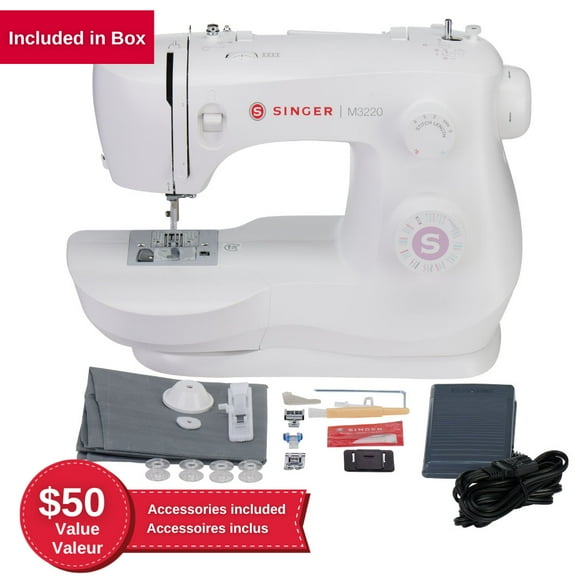
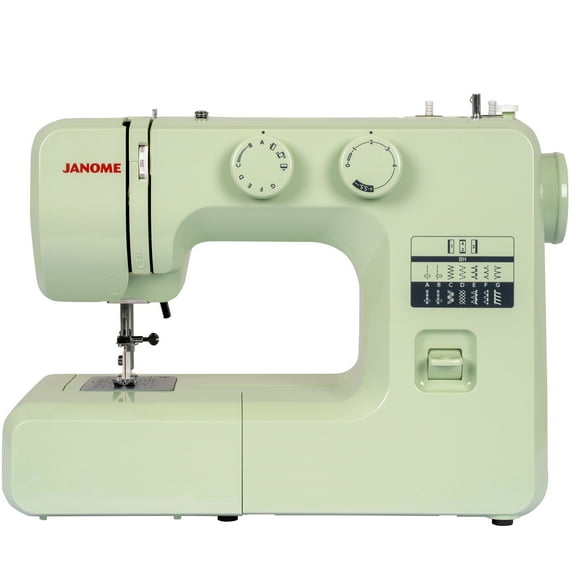
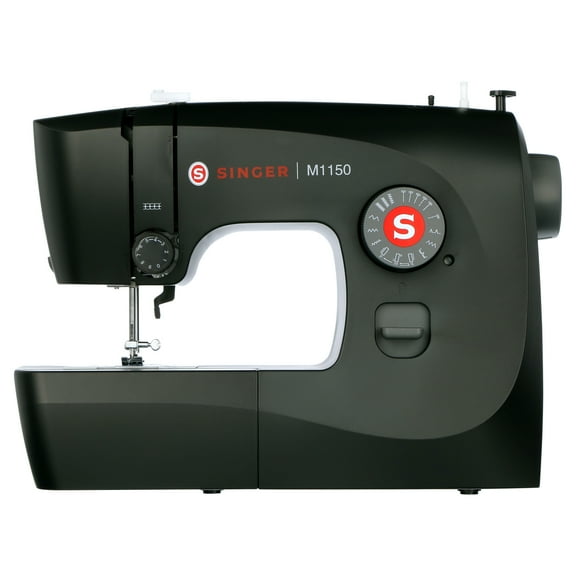
If you prefer simple controls, you may like mechanical sewing machines with manual dials and direct stitch selection. You can make quick adjustments for straight seams, basic repairs, and everyday fabric work.
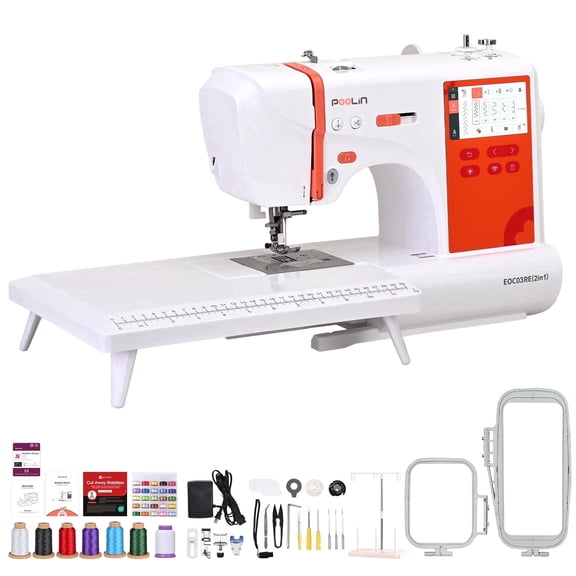
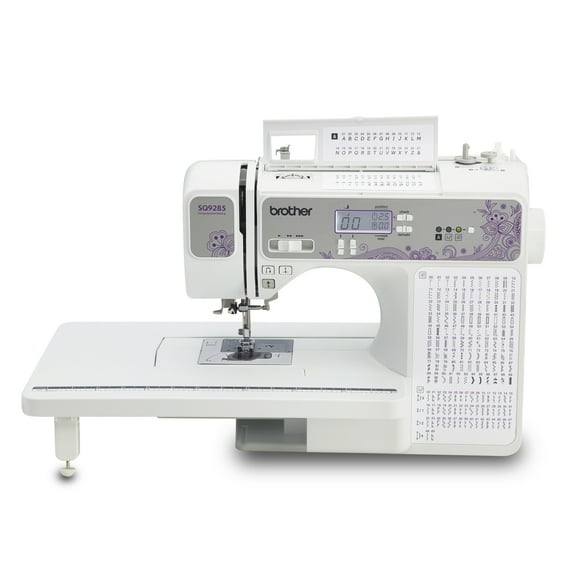
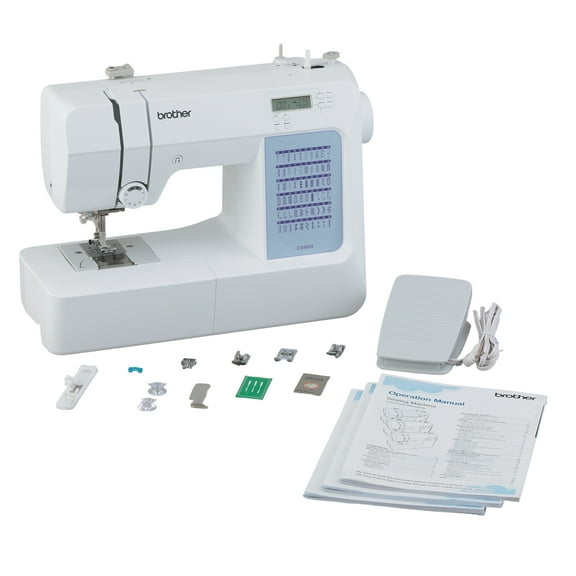
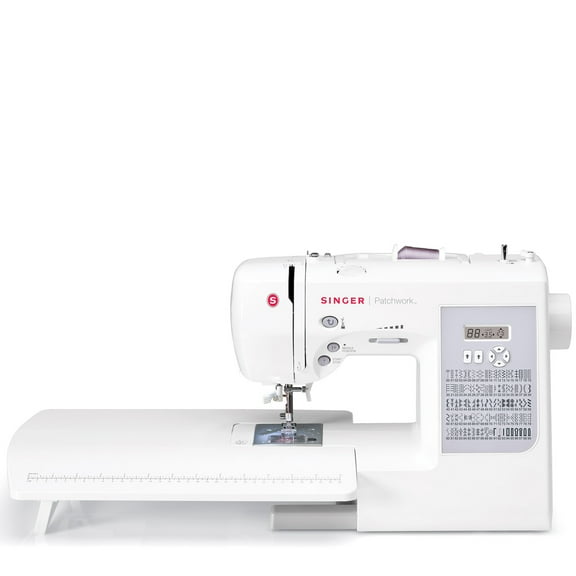
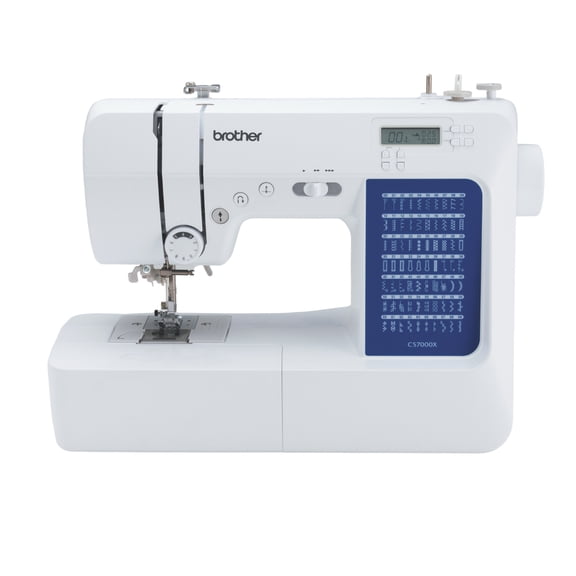
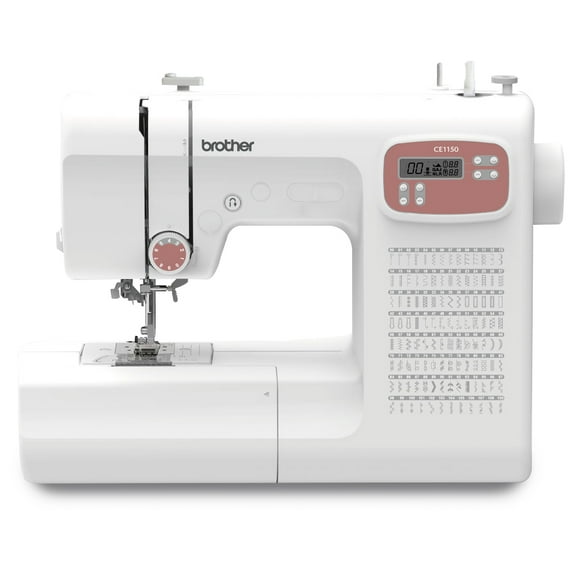
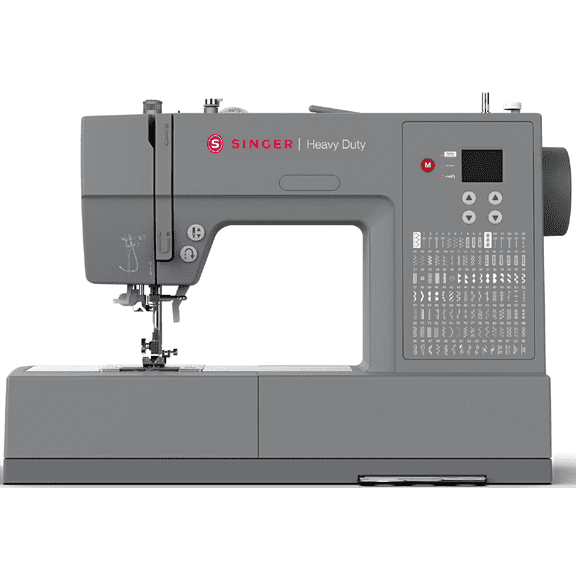
If you want guided settings, you may prefer computerized models with built-in stitch options and screen-based controls. You can switch stitch patterns faster and keep decorative work more consistent.
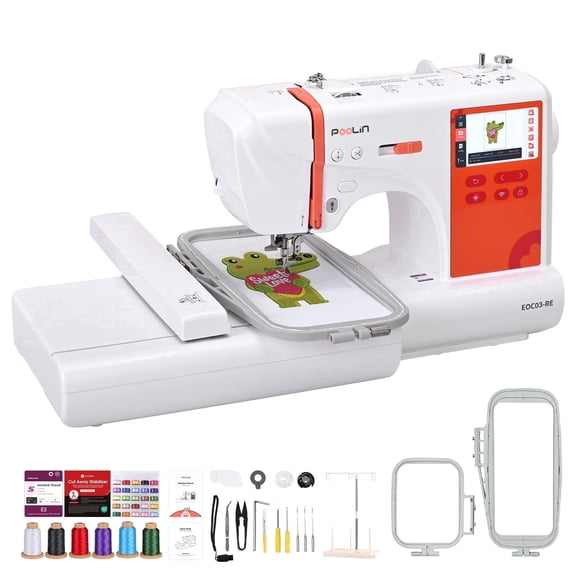
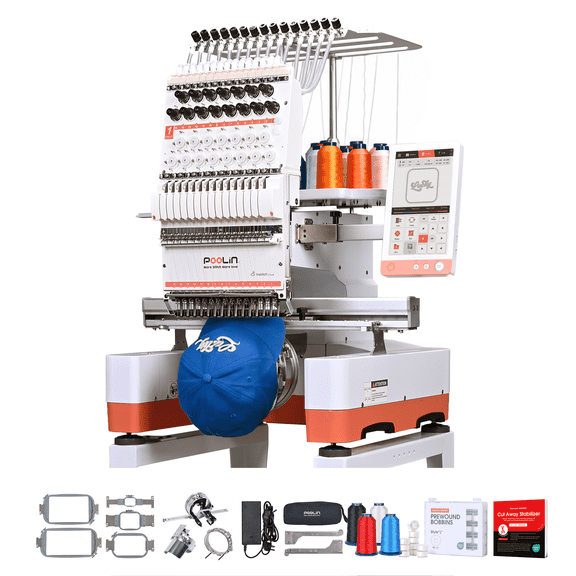
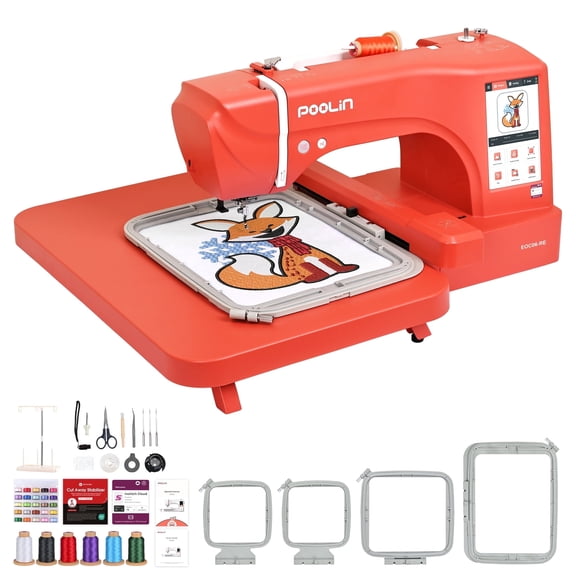
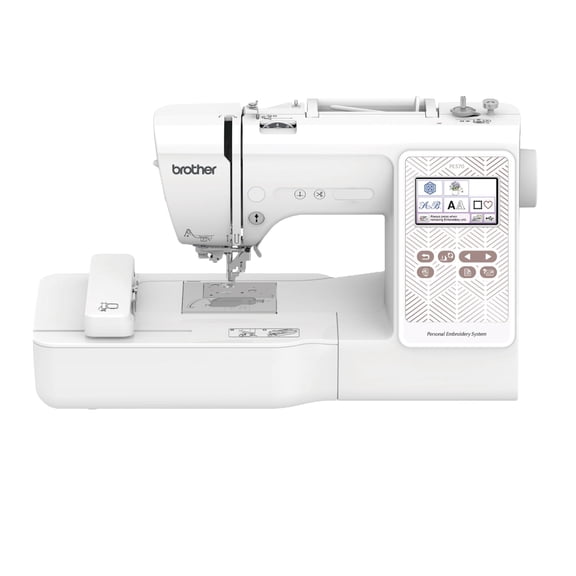
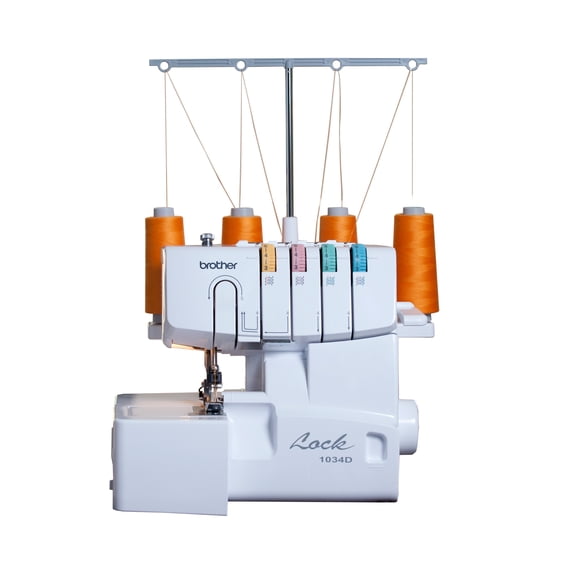
Embroidery machines can help you personalize gifts, monograms, and holiday craft projects with highly design-focused functions. Sergers can help you create clean edges, trim fabric, and finish knit seams with a polished look.
How to choose beginner sewing machines and advanced options
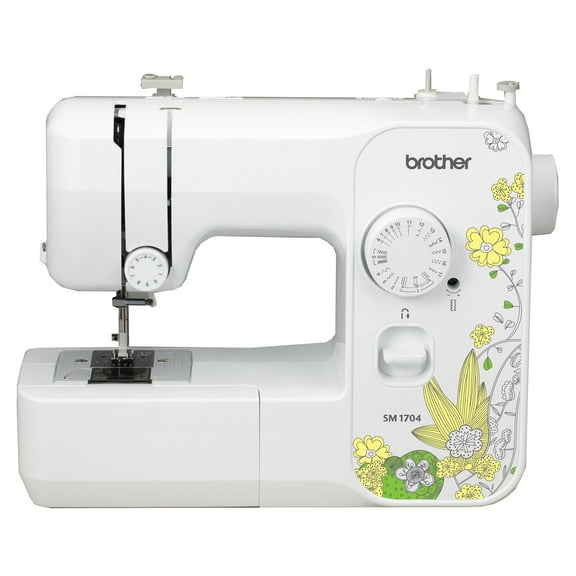
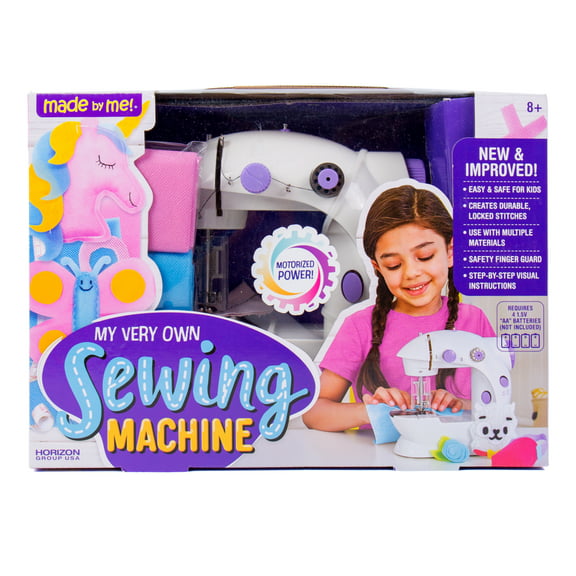
Your skill level shapes which controls and features can feel easier to use from the start. You can focus on beginner sewing machines if you want straightforward threading, basic stitches, and clear setup steps.
As you gain experience, you may want more stitch choices, adjustable speed, and buttonhole settings for varied garment projects. You can also compare presser foot compatibility and stitch selection methods before you decide.
- You can start faster with easy threading paths and clearly marked controls.
- You can handle school projects, hemming, and simple home décor with basic stitch options.
- You can expand into quilting blocks, decorative edges, and garment details with added stitch programs.
- You can compare a stitching machine with speed control if you want steadier pacing.
For learning at home, you may appreciate machines that keep setup steps visible and adjustments easy to reach. You can spend less time guessing and more time practicing straight seams and corners.
Comparing portable sewing machines and mini sewing machine styles
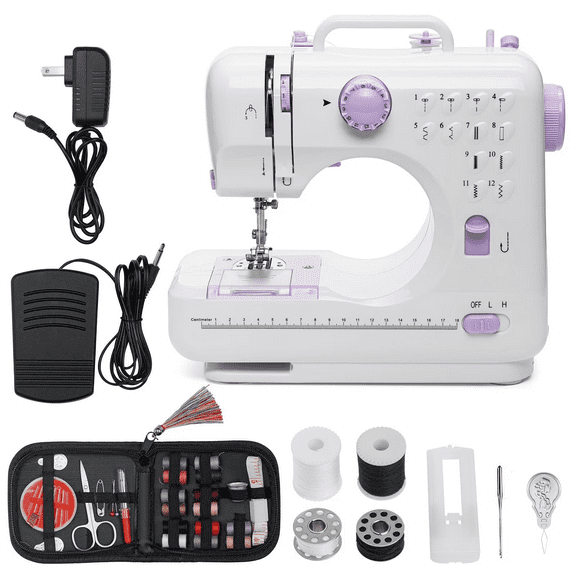
Your storage space matters when you sew in a shared room, apartment, or craft corner. You can compare portable sewing machines, mini sewing machine styles, and heavy duty stationary models by size and weight.
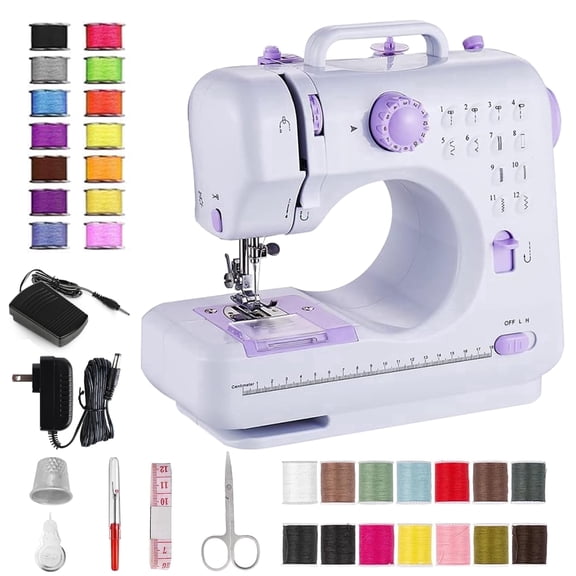
If you carry your machine to classes or move it between tables, you may want a lighter frame. You can set up faster, store it more easily, and keep your workspace flexible.
If you sew often in one dedicated area, you may prefer a larger machine with a wider work surface. You can guide long seams with more support and keep larger projects steadier.
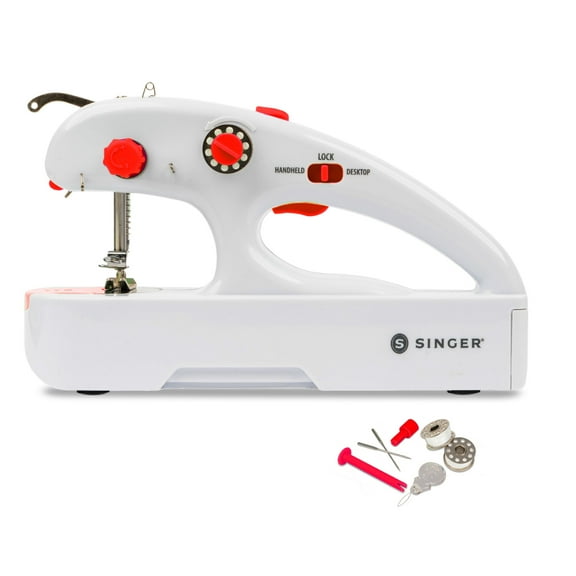
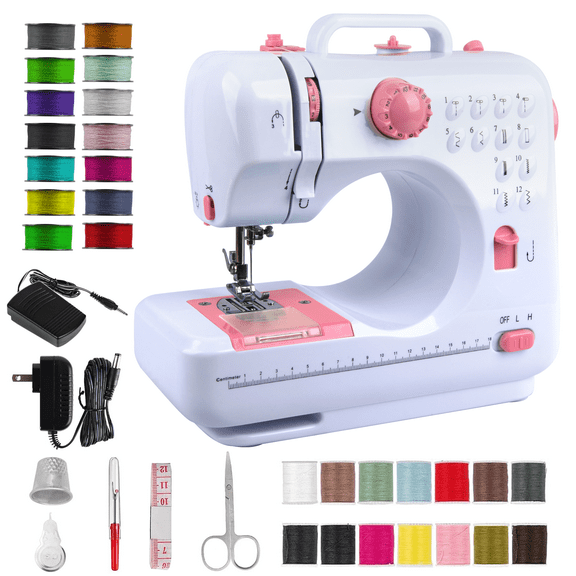
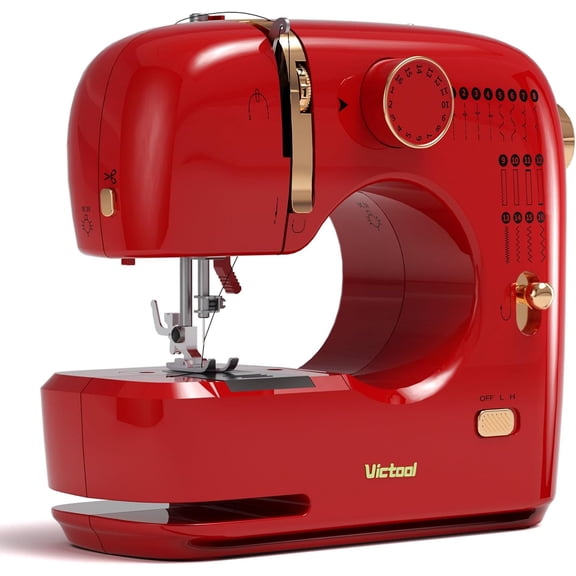
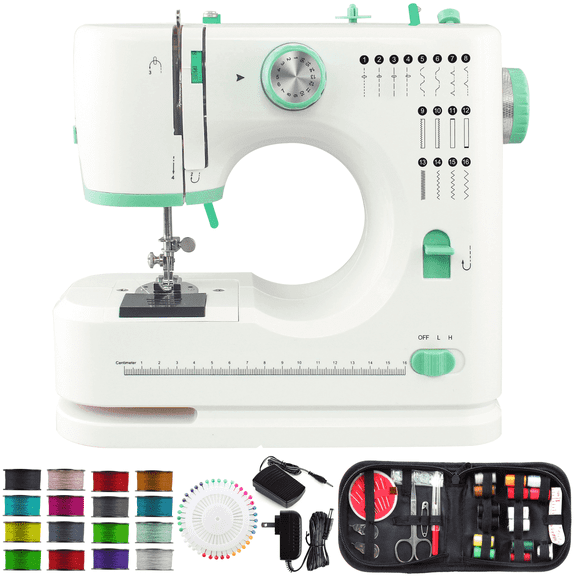
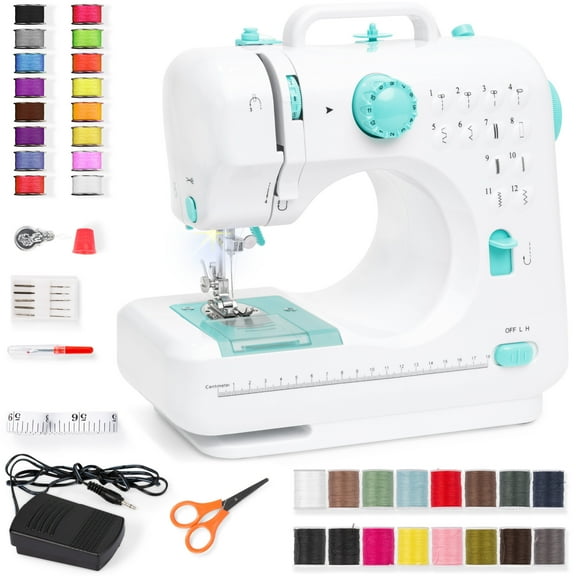
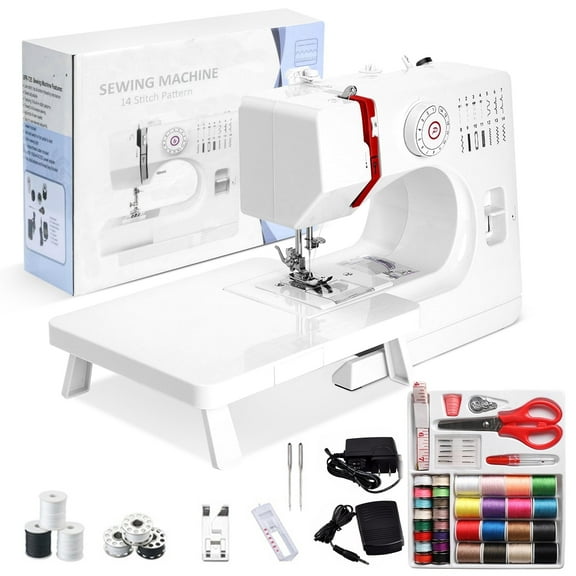
Mini options can suit quick mending and compact spaces when you need a smaller footprint. You should still check stitch selection, power source, and fabric range before choosing a smaller unit.
Matching workload capacity to your fabric and project type
Your fabric choices should guide whether you need lightweight, standard, or heavy duty sewing machines. You can compare motor strength, frame stability, and needle compatibility for the materials you use most.
For cotton, craft fabric, and simple alterations, you may only need a standard machine with core stitches. You can complete routine household sewing without extra bulk on your table.
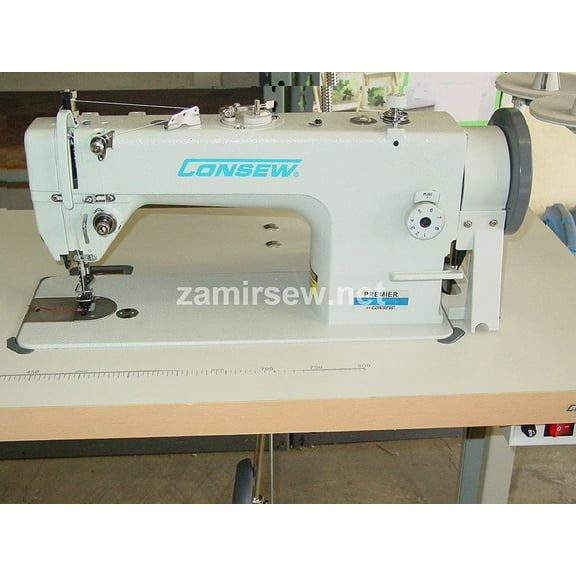
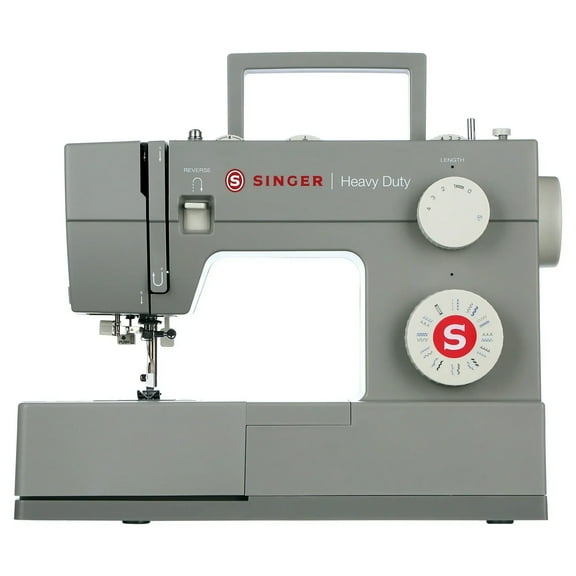
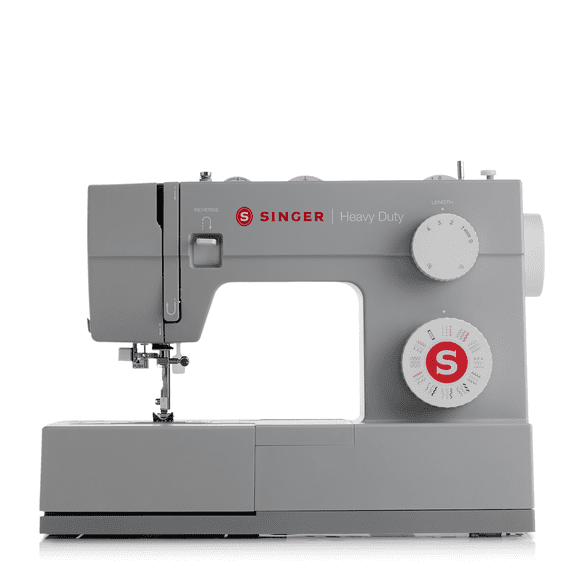
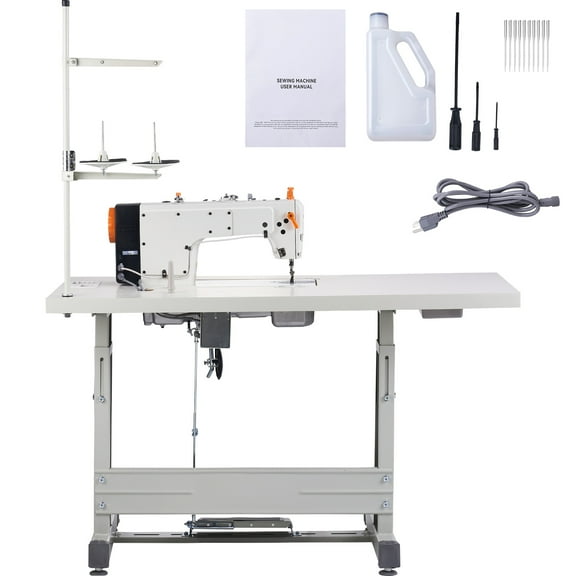
For denim, canvas, and layered projects, you may want heavy duty sewing machines with stronger construction. You can feed thicker material more confidently and keep seams more even on demanding projects.
If you sew a mix of fabrics, you should compare adjustable stitch length and speed control. You can move from lightweight pillow covers to thicker tote bags with fewer interruptions.
What features to look for before you decide
You should compare features that affect setup time, stitch flexibility, and project precision. You can look for automatic needle threaders, free arms, reverse sewing, and built-in buttonhole options.
A free arm can help you sew cuffs, sleeves, and pant hems with more control. You can also check whether bobbin access and threading paths look easy to follow.
If you plan decorative work, you may want more built-in stitches and memory functions on computerized sewing machines. You can create borders, labels, and personalized accents with less manual adjustment.
You may also compare workspace lighting, accessory storage, and included presser feet before you commit. You can pair your machine with sewing thread, sewing patterns, and crafting tables for a more organized setup.
Using sewing machines for real projects at home
You can use sewing machines for quick clothing repairs, classroom projects, home décor, and seasonal crafting. Your machine choice should reflect whether you mend often, sew garments, or build quilt tops.
For first projects, you may start with pillow covers, hems, and simple tote bags on beginner-friendly models. You can learn tension, stitch length, and fabric handling without a crowded control panel.
For frequent sewing, you may want computerized or heavy duty options that support repeated use and varied materials. You can move from cotton curtains to denim aprons with settings that fit each task.
For gifting and customization, you may also explore embroidery machines for names, motifs, and decorative accents. You can create more personalized projects during holiday crafting seasons and special events.
When you match the right sewing machine to your space, skill level, and fabric needs, your projects feel easier to plan. You can choose with more confidence and get cleaner seams, steadier stitching, and smoother setup.