


Automatic Pool Cleaners: Robotic & Suction





























About Automatic Pool Cleaners: Robotic & Suction - Walmart.com
Pool vacuums help you keep your water clear and your pool floor free of leaves, sand, and fine debris. You can compare robotic pool cleaners, handheld pool vacuums, and suction-driven models by pool type, power source, and cleaning style.
If you maintain an above-ground or in-ground setup, you need a vacuum that matches your walls, floor shape, and filtration system. You’ll get cleaner results when you choose the right design for your routine and debris level.
Choosing pool vacuums for your setup
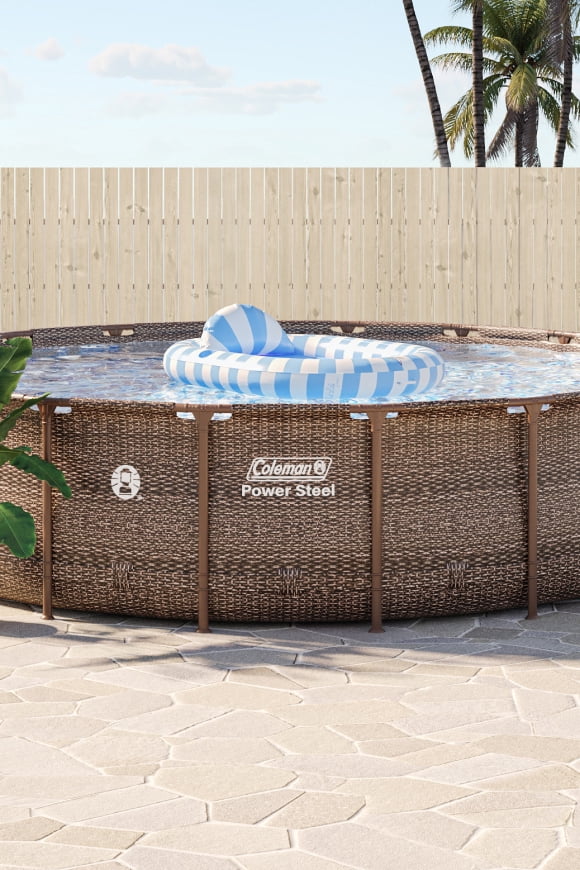
Start with pool type compatibility, because your vacuum should fit your pool’s structure and circulation needs. You’ll want above ground pool vacuums for softer walls and simpler layouts, while in ground pool cleaners often suit deeper floors and slopes.
Next, compare how much work you want to do during each cleaning session. You can pick automatic units for routine upkeep, or you can choose manual pool vacuums when you want direct control.
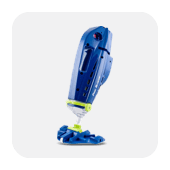
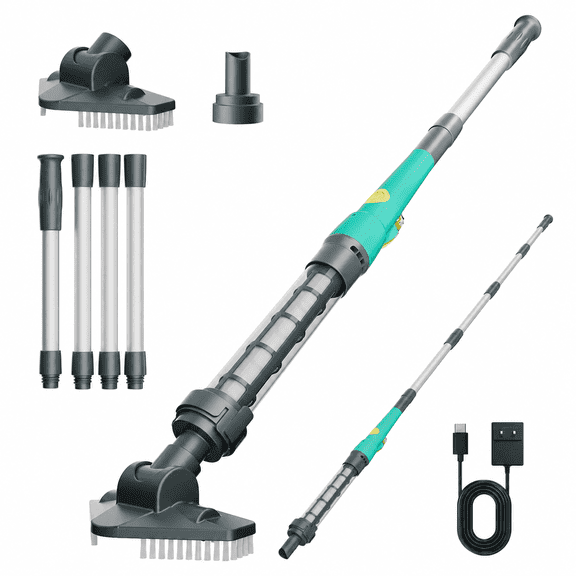
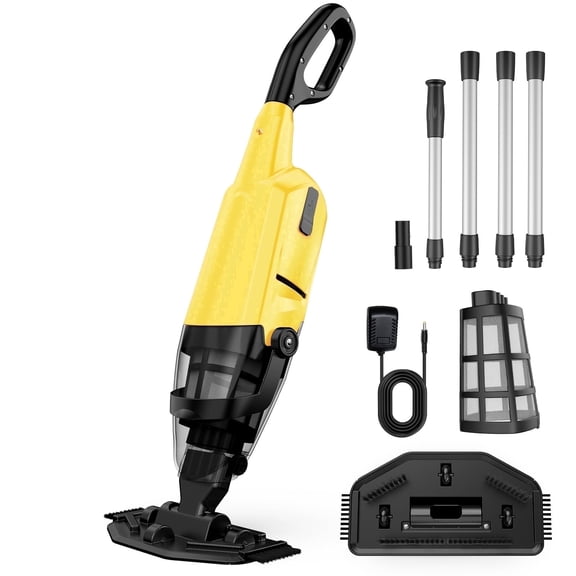
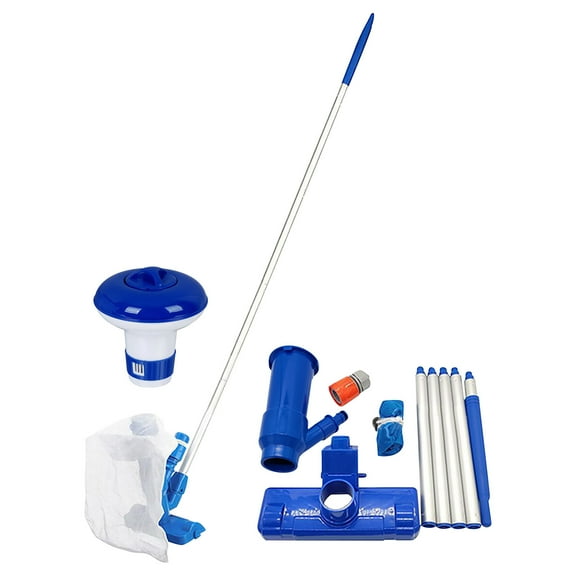
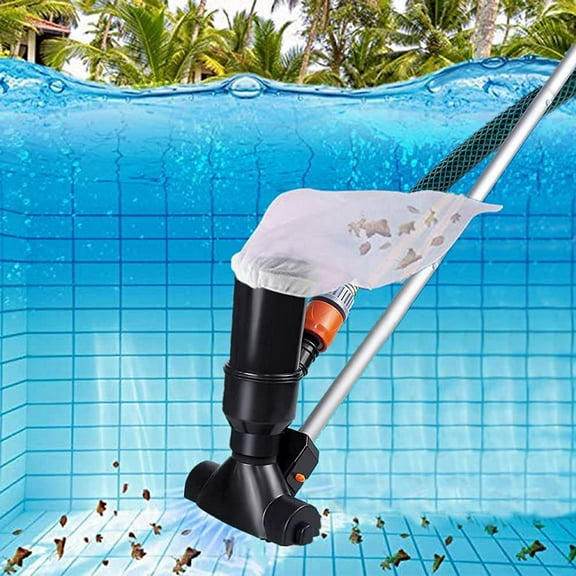
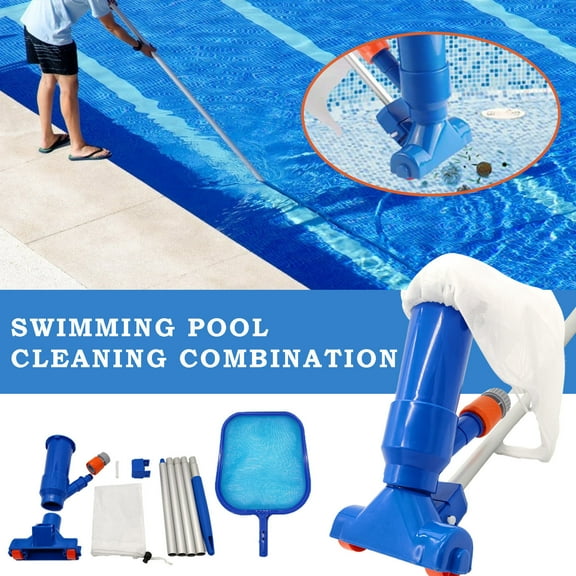
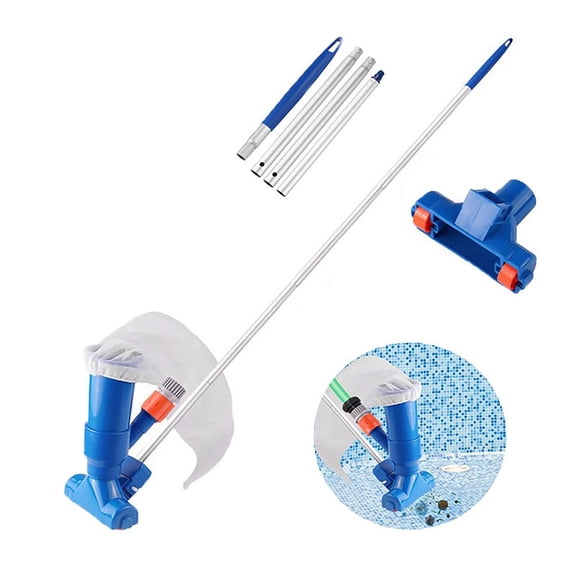
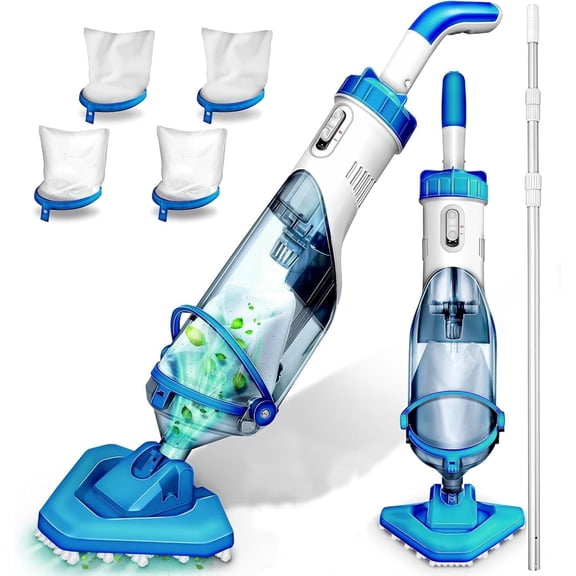
- You can target corners, steps, and tight spots with handheld pool vacuums.
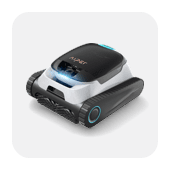
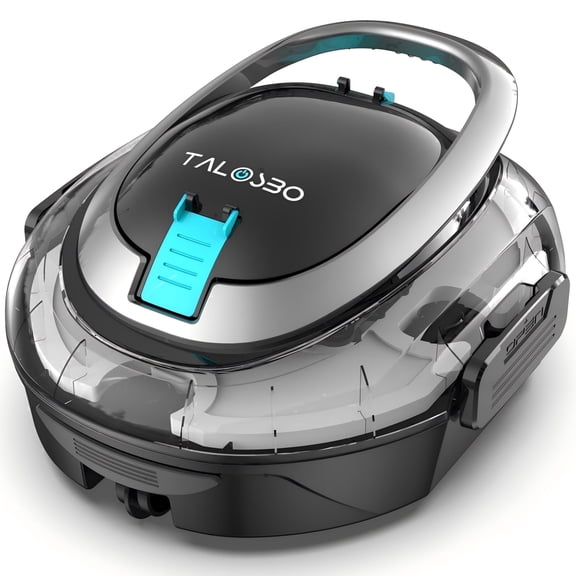
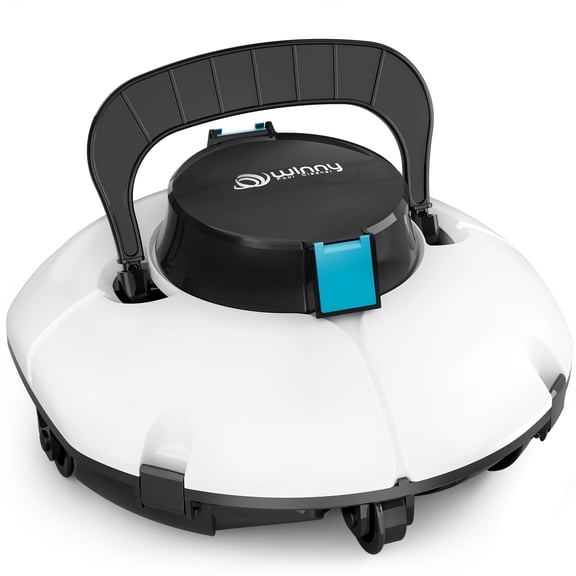
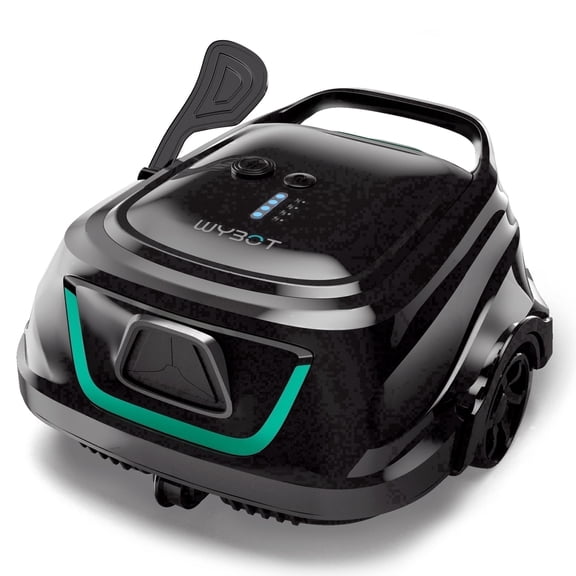
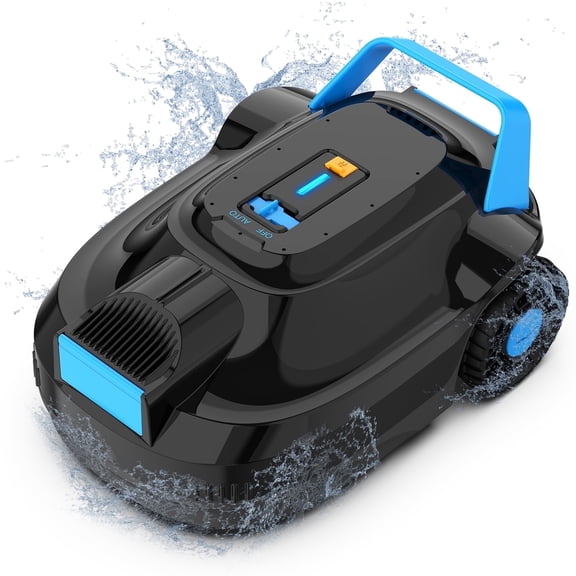
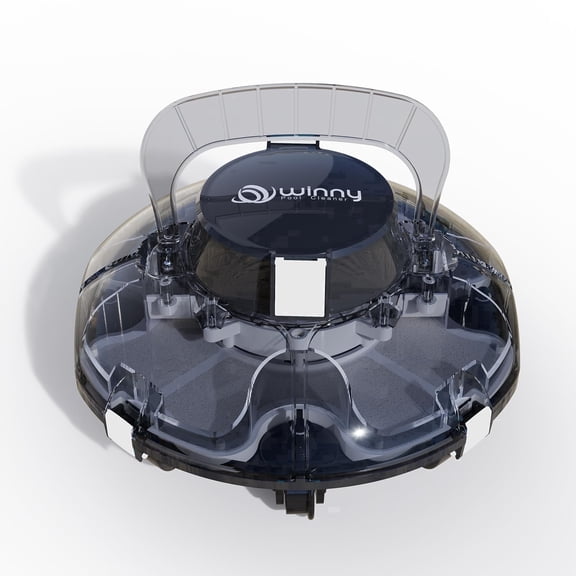
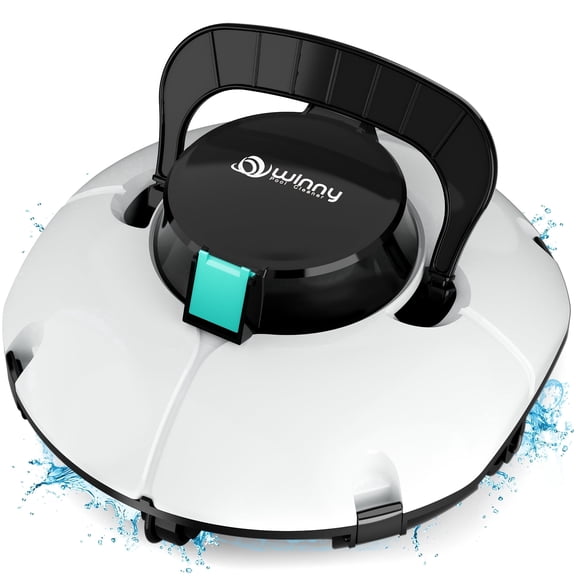
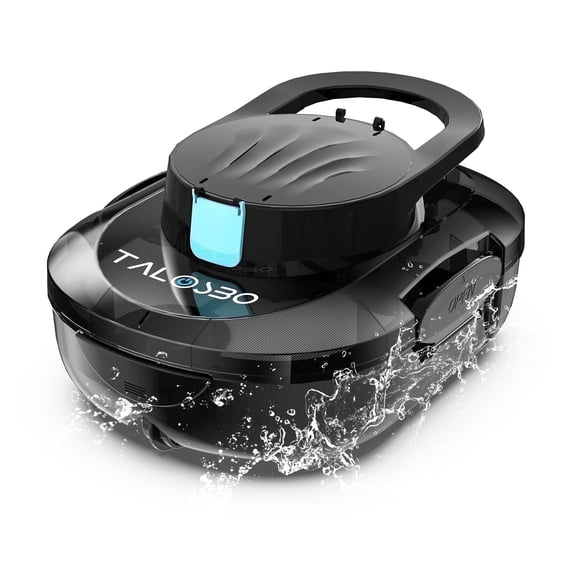
- You can reduce day-to-day effort with robotic pool cleaners that move across the pool on their own.
- You can match suction-driven options to your existing pump setup for steady cleaning.
- You can choose rechargeable pool vacuums when you want cordless movement around ladders and walls.
Debris type matters just as much as pool size. You’ll want to check whether your vacuum handles fine dirt, twigs, or larger leaves without frequent stops to empty the filter.
Comparing vacuum type and operation mode
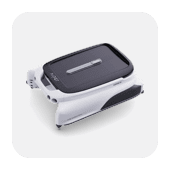
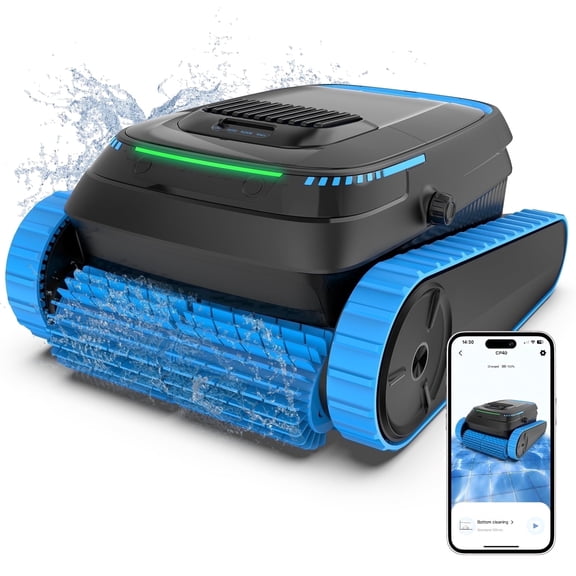
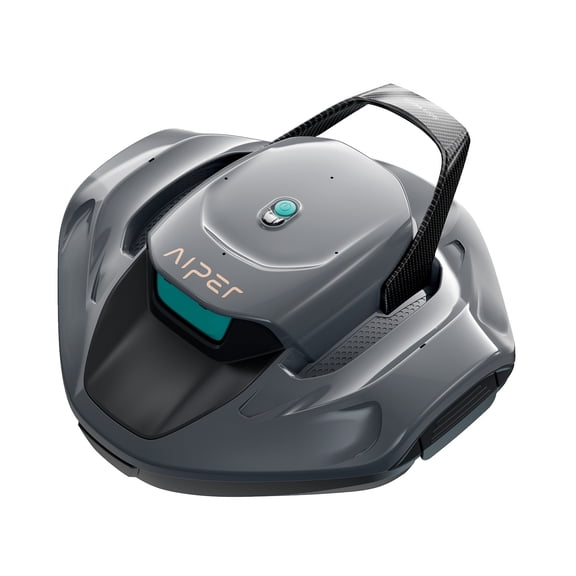
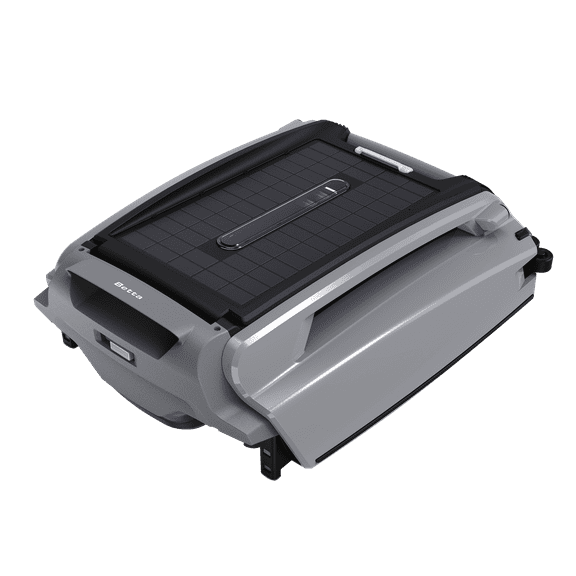
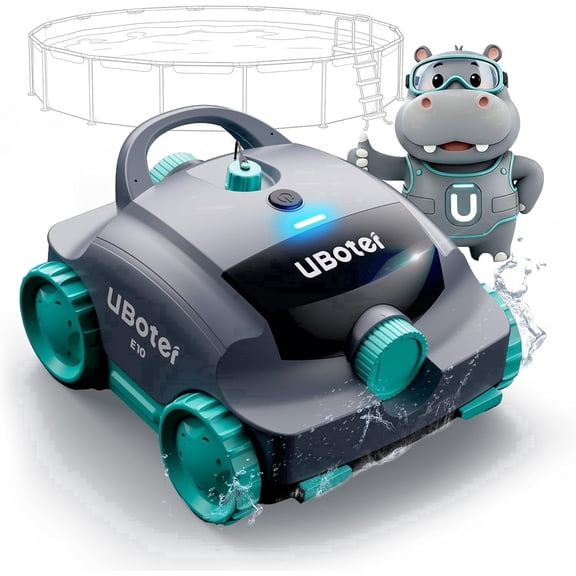
Robotic pool cleaners work well when you want an automatic path across the floor and, on some models, the walls. You’ll usually place them in the water, start the cycle, and let them collect debris in their own filter compartment.
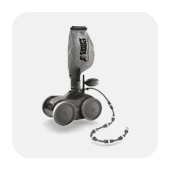
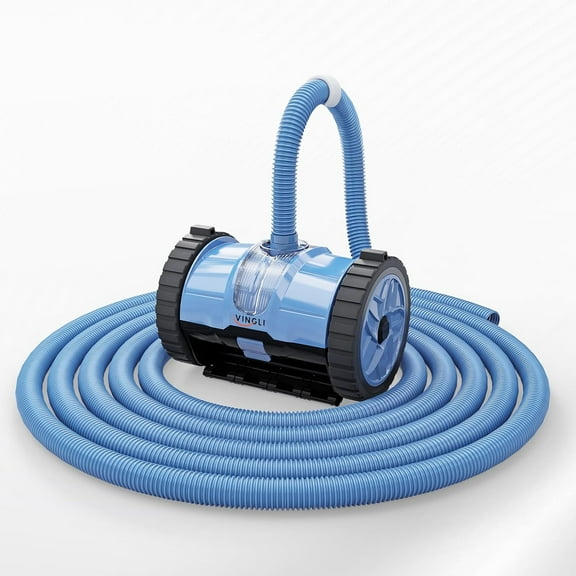
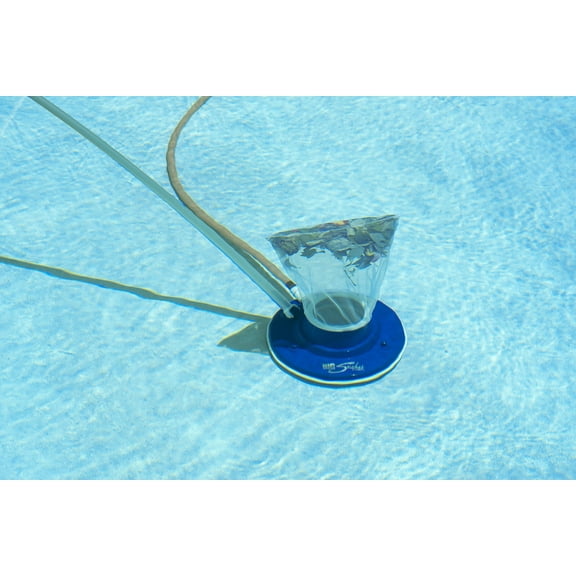
Suction-side models connect to your pool’s suction system and move with water flow. You’ll like this style if you want a simple setup that uses your pool equipment for regular cleaning.
Pressure-side models move with pressure from your pool system and can be useful for larger debris. You should compare bag or canister capacity if your pool collects leaves after windy days.
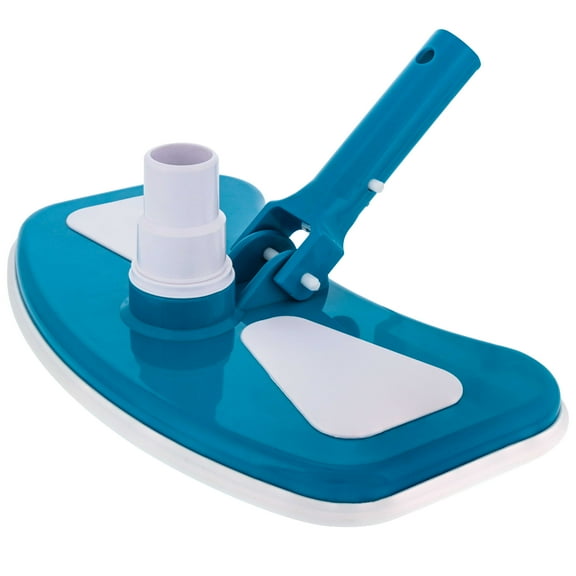
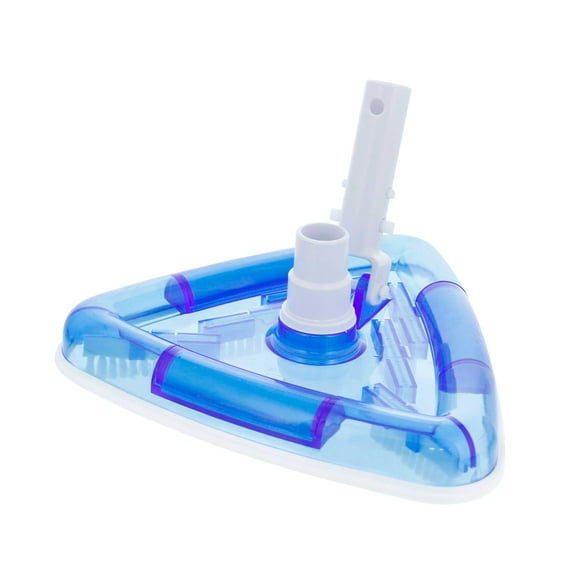
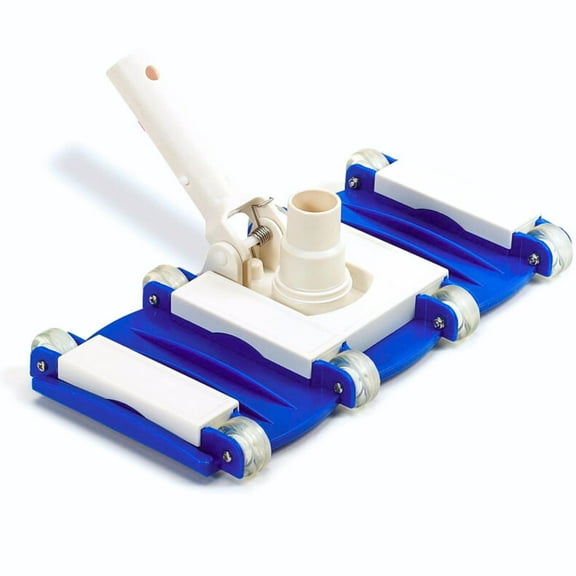
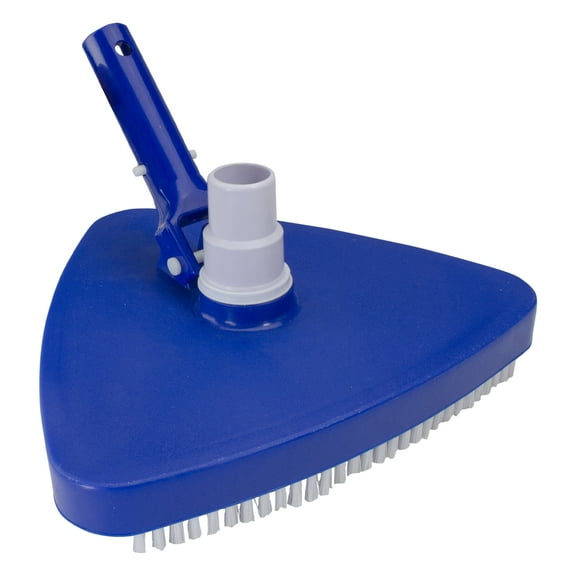
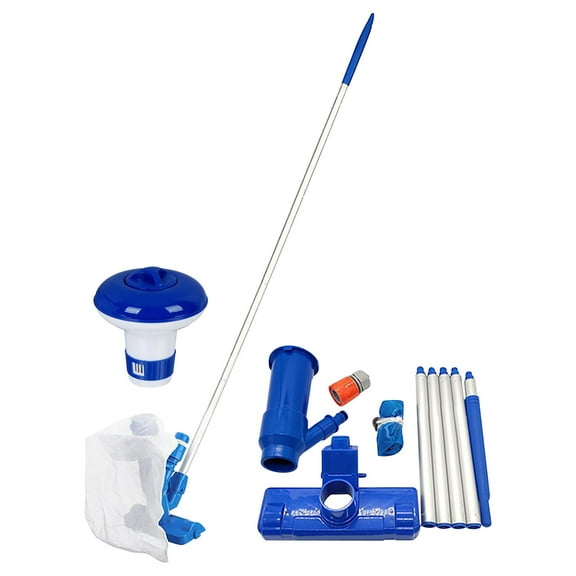
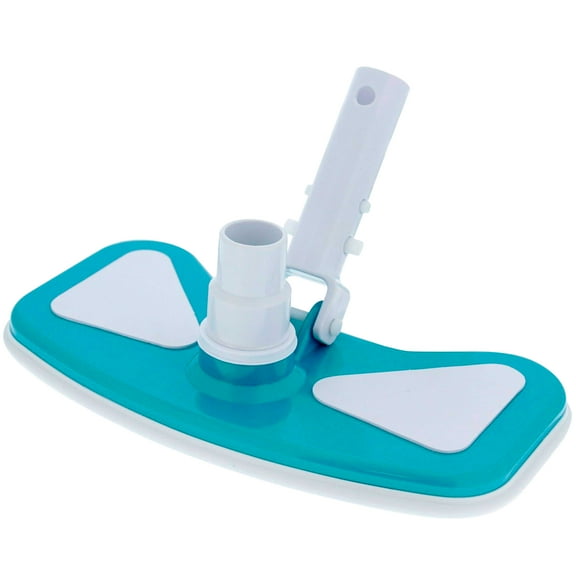
Handheld and manual options give you close control over steps, entry points, and small problem areas. You can move quickly through spot cleaning when you don’t need a full automatic cycle.
Operation mode changes how much attention each cleaning takes. You’ll appreciate automatic cleaning for weekly maintenance, while manual cleaning lets you focus on trouble spots after a storm or heavy pool use.
Understanding power source and mobility
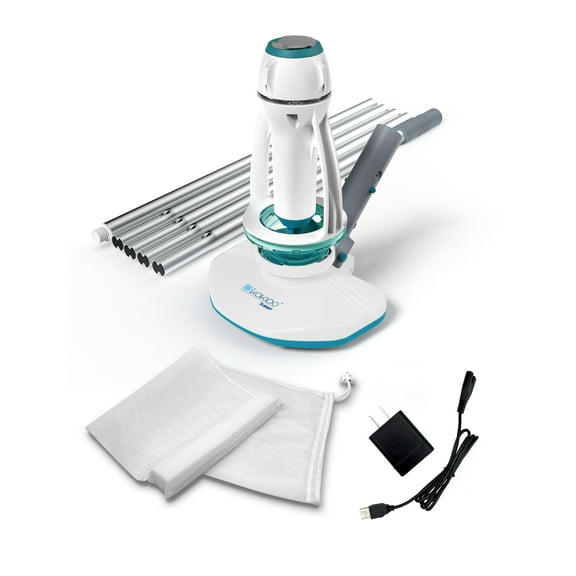
Battery-powered and cordless models give you flexible movement without a hose trailing behind you. You can carry rechargeable pool vacuums around tanning ledges, corners, and stairs with less restriction.
Corded units can make sense when you want longer run time for larger cleaning sessions. You should check cord length and pool size so you can reach the areas you clean most often.
Suction-driven vacuums use your existing filtration flow instead of a separate battery. You’ll want to confirm hose length, pump compatibility, and skimmer or dedicated line connection before choosing one.
Mobility affects how easily you clean around drains, ladders, and curved walls. You can compare overall weight, handle shape, and wheel or brush design to match your comfort level.
Matching debris handling and maintenance needs
Suction power matters because different pools collect different kinds of mess. You’ll want stronger debris pickup if your pool sits near trees, while you can manage lighter debris with compact cleaners.
Leaf handling deserves a close look when you compare filter or canister size. You can reduce interruptions when you choose a vacuum that gives larger debris enough room before emptying.
Fine dirt and sand call for careful filter design and consistent pickup along the floor. You should look for models that help you collect small particles without leaving cloudy residue behind.
Maintenance effort also shapes your everyday experience with pool vacuums. You’ll want easy-access canisters, simple rinse-out filters, and parts that come apart quickly after each use.
Cleanup time matters after the vacuum finishes its job. You can spend less effort between sessions when your unit has a straightforward debris chamber and clear cleaning steps.
Using pool vacuums for real cleaning scenarios
If you care for an above-ground pool, you may want a lighter unit with simple handling and gentle movement. You can use above ground pool vacuums for flat floors, easy storage, and regular touch-ups.
If you maintain a larger in-ground pool, you may need longer coverage and stronger debris collection. You’ll often benefit from automatic paths or larger debris chambers when your pool has deep ends and broad surfaces.
For quick cleanup before guests arrive, handheld pool vacuums can help you target visible debris fast. You can lift out leaves from steps, remove dirt near ladders, and freshen small areas without a full cycle.
For routine weekly care, robotic pool cleaners can support a more hands-off approach. You’ll get steady cleaning when you want the vacuum to cover the floor while you handle other pool tasks.
For pools with frequent leaf drop, you should compare debris capacity and emptying steps closely. You can keep maintenance simpler when your vacuum handles larger debris without constant stops.
For lighter dirt, sand, or silt, you may prefer a model tuned for fine particle pickup. You’ll notice cleaner floors and clearer water when your vacuum matches the mess your pool collects most.
When you choose by compatibility, power source, debris type, and maintenance effort, your pool vacuums work harder for your routine. You’ll enjoy a cleaner pool with a setup that fits your space, your schedule, and your cleaning style.