




Pool Supplies in Swimming Pools & Spas





















About Pool Supplies in Swimming Pools & Spas - Walmart.com
Pool supplies help you keep water clear, surfaces clean, and equipment ready for daily care and seasonal upkeep. You can compare chemicals, cleaning tools, and filter essentials by pool type, so your routine fits above ground, inground, or inflatable setups.
How to choose pool supplies by pool type
Start with pool compatibility, because your shape, wall style, and water capacity affect what you should use. You should check whether your setup is above ground, inground, or inflatable before choosing treatment products or cleaning gear.
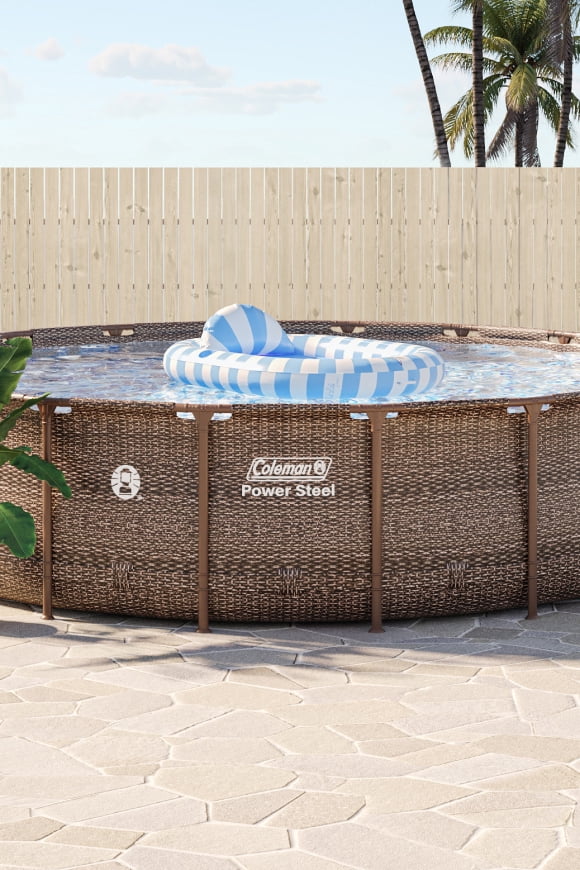
Above ground pool supplies often focus on compact equipment, lighter hoses, and smaller water volumes. You may prefer tools that fit narrow floors, soft liners, and portable pump systems without adding extra complexity.
Inground pools usually need longer reach, larger circulation support, and accessories sized for deeper water. You should compare hose length, pole reach, and filter capacity when your pool has stairs, corners, or a deep end.
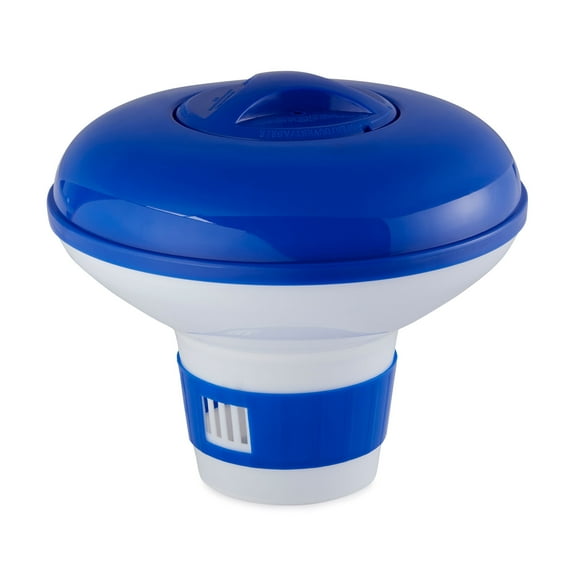
Inflatable pools call for simple maintenance steps and easy-storage accessories between uses. You can look for smaller floating dispensers, quick-drain tools, and lightweight skimmers that match limited water volume.
Choosing swimming pool supplies by product category
Swimming pool supplies usually fall into four core groups that shape your care routine. You can compare chemicals, cleaning equipment, pumps and filters, and pool accessories to build a complete maintenance plan.
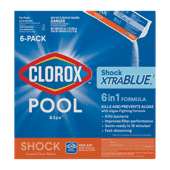
Pool chemicals support water care, clarity, and routine balancing when you follow label directions and gallon guidance. You should match sanitizer type, shock format, and balancing products to your pool size and maintenance schedule.
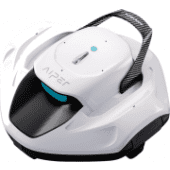
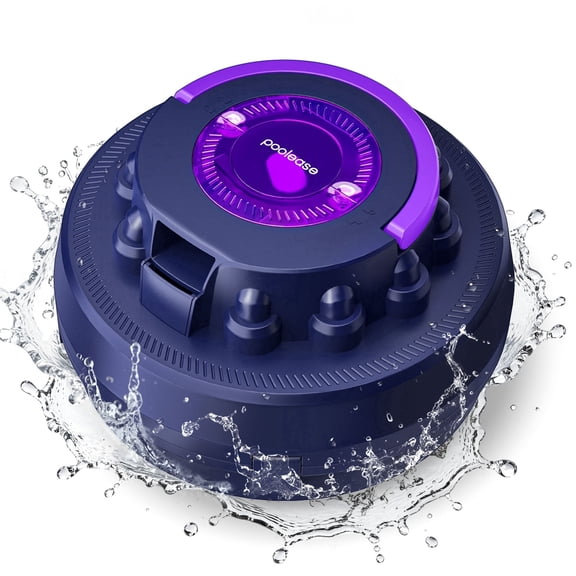
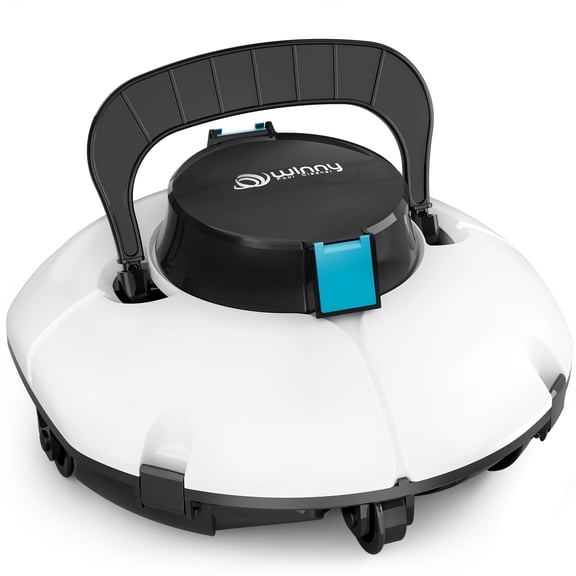
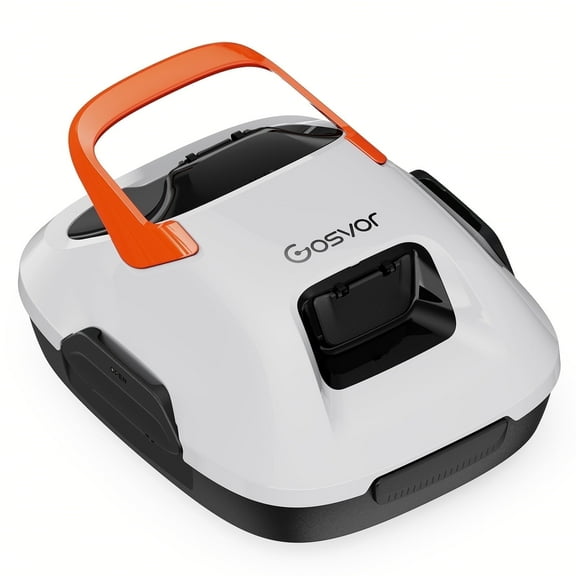
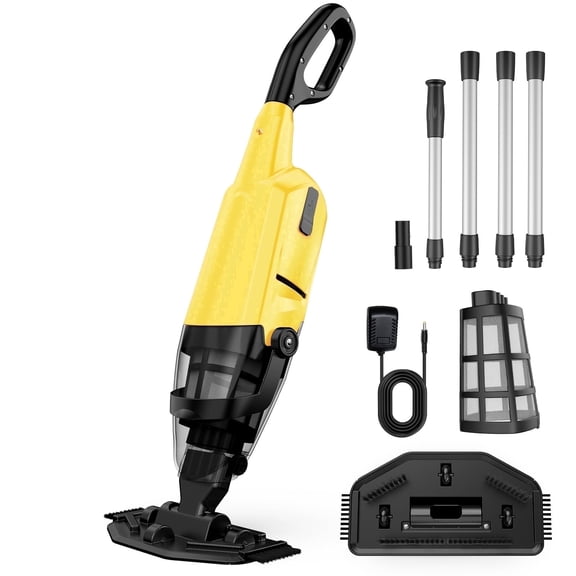
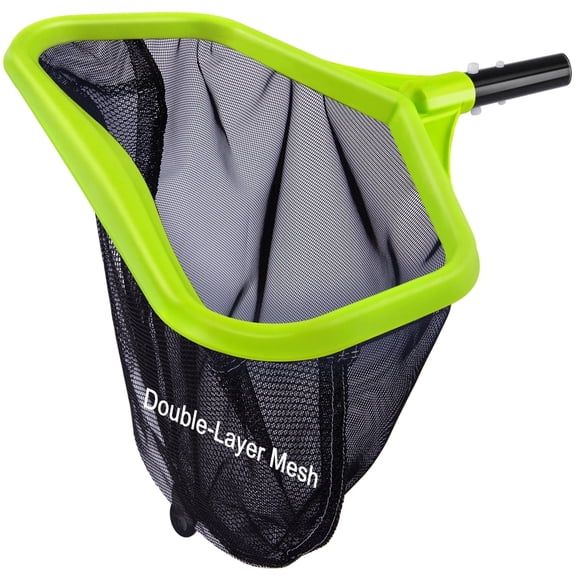
Pool cleaning tools help you remove leaves, wall buildup, and floor debris before they circulate through the system. You can use vacuums, skimmers, brushes, and hoses together for more complete weekly maintenance.
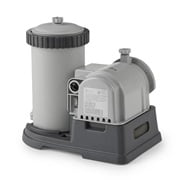
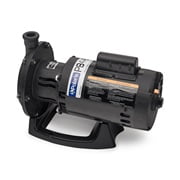
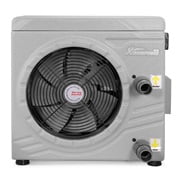
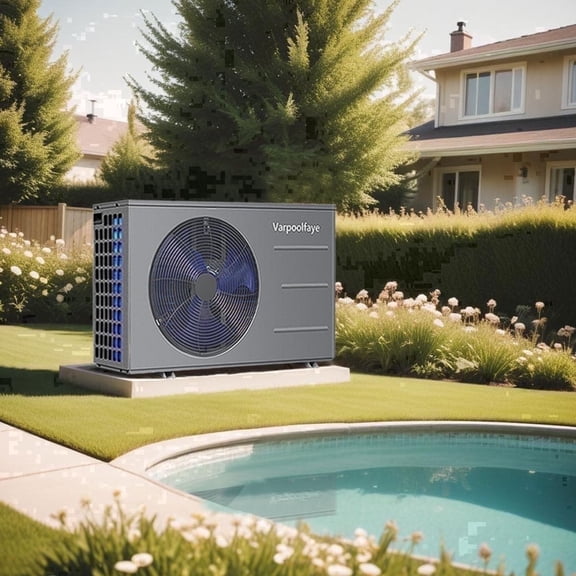
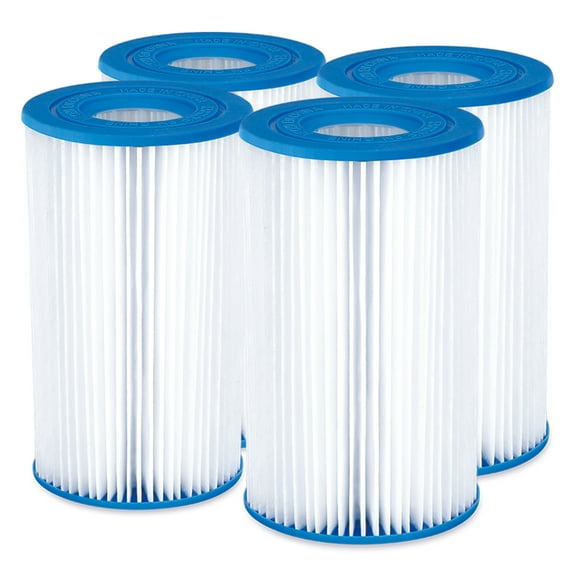
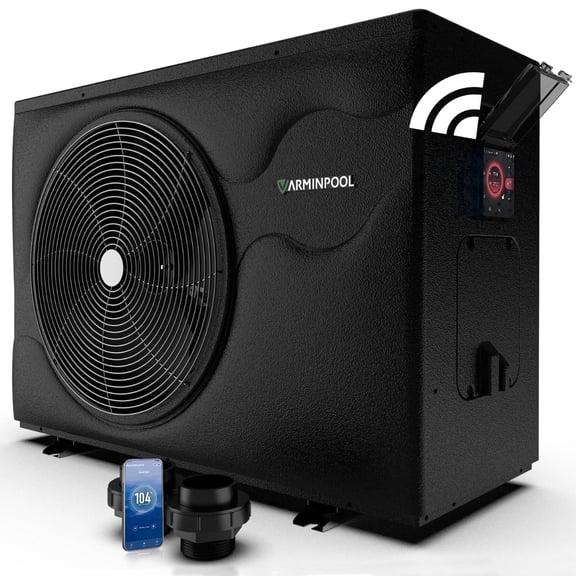
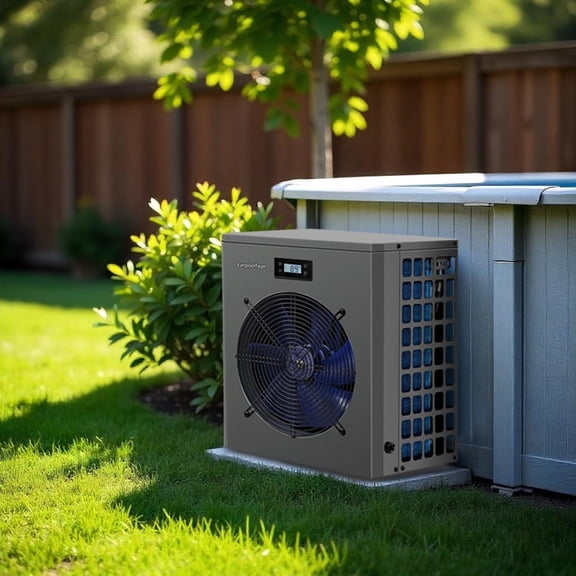
Pumps and filters support circulation, debris capture, and water movement across the pool. You should check pump horsepower and filter size, because those specs affect compatibility with your existing setup.
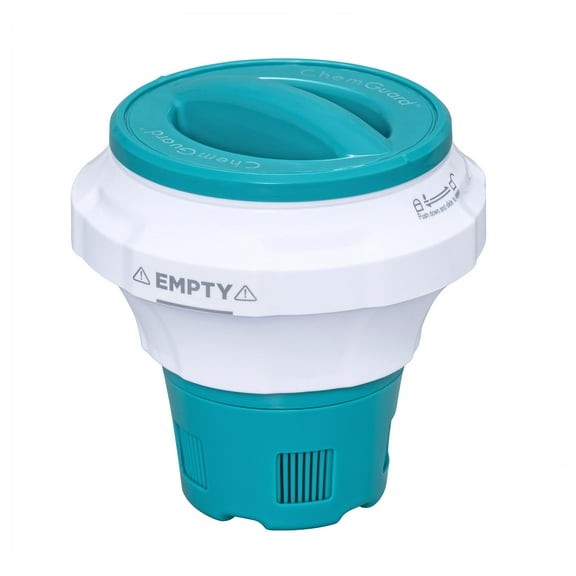
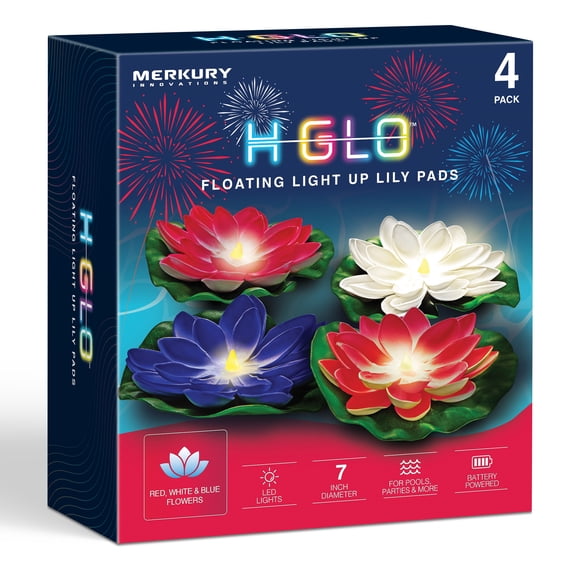
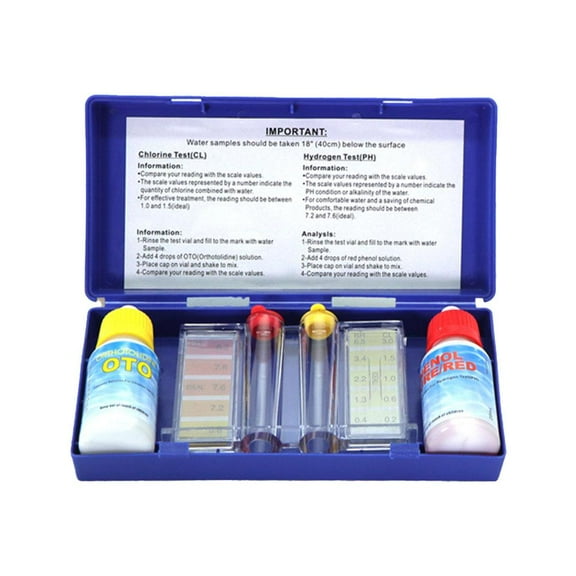
Pool accessories round out everyday use with thermometers, test kits, floating dispensers, and replacement parts. You can use these add-ons to monitor water conditions and keep small tasks organized.
What to look for in pool chemicals
Pool chemicals support routine water care when you choose them by function instead of guessing from a broad label. You should compare sanitizers, shock, algaecides, and balancers based on your current water needs.
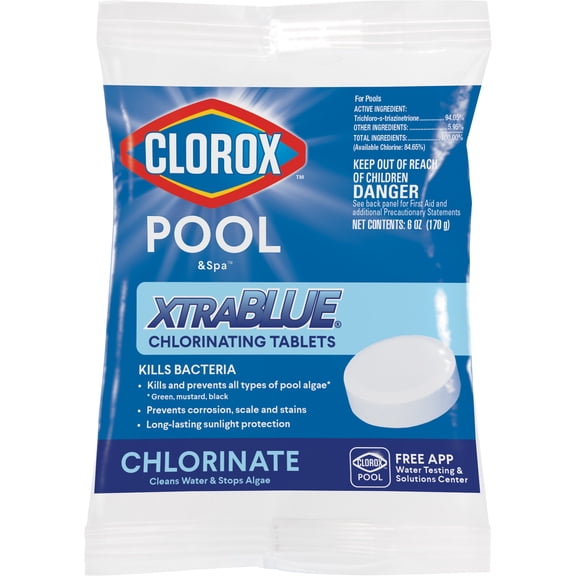
Sanitizers help you maintain a regular treatment routine between deeper cleanups. You can check dosage directions by gallons, because larger pools need different amounts than compact above ground setups.
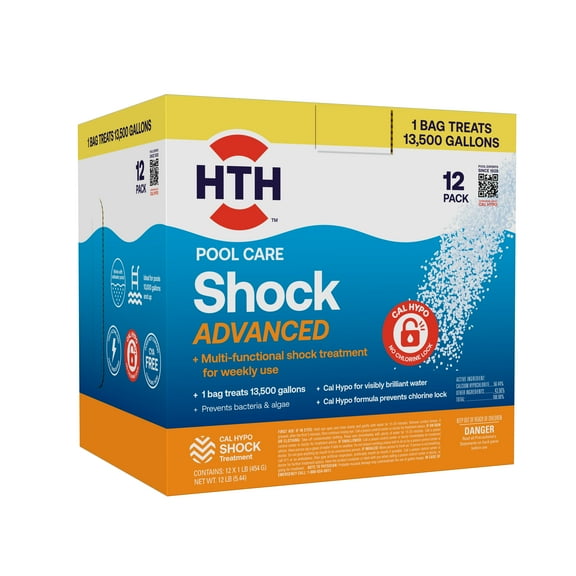
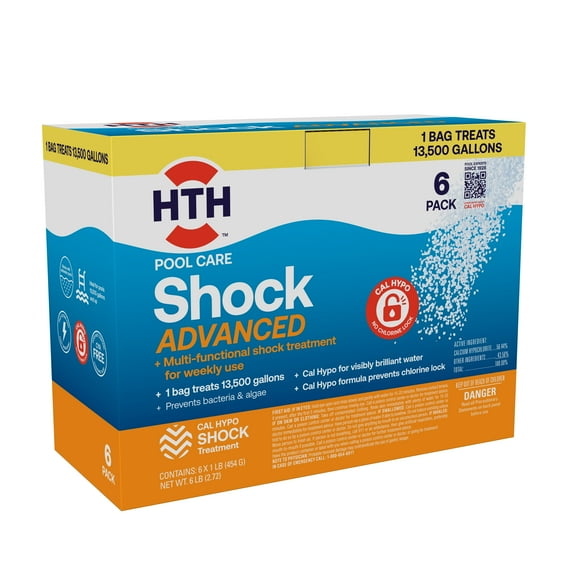
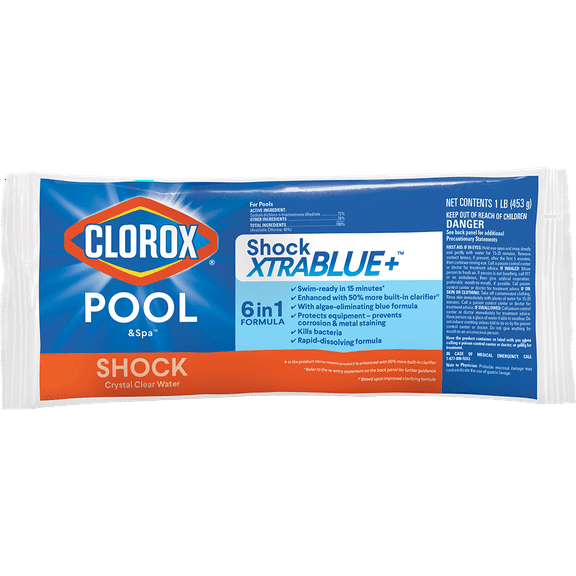
Shock products fit periodic maintenance and seasonal opening steps when water needs a reset. You should review concentration details and application timing, so your treatment plan matches your pool volume.
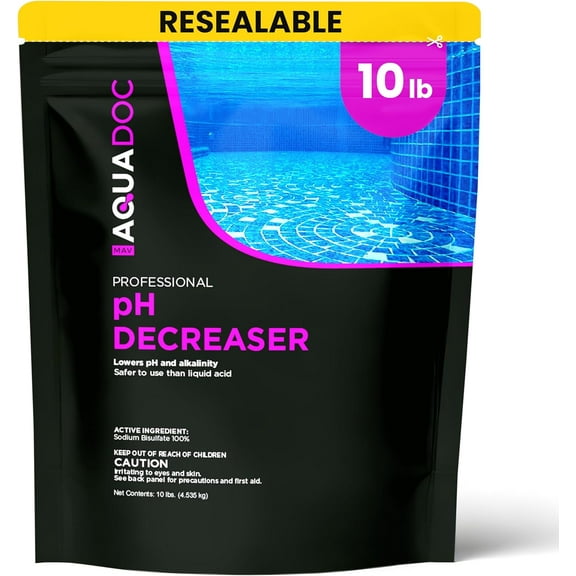
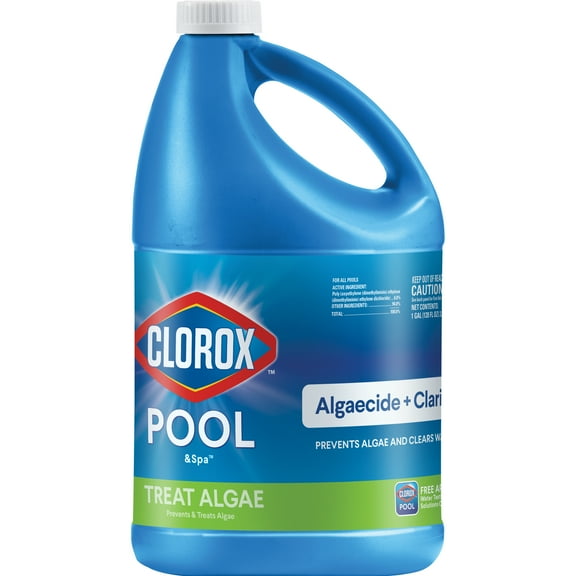
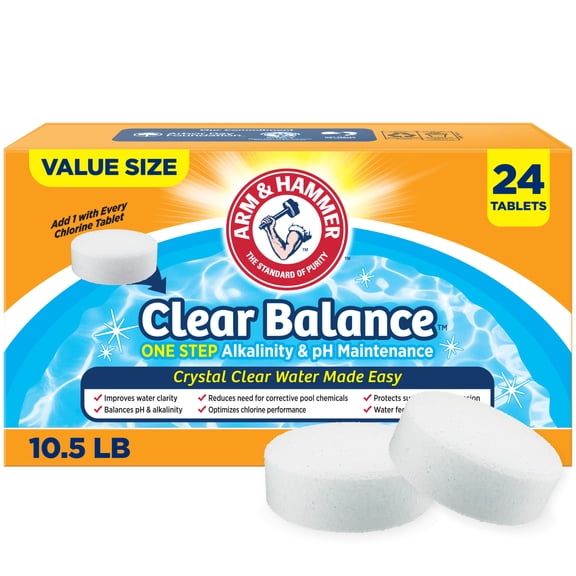
Algaecides and balancers help you fine-tune routine care after testing your water. You can compare pH, alkalinity, and calcium-focused options when your readings show specific adjustment needs.
- You can use test kits to guide chemical choices by current water readings.
- You should match dosage instructions to your pool's gallon capacity.
- You can separate daily, weekly, and seasonal treatments for a steadier routine.
- You should store related accessories together, so your upkeep stays organized.
How to compare pool maintenance equipment
Pool maintenance equipment should match your cleaning habits, pool size, and debris level. You can compare a vacuum, skimmer, brush, and hose by reach, connection style, and cleaning task.
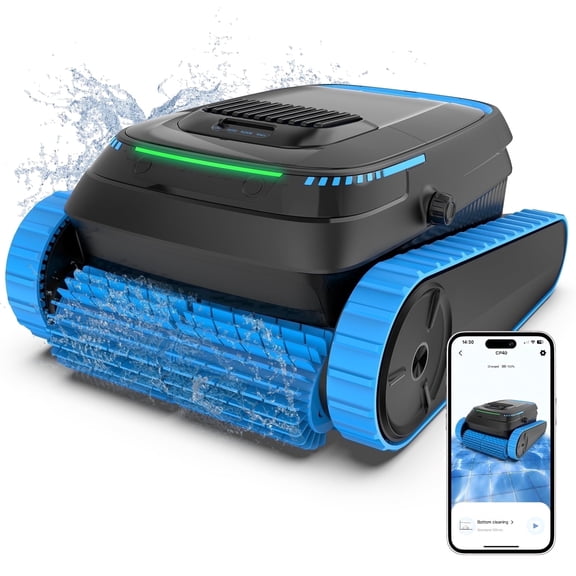
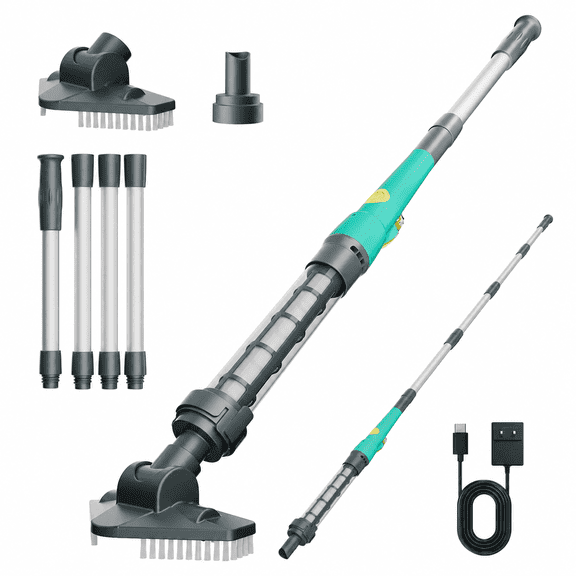
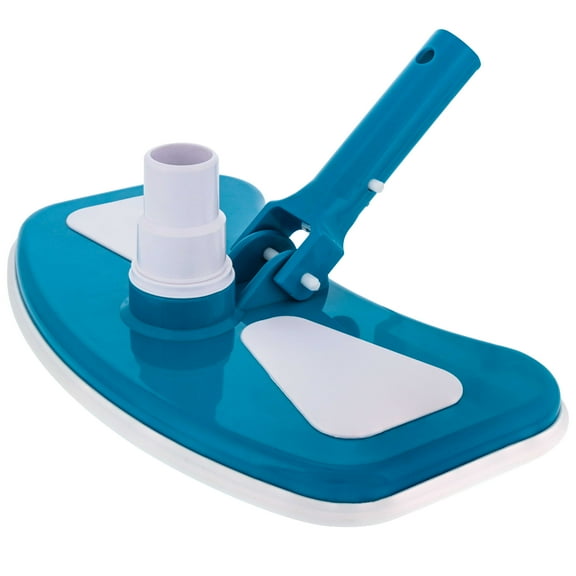
A vacuum helps you lift settled debris from the floor when leaves, sand, or dirt collect. You should check hose compatibility and head width, so your cleaning path fits your pool dimensions.
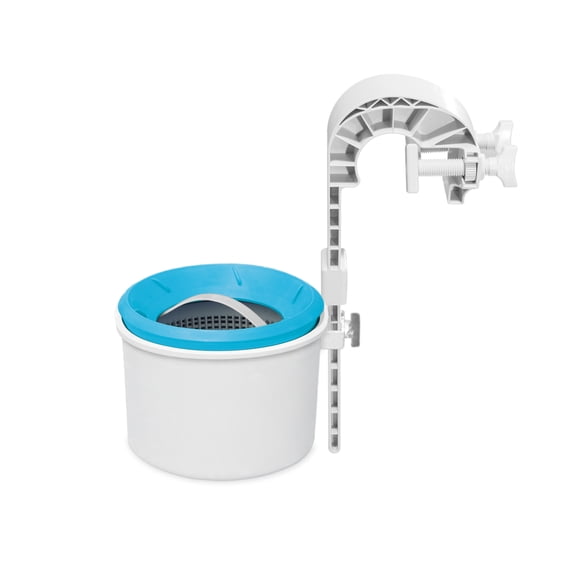
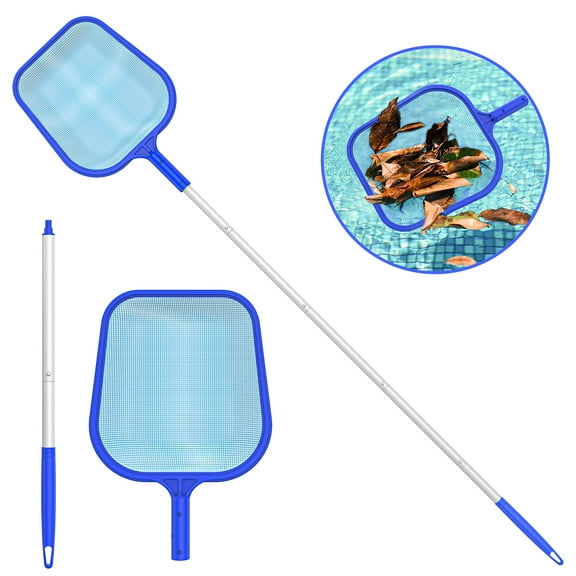
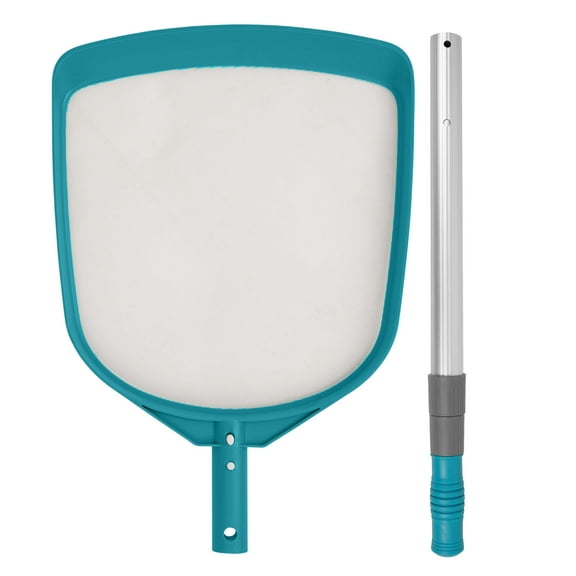
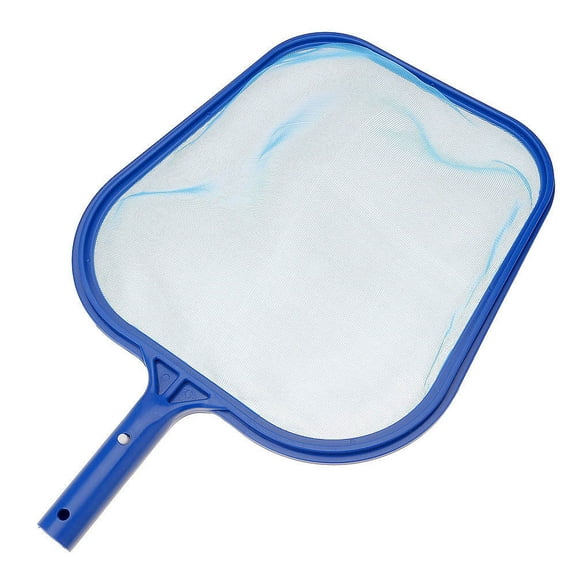
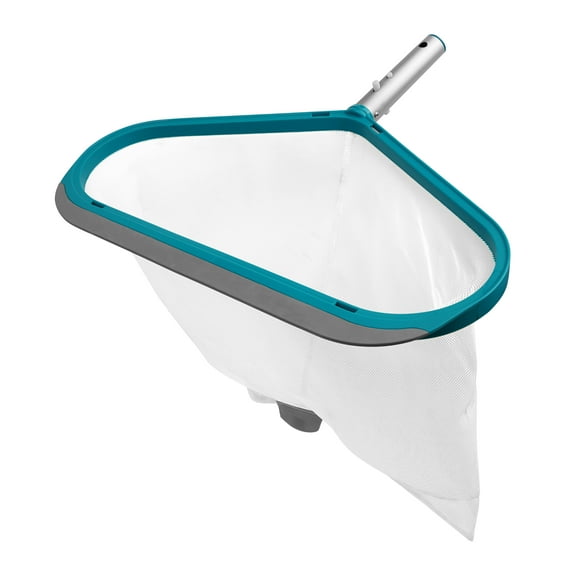
A skimmer helps you remove floating debris before it sinks and spreads across the water. You can compare net depth and pole fit when you want quick daily cleanups.
A brush helps you clean walls, steps, and waterline areas that need direct scrubbing. You should choose bristle style and head shape based on liner surfaces, corners, and curved edges.
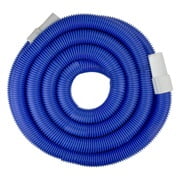
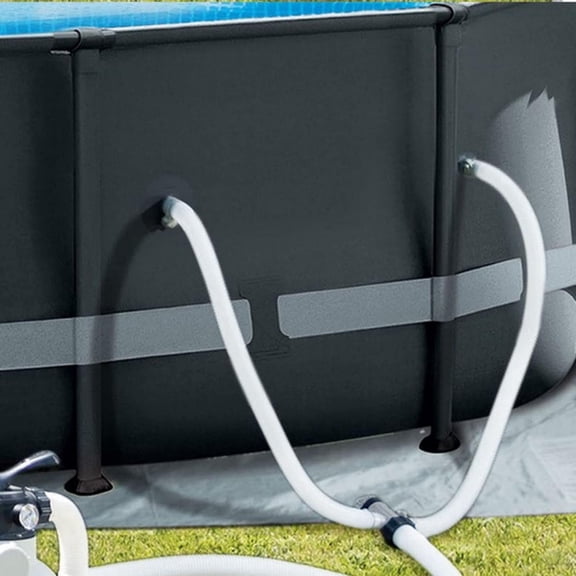
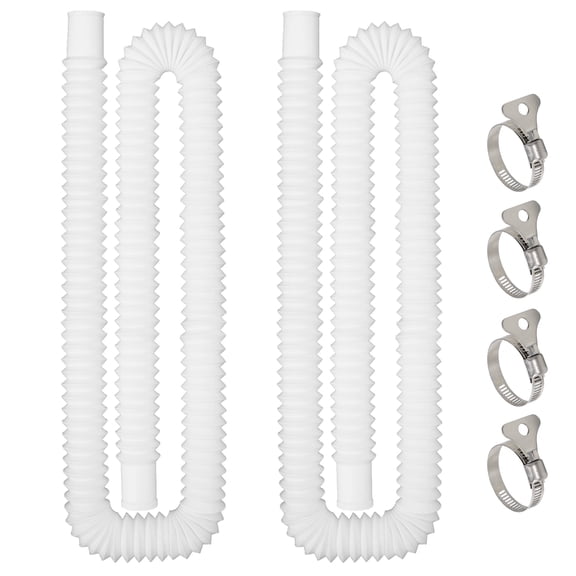
A hose supports suction-based cleaning and water movement between connected tools. You can measure length carefully, because longer pools and deeper sections often need more reach.
Using pool supplies for daily, weekly, and seasonal care
Your routine becomes easier when you group pool supplies by maintenance frequency instead of handling every task at once. You can split your schedule into daily checks, weekly cleaning, and seasonal preparation.
Daily care often includes skimming debris, checking circulation, and reviewing water test results. You should keep simple pool accessories nearby, so quick tasks take less effort during busy weeks.
Weekly care usually includes brushing surfaces, vacuuming the floor, and adjusting pool chemicals as needed. You can build a steadier routine when your tools and treatments match your pool type.
Seasonal care often includes opening steps, stronger cleanup products, and equipment checks before heavy use. You should confirm filter size, pump horsepower, and replacement part fit before the season starts.
When you compare pool supplies with compatibility, dosage, and schedule in mind, you make upkeep more manageable. You can keep your water routine consistent with tools and treatments that match your pool from opening day through the final swim.