


Pool Lighting in Pool Supplies























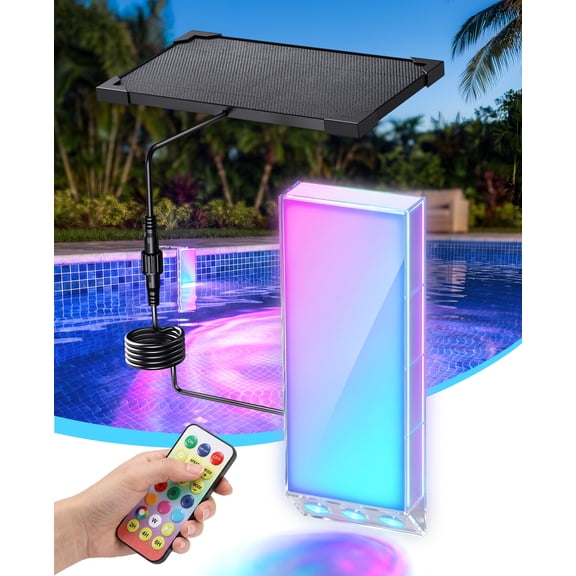
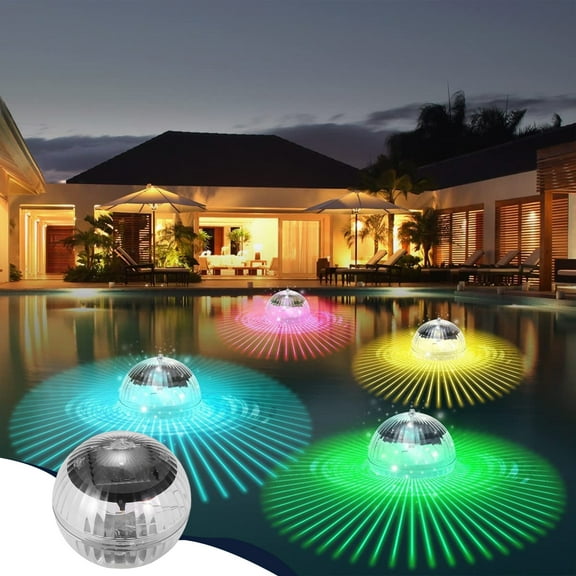
About Pool Lighting in Pool Supplies - Walmart.com
Pool lights help you extend swim time and shape the look of your pool after sunset. You can compare LED, solar, floating, and niche-style options to match your pool and installation needs.
If you're updating a backyard setup, you may want brighter water, clearer steps, or colorful evening ambiance. You can use this guide to compare pool lighting fixtures by pool type, power source, mounting style, and light output.
Choosing pool lights by pool type
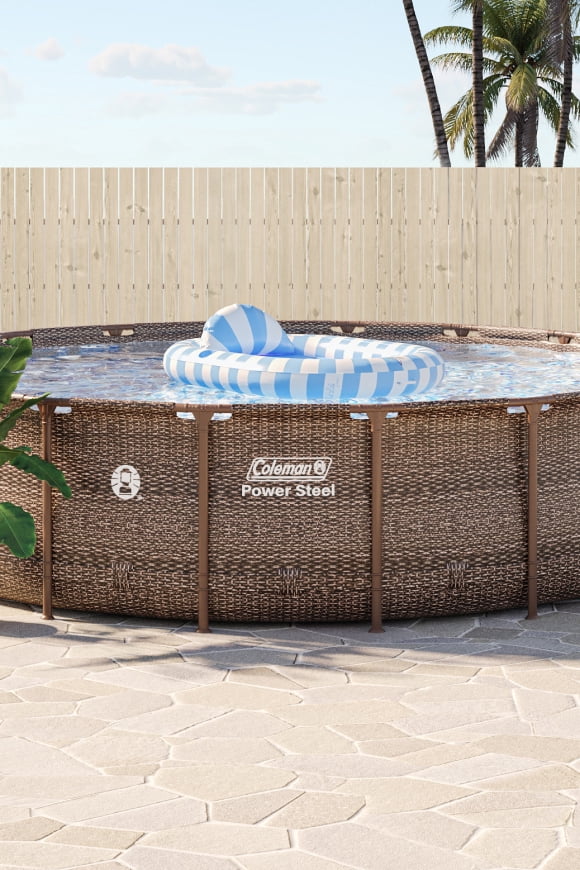
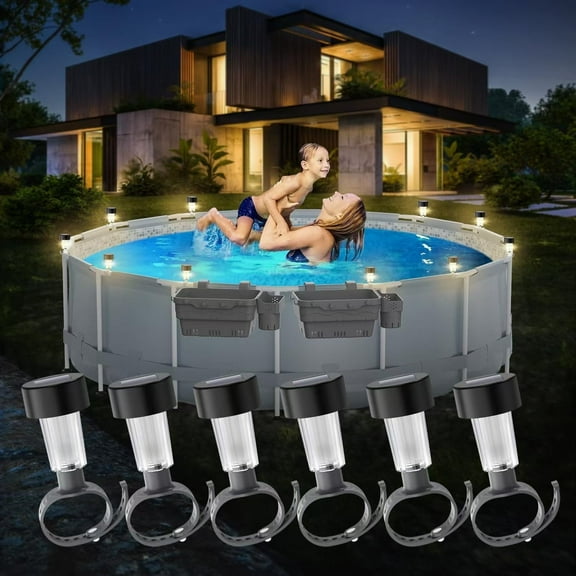
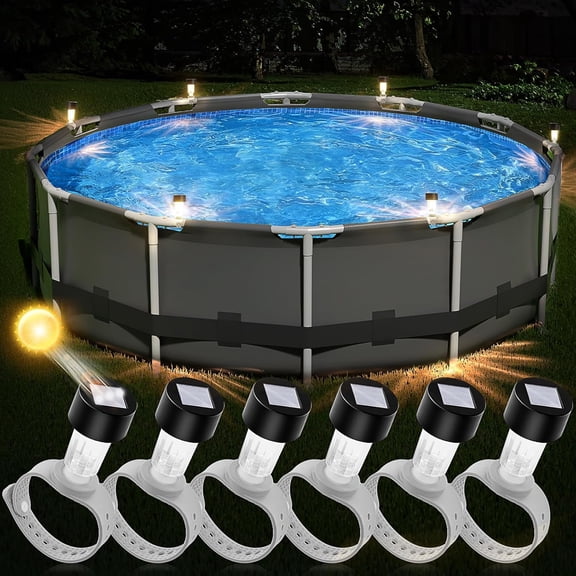
You should start with pool type compatibility because above ground pool lights and inground pool lights mount in different ways. You can often use magnetic backing, hanging designs, or floating styles for above ground walls.
For inground pools, you may compare niche replacements, return jet lights, or submersible LED lights made for built-in placements. You should check whether your pool uses an existing niche or a return fitting before choosing.
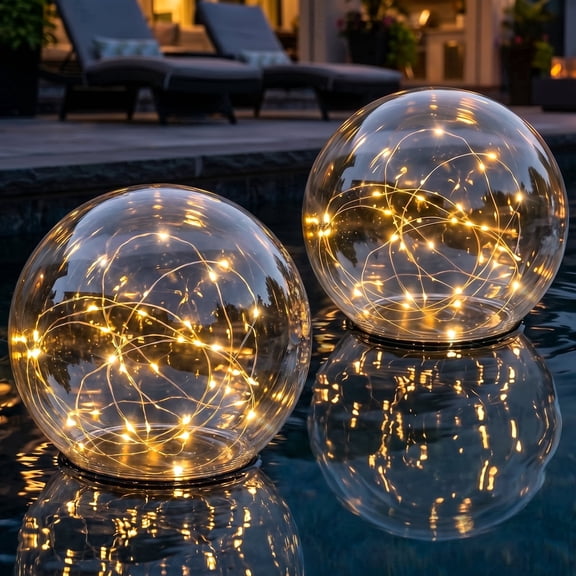
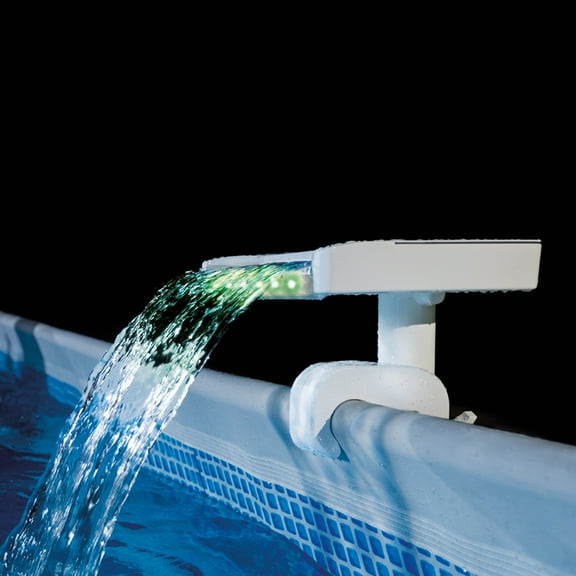
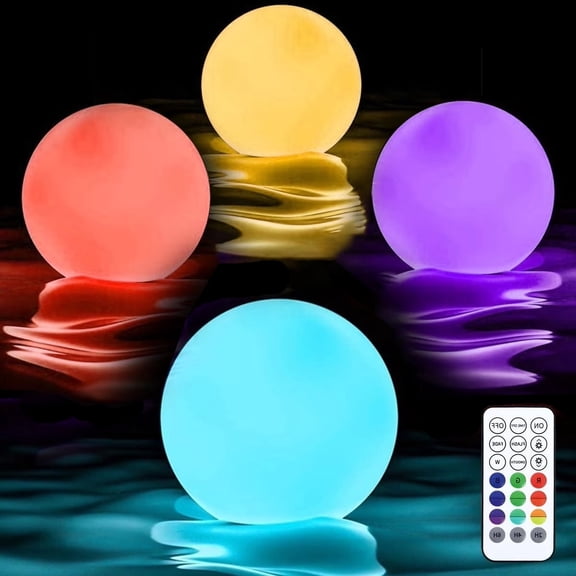
Mounting style affects how easily you install and position your light. You can compare floating pool lights for quick setup, or magnetic lights when you want a fixed spot.
- You can use floating designs when you want light without permanent mounting.
- You can choose magnetic backing when your above ground wall supports that attachment style.
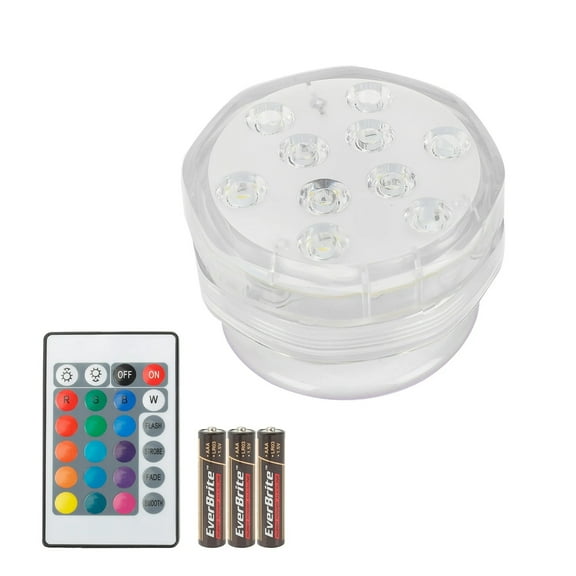
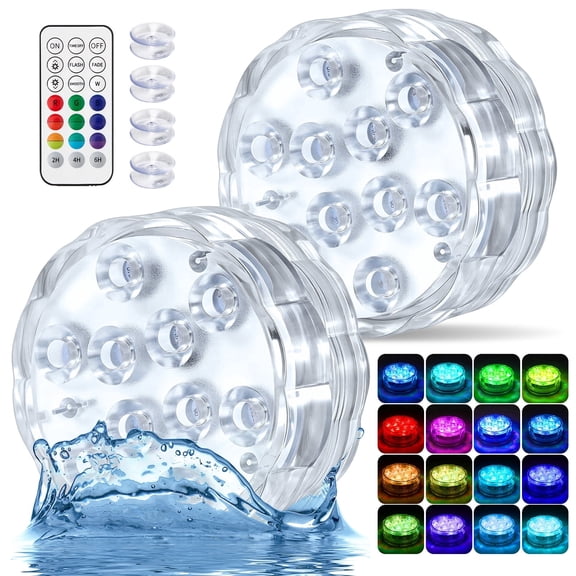
- You can consider submersible styles when you want light below the water line.
- You can check niche and return jet compatibility for many inground setups.
Comparing led pool lights and other light source types
You'll often compare LED, halogen, incandescent, and solar options when narrowing pool lights. You can expect led pool lights to give steady brightness with less frequent bulb replacement.
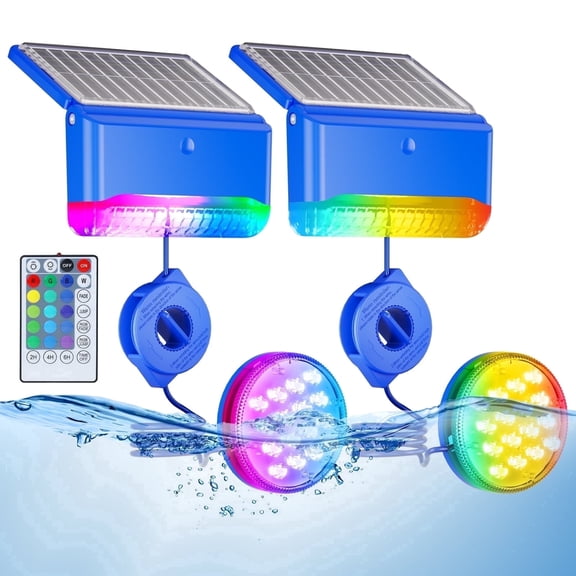
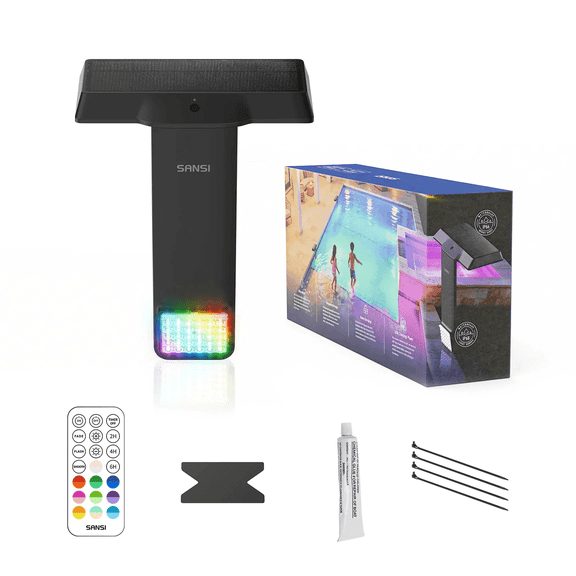
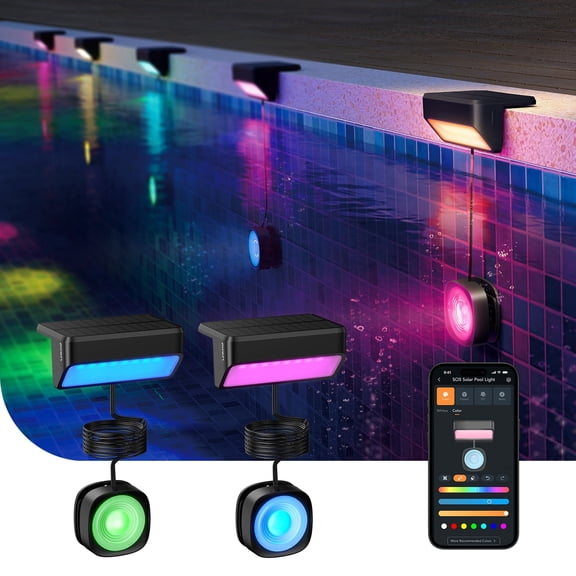
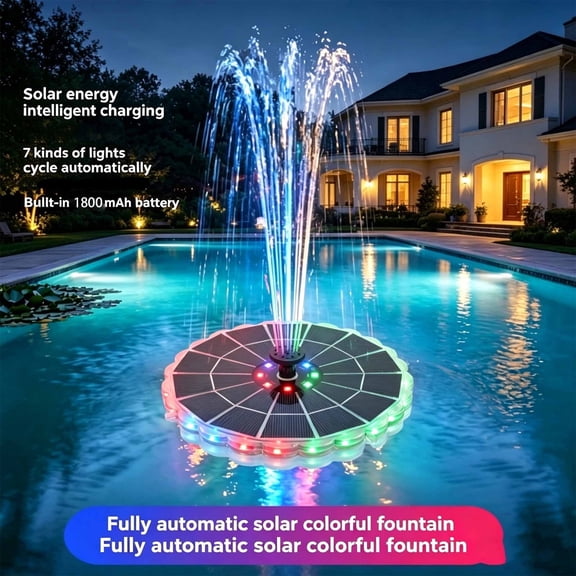
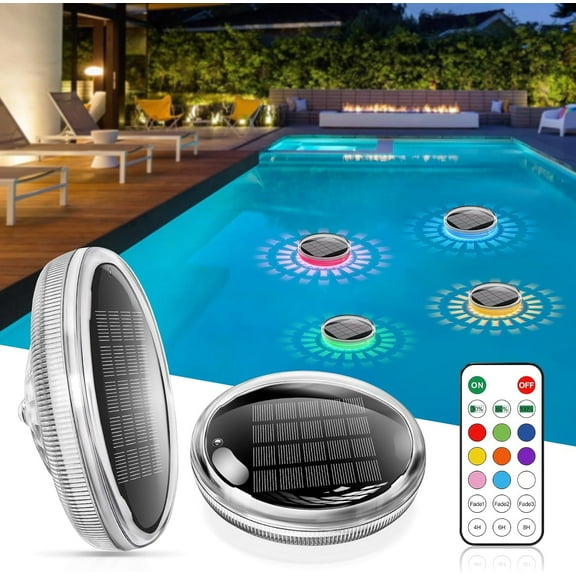
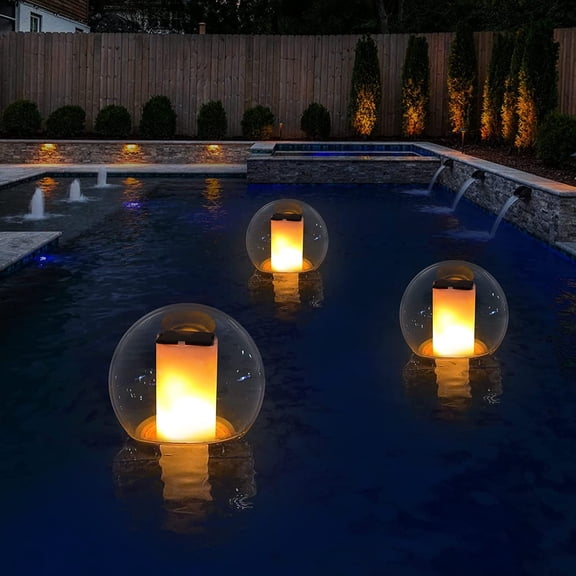
If you prefer a simple daytime charging routine, you may consider solar pool lights for accent lighting. You should compare sunlight exposure and runtime expectations before choosing solar powered models.
Halogen and incandescent options may appeal if you're replacing an existing fixture with a matching format. You should confirm fit, wattage, and housing compatibility before making that kind of swap.
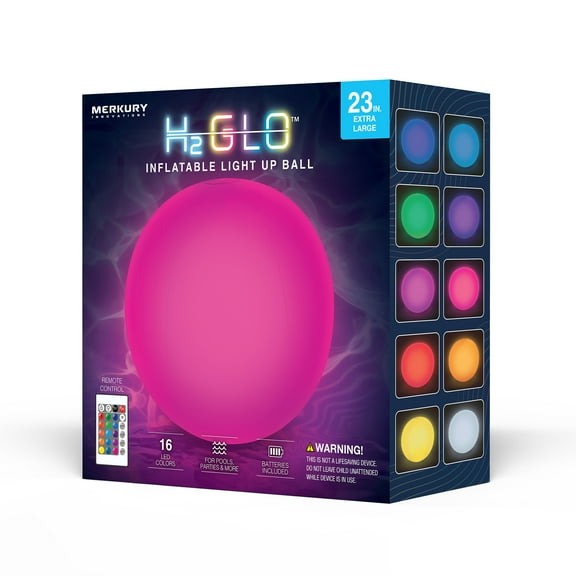
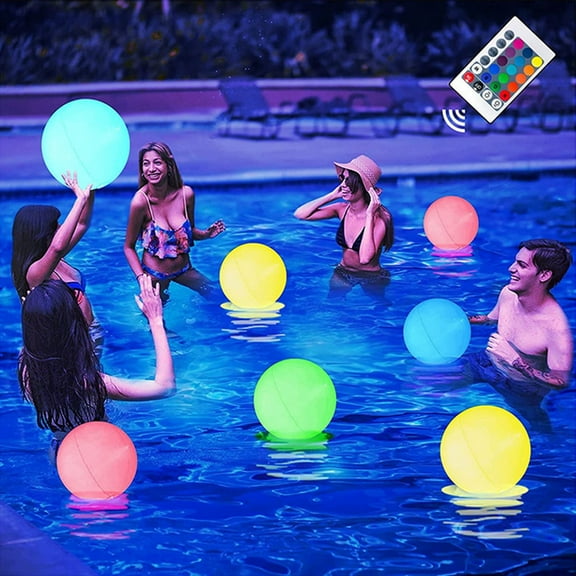
Brightness matters when you want to light steps, walls, or the full swim area. You can compare lumens to estimate output, and you can use RGB modes for color changing pool lights.
Checking power source, voltage, and waterproof details
You should compare power source early because it affects installation, placement, and routine use. You can choose battery operated, plug-in, solar powered, or low voltage lighting depending on your setup.
Low voltage options, including many 12V systems, may suit pools that already use a transformer. You should verify whether your setup uses 12V or 120V before replacing a fixture.
Waterproof construction is another key decision point for underwater pool lights. You should look for an IP68 waterproof rating when you need a light designed for submersion.
If you're planning a hardwired replacement, you may need to match the existing housing and wiring path. You should compare cord length, connector style, and transformer requirements before installation.
Deciding on installation and control features
You can often install floating, hanging, or magnetic lights faster than hardwired replacements. If you want a DIY-friendly update, you may prefer lights that don't require niche wiring changes.
Hardwired or built-in replacements may work when you already have a compatible inground fixture location. You should check whether the light fits your niche, return jet opening, or wall placement.
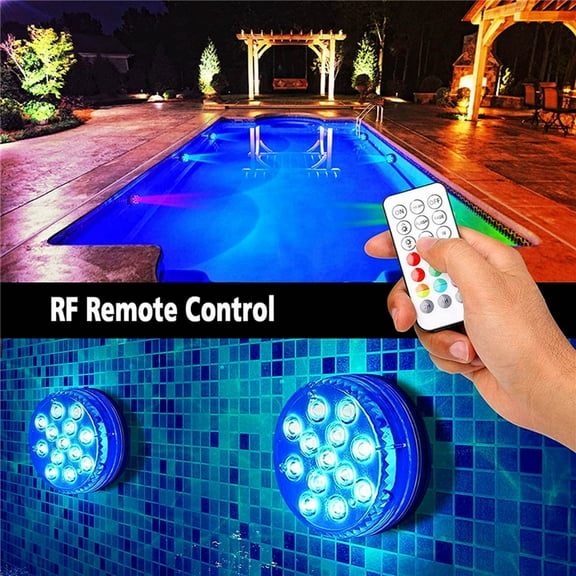
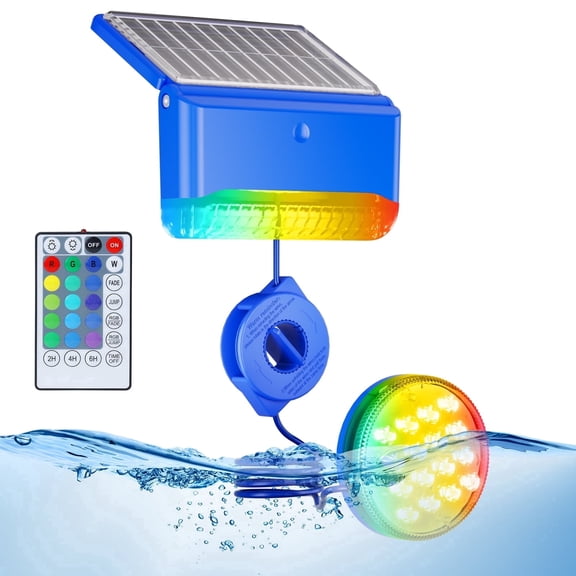
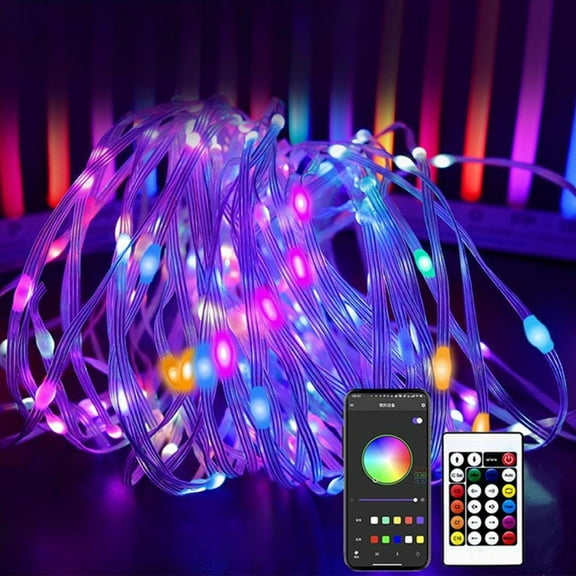
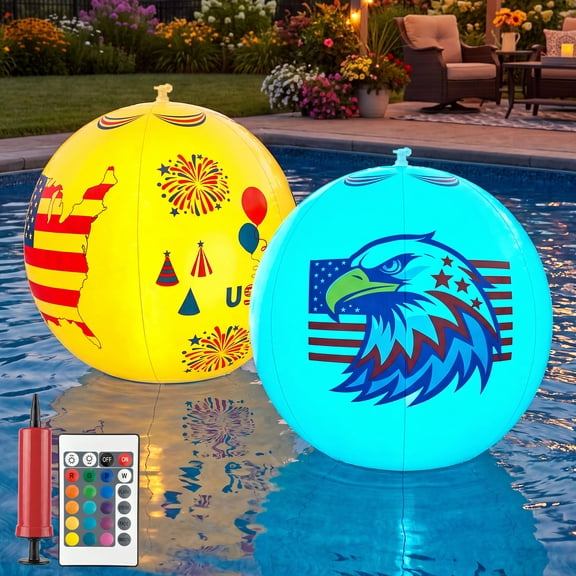
Control features can change how you use your pool at night. You can compare remote controlled lights, push-button operation, and preset modes for quick color or brightness changes.
If you want a calmer look, you may choose warm white lighting for a steady glow. If you want a party-ready setup, you can compare color changing RGB modes and pattern settings.
Matching pool lights to your outdoor routine
You can use above ground pool lights for evening swims, deck visibility, and a more defined waterline. You may prefer magnetic or hanging options when you want easier seasonal setup and removal.
For built-in pools, you can use inground pool lights to highlight steps, tanning ledges, and wall curves. You should compare underwater placement and beam direction when you want broader coverage.
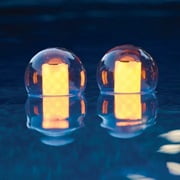
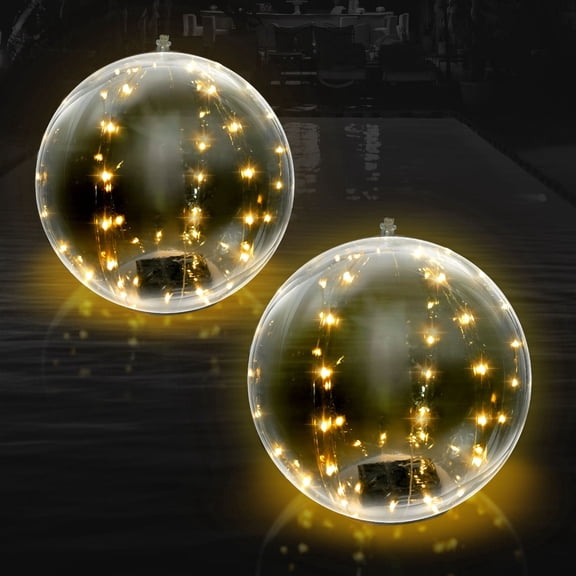
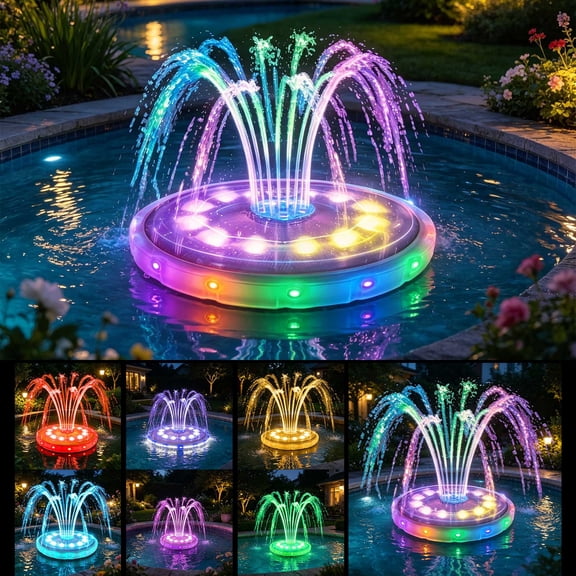
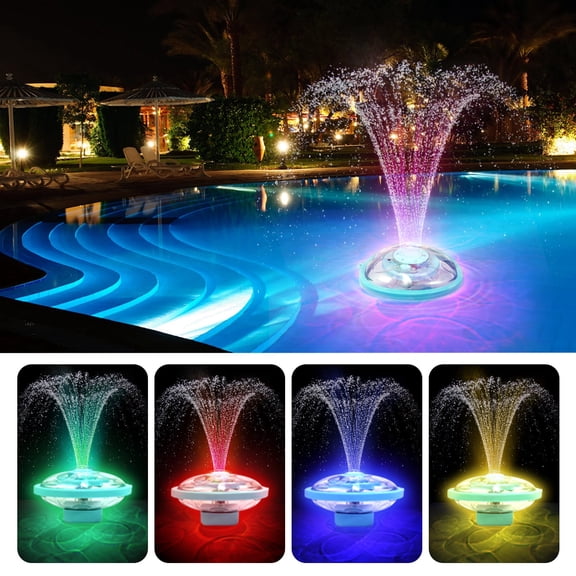
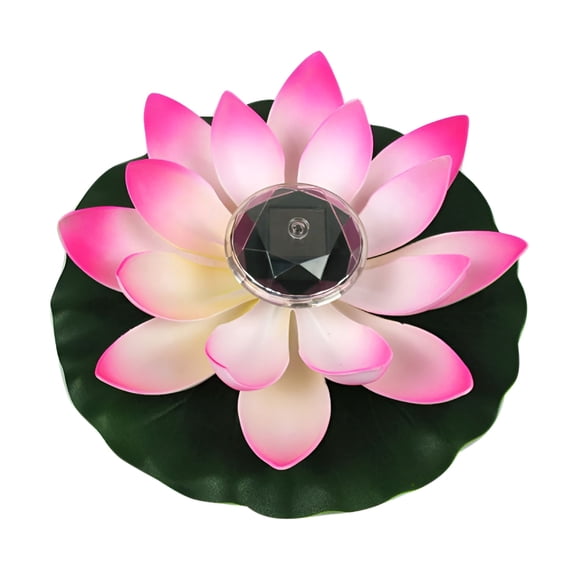
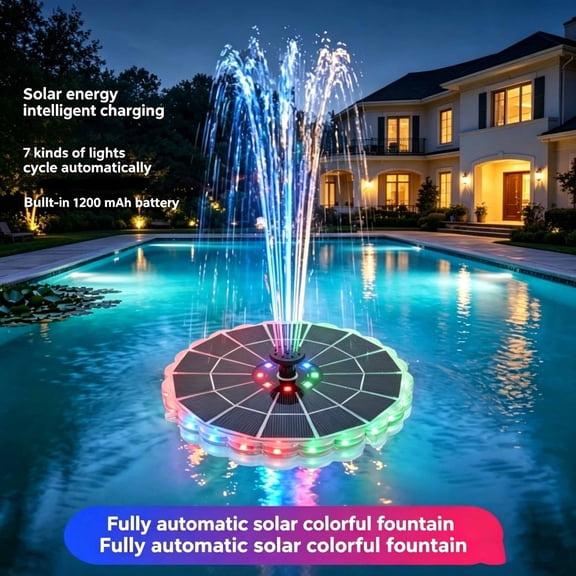
If you host summer gatherings, you may like solar floating pool lights that move with the water and add color. You can also use submersible led lights in fountains, steps, or smaller water features.
You may want different combinations for different goals. You can choose low voltage white lighting for a clean look, or RGB lighting for night swimming and changing moods.
When you compare pool lights by compatibility, power, brightness, and installation, you can narrow choices with more confidence. You end up with lighting that fits your pool, supports your routine, and keeps your water inviting after dark.