

Pool Alarms in Alarm Systems










About Pool Alarms in Alarm Systems - Walmart.com
Your wireless pool water level sensor helps you monitor pool conditions with flexible alerts and setup choices. You can compare pool alarm styles by pool type, sensor design, and connectivity before you choose a system.
If you're narrowing down a pool alarm, you'll want guidance that matches real installation needs. You can use this guide to compare inground pool alarms, gate sensors, and portable water monitors with more confidence.
How to choose a wireless pool water level sensor
When you compare a wireless pool water level sensor, you'll want to start with your pool type. You should check whether your setup is inground, above ground, or universal before you compare sensor placement.
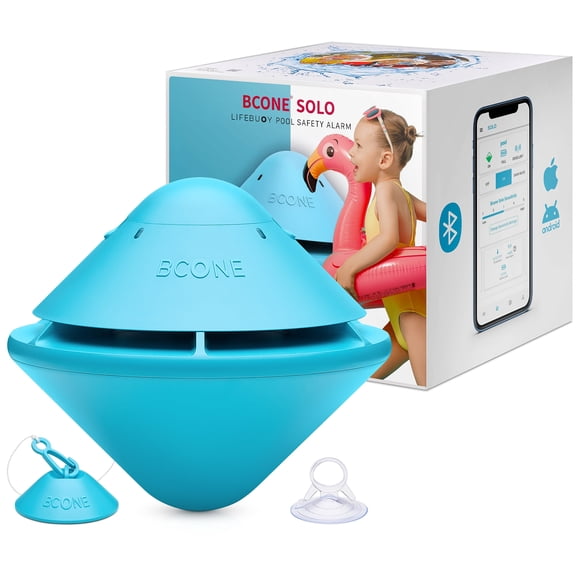
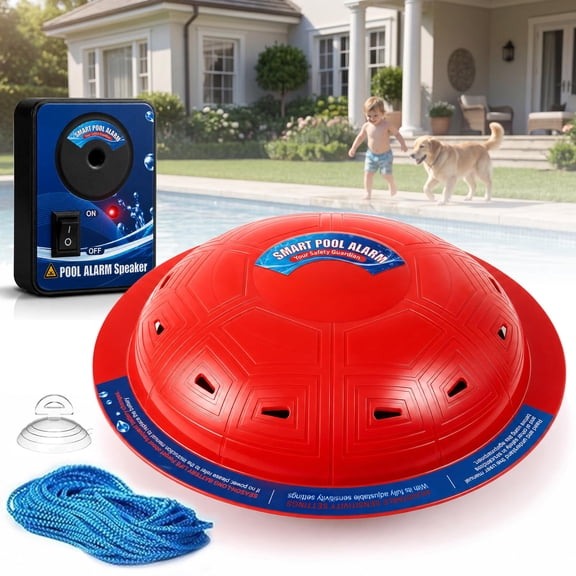
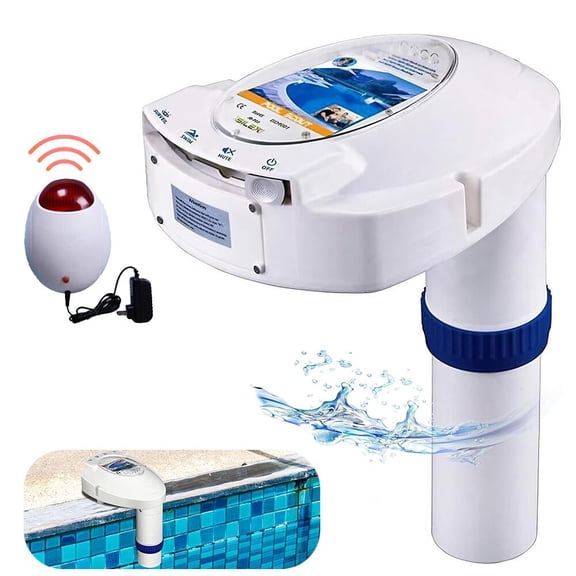
For inground pool alarms, you may prefer subsurface displacement sensors that react below the waterline. For above ground pools, you may lean toward surface wave models that install fast and suit removable ladders.
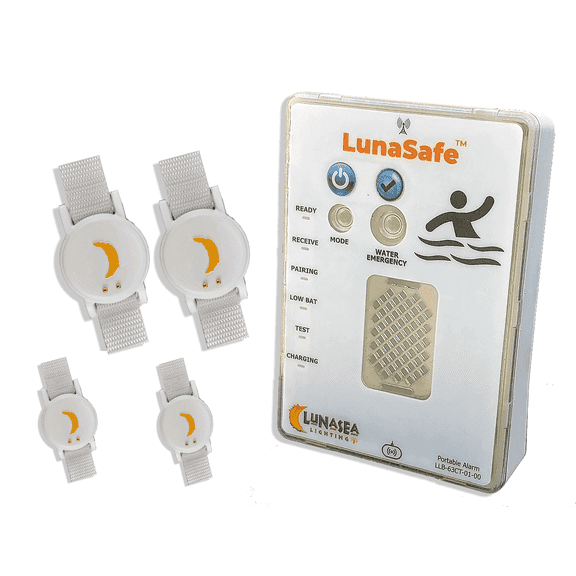
You can also compare portable and permanent formats based on how you use your pool through the season. If you open and close your pool often, you may want a portable unit that moves easily.
- You can monitor water activity with alert options that fit daily pool use.
- You can match sensor style to inground, above ground, or mixed backyard setups.
- You can choose wireless receivers when you want flexible placement indoors.
- You can compare gate and perimeter options if you need layered pool alarm coverage.
Choosing pool alarm types by sensor design
You should compare sensor type carefully because each pool water alarm works a little differently. A pool water alarm sensor may track surface motion, below-water displacement, gate movement, or perimeter crossings.
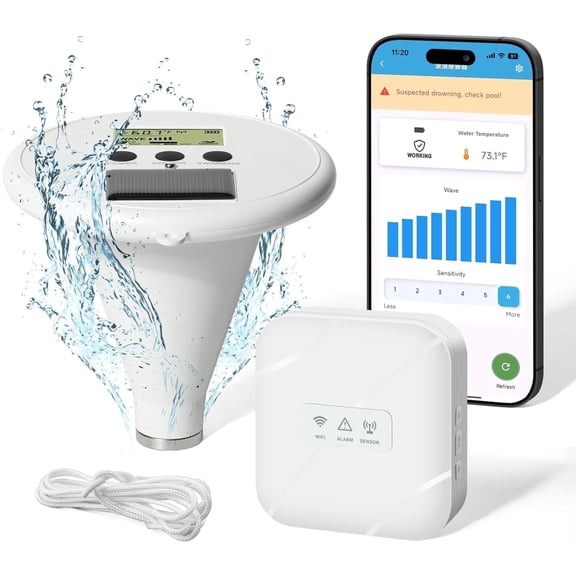
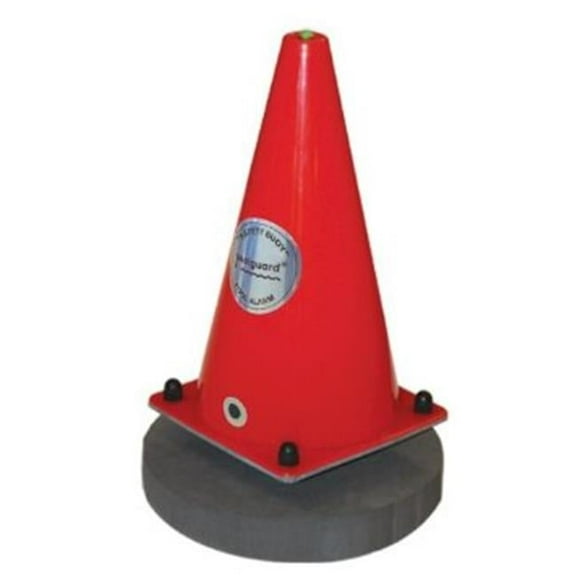
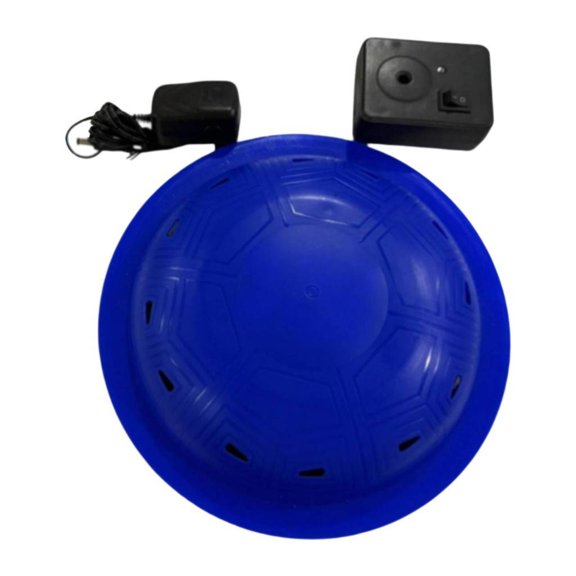
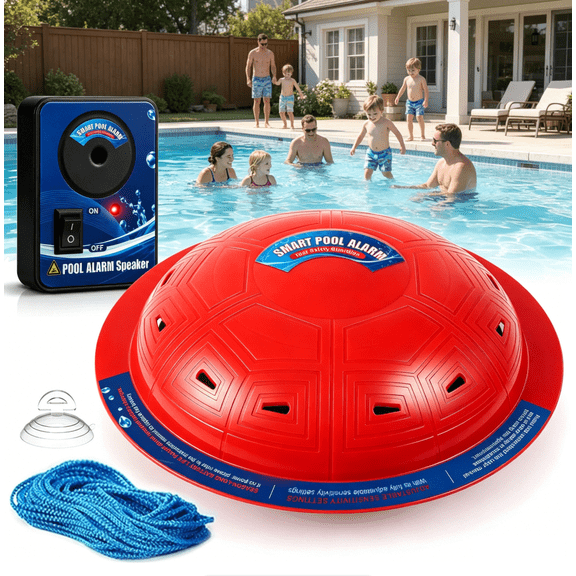
If you want water-focused monitoring, you can look at surface wave alarms first. These units respond to motion across the top of the water, so you should check whether wind exposure affects your pool.
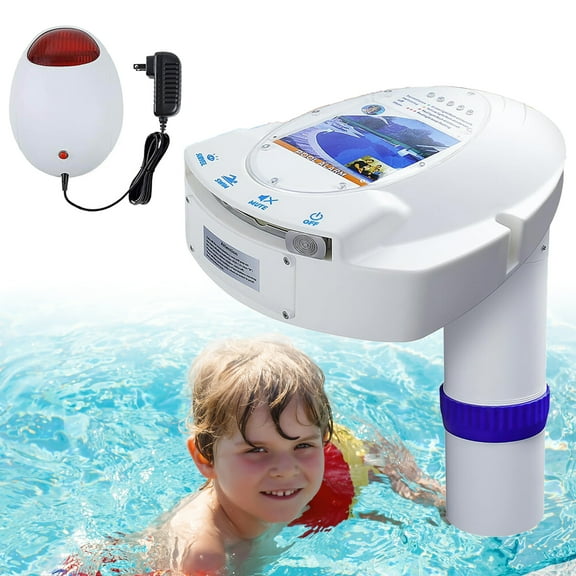
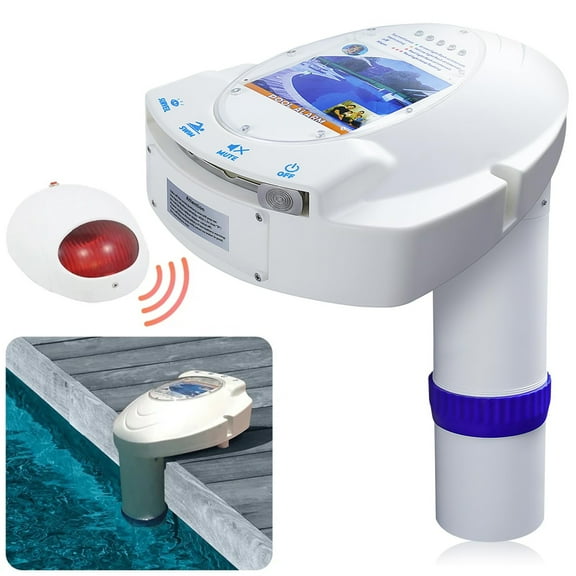
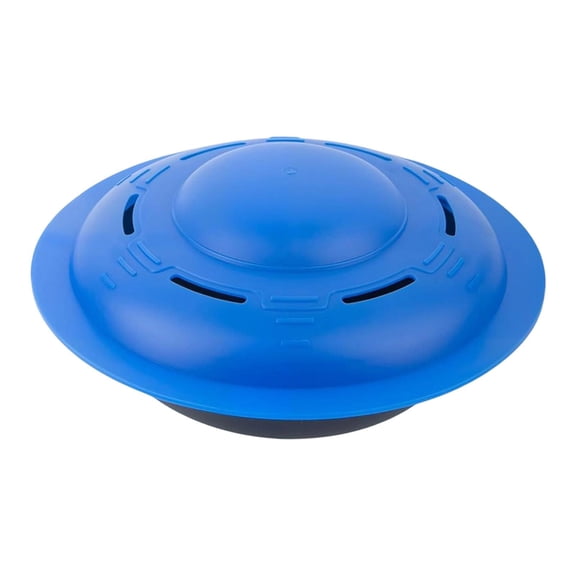
If you need a steadier read in an inground pool, you can compare subsurface displacement models. These sensors sit below the surface, and you may find them useful for pools with frequent surface ripple.
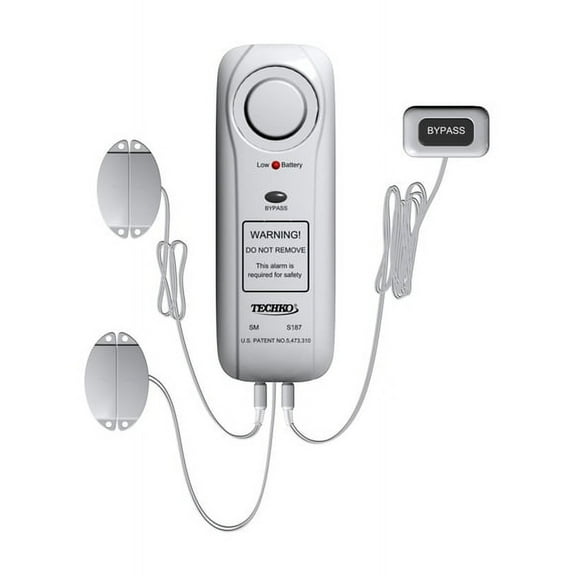
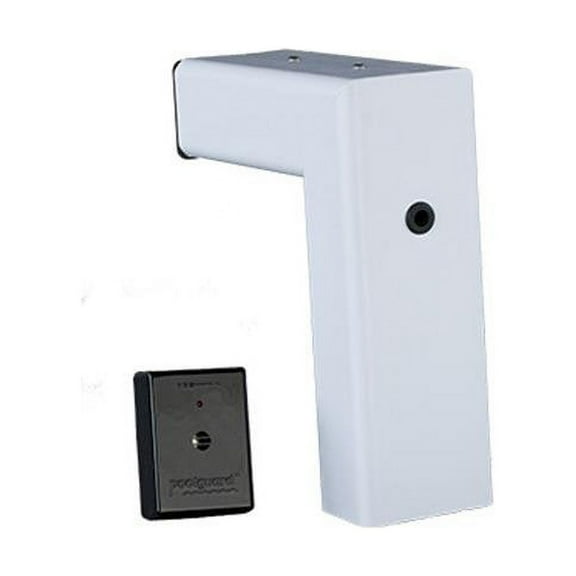
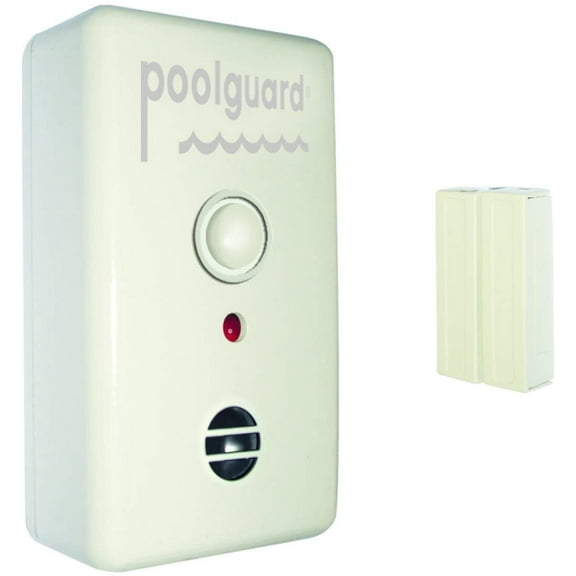
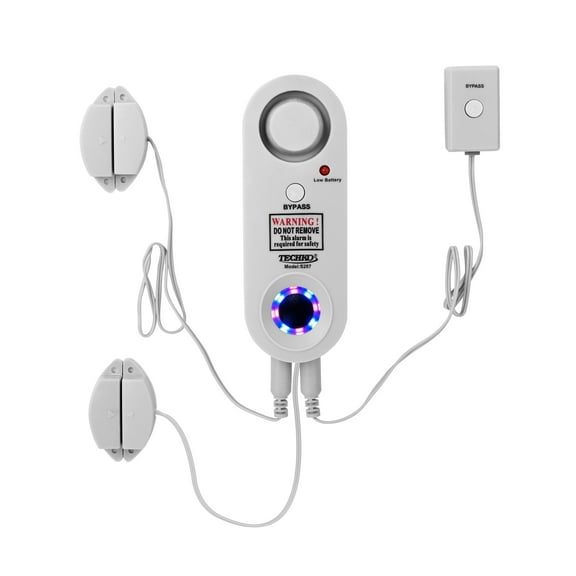
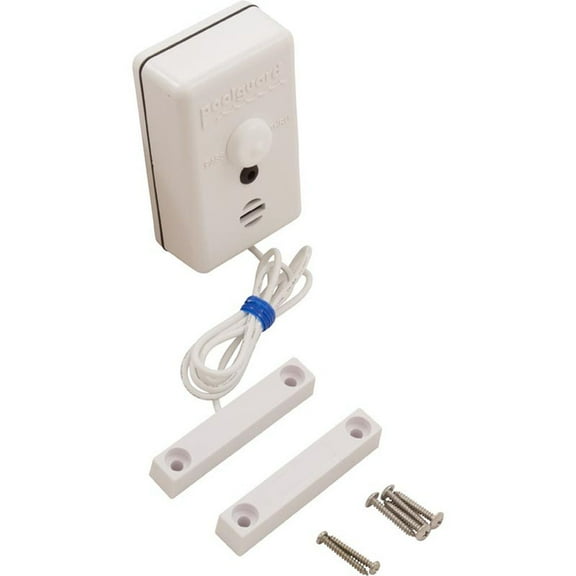
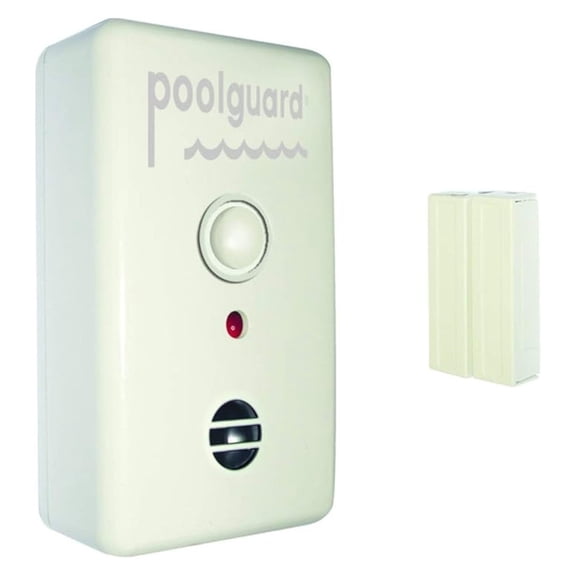
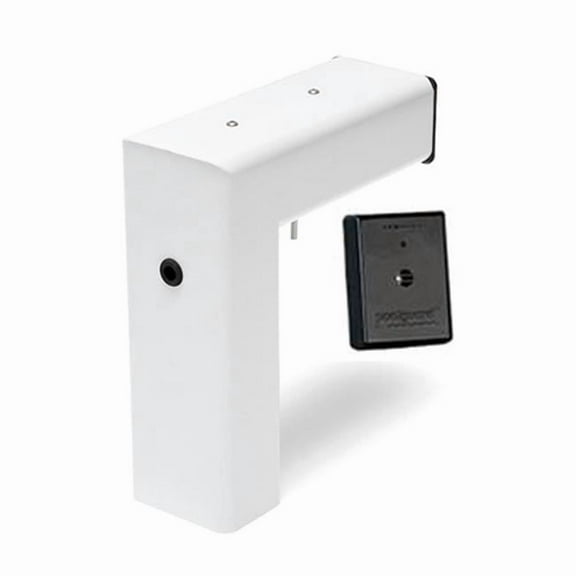
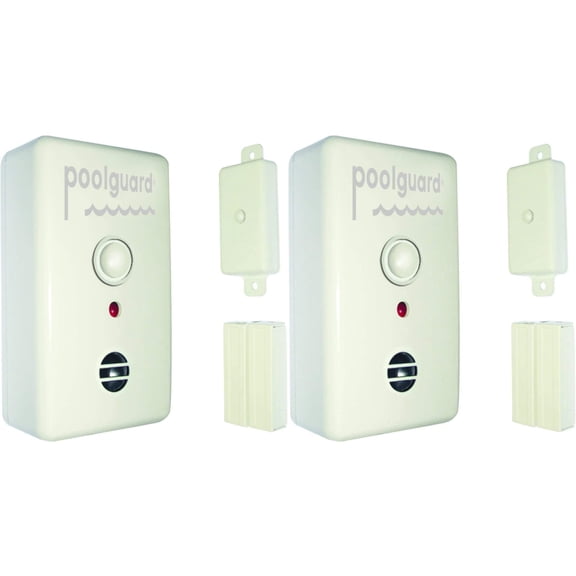
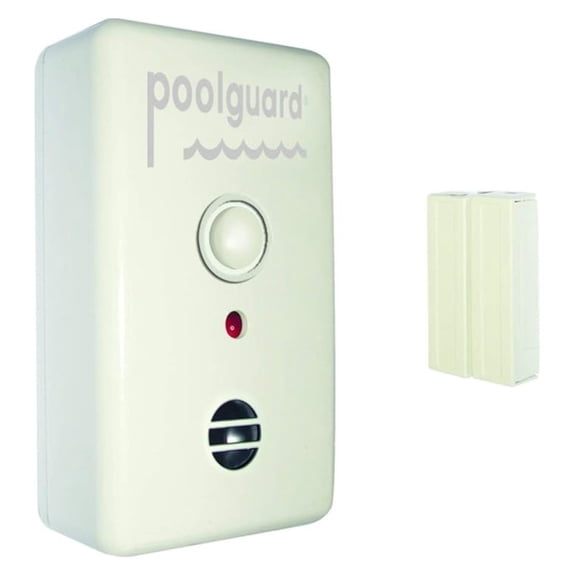
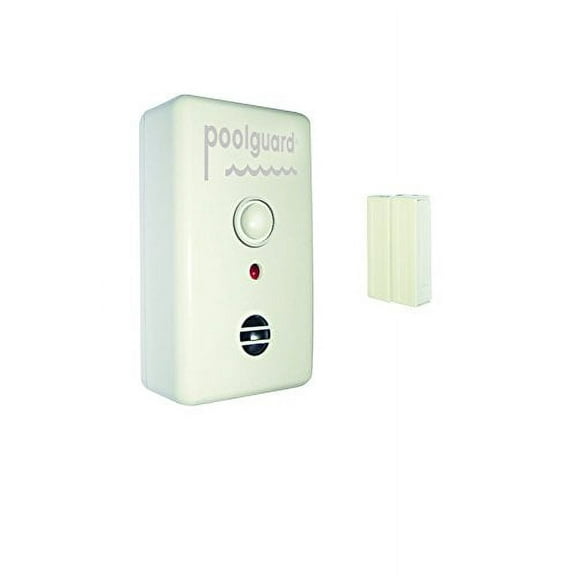
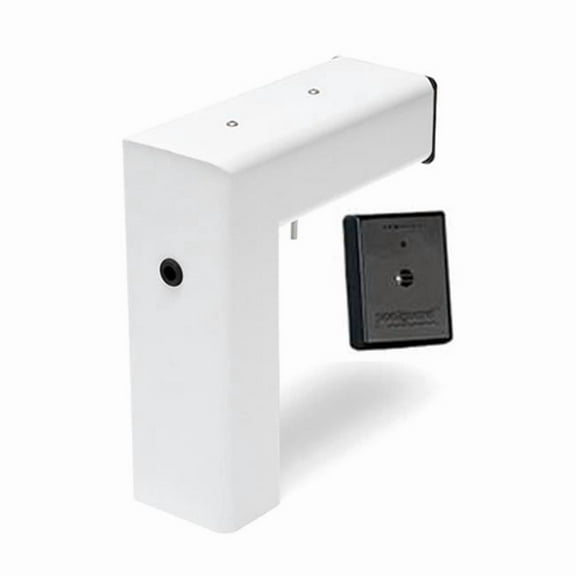
You can add pool gate alarms when you want another entry-point alert around the yard. If you have fencing or self-closing gates, you should check sensor fit, mounting style, and receiver compatibility.
For larger layouts, you may also compare perimeter infrared options with a broader pool alarm system. You should measure the protected area carefully so your beam spacing matches the pool edge.
Comparing connectivity and signal range
You should review connectivity next because alert delivery shapes how you use a water alarm for pool monitoring. Wireless models let you place receivers inside your home, while wired models use fixed connections.
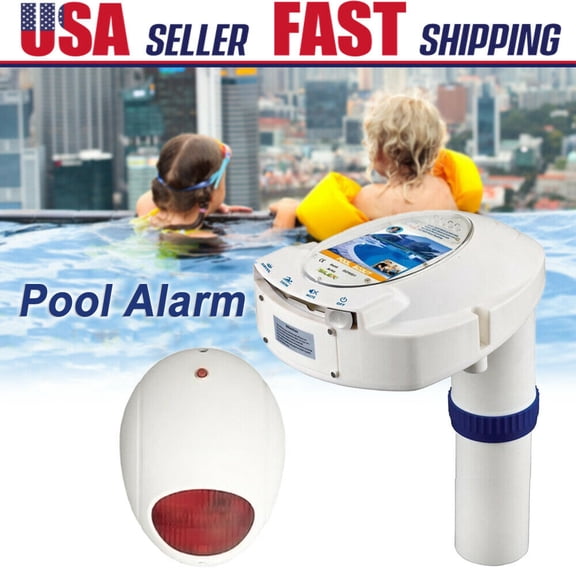
If you want flexible placement, you may prefer a wireless pool water level sensor with a separate receiver. You should check the listed range so your signal can reach through walls, doors, and poolside distance.
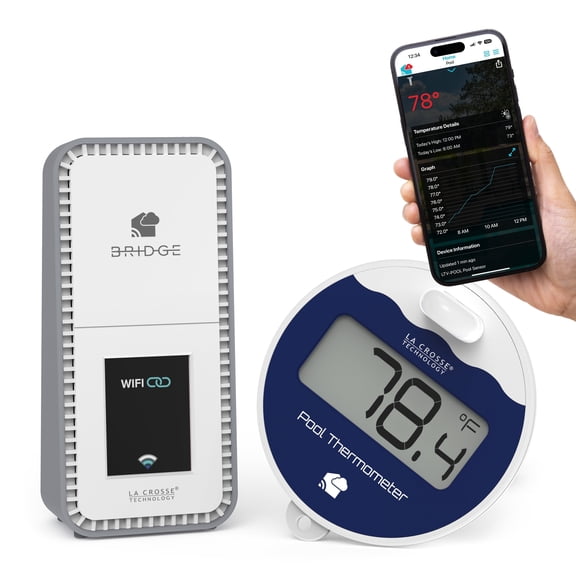
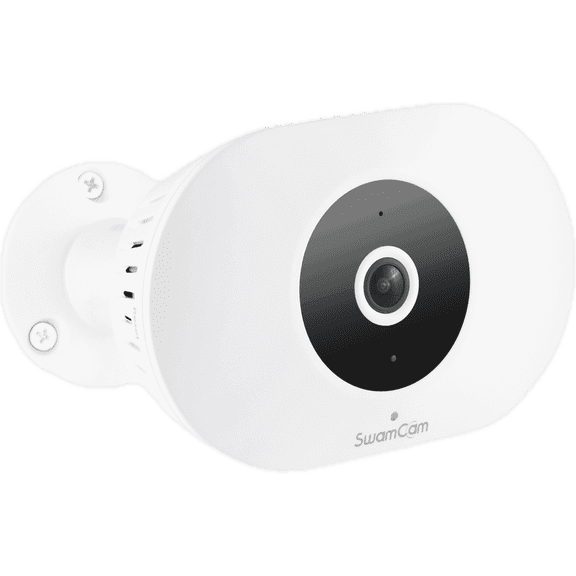
Some systems include smart or Wi-Fi functions that connect alerts with your phone or home network. You should confirm app support, pairing steps, and power requirements before you choose that format.
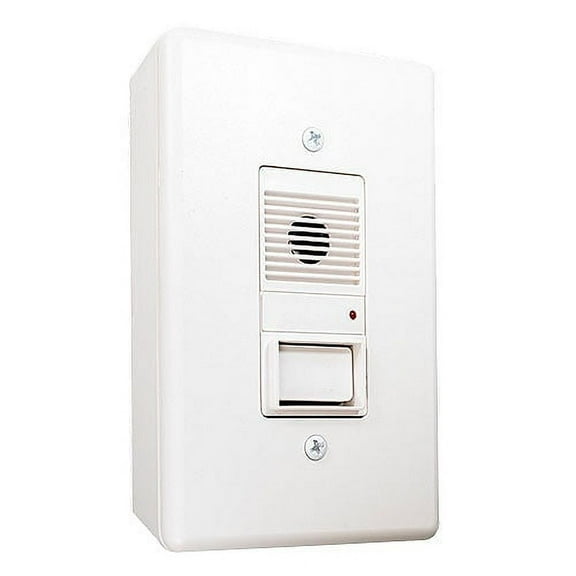
If you want a simple setup, you may choose a standalone receiver with audible alerts. You can place it where you'll notice it quickly, such as near a kitchen, hallway, or patio door.
You should also compare battery access, low-power indicators, and test functions before installation. These details help your pool alarm system stay easier to check during regular pool maintenance.
Matching installation to your pool setup
You can narrow your options faster when you compare installation steps in plain language. Some alarms mount on a deck or rail, while others float, hang, or attach to a gate frame.
If you rent your home or move equipment seasonally, you may want portable models with lighter setup demands. If you prefer a fixed solution, you can compare permanent hardware and mounting points.
You should measure gate width, deck clearance, and water depth before you choose a model. Those checks help you avoid a poor fit and make your first setup more straightforward.
Local rules can shape your decision, so you should review the requirements that apply to your pool area. You may need a specific alarm category, such as a gate alert or water-entry monitor, for your setup.
If you're also planning other safety upgrades, you can coordinate your alarm choice with pool safety covers and fencing. That approach helps you build a more organized pool area with clearer points of entry.
Using pool alarms in everyday situations
You can use a pool water alarm during daily swimming, quiet evening hours, and off-season monitoring. Your setup may change depending on whether you host often, supervise children, or secure a vacation property.
If your yard has direct gate access, you may combine water monitoring with pool gate alarms. That combination gives you alerts at the gate and at the water, which can simplify your routine.
For an inground pool with landscaping and wind exposure, you may compare subsurface sensors and receiver range closely. You should look for coverage that fits the distance between the water and indoor living spaces.
For an above ground pool, you may want a portable pool alarm that removes easily during maintenance. You can also compare universal models if your pool setup changes over time.
If you're weighing pool alarm cost, you should compare installation style, connectivity, and sensor coverage together. That comparison helps you focus on the features you'll actually use, not extras you may skip.
With the right mix of compatibility, sensor design, and signal range, you can choose a pool alarm that fits your space. You'll end up with monitoring that matches your pool layout and your daily routine.