

Polishing Compound in Car Polish







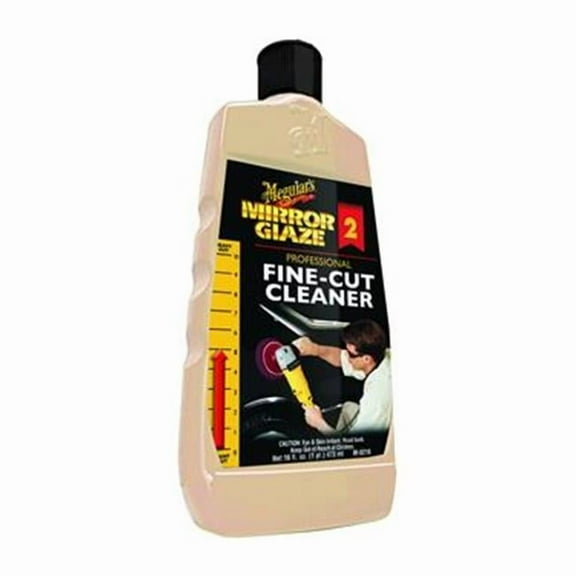
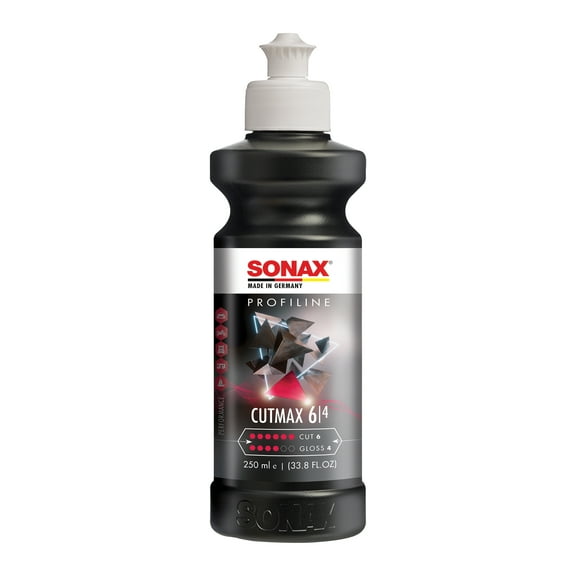

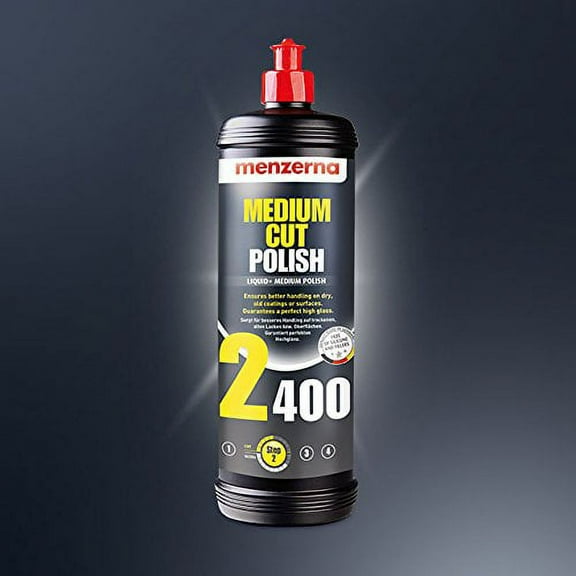

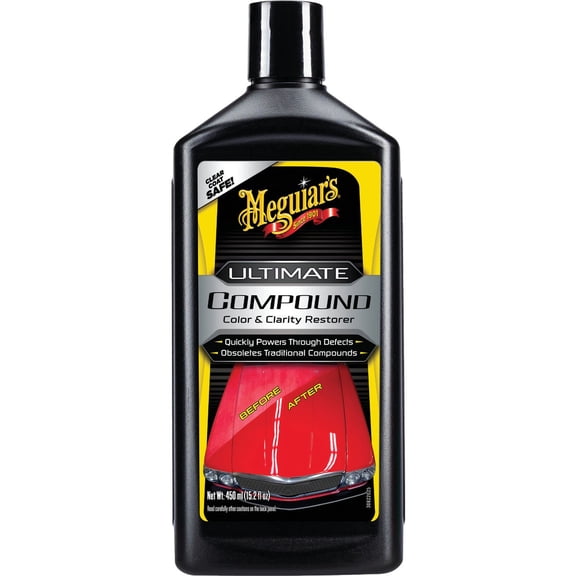
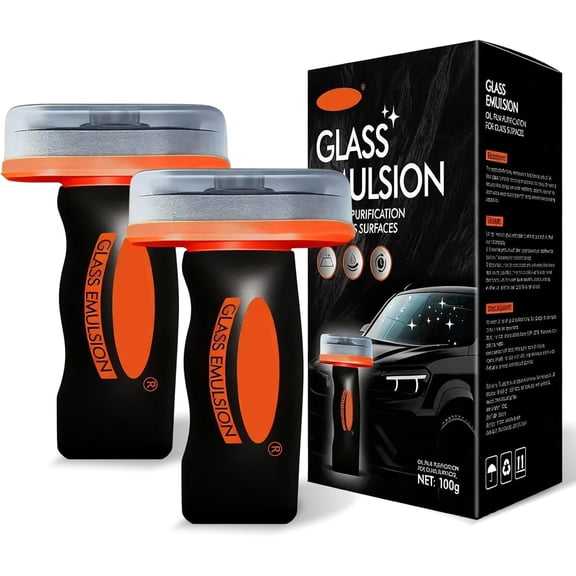
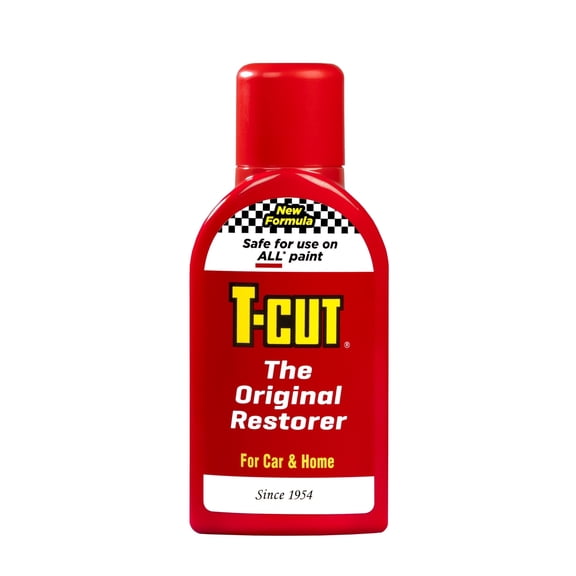


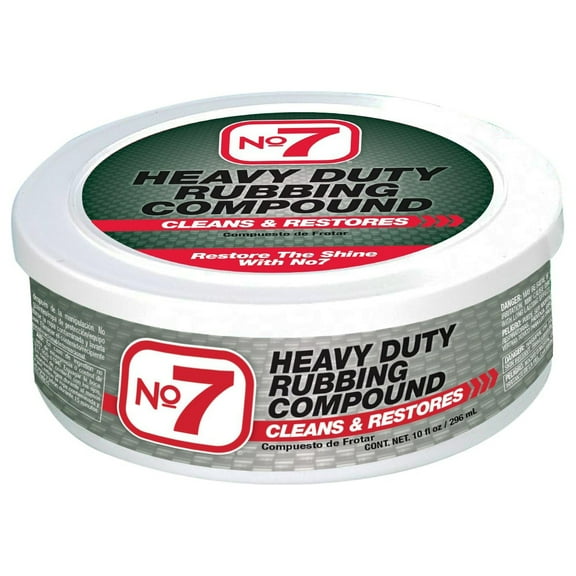








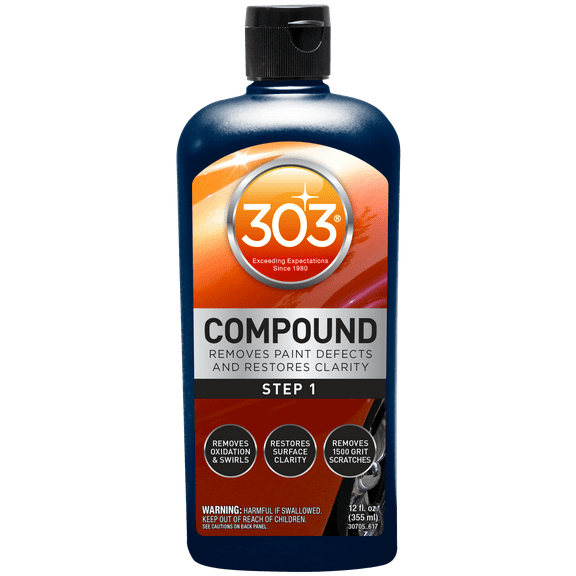
About Polishing Compound in Car Polish - Walmart.com
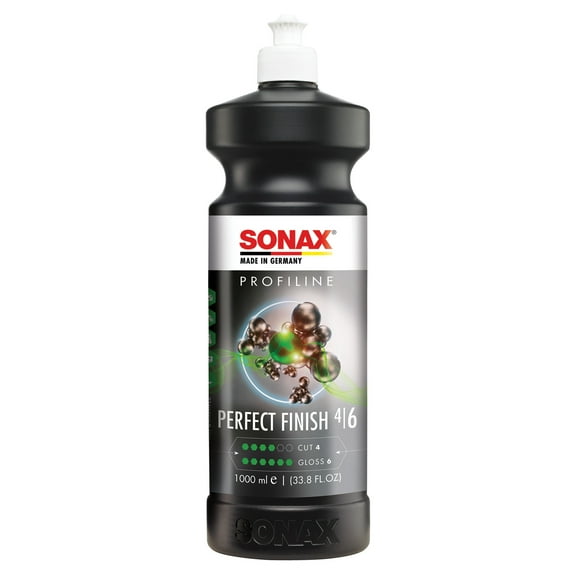
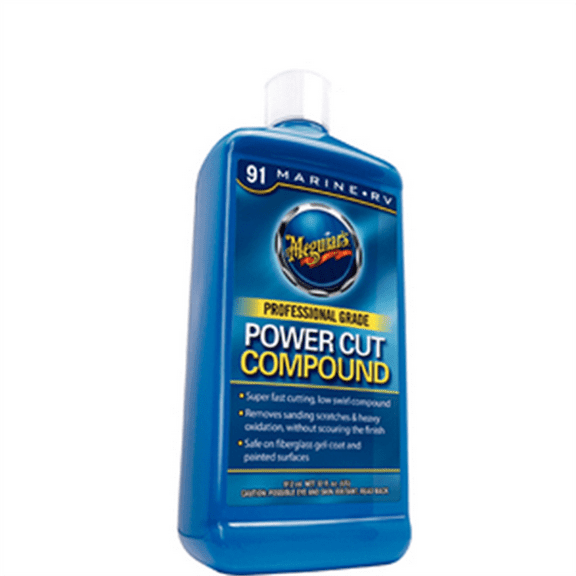
When you need a compound for paint correction, you can compare cut level, finish, and application method in one place. You’ll find options for swirl removal, scratch work, and paint restoration without guessing between heavy-cut and finishing formulas.
If you’re correcting clear coat haze or refining a fresh polish step, you need details that match your project. You can use this guide to compare compound grade, product form, kit type, and tool compatibility.
Choosing the right compound for paint correction
You should start with the paint issue you want to improve, because cut level changes how aggressively the formula works. You’ll usually compare coarse, medium, fine, and ultra-fine grades before you choose a compound for car detailing.
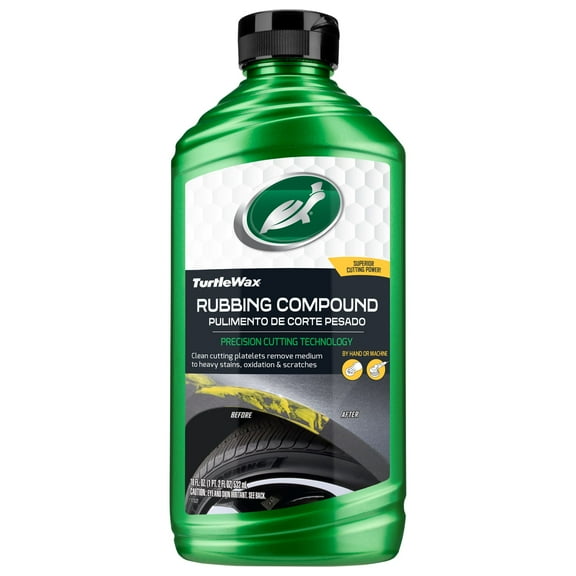
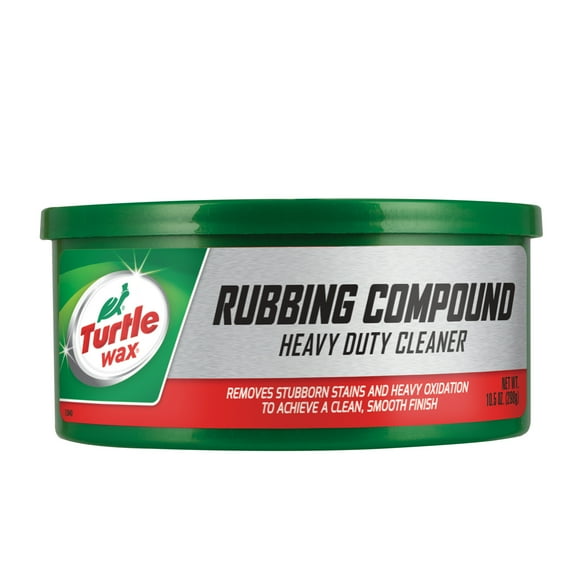
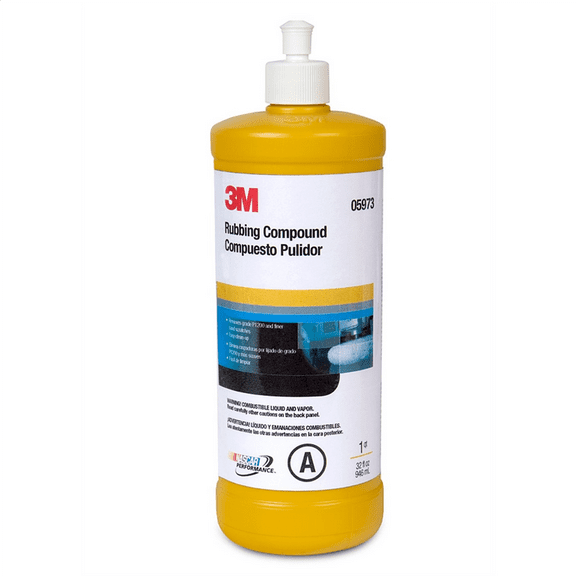
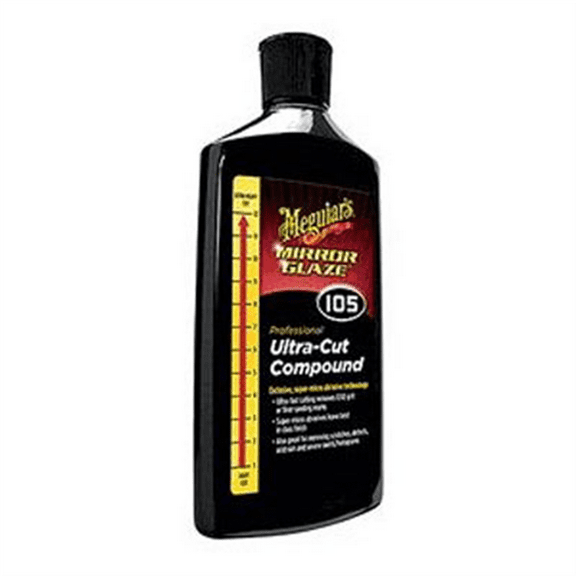
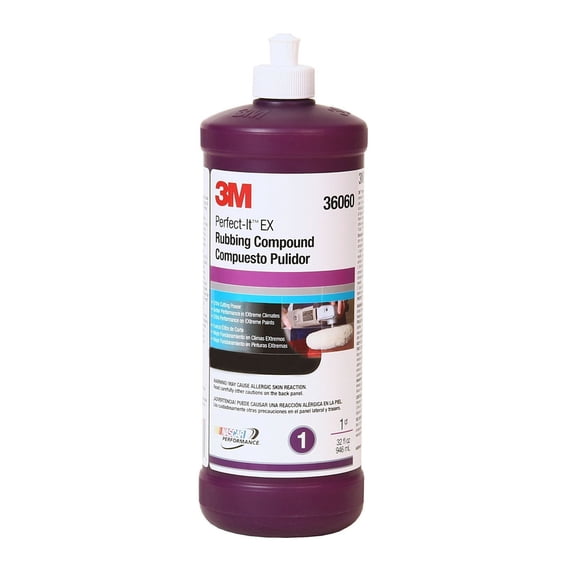
With a coarse rubbing compound, you can target deeper oxidation, sanding marks, and stronger surface defects. With a fine polishing compound car formula, you can refine light haze and boost gloss after a heavier step.
If you’re unsure where to begin, you should match the compound to clear coat condition and your desired finish. You’ll often move from stronger correction to a finer polish when you want a smoother, more reflective surface.
- You can use coarse grades when your paint needs stronger cutting action.
- You can choose medium grades when you want balanced correction and finish.
- You can pick fine or ultra-fine grades when your paint needs gloss refinement.
- You can compare single bottles and multi-step systems based on how many steps your project requires.
Comparing coarse rubbing compound and fine polishing liquid
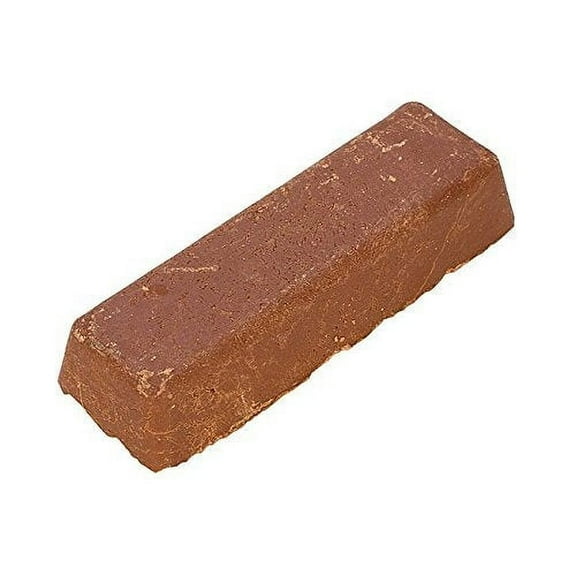
You should compare product form as carefully as grade, because liquid, paste, and cream formulas can feel different during use. You’ll often prefer polishing liquid when you want easy spreading across larger panels.
If you’re working by hand, you may like a cream or paste that stays where you place it. If you’re using a machine, you may prefer a liquid that distributes evenly across a pad.
Your finish goals also shape the choice between a coarse rubbing compound and a finer cutter polish. You can reach for heavier cut when defects stand out, or choose a finishing formula when gloss is a priority.
When you compare labels, you should check whether the formula fits a one-step or multi-step process. You’ll get clearer decision support when you match the product to correction stage instead of shopping by name alone.
How to choose buffing compound for car scratches
You should pick your application method before you choose a buffing compound for car scratches, because tools affect speed and finish. You can work by hand, with a dual-action polisher, or with a rotary buffer.
For hand application, you’ll usually want manageable cut and longer working time on small areas. For a dual-action polisher, you can cover hoods, doors, and trunks with more consistent results.
If you use a rotary buffer, you should look closely at cut level and finishing steps. You’ll often reserve that setup for experienced correction work and more demanding paint restoration projects.
Your pad choice matters too, even when you’re only changing compounds. You can pair stronger formulas with cutting pads, then switch to softer pads when you want a clearer final finish.
Matching product form and kit type to your project
You should also compare whether you need an individual bottle, a complete kit with pads, or a multi-step system. You’ll simplify your process when the package matches your tools and the number of correction stages.
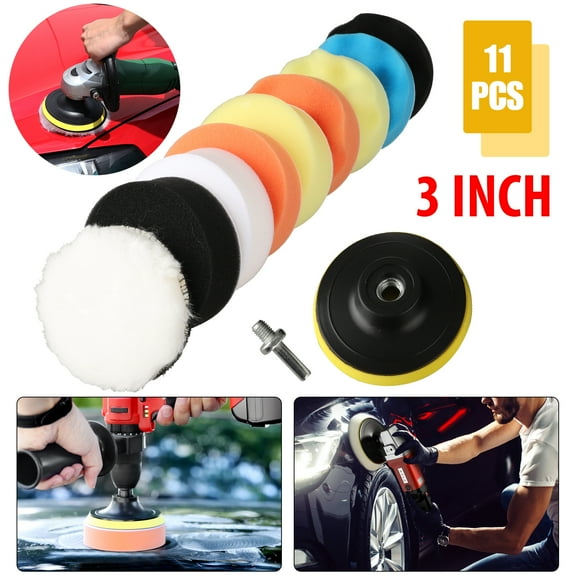
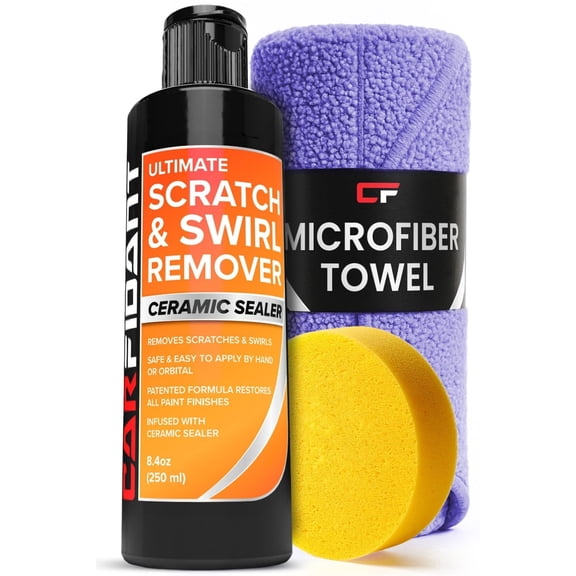
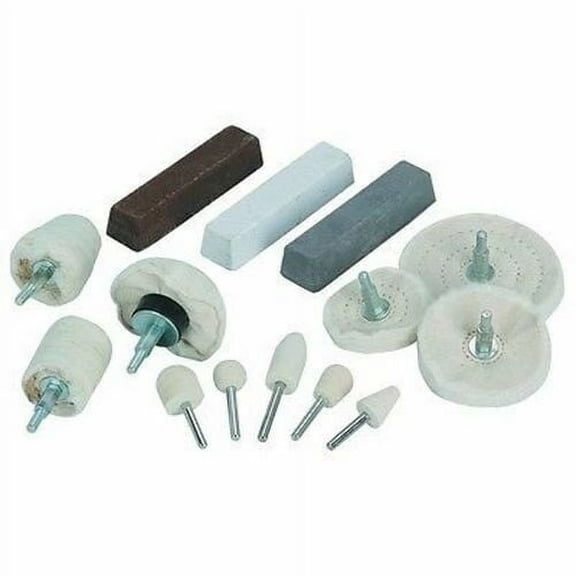
An individual bottle works when you already have pads, towels, and a machine ready to go. A complete kit can help you keep pads, applicators, and compound car polish steps aligned.
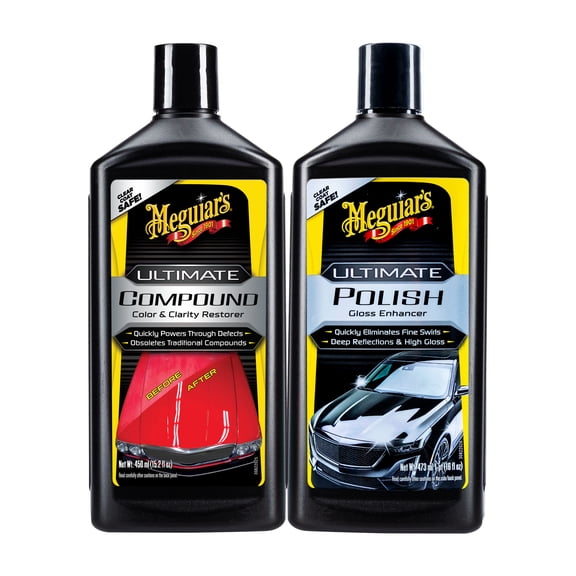
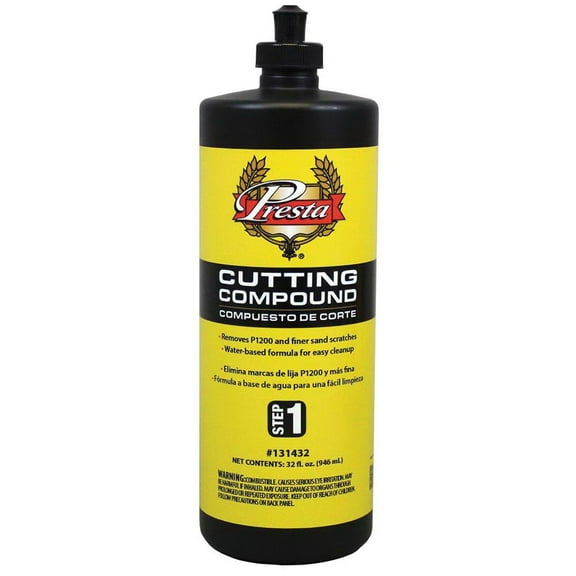
If you’re correcting several panels, you may want a multi-step system with a cutting compound and a finishing polish. You can move from correction to gloss refinement without mixing unrelated formulas.
Your choice of liquid, paste, or cream can also depend on cleanup and control. You may prefer a texture that suits vertical panels, tight sections, or broad horizontal surfaces.
Using compound for car paint restoration results
You can use these products across common detailing jobs, from removing wash marring to refining dull paint. You’ll also find options that fit spot correction, full-vehicle polishing, and follow-up finishing before wax or sealant.
If your vehicle shows light swirls, you can start with a fine polishing compound car option and a softer pad. If your paint has stronger marks, you may need a compound for paint correction with more cut first.
When you’re restoring older paint, you should compare compound grade with your available tool. You’ll get a smoother workflow when your hand pad, dual-action polisher, or rotary buffer matches the formula.
You can also build a more complete setup by pairing your compound with microfiber towels, polishing pads, and car wax or sealants. You’ll finish with cleaner wipe-off and a more polished final appearance.
With the right cut level, form, and tool match, you can narrow your choices with more confidence. You’ll get closer to the finish you want, whether you’re removing defects or refining gloss.