

Portable Car Heaters in Heating and Cooling


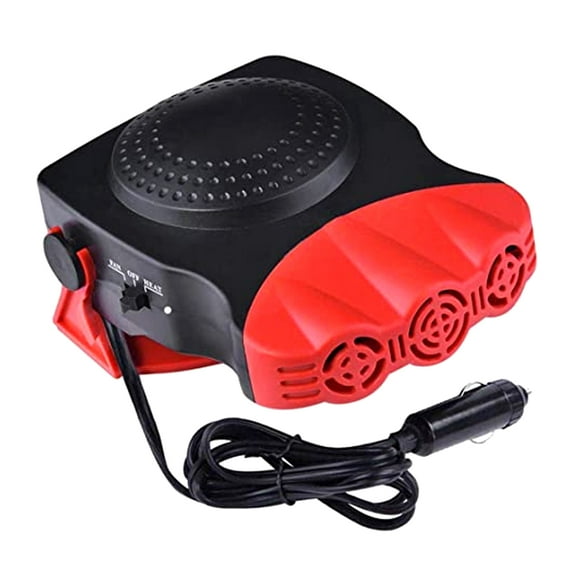
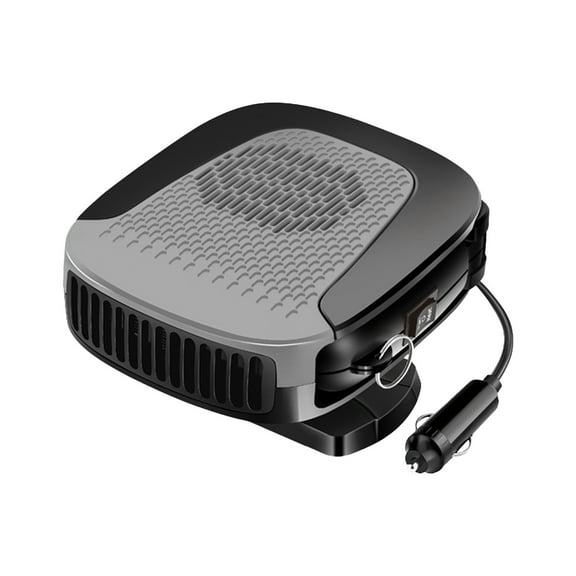

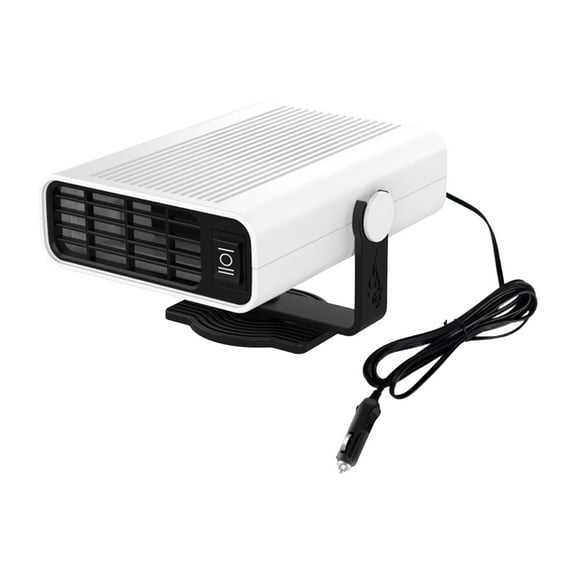


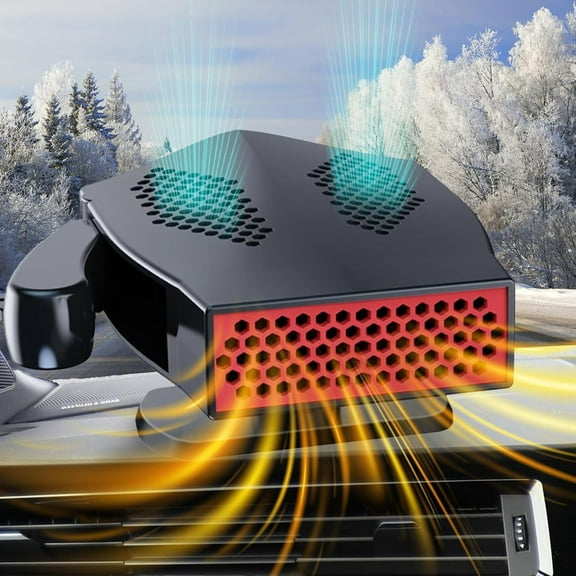


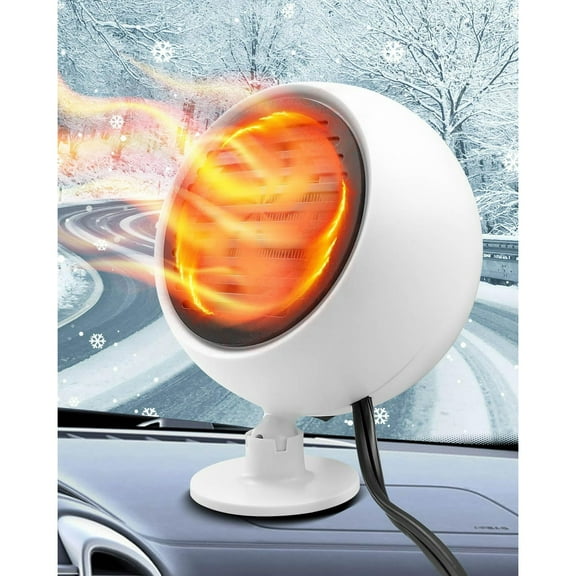


About Portable Car Heaters in Heating and Cooling - Walmart.com
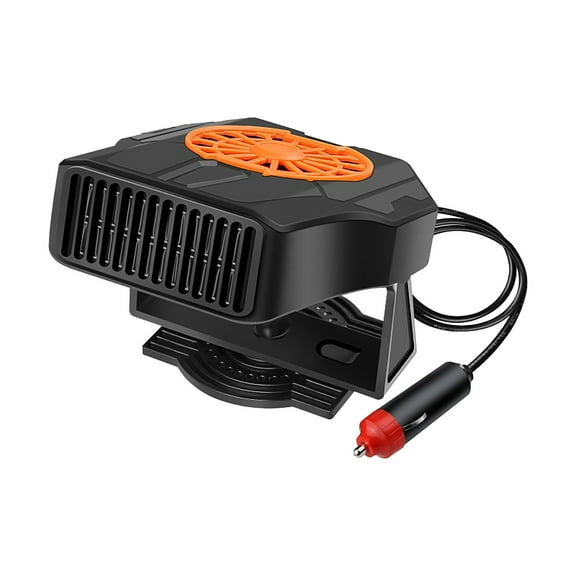
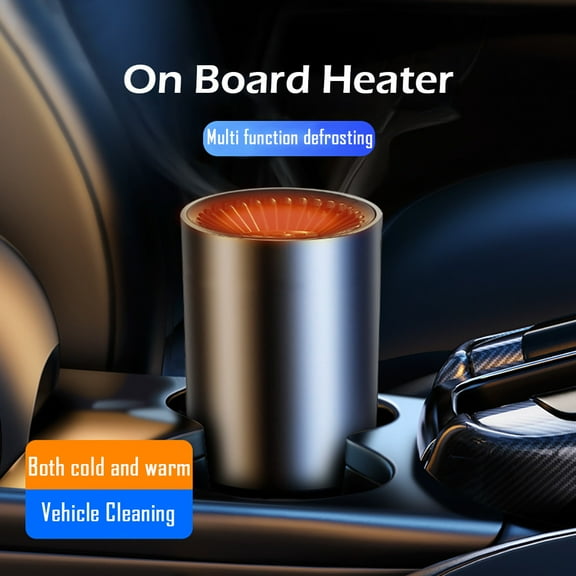
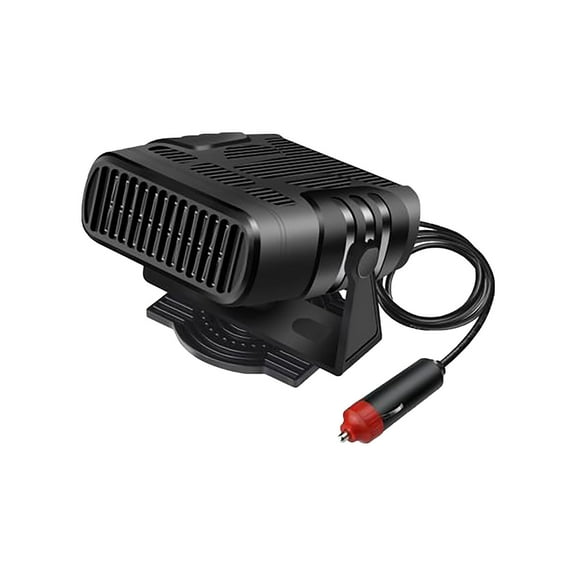
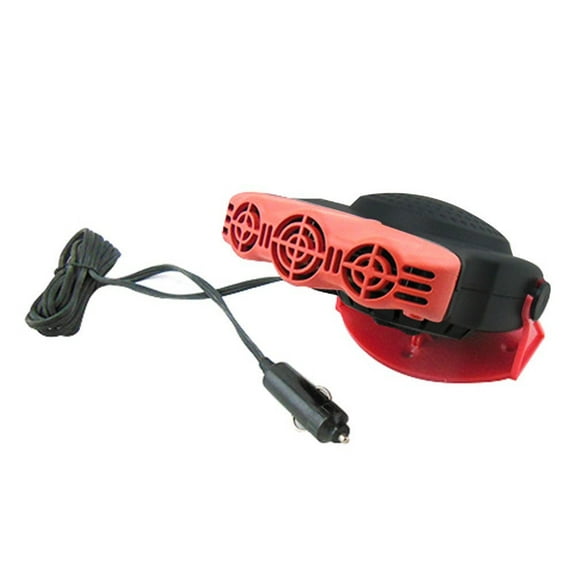
You use an in car heater 12v for targeted airflow in cold-weather driving. You can compare power, defrosting, size, and mounting details before choosing a setup for your vehicle.
Many shoppers come here for windshield clearing on cold mornings and short trips. Others want a compact unit that plugs into a 12 volt outlet and fits limited dash space.
How to choose an in car heater 12v
Start with power compatibility because your outlet and fuse rating shape your options. You should check whether your vehicle uses a 12V socket and supports the intended power draw.
That step helps you avoid mismatched expectations during daily use. It also helps you compare a defroster, a 12 volt car heater, or a fan combo with useful context.
Next, consider your primary goal before you compare sizes or mounting styles. You may want directed airflow for the windshield, or you may want warmth near the front seats.
- You can choose heating mode when your hands, feet, or front seating area need directed warm airflow.
- You can choose defrosting mode when your windshield needs focused air aimed at the glass.
- You can choose a cooling fan function when your cabin needs air circulation in warmer weather.
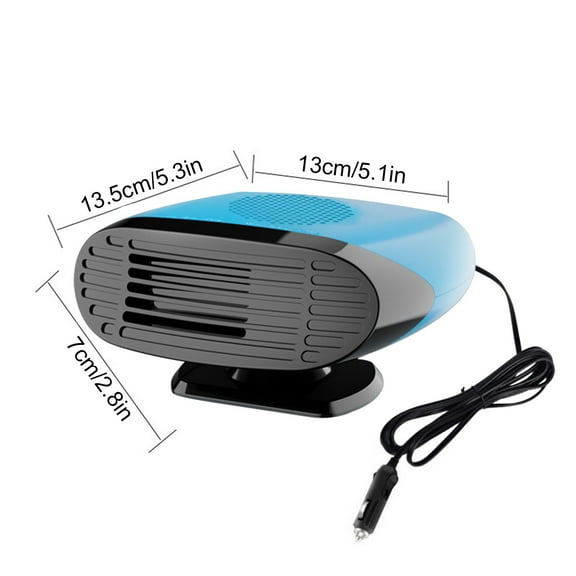
- You can choose compact sizes when your dashboard area or storage space feels tight.
- You can choose different mounting styles when your placement needs vary between the dash and seat area.
Cord length also matters when your outlet sits far from your ideal placement point. You should measure your route so your setup fits your cabin layout without awkward positioning.
Choosing a portable 12v heater for car use
This category often centers on 12V and 12 volt vehicle compatibility. You should compare those labels with your outlet details because that match affects everyday use.
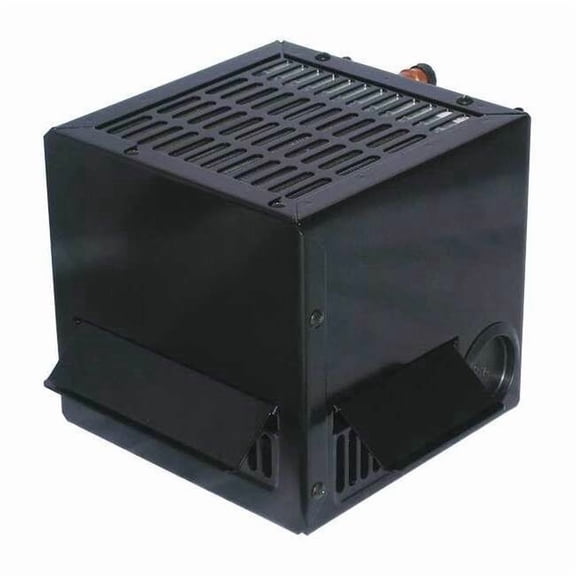
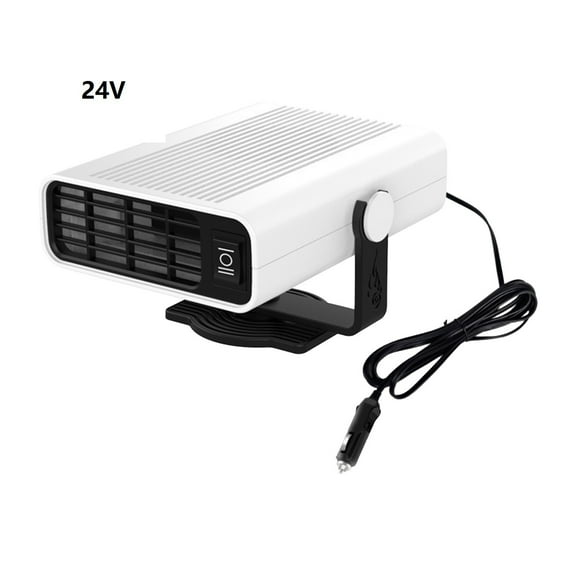
You may also see 24V options in broader assortments, especially for larger vehicles. You should check your vehicle requirements carefully, because a 24V unit doesn't match a standard 12V passenger outlet.
Function labels can help you sort options with less guesswork. You can read heating as targeted warm airflow, while defrosting points to glass-focused use during frosty starts.
A cooling fan setting can add year-round flexibility in one device. You can use that feature when you want air movement during warmer drives without switching accessories.
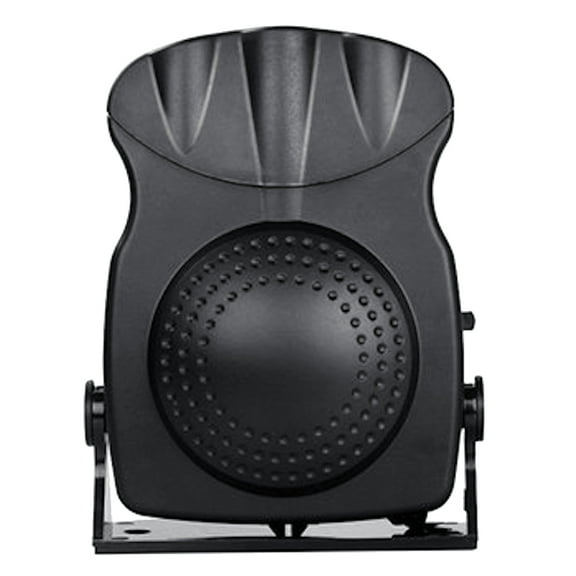
Size is another practical filter when your dashboard depth or windshield angle limits placement. A compact car heater can fit small cabins, tight consoles, and glove-box storage between uses.
Mini and small portable heater for cars designs can also suit shared vehicles. You can move them between cars with less hassle when portability matters in your routine.
Checking mounting, cord reach, and safety
Mounting style shapes where your airflow lands inside the cabin. You should compare dashboard mount, seat mount, and adhesive options based on your preferred placement.
Dashboard placement often suits windshield clearing because the airflow sits closer to the glass. Seat-area placement can make sense when your front or rear seating zone needs directed air.
Base shape matters when your dash has curves, seams, or limited flat space. You should check whether the unit adjusts easily so your airflow points where you need it.
Cord routing deserves attention before you choose a final setup. You can look for a plug and cord design that reaches cleanly from the outlet to your planned mounting spot.
Safety features can support routine use during commuting and road trips. You should compare automatic shut-off and overheat protection when you want clear operating details before purchase.
Power draw limits also deserve a quick review before regular use. You can check your socket amperage and fuse rating so your 12v portable car heater matches your vehicle setup.
Using a 12v portable car heater in everyday driving
Cold morning commutes often call for fast, directed airflow at the windshield. You can aim the unit at the glass first, then shift attention toward the front seating area.
Short drives can favor localized airflow instead of waiting for the whole cabin to feel different. You may notice that targeted output fits compact cars and quick errands especially well.
Older vehicles can benefit from an added stream of air near the dash. You should still match the plug type and power requirements before you use the unit regularly.
Shared family vehicles can make portability and storage especially important. You can move a small unit between cars or stow it easily when cabin space stays limited.
Road trips and carpools can make cord reach and mounting flexibility matter. You may want seat-area placement when back-seat airflow matters during longer drives.
Seasonal use can also shape your decision between dedicated defrosting and combo functions. You can choose a unit with heat and fan settings when your driving conditions change through the year.
Common questions about 12 volt car heater options
Some shoppers ask whether every vehicle supports the same plug-in setup. You should check your 12V outlet, amperage limits, and fuse rating before choosing a unit.
Others ask whether they should choose a heater for windshield clearing or front-cabin airflow. You can make an informed choice when your function matches your everyday driving pattern.
Mounting questions also come up when dashboard space feels limited. You can compare base style, cord reach, and angle adjustment to fit your cabin layout.
With those details in mind, you can narrow this category with confidence. Your final choice can feel practical when it matches your outlet, mounting space, and airflow goal.