

Plastic Electrical Boxes & Junction Boxes - Walmart


























About Plastic Electrical Boxes & Junction Boxes - Walmart - Walmart.com
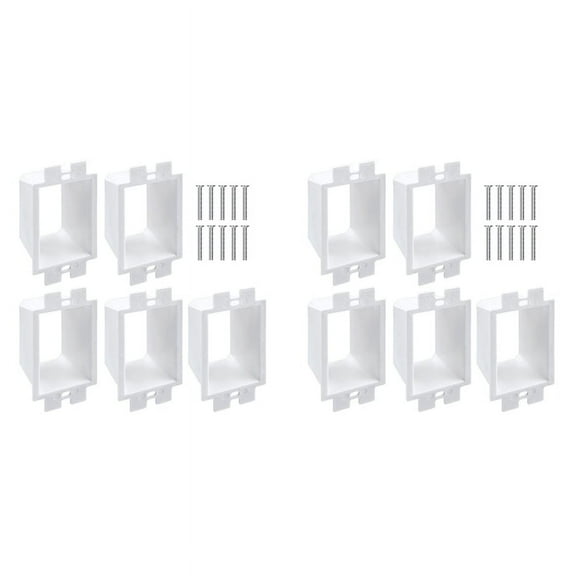
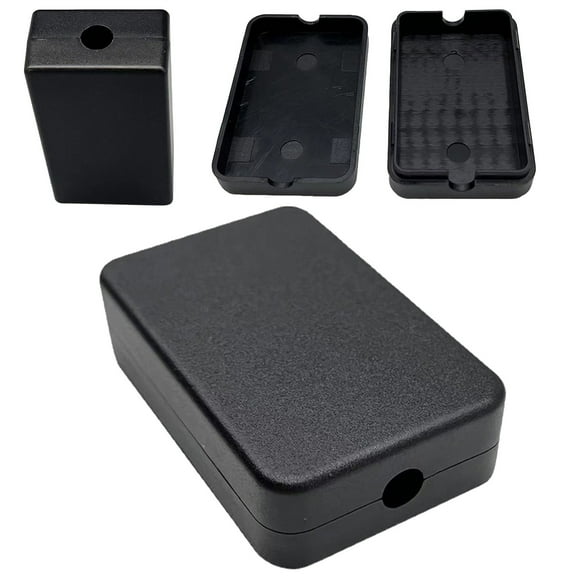
Plastic electrical boxes help you plan wiring layouts for remodels and new builds. You can compare box type, gang count, shape, and mounting style before you start cutting drywall.
If you're replacing a switch box or framing a fresh wall, you need the right fit. You can narrow choices quickly when you match cubic inches, wall depth, and device count.
How to choose plastic electrical boxes
When you shop plastic electrical boxes, you should start with your installation stage. You can usually choose new work styles for open studs and old work styles for finished walls.
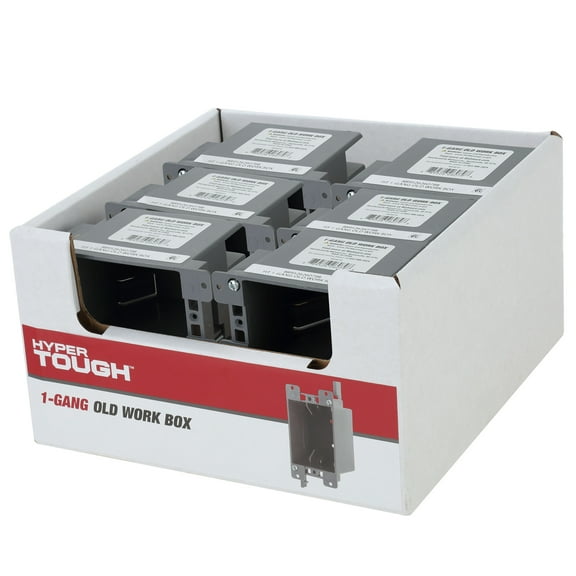
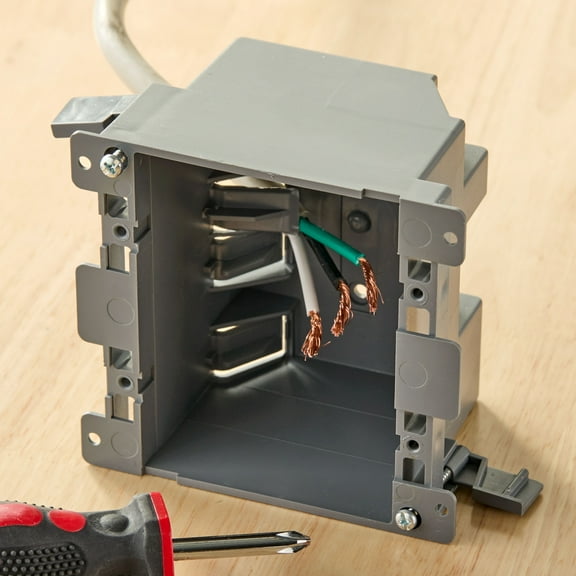
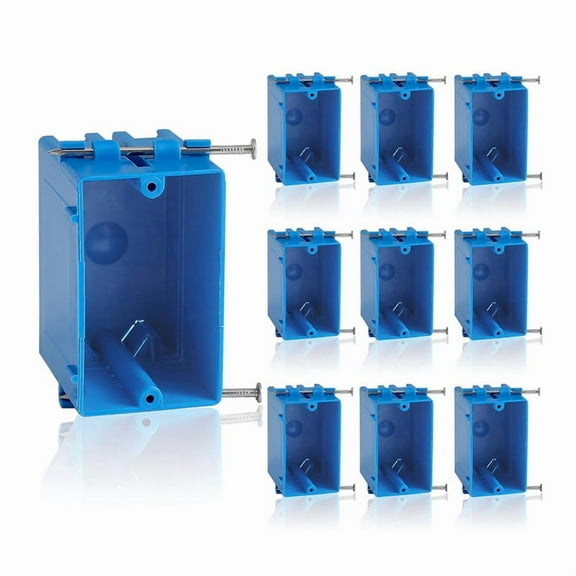
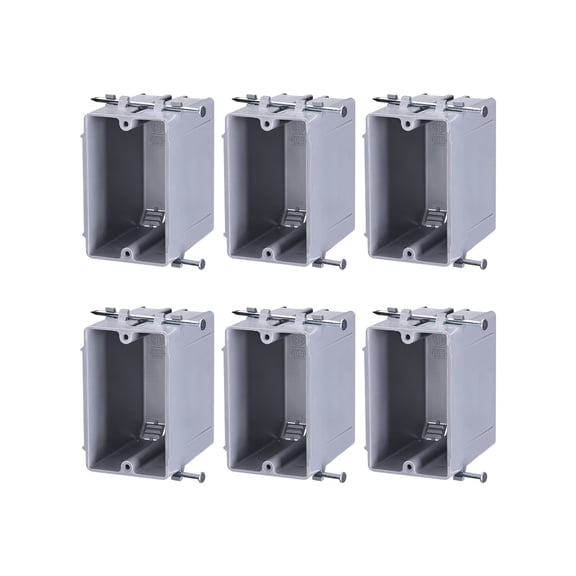
New work plastic boxes often use nail-on or screw-on mounting for framing access. Old work plastic electrical box designs usually use clamps or wings, so you can secure them after drywall is finished.
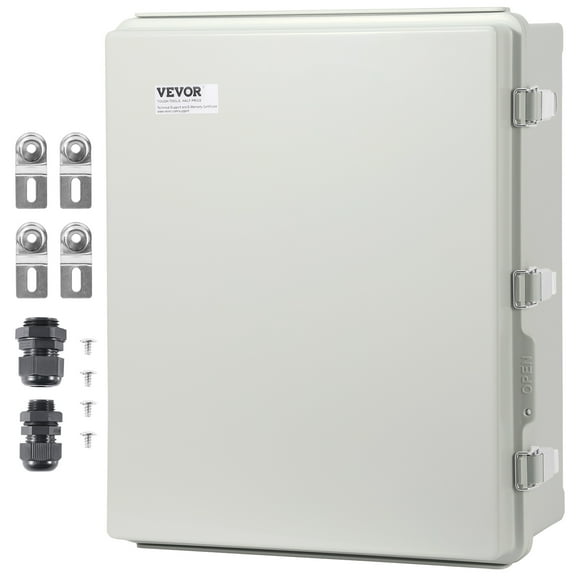
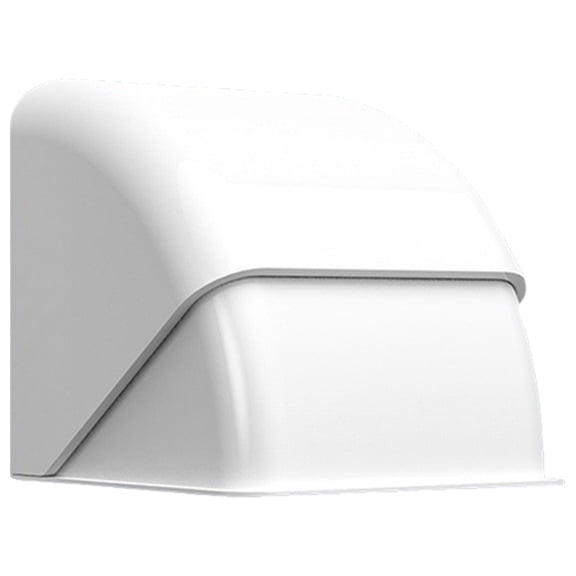
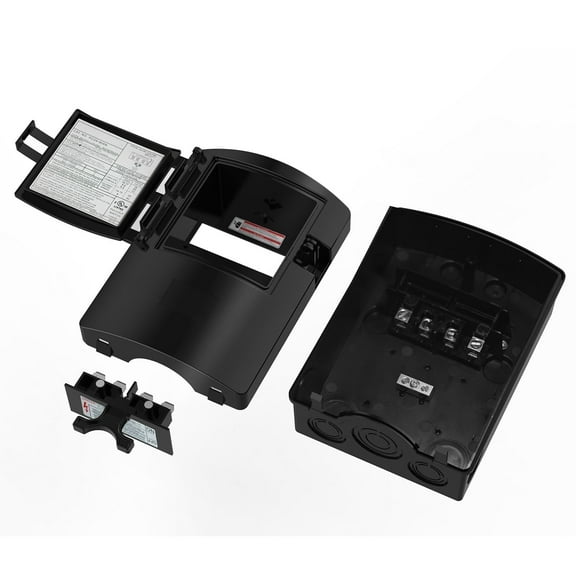
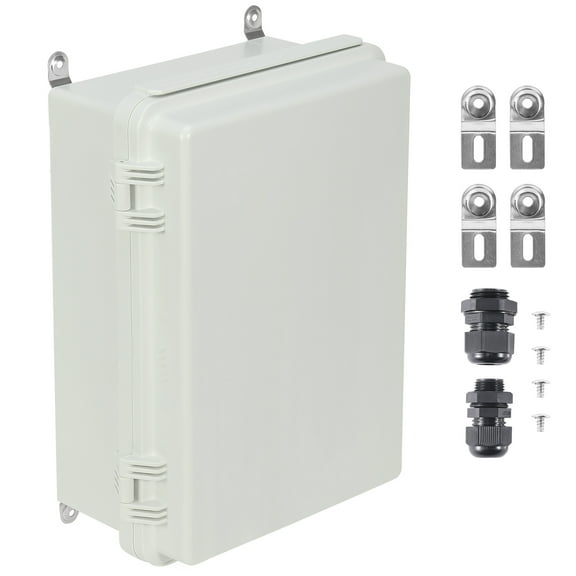
You should also check whether your project belongs indoors or outdoors. You can use weather-rated enclosures for exposed locations, while standard indoor boxes suit finished rooms and interior walls.
Choosing the right plastic junction box shape
Your box shape affects the device or fixture you plan to install. You can use rectangular boxes for switches and outlets, while round or octagon styles fit many ceiling fixtures.
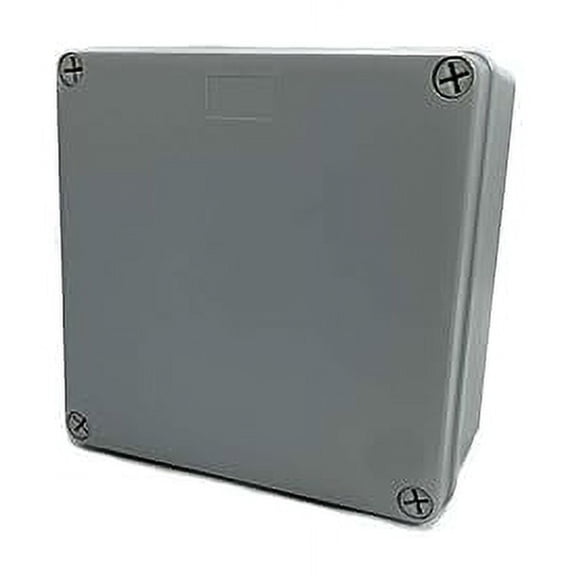
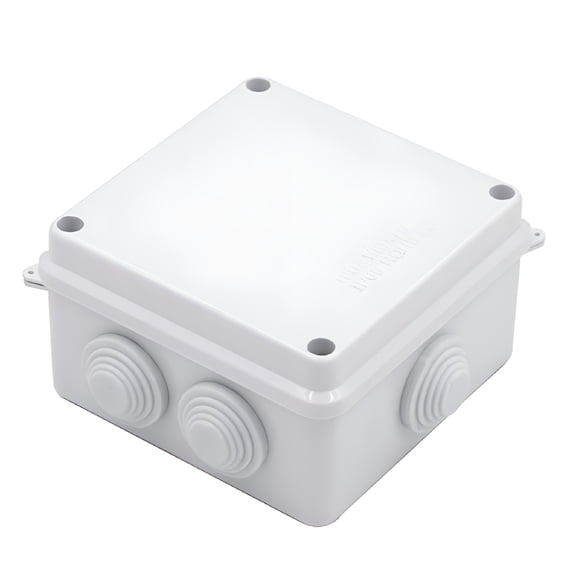
Square plastic junction box options give you extra room for wire connections and branch circuits. You may prefer them when your layout needs splices, conduit runs, or a cover plate instead of a device.
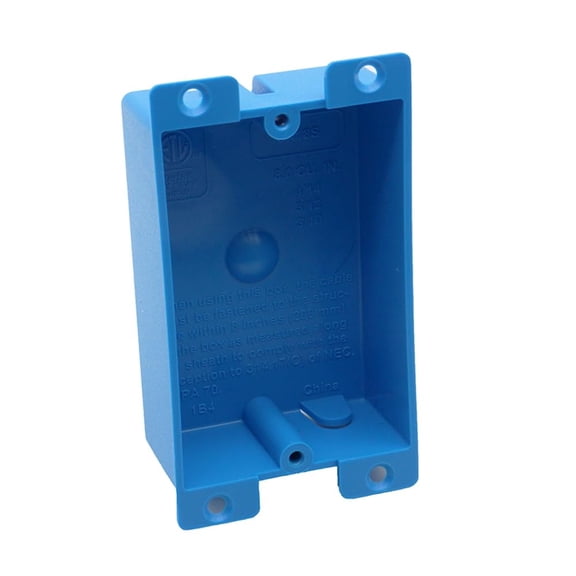
If you want a common receptacle setup, a plastic outlet box in a rectangular shape often makes sense. You can keep the layout simple when your device and wall plate match the box format.
- You can choose rectangular boxes for standard switches and receptacles.
- You can choose square boxes when your wiring plan needs more splice space.
- You can choose round or octagon boxes for many light fixture connections.
- You can compare indoor and weather-rated options based on installation location.
Comparing new work and old work plastic electrical box styles
You should measure wall conditions before you pick a mounting style. You can install a new work plastic electrical box easily when studs are exposed.
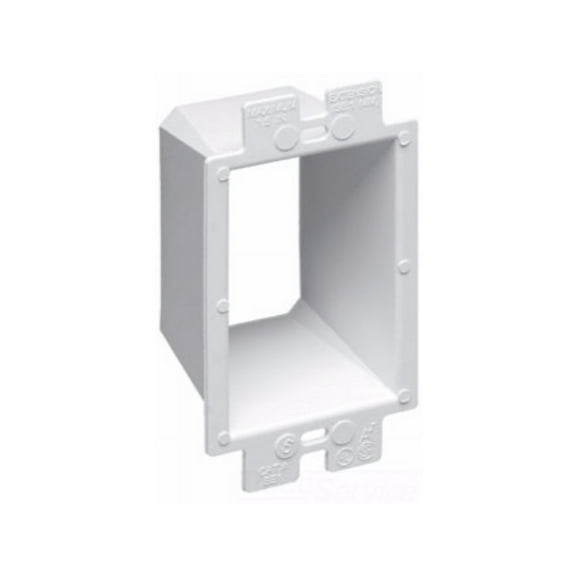
If your wall is already finished, you may need an old work plastic electrical box. You can tighten side clamps or wings to hold the box against drywall without opening the whole wall.
Mounting type matters because it changes how securely your box sits in place. You can compare nail-on, screw-on, and clamp styles based on stud access and wall material.
You should also check box depth before you cut an opening. You can avoid fit problems when your wall cavity, device depth, and wire bundle all have enough space.
Matching gang count and box volume to your wiring plan
Your gang count should match the number of switches or outlets you want in one spot. You can choose a single gang plastic box for one device, or move up for grouped controls.
If your layout includes two switches, a receptacle and switch, or several controls, you need more width. You can compare two-gang, three-gang, and multi-gang boxes for organized wall layouts.
Box volume is just as important as gang size during selection. You should review cubic inches because wire count, wire gauge, and device fill all affect how much room you need.
When you compare cubic inch ratings, you can better match the box to your conductor count. You can also account for connectors, internal clamps, and device yokes before installation.
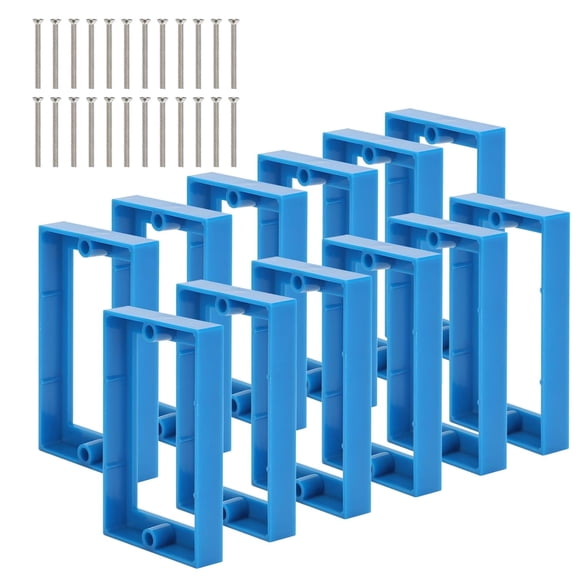
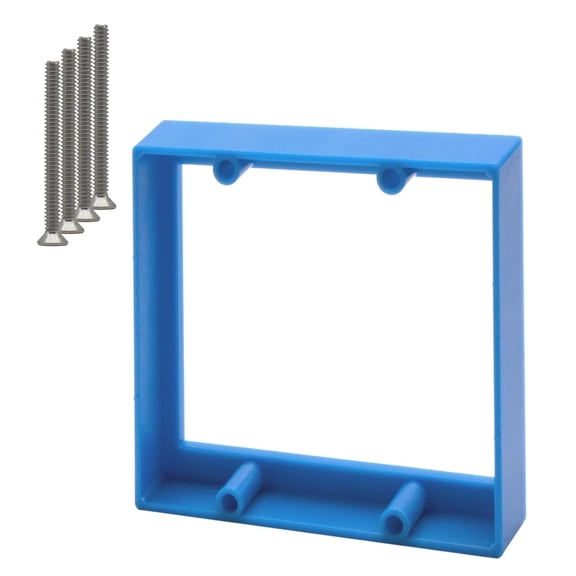
You may notice blue electrical box options across many common projects. You can use color as a quick visual cue, but you should still confirm dimensions, volume, and mounting style.
What to look for in a plastic outlet box
You should check whether the box includes built-in clamps, mounting ears, or fixture support details. You can compare these features based on cable entry, wall finish, and the device you plan to install.
Knockout style and cable entry points can change how easily you route wiring. You can keep your installation neat when the openings align with your cable path.
You should read the listed dimensions before you buy for a remodel or replacement job. You can avoid extra patching when your new box matches the cutout and depth you already have.
If your project involves a wall plate upgrade, you should coordinate box size with the device layout. You can also pair your selection with electrical switches, wall plates, conduit, and wire strippers.
Using plastic electrical boxes in common projects
You can use these boxes for bedroom switches, kitchen receptacles, hallway controls, and basement finishing plans. You should match the box style to the room, wall condition, and number of connected devices.
For a remodel, you may need an old work box with clamp wings and a precise cutout. For new framing, you can place a new work box at the stud before drywall goes up.
If you're adding a ceiling fixture, you can compare round and octagon shapes first. If you're planning multiple switches, you should review multi-gang widths and matching wall plate layouts.
You can also check weather-rated options for covered outdoor areas or exposed installations. You should confirm the listed rating and cover compatibility when your project faces the elements.
With plastic electrical boxes, you can build a wiring plan that fits your wall, device count, and cable volume. You get a clean install when your box type, shape, and cubic inch rating match the job.