

Pipe Cutters in Plumbing Tools












About Pipe Cutters in Plumbing Tools - Walmart.com
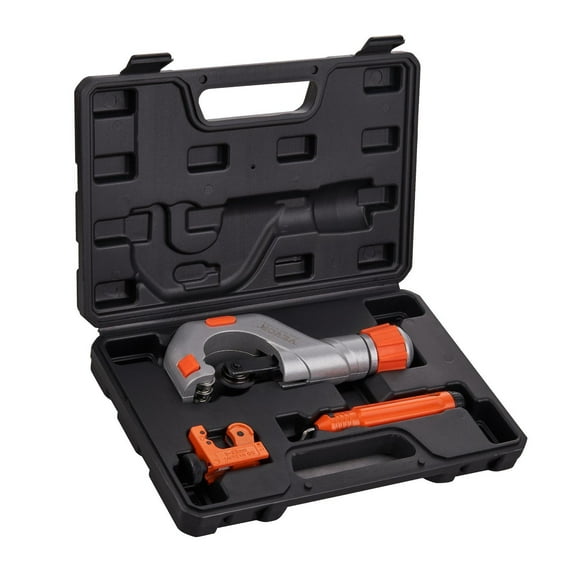
You can choose the right pipe cutter faster when you compare pipe material, cutting mechanism, and working clearance before you start your plumbing job. You'll also find options for tight spaces, clean cuts, and repeat use on copper, PVC, PEX, steel, and brass.
If you're replacing supply lines, trimming drain sections, or fitting pipe in a remodel, you need decision support that matches the task. You can use this guide to compare plumbing pipe cutting tools by material, tool style, space limits, and power type.
Choosing the right pipe cutter
You'll get cleaner results when your cutter matches the pipe you're handling. You should check compatibility first, because copper cutting wheels and plastic scissor blades work differently in real projects.
When you compare the right tool to the right material, you can reduce burrs, avoid crushed edges, and keep fittings easier to align. You'll also spend less time correcting rough cuts before installation.
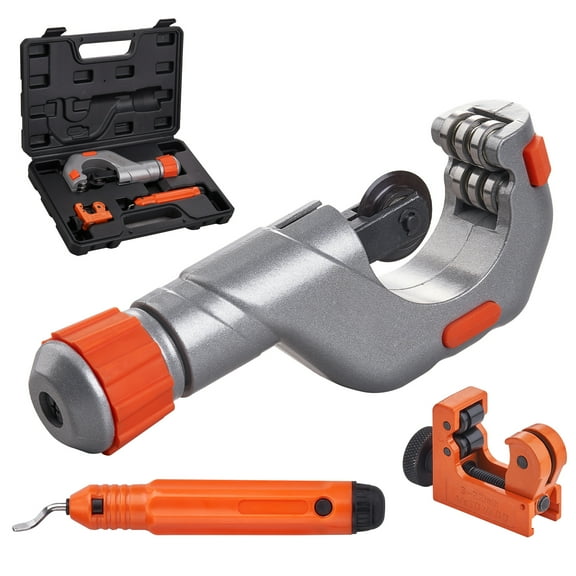
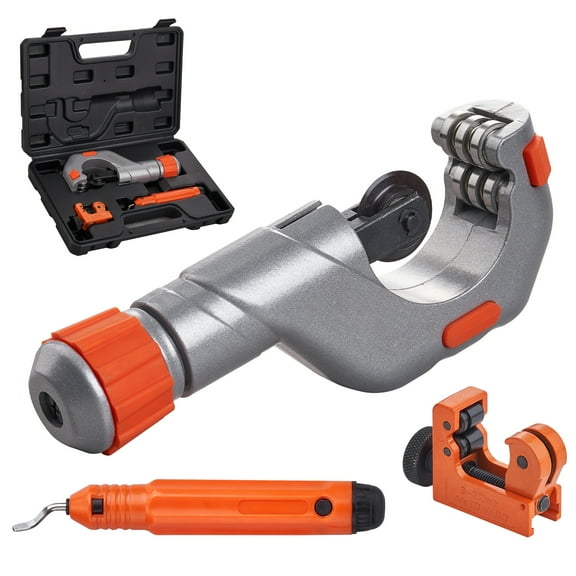
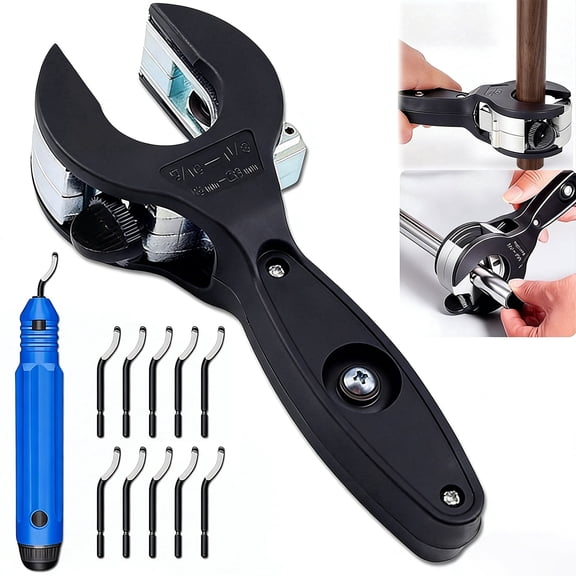
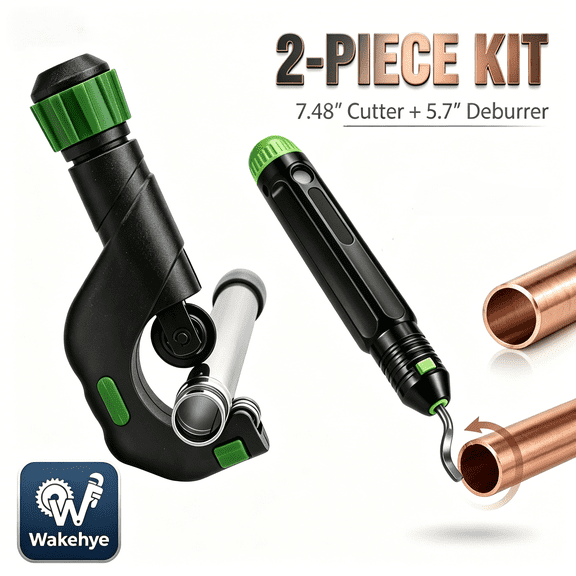
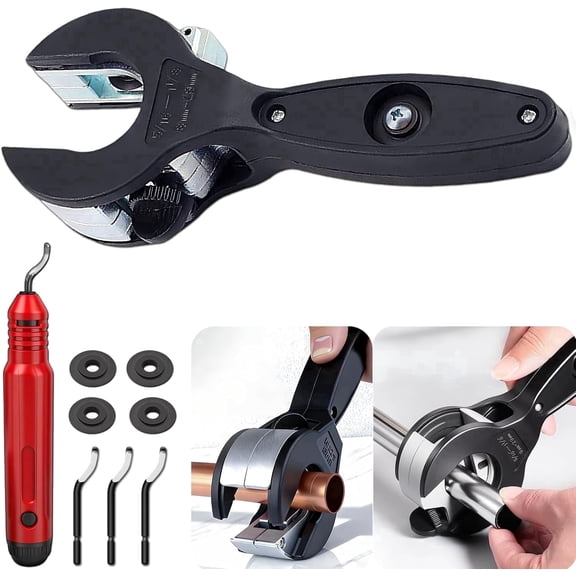
- You can use rotary wheel styles for copper, brass, and many thin-wall metal pipes.
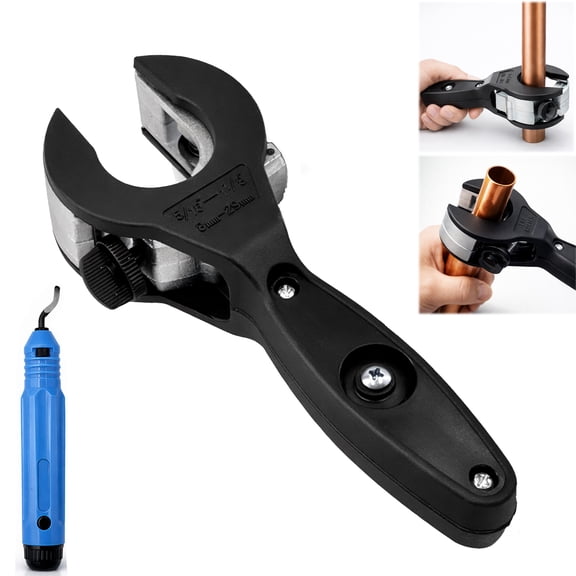
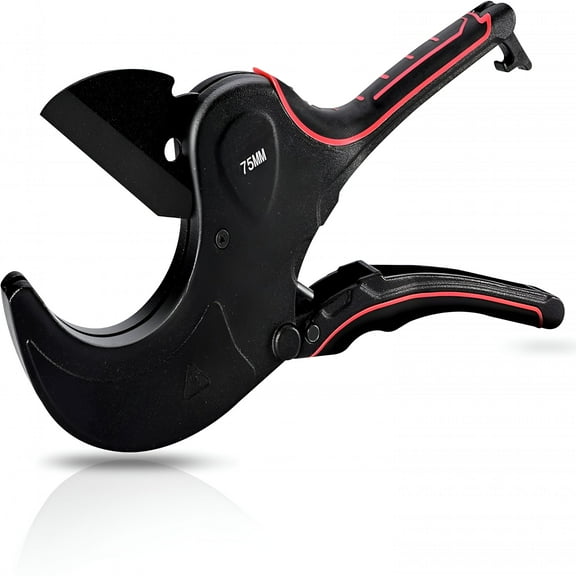
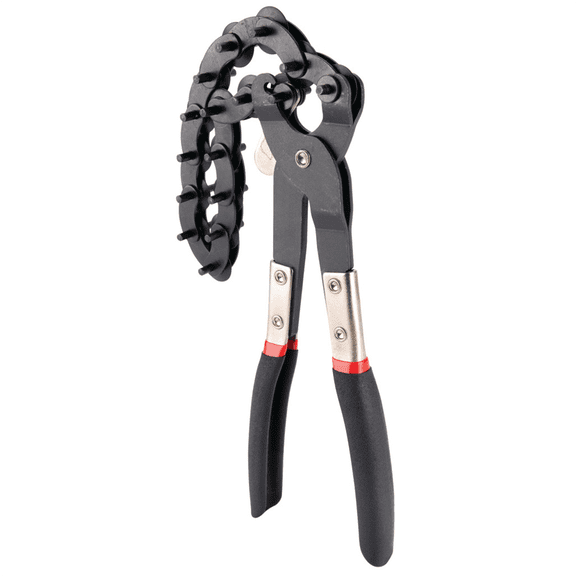
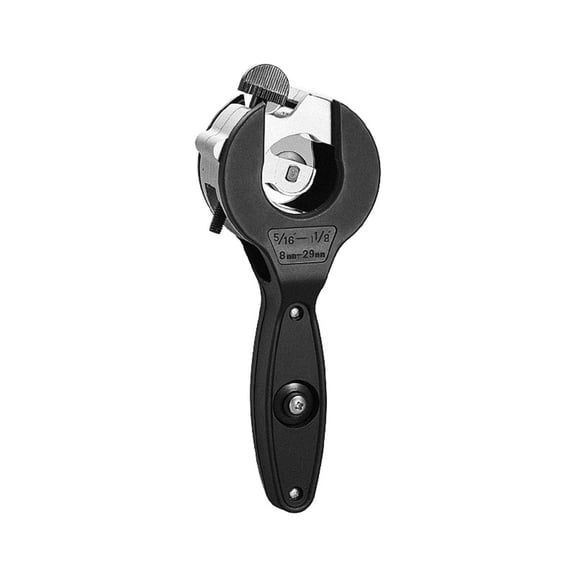
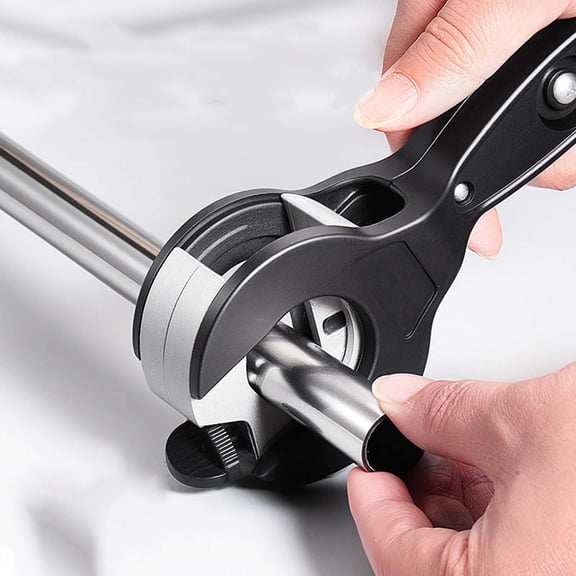
- You can choose ratchet designs when you want more cutting force on plastic tubing.
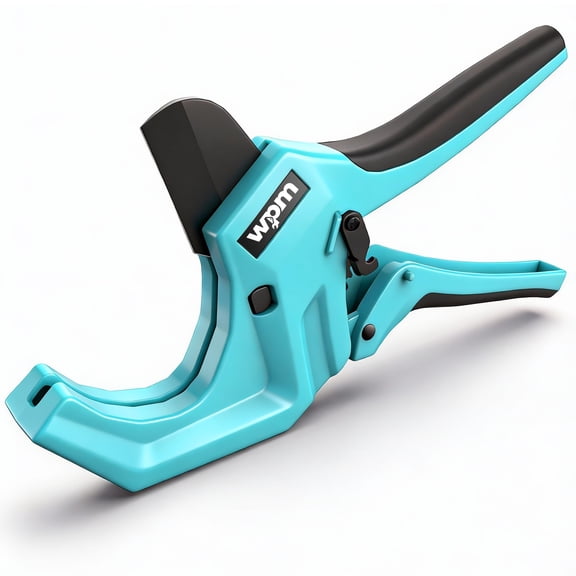
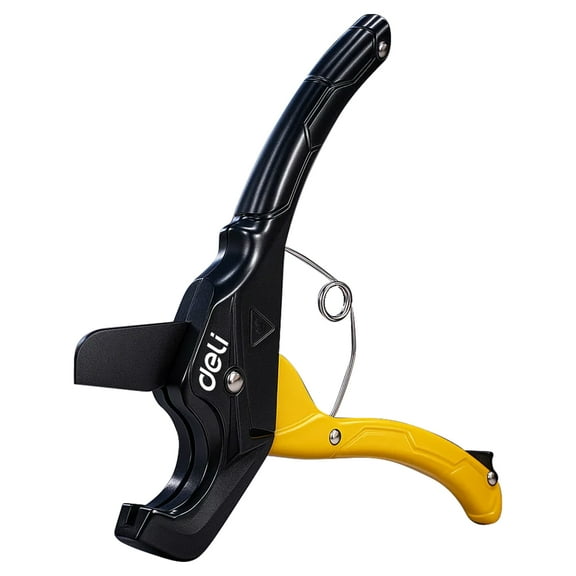
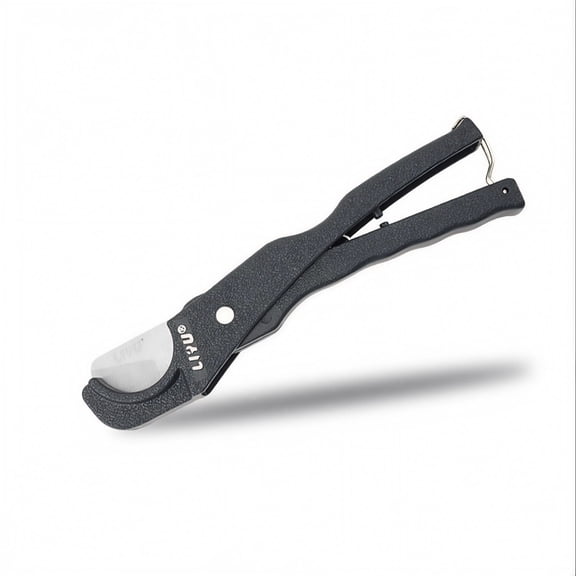
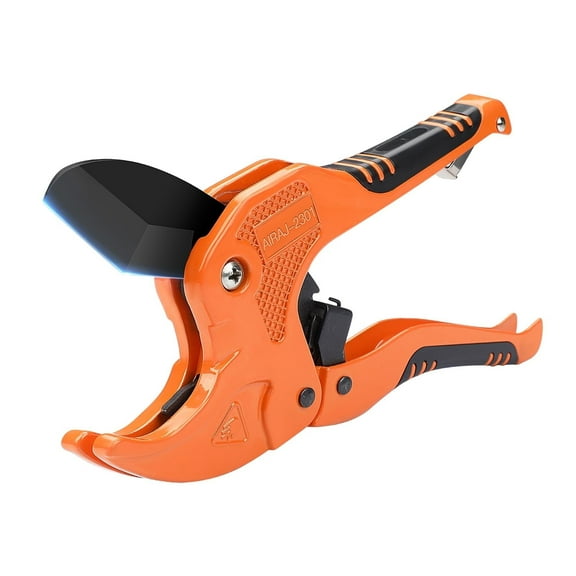
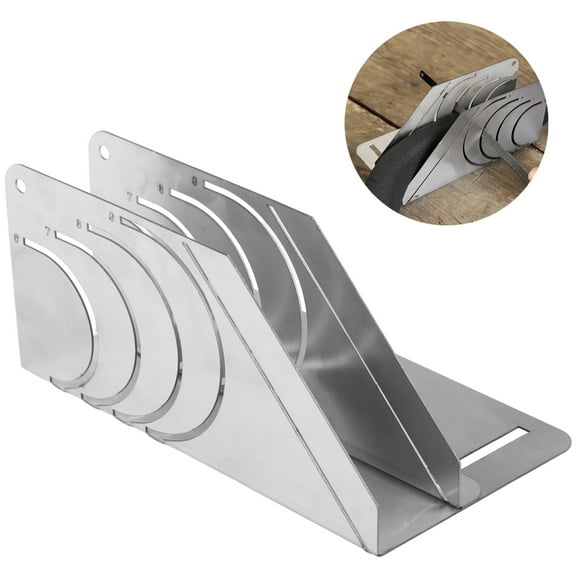
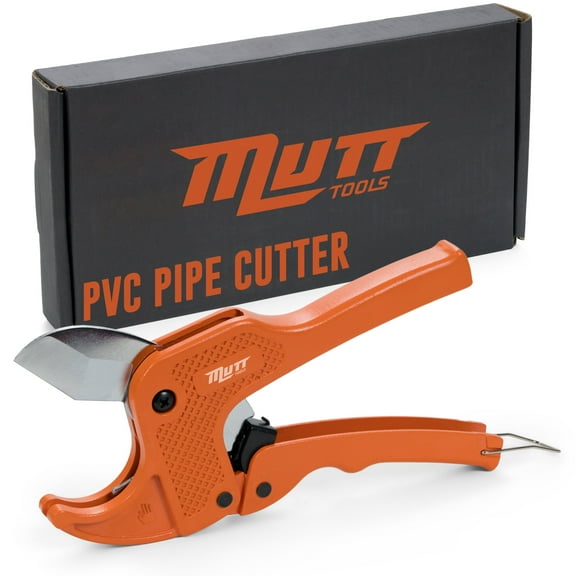
- You can pick scissor-style cutters for quick slices through many PVC and PEX lines.
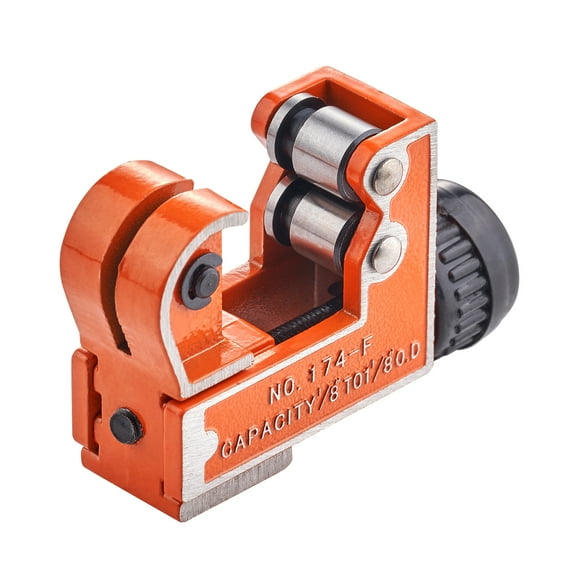
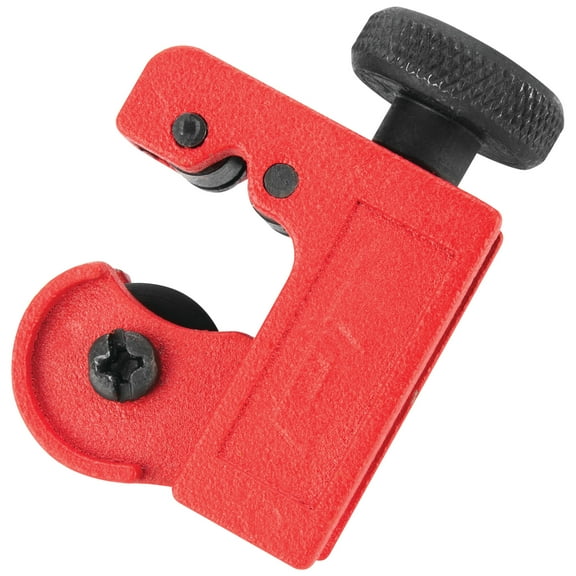
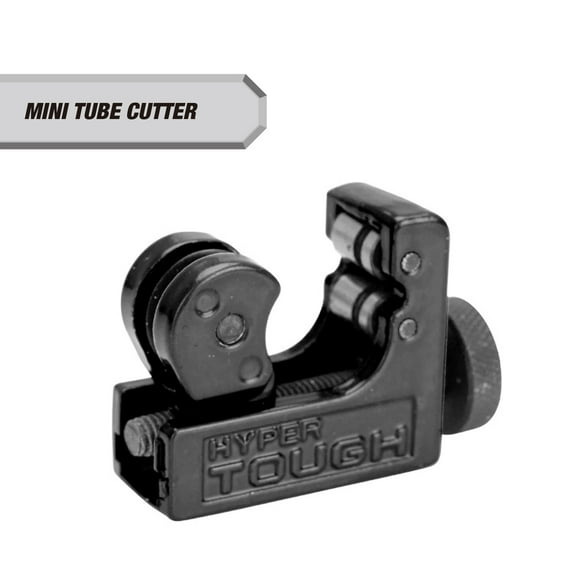
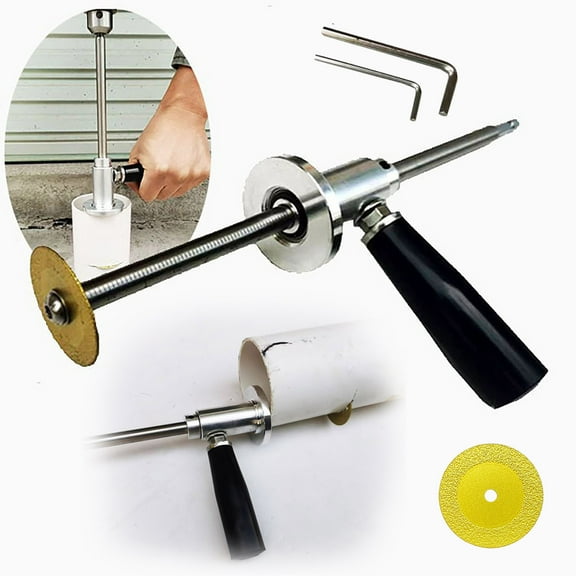
- You can select mini or close-quarters tools when your pipe sits behind walls or under sinks.
- You can compare manual and cordless options based on job size and repetition.
You'll notice that the right cutter also affects how smoothly your project moves. You can make more consistent cuts when the tool fits the pipe diameter and the space around it.
How to compare plumbing pipe cutting tools
You should start with pipe material, because that choice shapes blade style, wheel type, and cutting pressure. You'll usually want a copper pipe cutter or rotary tool for metal lines, while plastic tubing often pairs with ratchet or scissor-style designs.
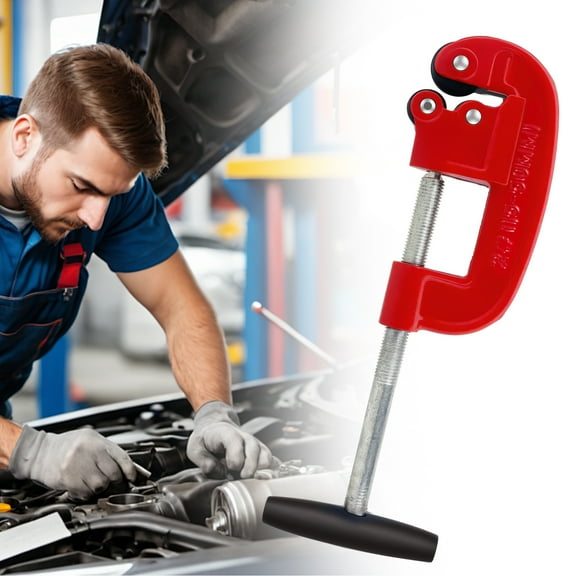
If you're cutting copper, brass, or thin-wall steel, you should look for a rotating cutter wheel that tracks evenly around the pipe. You'll get a more controlled cut when you tighten gradually instead of forcing the wheel too fast.
For PVC or PEX, you can compare scissor-style and ratchet options by hand effort and speed. You'll often prefer ratchet action when you need extra leverage on thicker plastic walls.
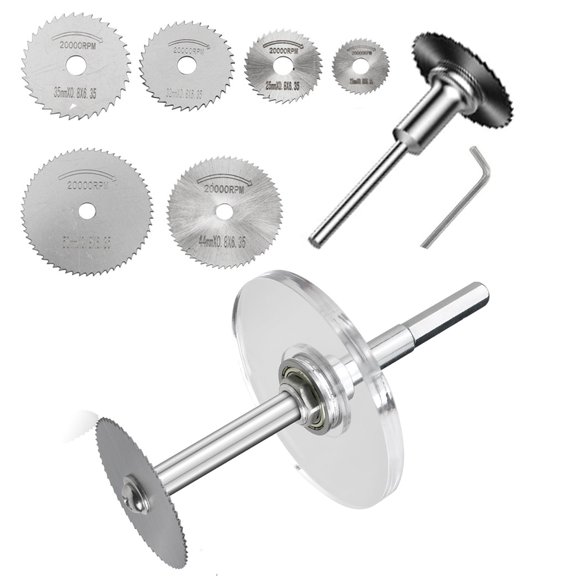
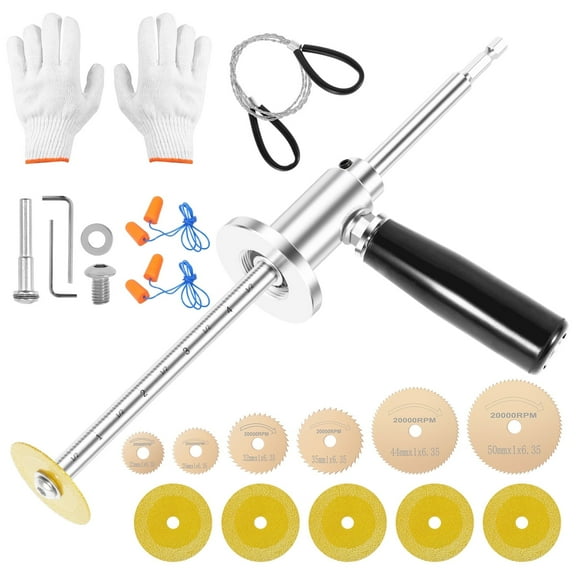
You should also check wheel and blade materials if you expect regular use. You'll find alloy steel parts for everyday cutting, and you may prefer replaceable carbide wheels for repeated metal pipe work.
Another key decision is power type. You can use manual tools for small repairs and occasional installs, while cordless options can help you move faster on repeated cuts.
Choosing by space and working clearance
You should measure the area around the pipe before you choose a tool. You'll need enough room to rotate a standard cutter, especially around water lines inside cabinets or near wall framing.
If you're working under a vanity or behind a toilet, you may want a sink pipe cutter or close-quarters model. You'll get better access when the tool head stays compact and the handle swing stays short.
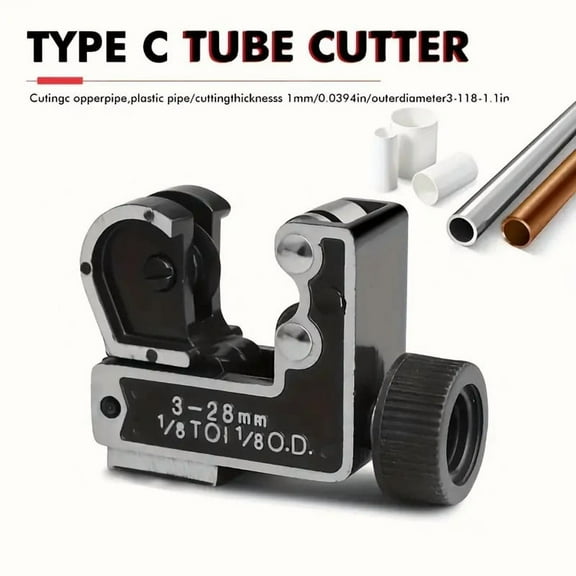
Mini cutters matter when your pipe sits between studs, behind appliances, or close to finished surfaces. You can keep the cut controlled without needing the full turning radius of a larger rotary tool.
Standard-size cutters still make sense when your workspace is open and your pipe run is exposed. You'll often get easier grip and more comfortable turning when you have room to work around the full circumference.
If your project includes repeated cuts in a crawl space, utility room, or renovation area, you should compare handle shape and hand comfort. You'll notice less fatigue when the grip and ratchet action match your cutting pace.
Matching pipe cutter styles to real jobs
You can use a copper pipe cutter for supply lines, refrigerator lines, and other narrow metal tubing where a smooth, even edge matters. You'll often want a compact rotary model when the pipe sits close to the wall.
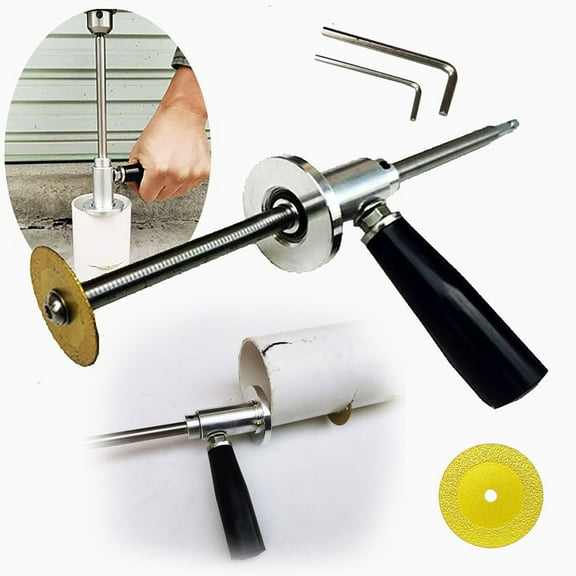
For plastic pipe updates, you can choose scissor-style or ratchet tools for PVC and PEX runs. You'll usually get fast, straight cuts when the blade matches the tubing size and wall thickness.
If you're handling a water pipe cutter task in a utility area, you should compare pipe size, material, and access before you begin. You'll avoid tool mismatch when you confirm whether the line is metal, plastic, or mixed material.
Under-sink repairs call for extra attention to clearance. You can reach tight cabinet spaces more easily with short-body tools designed for turns in confined areas.
For repeated installation work, you may want replaceable wheels or blades that keep performance consistent over time. You'll also appreciate cordless support when your project involves many cuts across several rooms.
You can also think about where the pipe will be fitted next. You'll want cleaner cuts for compression fittings, push-to-connect fittings, and visible plumbing runs where alignment matters.
What to look for before you choose
You should check diameter range, replacement part availability, and handle comfort before you decide. You'll make a smarter choice when the cutter fits your pipe size today and your next repair later.
With the right pipe cutter, you can cut copper, PVC, PEX, steel, or brass with cleaner edges and less guesswork. You'll finish with a tool that matches your material, workspace, and pace.