


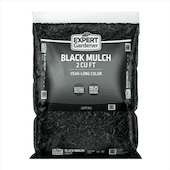
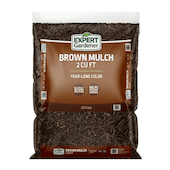
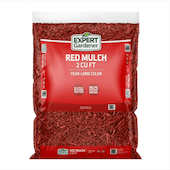
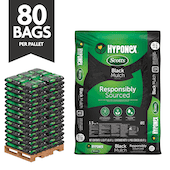


Pine Bark Mulch for Landscaping and Gardening











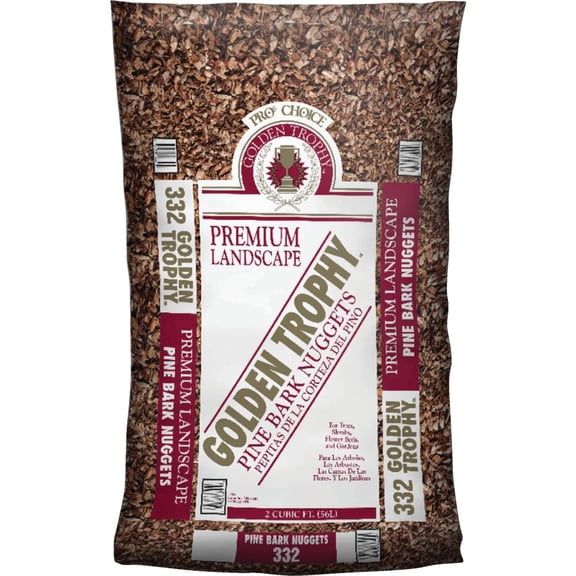
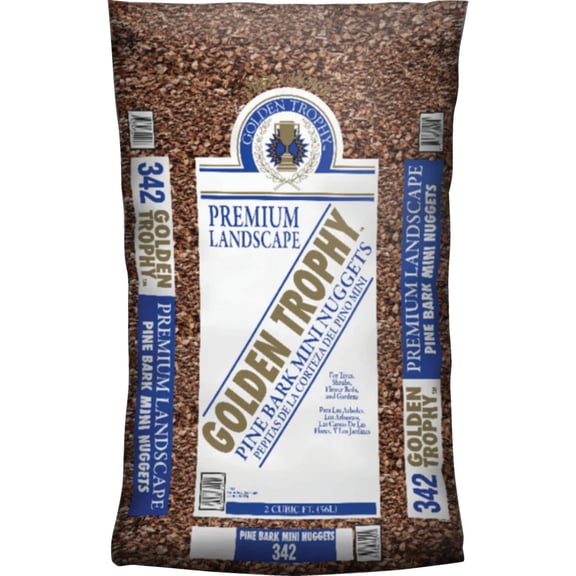


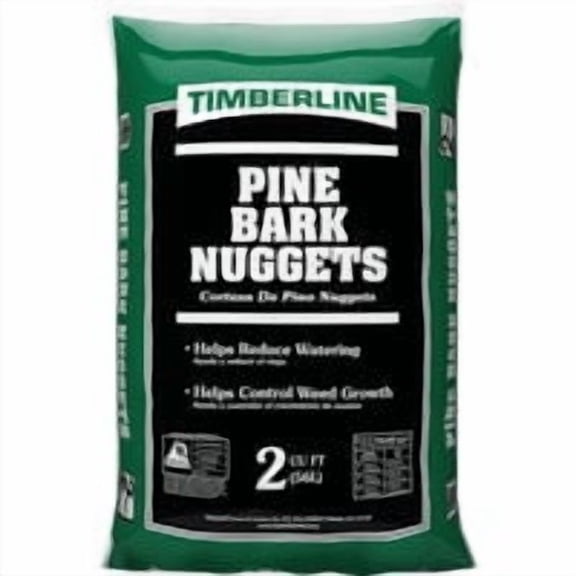


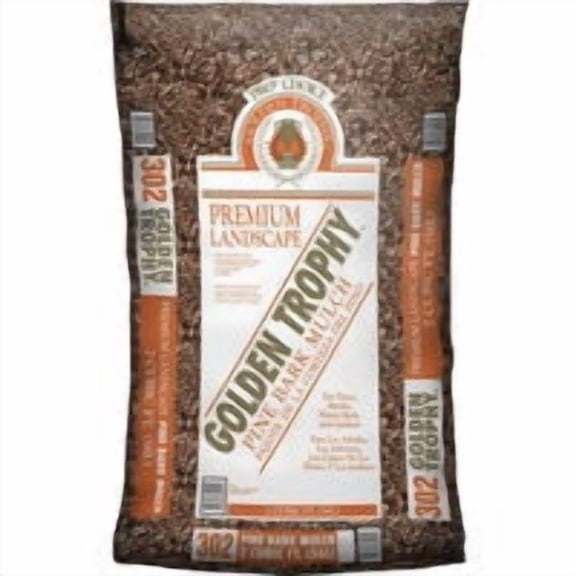
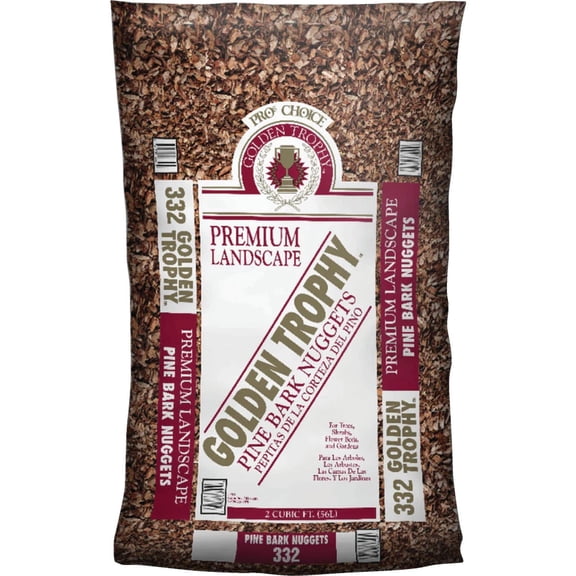

About Pine Bark Mulch for Landscaping and Gardening - Walmart.com
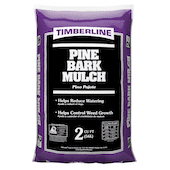
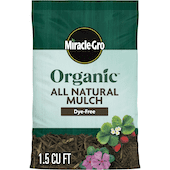
Pine bark mulch gives garden beds a clean finish and a natural texture for paths, trees, and borders. You’ll find options for seasonal refreshes and routine landscape upkeep. Pine pieces break down gradually over time, which suits shoppers who want a wood-based ground cover.
The texture helps soften bare areas around shrubs, perennials, and foundation plantings. It also creates a more finished look across uneven spaces. That makes it useful for both quick touch-ups and larger yard projects.
Why pine bark mulch works in landscaped spaces
Pine bark mulch does more than cover exposed soil. It adds color contrast around green foliage and keeps planting areas looking tidy between watering sessions. Many shoppers choose it for a softer appearance than stone surfaces.
It also fits curved beds and irregular spaces without hard edges. That flexible look works well around tree rings and front walkways. The result feels natural instead of rigid.
- Helps exposed soil hold moisture in garden beds and around trees.
- Adds a finished look to borders, pathways, and foundation plantings.
- Breaks down gradually, which suits ongoing landscape refreshes.
- Comes in textures that fit decorative and practical ground cover goals.
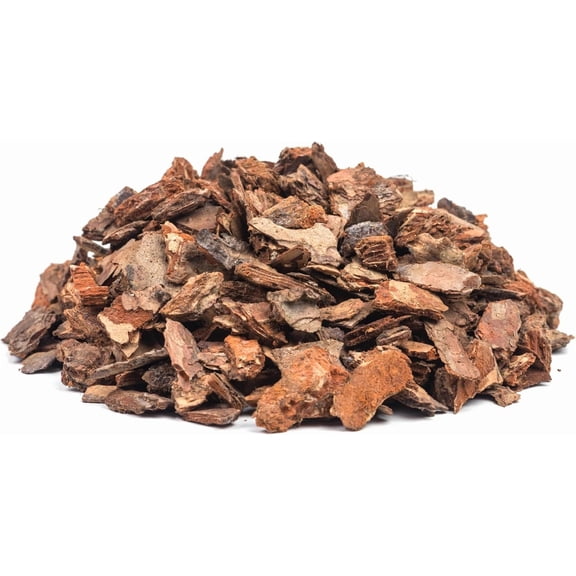
Shredded pine bark mulch can knit together across sloped spots and uneven ground. That makes it useful for beds where loose material may shift after watering. Larger nuggets create a chunkier look around shrubs and ornamental grasses.
Finer textures settle neatly into smaller spaces and around closely planted flowers. That smaller particle size helps beds look even and polished. It’s a practical option for narrow borders and detailed planting areas.
How to compare pine mulch types
Texture matters when you’re choosing pine mulch for a project. Shredded pine bark mulch often creates a layered surface that stays in place around curved borders and root zones. That shape-following texture suits mixed beds and sloped areas.
Pine bark fines have a smaller particle size and a smoother appearance. Shoppers often choose them for tighter beds, top dressing, and spots where an even finish looks right. They also work well around annuals and decorative edging.
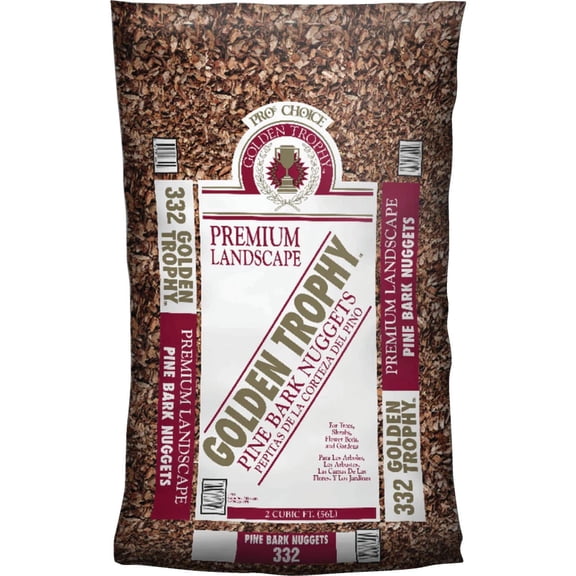
Bag size and coverage are also key details. Product pages often list square foot coverage at a set depth. That helps you estimate how many bags a project needs.
Depth changes the coverage number, so touch-ups and full refreshes need different amounts. This matters for small containers, front entry beds, and larger landscaping zones. Coverage details can also help keep texture consistent across connected spaces.
Color and bark size can vary by product. Some pine mulch looks rugged and chunky, while others look finer and more uniform. If you’re refreshing an existing bed, matching the current texture can keep the area cohesive.
If you’re starting over, texture can shape the style of the space. Fines create a smoother finish in compact beds. Shredded material creates a more layered look in broad planting areas.
Using pine bark fines and shredded mulch
Pine bark fines work well in small garden beds, around pavers, and in narrow planting strips beside walkways. Their smaller pieces settle into gaps without creating a bulky layer. That makes them useful when you want a refined finish.
They also suit areas around herbs, annuals, and decorative edging. Many shoppers use them for touch-ups between larger seasonal mulch applications. They’re especially helpful where detailed placement matters.
Shredded pine bark mulch fits larger landscape areas and beds with shrubs, young trees, and mixed plantings. The fibrous texture forms a connected layer that follows the shape of the ground. That look works well in backyard borders and mailbox beds.
Many homeowners also use it along fence lines and broad front-yard beds. It supports a natural woodland style that pairs well with evergreen shrubs. The texture also helps large spaces feel finished without looking flat.
For containers and raised beds, smaller bark pieces can be easier to spread evenly. For wider open spaces, bigger pieces create stronger visual definition. Matching bark size to bed scale helps the whole project look pulled together.
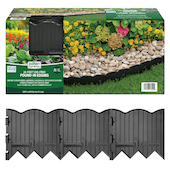
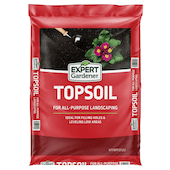
If you’re planning a full yard refresh, pair landscaping mulch with soil, weed barriers, and landscaping edging. Those additions help maintain crisp bed lines through the season. They also make multi-step projects easier to organize.
What experienced shoppers look for in pine bark mulch
Experienced shoppers often compare texture, coverage, and intended use before choosing a product. A decorative bed near the entry may need a different bark size than a utility area around trees. Coverage details help prevent mixed textures across the yard.
Consistency matters when several beds connect visually. Matching fines or shredded material across those areas creates a more unified look. That’s especially helpful in front yards with visible borders.
Seasonal timing also shapes the choice. Spring refreshes often focus on appearance after cleanup. Fall projects often center on preparing beds for cooler weather.
Use pine mulch in either season because it suits routine upkeep and larger redesigns. It also pairs easily with flowering plants, evergreen shrubs, and natural stone accents. That flexibility makes it a reliable pick for ongoing landscape care.
If you want a neater finish in compact spaces, pine bark fines may suit the layout. If you want a more textured look across bigger beds, shredded pine bark mulch may fit the project. Matching the mulch type to bed size helps the landscape feel polished.
Choosing the right pine bark mulch comes down to texture, coverage, and placement. With fines and shredded bark options, you can create cleaner beds, defined borders, and a more finished landscape.