

Pie Dishes & Tart Pans - Glass, Ceramic & Metal























About Pie Dishes & Tart Pans - Glass, Ceramic & Metal - Walmart.com
Pie dishes help you bake cleaner slices, steadier crusts, and holiday-ready desserts with the right shape, depth, and material for your recipe. You can compare pie pans, tart pans, and quiche pans by how they brown, release, and serve your favorite bakes.
How to choose pie dishes for your baking style
When you compare pie dishes, you should start with the dessert you plan to bake most often. You may want a deep dish pie plate for fruit fillings, or a flatter dish for classic custard pies.
Material changes how your crust browns and how long your filling stays warm after baking. You can use that difference to match your pan to weeknight pies, holiday baking pans, or make-ahead desserts.
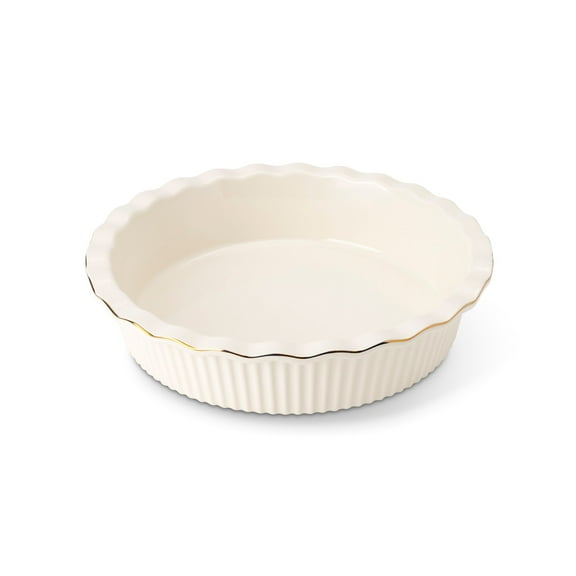
- You can use ceramic for steady heat retention and a table-ready look.
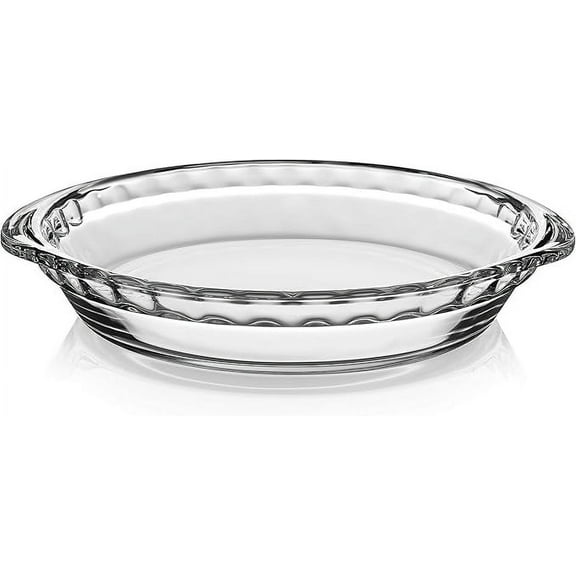
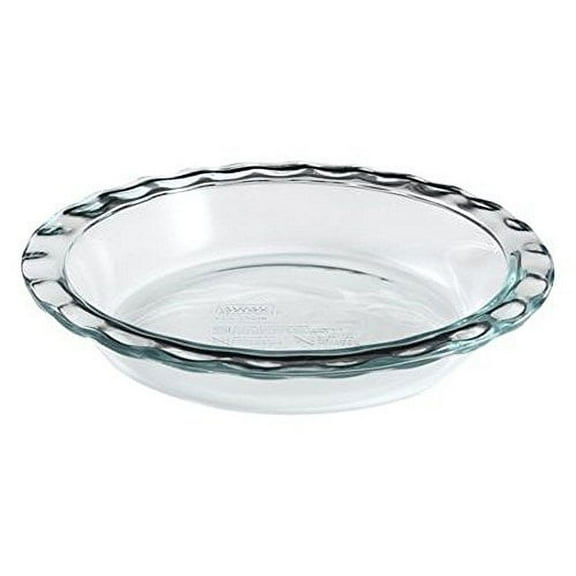
- You can use glass when you want to check bottom crust color as it bakes.
- You can use metal when you want faster browning and lighter handling.
- You can use silicone when you want flexible release and compact storage.
Edge shape matters too when you want a neat finish for serving. You may prefer a fluted edge for tarts and quiches, while a smooth rim suits many everyday pie dishes.
Choosing material, size, and pan type
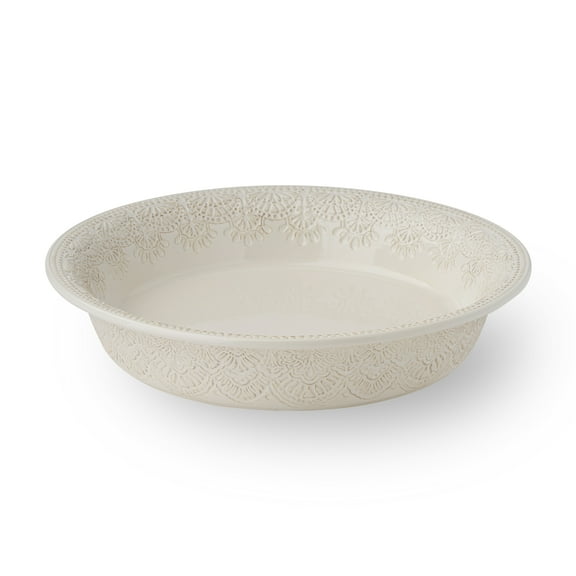
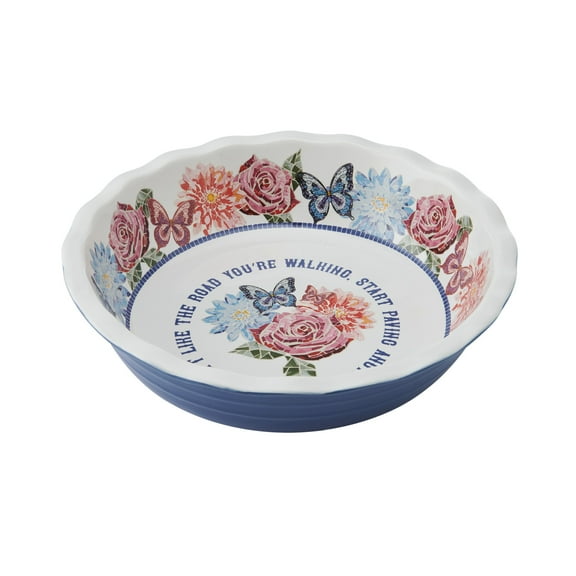
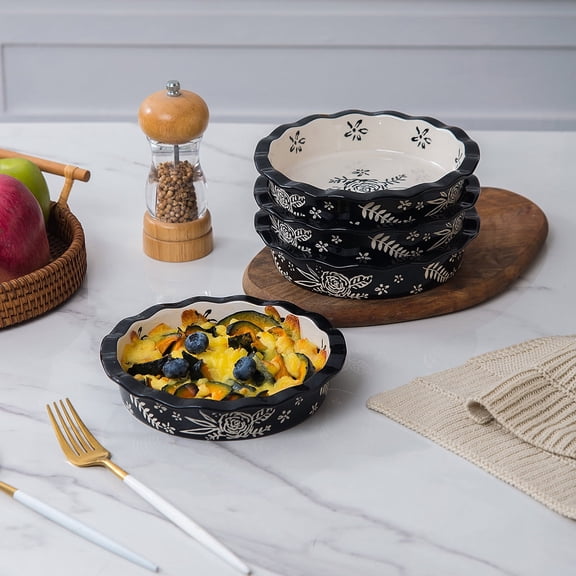
Ceramic pie pan options usually hold heat longer, so you can carry warm slices to the table with less rush. You may like ceramic for holiday desserts that sit out during a longer meal.
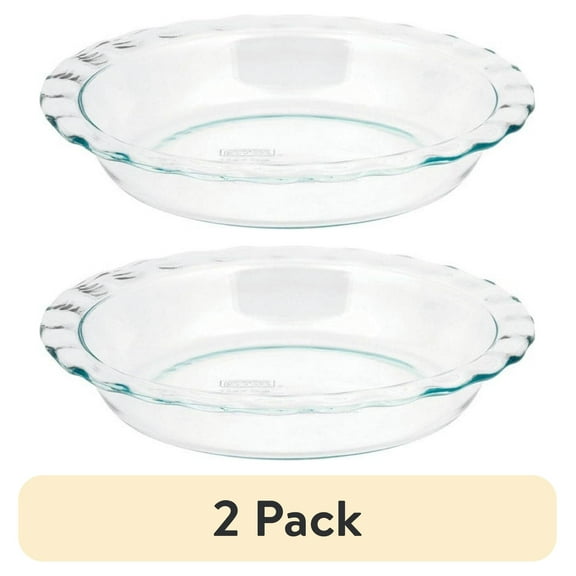
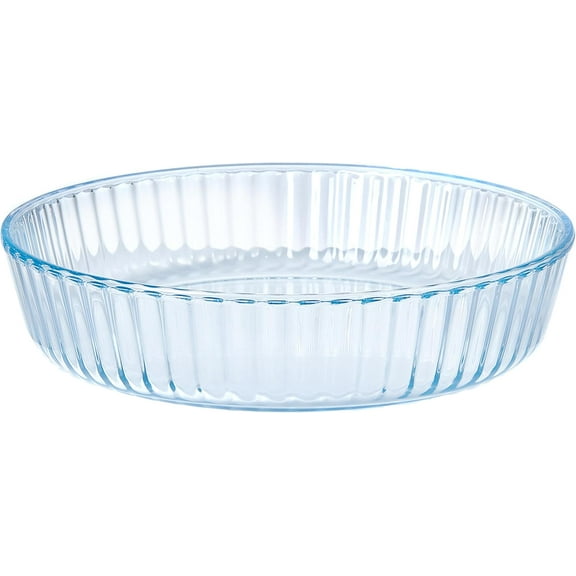
A glass pie dish lets you see the underside as your crust bakes. You can check color more easily, which helps when you want a golden base instead of a pale one.
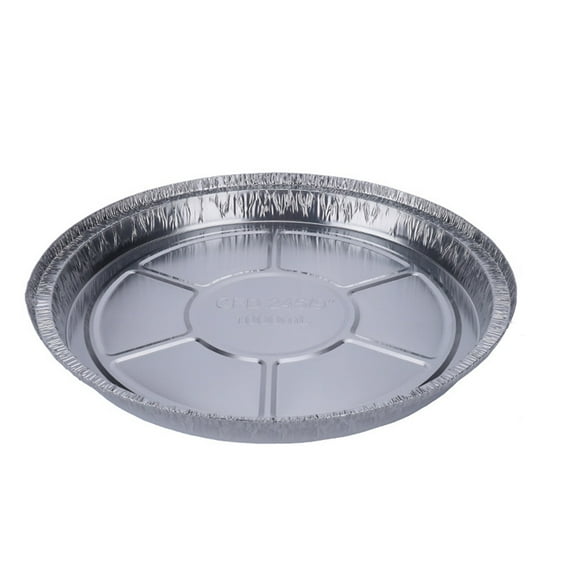
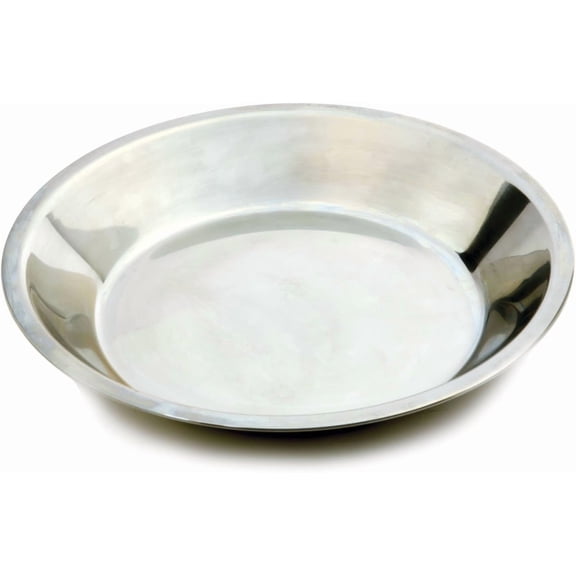
Metal pie pans heat quickly and often brown crust edges faster than heavier materials. You may reach for metal when you want a crisp shell for fruit pies or freezer-friendly prep.
Silicone styles can flex for release and stack easily in smaller cabinets. You should still compare structure and rim support when you want cleaner transfer from oven to counter.
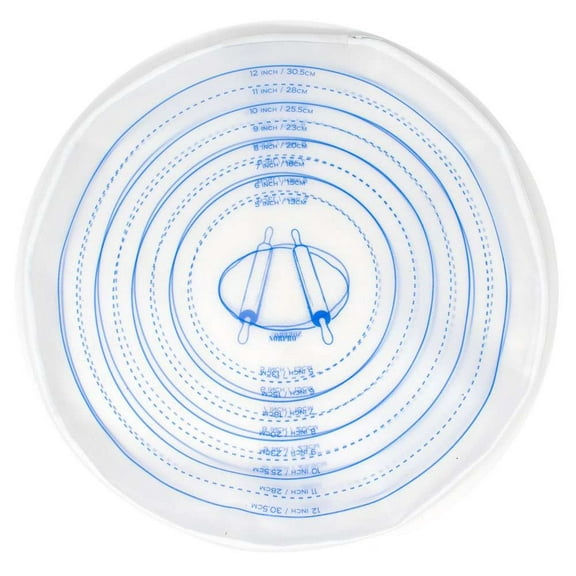
Size is another decision that changes how your recipe fits and bakes. You can use a 9 inch pan for many standard recipes, while 10 inch pans hold wider fillings.
A deep dish pie plate gives you more room for apples, berries, or thicker layers. You may want that extra depth when your filling rises above a standard crust line.
Pan type also shapes your final result and your serving process. You can use pie dishes for classic double-crust bakes, tart pans for fluted pastry, and quiche pans for savory custards.
What to look for in tart pans and quiche pans
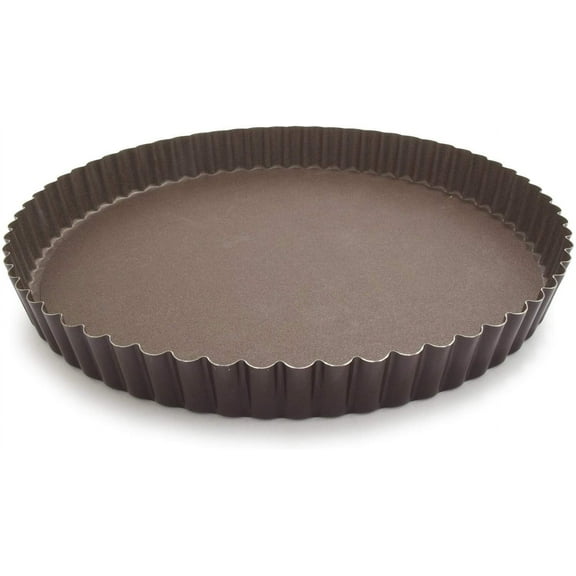
Tart pans often include a removable bottom, which helps you lift delicate shells without tipping or cracking the crust. You should look for that feature when presentation matters for fruit tarts.
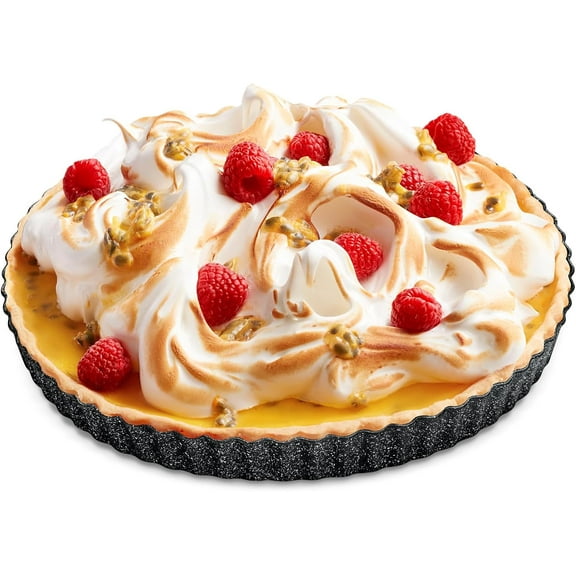
A removable bottom tart pan also helps when you bake a tart with glaze, curd, or layered filling. You can separate the outer ring and keep the fluted edge more defined for slicing.
Quiche pans usually give you a wide surface and structured sides for egg-based fillings, vegetables, and cheese. You may prefer a shallower profile when you want even slices and a firm center.
Nonstick finishes can make release easier, especially when your filling includes sugar, cheese, or buttery pastry. You should still check whether your pan is dishwasher safe or better for hand washing.
Cleaning needs can affect which pan you use most often during busy baking seasons. You may want smooth interiors for easier cleanup, while decorative edges can need a little more attention.
Matching pie dishes to real baking occasions
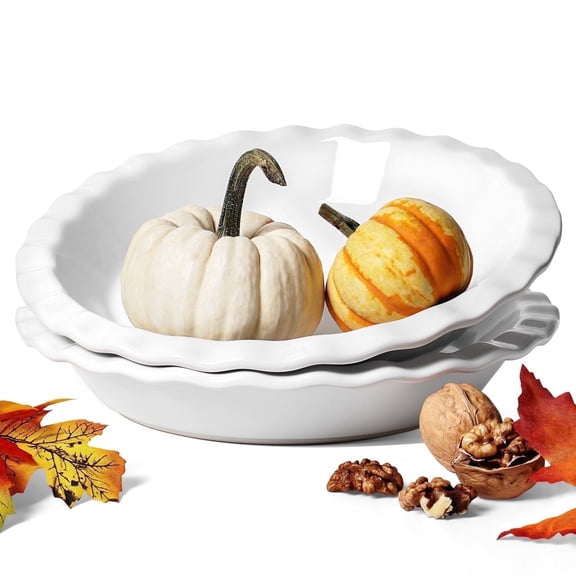
For Thanksgiving pie dishes, you may want ceramic or glass in standard and deep dish sizes. You can bake pumpkin pie in one pan and a taller apple filling in another.
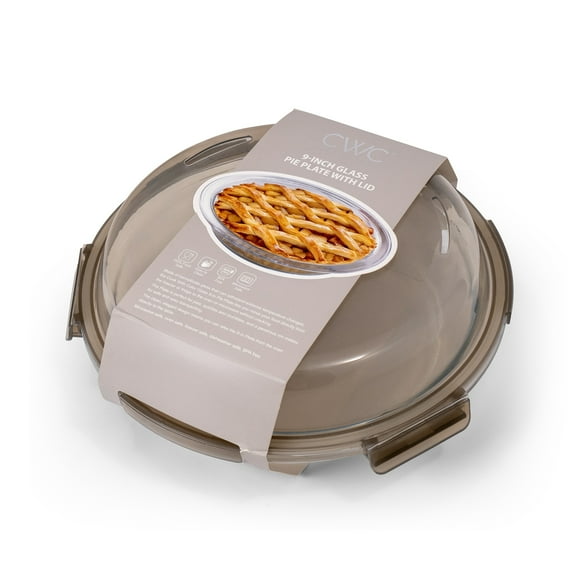
If you bake for potlucks or family dinners, you may like a glass pie dish that moves from oven to table. You can also see how your crust set before you slice and serve.
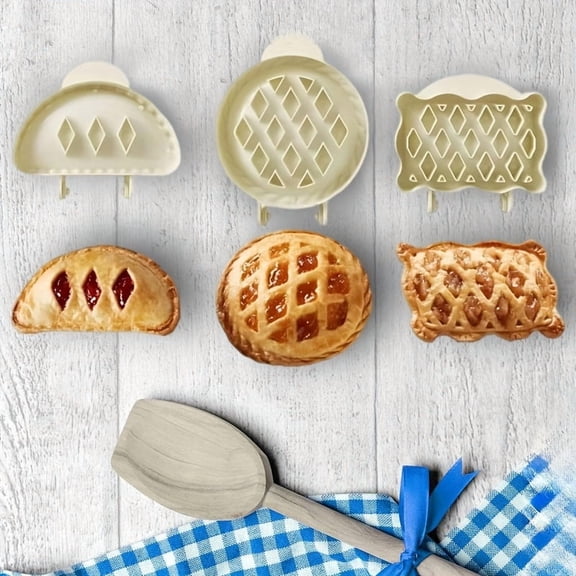
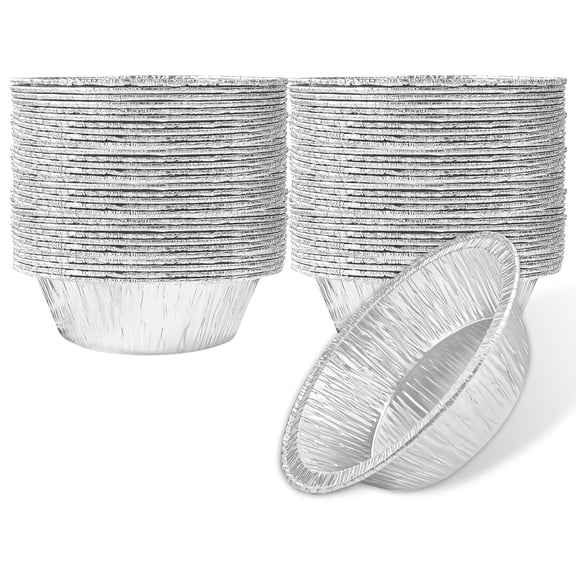
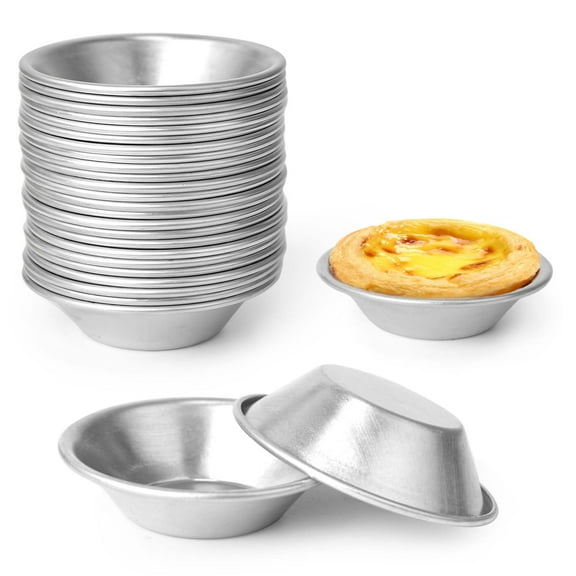
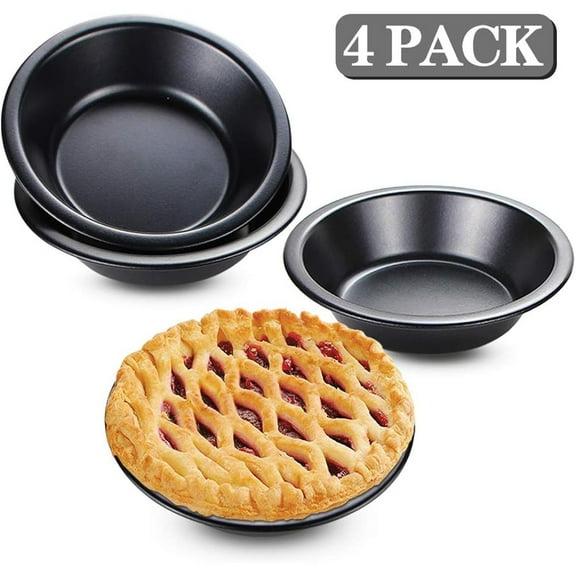
When you make mini desserts, you should compare smaller pans for personal pies or tartlets. You can portion fillings more easily and serve several flavors in the same batch.
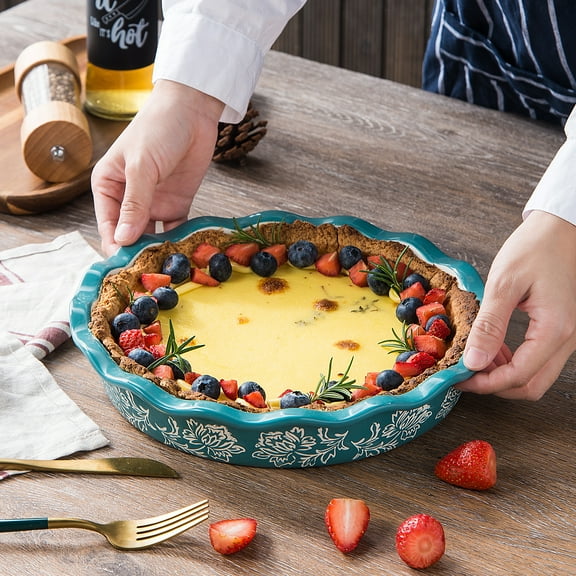
For lemon tart, chocolate tart, or fresh fruit pastry, you may want tart pans with fluted edges. You can create a defined border that frames toppings and keeps slices looking neat.
If savory baking is part of your routine, you may use quiche pans for brunch dishes and simple dinners. You can pair eggs, vegetables, and crust in a shape that slices cleanly.
During holiday prep, you might keep several materials on hand for different recipes. You can use metal for quick browning, glass for visibility, and ceramic for a warm serving presentation.
Some recipes can even cross between categories when you know what shape you need. You can bake a pie in a tart pan for a shallower, more defined edge, though your filling depth changes.
With the right pie dishes, you can match material, size, and pan design to the crust, filling, and finish you want. You’ll end up with cleaner release, more even baking, and desserts that look ready to serve.