



Fish Aquarium Cleaners in Fish Supplies












About Fish Aquarium Cleaners in Fish Supplies - Walmart.com
You can keep routine maintenance simple with the right fish tank cleaner for cloudy water, algae film, and hard-to-reach corners. You'll also find options for acrylic tanks, deep aquariums, and species-sensitive setups that need careful product selection.
When you compare cleaner types first, you can choose tools and treatments that fit your tank instead of guessing. You'll get more control over glass care, substrate cleanup, and water clarity with category-specific options.
Choosing the right fish tank cleaner
You should start by deciding whether you need a physical tool, a liquid treatment, or both. You'll usually use tools for stuck-on buildup, while your liquid products help with suspended particles and water conditioning.
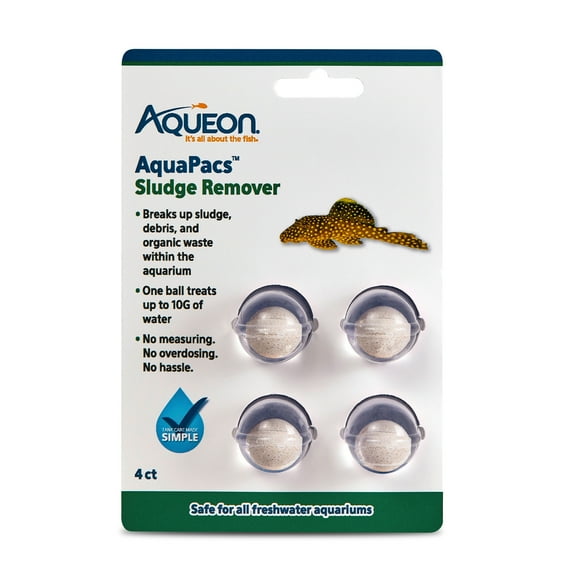
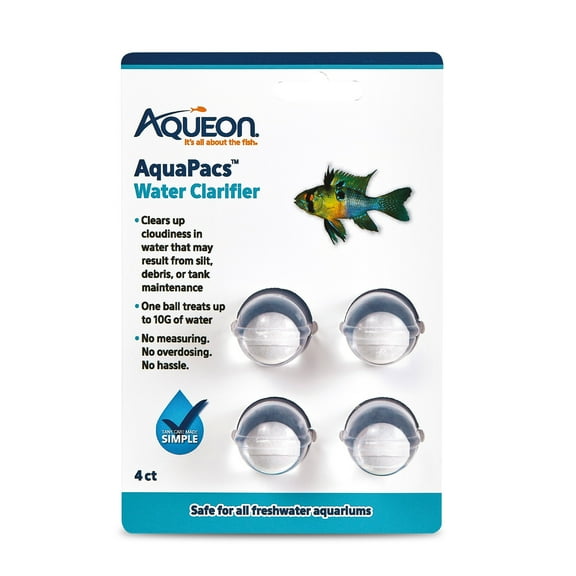
If you see algae on walls or decor, you may want a scraper, brush, or siphon. If your water looks cloudy after feeding or maintenance, you may prefer a fish tank cleaner liquid or clarifier.
You can narrow your choice faster by matching each type to a specific job. You'll often keep upkeep easier when your routine includes separate solutions for glass, gravel, and water appearance.
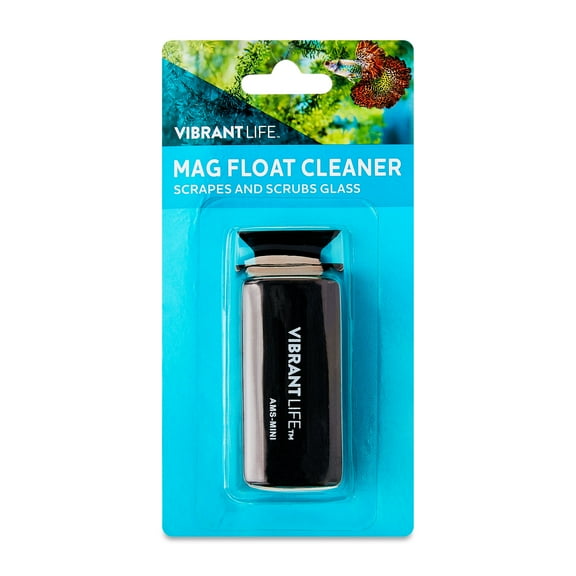
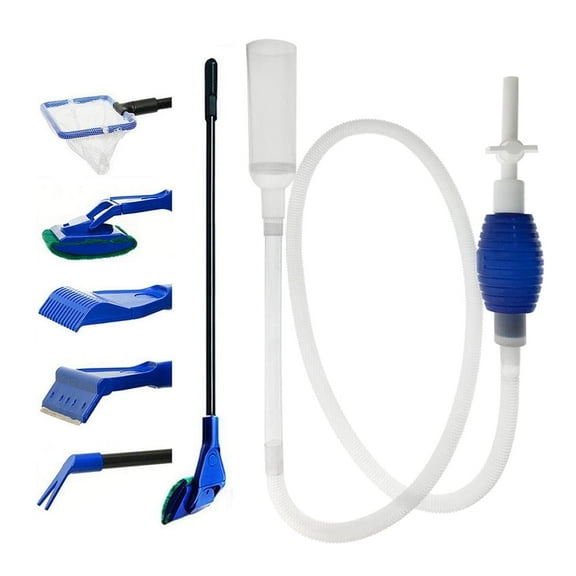
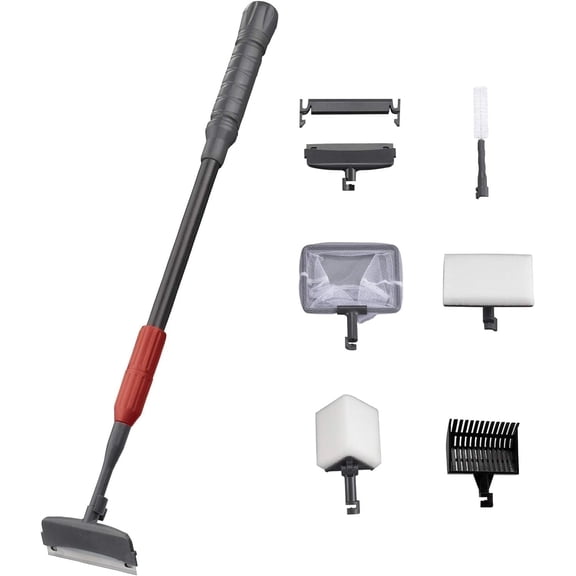
- You can remove algae film with scrapers and cleaning pads.
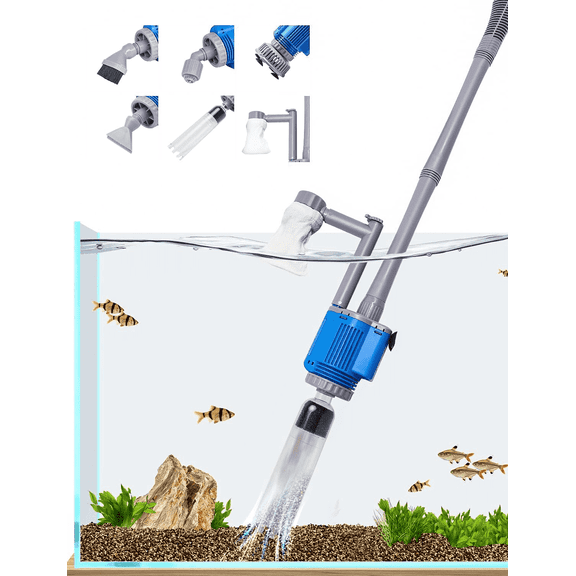
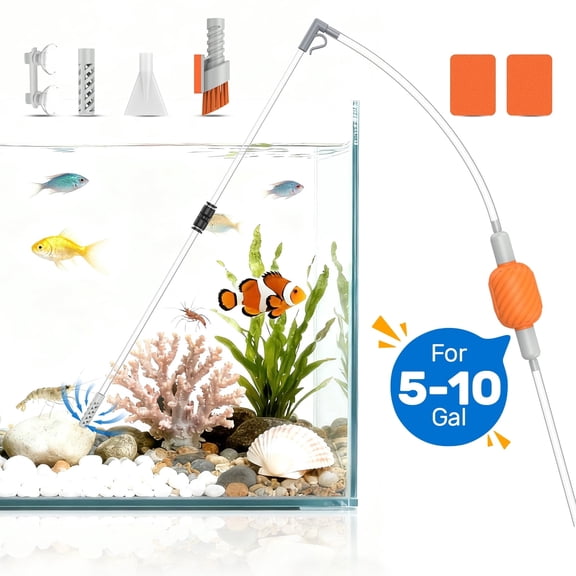
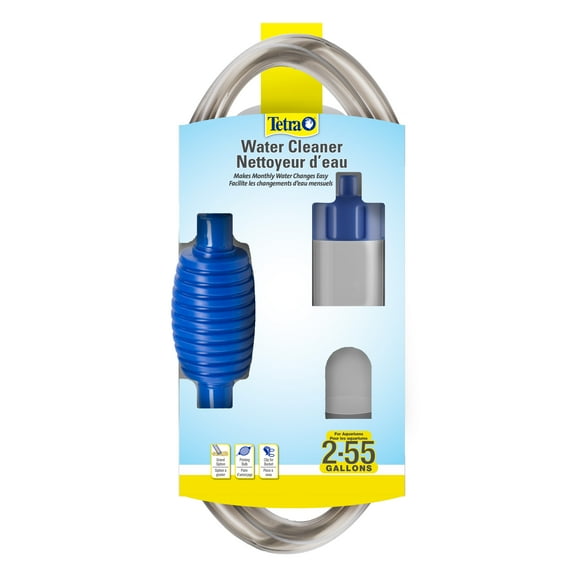
- You can lift debris from gravel with vacuums and siphons.
- You can place plants and decor precisely with long tweezers for fish tank setups.
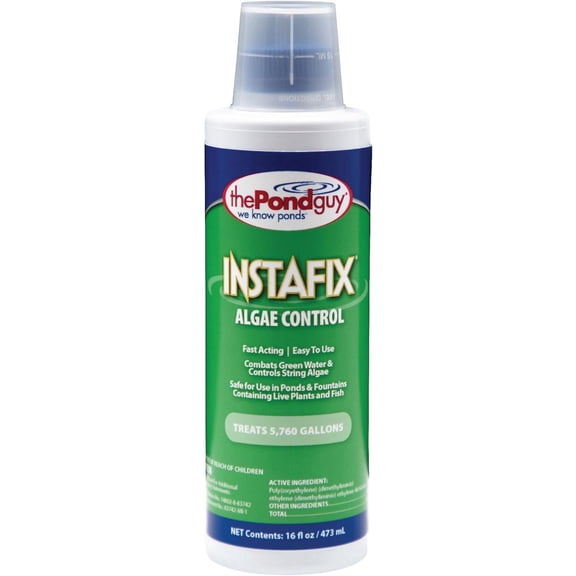
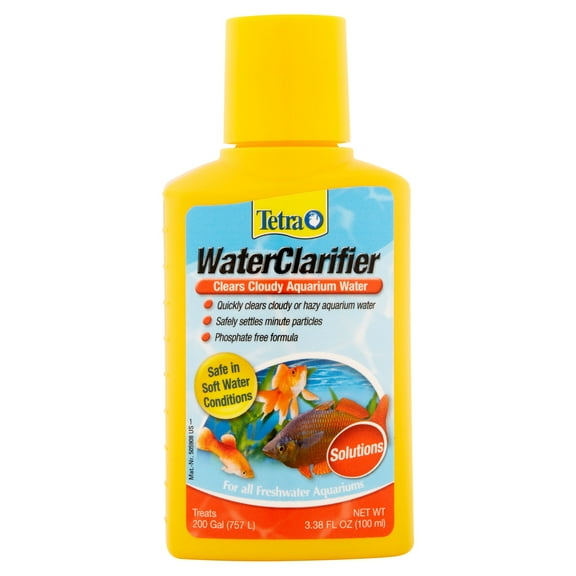
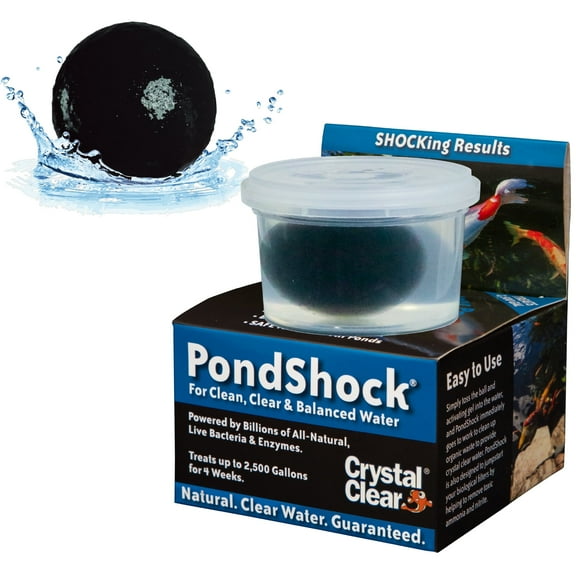
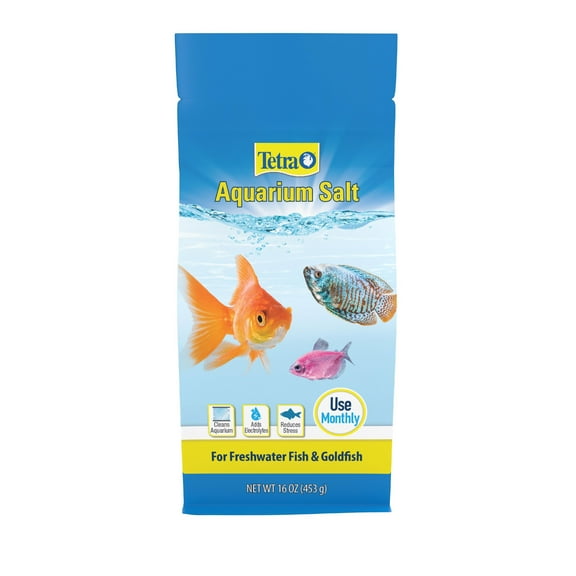
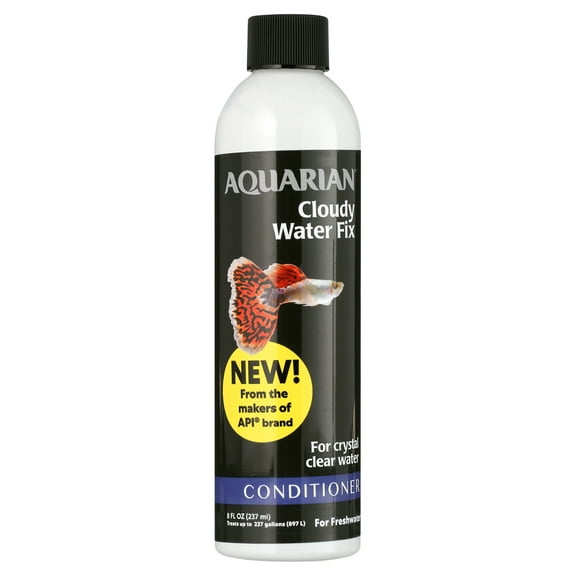
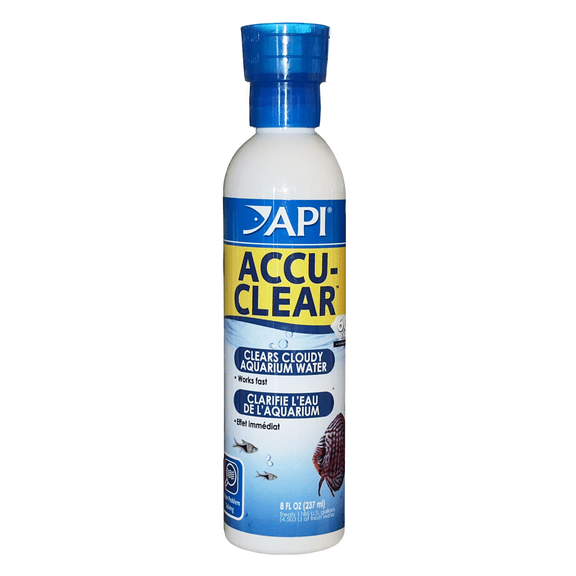
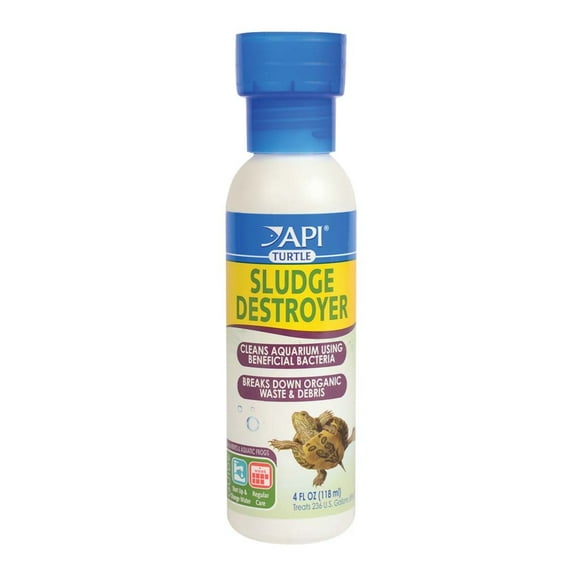
- You can improve water appearance with aquarium water cleaner and clarifier options.
- You can check labels for fish safe, reef safe, or beta safe use before treating your tank.
How to compare aquarium cleaning supplies
You should compare tank material compatibility before choosing any fish tank cleaning tool. You'll want gentler options for acrylic because rough pads and rigid blades can leave visible marks.
If you maintain a glass aquarium, you may consider scrapers designed for stronger surface contact. If you clean acrylic panels, you should look for softer heads, nonabrasive pads, and tool tips made for delicate walls.
You can also compare handle length and grip design for comfort during weekly care. You'll notice longer tools help you reach deep tanks without soaking your sleeves or disturbing decorations.
When you review tool type, you should match tweezers, brushes, and siphons to your setup. You'll use tweezers for plant placement, brushes for narrow tubing or ornaments, and siphons for waste removal.
If your tank includes driftwood, rocks, or planted zones, you may need more than one cleaning approach. You'll often combine a brush for detail work with a vacuum for substrate and a scraper for viewing panels.
Choosing aquarium water cleaner and liquid treatments
You should use water treatments as a decision point, not an afterthought. You'll want to compare clarifier, conditioner, and algaecide labels based on what your aquarium needs during regular maintenance.
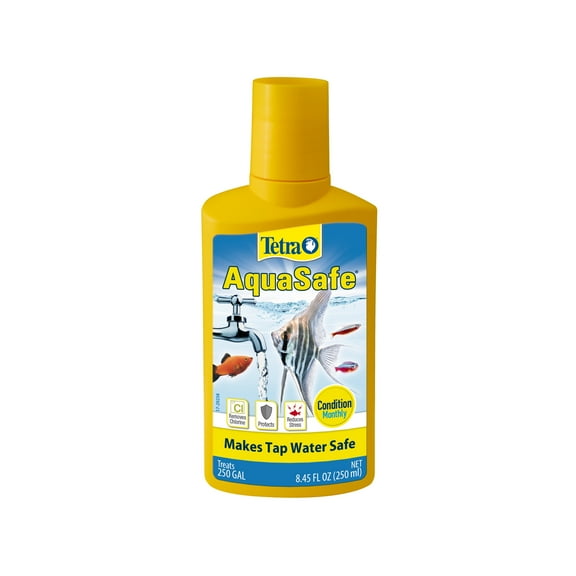
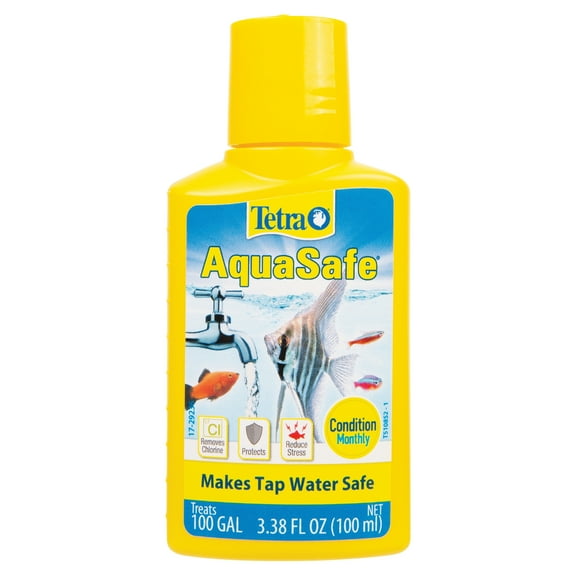
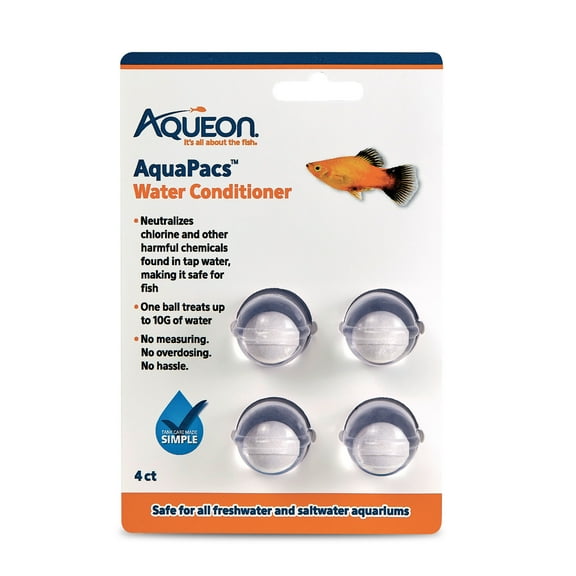
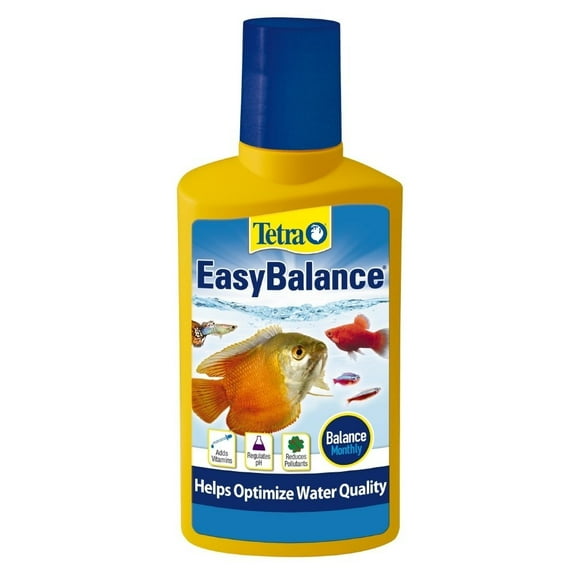
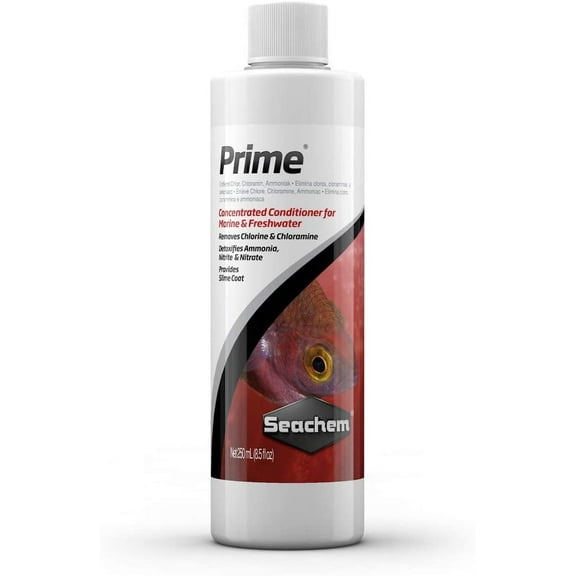
If your water looks hazy, you may look at an aquarium water cleaner or clarifier. If you're preparing tap water during changes, you may check conditioner formulas that fit freshwater or saltwater routines.
You should read directions closely when you compare a fish tank cleaner liquid for different tank sizes. You'll get a more predictable routine when dosage guidance matches your gallon count and treatment schedule.
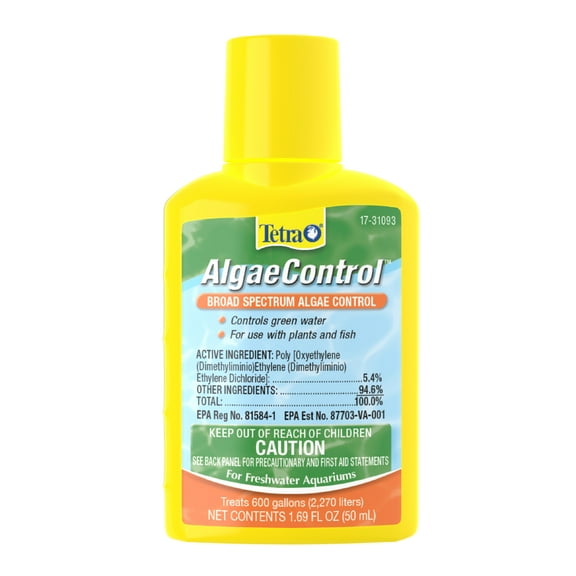
When you keep delicate fish, you should check whether a formula is fish safe, reef safe, or beta safe. You'll want species-specific guidance if your tank includes bettas, shrimp, snails, or corals.
You may also look for familiar maintenance brands, including options from prime fish or aqua cura. You'll still want to compare format, intended use, and label directions so your choice fits your aquarium routine.
What to look for in long tweezers for fish tank care
You should measure tank depth before choosing long tweezers for fish tank planting and cleanup. You'll get easier access to foreground plants, feeding spots, and decor gaps when tool length matches your aquarium height.
If you maintain a tall tank, you may prefer extended reach tools that help you work from above. You'll keep your hands drier while placing root tabs, moving stems, or retrieving loose debris.
You can use tweezers to adjust aquascaping without shifting gravel across the whole base. You'll find precise tips especially useful around small plants, caves, and ornaments.
When you compare tweezers with brushes and siphons, you should think about task frequency. You'll often reach for tweezers during planting, while siphons handle water changes and brushes clean tight equipment spaces.
Using fish tank cleaners for common aquarium routines
You can build a cleaner routine by matching products to weekly, monthly, and occasional tasks. You'll usually use scrapers and pads often, while clarifiers or conditioners may fit around water changes and cloudy-water moments.
If you care for a betta aquarium, you may prefer compact tools and clearly labeled beta safe treatments. You'll want gentle flow during cleanup and careful placement tools for smaller tanks and planted layouts.
When you maintain a community tank, you can use a siphon for substrate waste and a scraper for front glass. You'll keep the viewing area clearer while removing leftover food and debris from busy areas.
If you care for a reef or invertebrate setup, you should check reef safe guidance before using liquid treatments. You'll also want tools that let you clean around coral structures and rockwork with more control.
You may need separate solutions for a planted tank with deep substrate and dense decor. You'll benefit from long tools, targeted brushing, and water treatment choices that fit frequent trimming and repositioning.
You can feel more confident when your maintenance kit matches your tank material, depth, and livestock needs. You'll get clearer viewing panels, tidier substrate, and a steadier cleaning routine with the right combination.