


Fake Grass for Dogs in Dog Potty Training





















About Fake Grass for Dogs in Dog Potty Training - Walmart.com
Fake grass for dogs gives you a cleaner potty setup for apartments, patios, and training routines. You can compare drainage, size, and turf type faster when you know what each option means.
How to choose fake grass for dogs
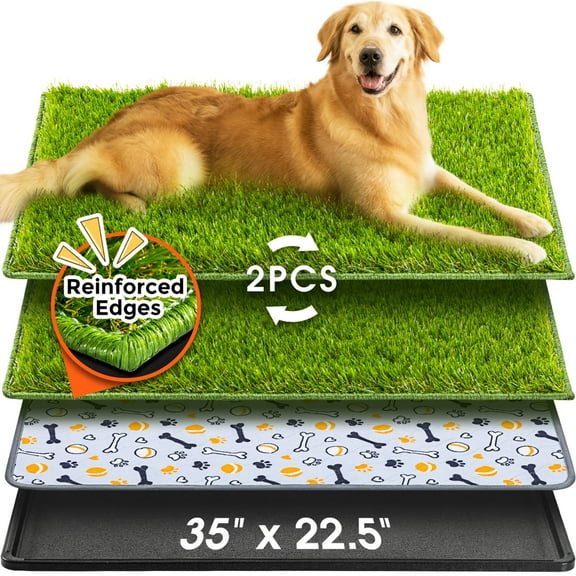
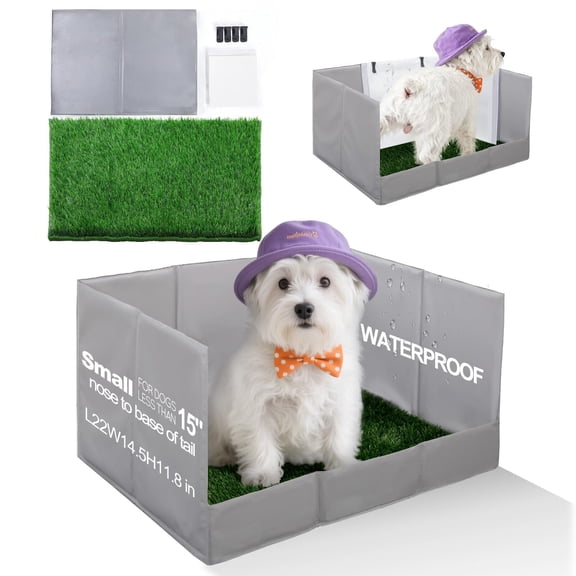
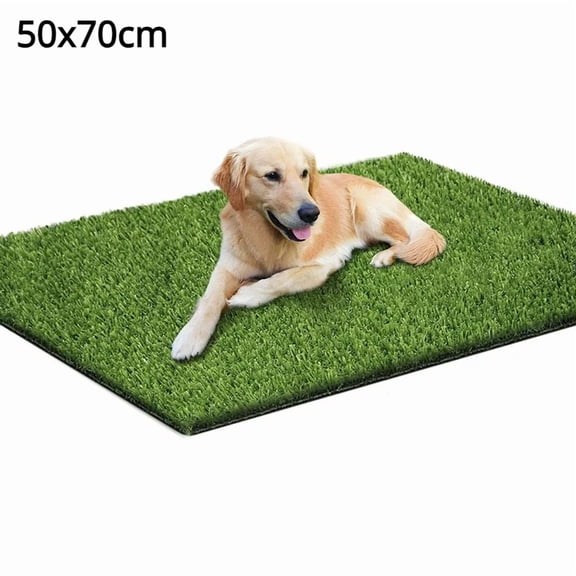
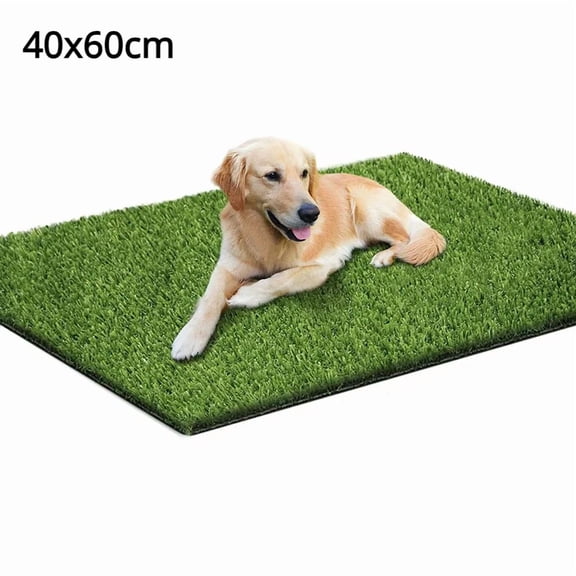
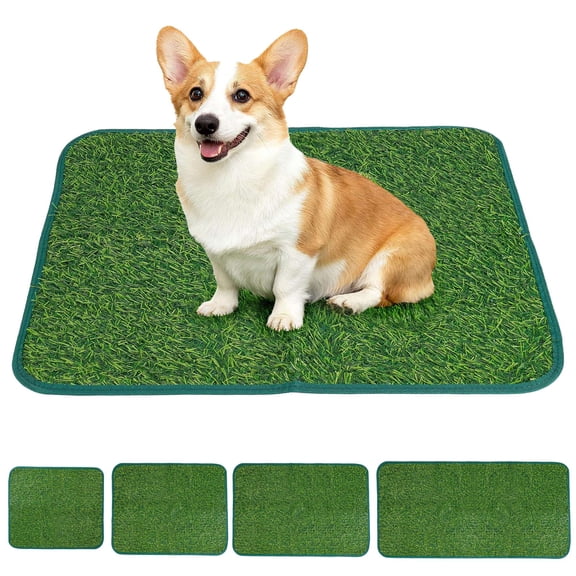
You should start with the space your dog needs to stand, circle, and turn comfortably. You’ll usually want a small pad for toy breeds and a large dog grass pad for bigger dogs.
When you compare dimensions, check both the turf surface and the tray footprint. You’ll want enough room for use without crowding your entryway, balcony, or laundry area.
If you’re training a puppy, you may prefer a size that leaves room for repeat attempts. You can also place larger pads where your dog already returns during the day.
Choosing the right dog grass pad with tray
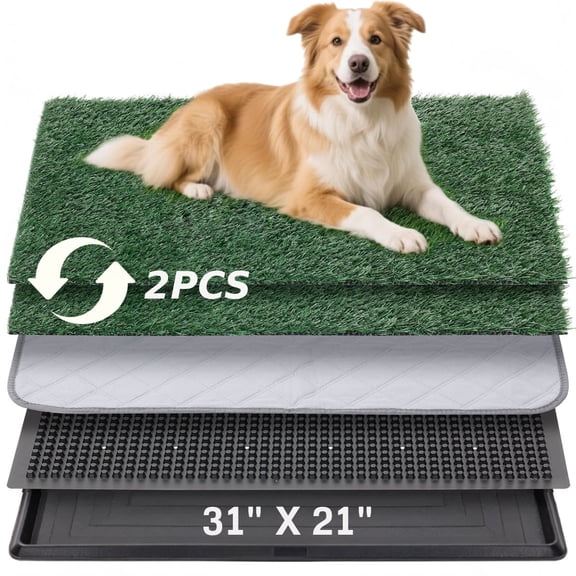
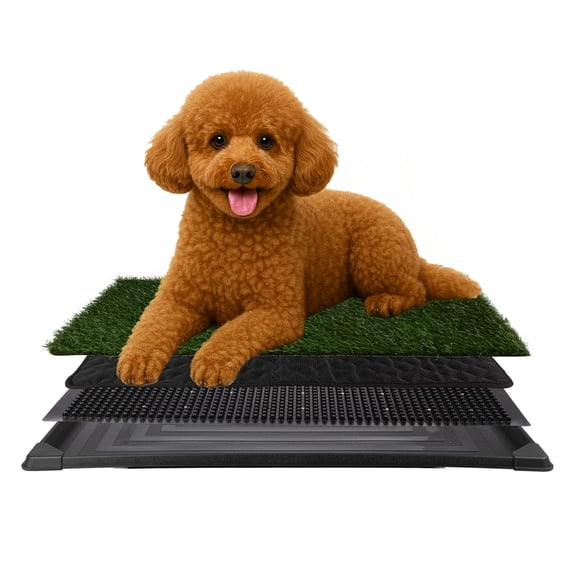
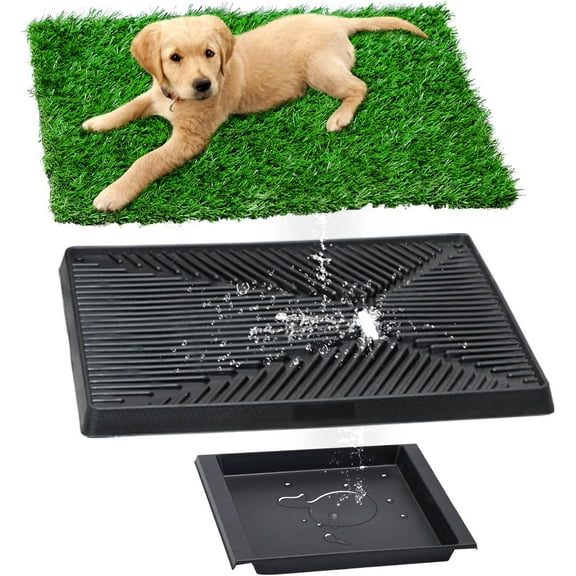
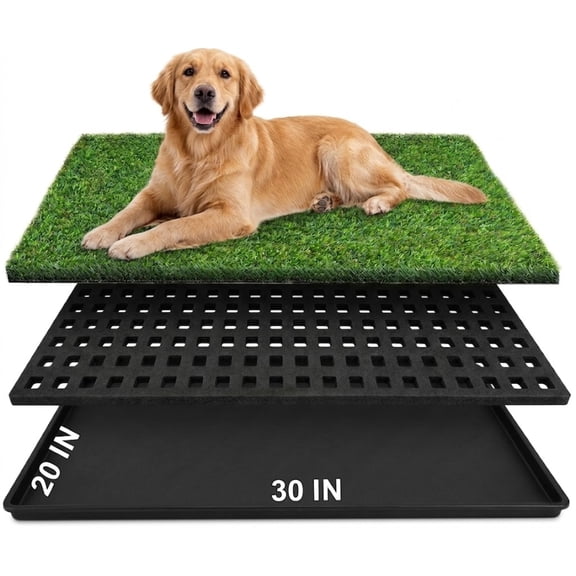
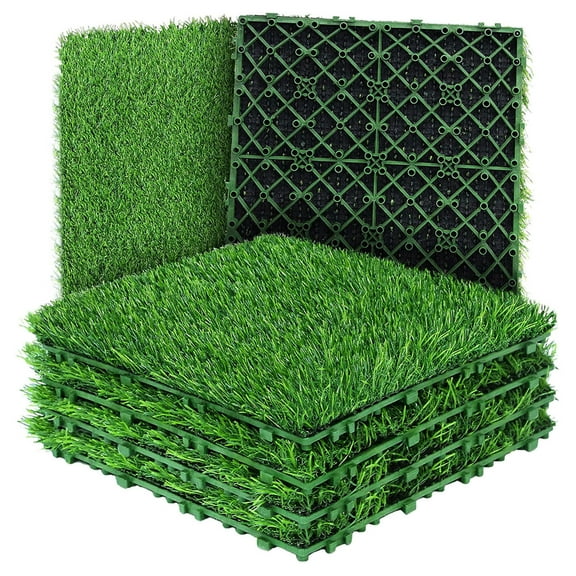
You’ll notice that drainage design changes how much cleanup you handle each day. You can compare a grated tray system, drainage holes, or absorbent puppy pad backing based on your routine.
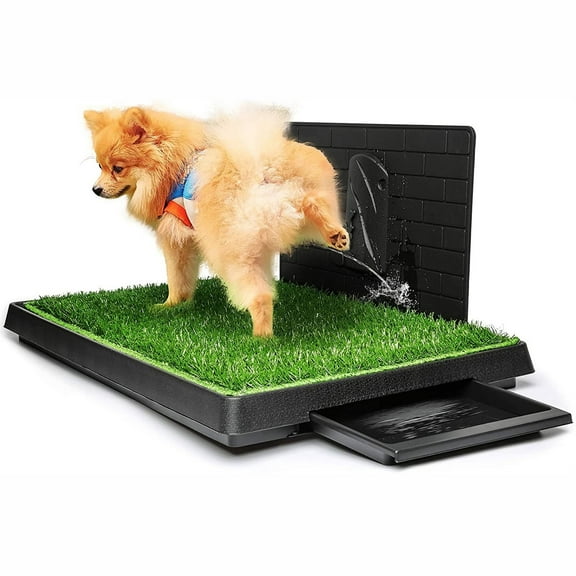
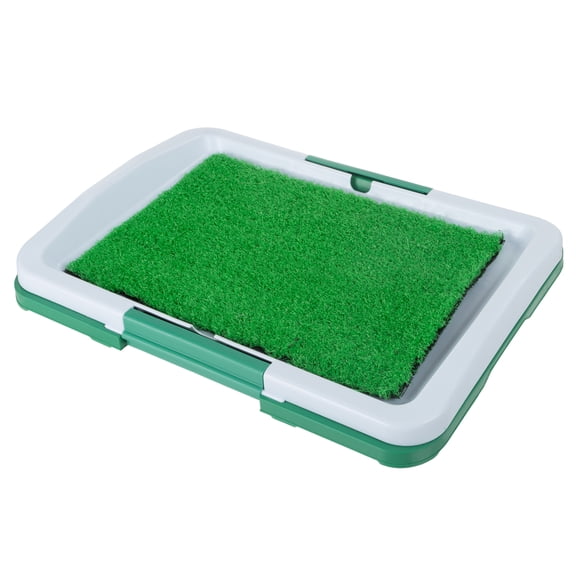
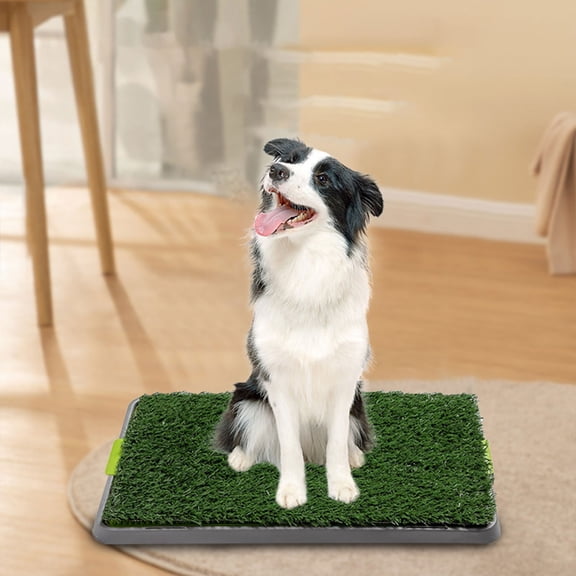
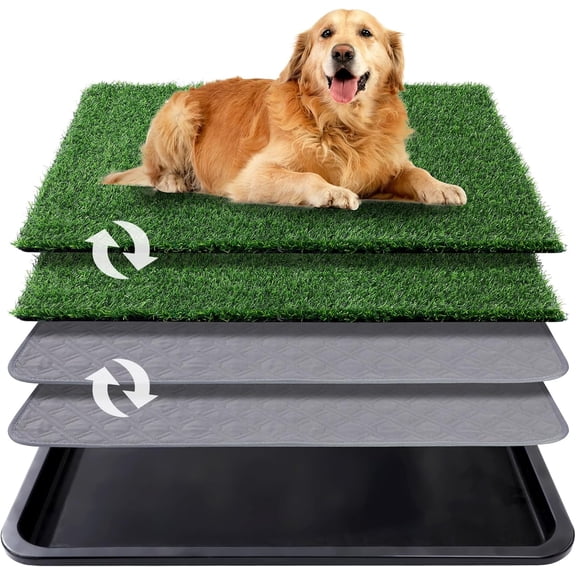
A dog grass pad with tray helps you separate the turf layer from collected liquid below. You can lift the top layer, empty the tray, and rinse the parts with less mess.
If you prefer simpler setups, you may choose drainage holes over a lower tray. You’ll want to check hole density because closer spacing can move moisture through faster.
- You can use grated tray systems when you want a reusable base and quick emptying.
- You may choose drainage holes when you want direct flow and straightforward rinsing.
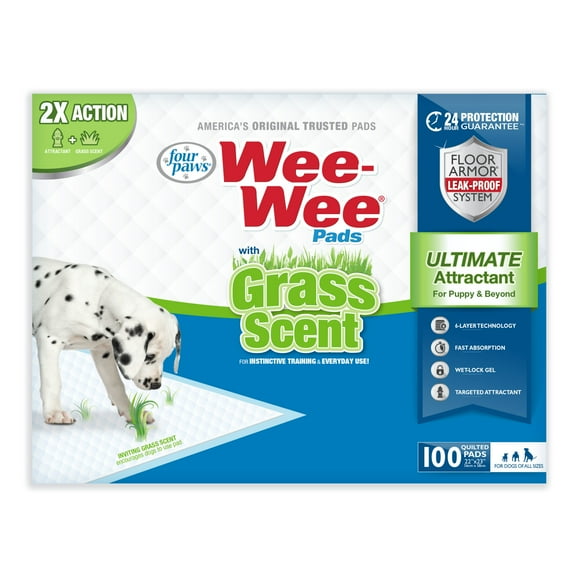
- You can use absorbent puppy pad backing when you want a familiar training setup indoors.
- You should compare layer design when you want less standing moisture on the turf surface.
Comparing artificial grass for dogs and real turf
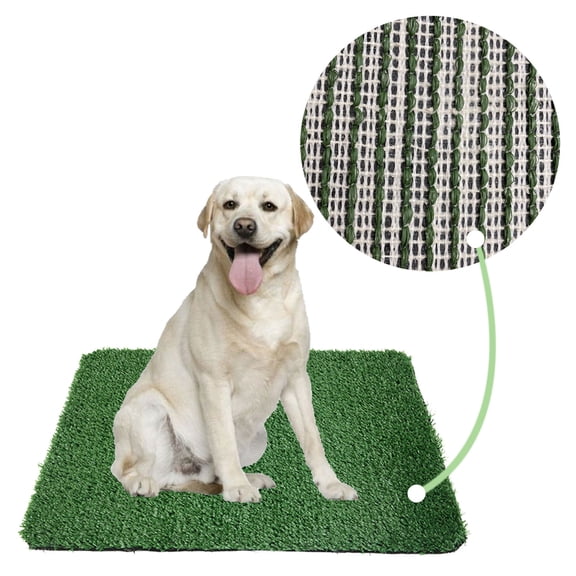
You’ll usually choose between synthetic polyethylene turf, real hydroponic grass, and antimicrobial synthetic grass. You should match the surface feel and upkeep level to your dog’s habits.
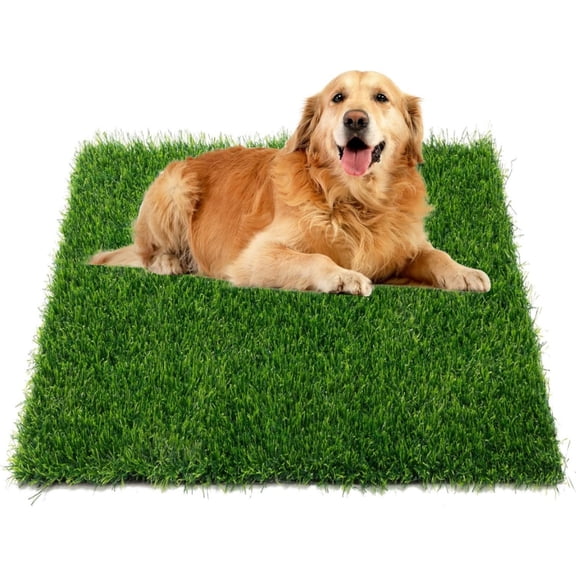
Artificial grass for dogs can give you a consistent texture and a reusable potty station. You can rinse synthetic turf more easily, and you can keep it in place longer.
If your dog seems selective about texture, you may compare real hydroponic grass with synthetic options. You’ll often find that sensitive dogs respond differently to softer blades or denser turf.
When odor control matters, you should look closely at antimicrobial backing and turf construction. You can pair those details with good drainage to support a fresher indoor setup.
Indoor grass for dogs and location-based setup
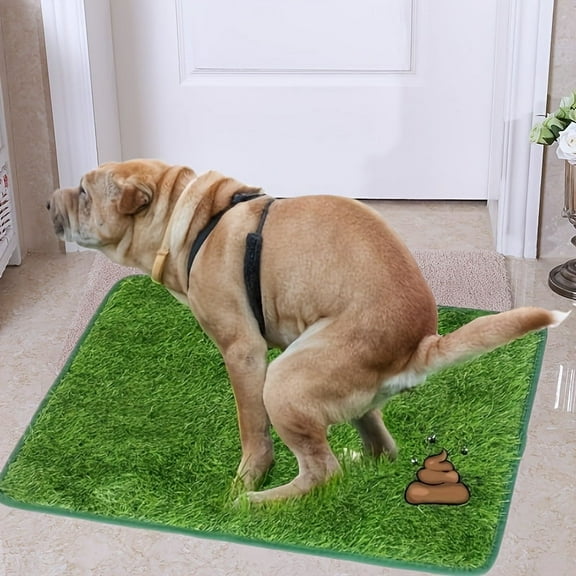
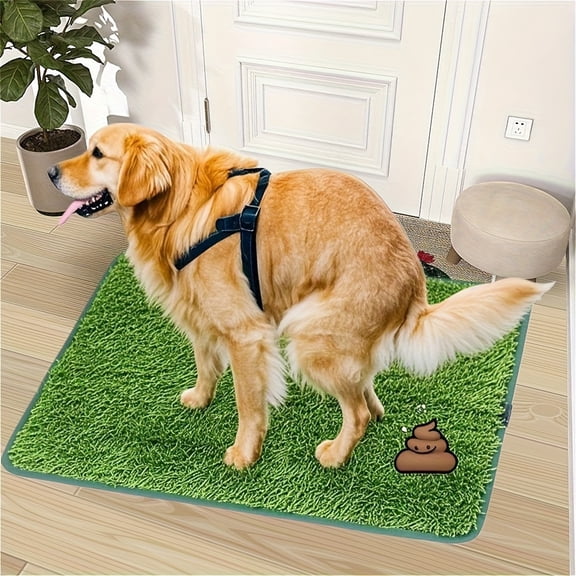
You should choose placement based on your home layout and daily schedule. You can use indoor grass for dogs in apartments, on balconies, on patios, or in an RV.
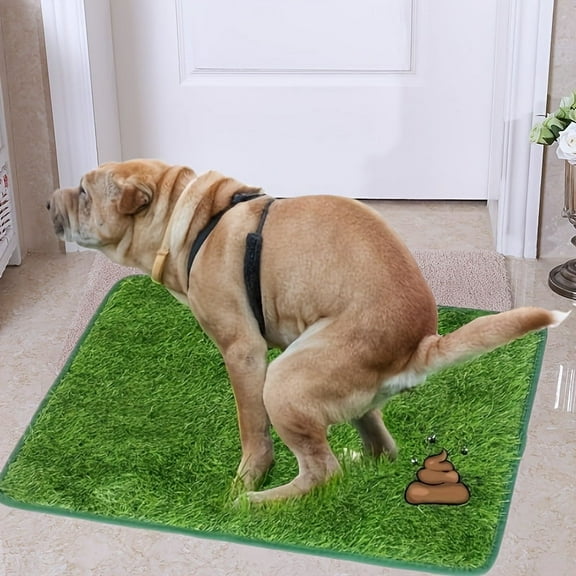
For indoor potty training, you’ll want a spot with easy floor cleanup and enough clearance. You can place the pad near a door, in a bathroom, or beside a crate area.
On an apartment balcony, you should measure door swing and walking space before choosing a tray. You’ll also want a stable base that sits flat on concrete or decking.
For an outdoor patio, you may prefer a larger turf area that handles repeat use. You can rinse many setups with water, then let the layers dry before reuse.
If you travel in an RV, you’ll likely need a compact footprint and easy storage. You can choose a lighter system that lifts quickly when you need to move.
What to look for in cleaning and maintenance
You should compare how often you’ll rinse turf, replace liners, or empty a tray. You can keep maintenance easier by matching the system to your schedule.
A fake grass pee pad with removable layers can simplify regular cleaning. You can separate parts, rinse surfaces, and reassemble the setup without much downtime.
If you use synthetic turf for dogs indoors, you should check how the backing handles repeated rinsing. You’ll also want edges that stay flat instead of curling after cleaning.
When you compare dog potty grass options, look for surfaces that dry without trapping extra moisture. You can reduce cleanup frustration when drainage and tray depth work together.
Matching the setup to your dog’s routine
You should think about how often your dog uses the pad and at what times. You can choose different combinations for puppies, adult dogs, and homes with long workdays.
For first-stage potty training, you may want absorbent backing and a defined tray area. You can create a repeatable target that helps your dog learn where to go.
If your dog already knows the routine, you might prefer a reusable synthetic turf system. You’ll get a dependable surface that fits steady daily use on a patio or indoors.
For multi-dog homes, you should consider a larger size and stronger drainage path. You can keep the surface more manageable when each layer is easy to remove and rinse.
When you compare fake grass for dogs across sizes, materials, and drainage styles, you can narrow choices with less guesswork. You’ll end up with a potty setup that fits your space, cleaning habits, and dog’s comfort.