

Pest Traps in Insect and Pest Traps











About Pest Traps in Insect and Pest Traps - Walmart.com
You can compare pest traps by target pest, trap type, and placement, so your home, garage, kitchen, or garden setup feels more precise. You’ll also find choices that support cleaner handling, simpler disposal, and use around busy households.
When you shop this category, you’re usually narrowing down one problem instead of guessing across unrelated products. You’ll get more useful results when your pest trap matches the pest, the location, and the cleanup style you prefer.
How to choose pest traps by target pest
You should start with the specific pest you want to catch, because mice, rats, flies, ants, roaches, and spiders move differently. You’ll usually need different trap shapes, entry points, or surfaces for each one.
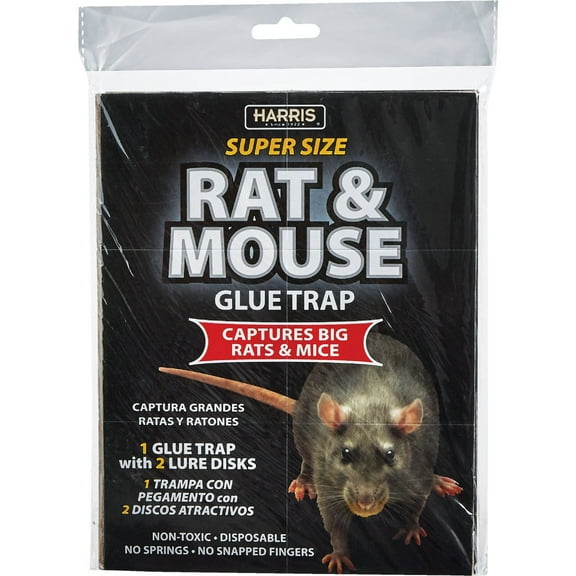
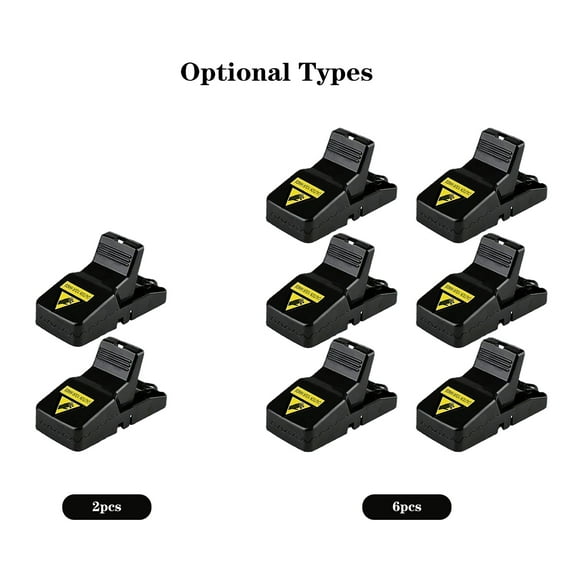
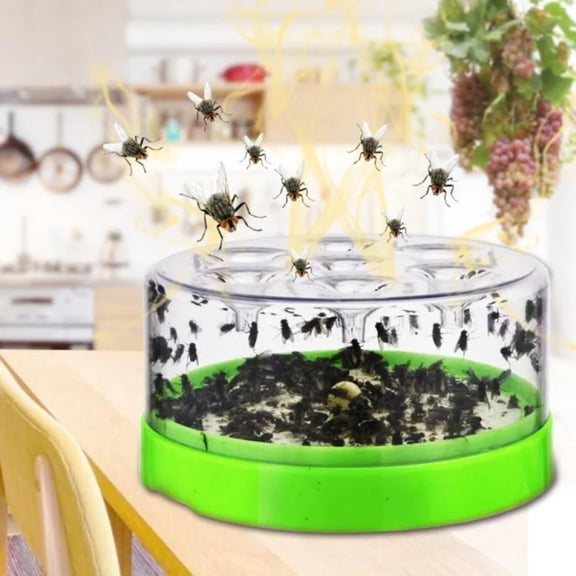
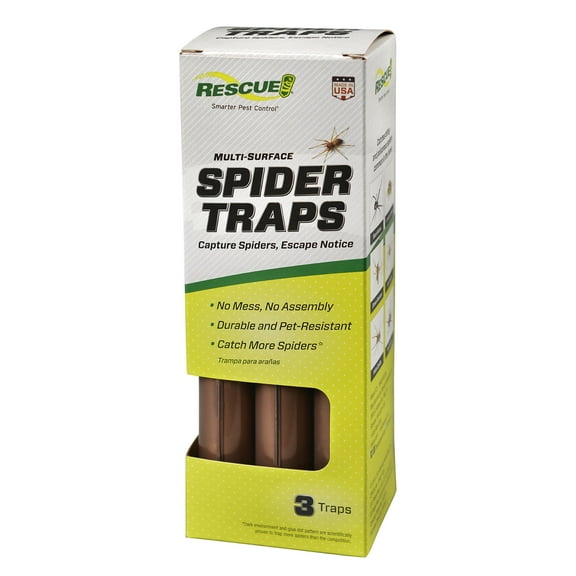
For mice and rats, you may compare snap trap, electronic, humane live catch, and bait station formats. For flies, roaches, ants, and spiders, you may focus more on bug board and sticky adhesive options.
You’ll often get a cleaner fit when you choose traps for pests based on how they travel through your space. If you’re placing traps along baseboards, corners, or pantry edges, you should look for low-profile designs.
- You can match snap traps to rodent paths in kitchens, garages, and utility spaces.
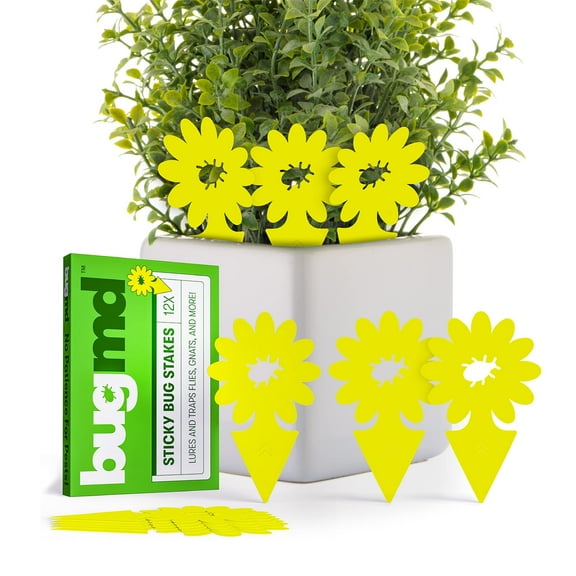
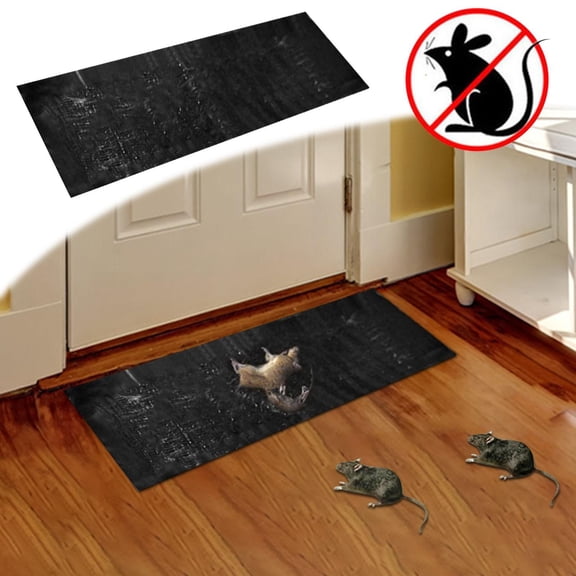
- You can use bug board styles where crawling insects pass through tight edges and hidden spots.
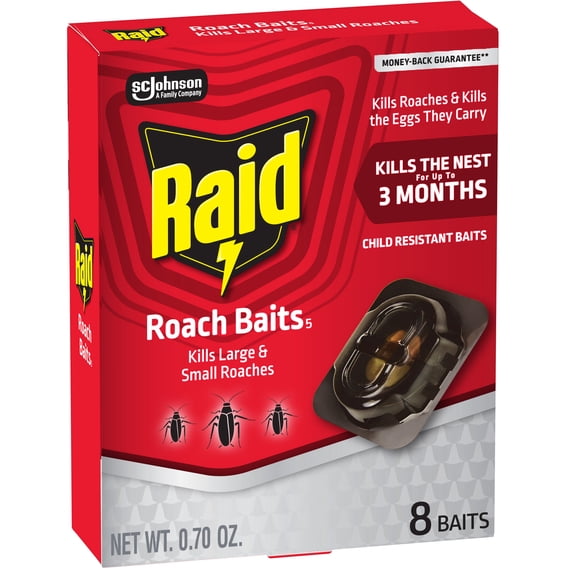
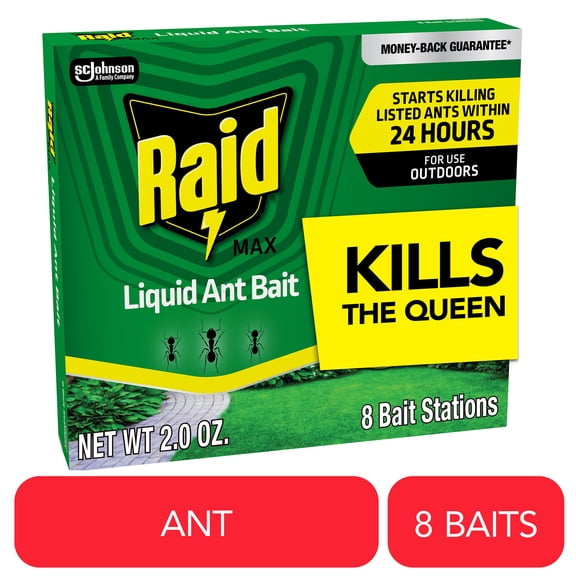
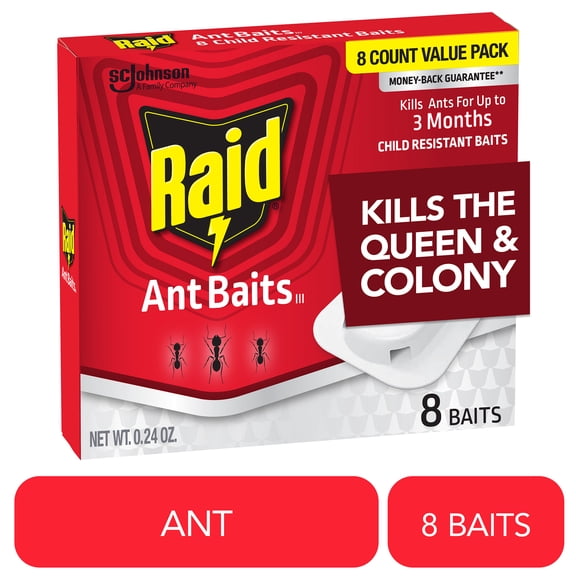
- You can compare bait station designs when you want a more enclosed pest control trap.
- You can pick humane live catch options when you prefer catch-and-release handling.
Choosing traps pest control shoppers often compare
You’ll usually compare glue board, snap trap, electronic, humane live catch, and bait station designs first. Each format changes how you place the trap, how often you check it, and how you handle disposal.
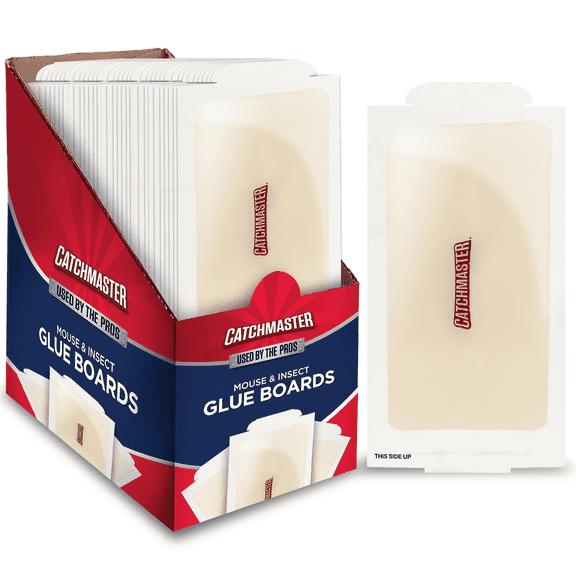
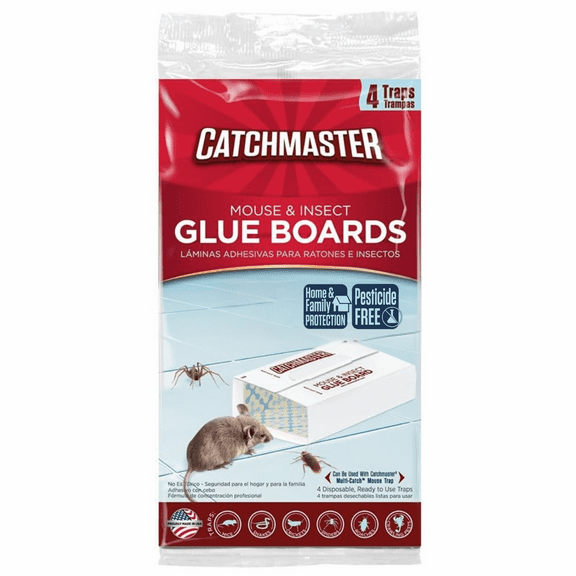
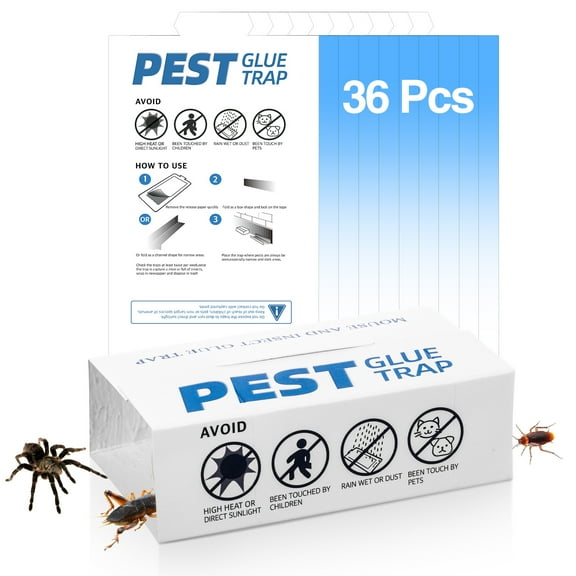
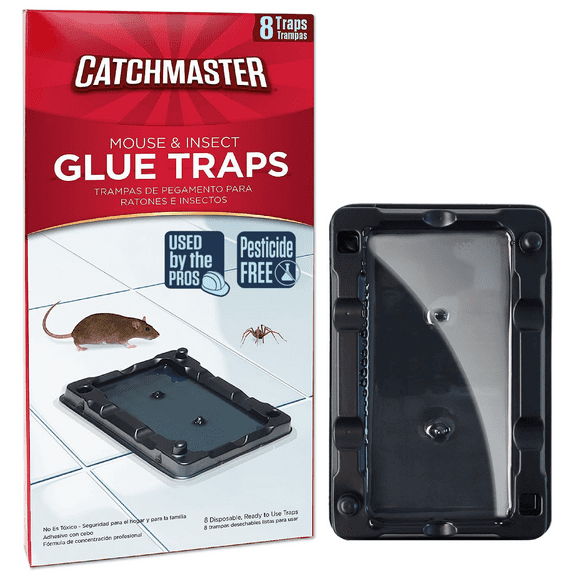
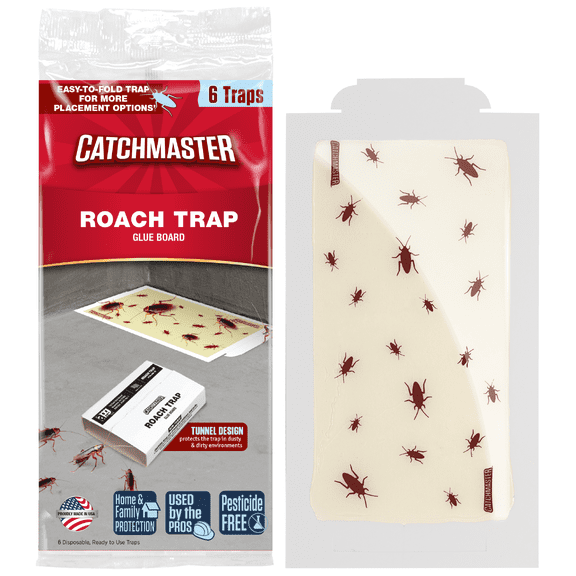
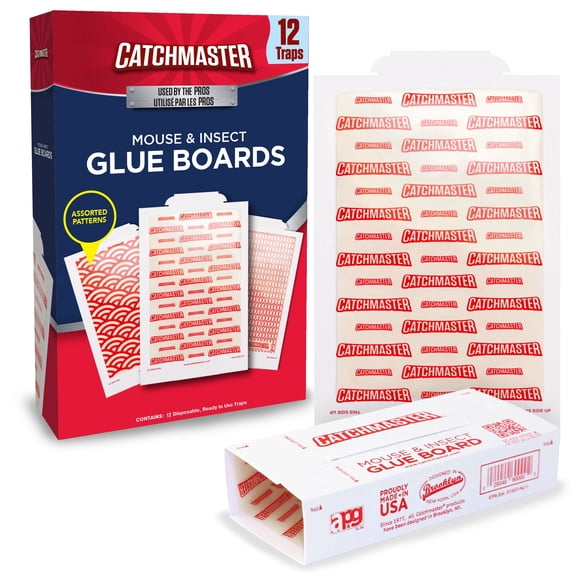
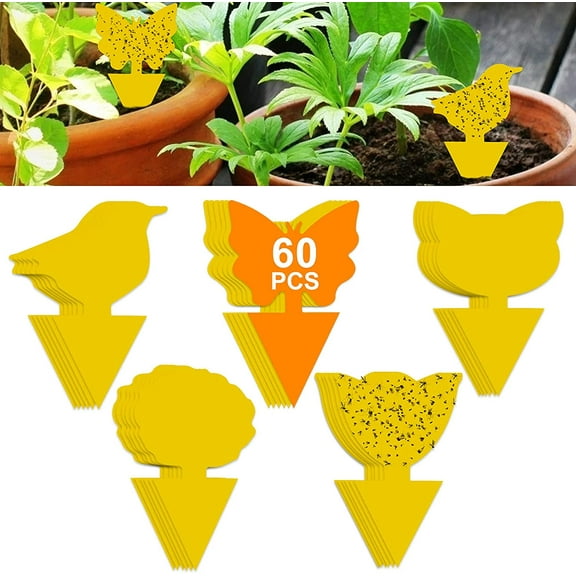
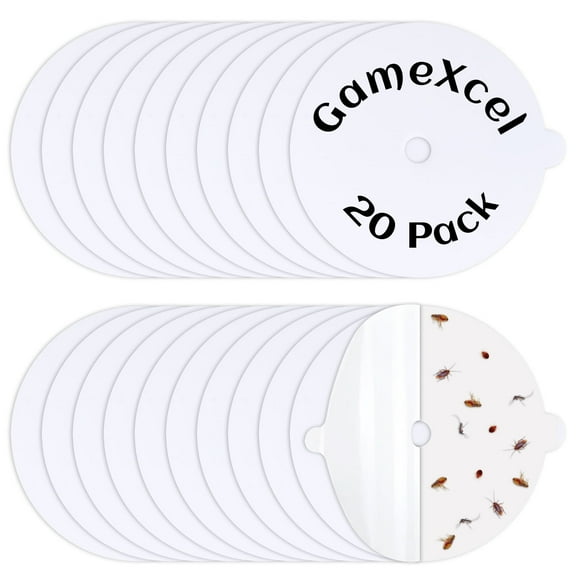
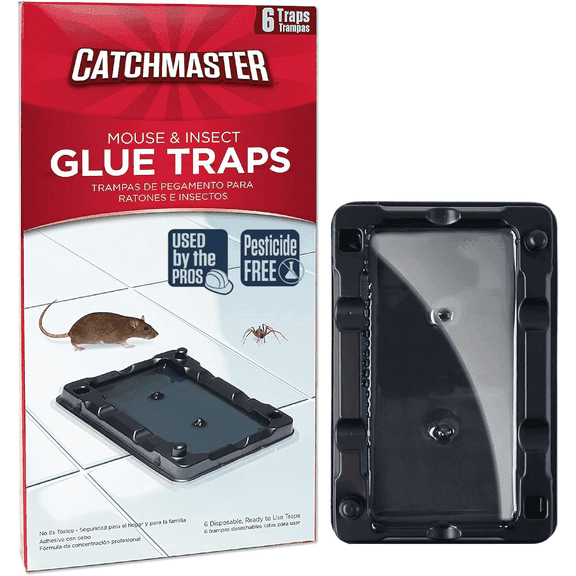
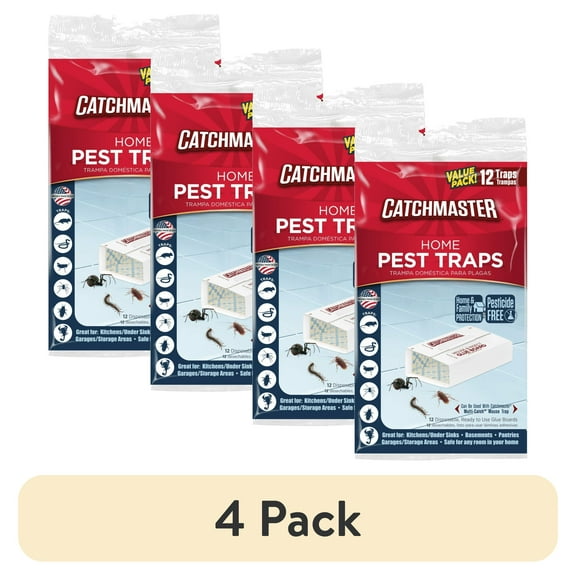
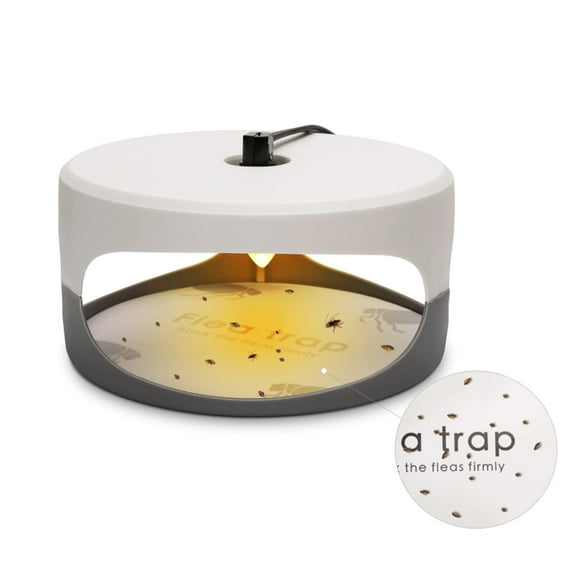
Glue board and bug board styles help you monitor activity in narrow spaces with quick visual checks. You can slide them under sinks, behind appliances, or near garage shelving where crawling pests travel.
Snap trap designs give you a mechanical option that’s compact and direct for rodent paths. You should check trigger style, trap size, and whether the design supports touch-free emptying.
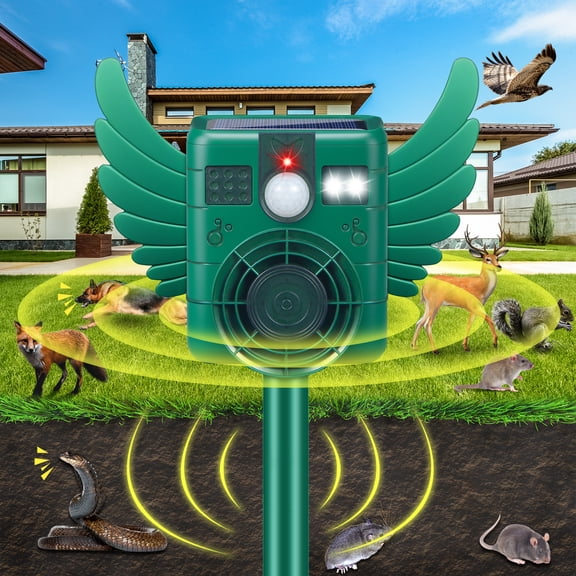
Electronic options can suit indoor areas where you want a contained unit and less visible mess. You’ll want to confirm the power source, coverage area, and whether the unit is reusable.
Humane live catch traps help you choose a non-sticky, non-snap method for certain pests. You can compare door style, viewing windows, and carrying design if easier release matters to you.
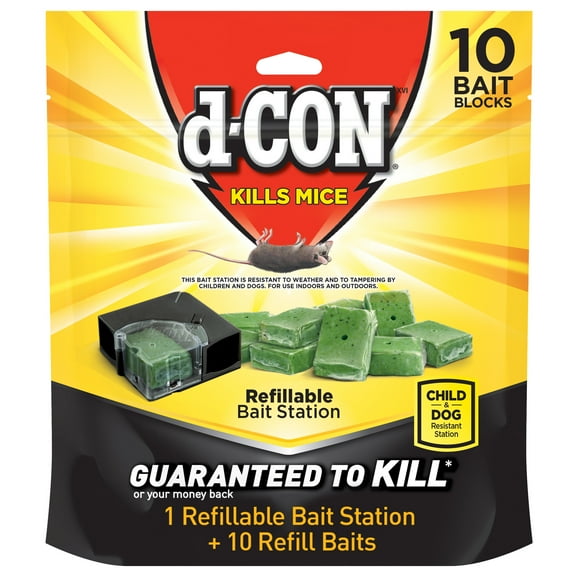
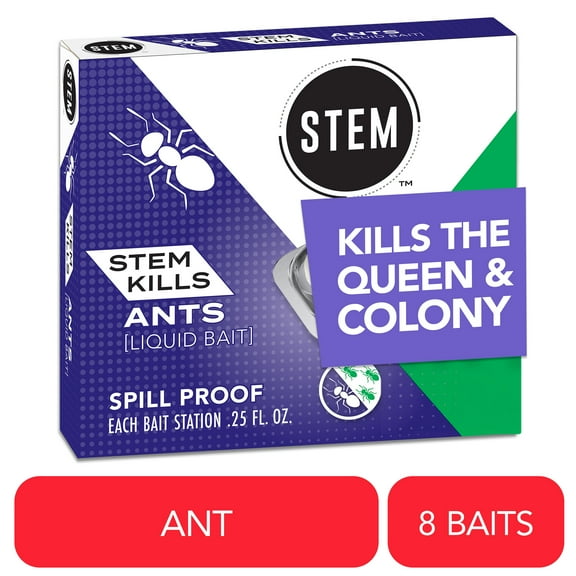
Bait station formats give you an enclosed setup that can look tidier in active areas. You should review the mechanism, placement guidance, and whether the design works for indoor or outdoor use.
What to look for in bug board and other trap features
You can narrow your options faster when you compare disposable, reusable, and multi-catch formats. That decision affects how often you replace the trap and how much contact you have during cleanup.
Disposable styles can work well when you want quick placement and simple replacement after use. Reusable and multi-catch designs can fit longer routines in garages, sheds, and other repeat-activity zones.
You should also check whether a trap is labeled for indoor, outdoor, kitchen, garden, or garage placement. Weather exposure, moisture, and foot traffic can change which outdoor pest traps make sense for you.
If you’re placing traps in a kitchen, you may want compact designs that fit under sinks or behind bins. If you’re covering a garden or patio edge, you should look for outdoor-ready construction.
You can also compare chemical-free, poison-free, scented bait, and sticky adhesive mechanisms in plain terms. That helps you choose the level of enclosure, scent, and direct contact you’re comfortable using.
For homes with pets or children, you’ll want to check whether the capture area is exposed or enclosed. You can often simplify placement by choosing covered designs for open household spaces.
Using pest traps in real household spaces
You can set pest traps more effectively when you match them to the room and the pest’s travel pattern. That means your garage plan may look different from your pantry or backyard setup.
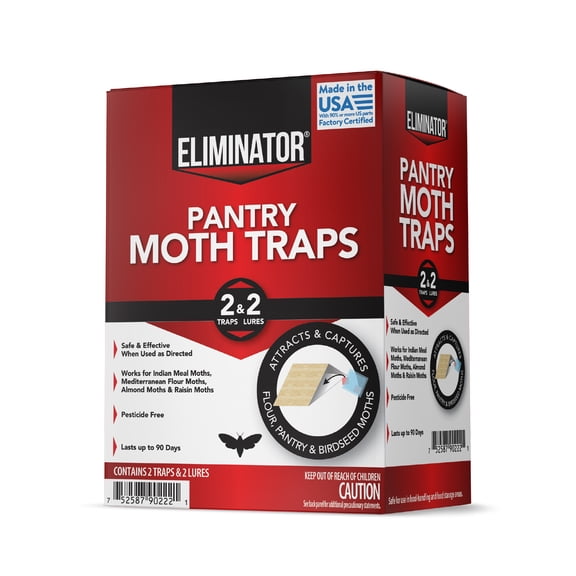
In kitchens, you may place bug board options near cabinets, sinks, or appliances where crumbs and moisture attract activity. You’ll usually want slim designs that fit hidden spaces without blocking daily movement.
In garages, you can compare rodent-focused snap trap, electronic, or multi-catch designs for repeat traffic near walls. You should look for reusable construction if you monitor the area often.
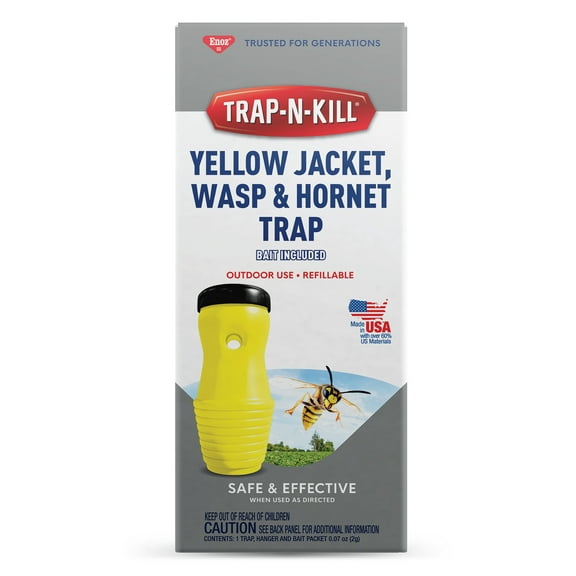
For gardens, patios, and other outdoor zones, you’ll want outdoor traps that you can place in changing weather. You can check placement notes and housing design before choosing a pest control trap for exterior use.
If you’re managing mixed activity, you may combine a pest trap for rodents with bug board coverage for crawling insects. You’ll create a more targeted setup when each trap matches a specific route.
Cleanup also matters when you’re deciding between killer traps, enclosed stations, or live catch designs. You can reduce handling by choosing touch-free release, covered capture areas, or replace-and-discard formats.
You can get more dependable results when your trap choice matches the pest, the location, and the cleanup routine you can maintain. With that approach, your pest traps setup can feel more organized, targeted, and manageable.