

Lantern Pendant Lights











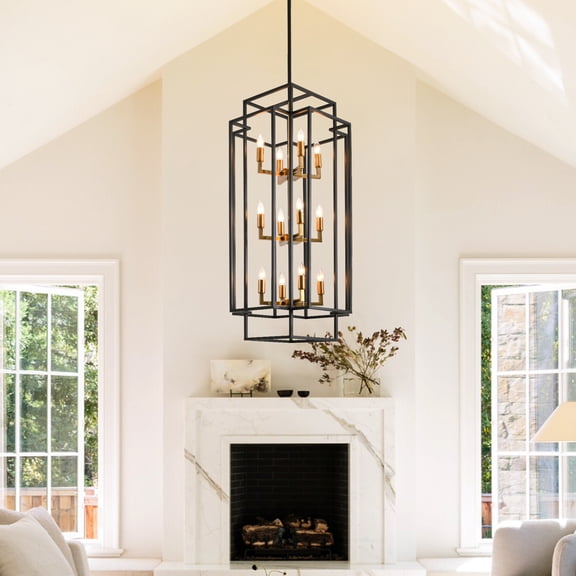

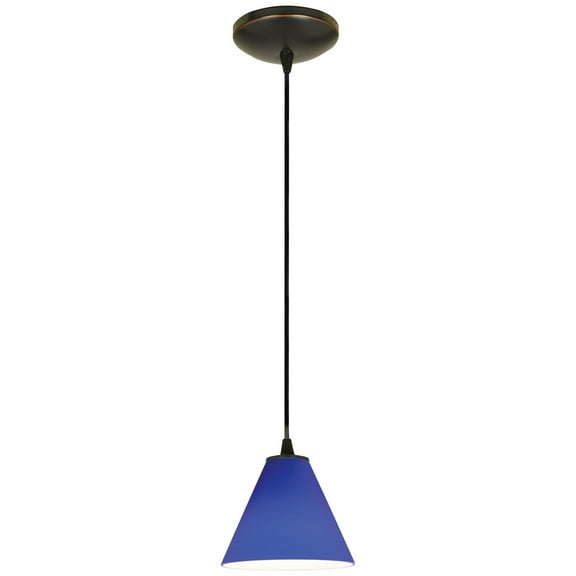
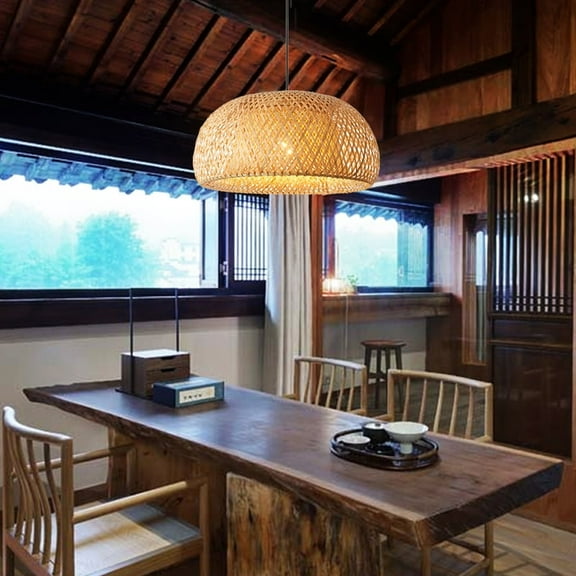
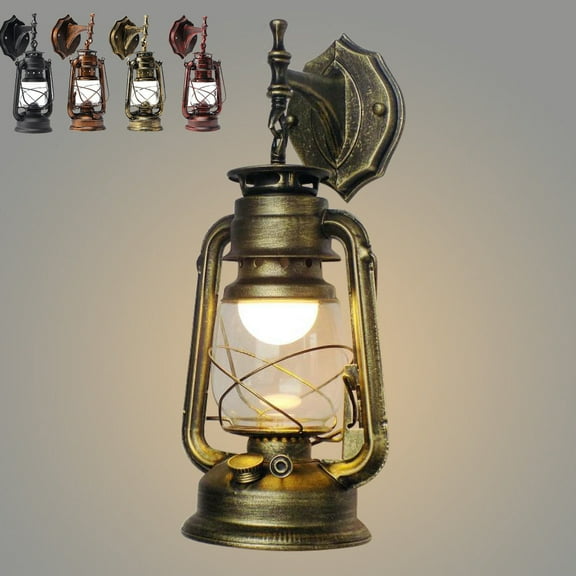










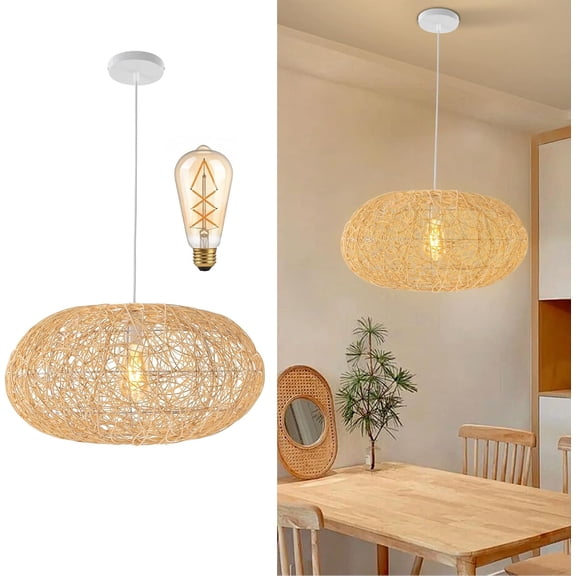

About Lantern Pendant Lights - Walmart.com
Lantern pendant lights help you frame your entry, island, or dining area with defined style and overhead illumination. You can compare shape, finish, and hanging details to match your room and ceiling height.
You may want a fixture that feels lighter than a chandelier but more architectural than a basic pendant. You'll notice lantern silhouettes add visible structure through open frames, glass panels, and multi-light forms.
Choosing lantern pendant lights by placement
You should start with placement because your room size and traffic pattern affect scale and hanging height. You can use foyer lantern pendant lights to create a clear focal point in tall, open entries.
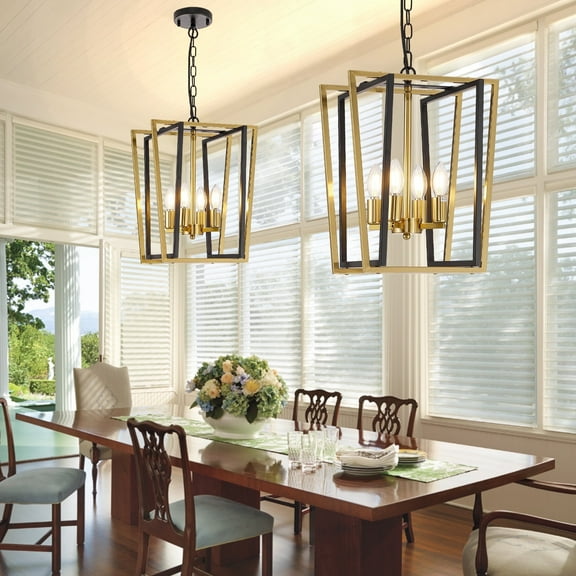
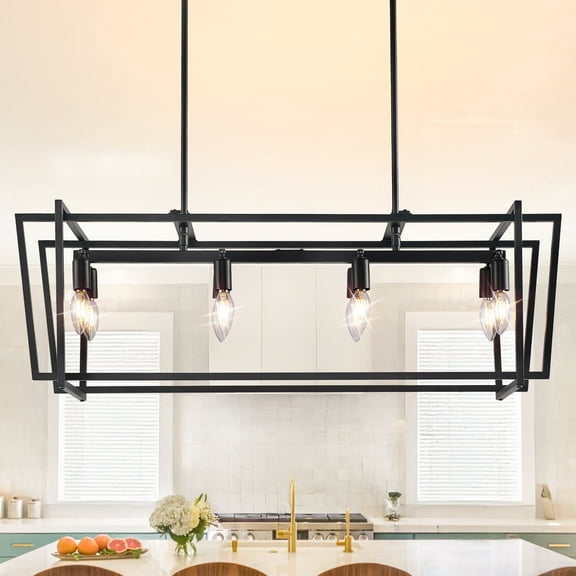
Over an island, you may prefer kitchen island lantern lights with a narrower frame or a linear grouping. In a dining room, you can center a larger lantern to anchor the table visually.
For a covered porch or entry, you should check whether your fixture is rated for the space. You'll want outdoor lantern pendant lights with the right UL damp or wet rating.
- You can use foyer styles to fill vertical space in two-story entries.
- You may choose island-friendly sizes when you need light without blocking sightlines.
- You should look for outdoor ratings when your ceiling sits near humidity or weather exposure.
- You can coordinate dining room fixtures with wall sconces or chandeliers for a consistent lighting story.
How to compare style, finish, and frame details
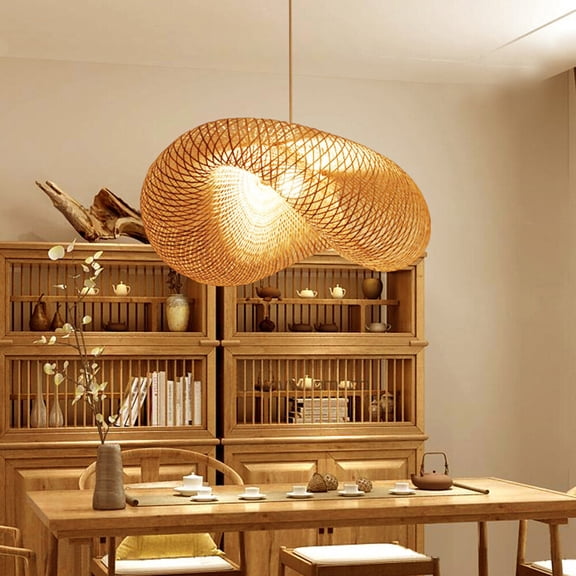
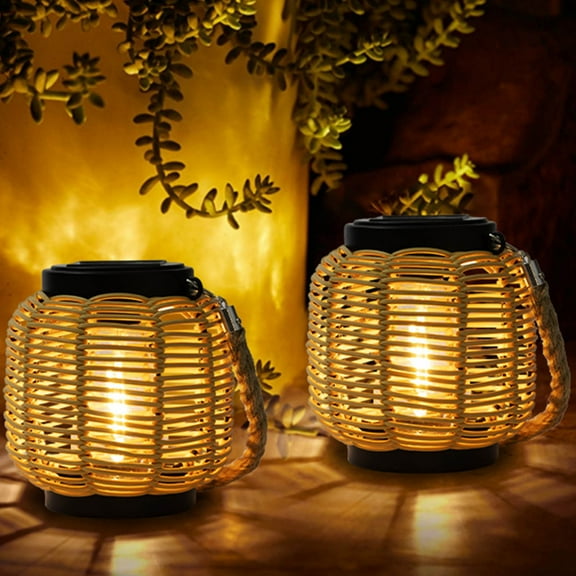
You can narrow your options quickly by choosing a style direction before you compare exact measurements. If your space has wood tones and textured finishes, rustic lantern pendant lights often feel more at home.
When your room leans cleaner and simpler, you may prefer modern farmhouse or traditional interpretations. You can also explore an industrial lantern pendant look when your space includes metal accents or exposed hardware.
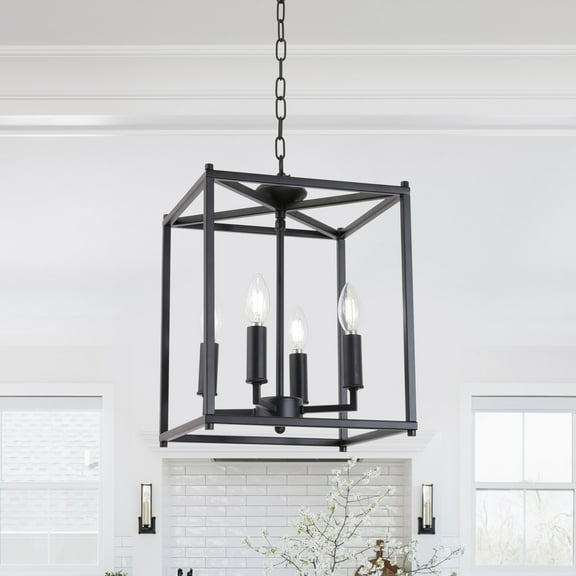
Finish matters because your fixture acts like visible jewelry for the room. You might choose a black lantern pendant light for sharp contrast, or brushed nickel for a softer metallic note.
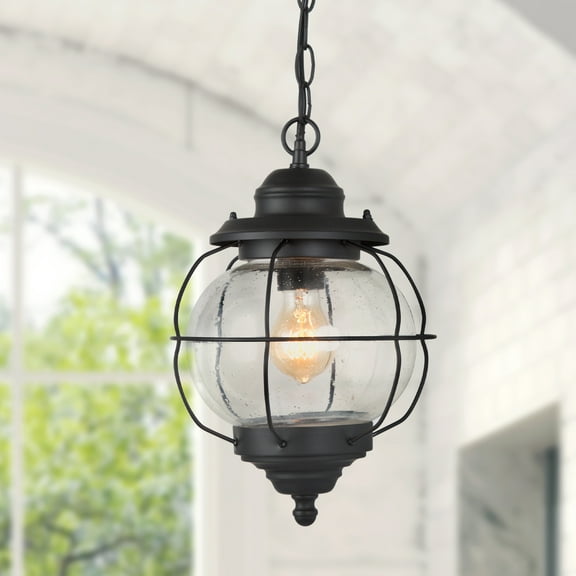
Antique brass and bronze can warm up wood furniture, stone floors, and classic trim. You'll also want to compare open-frame designs with a glass lantern pendant style.
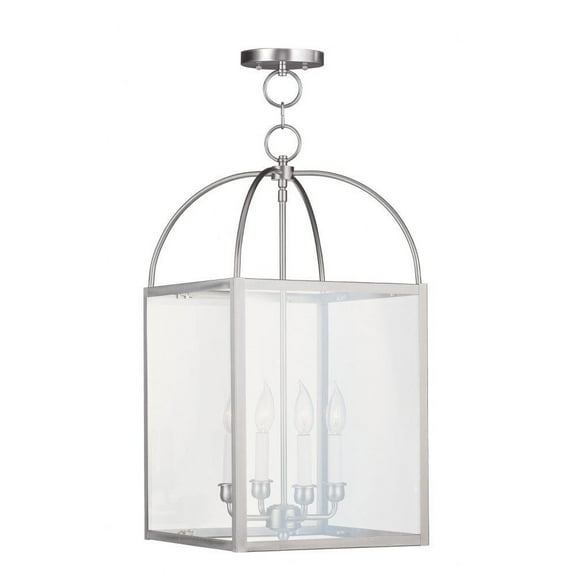
Open frames can feel airy and architectural, especially in compact spaces or over islands. Glass panels can look more enclosed and polished, while also changing how the bulbs remain visible.
What to look for in size, chain length, and canopy width
You should measure before you choose because lantern shapes read larger than many dome pendants. Your ceiling height, room width, and table or island length all affect what looks balanced.
Chain length is a decision-critical detail because it affects both proportion and clearance. You should check whether the hanging length works for a tall foyer, standard dining room, or lower kitchen ceiling.
Canopy width matters because it needs to fit your junction box area cleanly. You may also want a canopy that looks scaled to the lantern frame, not overly small or visually heavy.
You can compare one-light, three-light, and four-light cluster options based on room size and desired presence. A one-light lantern often suits smaller zones, while larger multi-light forms can fill taller spaces.
Bulb compatibility also shapes the final look because lantern frames often leave bulbs partially visible. You should check bulb base type and exposure if you want a softer glow or a more decorative bulb style.
Choosing indoor or outdoor lantern pendant lights
You shouldn't assume every lantern works in every location because ratings differ by intended placement. You should compare dry rated, damp rated, and wet rated fixtures before you install.
Dry rated options usually fit indoor rooms like foyers, hallways, and dining spaces. Damp rated fixtures usually suit covered outdoor entryways where moisture is present but direct exposure is limited.
Wet rated fixtures are designed for more exposed outdoor conditions. You should check your porch or entry coverage carefully so your fixture matches the environment.
You can also use this rating check to compare hanging lantern lights across adjacent categories. If your project moves from an indoor foyer to a covered porch, your rating choice becomes especially important.
Installation basics and room-by-room use cases
You can simplify your decision by matching fixture features to the way your room functions every day. In a foyer, you may want a taller lantern with adjustable chain for a centered, balanced drop.
Over a kitchen island, you might prefer a slimmer frame that keeps views open across the counter. In a dining room, you can choose a broader lantern shape that visually connects with the table below.
For an outdoor entryway, you should confirm both rating and finish before installation. You'll also want to check wiring needs, ceiling compatibility, and whether your current electrical box fits the fixture.
If you like visible bulbs and crisp lines, you may lean toward open-frame styles in matte black. If you want a more enclosed look, you might choose glass panels with bronze or antique brass finishes.
You can create a cohesive plan by pairing placement, rating, finish, and light count from the start. That approach helps your lantern fixture look intentional, scaled correctly, and suited to daily use.
Lantern pendant lights give you a structured lighting option that bridges decorative style and everyday function. When you match size, rating, finish, and frame style to your space, you get a fixture that looks settled and well placed.