

Pea Protein in Protein Powder
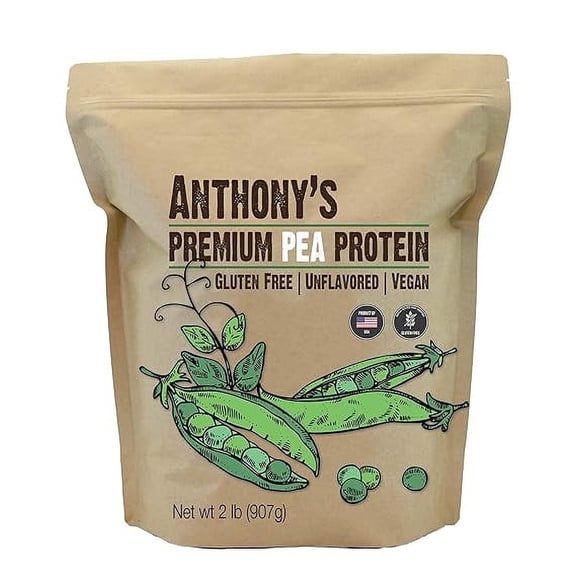

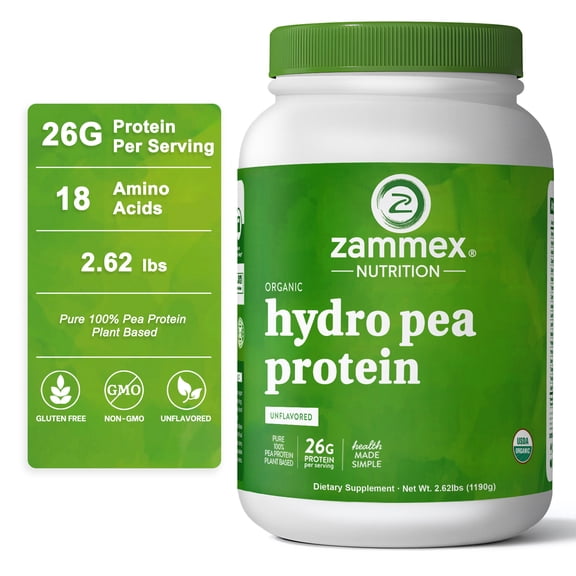


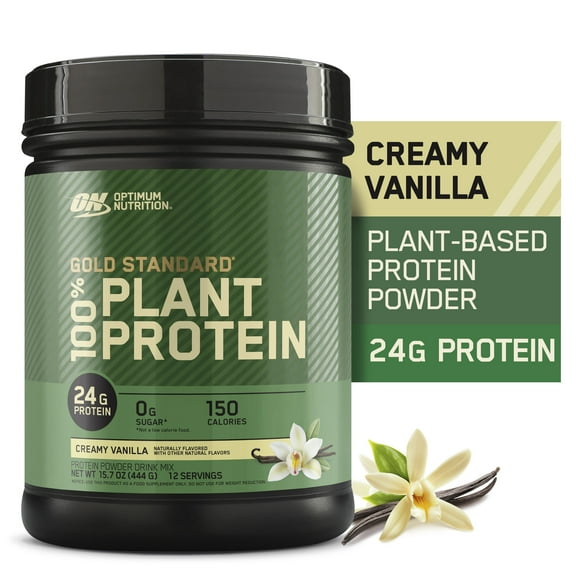
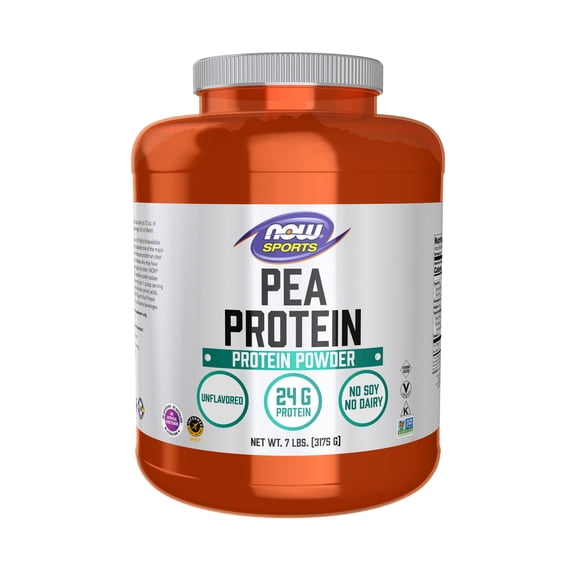
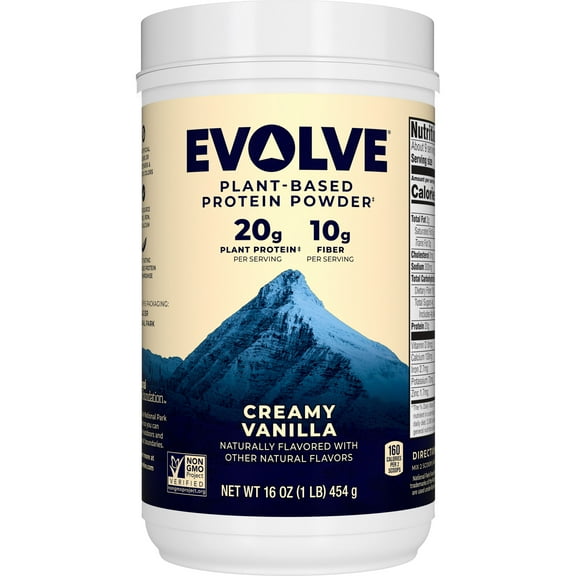

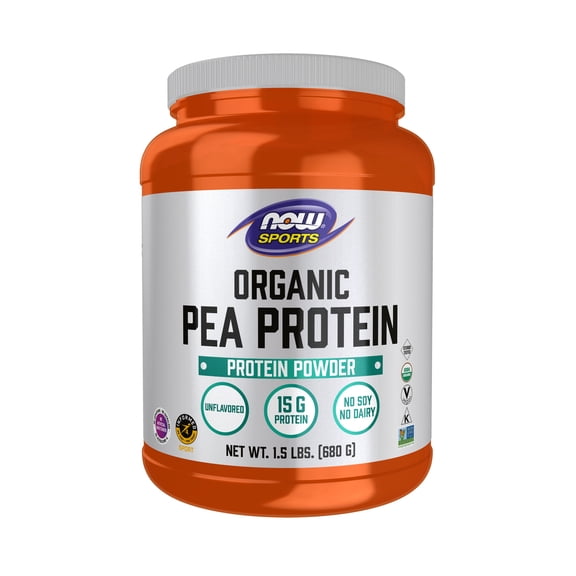


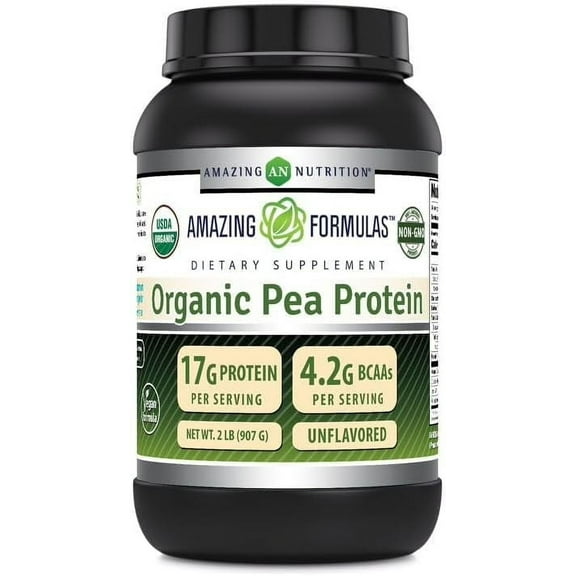


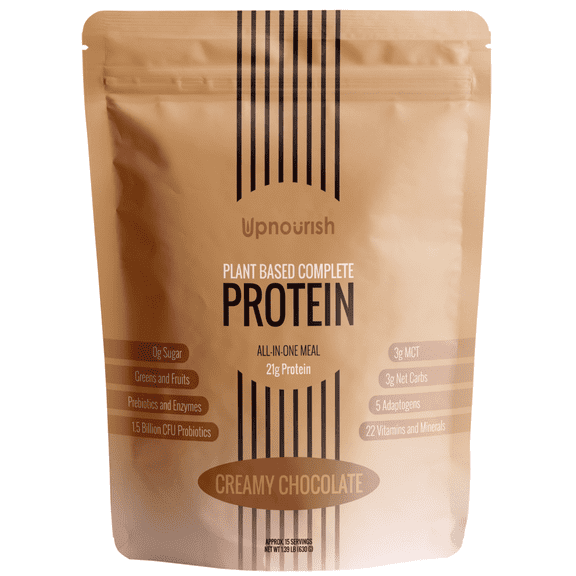





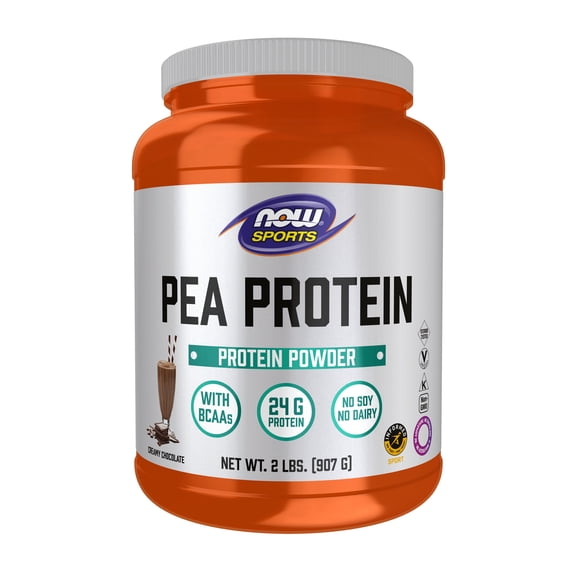


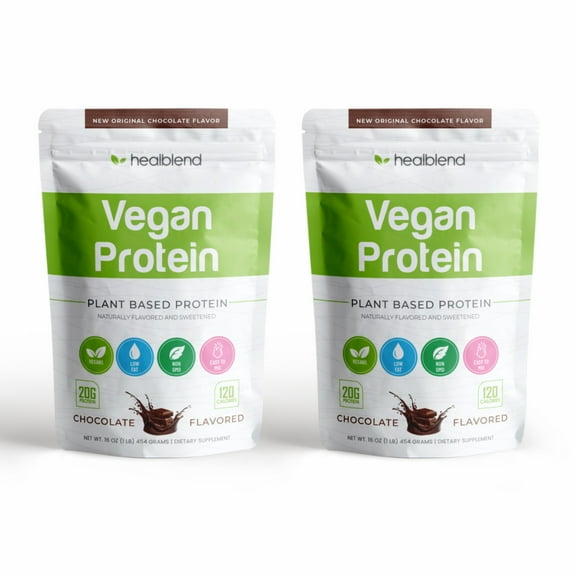
![Boobie Body Organic Superfood Plant-Based Protein Shake, Vanilla Chai, [21.3oz, 1 Tub]](https://i5.walmartimages.com/seo/Boobie-Body-Superfood-Protein-Shake-Moms-Pregnancy-Protein-Powder-Lactation-Support-Increase-Milk-Supply-Probiotics-Organic-Diary-Free-Gluten-Free-Ve_553ae7d2-540a-4225-b299-28bfbcba833e.3bf51bf6b51fb7ad0d315487f246b211.jpeg?odnHeight=576&odnWidth=576&odnBg=FFFFFF)




About Pea Protein in Protein Powder - Walmart.com
You can compare pea protein options easily when you know how organic sourcing, flavor, formulation, and dietary preferences affect your routine. You’ll also find choices that fit shakes, smoothies, oats, and baking without relying on dairy-based powders.
Choosing pea protein for your routine
If you want a plant based protein powder, you’ll notice pea protein works well for simple ingredient lists and flexible daily use. You can use it after workouts, between meals, or in recipes that need extra protein.
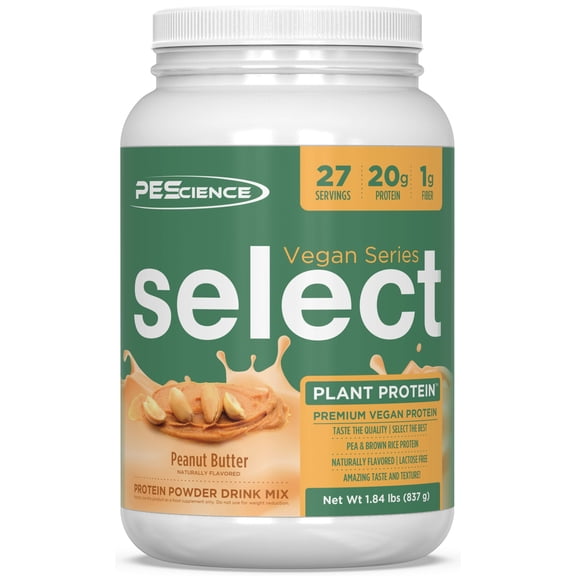
Because you may avoid dairy or soy, you’ll often look for powders that match those preferences clearly on the label. You can also compare vegan pea protein options when you want a plant-based format for everyday mixing.
- You can choose dairy-free and soy-free options that align with common ingredient preferences.
- You can pick unflavored or flavored powders based on shakes, coffee, oats, or baking.
- You can compare isolate, concentrate, and blend formulas by protein grams and texture.
- You can look for organic or conventional options that match your ingredient priorities.
When you want a smoother drink, you’ll usually compare mixability, sweetness, and flavor strength before choosing a tub or pouch. You can also check serving size and scoop count to match your weekly routine.
How to compare organic pea protein powder
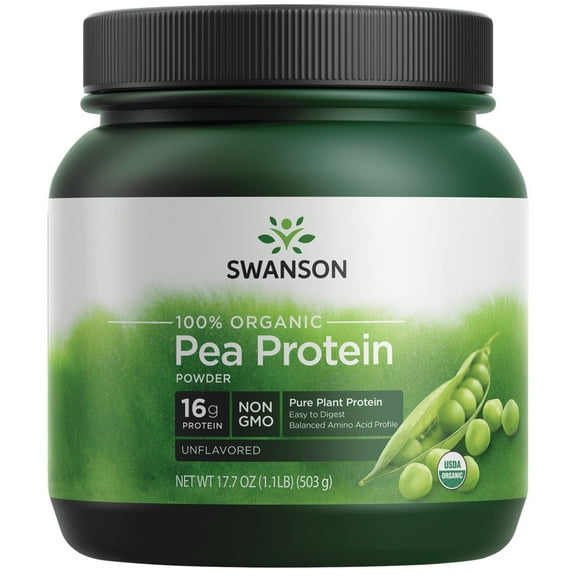
If sourcing matters to you, organic pea protein powder gives you a clear filter while you compare ingredient panels. You can often narrow your options quickly when you prefer fewer extras or specific certification callouts.
Conventional choices can still work well when you want straightforward protein content and familiar flavor options. You should compare the label closely so your pick matches your preferences for sweeteners, gums, and added ingredients.
Dietary certifications can make your decision easier when you want vegan, gluten-free, non-gmo, or soy-free options. You can use those callouts as a shortcut when you’re shopping for a household with mixed preferences.
For day-to-day use, you may want a formula that feels easy on your stomach and simple to blend. You can often get that by checking the ingredient list, flavor profile, and serving size together.
Understanding unflavored pea protein and flavored options
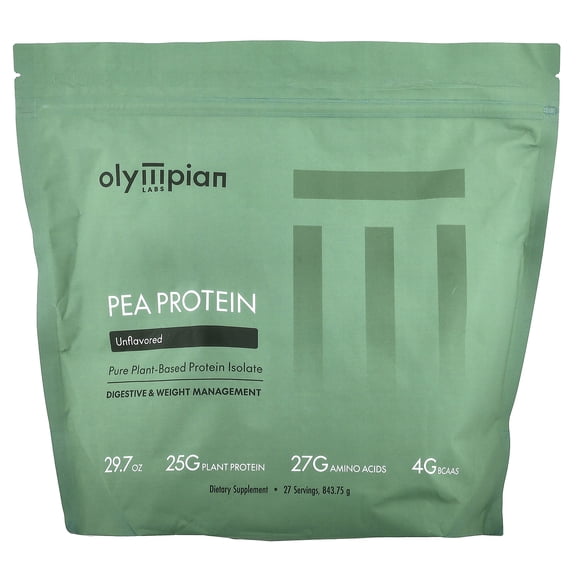
If you want full control over taste, unflavored pea protein can fit smoothies, pancake batter, muffins, and oatmeal. You can add fruit, cocoa, or nut butter without competing sweetness or strong flavor notes.
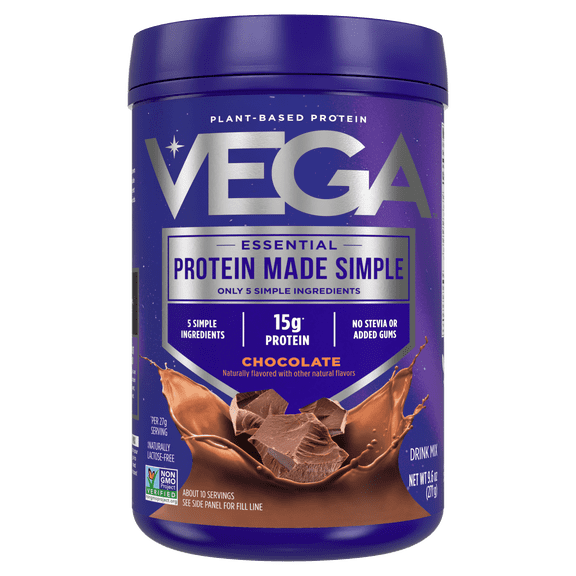
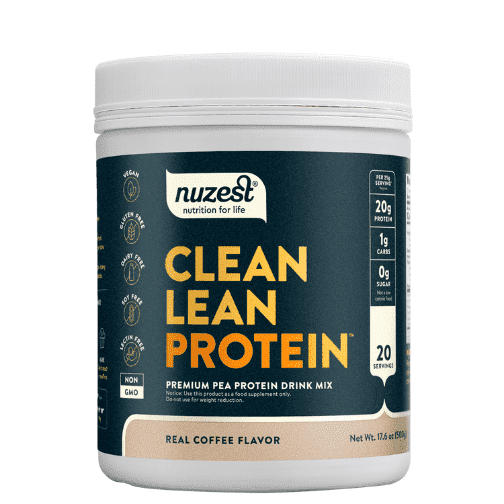
Flavored options like chocolate, vanilla, and berry can help when you want a quicker shake with less prep. You should compare sweetness level and mixing directions if you plan to use water, milk alternatives, or coffee.
Texture matters, so you’ll want to check whether your powder mixes smoothly in a shaker bottle or blender. You can often get a cleaner recipe result with unflavored powder, especially in savory or lightly sweet foods.
If baking is part of your routine, you should think about how flavor changes the final recipe. You may prefer unflavored powder for waffles and breads, while chocolate or vanilla can suit dessert-style recipes.
Comparing pea protein isolate, concentrate, and blends
When protein grams per serving are your main priority, you’ll want to compare pea protein isolate with concentrates and blends. You can often expect isolate formulas to focus on higher protein content with fewer extra ingredients.
Concentrate options may appeal to you when you want a less processed format and a different texture. You should read the nutrition panel so your choice lines up with your target grams per scoop.
Blends can combine pea with other plant proteins, which may change taste, texture, and amino acid profile. You can use that profile as a decision point when you want a broader mix of essential amino acids.
If you’re comparing labels closely, you should check protein grams, servings per container, and suggested liquid amounts. You’ll make an informed pick when you review those details before choosing a large container.
Matching pea protein to shakes, baking, and everyday use
You can use pea protein in post-workout shakes, quick breakfasts, or afternoon smoothies when you need a simple protein boost. You’ll also find it useful in oats, energy bites, and blended drinks with fruit or greens.
For a grab-and-go shake, you may want flavored powder that mixes fast with water or a milk alternative. You can choose unflavored powder when your recipe already has strong ingredients like banana, cinnamon, or cocoa.
If your household has different preferences, you can compare vegan pea protein with gluten-free or soy-free certifications in mind. You should also consider tub size, scoop count, and daily frequency before making your choice.
When you want a category that supports flexible routines, pea protein gives you clear decision points instead of guesswork. You can narrow your pick by flavor, formulation, and sourcing, then get a powder that fits your recipes and your schedule.