

Pasta Makers






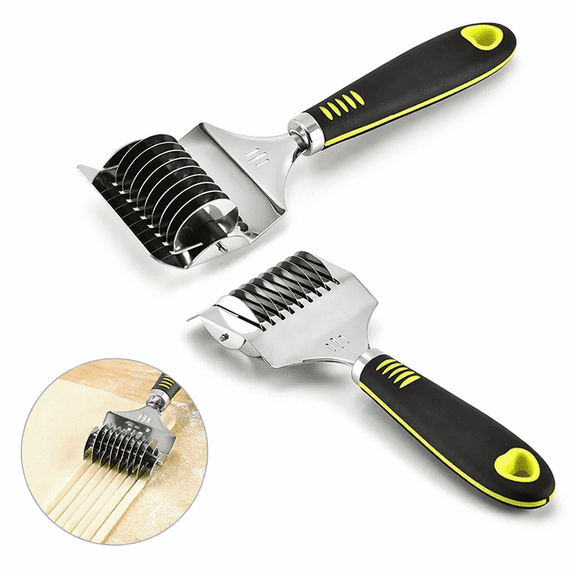
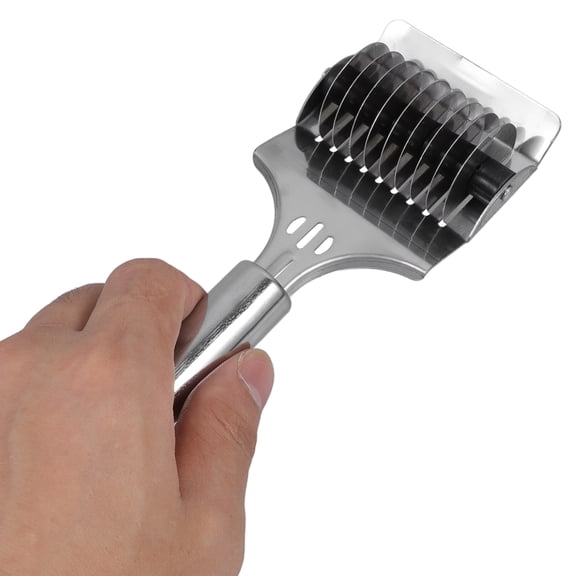
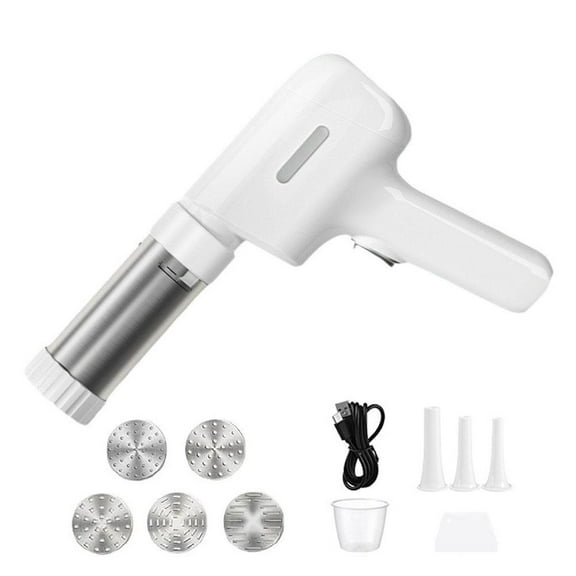
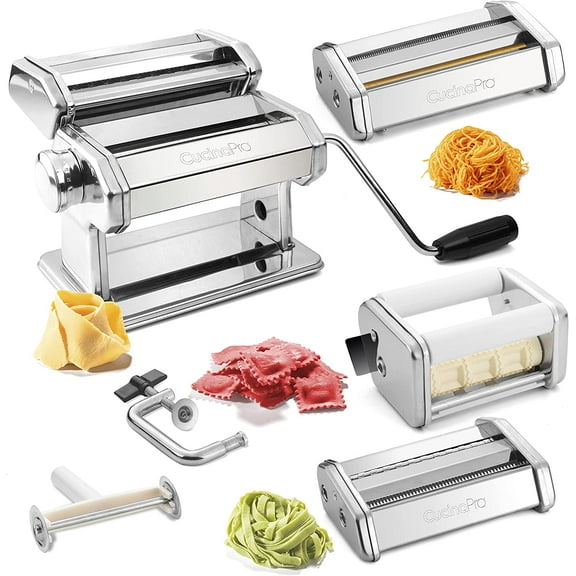











About Pasta Makers - Walmart.com
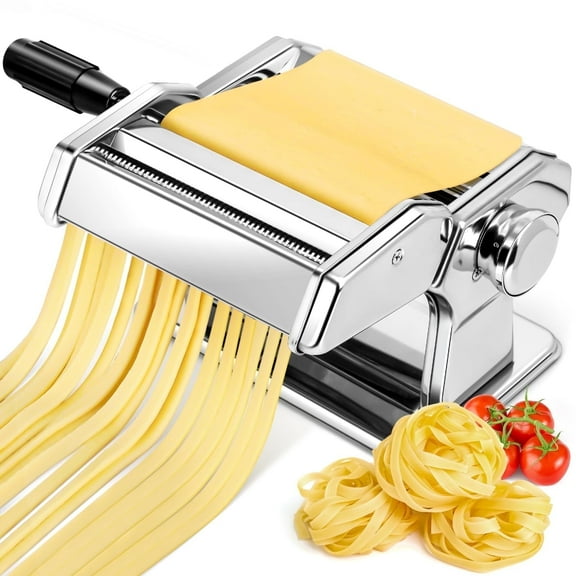
Pasta makers help you shape fresh noodles at home with clearer control over thickness, cut, and texture. You can compare manual, electric, and automatic options when your kitchen routine calls for hands-on prep or faster batch making.
If your meals include lasagna sheets, fettuccine, or filled pasta, a dedicated machine can keep dough even from pass to pass. You can also check Walmart.com when you want a pasta maker in store with pickup and delivery options.
How to choose pasta makers for your kitchen
You can start with operation type because that choice affects effort, speed, and cleanup. Manual models let your hands guide each pass, while electric and automatic units handle more of the shaping work.
Construction material matters when you compare weight, feel, and daily handling. You may prefer stainless steel for a sturdy build, chrome-plated steel for a classic finish, or plastic for lighter lifting.
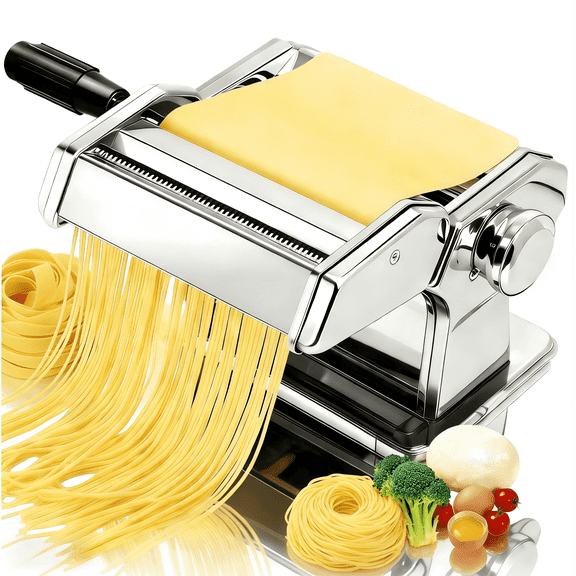
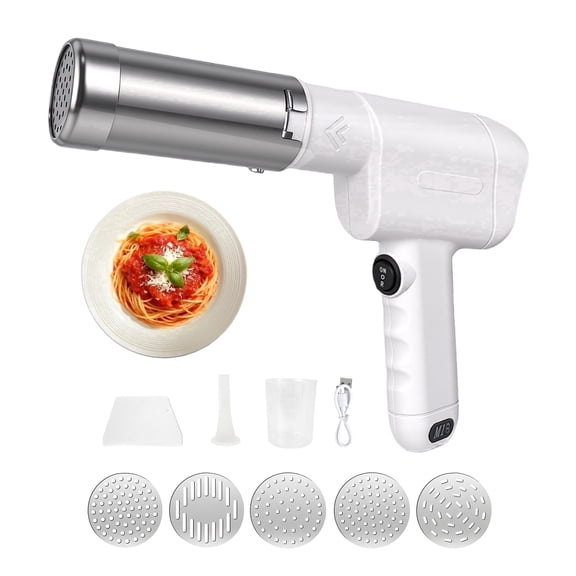
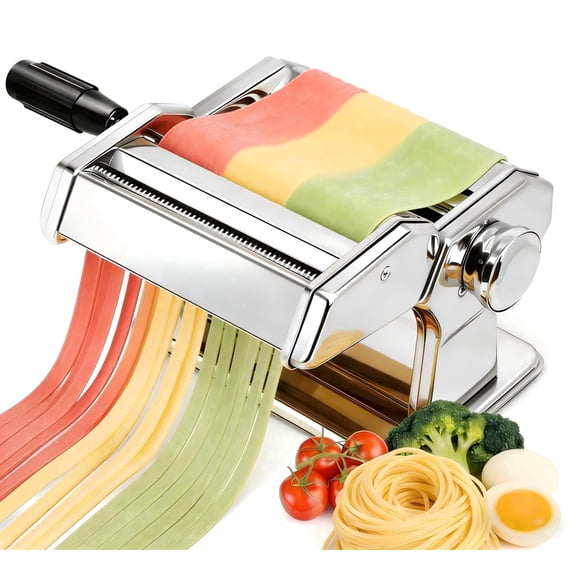
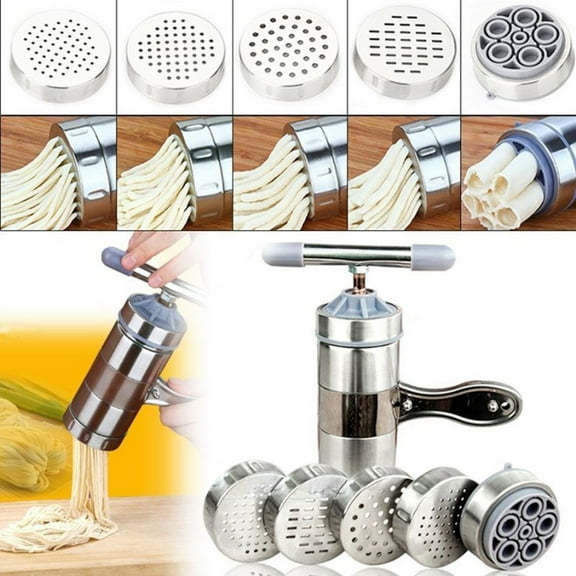
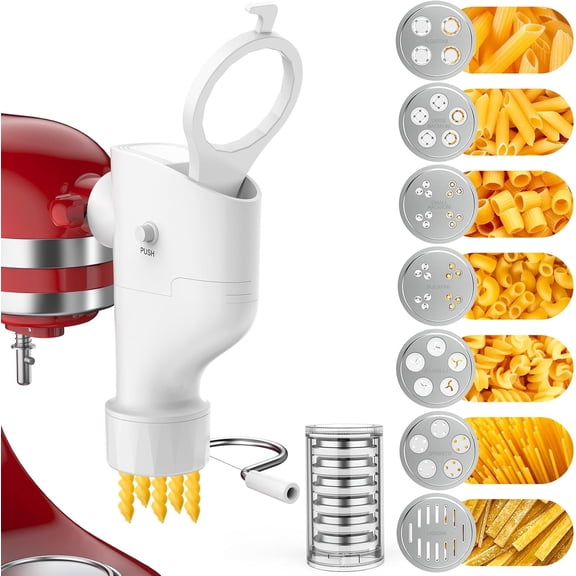
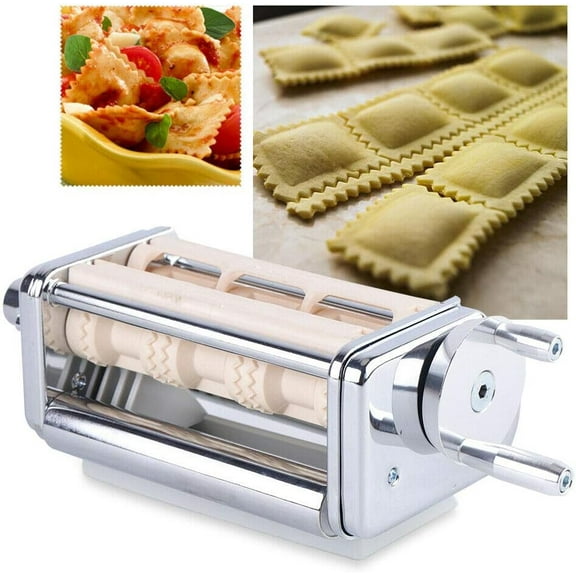
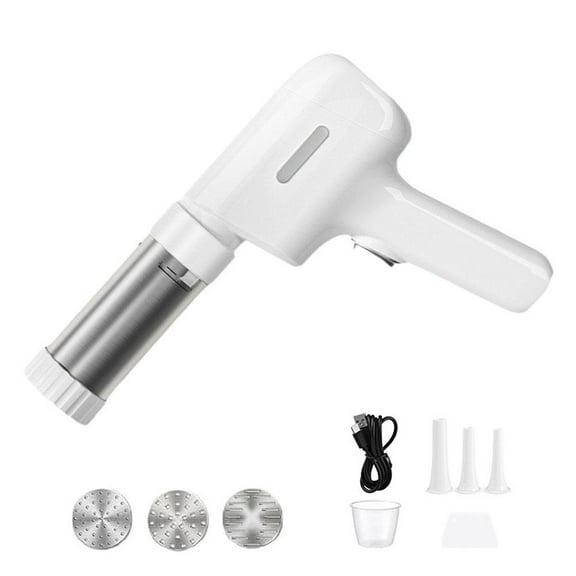
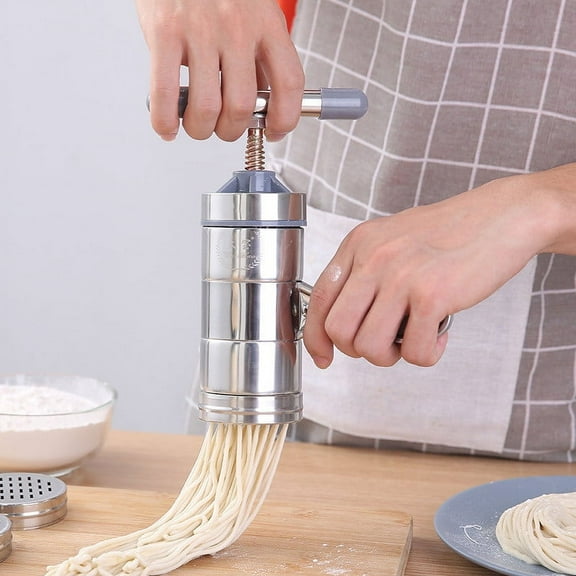
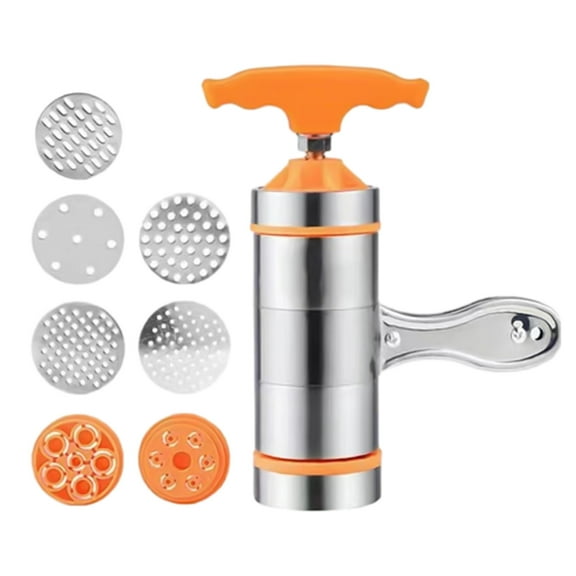
Pasta style is another key decision because different machines form different shapes. Roller and cutter designs help you make sheets and ribbons, while extruders help you form short pasta with shape discs.
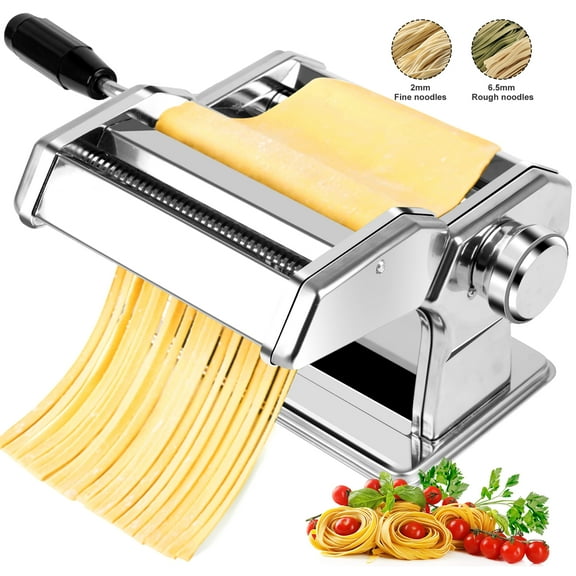
Thickness settings also deserve a close look before you choose a machine. Adjustable rollers and multiple thickness levels help you match dough to ravioli sheets, linguine, or thicker noodle styles.
Benefits you may notice with pasta making machines
Fresh pasta prep feels more organized when your dough passes through a consistent shaping system. You can keep sheets flatter, noodles more uniform, and portions easier to plan for dinner.
That steady shaping helps you prepare ravioli wrappers, lasagna layers, and ribbon noodles with less guesswork. You may also move from dough ball to cooking pot with fewer countertop steps.
- You can make smooth pasta sheets for lasagna, ravioli, and other filled pasta projects.
- You can cut long noodles like spaghetti, linguine, and fettuccine with a cleaner, more even finish.
- You can choose extruder styles when your recipes call for macaroni, penne, or other short shapes.
- You can compare electric and automatic formats when your weeknight meals need quicker preparation.
When you test different dough recipes, a dedicated machine helps you repeat the same process more easily. You can compare discs, cutters, and roller settings without changing your whole setup.
For frequent pasta nights, the right format can match how you cook and how much space you have. You may prefer a hand-crank machine for smaller batches or an automatic unit for larger meals.
What to look for in a pasta maker in store or online
Countertop footprint should guide your shortlist before you focus on shape options. You can measure your work area and storage shelf so the machine fits your routine between uses.
Weight changes how a machine feels during setup, rolling, and cleanup. Lighter plastic bodies are easier to move, while heavier metal builds may stay steadier on the counter.
Cleaning also matters because dough can collect around rollers, cutters, and discs. You can check whether parts remove easily and whether selected components are dishwasher safe.
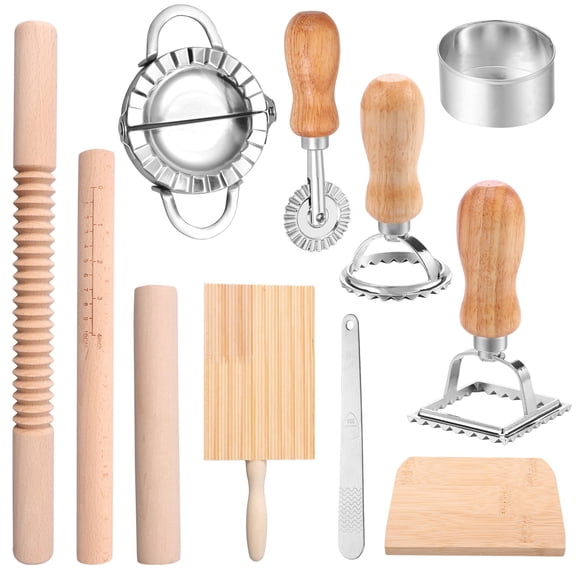
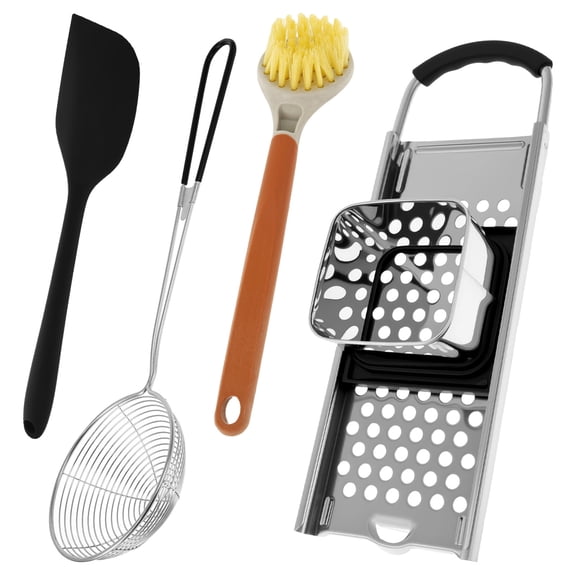
Attachments expand versatility, so you should compare included pieces closely. You can look for spaghetti or fettuccine cutters, or you can choose extruder discs for tube and shell shapes.
If you’re comparing a paste maker machine with adjustable rollers, the setting range matters. You can use thinner settings for delicate sheets and wider settings for sturdier noodle styles.
Controls and clamp designs can also affect everyday use in a busy kitchen. You may want simple knobs, easy-grip handles, and secure mounting for smoother dough passes.
Choosing manual or electric pasta makers
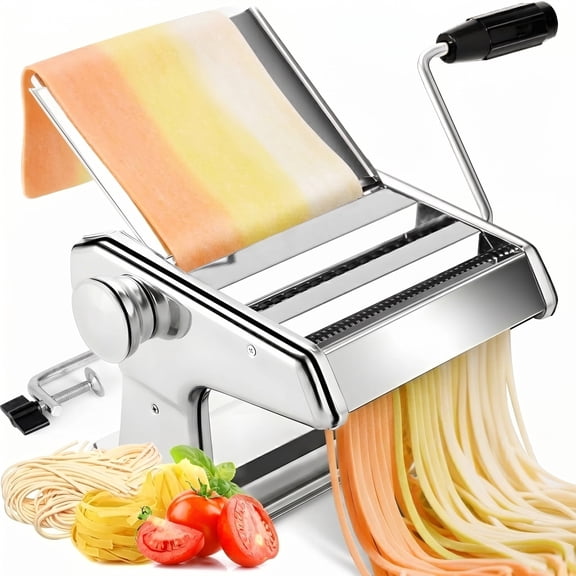
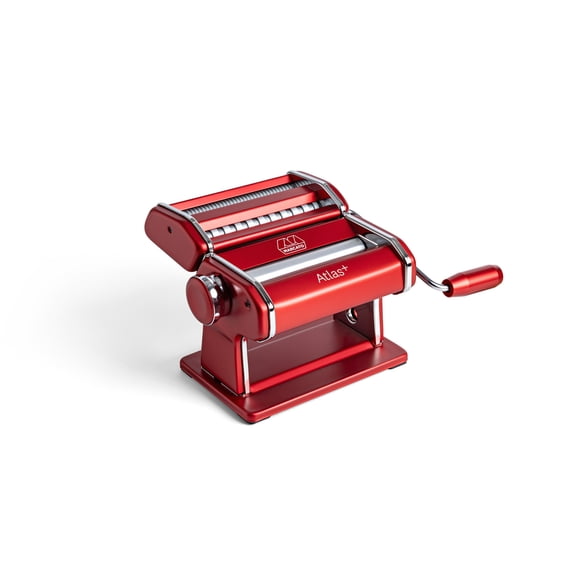
Manual pasta makers suit cooks who want direct control over each roll and cut. You can turn the crank gradually and adjust dough thickness in smaller, more deliberate steps.
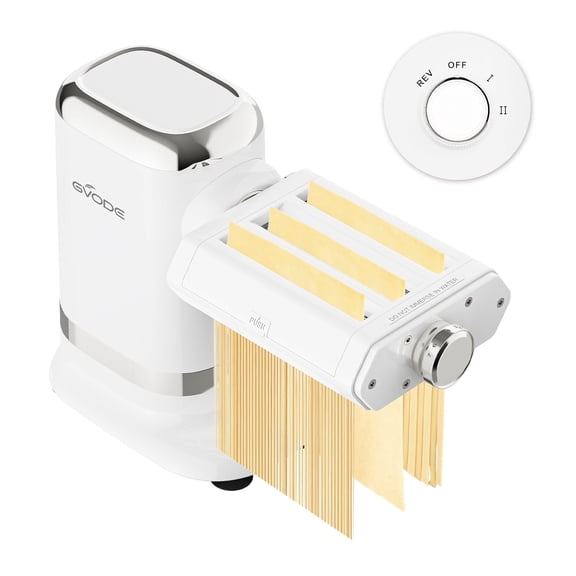
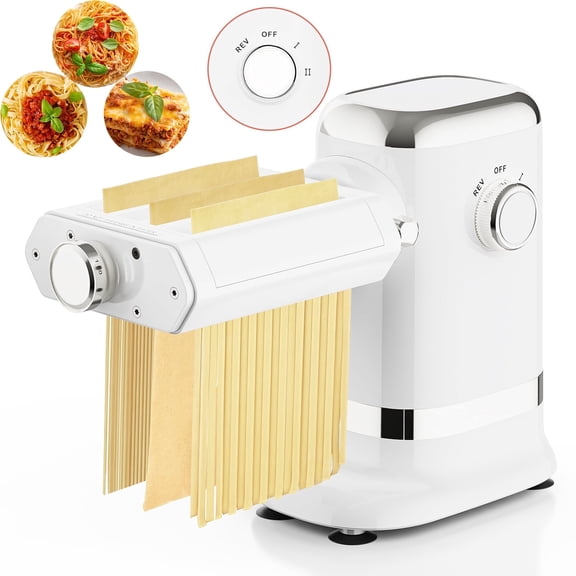
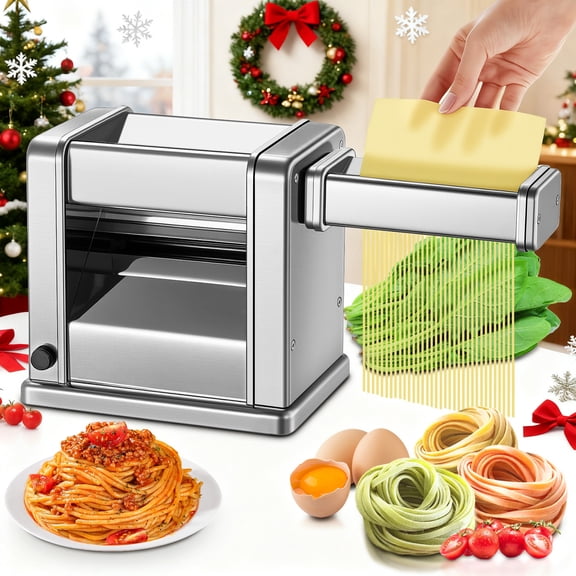
Electric pasta making machines fit kitchens where speed and lower effort matter more. You can let the machine handle more motion while you focus on dough ingredients and sauce timing.
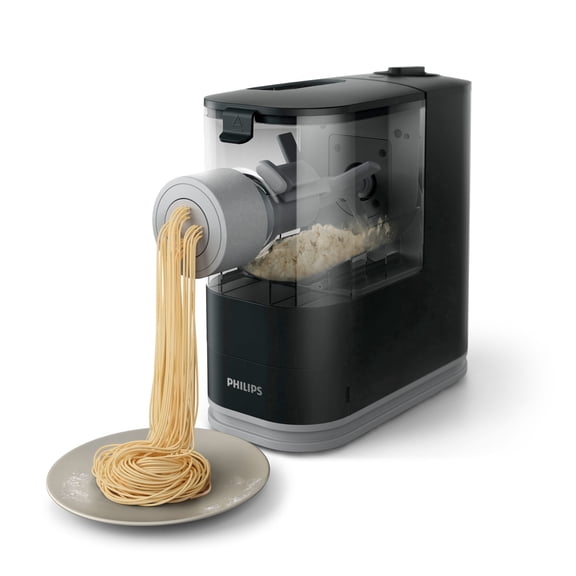
Automatic machines combine mixing, kneading, and shaping in one appliance for a streamlined process. You may prefer that format when your family meals call for larger batches and fewer separate tools.
If you’re considering an extruder format like a philips pasta maker style, shape discs become a key feature. You can compare similar pasta makers by disc variety, cleanup steps, and counter space needs.
Using pasta makers for everyday meals and quick pickup
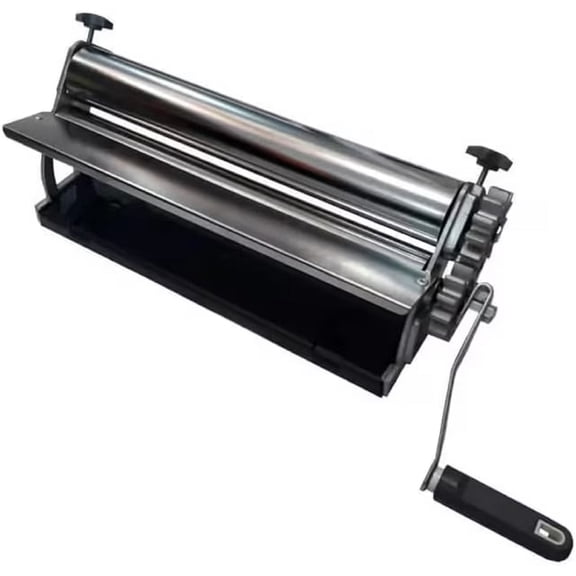
A roller and cutter machine works well when your dinners feature tagliatelle, lasagna, or ravioli. You can roll smooth sheets, trim ribbons, and portion dough with more control.
An extruder may fit your routine when you cook baked macaroni, pasta salads, or shaped noodle dishes. You can switch discs and make several short styles without hand cutting each piece.
If your timing is tight, you may search for pasta maker pick up today before dinner plans change. You can check Walmart.com for pickup availability when you want fresh pasta tools without a long wait.
Some shoppers also look for a pasta machine nearby when they need a gift or replacement quickly. You can compare operation types, dimensions, and features before choosing the right fit.
Small kitchens benefit from compact machines that store easily between meals and baking projects. You can choose a hand-crank model when your cabinet space and counter space are limited.
Family cooking nights can shape your decision too because setup style affects participation. You may enjoy manual feeding for shared prep, or you may choose electric models for a smoother routine.
When you want homemade noodles with repeatable thickness, useful shape options, and manageable cleanup, this category gives you clear ways to compare. You can choose a pasta maker that fits your counter, your recipes, and your cooking pace.