



Parchment Paper in Paper & Plastic






![Nicole Collection Kitchen Parchment Paper Roll 25 Square Feet 12"x25'' [BULK] (50 Square Feet (2 Packages))](https://i5.walmartimages.com/seo/Nicole-Collection-Kitchen-Parchment-Paper-Roll-25-Square-Feet-12-x25-BULK-50-Square-Feet-2-Packages_30a2a4d0-c2ad-4aec-9e76-992741d812e6.deaaa49c3cfaddc41f09f61974b502bb.jpeg?odnHeight=576&odnWidth=576&odnBg=FFFFFF)















About Parchment Paper in Paper & Plastic - Walmart.com
With wax and parchment paper, you can handle baking, wrapping, and food prep with paper matched to each task. You can choose by heat resistance, format, coating, and pack size for a smoother kitchen routine.
You’re choosing between two different kitchen papers, and that difference matters during baking and prep. You can use parchment for oven tasks, while you can reserve wax paper for cool prep and wrapping.
Choosing wax and parchment paper for your kitchen tasks
When you compare wax and parchment paper, you’re deciding how each paper fits your cooking routine. You can narrow choices faster when you check temperature limits, surface finish, and package format first.
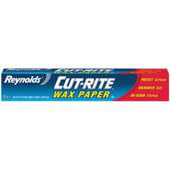
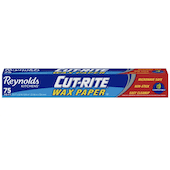
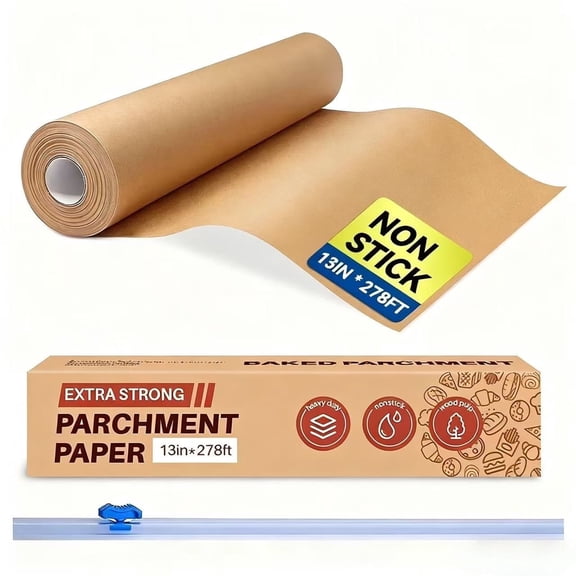
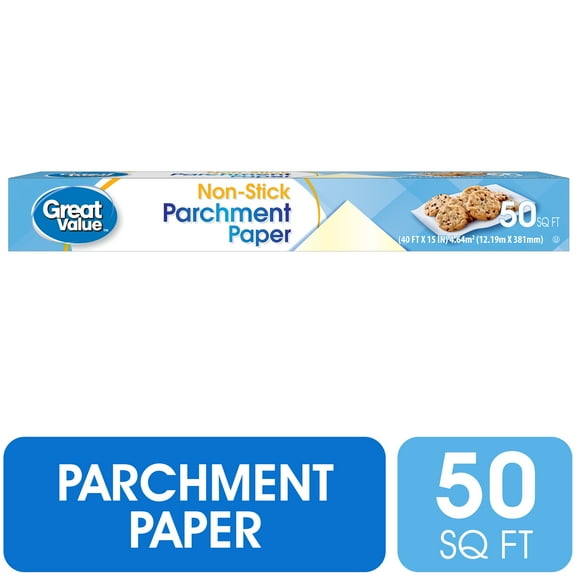
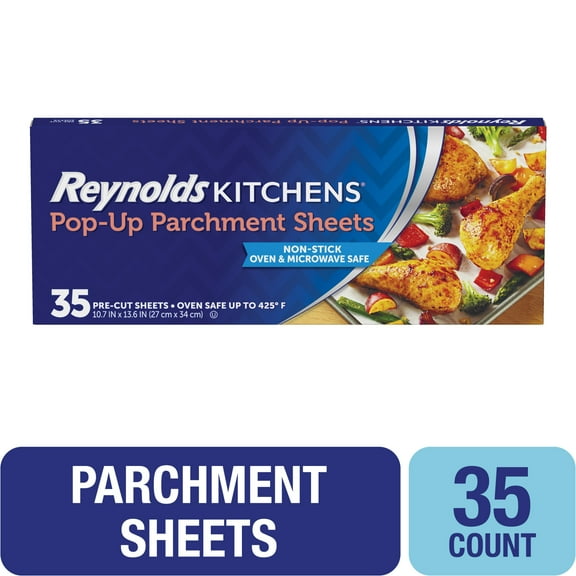
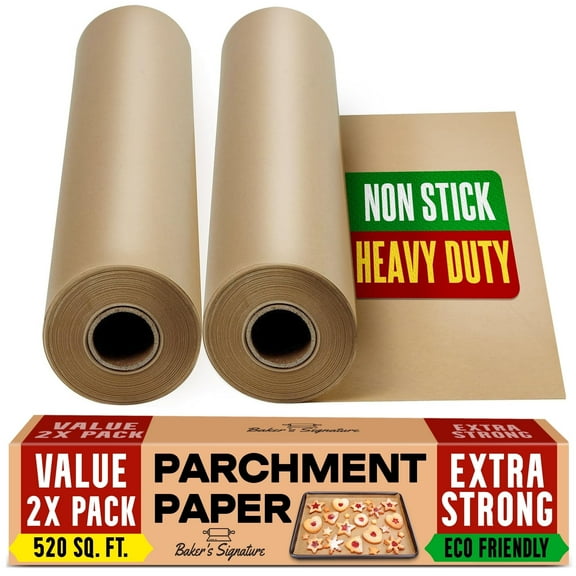
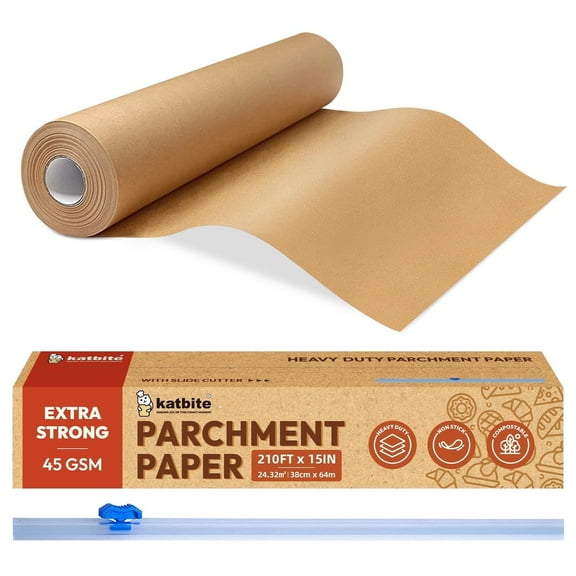
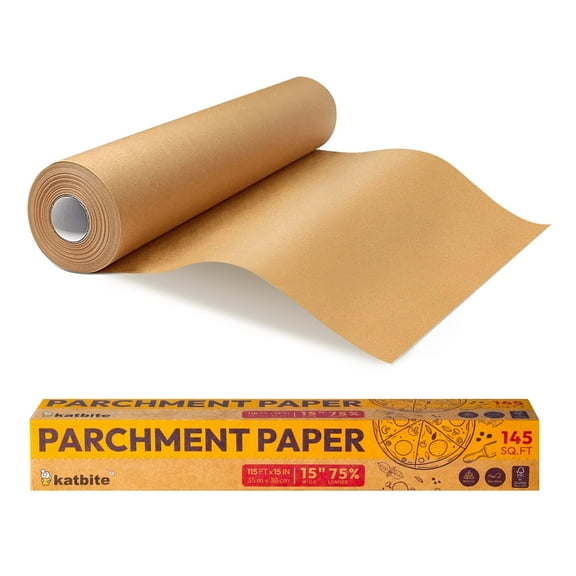
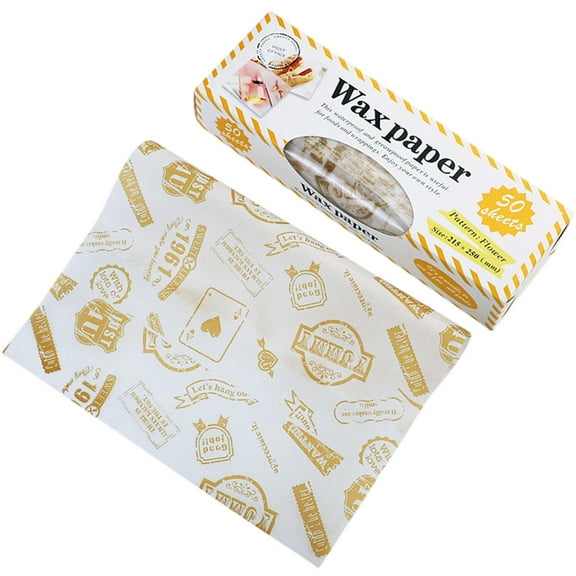
Parchment paper for baking withstands high oven heat, and you may see options rated up to 425°F. Wax paper sheets fit cool prep, food separation, and counter coverage when you want a tidy workspace.
You can use this category to simplify everyday kitchen jobs without switching between mismatched supplies. You can notice easier release, cleaner pans, and neater wrapping when you match paper type to the task.
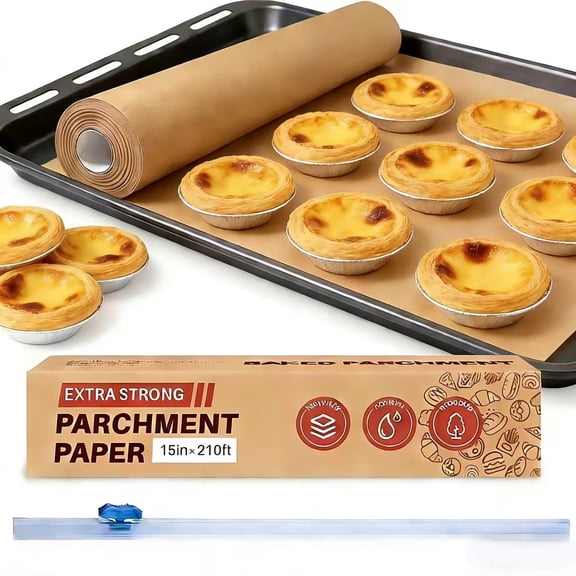
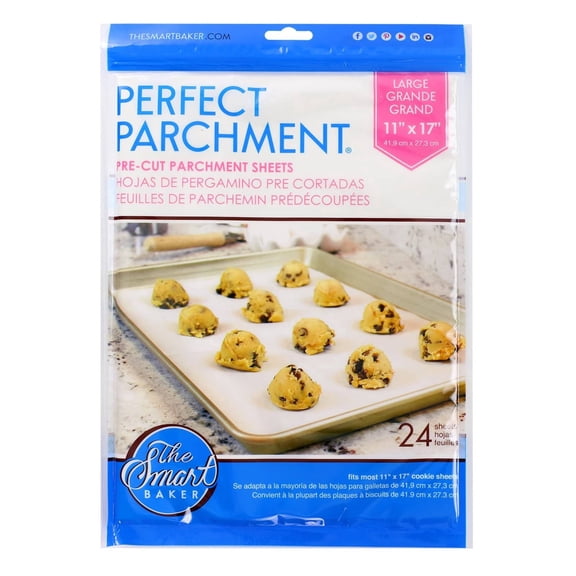
- Line sheet pans with parchment for cleaner cookie release.
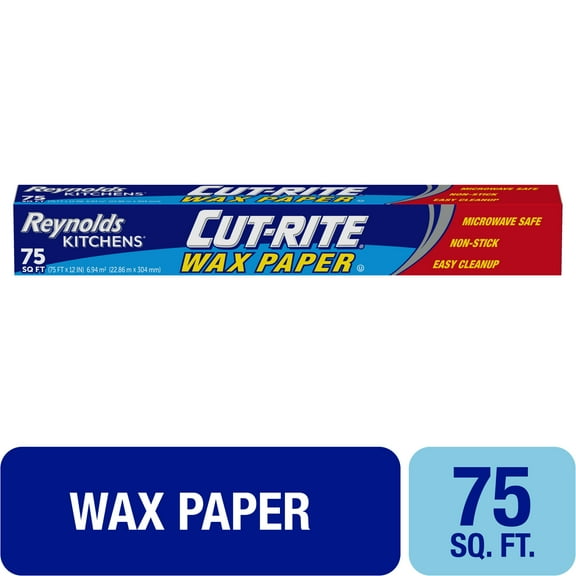
- Separate sticky snacks or sliced foods with wax paper sheets.
- Cover pans, trays, or prep surfaces for easier cleanup.
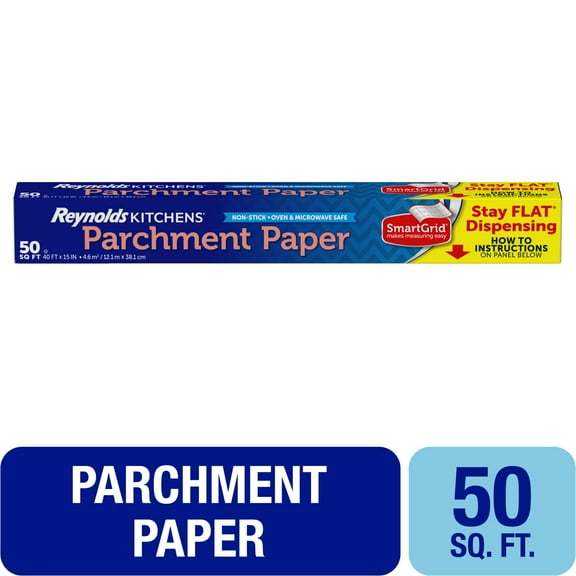
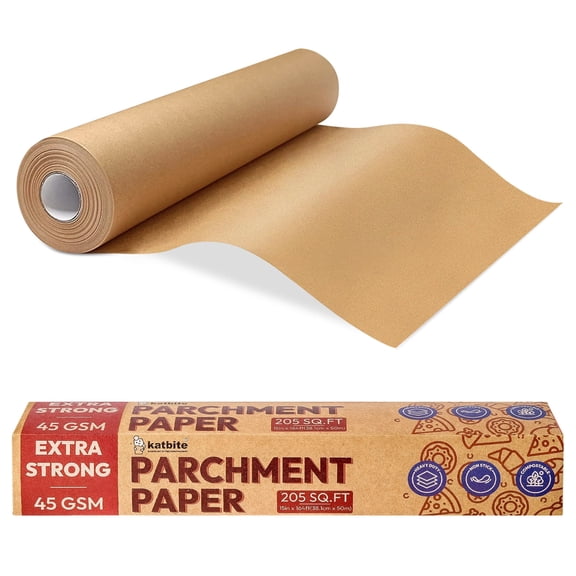
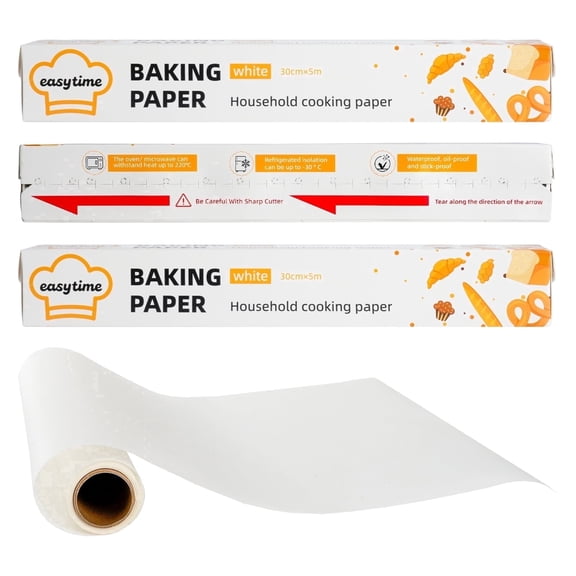
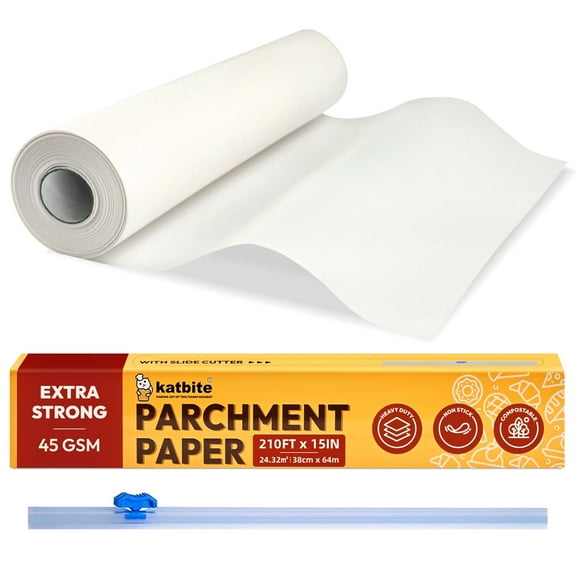
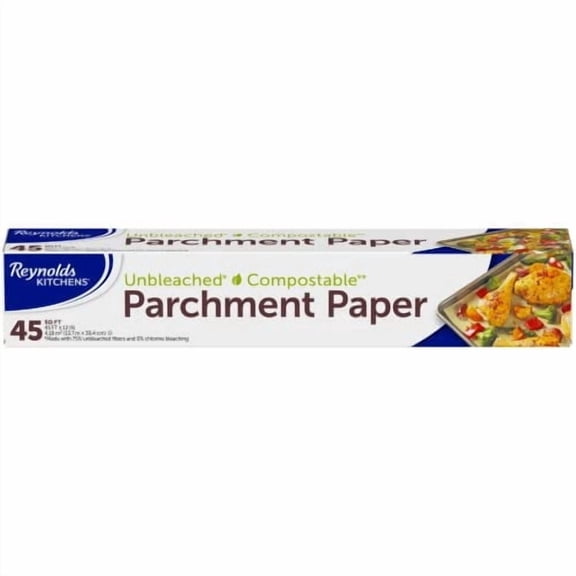
- Cut custom lengths with a wax paper roll or parchment roll.
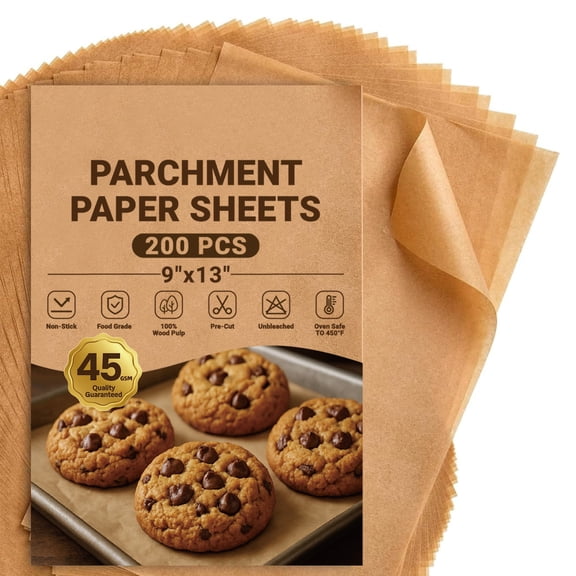
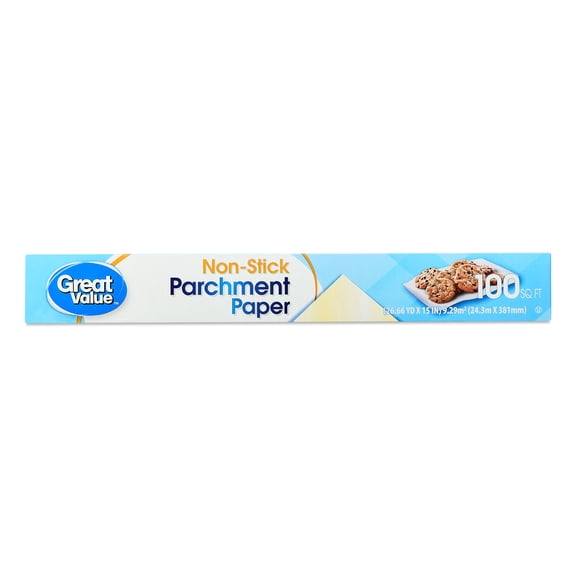
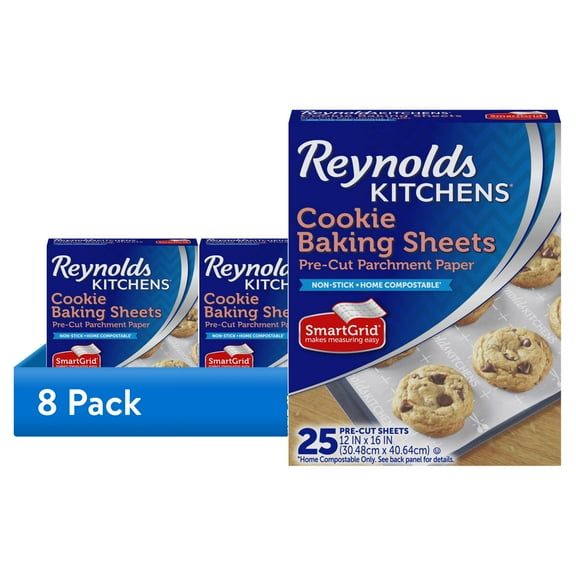
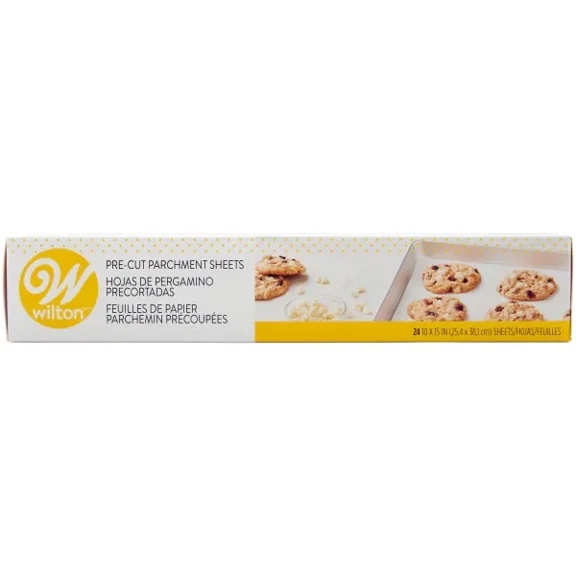
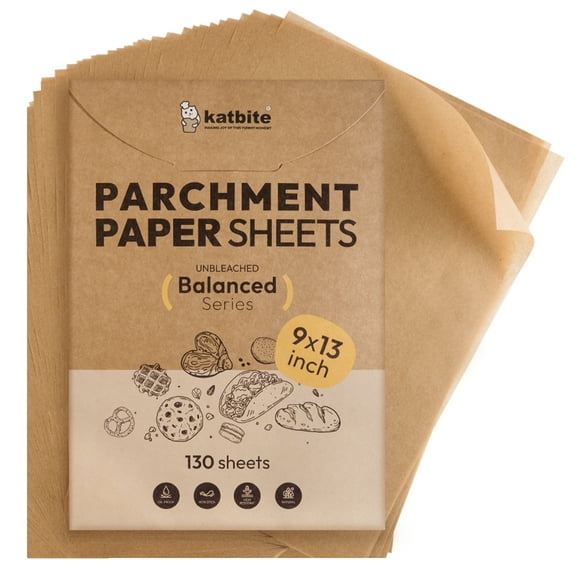
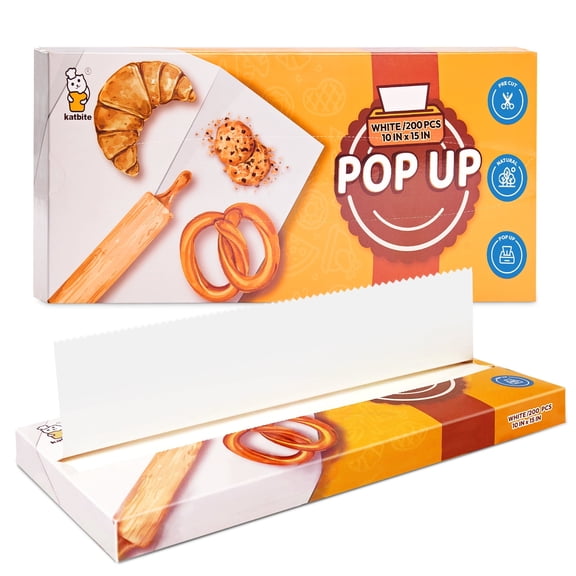
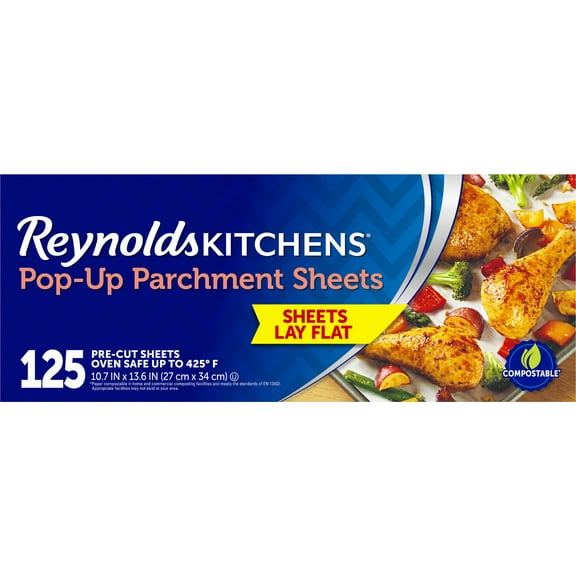
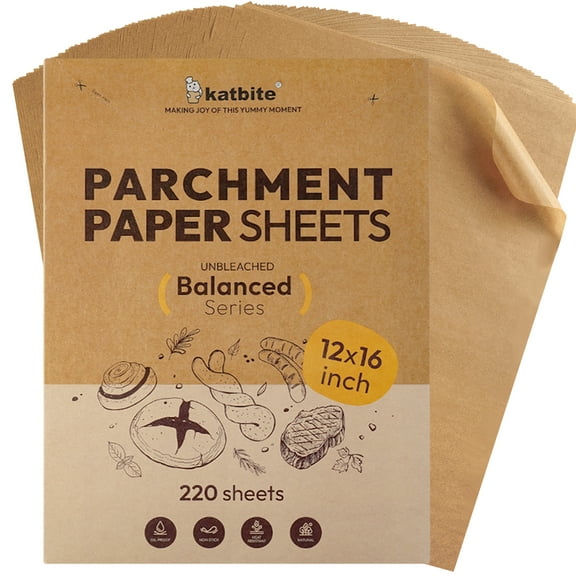
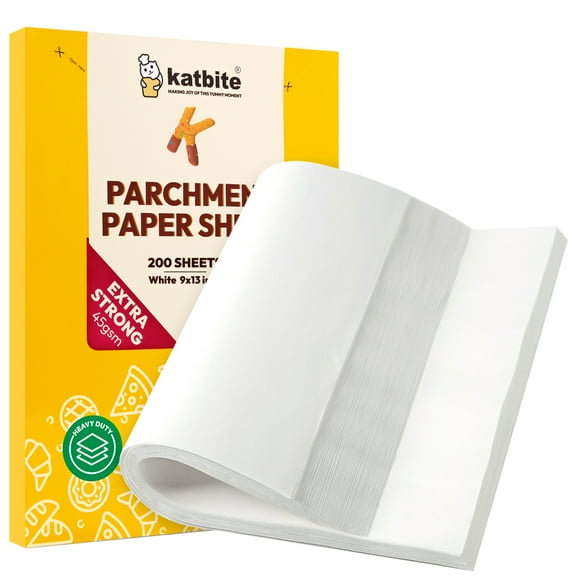
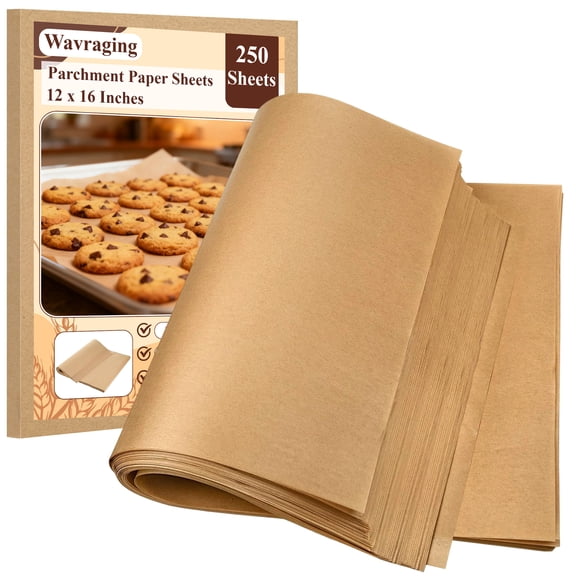
- Choose pre-cut sheets sized for common pans to speed setup.
For baking, you can rely on parchment to help dough and roasted foods lift from the pan. You can also keep baked-on residue off the tray when batters or cheese spread during cooking.
For prep and storage, you can use wax paper for quick wrapping and layering. You can place it between cheese slices, burger patties, sandwiches, or stacked treats during cold use.
How to choose parchment paper for baking and wax paper sheets
Heat resistance is your first decision point because it determines where each paper belongs. You should look for baking parchment paper when your food is going into the oven.
If you’re roasting vegetables, baking cookies, or lining cake pans, you can choose oven-safe parchment rated up to 425°F. If you’re portioning food or wrapping cool items, your wax paper sheets usually fit that task.
Format also shapes how smoothly your kitchen routine works from batch to batch. You can choose rolls for custom lengths, or you can choose sheets for faster setup.
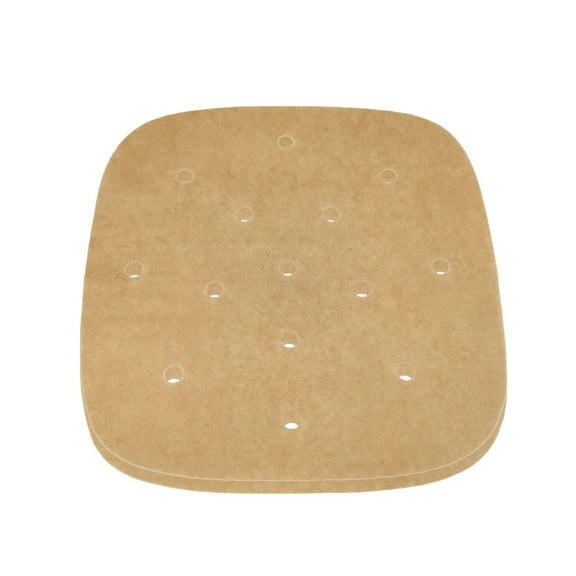
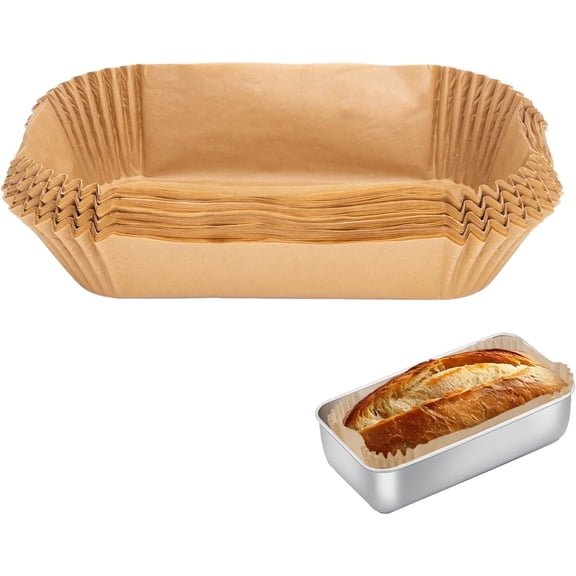
Round cake liners help you fit cake pans without trimming corners or folding edges. You may prefer sheets for cookie batches, while you may prefer rolls for oddly sized pans.
Coating is another useful detail when you compare options across this category. You’ll often see silicone-coated parchment, and you can expect a smooth surface for sticky doughs.
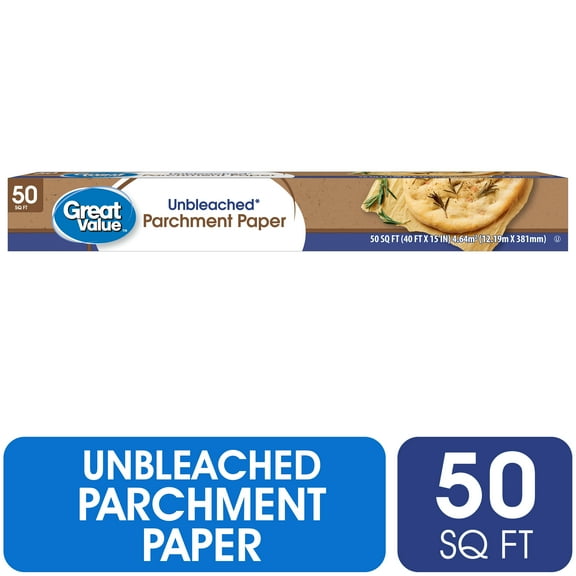
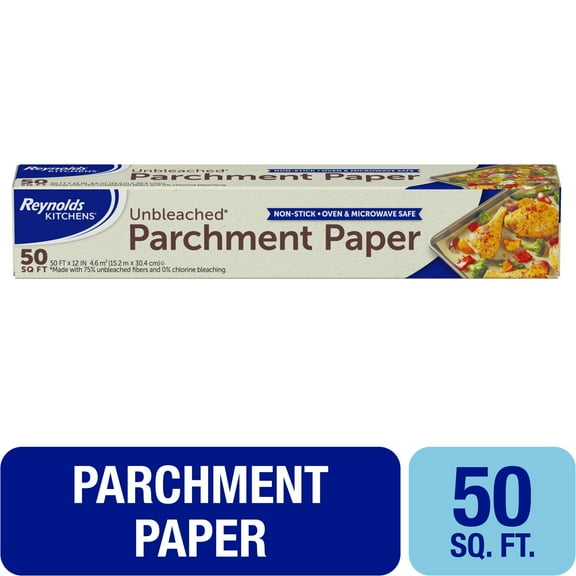
You may also see soy-wax coated paper in the wax paper segment for wrapping and separating foods. If your style leans simple, you can compare unbleached parchment with standard white paper.
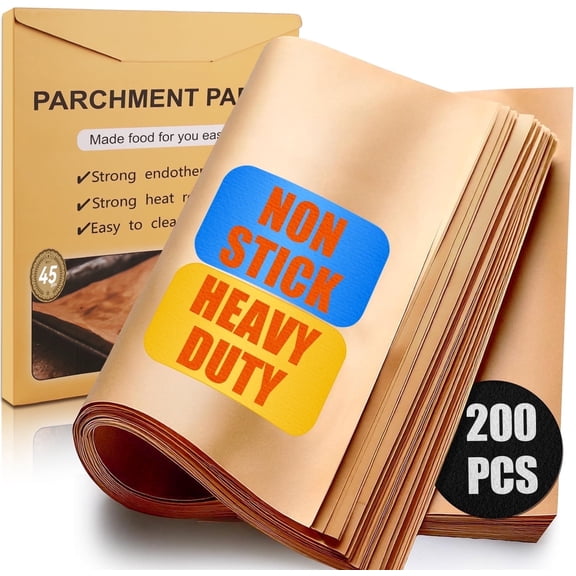
Pack size can matter when your baking or meal prep happens often. You can choose a single pack for occasional use, while multi-pack and bulk options fit frequent routines.
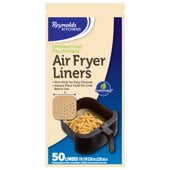
If you use liners often, you may want larger counts or commercial-style packs. You can keep your pantry ready when your preferred paper format stays stocked.
Choosing wax and parchment paper by real kitchen use
You can use parchment when your task includes oven heat, pan lining, or sticky batters. You can use wax paper when your task includes wrapping, stacking, or cold food prep.
For cookies, you’ll usually want parchment because it helps dough release after baking. For chilled chocolate-covered treats, you can reach for wax paper as a simple barrier layer.
If you meal prep, you can separate burger patties, sliced cheese, or baked bars with wax paper. If you roast vegetables or bake breaded foods, you’ll likely want parchment for cleaner pans.
During holiday baking, you can use pre-cut parchment sheets for repeated tray loading and quick turnover. During lunch prep, you might choose a wax paper roll for wrapping sandwiches or snacks.
You can also match paper format to your storage habits and pan sizes. You may prefer compact boxes for small kitchens, while bulk packs fit busy households and shared cooking spaces.
What to look for before you choose wax and parchment paper
You should check temperature guidance first, especially when you need parchment paper for baking. You should also compare rolls, pre-cut sheets, and round liners for your usual pans.
Next, you can compare coating type and paper finish based on how you prep and bake. You may like silicone-coated parchment for sticky recipes, or you may prefer unbleached paper for a natural look.
Finally, you should consider how often you bake, wrap, and prep food each week. You can feel more organized when your wax and parchment paper matches your kitchen habits and pan lineup.
You can choose confidently when you know which paper belongs in the oven and which paper belongs on the counter. You can get cleaner release, easier prep, and less mess from the right kitchen paper.