

Paint Scrapers in Paint Prep & Removal










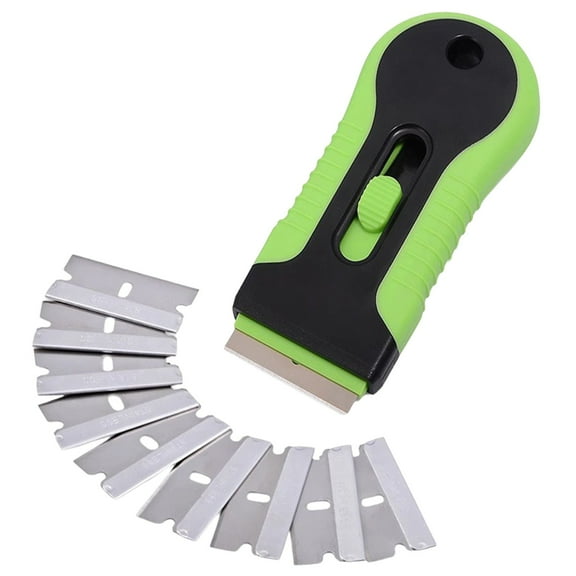


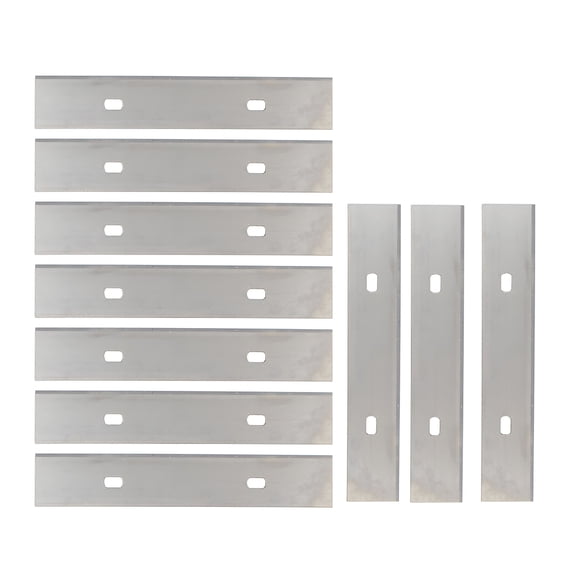
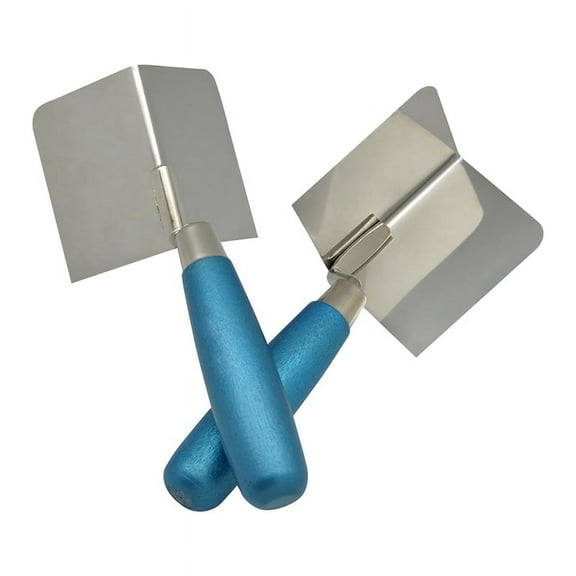
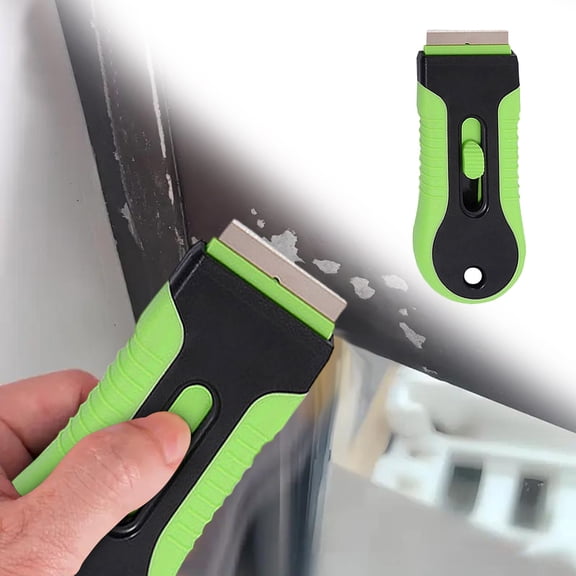





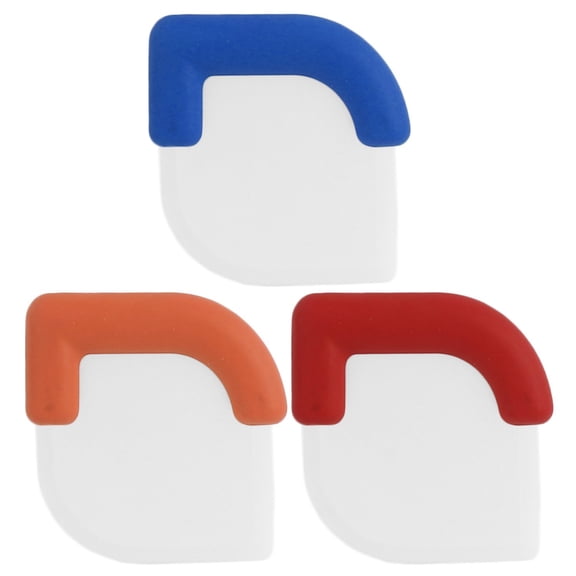
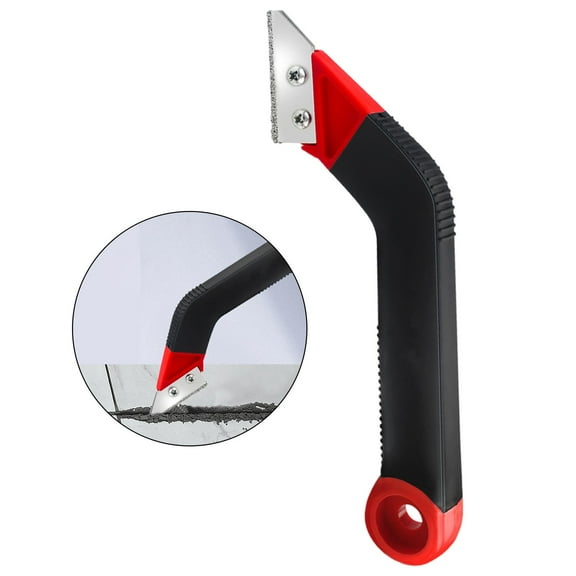
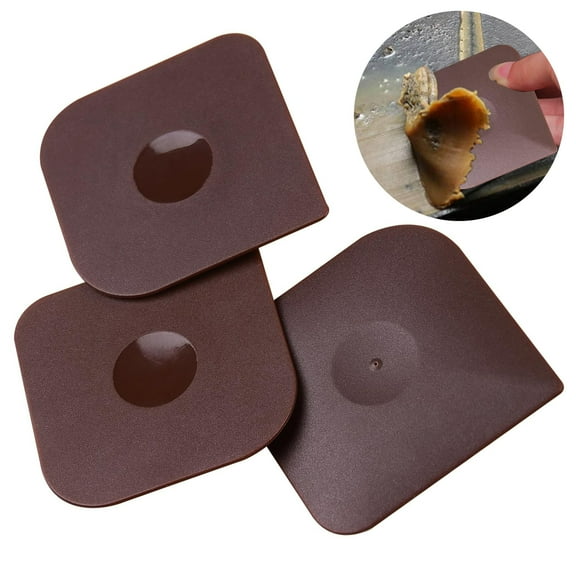
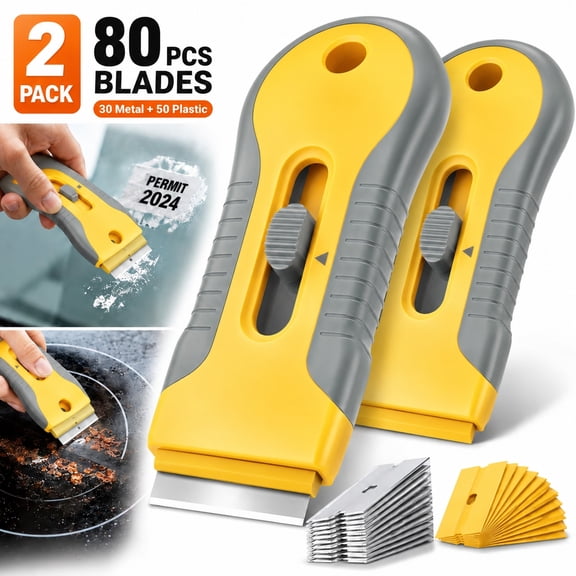



About Paint Scrapers in Paint Prep & Removal - Walmart.com
You can handle prep work efficiently with the right paint scraper for wood trim, metal rails, window glass, and painted walls. You can also compare blade material, handle comfort, and surface control for cleaner removal.
When you’re stripping loose layers before repainting, you’ll find scraper shape matters as much as blade edge. You can get precise results when you compare pull scrapers, putty knife styles, and razor scraper designs.
How to choose a paint scraper
You should start with your surface, because wood, metal, glass, and drywall need different levels of edge stiffness. You’ll want a tool that lifts peeling paint without digging too deeply into the material underneath.
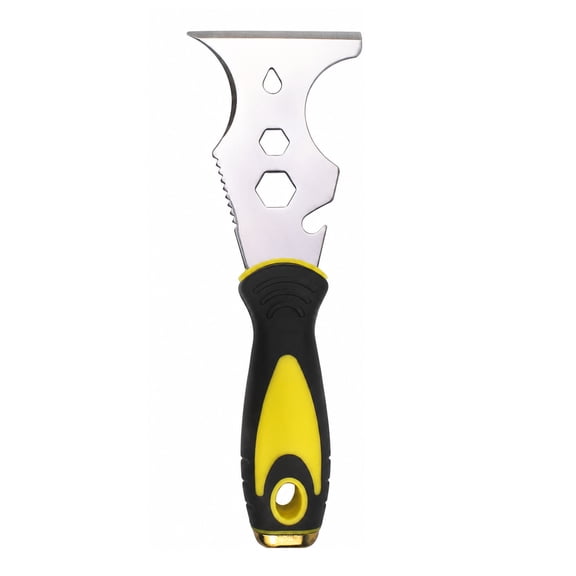
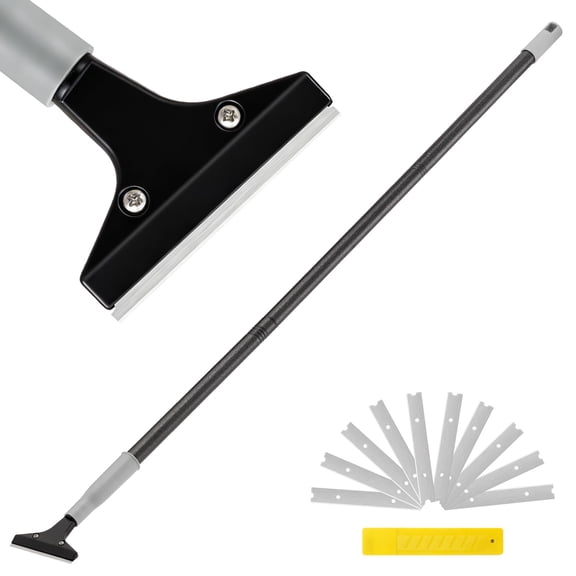
If you’re comparing paint scrapers for broad exterior work, you may prefer a pull scraper with a longer handle and steady leverage. If you’re handling corners, trim, or patching areas, you may prefer a putty knife style or razor edge.
You can use this quick guide to narrow your options before you pick a scraping tool paint setup. You’ll make a clearer choice when you match the blade and handle to the job size.
- You can choose carbide when you want longer edge life for repeated scraping on stubborn coatings.
- You can choose carbon steel when you want a firm edge for general house paint scraper tasks.
- You can choose stainless steel when you want rust resistance for damp spaces or cleanup-heavy projects.
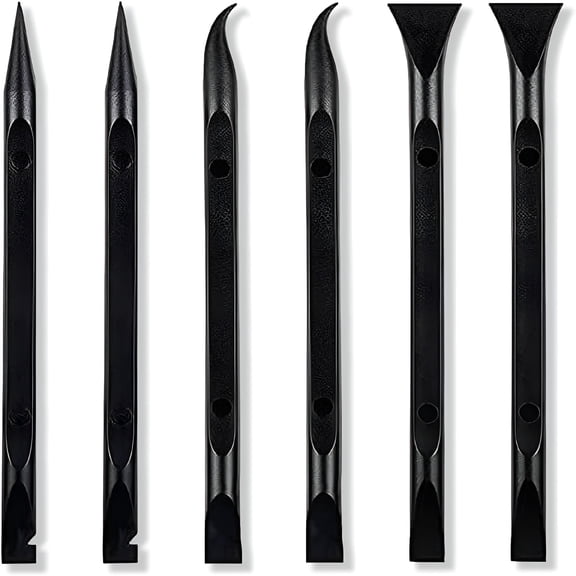
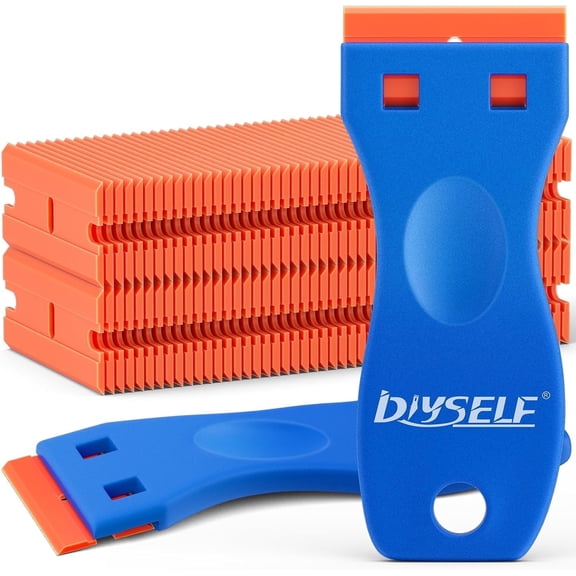
- You can choose plastic when you want gentler contact on delicate surfaces and lighter residue removal.
Choosing the right blade material for paint scrapers
You should compare blade material first, because it affects durability, control, and replacement frequency. You’ll usually notice carbide holds an edge longer during demanding paint remover scraper work.
If you’re scraping older layers from siding or wide boards, you may find carbide keeps a consistent edge longer. If you’re doing lighter prep, you may find carbon steel gives your hand a familiar feel.
You may prefer stainless steel when your project includes frequent wiping, rinsing, or storage in a humid garage. You’ll appreciate plastic edges when you need lighter contact on glass or finished surfaces.
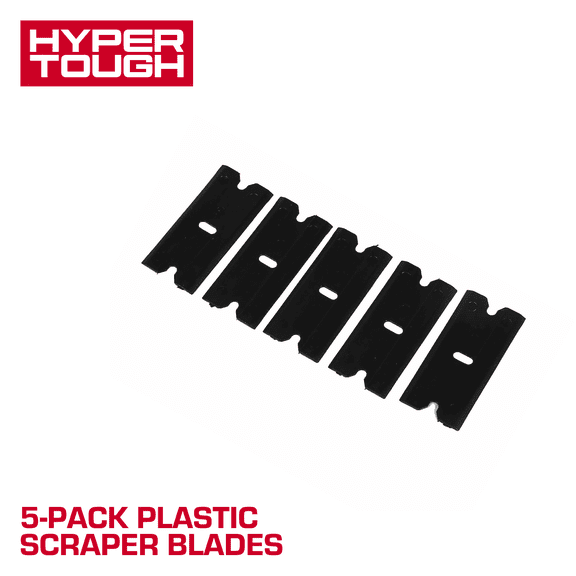
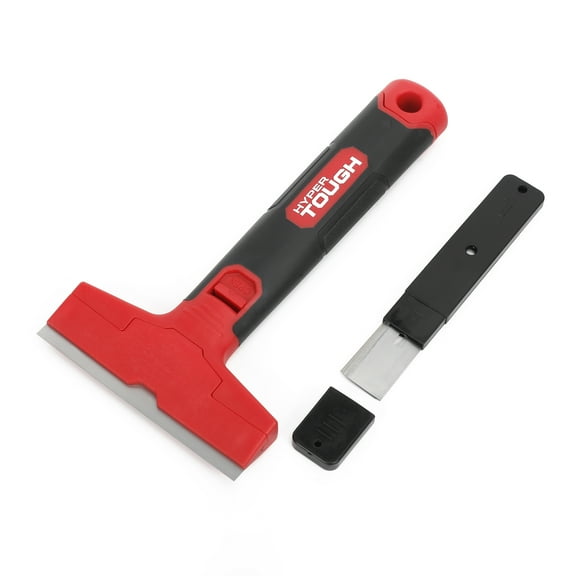
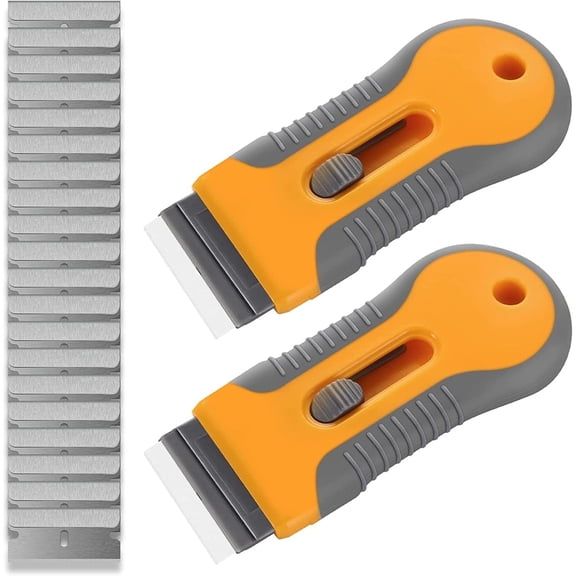
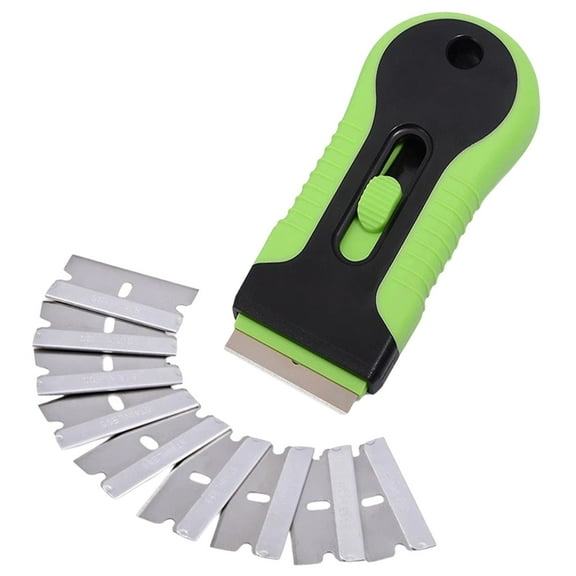
You should also check whether the blade is replaceable, because compatibility affects long-term convenience. You’ll want the replacement format, width, and mounting style to match your current scraper body.
If you’re choosing between fixed and replaceable blades, consider how often you refinish furniture, doors, or window frames. You’ll likely prefer replaceable options when you do repeated prep across multiple rooms.
Comparing scraper type and handle decisions
You can narrow the field further by comparing scraper type with your grip style and project length. You can feel the difference quickly when a heavy-duty handle spreads pressure across your palm.
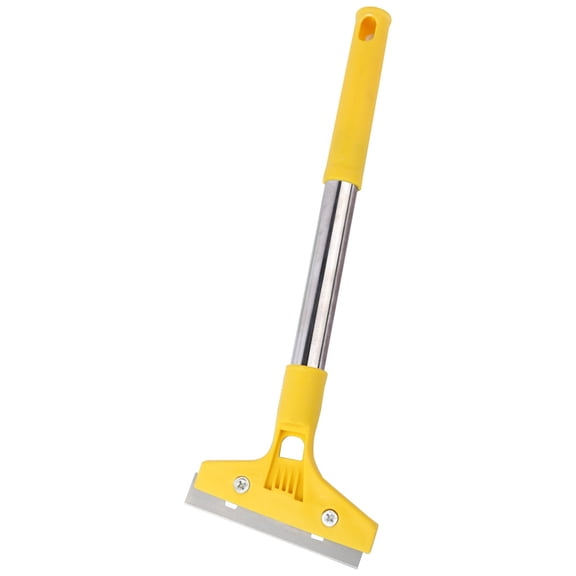
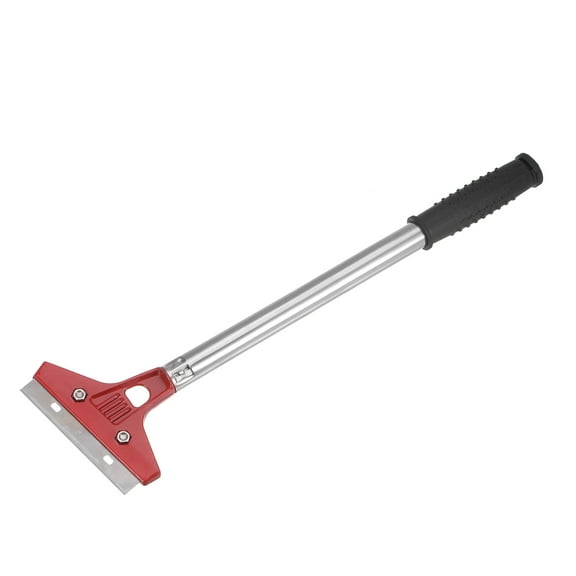
If you’re clearing broad siding or deck rails, a pull scraper can help you keep a stable angle. This helps you get smoother passes because the pulling motion feels steady to control.
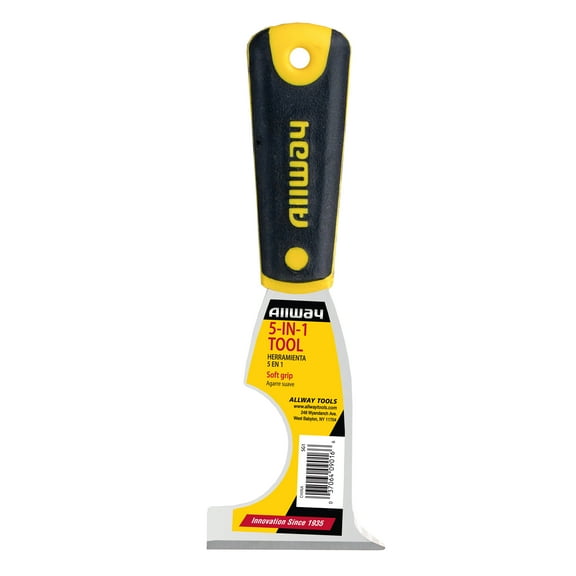
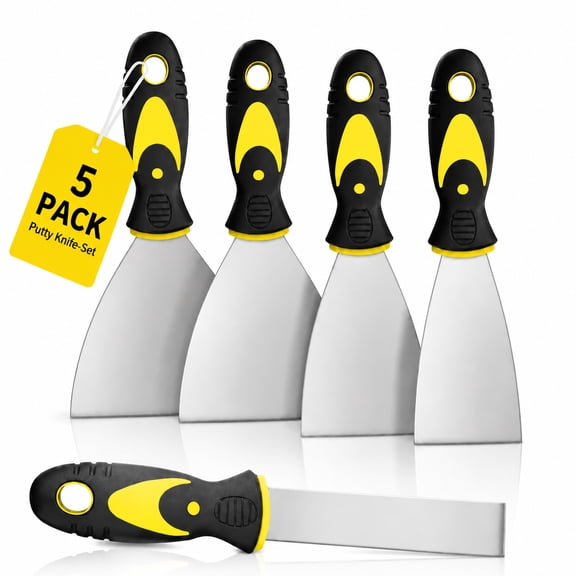
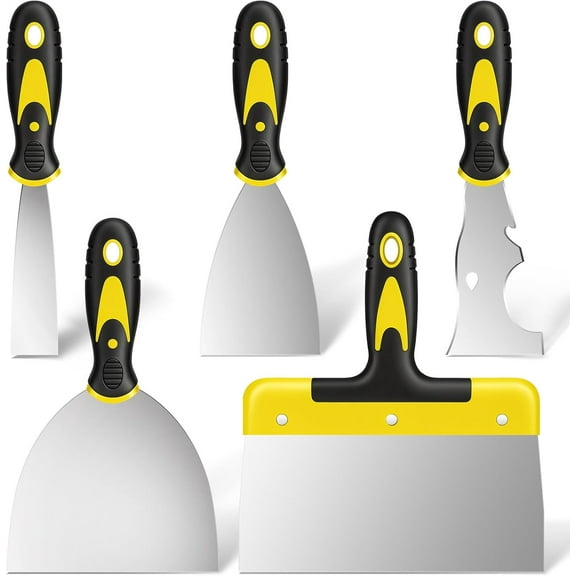
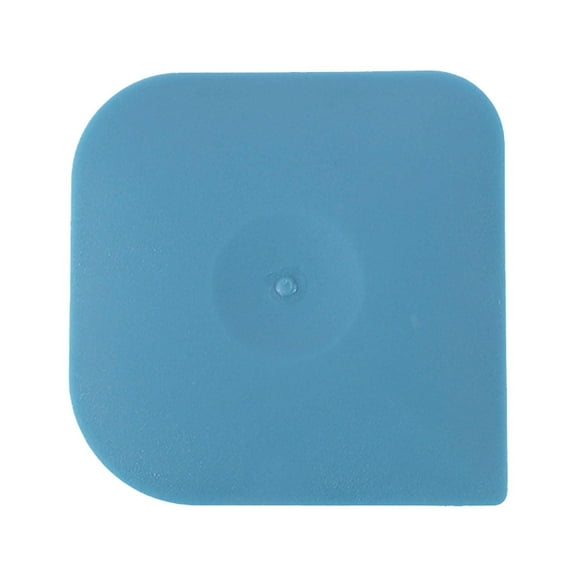
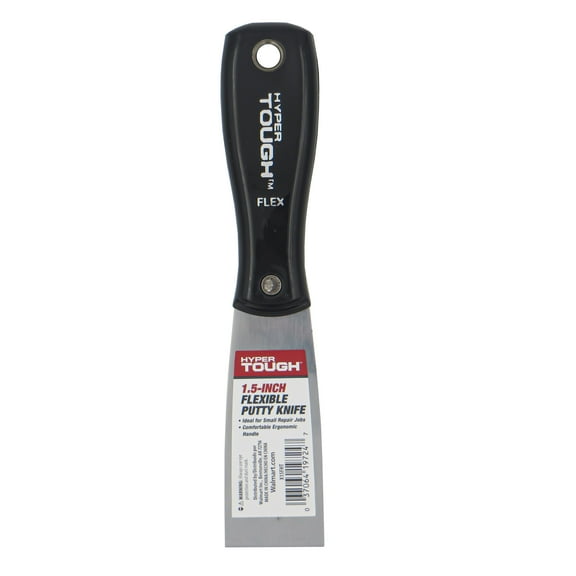
You may reach for a putty knife style when you need short strokes around trim, filler, or edges. You can use that painter scraper shape for detail work where a wider head feels bulky.
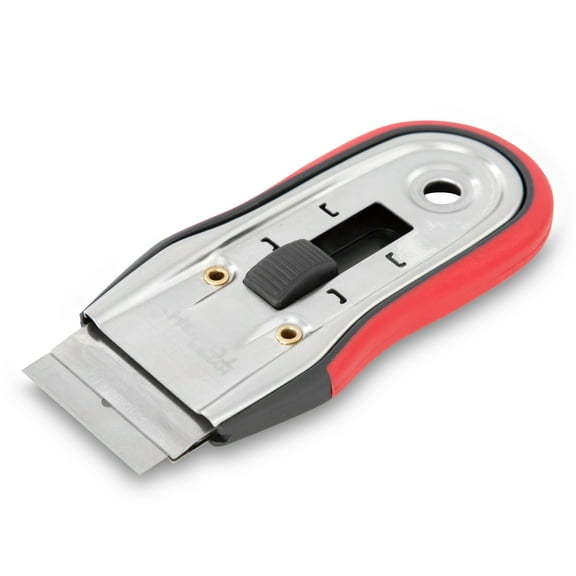
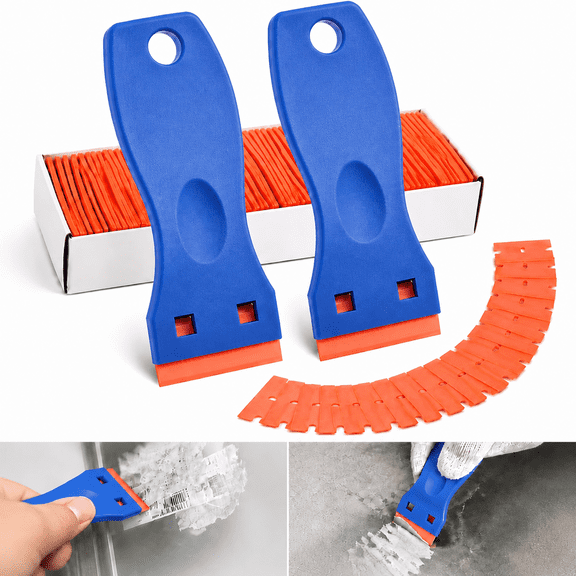
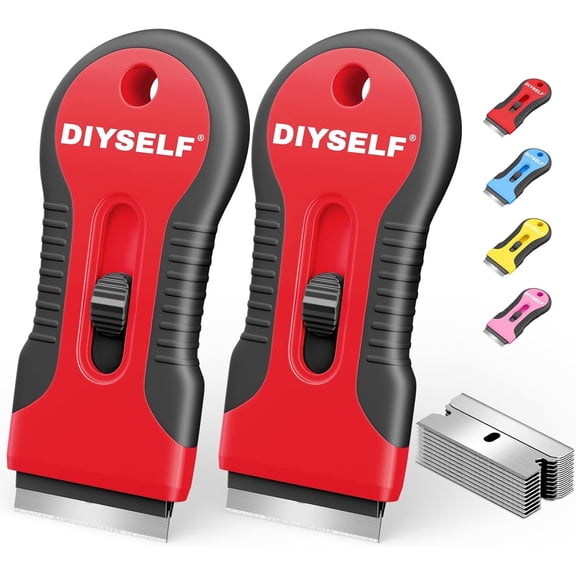
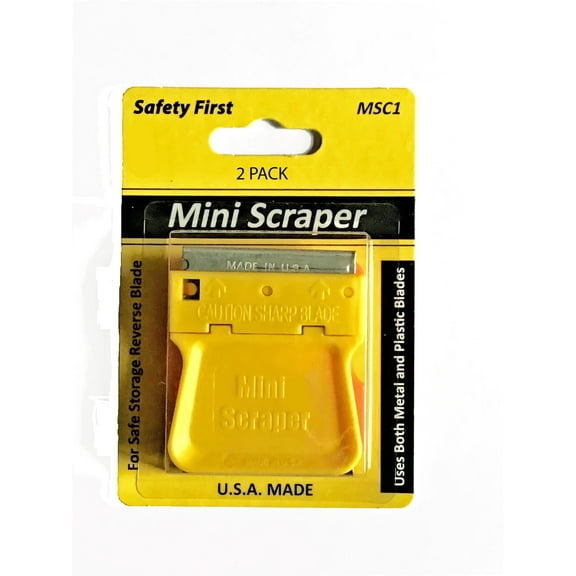
If you’re removing labels, residue, or thin paint from glass, a razor scraper can offer a flatter profile. You’ll want steady pressure and a shallow angle to support steady control on the surface.
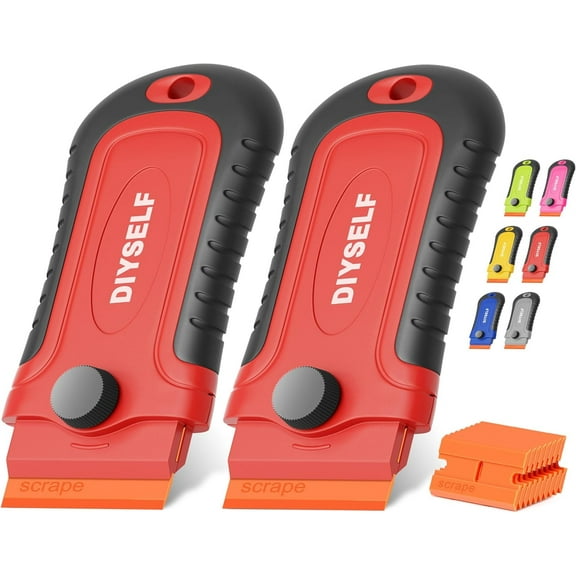
You should look for ergonomic or soft-grip handles when you’re scraping a whole room or full exterior section. This helps you stay more comfortable during long sessions when the grip reduces hand fatigue.
You may still prefer a wood handle if you like a classic, rigid feel in your hand. You can choose heavy-duty builds when you need added stability for thicker layers and repeated passes.
Matching your tool to wood, metal, glass, and walls
You can get cleaner prep when you match the scraper edge to the material under the paint. You should think about how much pressure the surface can handle before you start.
On wood, you’ll want a controlled edge and a shallow scraping angle to help preserve the grain pattern. You can pair that approach with steady strokes when lifting chipped or curling paint.
On metal, you may prefer a firmer blade that keeps contact even across flatter sections. You’ll want a scraper tool paint design that stays predictable around rails, doors, and utility surfaces.
On glass, you should use a flat razor style and keep the blade nearly parallel to the pane. This helps you maintain steady control when you use light pressure and short, careful passes.
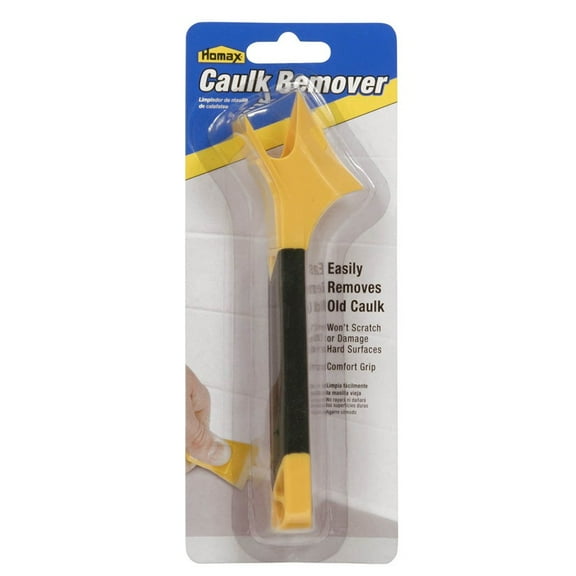
On walls, you may want a broader blade that lifts loose material before patching or repainting. You can also use a stain scraper style for localized areas where coatings have started to lift.
If you’ve searched for escrapeador de pintura, you’re likely looking for the same category with surface-specific choices. You’ll find that blade material and scraper shape matter more than the label alone.
Use cases, maintenance, and replacement blades
You can use a paint remover scraper for exterior trim, doors, fences, cabinets, windows, and touch-up prep before fresh coats. This helps you get efficient results when the blade width matches the working area.
If you’re restoring furniture, you may want a narrower edge for legs, corners, and carved details. You can switch to a wider head when you’re flattening broad panels or table aprons.
You should check blade replacement details before you commit to a frequent-use tool. You’ll want clear compatibility information if you expect to swap worn edges instead of replacing the whole scraper.
When you maintain your scraper, you can keep the edge cleaner and the handle easier to grip. You’ll also make storage simpler when the blade cover or replacement system is straightforward.
You can build a more complete prep setup by pairing your scraper with paint brushes, paint strippers, or heat guns. This helps you cover stripping, cleanup, and repainting with fewer interruptions between steps.
With the right paint scraper, you can prep surfaces with more control and less guesswork. This helps you finish with a cleaner base for primer or paint, which makes the next coat look even.