

Paint Supplies & Tools in Paint
































About Paint Supplies & Tools in Paint - Walmart.com
You need paint tools and supplies that match your project, surface, and paint type. You can compare brushes, rollers, trays, tape, and edgers more easily when your category guidance explains each tool.
Whether you're refreshing a bedroom or coating an exterior fence, you can work faster with the right setup. You can also get cleaner lines, steadier coverage, and easier cleanup when your painting tools fit your task.
Choosing paint tools and supplies by tool type
You should start with tool type, because each option changes how your finish looks and how long your project takes. You can use paint brushes for trim, corners, and narrow sections where detail is key.
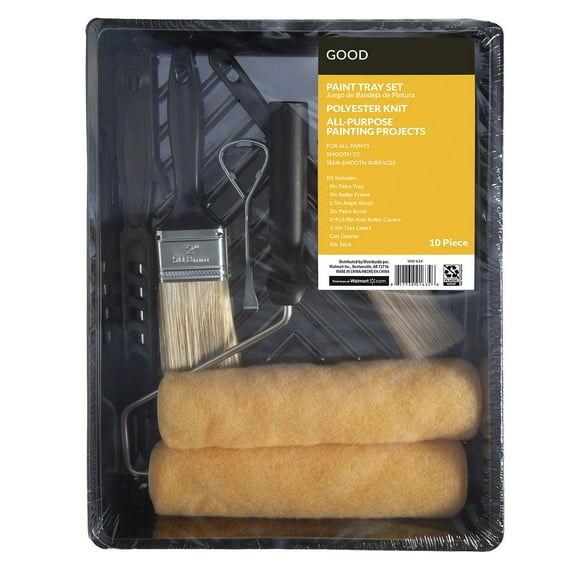
You'll find rollers helpful for large walls and ceilings because you can cover broad areas with fewer passes. You can pair paint trays with liners so your roller loading stays even and organized.
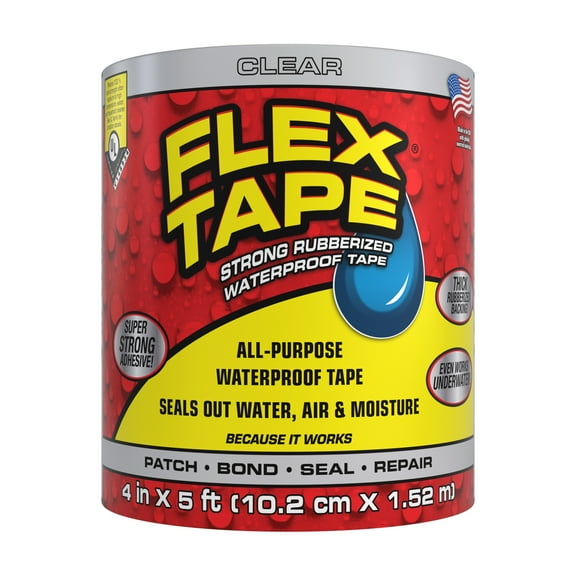
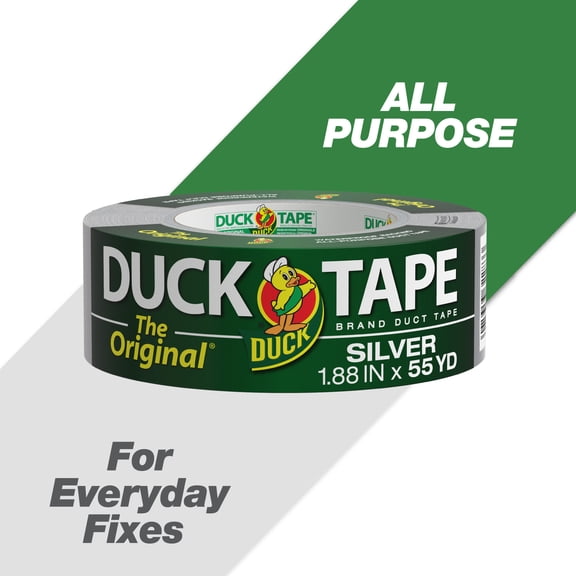
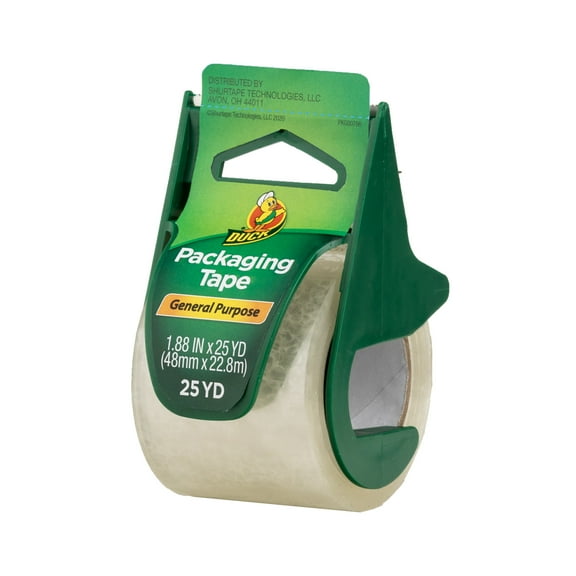
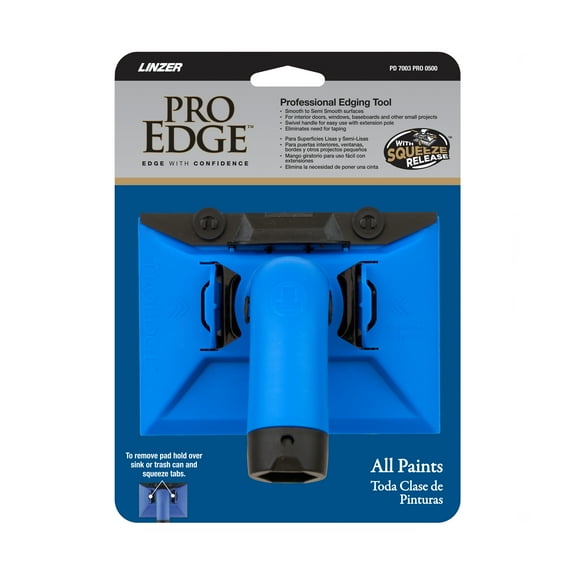
Painter's tape helps you define edges around baseboards, windows, and switches with less touch-up work later. You can use edgers when you want a guided line along ceilings or molding.
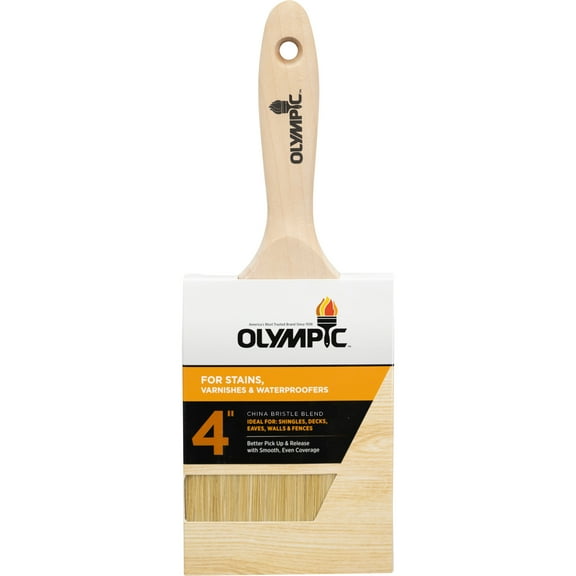
- You can use brushes for trim, doors, sash work, and detail painting.
- You can use rollers for broad interior walls, ceilings, and large exterior panels.
- You can use trays to manage paint pickup and keep roller loading consistent.
- You can use tape to create crisp borders around fixtures, frames, and corners.
- You can use edgers when you want straighter cut-in lines with less freehand work.
How to compare painting tools for project type
You should let project type guide your choices, because interior, exterior, detail, and ceiling jobs create different demands. You can often use smaller brushes indoors where furniture, trim, and tight corners require precision.
For exterior paint tools, you may want larger rollers or sturdier brushes that handle siding, fences, and masonry textures. You can also look for extension poles for ceilings and tall walls where reach affects speed.
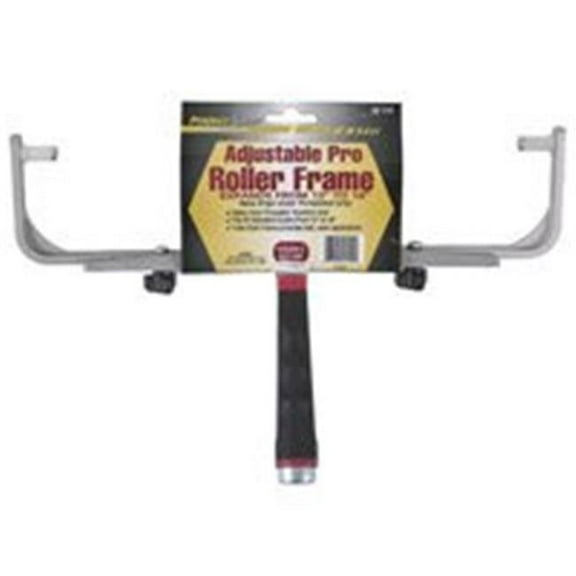
When you're handling detail work, you may want narrower brush widths and steadier control around cabinets, railings, and window grids. For ceilings, you can choose roller frames and paint trays that help you keep a smooth overhead pattern.
What to look for in paint supplies by material compatibility
You should compare paint supplies by coating type, because the wrong applicator can change pickup, release, and finish appearance. You can sort your choices around latex paint, oil-based paint, stains, and varnishes.
For water-based coatings, you can look for nylon or polyester bristles that keep their shape during application. For oil-based paint, you may prefer natural bristle brushes for a traditional feel and controlled flow.
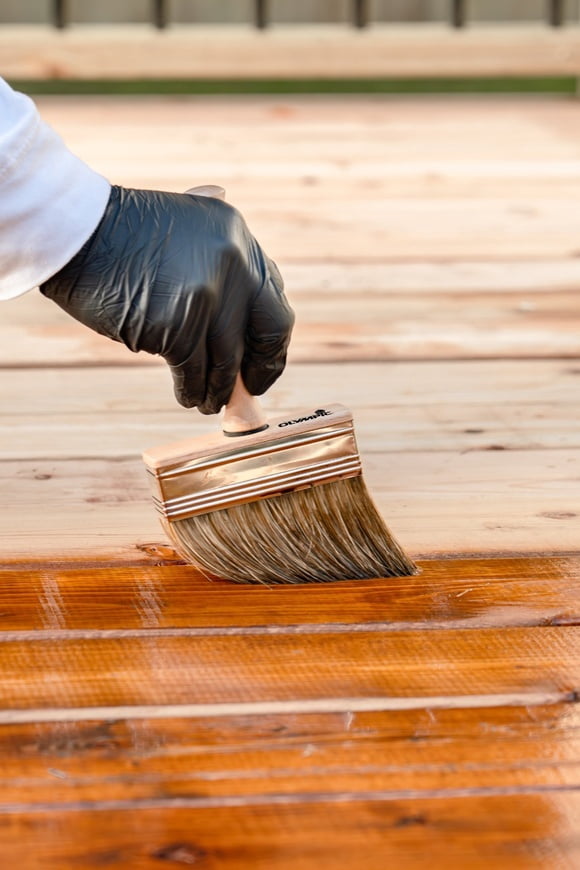
When you're applying stains or varnishes, you may want foam applicators or specialty brushes for smoother spreading on wood surfaces. You can get more predictable coverage when your brush or roller matches the coating texture.
Choosing roller nap and brush material
You should let surface texture and area size shape your roller choice, especially when you're comparing nap depth in inches. You can use shorter nap rollers on smooth walls when you want a cleaner finish.
On textured walls, stucco, brick, or rough exterior surfaces, you may need a thicker nap to reach low spots. You can cover uneven areas more completely when your roller holds enough paint.
You should also compare brush and roller materials when you're choosing between synthetic, natural bristle, foam, and microfiber options. You can use synthetic filaments for many latex jobs, while foam suits smooth surfaces and fine touch-ups.
You may notice microfiber rollers help you maintain even coverage with fewer visible streaks on broad surfaces. You should check width, frame fit, and refill compatibility so your setup stays consistent through the job.
Matching diy painting equipment to project scale
You should compare diy painting equipment before you begin, because project scale affects speed, control, and cleanup. You can use brushes for smaller rooms, repairs, trim, and furniture where detail is key.
For medium and large spaces, you can use rollers to move across walls faster while keeping coverage more uniform. You can add extension poles when you want steadier reach on ceilings, stairwells, or exterior siding.
If you're planning touch-ups, you may want compact trays, mini rollers, and angled brushes that store easily between uses. For larger prep work, you can include painter's tape, drop cloths, liners, and extra covers in your kit.
You should also weigh cleanup and durability, especially if you paint often or handle several rooms. You can compare reusable tools with disposable liners or covers based on how much maintenance you want afterward.
Using paint tools and supplies for real projects
For an interior wall refresh, you can pair microfiber rollers, a tray, painter's tape, and an angled brush. You can get smoother wall coverage and cleaner trim lines when each tool supports a different step.
For exterior trim and siding, you can choose exterior paint tools that match rougher surfaces and longer reach. You can use thicker nap rollers for textured areas and durable brushes for edges and corners.
When you're staining a deck or sealing wood furniture, you can select applicators that suit stains and varnishes. You can work more evenly when your chosen pad, foam brush, or bristle style matches the finish.
For ceilings, you can look for roller frames, extension poles, and trays that support steady overhead work. You may notice the right roller nap helps you spread paint across broad sections with fewer interruptions.
With the right paint tools and supplies, you can match every step of your project to the surface, coating, and finish you want. You can complete prep, application, and cleanup with more control and a more polished result.