

Packing Paper in Packing Materials






















About Packing Paper in Packing Materials - Walmart.com
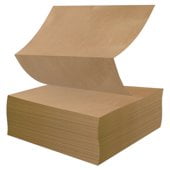
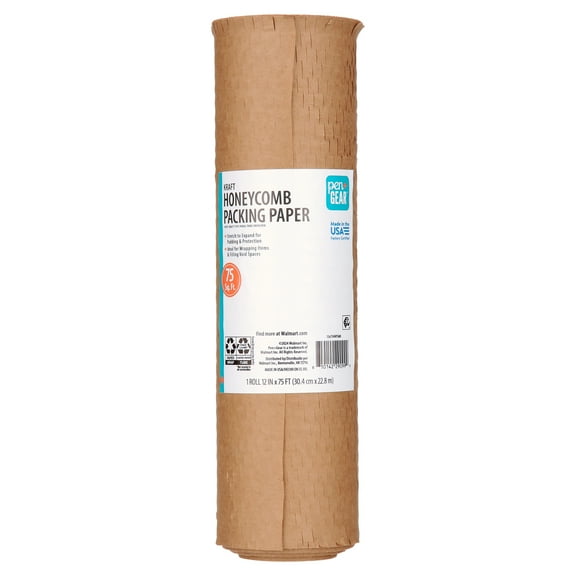
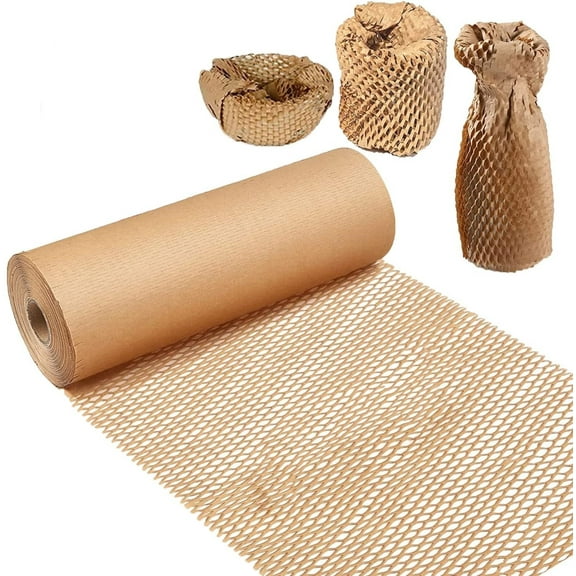
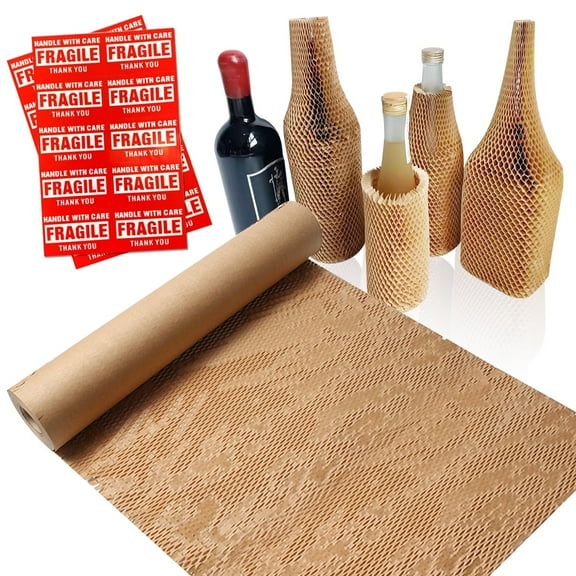
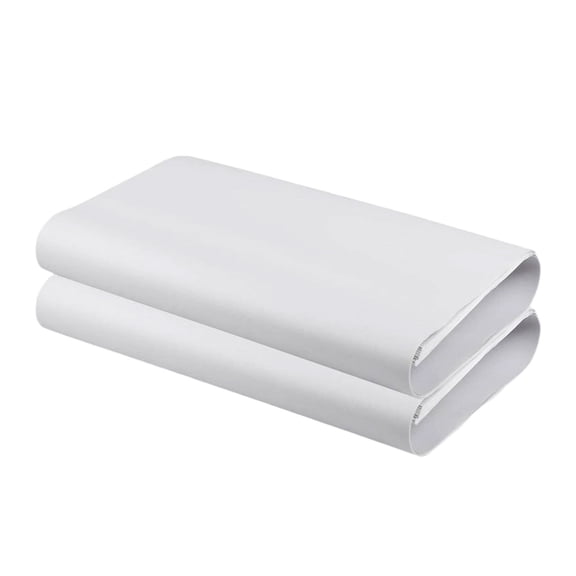
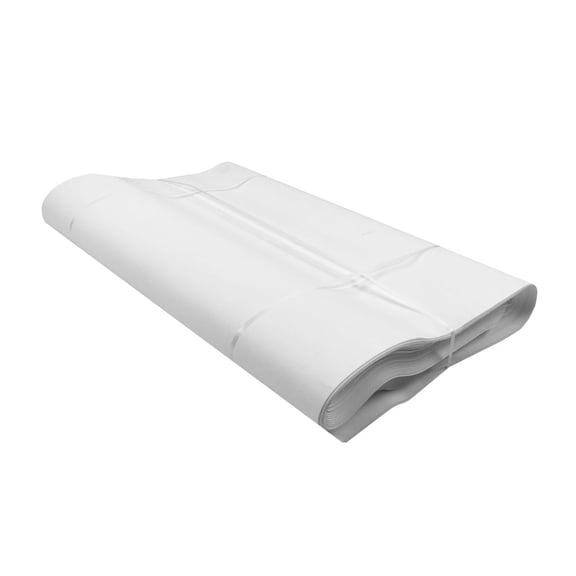
Brown packing paper helps you wrap, cushion, and fill boxes with a clean, flexible material. You can use it for moving, shipping, and storage when you want paper that tears, folds, and layers easily.
You’ll notice this category centers on brown and natural tones that work well for packing without printed surfaces. You can also compare rolls, sheets, and thickness levels here, so your packing setup matches what you’re protecting.
How to choose brown packing paper
When you compare color first, you can narrow your options faster. You’ll often choose brown packing paper when you want a neutral look for shipping, storage, or simple presentation.
If you compare paper type next, you can match handling to your task. You’ll often see kraft, recycled, newsprint, and waxed options, and each one suits a different packing routine.
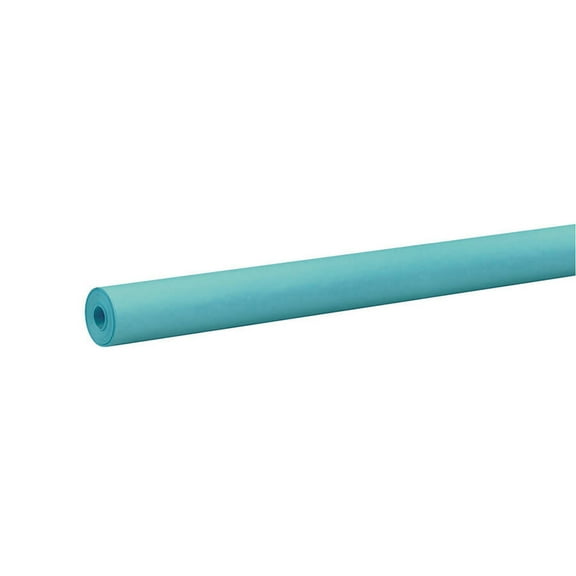
If you want a classic shipping material, you may prefer a brown kraft paper roll for easy tearing and wrapping. If you want a simpler format for quick cushioning, you can also compare recycled packing paper and sheet packs.
Benefits of brown wrapping paper for packing
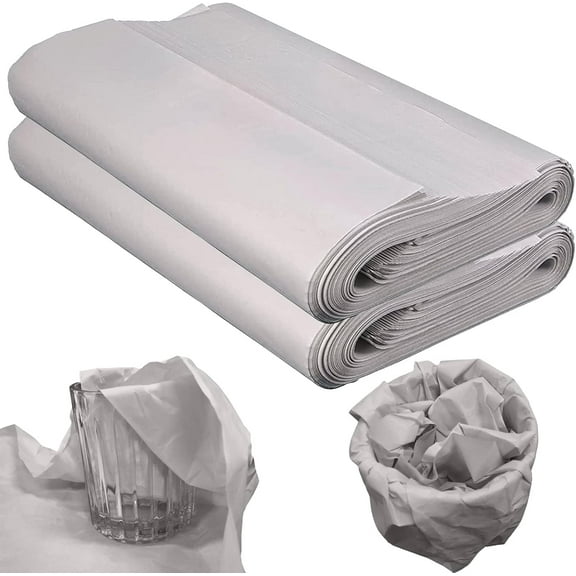
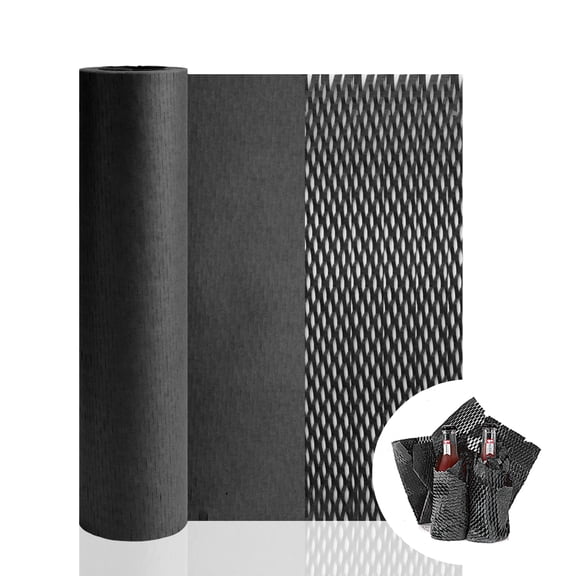
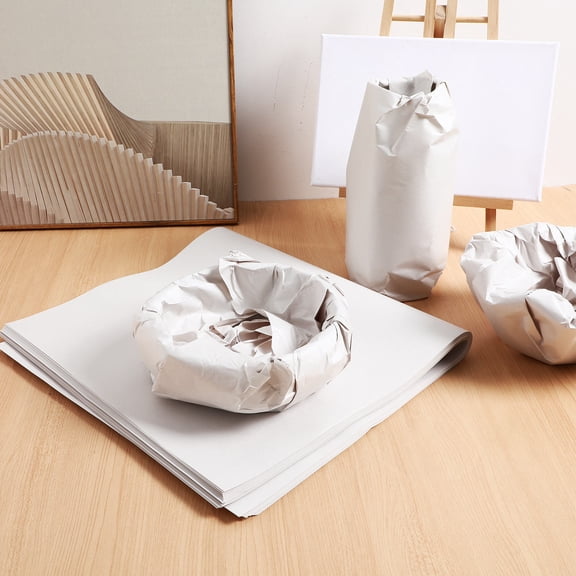
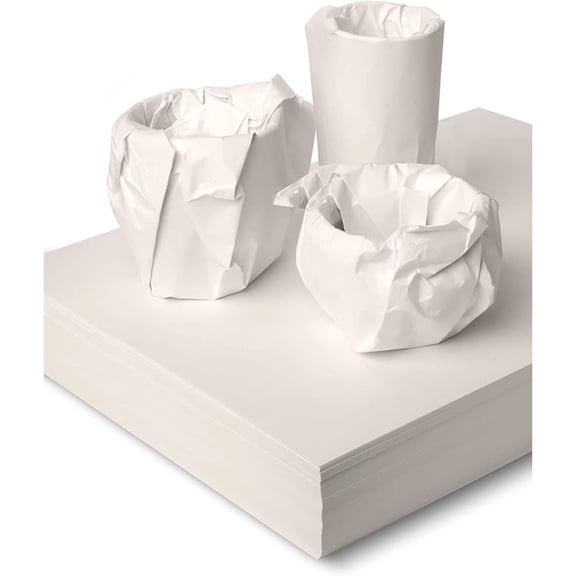
Brown wrapping paper gives you a flexible layer that works around corners, handles, and uneven shapes. You can crumple it for void fill or fold it flat for cleaner wrapping around books and kitchen items.
For moving day, you’ll appreciate how quickly paper stacks, tears, and nests inside cartons. You can wrap plates, separate bowls, and line boxes without switching between several bulky materials.
- You can use it as void fill to reduce shifting inside shipping boxes.
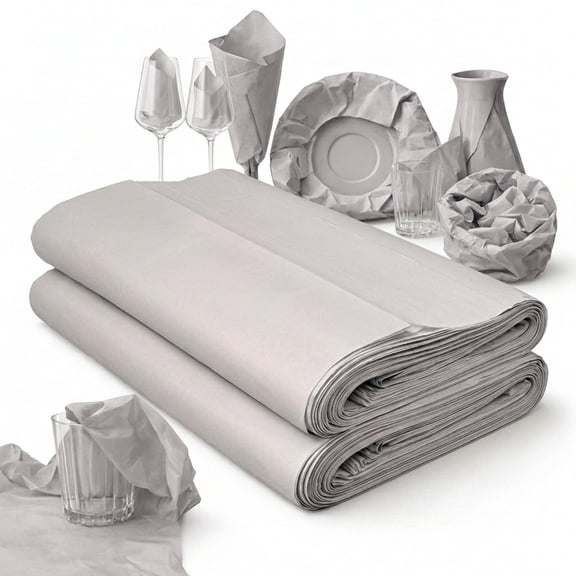
- You can wrap dishes and glassware with a plain surface that helps keep packed items clean.
- You can tear custom lengths from rolls when standard sheet sizes don’t fit your item.
- You can keep extra paper flat or rolled, which makes storage simple between packing jobs.
If you send orders or prepare archive boxes, shipping packing paper helps you create a neat presentation. You can also use the same paper for gift wrapping, classroom projects, and simple craft table coverage.
You may also like the natural brown look when you want a clean, understated finish. You can pair it with boxes, tape, and labels without glossy coatings or printed patterns.
Choosing format and thickness for brown packing paper
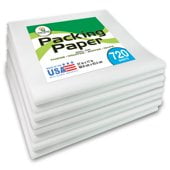
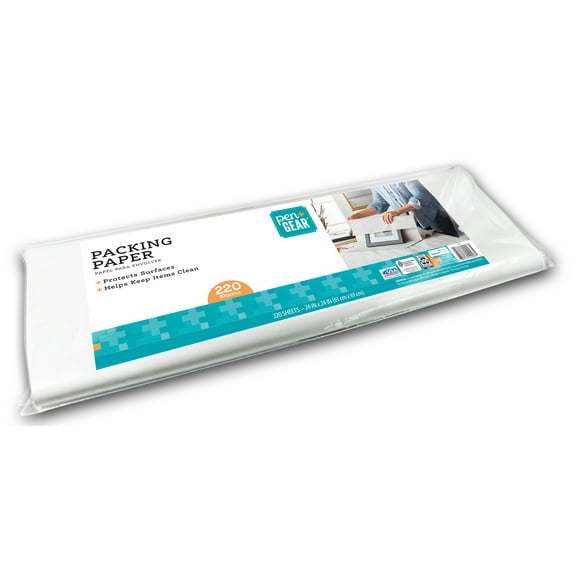
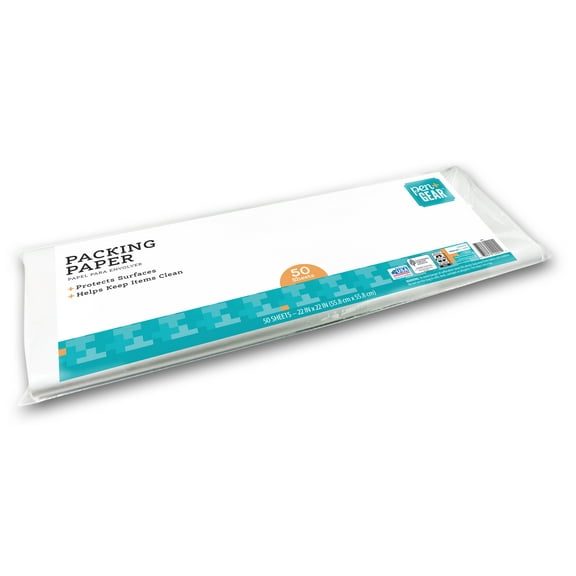
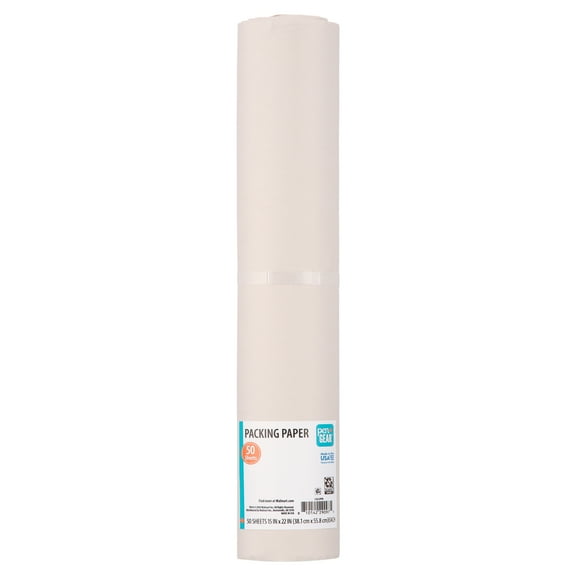
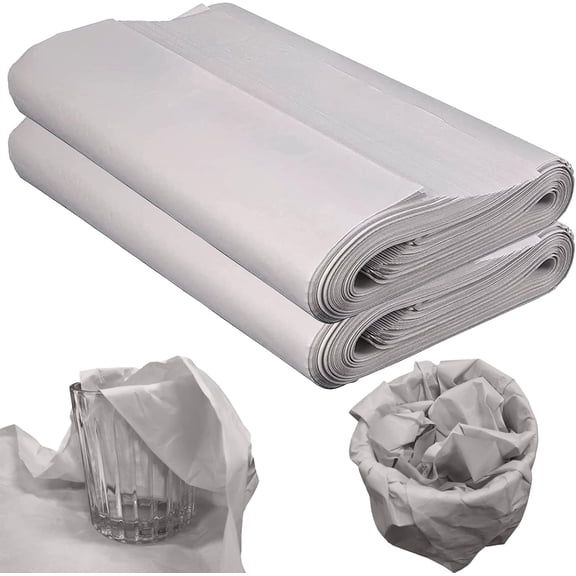
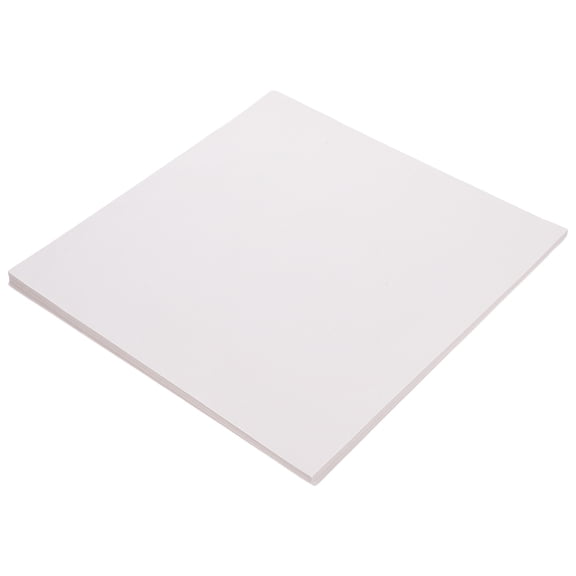
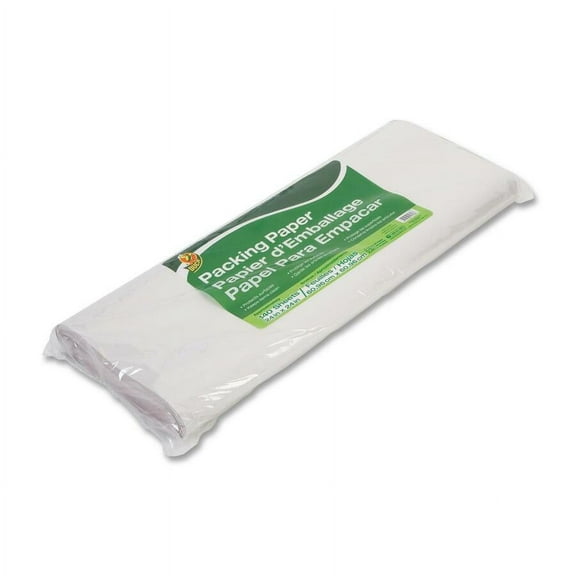
When you choose between rolls and packing paper sheets, you should match the format to your pace. You’ll often prefer sheets for wrapping dishes quickly, while rolls suit custom sizes and long items.
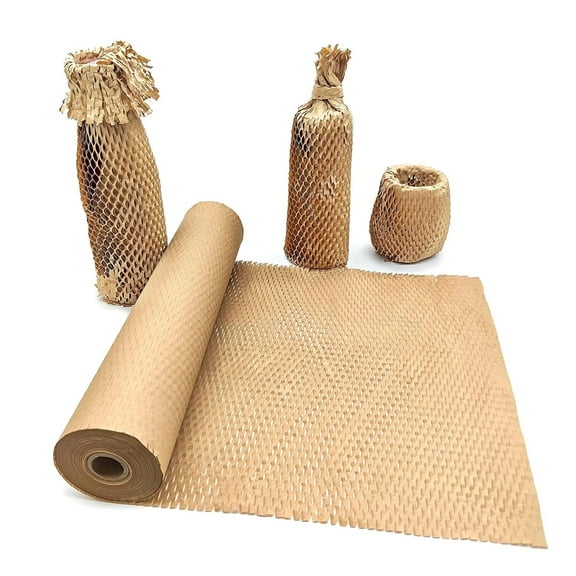
Sheets help you move faster because you can grab one piece at a time. Rolls help you cut only what you need, so you can wrap lamps, frames, and mixed box loads with less trimming.
You should also compare basis weight before you pack heavier items. You’ll often see 30 lb or 50 lb options, and those numbers help you judge how sturdy the paper feels.
If you need standard cushioning, you may find lighter paper easier to crumple and layer. If you’re wrapping denser items, you may prefer heavy duty packing paper that handles folding and stacking with more structure.
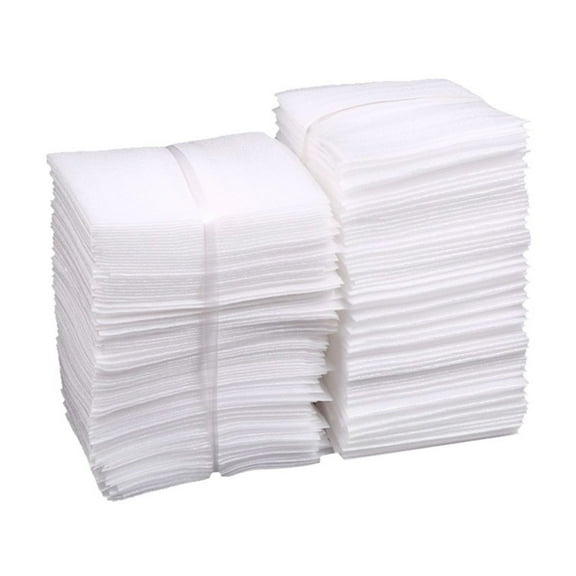
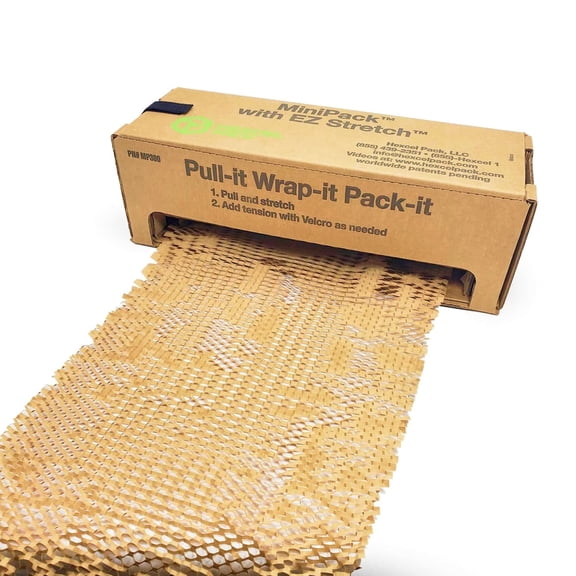
You can also compare shredded paper when you want fill for baskets, gift boxes, or light decorative packaging. If you need broad coverage for dishes or framed art, you’ll usually want sheets or rolls instead.
What to look for in paper type and finish
Paper type changes how your packing material handles, folds, and presents inside the box. You should compare kraft, recycled, and waxed options based on how much structure and surface coverage you want.
Kraft paper usually gives you a firmer feel that works well for wrapping corners and layering around boxed goods. Recycled packing paper often fits routine shipping and moving tasks when you want paper made from reused material.
You should check whether the surface is uncoated or coated before you pack keepsakes or framed pieces. You’ll usually want an uncoated finish when you want to avoid ink transfer on dishes, glass, or display items.
Waxed paper has a coated feel, so you should compare it carefully with standard uncoated options. If you’re packing household items, you’ll often prefer uncoated paper because it feels easier to fold and less slick.
Where shipping packing paper fits into your routine
You can use shipping packing paper when you’re boxing kitchenware, office supplies, books, and seasonal decorations. You’ll find it helpful for layering between plates, filling corners, and wrapping objects with uneven edges.
If you run a small shipping station, you can keep a roll nearby for fast daily packing. If you pack dish sets or collectibles, you may prefer packing paper sheets because they’re easy to pull and stack.
You can also use this paper for mailing gifts, protecting picture frames, and organizing long-term storage bins. When you want one material for packing and presentation, you’ll get broad use from this category.
For classrooms, studios, and home projects, you can use leftover sheets as table covering or craft paper. You’ll get more flexibility from a material that works beyond the shipping table.
When you compare format, paper type, basis weight, and finish, you can choose with more confidence. You’ll end up with cleaner wrapping, steadier box fill, and a simpler way to protect everyday items.