




Dog Clippers in Dog Grooming





















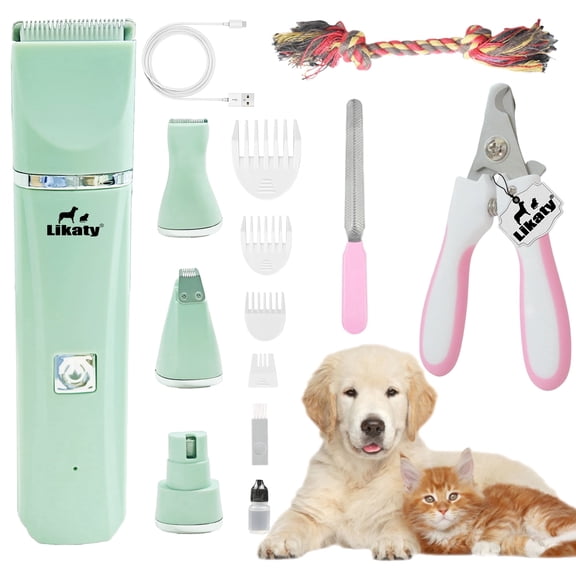

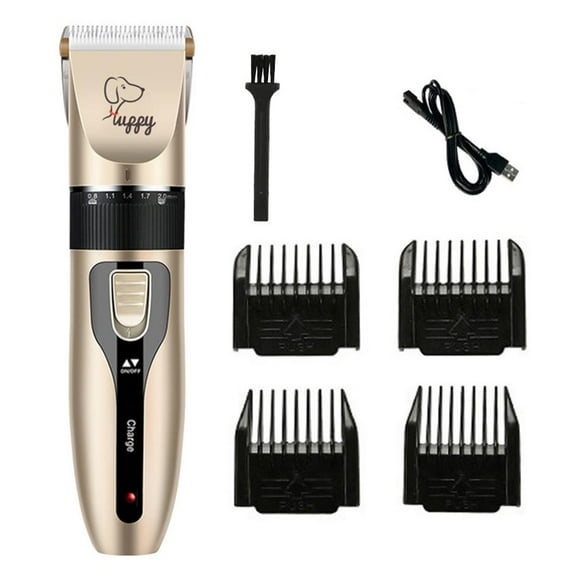
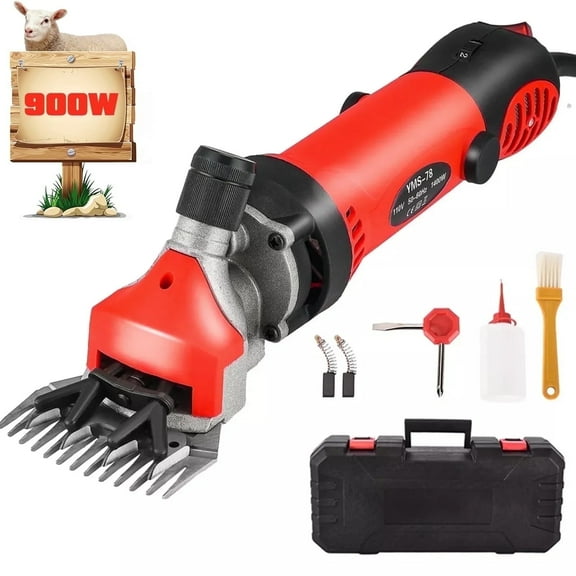

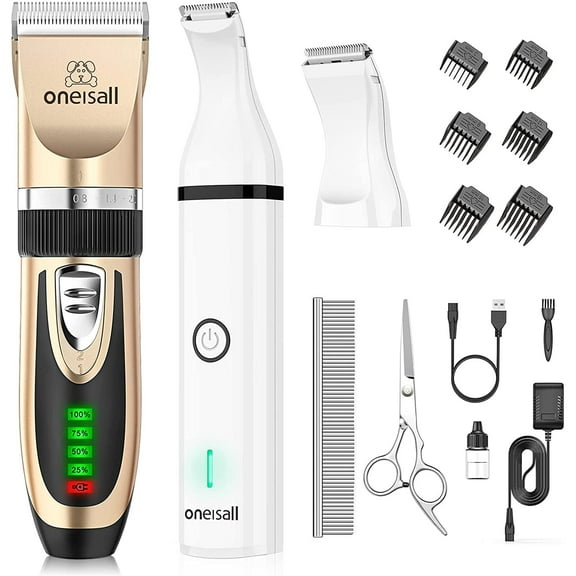


About Dog Clippers in Dog Grooming - Walmart.com
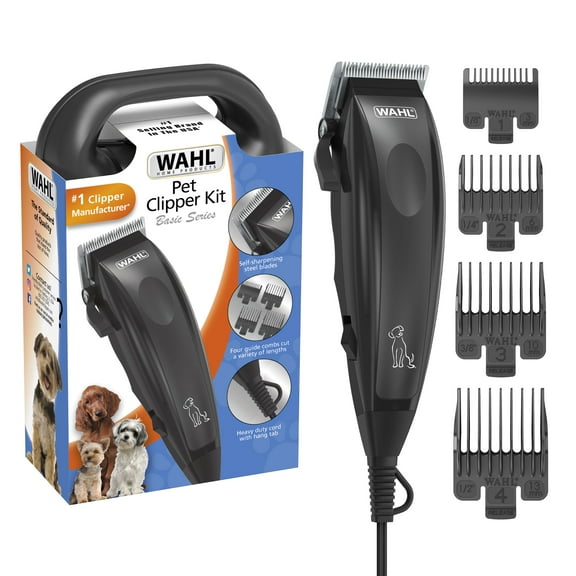
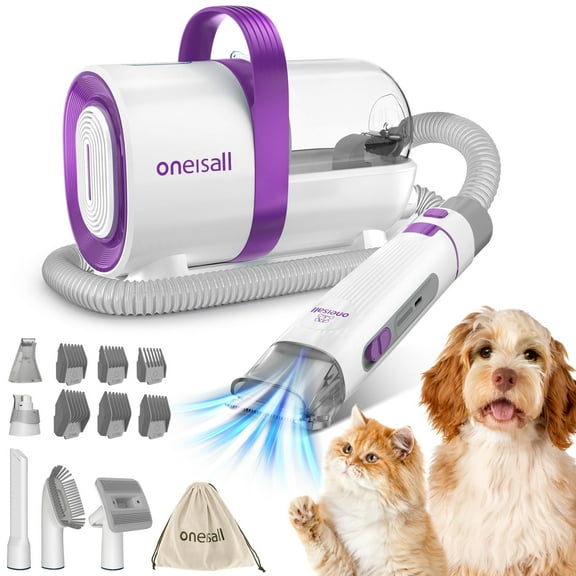
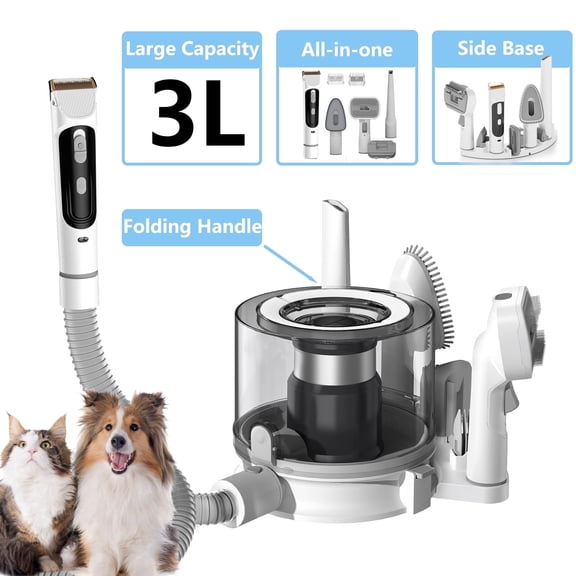
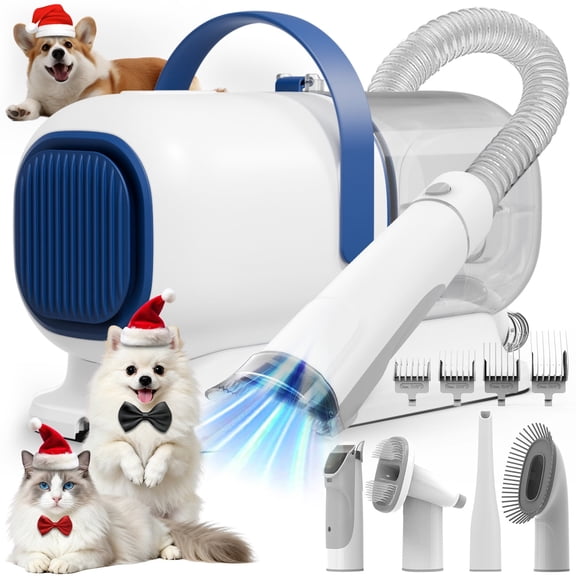
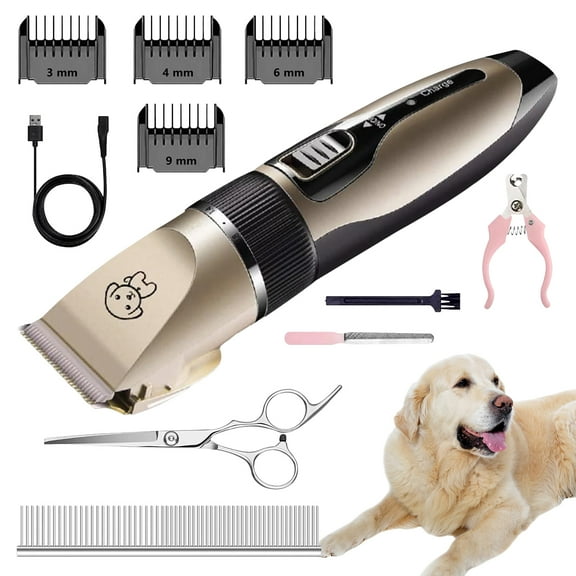
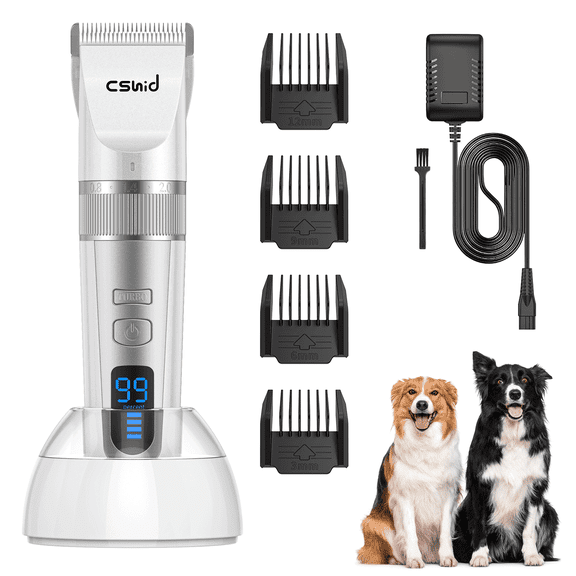
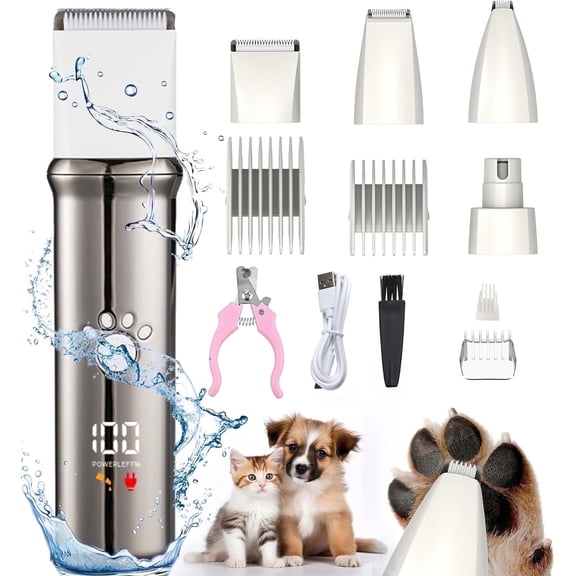
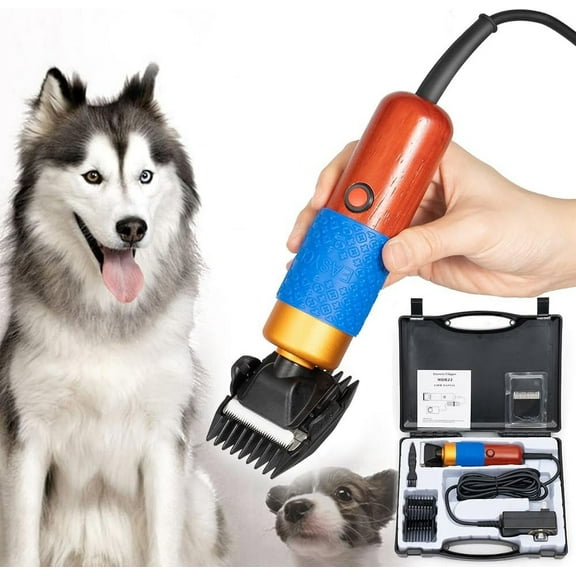
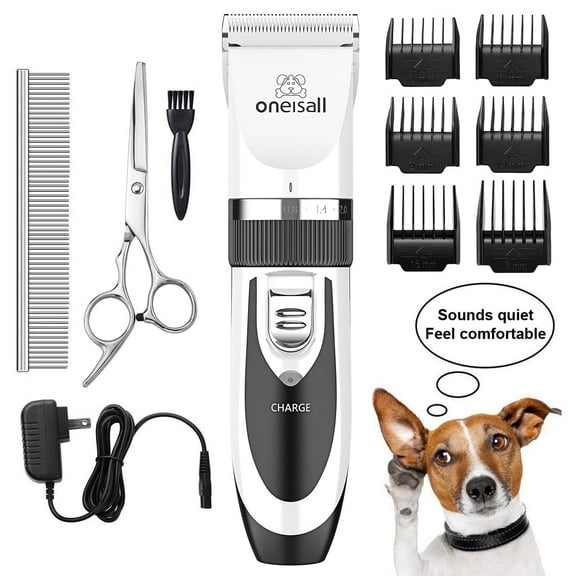
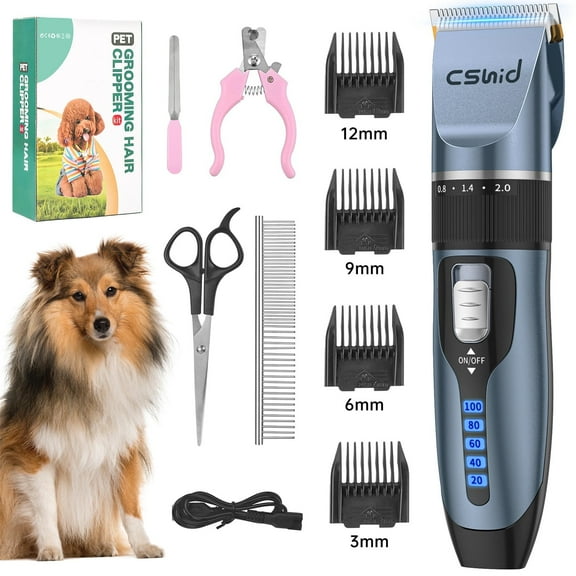
Dog clippers help you keep your dog's coat neat between appointments and during full grooming sessions. You can compare quiet motors, cordless designs, and blade materials that suit thick coats or fine hair.
How to choose dog clippers for your routine
When you compare dog clippers, you should start with your dog's coat type and grooming schedule. You may need different cutting power for a short smooth coat than for a dense double coat.
If you groom often, you may want dog grooming clippers with easy handling and simple attachment changes. If you trim paw pads, sanitary areas, or face details, you may prefer a lighter body.
You can narrow your options faster by focusing on a few decision points first. You should compare power source, noise level, coat suitability, and blade material before anything else.
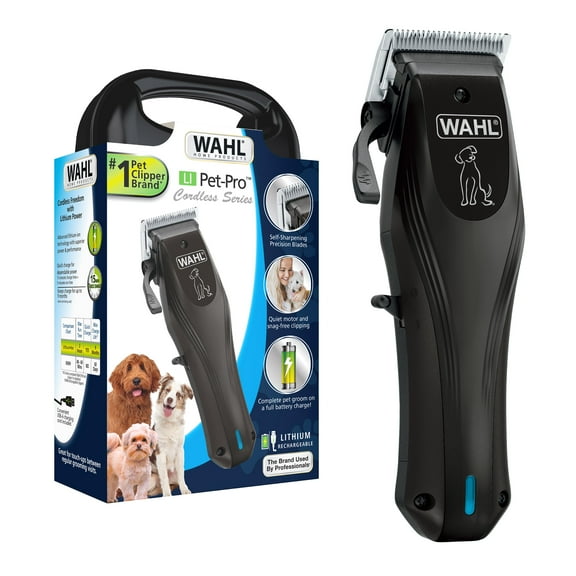
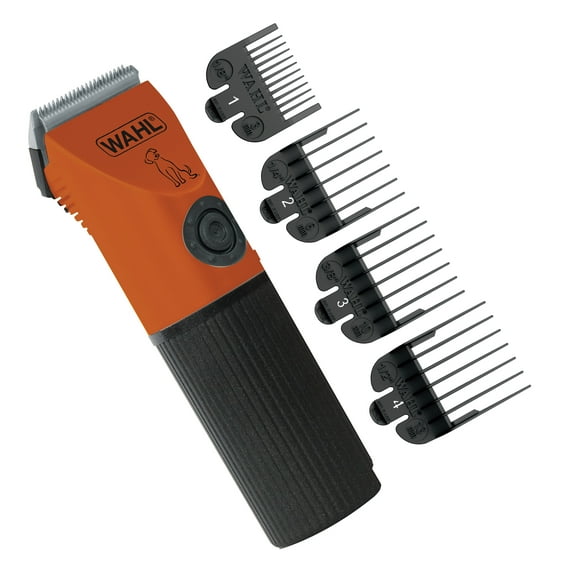
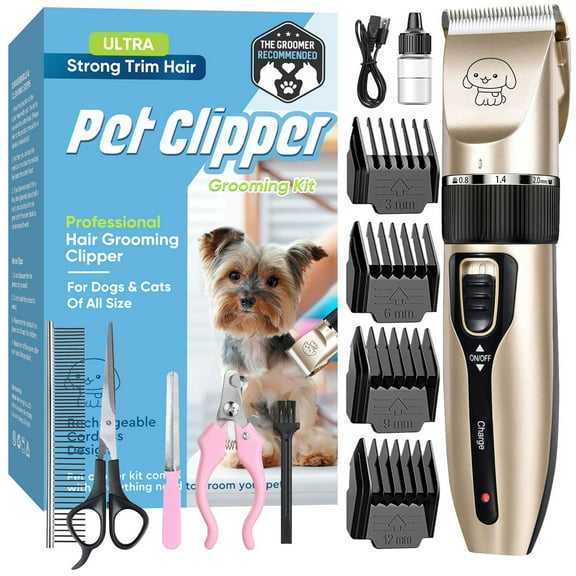
- You can choose cordless dog clippers when you want more freedom around wiggly dogs.
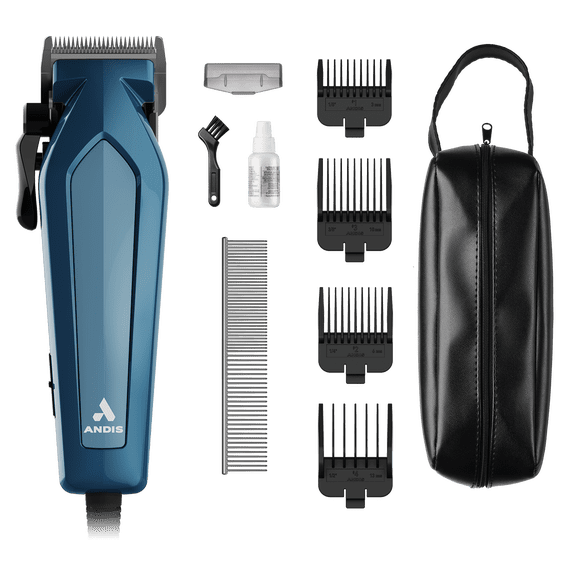
- You can choose corded models when you want steady power for longer grooming sessions.
- You can look for quiet dog clippers when your dog notices sound and vibration quickly.
- You can check coat suitability if your dog has a thick undercoat or finer hair.
- You can compare ceramic, stainless steel, and titanium blades based on heat and wear.
Choosing power source and noise level
Power source affects how you move around your dog and how long you can clip without stopping. You should compare cordless, corded, and rechargeable options based on your grooming space.
With cordless dog clippers, you can move around legs, belly, and tail without a cord in the way. You should check battery life in minutes and charge time before you choose.
With corded options, you can keep a steady trim going during longer sessions on larger dogs. You may like this setup when your dog needs full-body clipping or repeated passes.
Noise level matters when your dog reacts to sound, vibration, or sudden changes near the ears and face. You can look for quiet dog clippers or low noise designs to support calmer grooming routines.
Motor speed also affects how the clipper feels during use and how it moves through hair. You should compare the speed range with your dog's coat density and your comfort level.
Matching dog clippers to coat thickness
Coat suitability can make the difference between a smooth pass and repeated trimming over the same area. You should check whether the clipper is intended for thick coats, double coats, or all coat types.
If your dog has a heavy undercoat, you may want dog clippers for thick coats with stronger cutting ability. You can reduce snagging by pairing that strength with the right guard comb and blade length.
Double coats often need controlled passes that lift through dense outer fur and soft undercoat. You should look for dog hair clippers that can move through bulk without feeling jumpy in your hand.
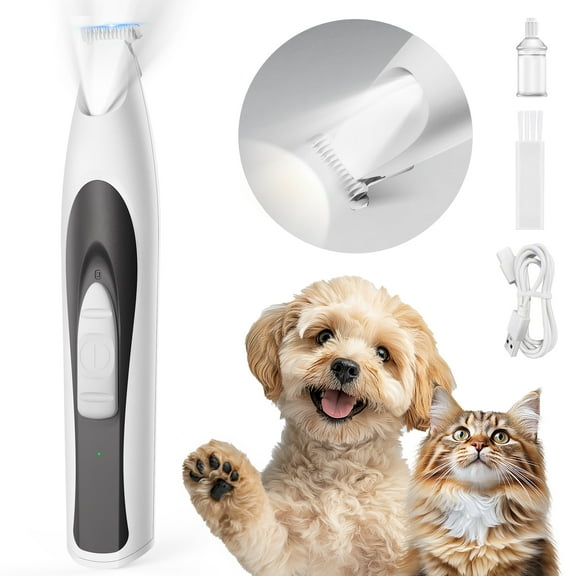
For fine hair or light maintenance trims, you may prefer a smaller tool with gentle handling. You can use that style for touch-ups around paws, ears, and face between full grooming days.
All coat type options can work well when you groom more than one dog at home. You may appreciate that flexibility if your household includes mixed breeds with different textures.
Comparing blade materials and cooling comfort
Blade material affects how the clipper cuts, how it wears, and how warm it feels over time. You should compare ceramic, stainless steel, and titanium with your grooming habits in mind.
Ceramic blades can stay cooler during longer sessions, which helps you keep a comfortable pace. You may like ceramic when you handle thicker coats that need several careful passes.
Stainless steel blades can offer a familiar feel for routine trims and general upkeep. You can choose them when you want a straightforward option for regular coat maintenance.
Titanium blades can appeal to shoppers comparing professional dog clippers for repeated home use. You should look at blade compatibility, replacement availability, and guard comb fit before deciding.
You should also check whether blades are detachable or easy to clean after each session. That detail helps you maintain smoother cutting performance and a more organized grooming setup.
Using dog grooming clippers for common at-home tasks
You can use dog grooming clippers for full-body trims, quick touch-ups, or seasonal coat maintenance. Your ideal setup depends on whether you groom one small dog or several dogs with different coat needs.
For anxious dogs, you may want a quiet motor, a comfortable grip, and shorter grooming sessions. You can start with low noise clipping around the shoulders before moving to sensitive areas.
For larger breeds or dense coats, you may need longer run time and stronger cutting consistency. You can benefit from rechargeable or corded tools when a full trim takes more time.
If you travel or groom in different rooms, you may prefer a compact cordless design with simple charging. You can keep your setup flexible without losing control around curved body areas.
You can also pair your clipper choice with related grooming tools for a smoother routine. Your grooming table, shampoo, and shears can support cleaner prep and more precise finishing work.
When you compare dog clippers this way, you can match the tool to your dog's coat and temperament. You end up with a grooming routine that feels steadier, more comfortable, and easier to maintain.