






Offset Cantilever Umbrellas in Patio Umbrellas






















About Offset Cantilever Umbrellas in Patio Umbrellas - Walmart.com
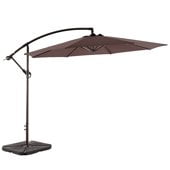
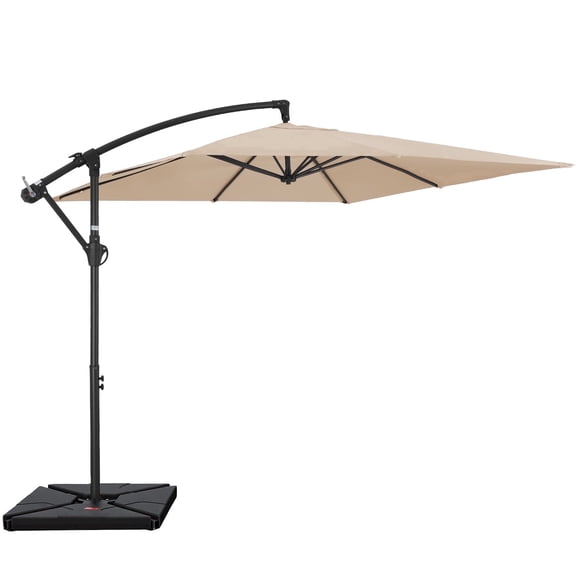
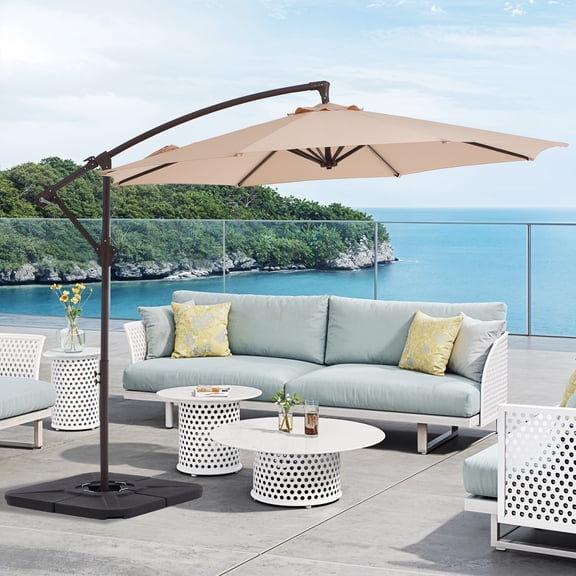
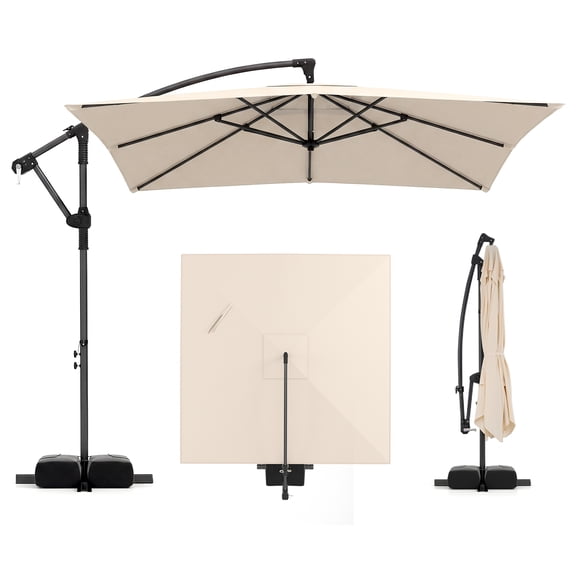
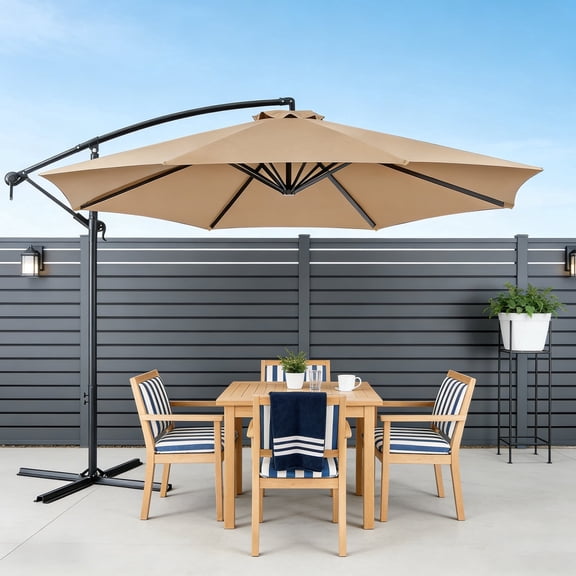
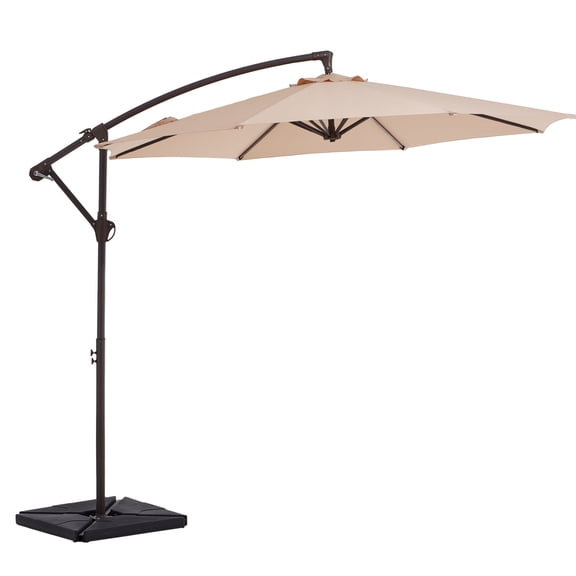
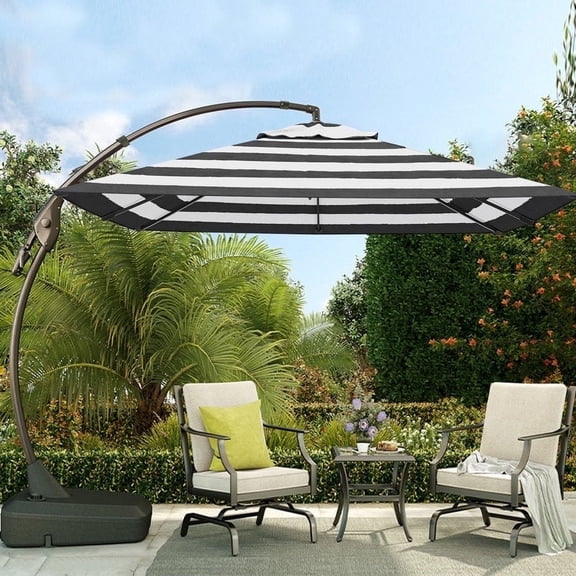
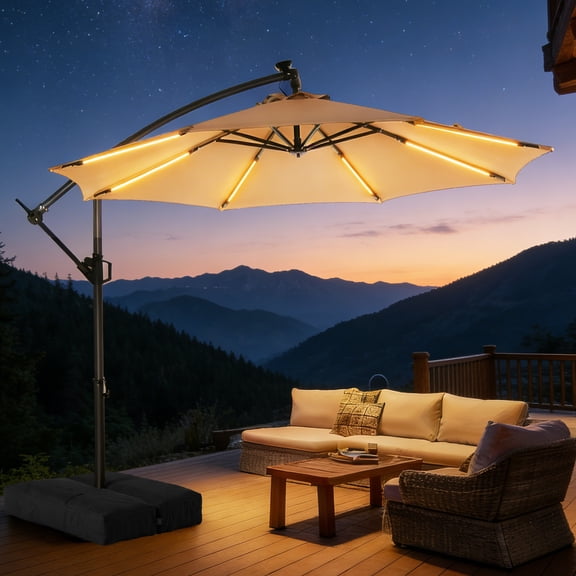
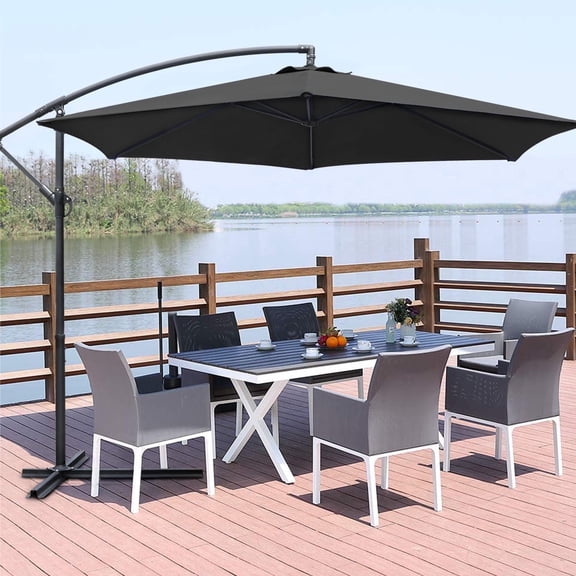
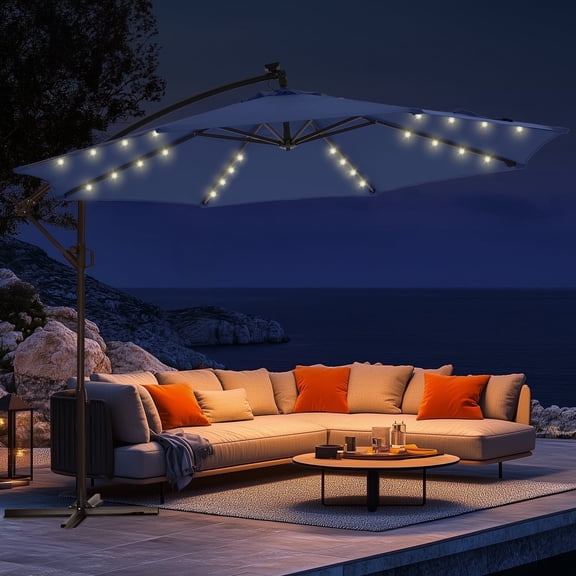
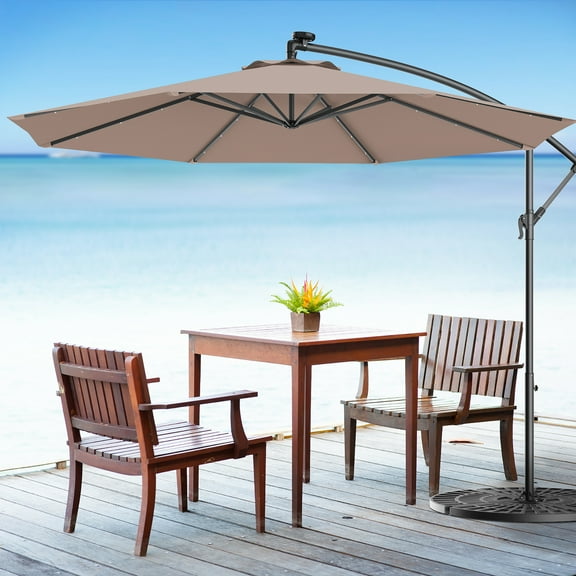
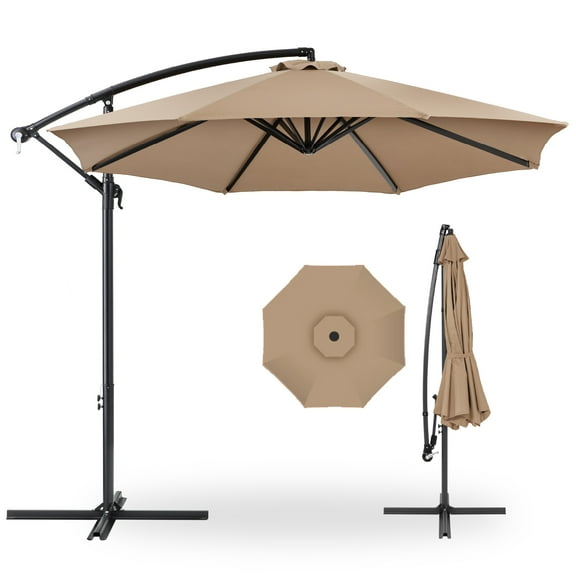
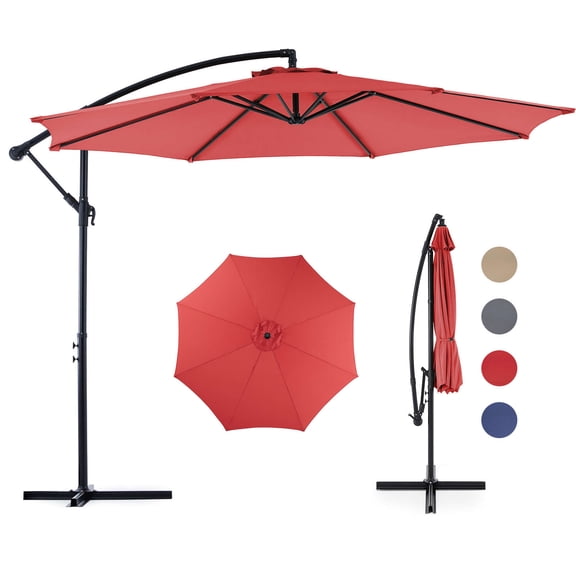
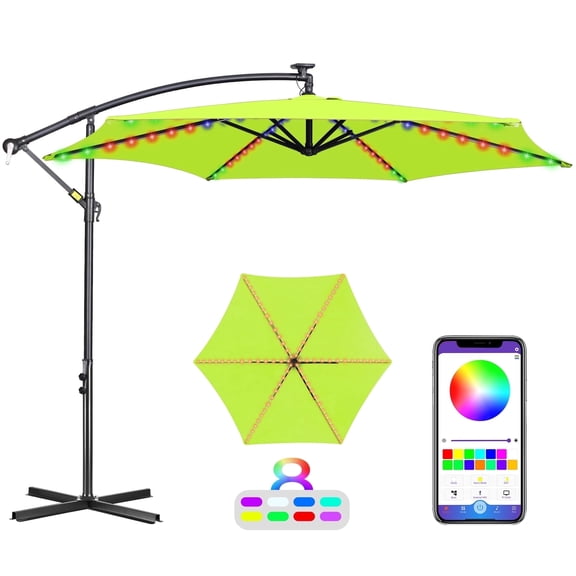
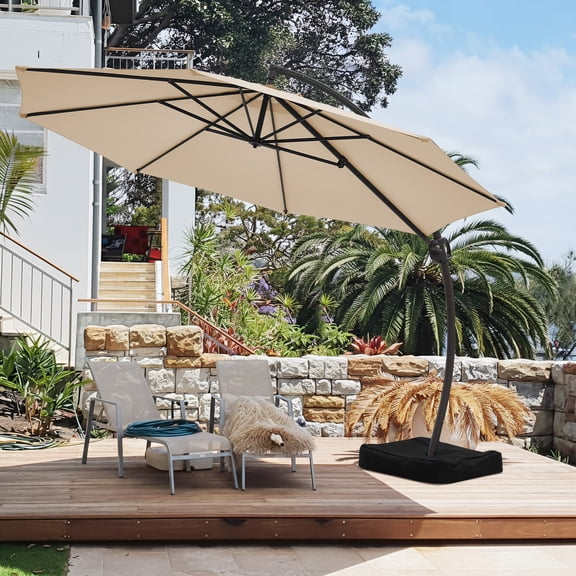
You can create flexible backyard shade with an offset cantilever umbrella that keeps the pole off to the side. You get open space under the canopy, which works well over dining sets, sectionals, and lounge chairs.
How to choose an offset cantilever umbrella
When you compare an offset patio umbrella, you should start with your patio layout and furniture footprint. You’ll want the canopy to cover your seating area without crowding walkways or door clearance.
Size is one of your first decisions, and you’ll often see 9 ft, 10 ft, 11 ft, and 12 ft options. You can use smaller sizes for bistro sets, while larger canopies suit sectional seating and long dining tables.
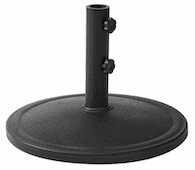
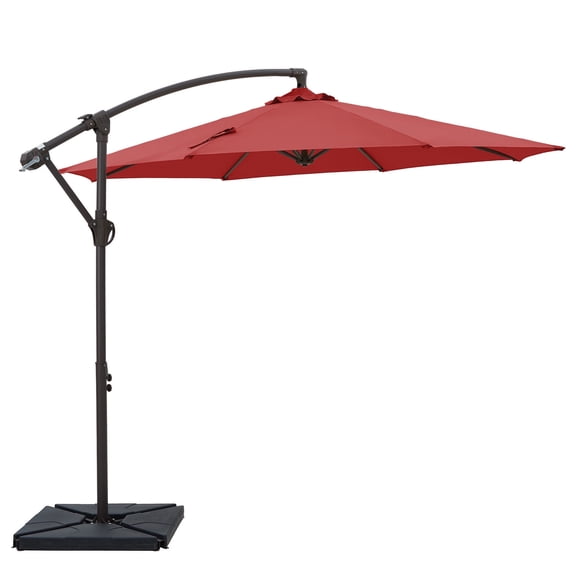
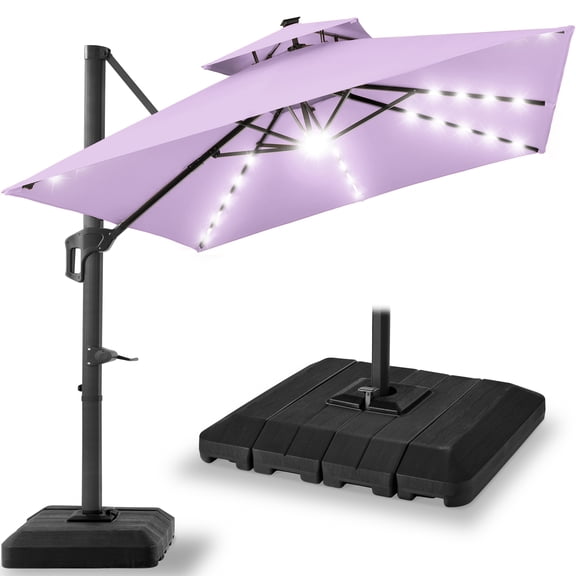
Base setup matters just as much as canopy size because the side-arm design needs steady support. You should check whether you’re choosing a cantilever umbrella with base, a cross base, or a model that needs separate weights.
- You get clear shade without a center pole blocking your table or seating area.
- You can adjust tilt and rotation to follow the sun across your patio.
- You can match canopy size, frame material, and base style to your outdoor setup.
- You can compare fabric options for color retention and everyday outdoor use.
Choosing size, base, and frame details
You should measure your furniture width first, then add extra coverage around the edges. You’ll also want to check canopy diameter and clearance height, so chairs slide comfortably underneath.
For base requirements, you should compare the minimum weight capacity in pounds before you choose. A weighted base helps your hanging outdoor umbrella stay properly supported, especially on open patios.
If you’re considering a cross base, you should confirm whether included parts match the stand design. You may prefer a cantilever umbrella with base if you want a complete setup from the start.
Frame material changes the feel and upkeep of your umbrella, so you should compare aluminum, steel, and wood carefully. Aluminum keeps things lighter, steel feels substantial, and wood brings a classic patio look.
When you want a heavy duty cantilever umbrella, you should look closely at the arm construction and base compatibility. You’ll also want to compare hardware finishes and the thickness of the support pole.
How fabric and mechanisms affect daily use
Fabric choice shapes how your umbrella looks through sunny afternoons and changing weather. You can compare polyester, olefin, and Sunbrella when you want different levels of color retention and texture.
Polyester often gives you a practical everyday option for seasonal shade setups. Olefin can appeal to you when you want a sturdy fabric feel and dependable outdoor performance.
If you’re comparing canopy materials for long patio seasons, you should check how each fabric handles fading and routine cleaning. You’ll notice that fabric details matter when your umbrella stays outside for frequent use.
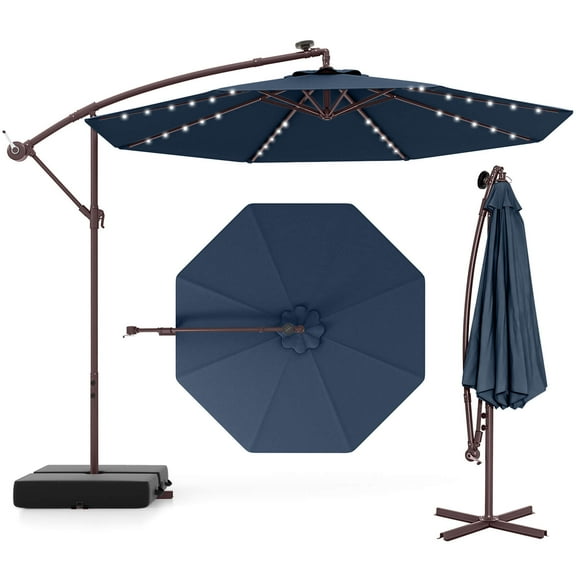
Mechanism features can make your offset cantilever umbrella easy to adjust during the day. You can look for crank lift, 360 rotation, and infinite tilt when you want precise shade control.
A crank lift helps you open and close the canopy with less effort during setup. With 360 rotation, you can move shade across your seating area without dragging heavy furniture.
Infinite tilt gives you fine angle control when the sun shifts lower in the sky. You’ll appreciate that feature when your patio gets late afternoon light from one side.
Matching your umbrella to real outdoor spaces
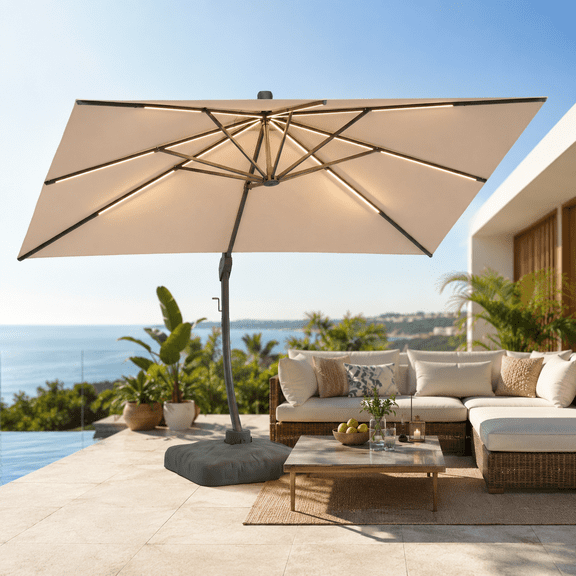
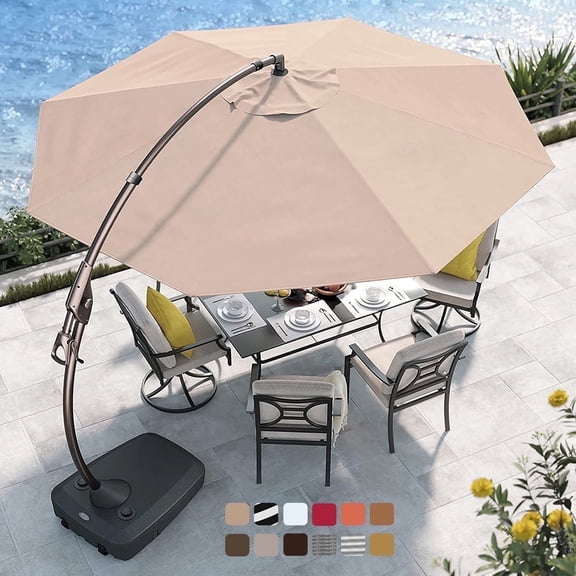
You can use a cantilever patio umbrella over a dining table when you want full table access from every chair. Because the support sits off to the side, you get easy movement around plates, serving trays, and place settings.
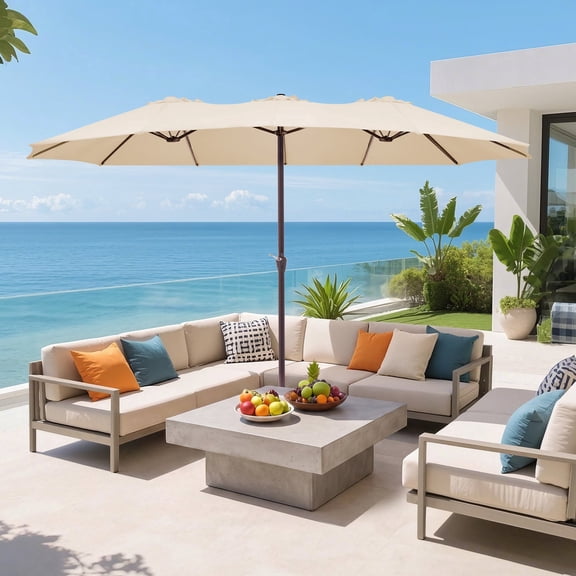
For conversation sets, you may want an 11 ft or 12 ft canopy that stretches across a sectional or several lounge chairs. You should check the arm reach and rotation range, so the shade lands where you actually sit.
If you’re furnishing a compact deck, you might choose a 9 ft or 10 ft model with a smaller footprint. You can keep your setup feeling open while still covering a loveseat or a pair of chairs.
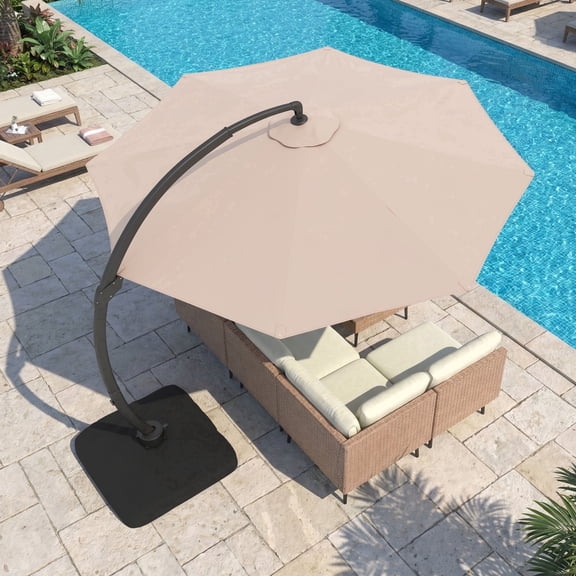
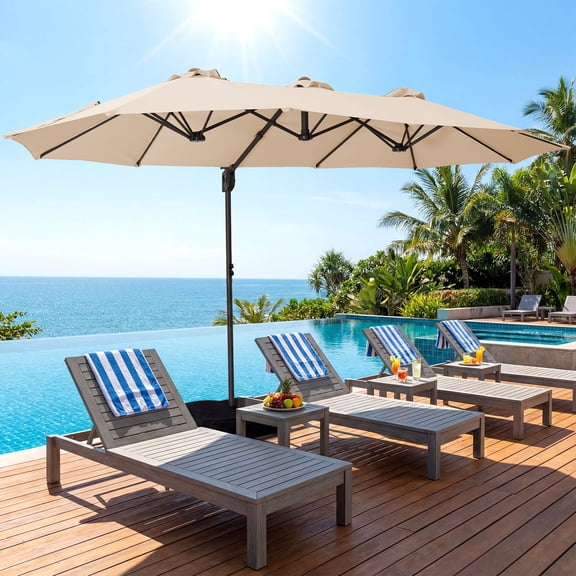
A hanging outdoor umbrella can also work beside a pool or sun shelf when you want shade that doesn’t interrupt the view. You should measure surrounding clearance, so the canopy opens without hitting rails, walls, or planters.
For exposed patios, you may focus on a heavy duty cantilever umbrella with a sturdy frame and the right base weight. You’ll want tilt and rotation controls that help you adapt shade as conditions change through the day.
When you compare these details carefully, you can narrow your options with confidence. You end up with shade that fits your space, supports your seating layout, and stays easy to position all season.