




Baby Nipples & Bottle Nipples






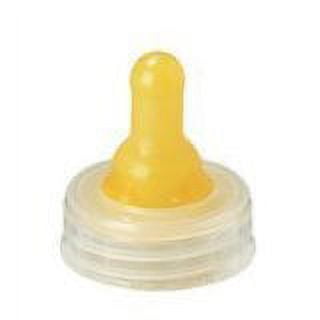


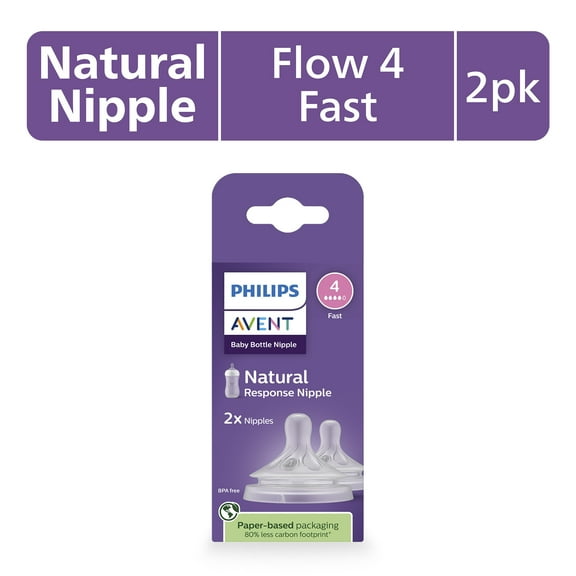
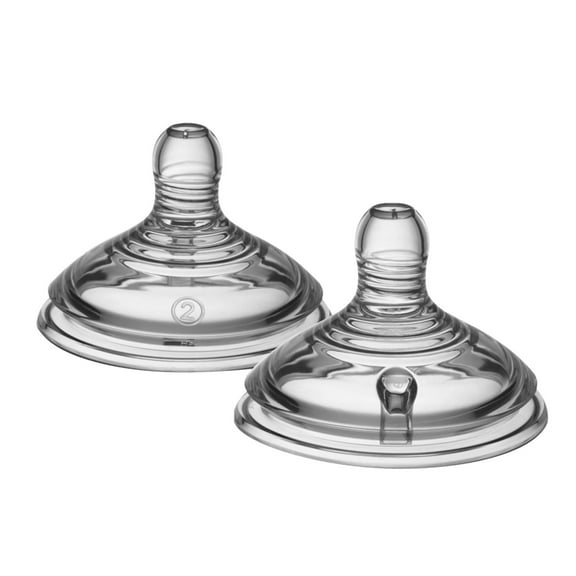
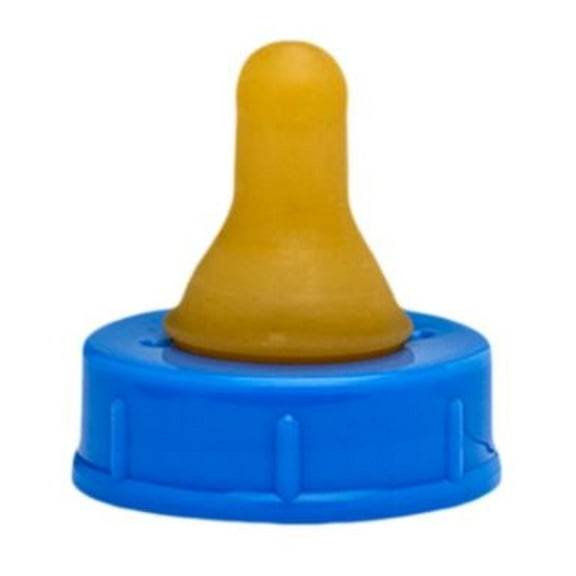
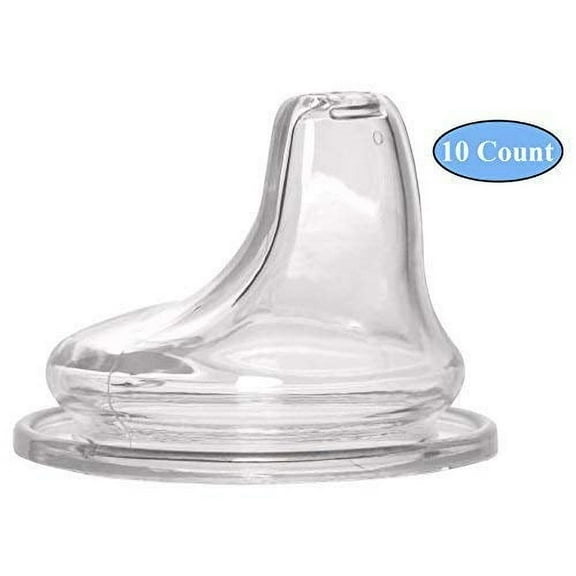
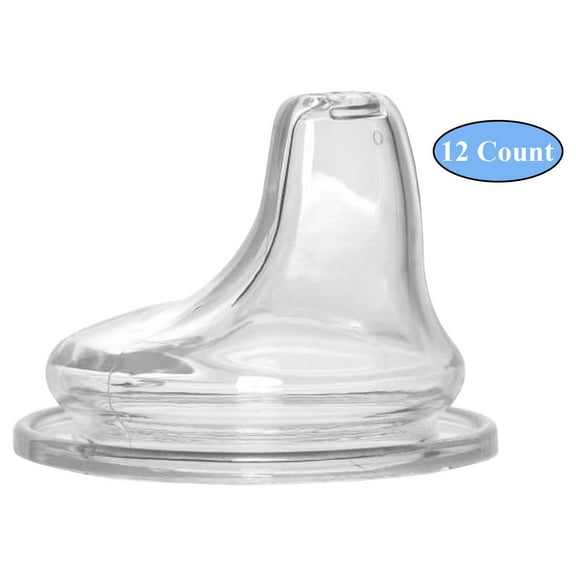

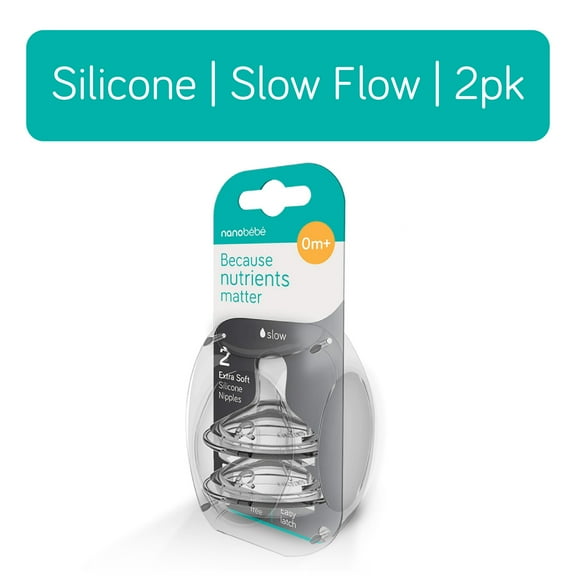
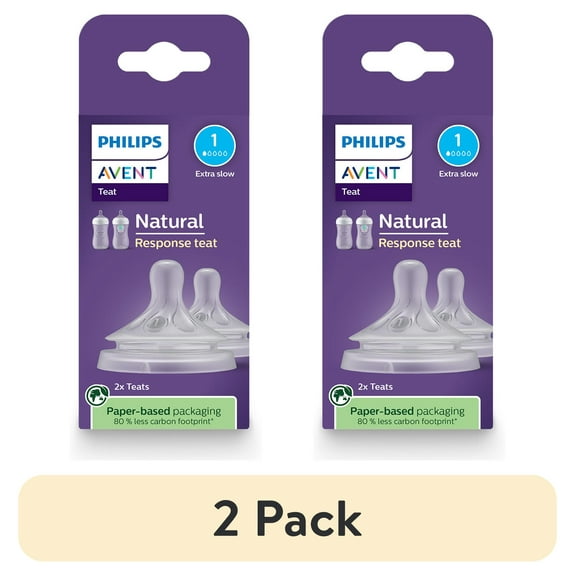







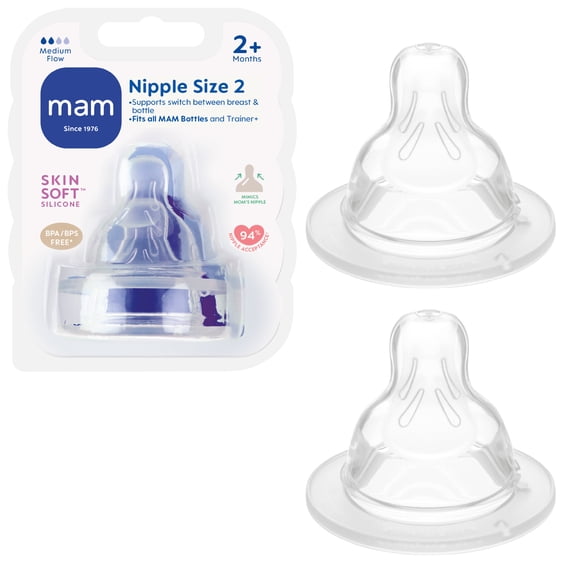
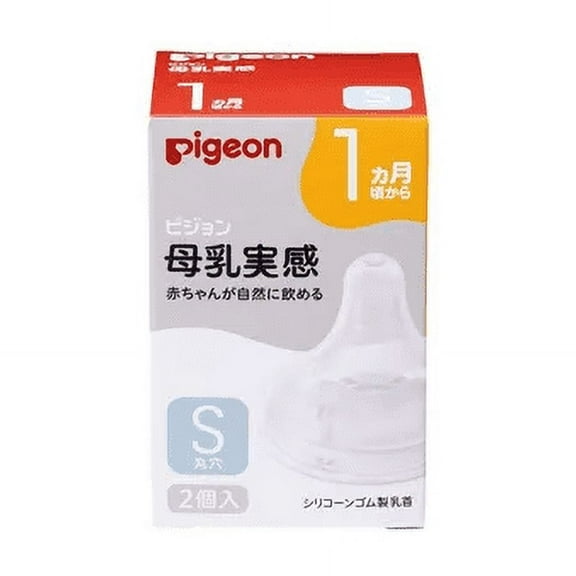

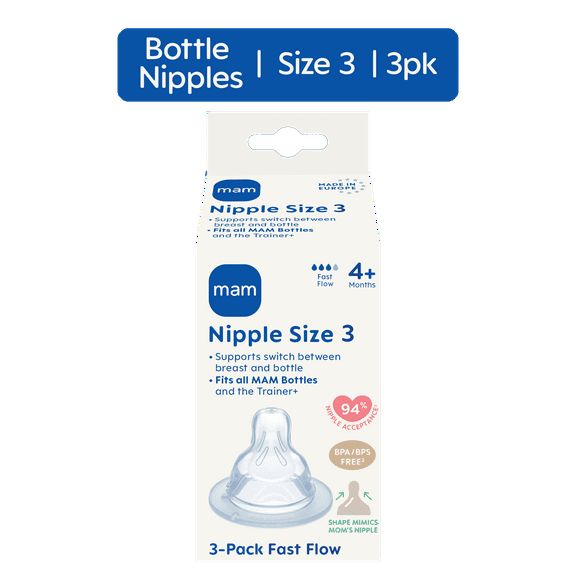
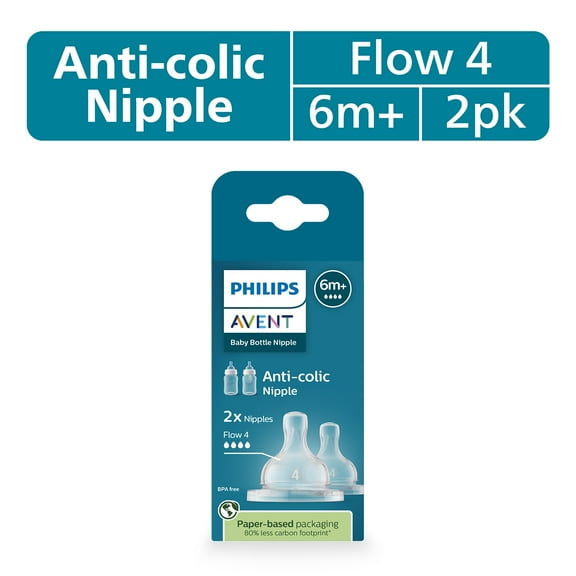


About Baby Nipples & Bottle Nipples - Walmart.com
Baby bottle nipples help you match feeding flow, bottle fit, and nipple feel to your baby’s stage. Clear buying guidance helps you compare flow rate, neck type, material, and venting details.
Because feeding routines change quickly, you may want extras for home, daycare, and travel bottles. Your choice is especially important when you need a consistent fit with the bottles you already use.
How to choose baby bottle nipples by flow rate
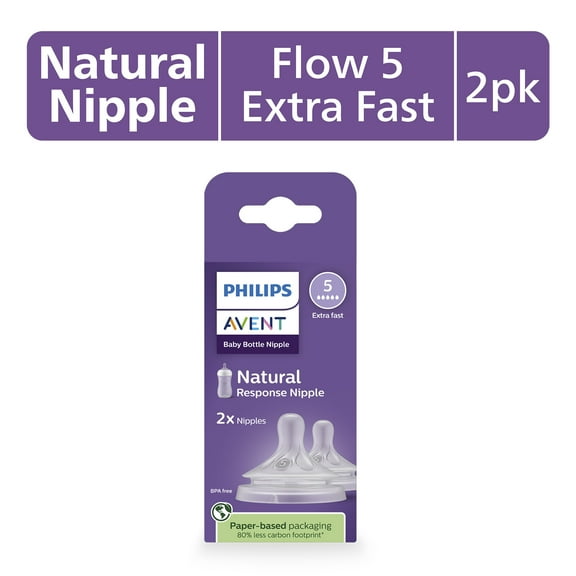
Flow rate should be your first decision because it affects how quickly milk moves during each feeding. Different stages let you match slow flow, medium flow, and fast flow options to your baby’s routine.
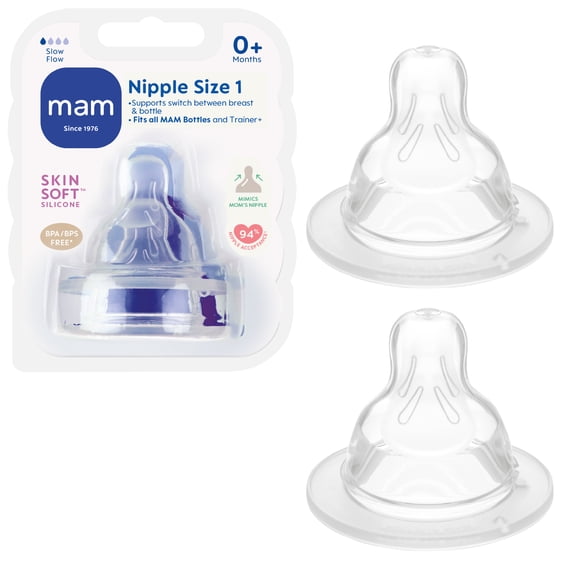
If you’re considering stage 1 bottle nipples, you may want a gentler pace for early feeding routines. As your baby grows, you can move to stage 2 or stage 3 options.
Package charts help because brands label stages a little differently across bottle systems. Your age guide should be a starting point, and your baby’s usual feeding pace should guide the final choice.
- You can choose slow flow bottle nipples when you want a gentler milk pace.
- You can compare medium flow options when your baby is ready for a steadier stream.
- You can consider fast flow nipples for later stages and thicker feeding needs.
- You should look for stage labels that match your bottle system and feeding routine.
That comparison can make daily feedings feel more predictable for you and your baby. Your routine often gets easier when the nipple stage matches your current bottle setup.
Choosing wide neck baby bottle nipples and standard fits
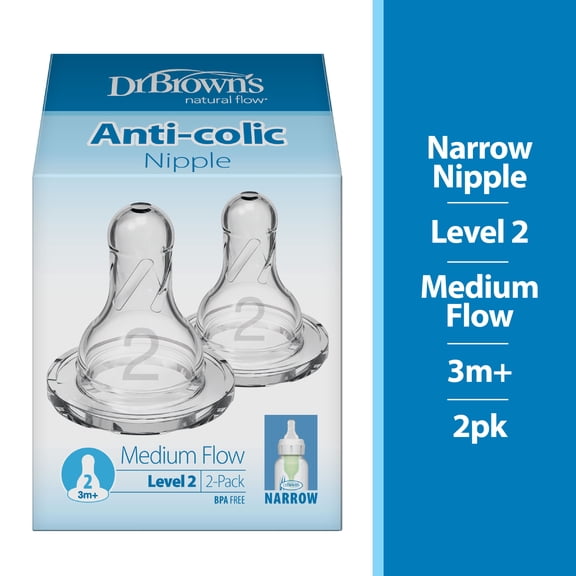
Neck type comes next because your replacement needs to match the bottle you already own. You should compare wide neck, standard neck, and narrow neck options before you replace any nipple.
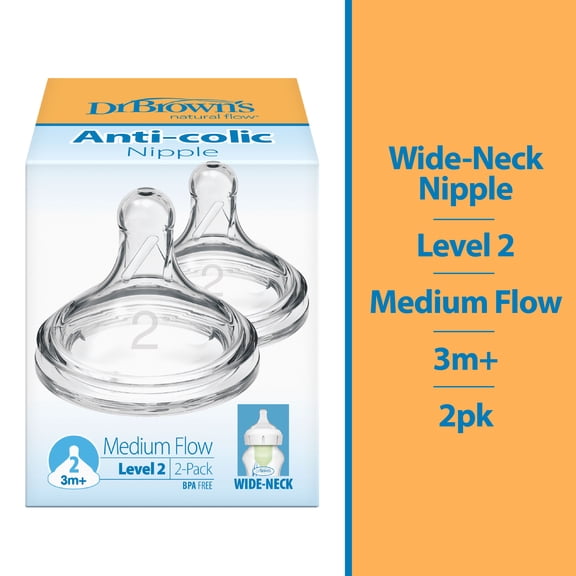
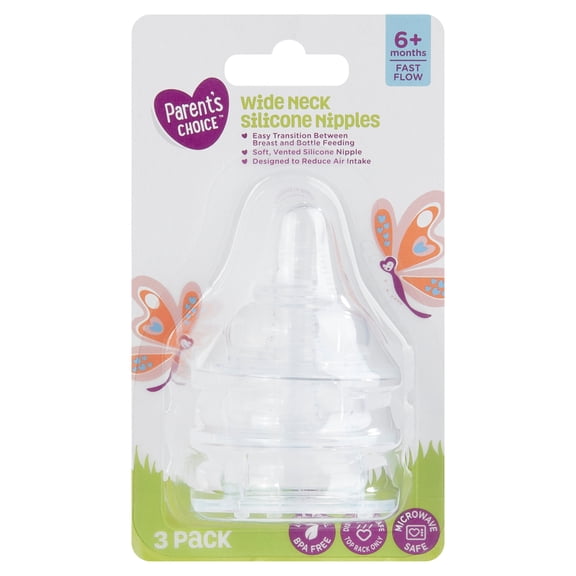
Wide neck bottle nipples usually pair with broader bottle openings and a shorter, wider shape. Standard and narrow styles fit slimmer bottle collars, so you should check compatibility first.
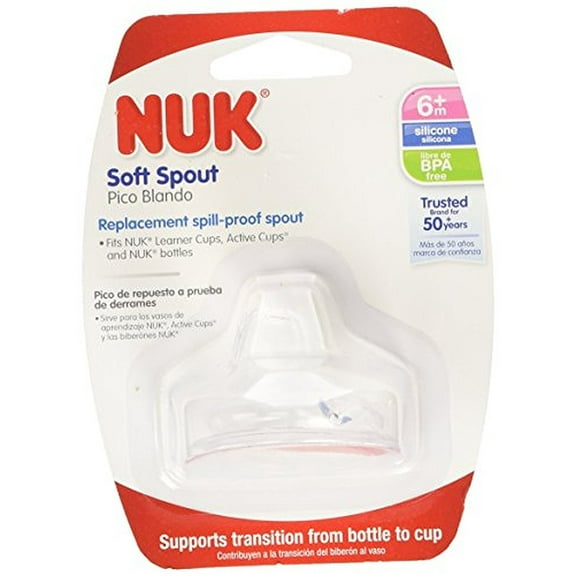
A quick compatibility check can help you avoid mismatched collars, leaks, and extra trial and error. Replacement bottle nipples work well when you confirm the listed bottle series before buying.
You may also want extra sets for daycare bags, travel bottles, or your diaper bag. That way, you can keep your feeding setup consistent across different bottles and locations.
Comparing silicone bottle nipples and shape options
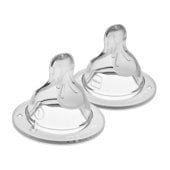
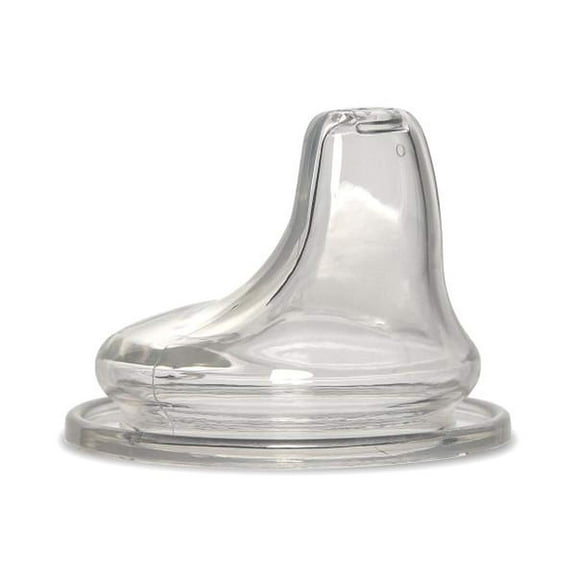
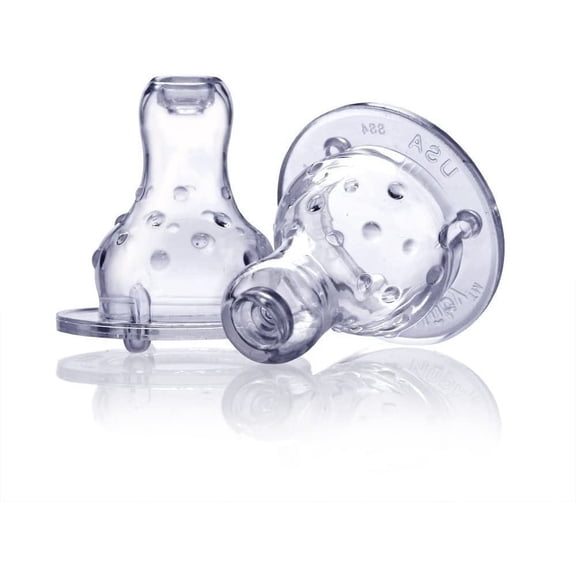
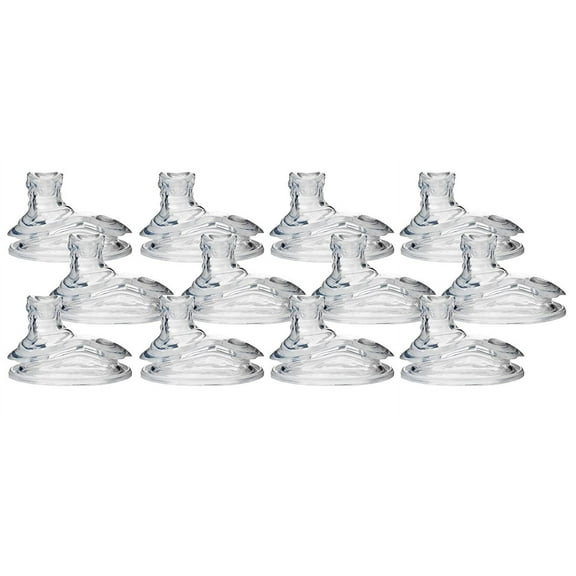
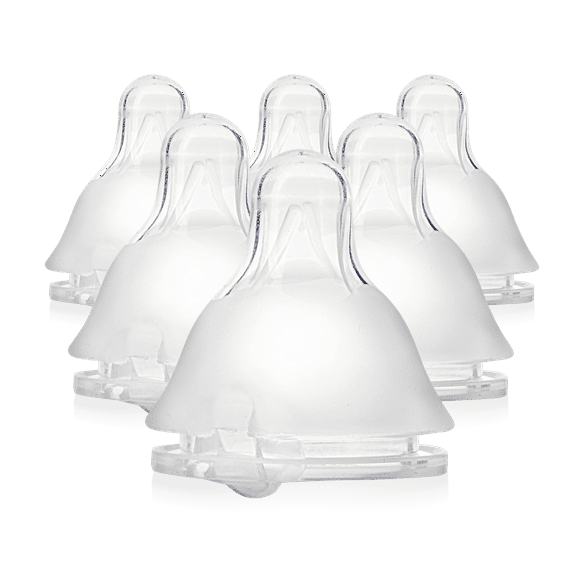
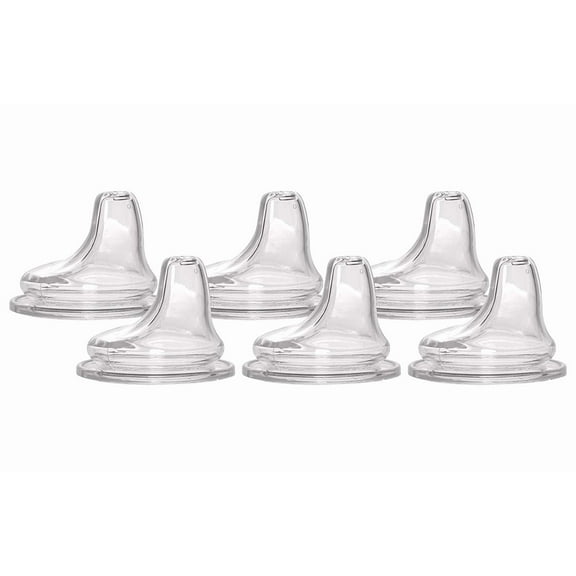
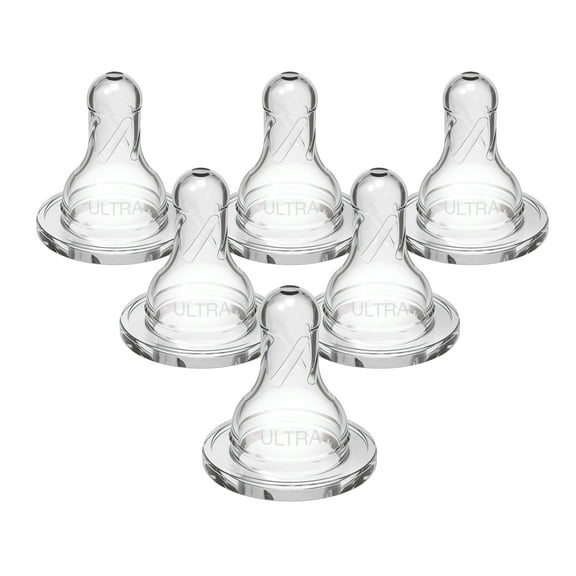
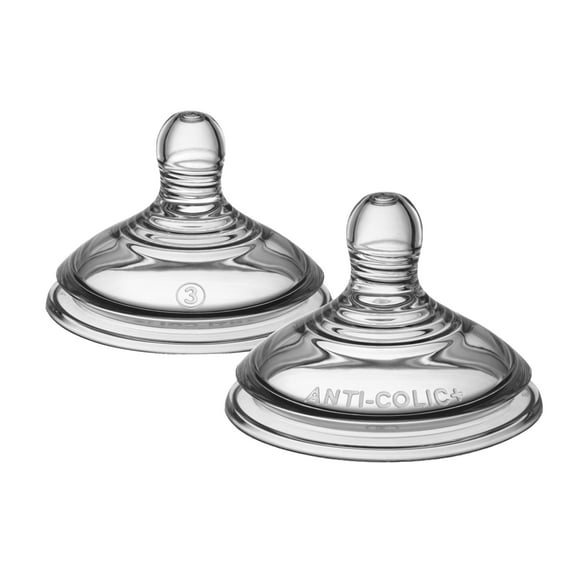
Material is another key decision because texture, flexibility, and care needs can vary by your routine. Silicone bottle nipples often feel clear, smooth, and easy to rinse after repeated feedings.
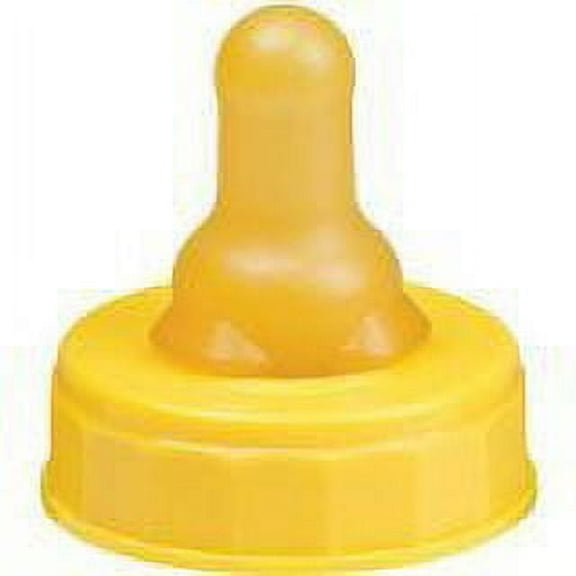
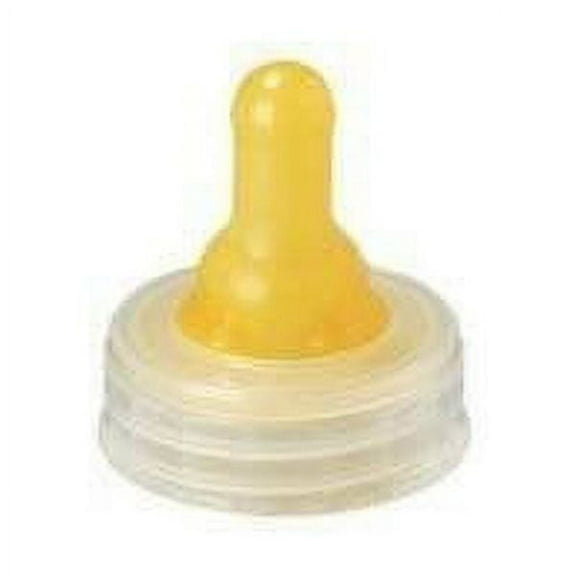
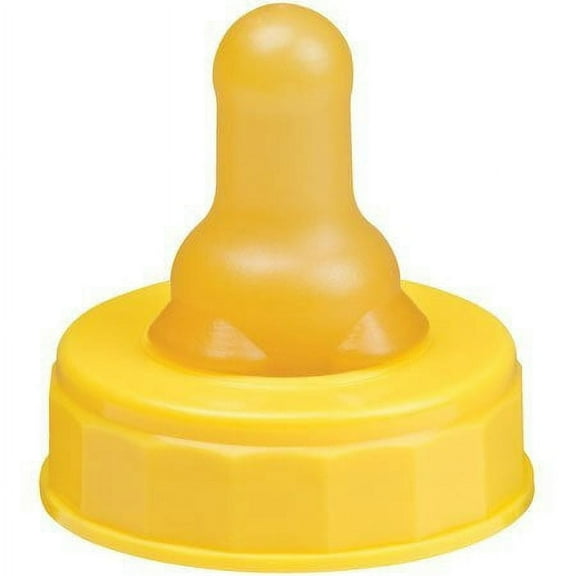
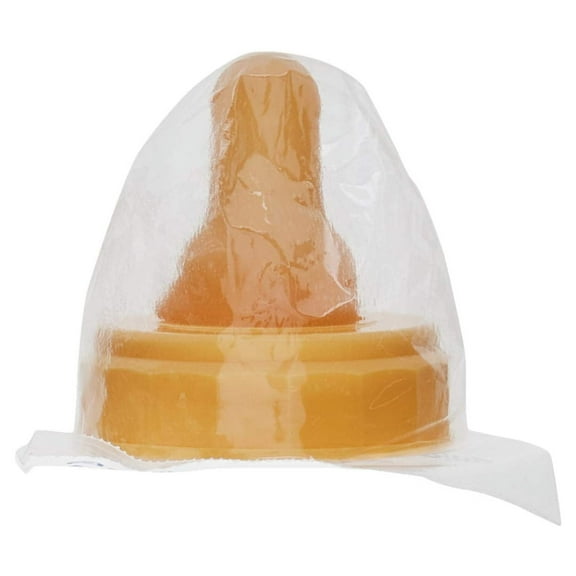
If you prefer a softer feel, you may consider latex and compare how it fits your daily setup. Product details can guide your cleaning routine and your replacement timing.
Shape also matters when you want a familiar latch style for bottle feeding. Breast-like and orthodontic designs give you more ways to match your baby’s feeding preference.
When you compare shape and material together, you can narrow choices quickly with fewer guesses. That approach makes it easier for you to find a nipple that fits both bottle and routine.
What to look for in anti colic bottle nipples
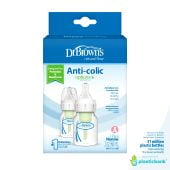
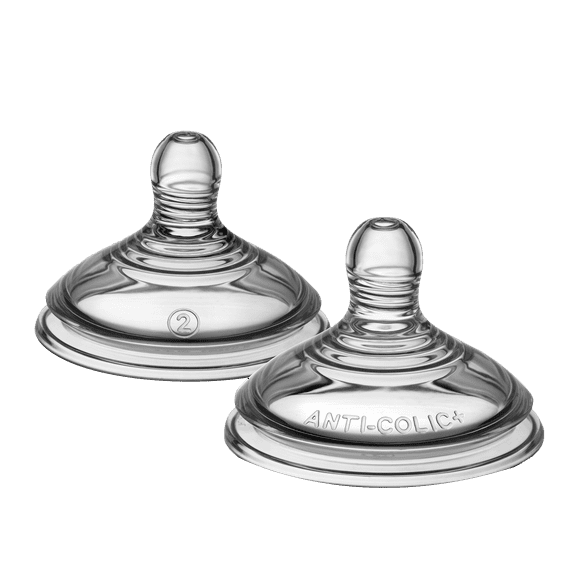
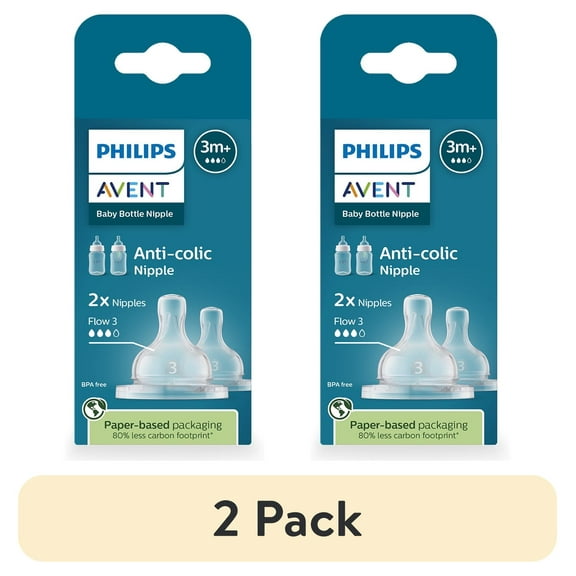
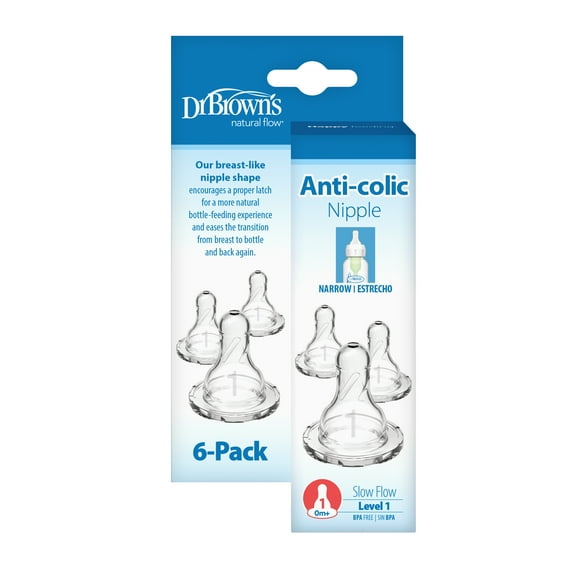
Anti colic bottle nipples can help you compare vented designs and paced feeding features more clearly. You can look for valves or venting systems that keep airflow moving through the bottle.
When you compare venting details, you should also confirm the nipple works with your bottle’s collar and insert parts. Some systems use bottle vents, while others build venting into the nipple.
Those details can guide your cleanup routine because assembly steps differ across feeding systems. If you rotate many bottles each day, you may prefer fewer pieces to wash.
You should also compare nipple shape with venting design if your baby switches between bottle and breast. That combination can help you build a feeding setup that feels more consistent.
Matching baby bottle nipples to your daily routine
Your feeding routine may call for different nipple styles for newborn bottles, daycare, or nighttime prep. You can keep slow flow bottle nipples for early months and size up later.
If your bottle set uses a wider collar, you should focus on wide neck bottle nipples first. If your bottles are slimmer, you can compare standard or narrow replacements by brand.
For daily rotation, you can keep silicone bottle nipples on hand for repeated washing and easy swaps. You may choose anti colic bottle nipples when your bottle system includes vented parts or built-in airflow features.
For gift planning, you can add replacement bottle nipples to your baby registry with bottles and feeding accessories. You can also pair them with pacifiers or bottle brushes for a more complete setup.
What to consider before you choose
Your decision should come down to stage, neck type, material, and venting design before anything else. When those details match, you get a smoother fit and easier feeding prep.
With the right baby bottle nipples, you can keep feedings more consistent across bottles and routines. That clear match helps you reduce compatibility surprises from the first bottle onward.