

Nail Drills in Nail Tools











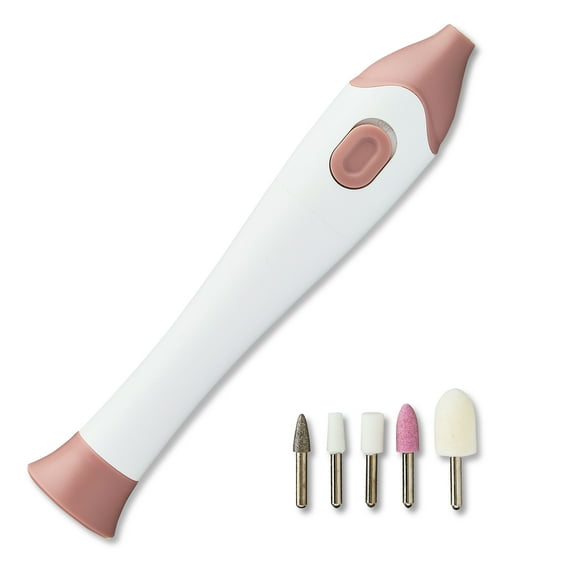
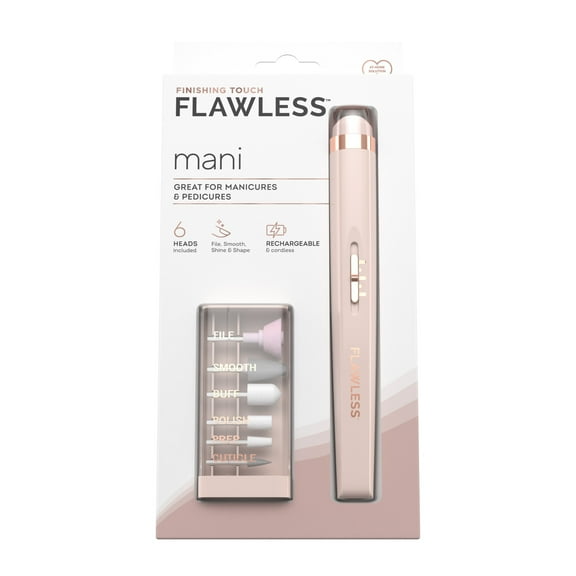
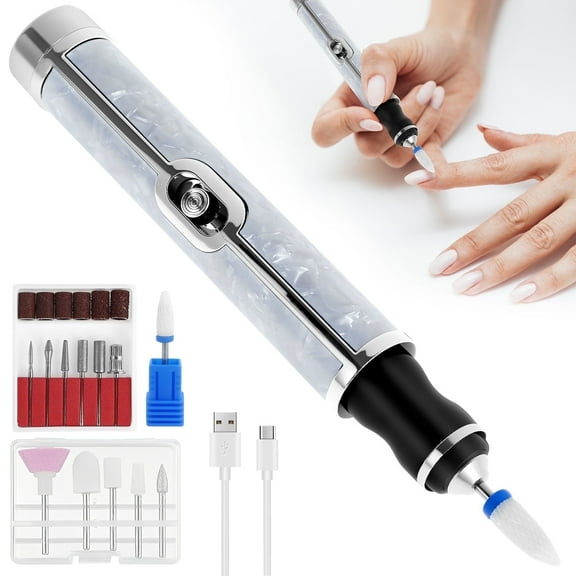
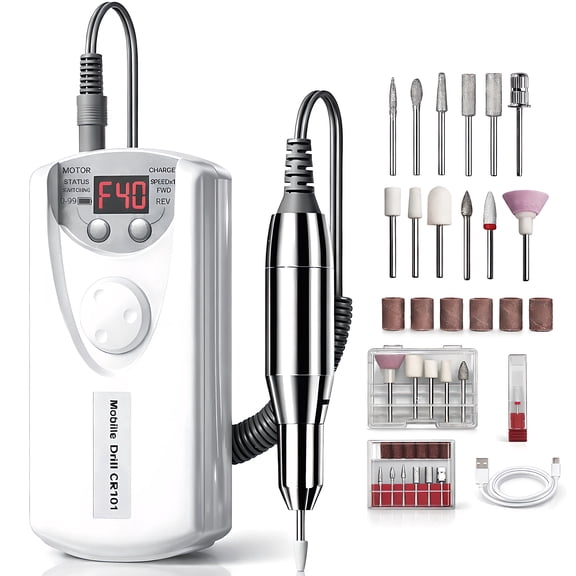



























About Nail Drills in Nail Tools - Walmart.com
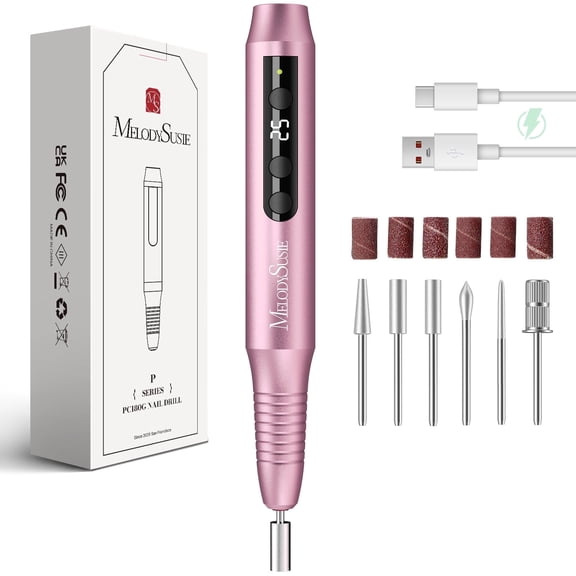
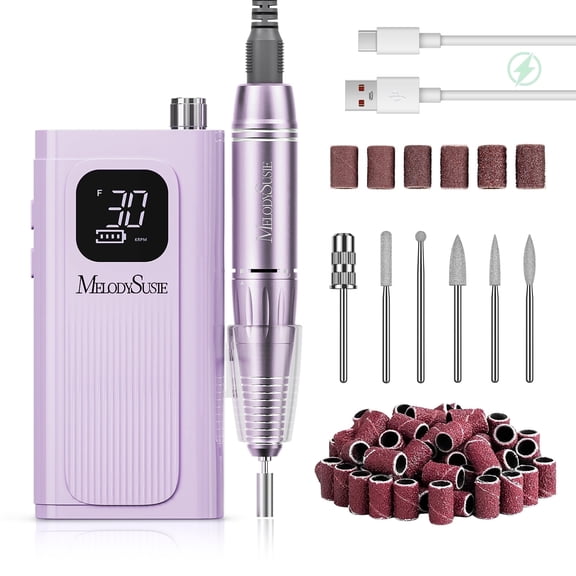
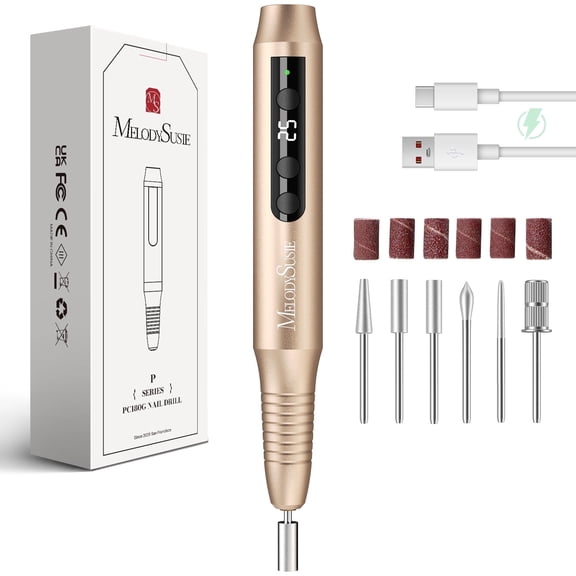
Nail drills help you shape, smooth, and refine manicures with more control than manual filing. You can compare RPM ranges, power sources, and bit fit to choose the right setup for acrylic, gel, or natural nails.
How to choose nail drills for your routine
When you compare nail drills, start with the nail type you work on most often. You’ll usually want a lighter touch for natural nails and more power for acrylic removal.
If you’re building a home kit, you may prefer simple controls and a comfortable grip. If you handle frequent sets, you may look for faster speeds and steady torque.
- You can shape acrylics faster with higher RPM options and a stable handpiece.
- You can smooth gel overlays with controlled speed that feels easier to manage.
- You can keep detailing precise with compatible nail drill bits and ergonomic designs.
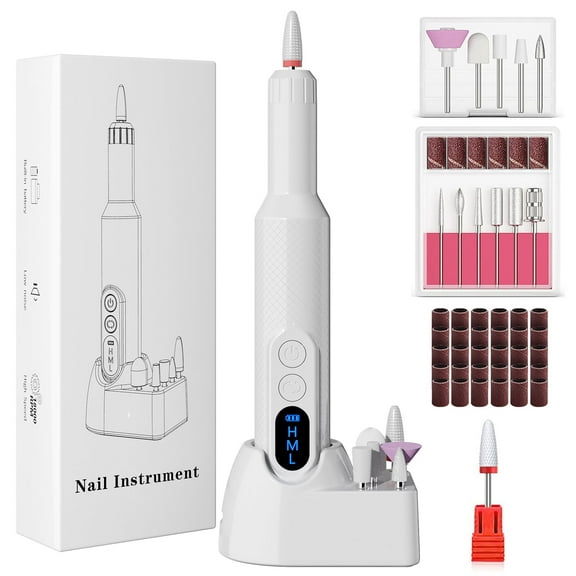
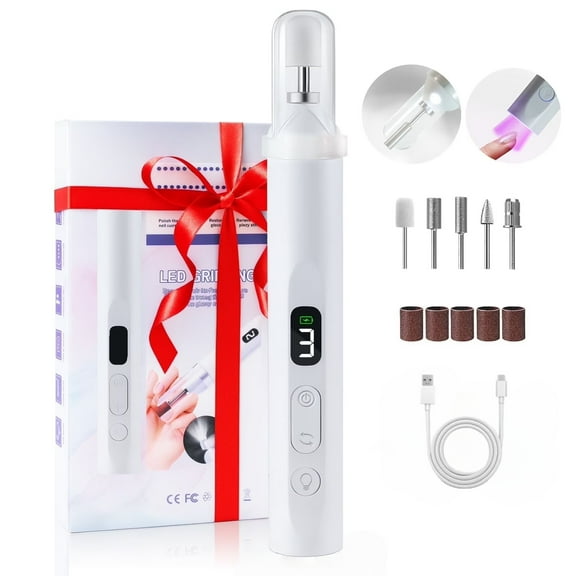
- You can move between stations more easily with a portable nail drill or USB portable format.
Choosing the right electric nail drill
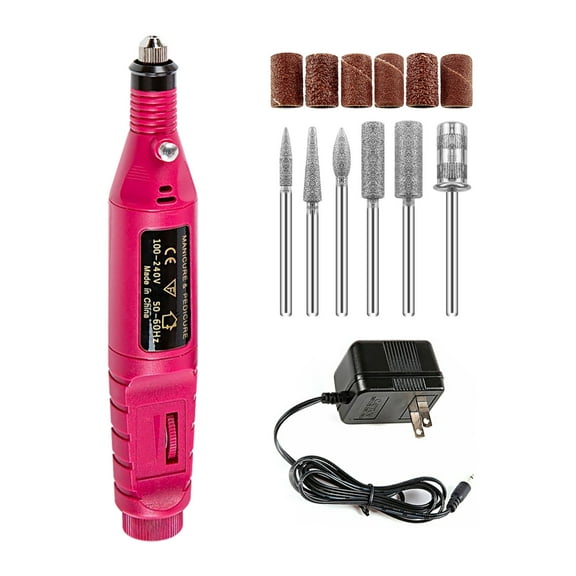
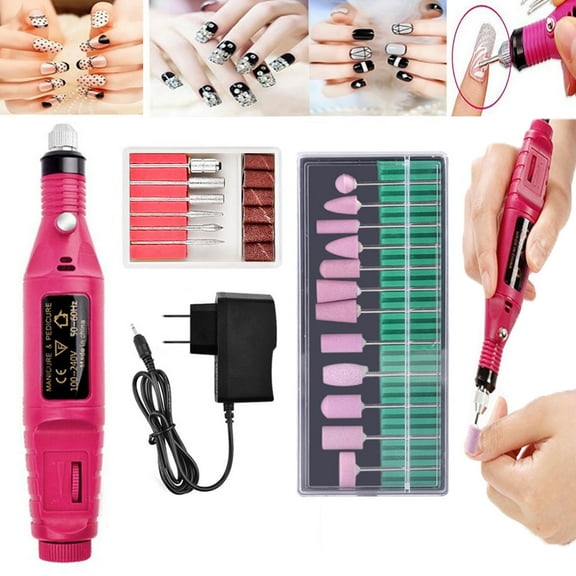
Power source changes how and where you use an electric nail file. You can choose corded models for continuous runtime or rechargeable options for more freedom of movement.
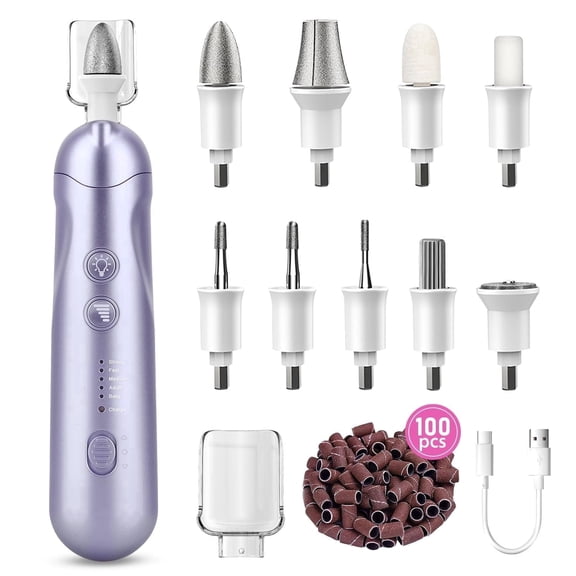
If you travel or work in small spaces, you may prefer a USB portable nail drill. You’ll appreciate easier packing and less cord clutter around your manicure area.
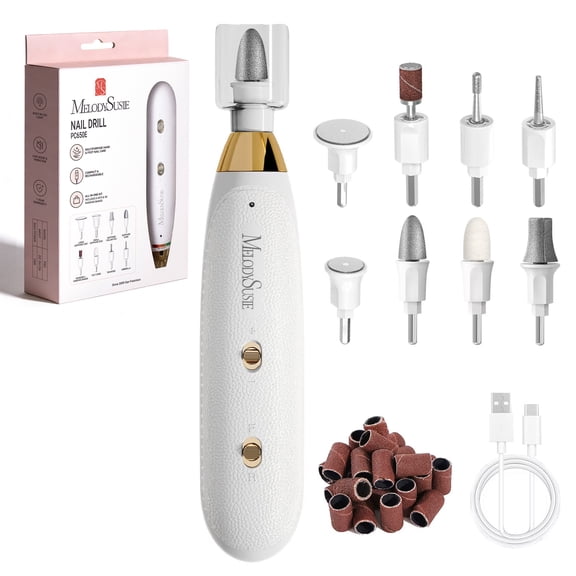
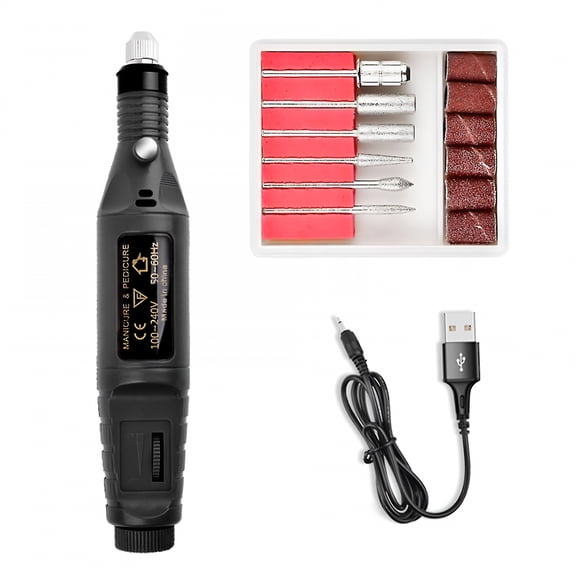
Design style also affects comfort during longer sessions. You can compare pen-style bodies, desktop consoles, and ergonomic handpieces based on your grip and workspace.
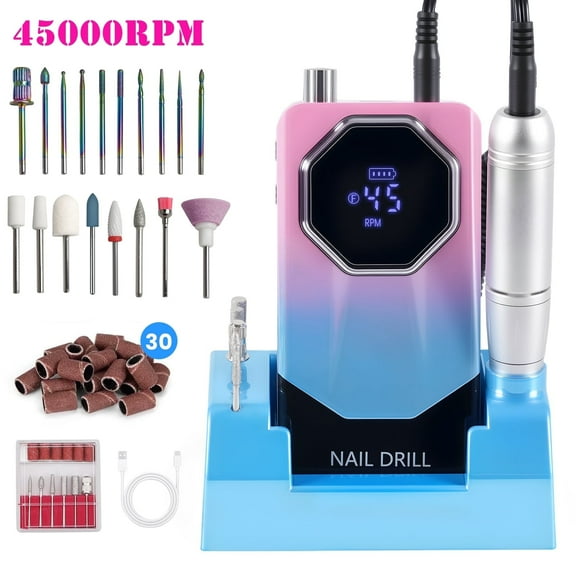
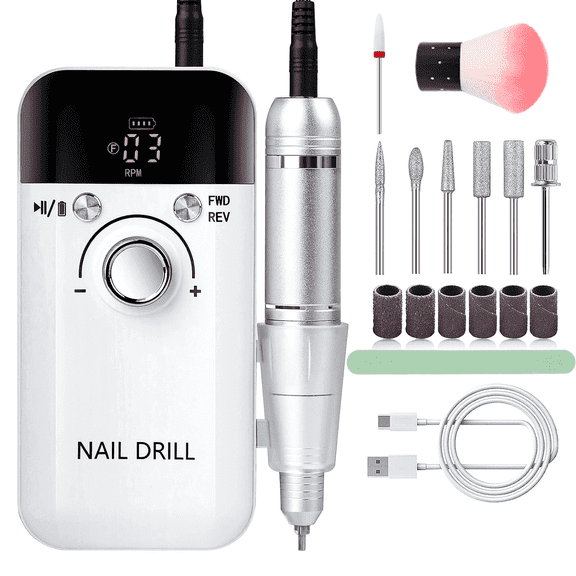
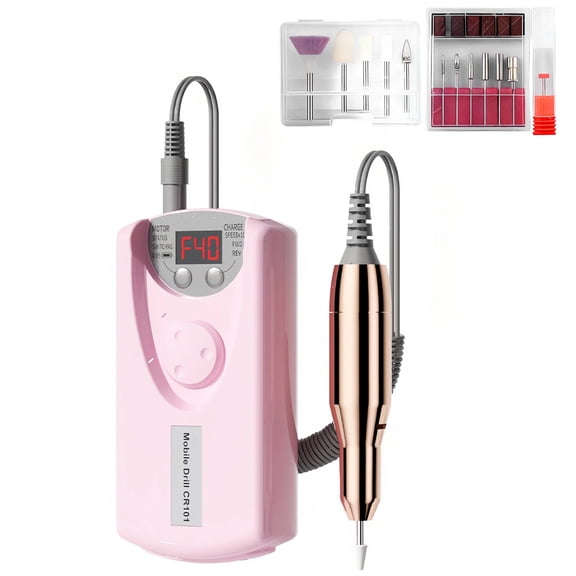
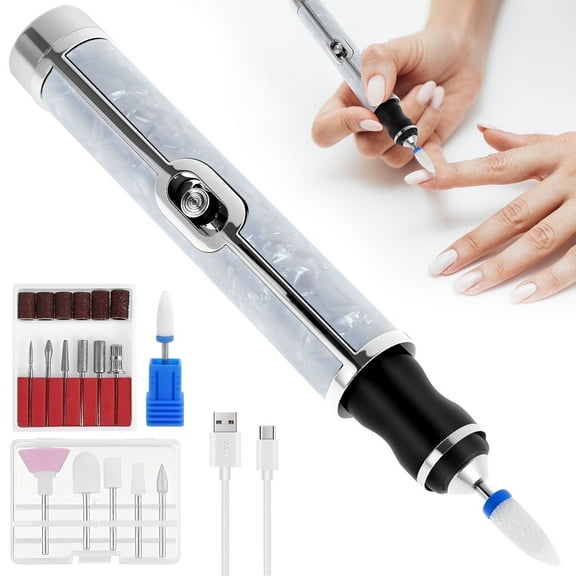
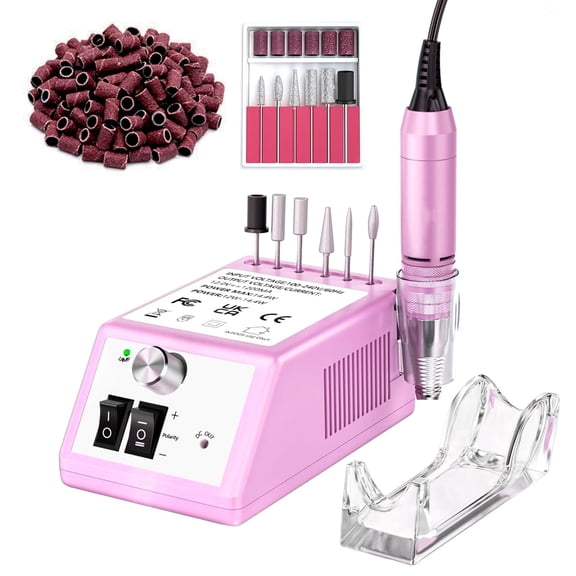
A pen-style option can feel familiar if you want direct control near the nail surface. A desktop console may suit you if you want separate speed controls and a handpiece dock.
What RPM and motor details mean
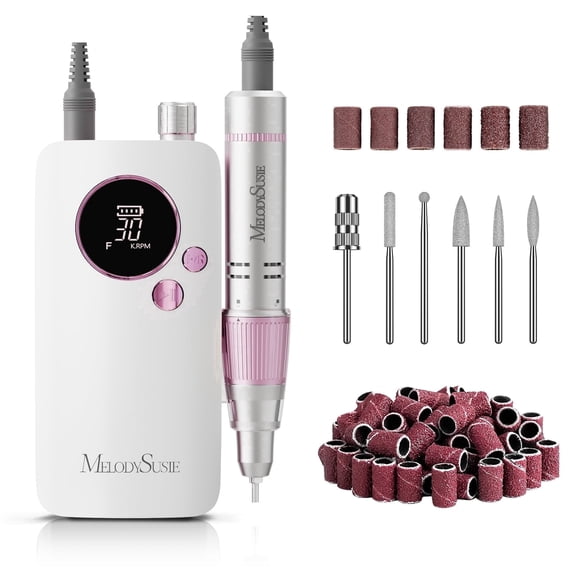
RPM is a key decision point because it affects how quickly you remove product. You can look at 20,000 RPM, 30,000 RPM, and 35,000 RPM ranges based on your typical tasks.
If you mainly refine natural nails, you may prefer lower, controlled speeds for gentle shaping. If you remove acrylic often, you may need a professional nail drill with a higher RPM ceiling.
Motor type matters because it influences sound, vibration, and session comfort. You can compare brushed and brushless designs to decide what feels steadier in your hand.
A brushless setup may appeal to you if you want a quieter nail drill and smoother operation. Lower vibration can help your hand feel more comfortable during detailed filing.
You should also check whether the nail drill machine offers consistent power at different speeds. Steady rotation can help you maintain even contact while shaping edges and refining surfaces.
Checking bit compatibility and handpiece fit
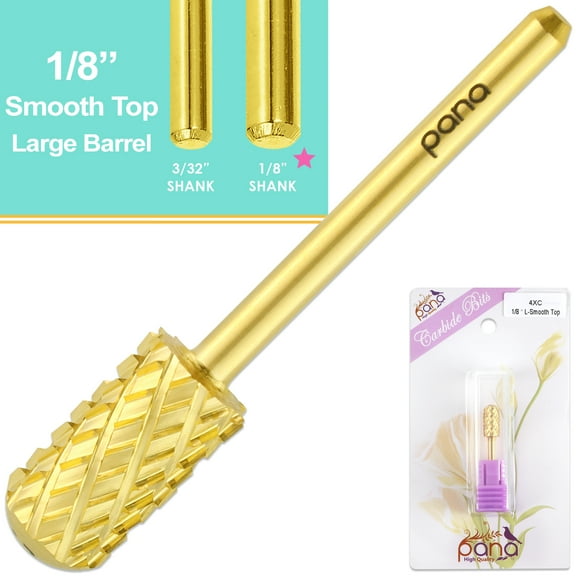
Bit compatibility can shape your whole experience with an acrylic nail drill. You’ll want to check whether your tool fits 3/32 inch standard bits or supports multi-size accessories.
The 3/32 inch standard size is important because many nail drill bits follow that fitment. You can swap common barrel, cone, and detail bits more easily when your handpiece supports it.
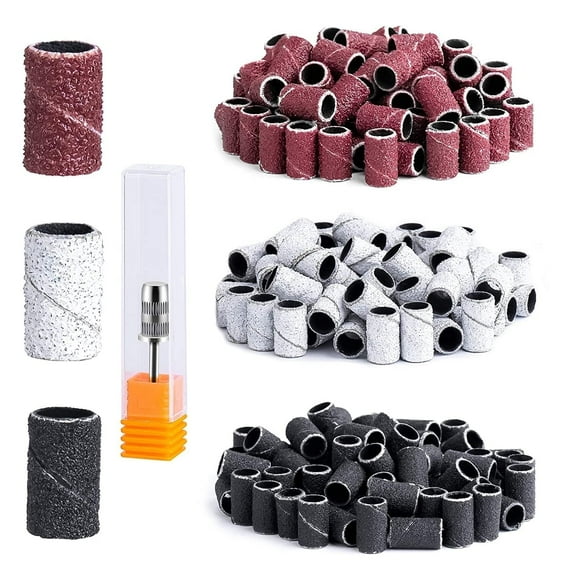
If you already own accessories, you should compare shank size before you choose. That step can help you match your tool to sanding bands, prep bits, and cuticle-focused attachments.
Handpiece shape matters too because balance affects precision. You may prefer an ergonomic handpiece if you want a more secure hold during cleanup around the sidewalls.
Professional vs portable nail drill options
A professional nail drill often gives you a wider speed range and more continuous power. You may choose that format if you complete frequent fills, overlays, or full acrylic sets.
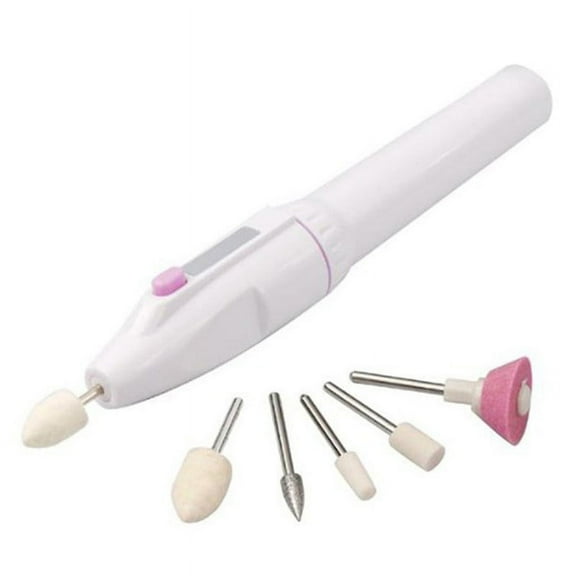
A portable nail drill can make sense if you need flexibility between rooms or appointments. You’ll like rechargeable and USB portable options when you want easier movement and simpler storage.
If you focus on quick touch-ups, a lighter unit may feel easier to handle. If you work through longer sessions, a console setup may give you easier control over speed changes.
You can also compare vibration levels when deciding between portable and desktop formats. Less hand fatigue can matter when you spend extra time on prep, shaping, and finishing passes.
Matching nail drills to real manicure tasks
You can use nail drills for surface prep, shaping, smoothing, and product removal. Your ideal setup depends on whether you handle natural nails, gel polish, dip powder, or acrylics most often.
For natural nails, you may want moderate speed control and a comfortable pen-style grip. For gel work, you may look for steady rotation and easy bit changes between steps.
If acrylic removal is part of your routine, you may need higher RPM capacity and standard bit compatibility. That combination can help you switch between shaping, shortening, and refining with less interruption.
You might also coordinate your setup with manicure kits, nail polish, or extra nail drill bits. A cordless nail drill can fit neatly into a compact station when you want fewer cables on your table.
When you compare these choices carefully, you can build a setup that suits your pace and technique. The right nail drill helps you maintain smoother shaping, cleaner detailing, and more consistent results.