



Multi-Game Tables & Combo Game Tables | Walmart
































About Multi-Game Tables & Combo Game Tables | Walmart - Walmart.com
Multi game tables help you turn one room into a flexible play space for family nights and casual competition. You can compare table sizes, game combinations, and conversion styles to match your layout and play habits.
How to choose multi game tables for your space
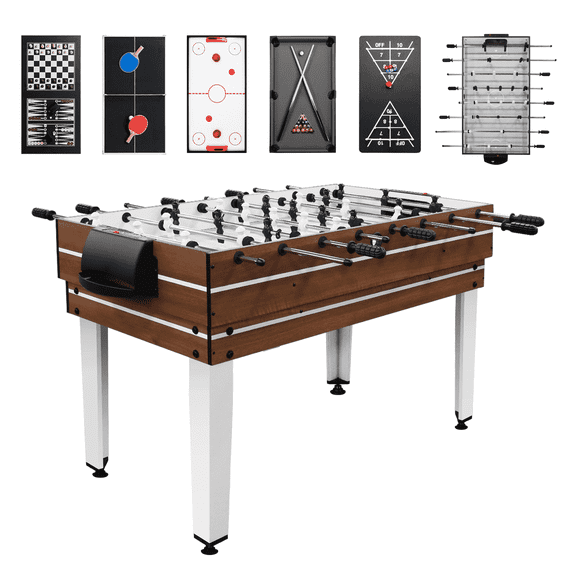
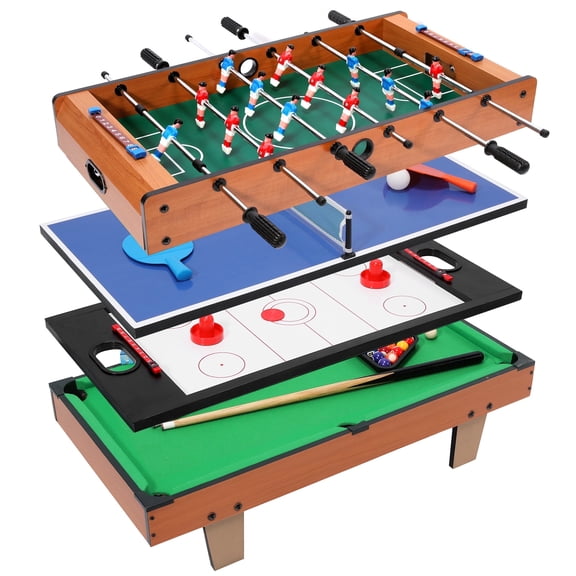
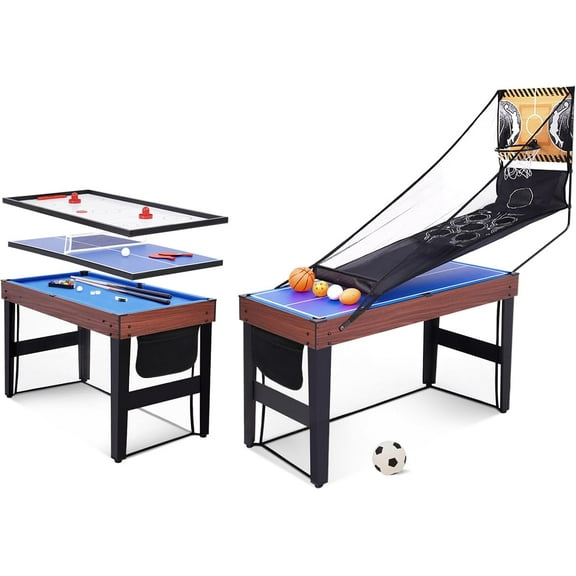
When you compare multi game tables, you should start with the number of games you want in one unit. You may prefer a 3 in 1 game table for simpler setup, or you may want a 4 in 1 game table for more variety.
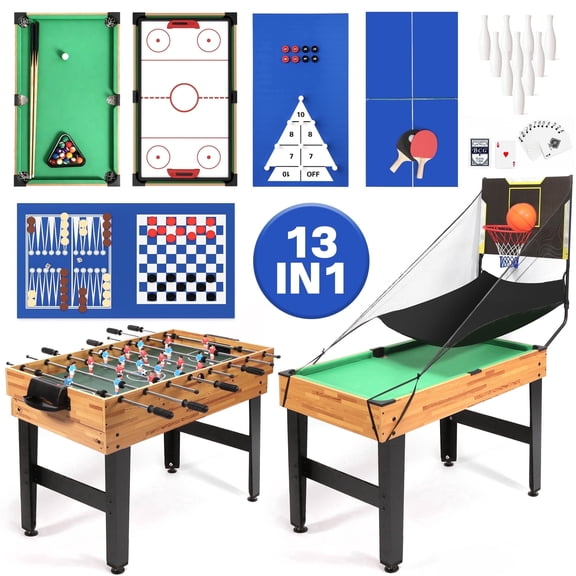
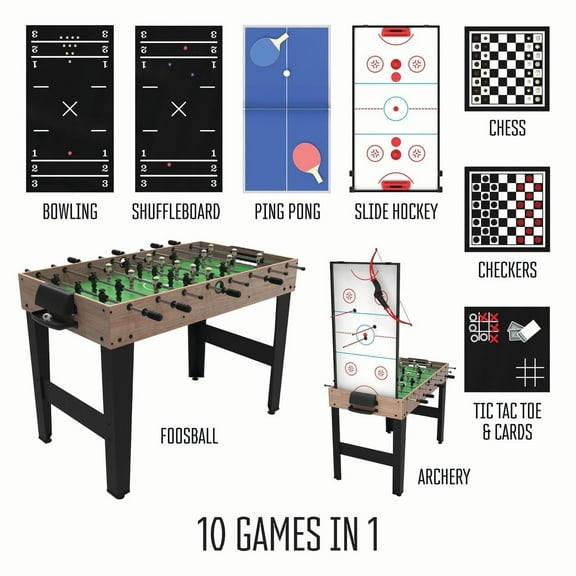
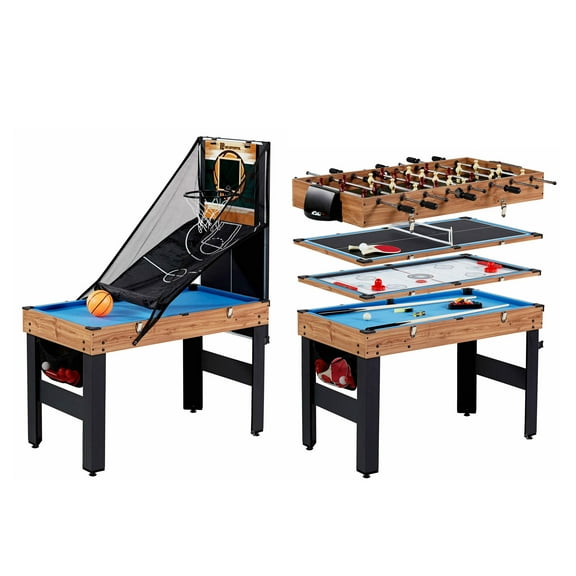
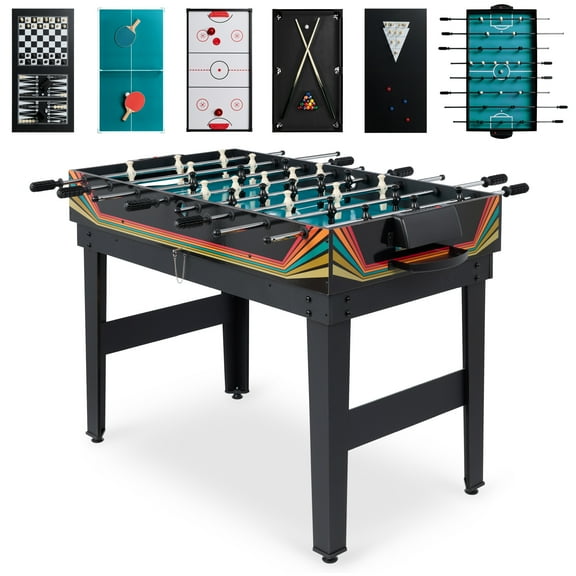
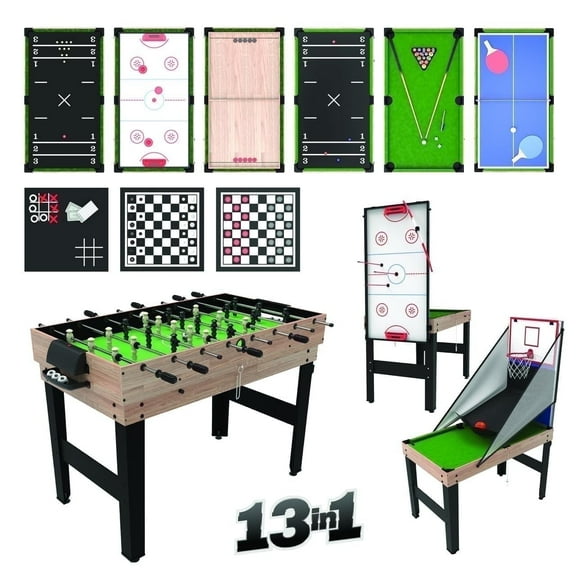
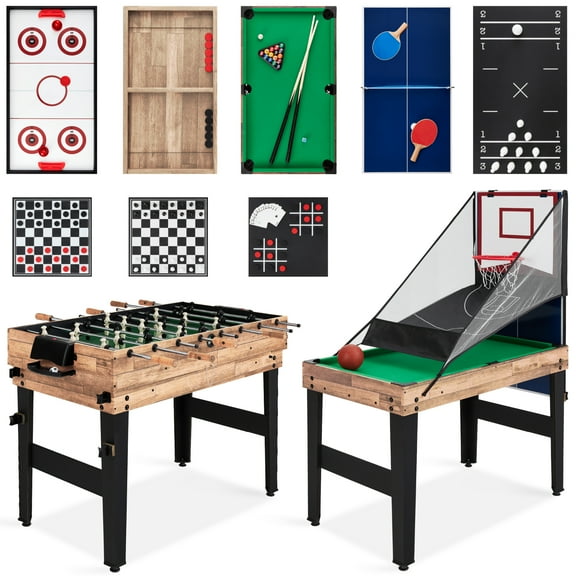
If you want a wider activity mix, you can also consider 10 in 1 or 12 in 1 designs. You should check whether those added games match how your household actually plays.
Space matters just as much as game count when you choose family game room tables. You should measure table length, player clearance, and cue movement before you pick a 48 inch, 54 inch, 60 inch, or full size option.
- You can fit several game types into one footprint instead of placing separate tables around your room.
- You can switch activities faster during gatherings when your table uses a clear conversion top mechanism.
- You can keep players engaged with billiards, air hockey, foosball, or table tennis in one setup.
- You can choose a size that supports younger players, shared spaces, or larger dedicated game rooms.
Choosing the right combination game table
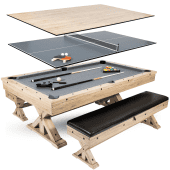
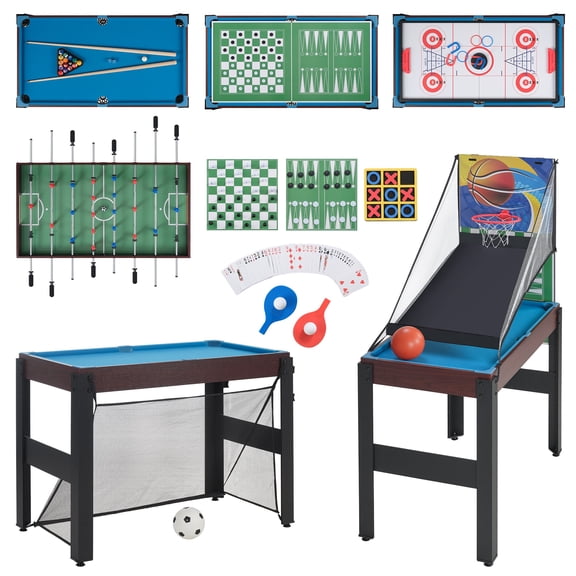
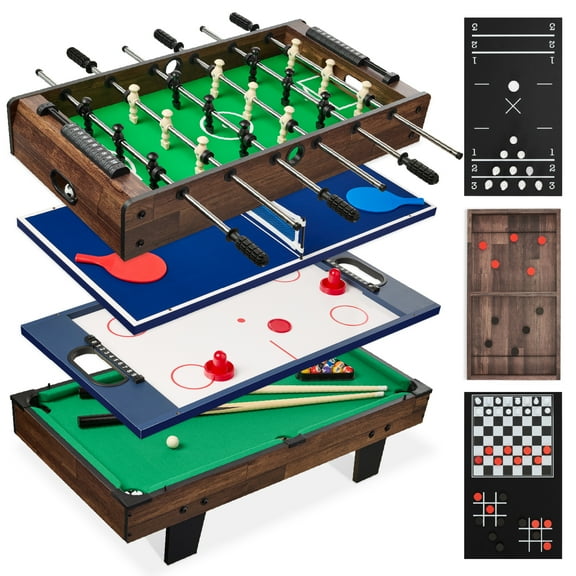
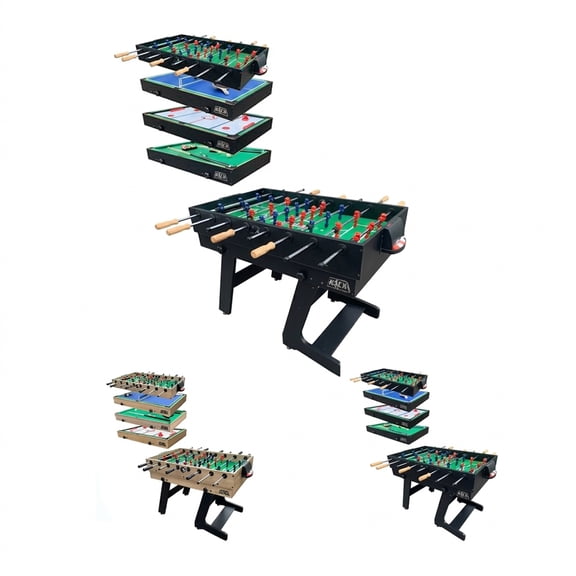
A combination game table gives you more ways to play without changing rooms or storing multiple full tables. You should compare how each game surface changes, because the conversion top mechanism affects convenience and play flow.
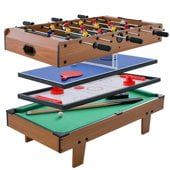
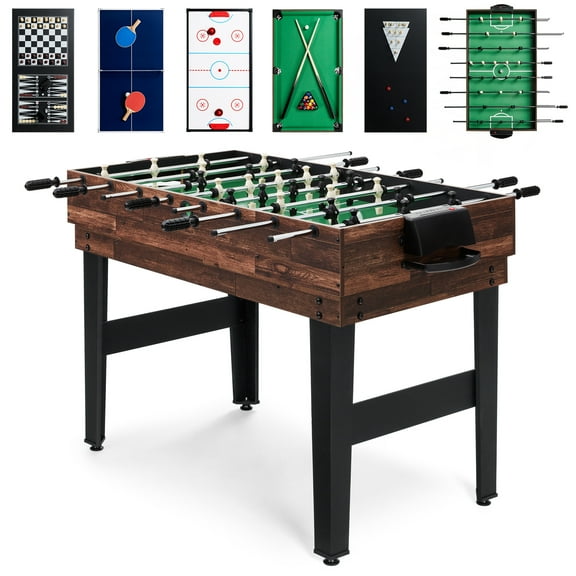
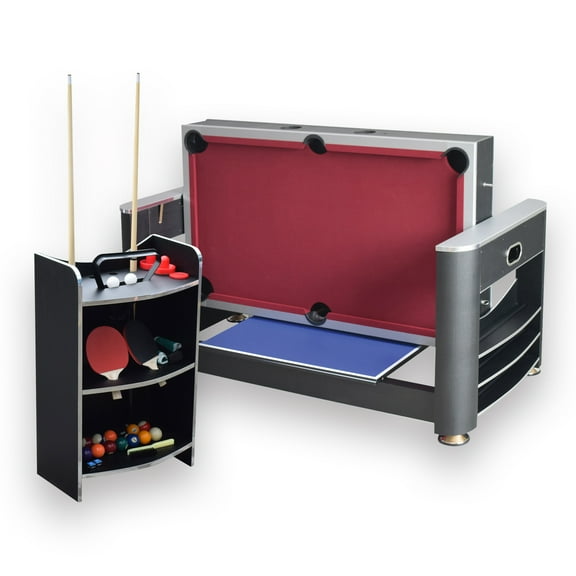
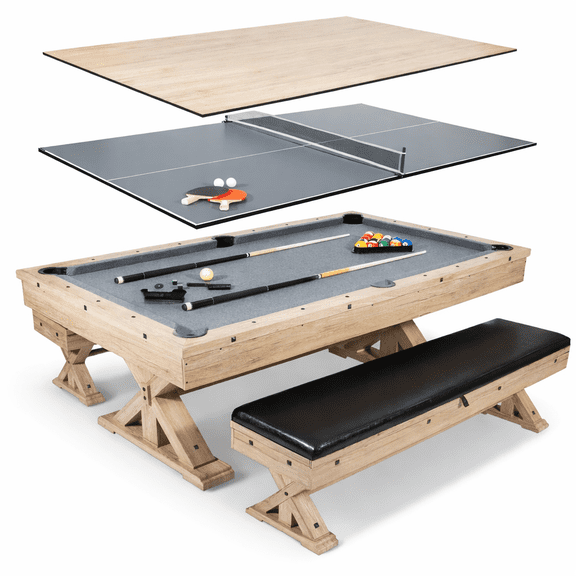
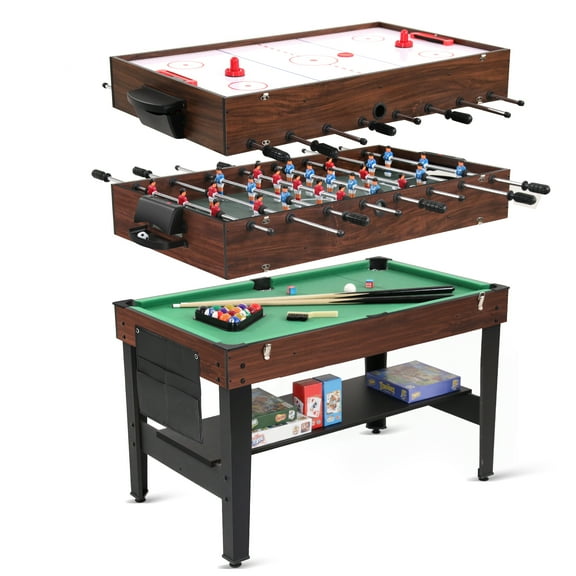
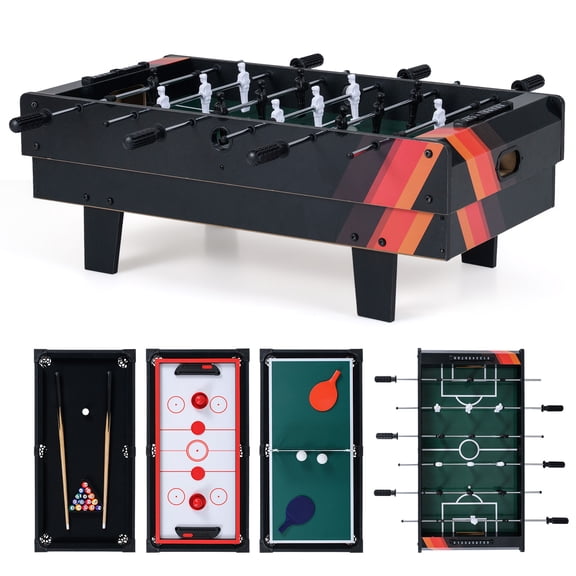
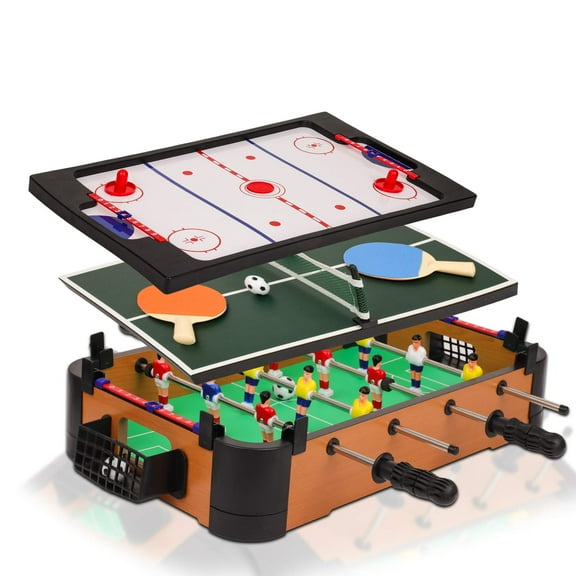
Some designs use a flip-top surface, which lets you rotate from one game to another with fewer loose parts. Other designs use stacked inserts, so you should check where you’ll store the extra tops between matches.
You should also compare individual game playability, not just the total number of included games. A multi game table with billiards may suit you if you want cue sports first, while foosball or air hockey may matter more for faster play.
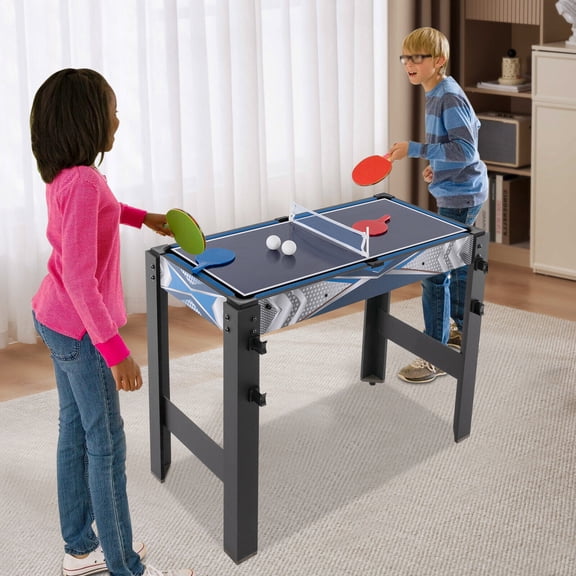
For households with mixed ages, you may want a multiplayer game table that shifts from active rounds to slower strategy play. You can move from table tennis to foosball or billiards based on who’s playing that day.
Key differences in game combinations and table size
The game combination count changes how you balance simplicity against variety. You may find that a 3 in 1 game table keeps setup easier, while a 4 in 1 game table adds another favorite without taking much more floor space.
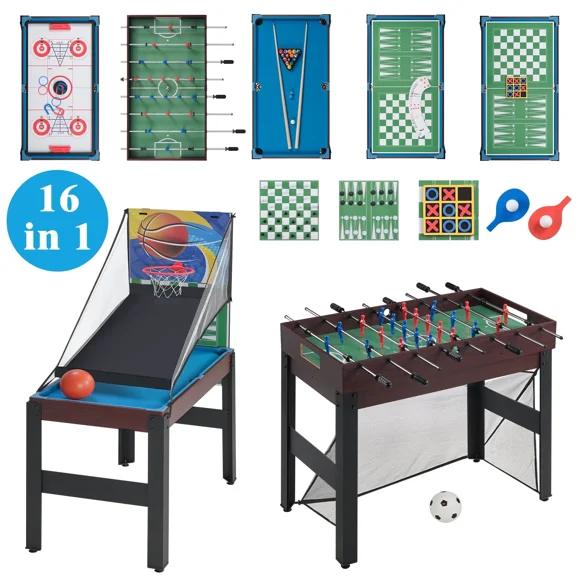
Larger 10 in 1 and 12 in 1 options often include compact accessory-based games alongside main surfaces. You should confirm which games use full play areas and which use smaller insert formats.
Table size shapes how comfortable each match feels in your room. You may choose a 48 inch table for tighter layouts, a 54 inch or 60 inch table for balanced versatility, or full size for a more dedicated setup.
You should leave room around the table for player movement, paddle swings, and cue clearance. If billiards is one of your priorities, your surrounding space matters as much as the table itself.
What to look for in materials, stability, and assembly
Materials affect how solid your table feels during repeated play and game changes. You should compare engineered wood, MDF, steel legs, and heavy duty framing based on how often your household uses the table.
Engineered wood and MDF can give you a smooth playing surface and a furniture-style look for shared spaces. Steel legs and reinforced supports may help you keep the table steadier during active foosball or air hockey rounds.
Weight and stability matter when you want consistent play from one game to the next. You should look for designs that resist shifting, especially if your players lean in during quick transitions.
Assembly is another important decision point before your table arrives. You should check whether major sections come pre-assembled, how many accessories are included, and how much setup time the table may require.
Some tables ask you to attach legs, levelers, and score units, while others involve multiple stacked surfaces. You can make setup easier by comparing part counts, hardware organization, and how the tops lock into place.
Matching use cases to your game room setup
If you’re furnishing a shared rec room, you may want multi game tables that cover different play styles in one spot. You can keep kids, teens, and adults engaged by rotating from air hockey to table tennis or foosball.
For apartments or bonus rooms, you may prefer a smaller combination game table with a shorter footprint. You can still enjoy several activities without giving up the open floor space you need between games.
If billiards is the anchor game in your home, you should focus on a multi game table with billiards and enough surrounding clearance. You can then treat the added games as a flexible bonus for guests and weekend use.
For frequent hosting, you may want a multiplayer game table with quick changeovers and easy accessory storage. You can keep the pace moving when the next round starts without a long reset.
If you’re shopping for a gift or a first game room upgrade, you should compare simpler formats first. You may find that a 4 in 1 game table offers enough variety without adding extra setup steps you won’t use often.
When you choose carefully, multi game tables help you balance room size, game variety, and everyday convenience. You can create a game room setup that keeps play moving and makes better use of your space.