


Find auto parts that fit
Let’s search for parts that fit your vehicle.MTX Powered Subwoofers & Car Audio Subs | Walmart


















About MTX Powered Subwoofers & Car Audio Subs | Walmart - Walmart.com
An mtx powered subwoofer helps you add deeper bass to your car audio with simpler comparison points and clearer setup decisions. You can review size, amplification type, enclosure style, and wiring needs in one place, so your upgrade feels easier.
If you want stronger low-end response, you should start with the setup that fits your vehicle and listening style. You can also look for details that explain active versus passive designs, 12-inch fit, and enclosure behavior.
How to choose an mtx powered subwoofer
You should first check whether you want a powered or passive model for your system. You may prefer a powered setup when you want a built-in amplifier and fewer separate components.
If you already have an amplifier, you may compare passive options more closely. You can match RMS wattage, wiring, and available space before choosing your subwoofer layout.
You can narrow your options faster when you focus on the decisions that affect daily listening. Your vehicle size, your stereo outputs, and your preferred bass character all matter here.
What benefits matter in speaker subs
You can notice that the right subwoofer setup changes how your music feels inside the cabin. Your system can sound fuller at low volume and more controlled when tracks hit deeper bass notes.
- You can choose powered models when you want a simpler install path with a built-in amp.
- You can compare 10-inch, 12-inch, and 15-inch sizes based on your cargo space and bass goals.
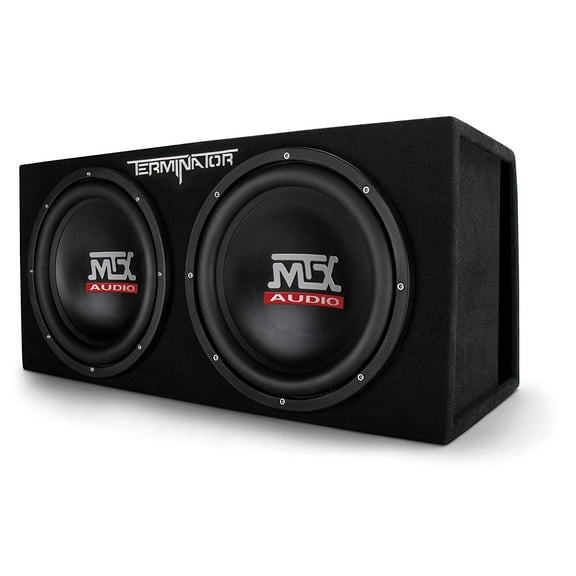
- You can use enclosed designs when you want a quicker setup and a predictable fit.
- You can select SVC or DVC voice coils based on your amplifier wiring plan.
For many drivers, a 12-inch format hits a useful middle ground. You get strong low-end presence compared to smaller setups, while keeping enclosure size manageable.
You may also prefer enclosed speaker subs when you want fewer separate pieces to source. Your installation path often feels clearer when the box and driver are already matched.
When you compare sound styles, enclosure design shapes what you hear. You can get tighter, punchier bass from sealed boxes and deeper, boomier output from ported designs.
Choosing size, enclosure, and voice coil setup
You should measure your trunk, hatch, or under-seat area before choosing subwoofer size. Your 10-inch option can work well in tighter spaces, while your 12-inch choice often balances output and fit.
If you want stronger output and have more room, you may consider a 15-inch model. You can confirm mounting depth and box dimensions so your cargo area still works.
When you review mtx audio 12-inch subwoofer price options, you should compare what comes with the setup. Your choice may include an enclosure, a raw driver, or a powered package.
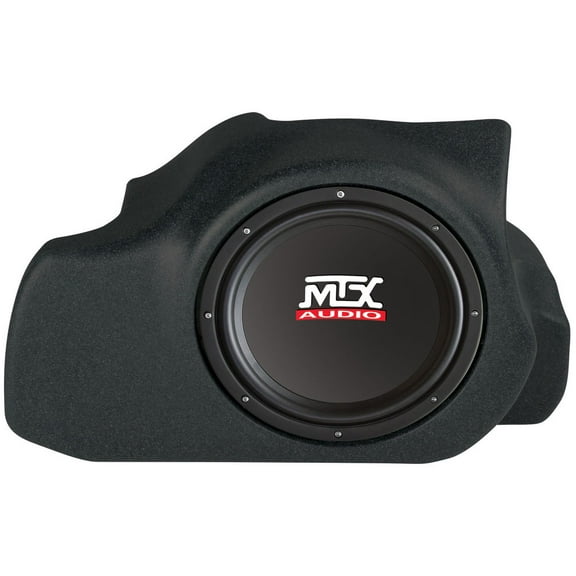
An enclosed model can simplify your planning because the box is already part of the system. A component raw driver gives you more freedom if your custom box already exists.
You should also compare SVC and DVC designs before you wire everything together. Your single voice coil setup keeps wiring straightforward, while your dual voice coil option adds flexibility.
If you’re considering a sub mtx 12 configuration with an external amp, coil layout matters. You can match impedance targets more easily when your amplifier and subwoofer specs line up.
RMS wattage is another decision point you shouldn’t ignore. You can get consistent performance when your amplifier’s continuous output matches your subwoofer’s continuous power handling.
Choosing powered or passive setups
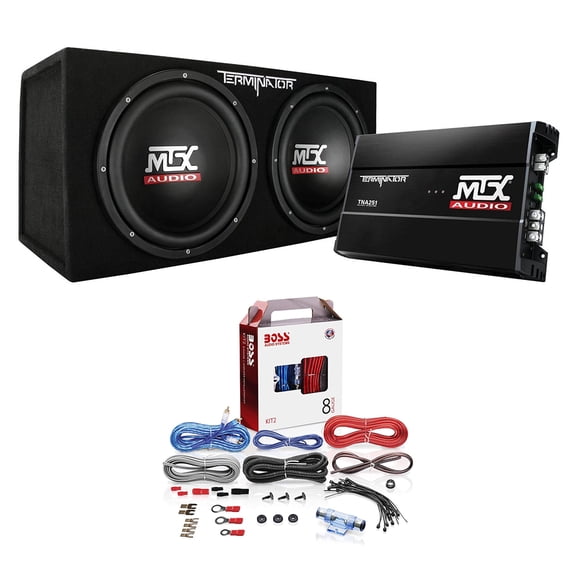
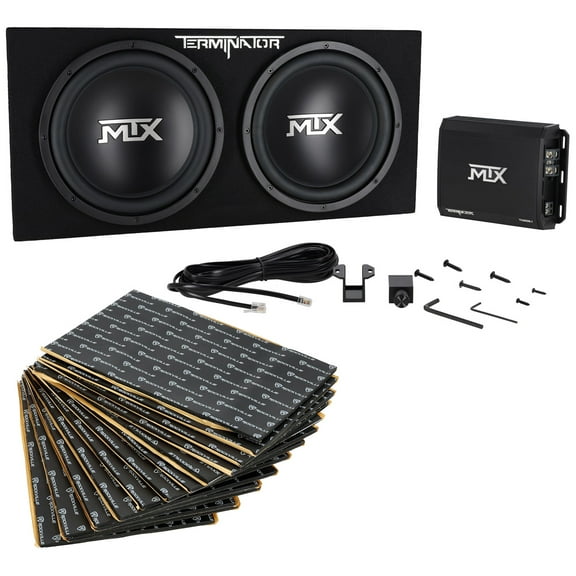
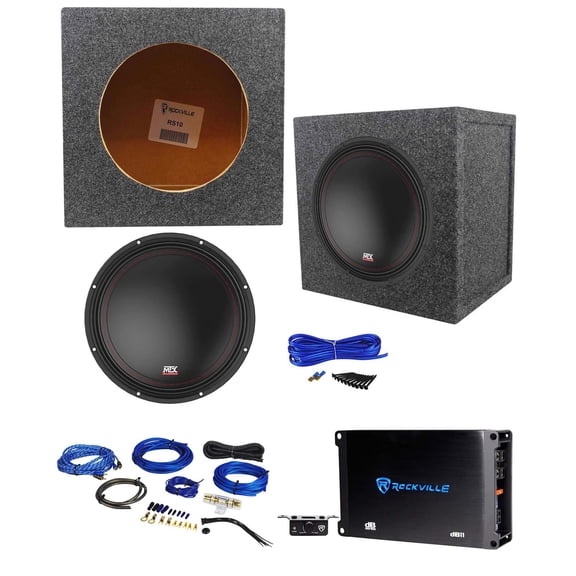
You should choose a powered setup when you want fewer separate parts to install. Your mtx powered sub can combine the enclosure, subwoofer, and amplifier into one package.
That approach can reduce planning time because you don’t have to pair every part manually. You can still confirm dimensions, power connections, and signal compatibility with your stereo.
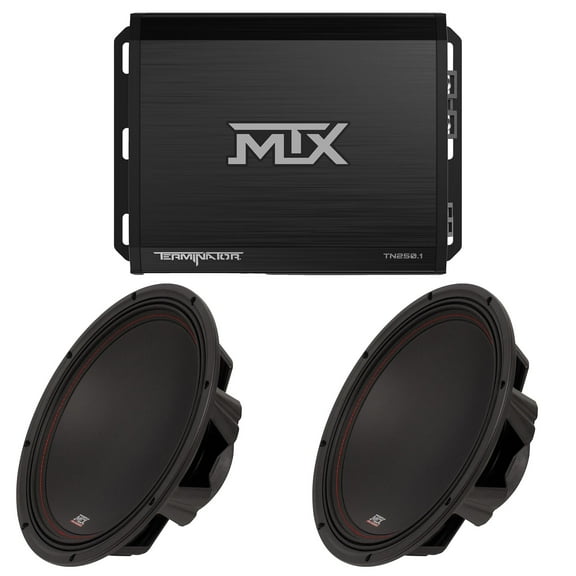
If you choose a passive setup, you may need a separate amplifier to run your subwoofer. Your payoff is more control over amp selection, enclosure style, and final system tuning.
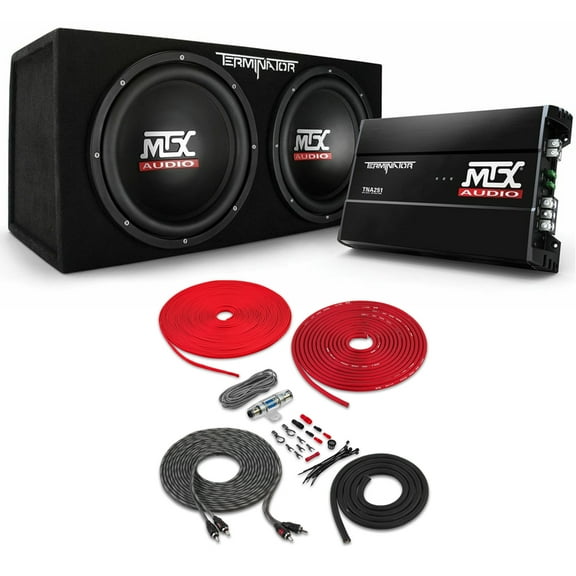
You should check whether your stereo has RCA outputs or needs a line-out converter. Your installation may also require the right wiring gauge, fuse holder, and amplifier kit.
When you compare active and passive designs, crossover controls also matter. You can shape how low frequencies blend with your door speakers when your settings match your system.
Matching your setup to daily driving needs
You may want a compact setup for a daily driver with limited storage space. Your 10-inch enclosed model can fit more easily while still adding noticeable bass depth.
If you want a versatile upgrade for mixed music styles, you should consider a 12-inch option. Your mtx subwoofer 12 inch setup can support punchy drums and deeper bass lines alike.
You might prefer a powered enclosure when you want fewer separate purchases and simpler planning. Your setup can be easier to map when amplifier power is already built in.
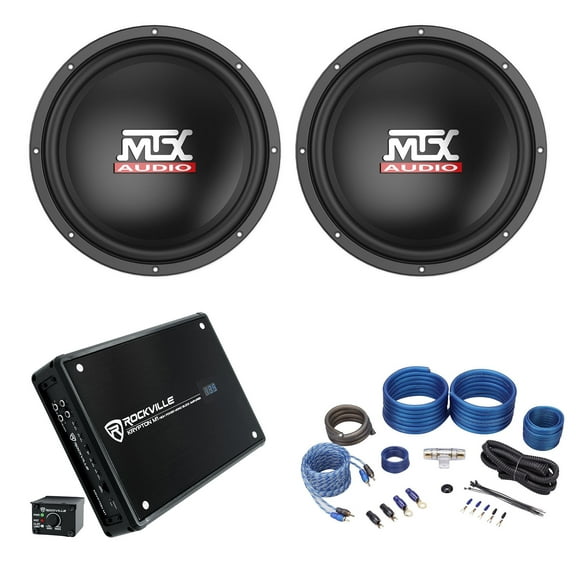
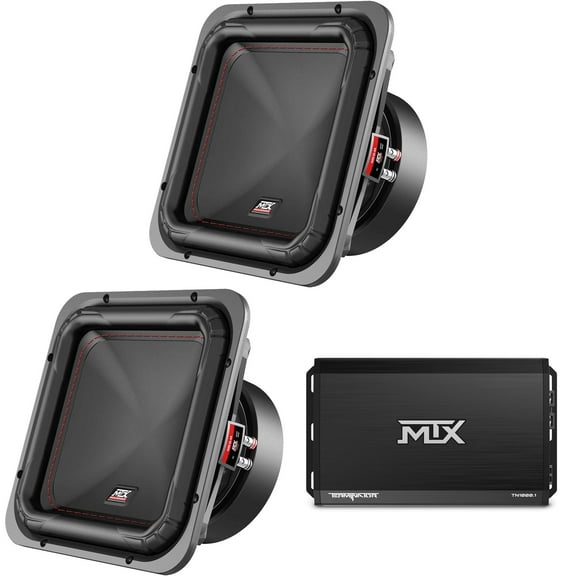
For custom systems, you may choose a passive raw driver and separate amplifier. Your setup can then target specific impedance, box design, and output goals.
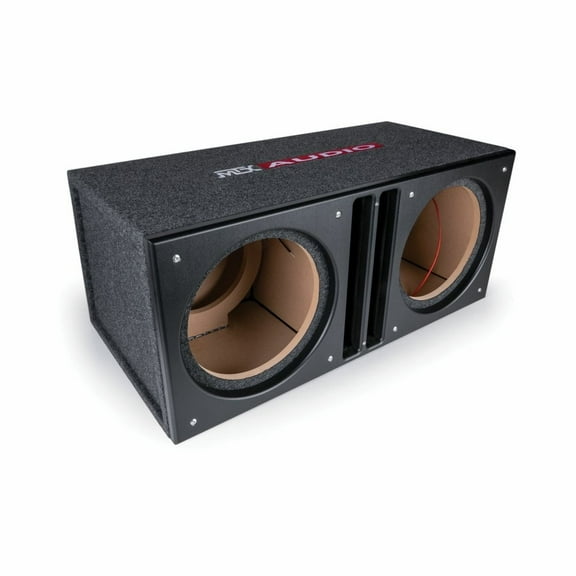
If you listen to bass-heavy tracks, you should compare sealed and ported boxes carefully. Your sealed box can sound tighter, while your ported box can feel deeper and more resonant.
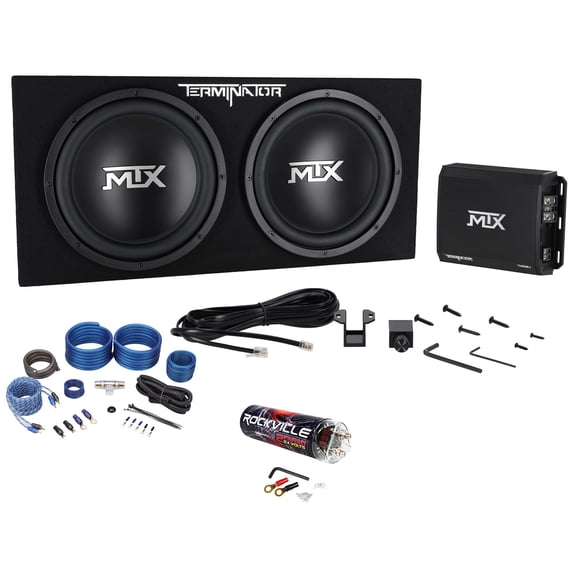
You should also think about what else you’ll need for installation day. Your project may call for wiring kits, amplifier accessories, speaker wire, and integration parts for factory stereos.
When you compare an mtx subwoofer or mtx car subwoofer for your vehicle, fit should guide your final choice. Your bass upgrade works well when the enclosure matches your cabin and cargo space.
You can choose with more confidence when you compare amplification, size, enclosure type, and voice coil layout together. Your final setup can feel more satisfying when those choices match your car and music.