




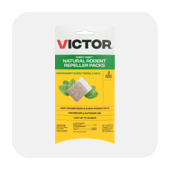

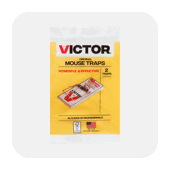

Mouse Trap in Mouse
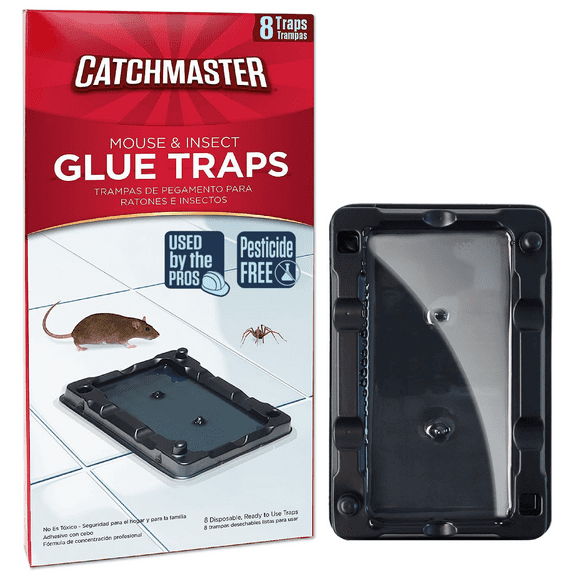

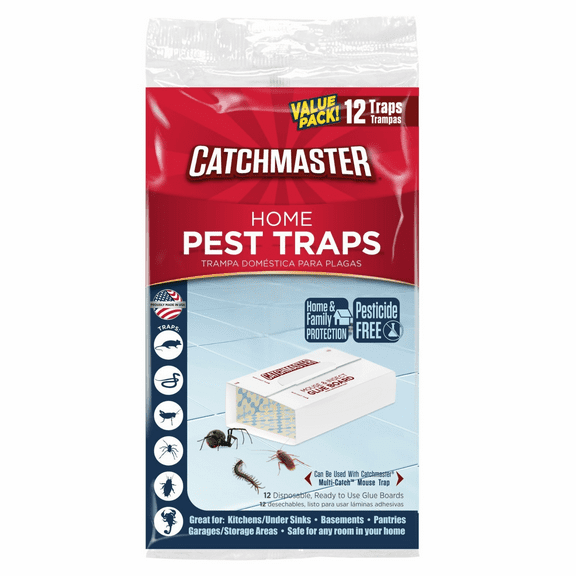
























About Mouse Trap in Mouse - Walmart.com
Mouse traps help you handle household rodent control with options for indoor corners, garages, and seasonal entry points. You can compare trap types, disposal methods, and placement needs, so your setup matches your space.
Choosing mouse traps for your home
When you compare mouse traps, you should start with trap type and room placement. You can usually choose between snap, electric, humane catch-and-release, and sticky mouse traps.
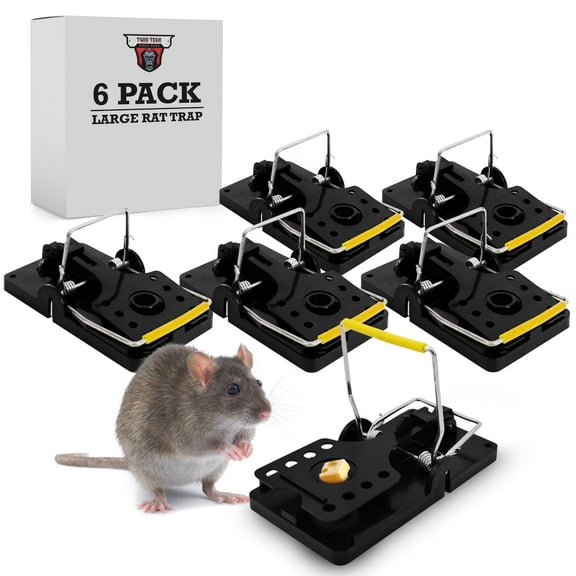
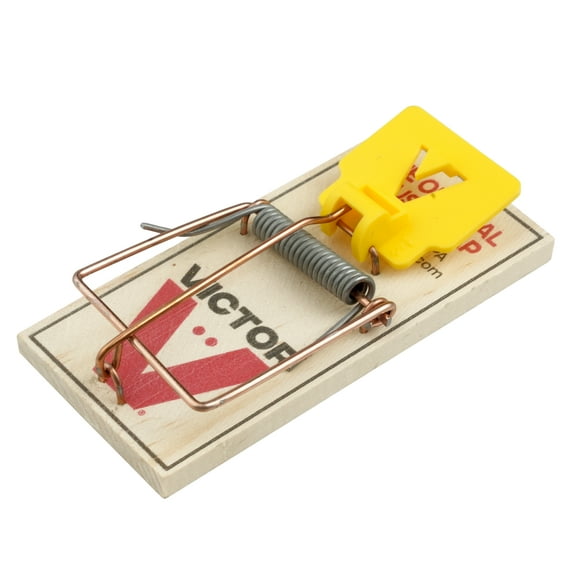
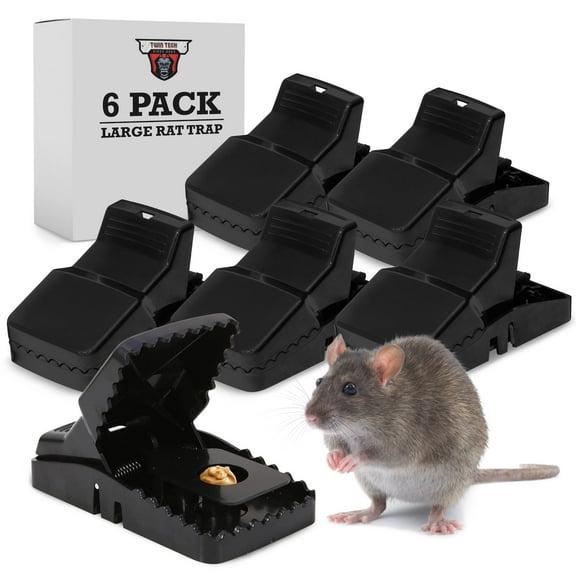
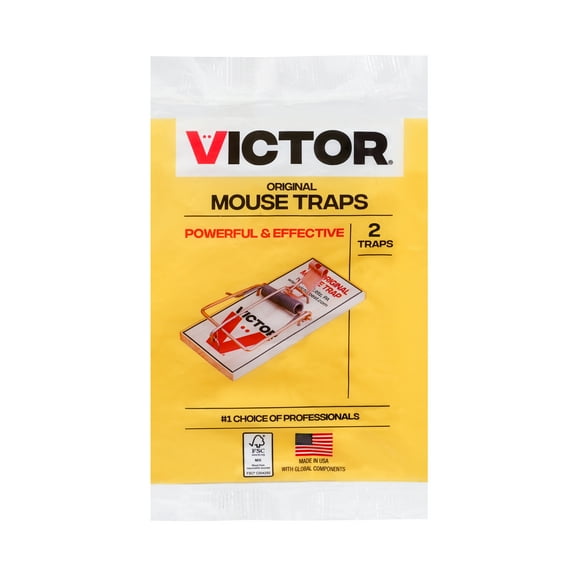
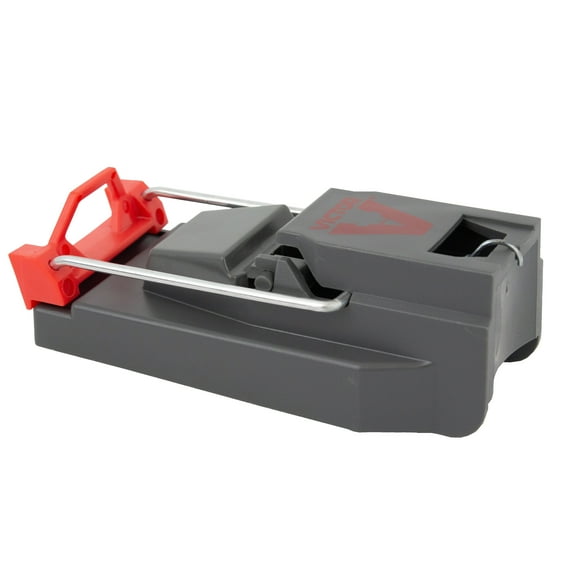
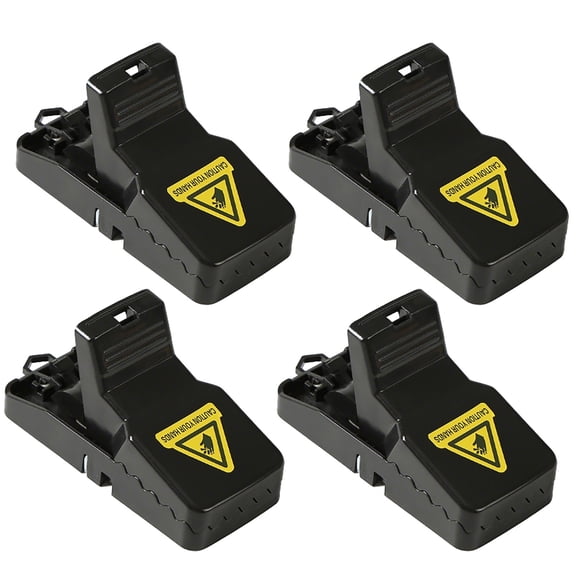
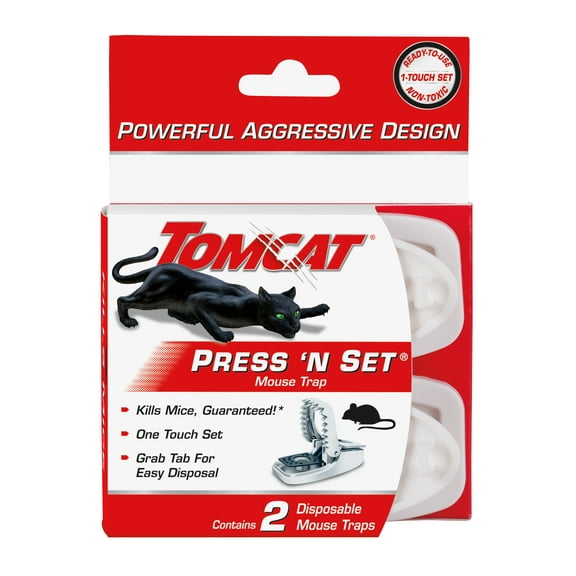
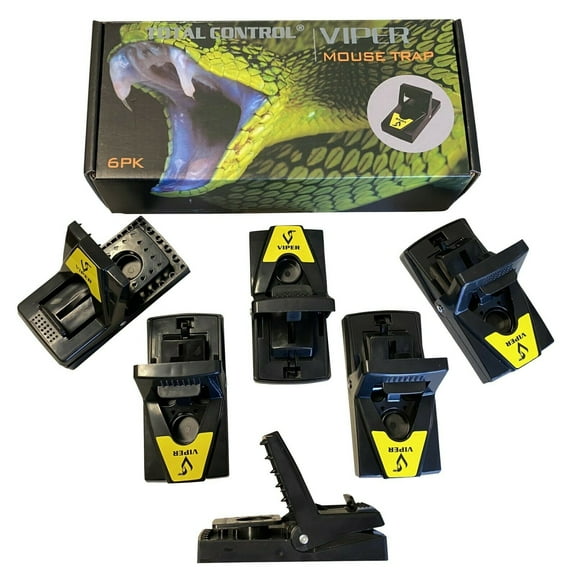
Snap styles give you a familiar mechanical option for kitchens, basements, and utility areas. Electric designs use battery-powered chambers, while humane versions let you release captured mice away from your home.
Location matters because you may need indoor mouse traps for pantries and laundry rooms, or outdoor mouse traps for sheds and garages. You should also check whether enclosed designs fit homes with curious pets or children.
- You can use snap traps when you want a simple mechanical design and compact placement.
- You can choose electric mouse traps when you want a no-touch disposal approach.
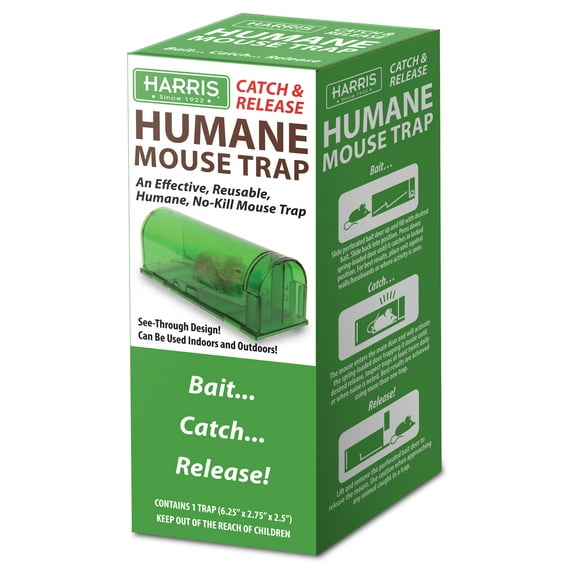
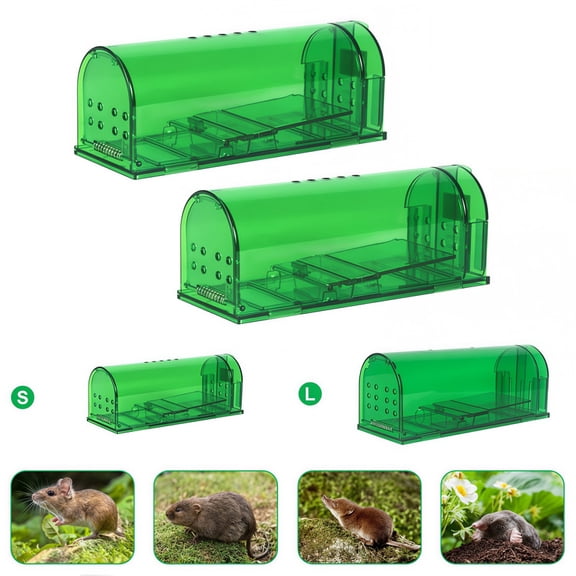
- You can pick humane mouse traps when you prefer catch-and-release handling.
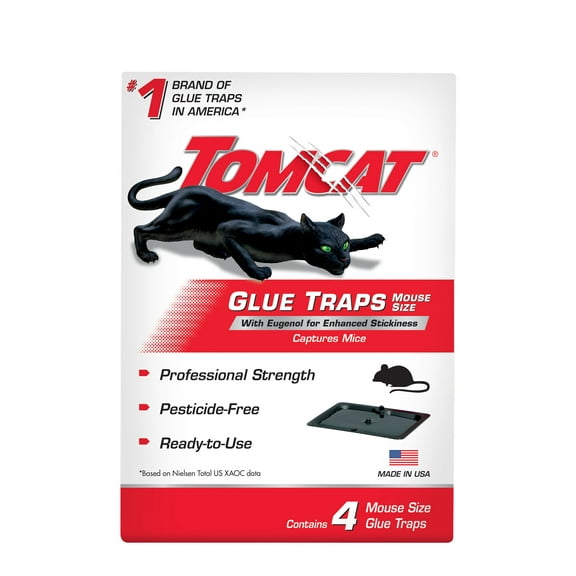
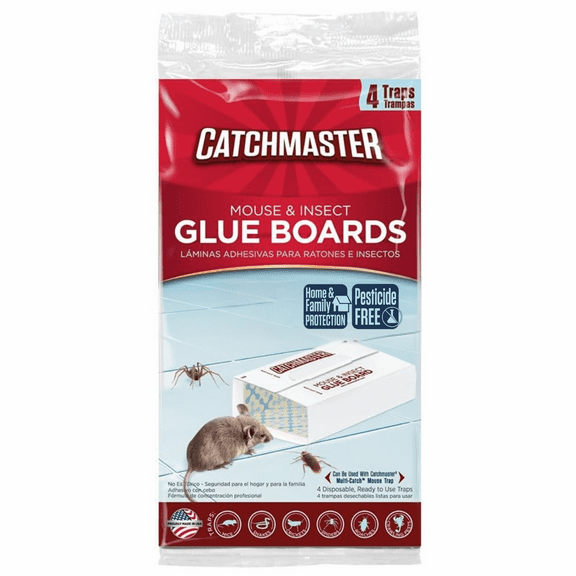
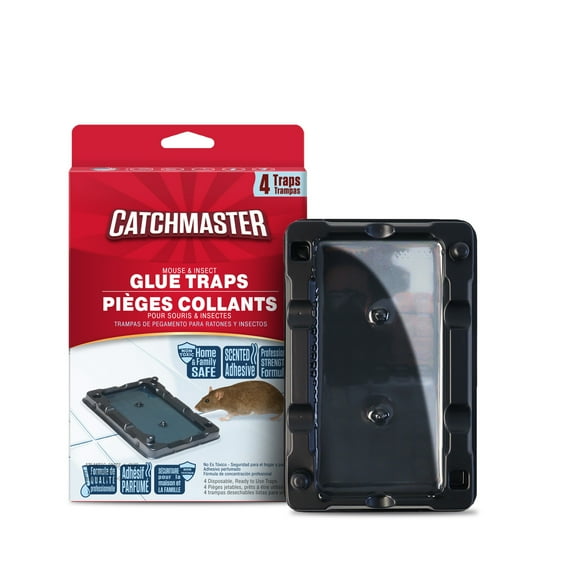
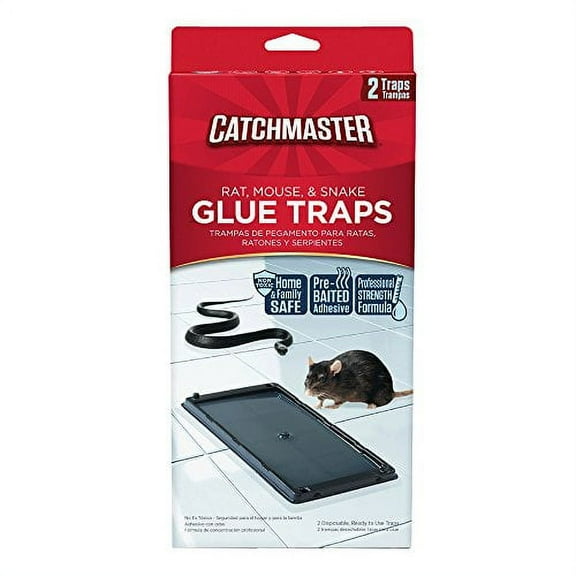
- You can consider sticky mouse traps for low-profile placement along walls and entry paths.
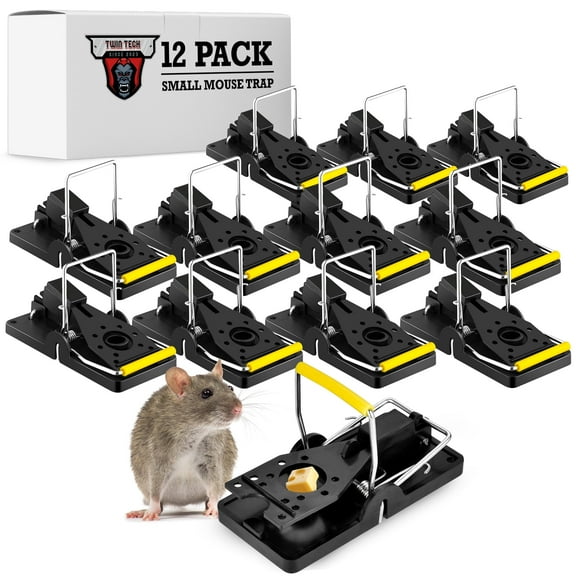
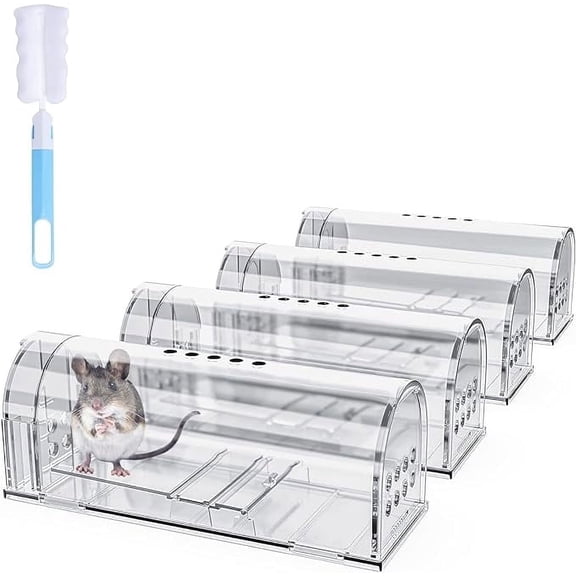
- You can use multi-pack options when you need coverage in several rooms at once.
How to compare humane mouse traps and traditional types
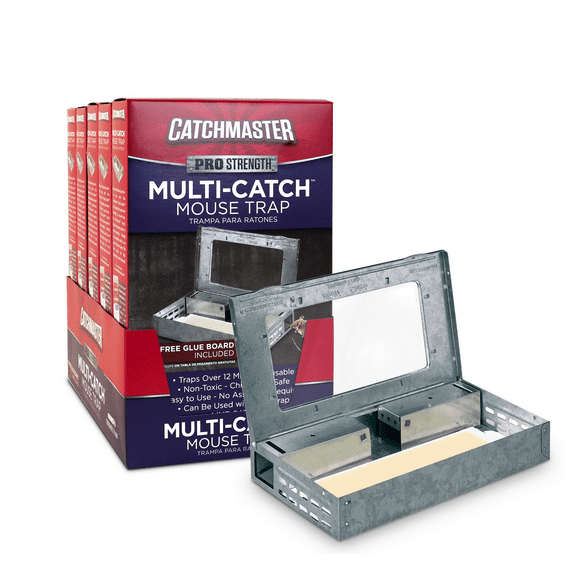
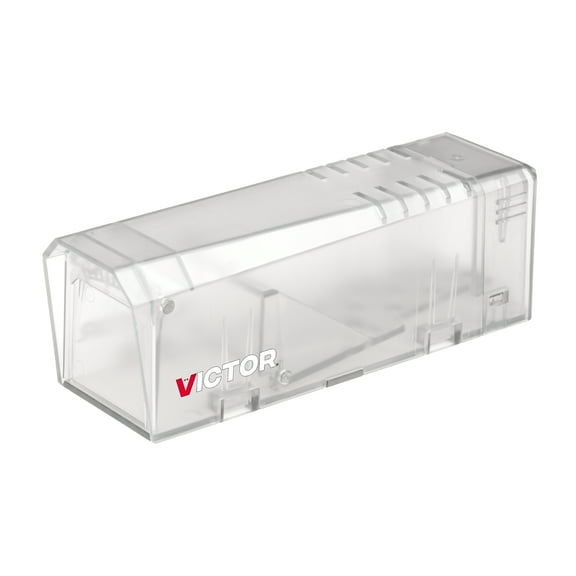
Humane mouse traps work well when you want a reusable option with manual release. You should check the trap door design, airflow, and viewing window, so release feels more controlled.
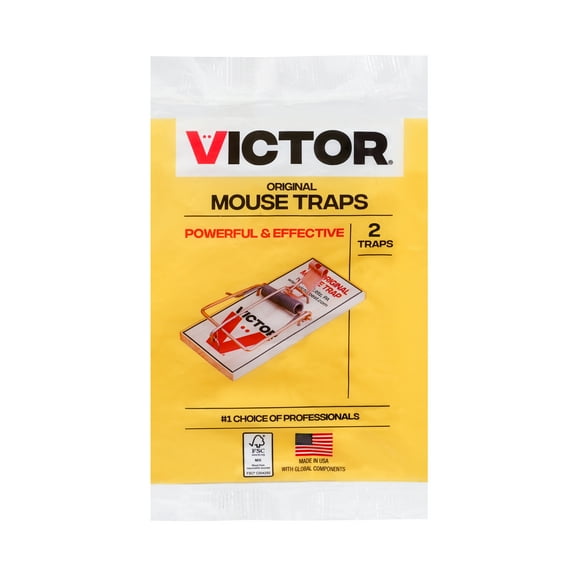
Traditional choices focus on fast setup and straightforward placement near baseboards or known travel routes. You can compare open snap designs with enclosed stations if your household needs extra separation from the trap area.
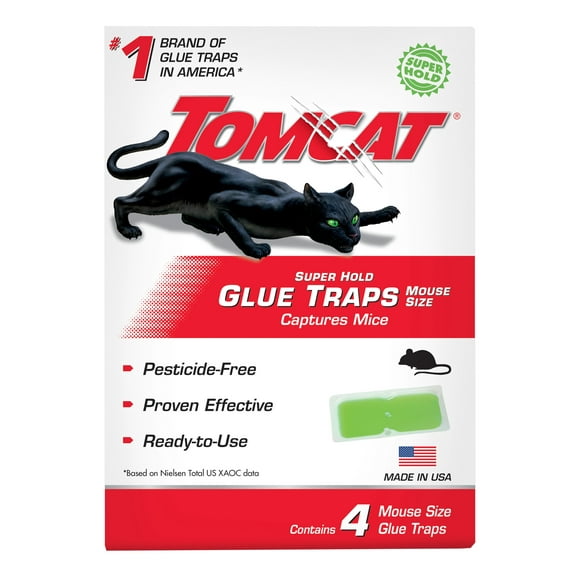
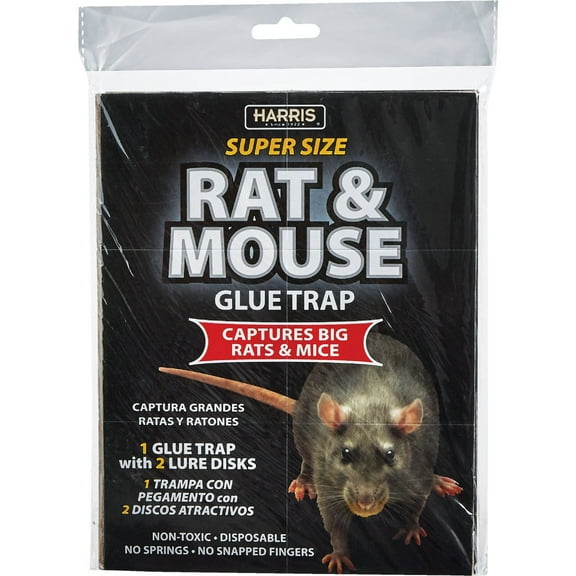
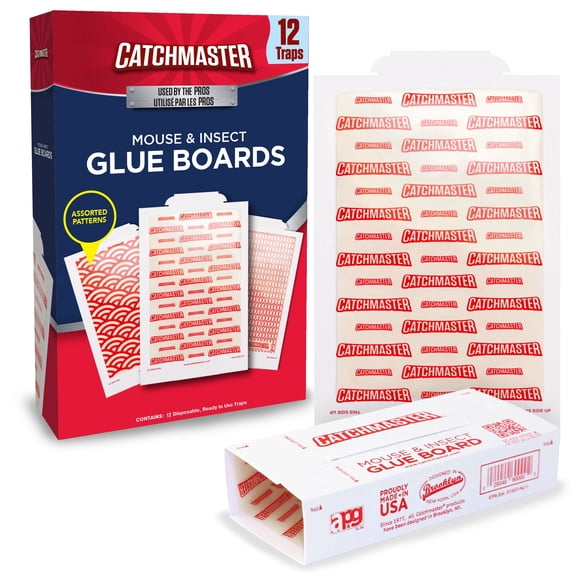
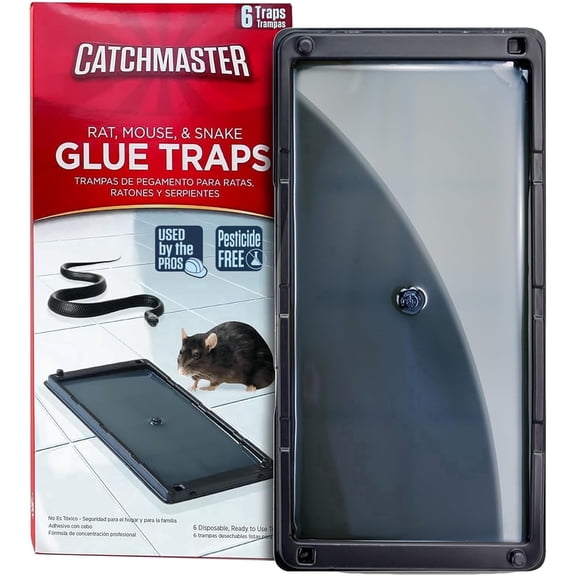
Glue styles sit flat in narrow spaces, which can help when you’re working behind appliances or along tight wall edges. You should compare cleanup preferences carefully before choosing this trap format.
What to look for in indoor mouse traps
Indoor mouse traps should match the room, traffic level, and storage layout in your home. You may want compact footprints for pantries, under-sink cabinets, closets, and small utility spaces.
For attics and garages, you may need stronger housings and broader placement coverage. You should measure narrow ledges, shelf depths, and wall gaps before you choose a trap size.
Enclosed stations can help you separate the trapping area from pets and children in busy rooms. You can also place several smaller traps along walls, where mice typically travel.
Key differences in power source and mechanism
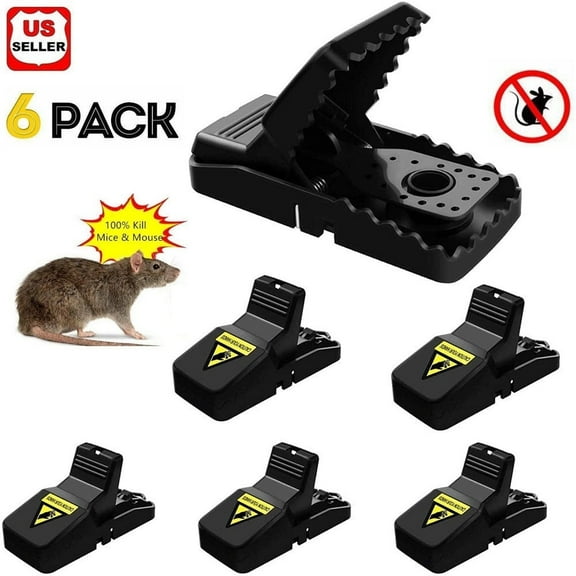
Mechanical traps use spring tension, so you get a familiar setup without batteries. You should look for easy-set levers and stable bases if you want quicker placement.
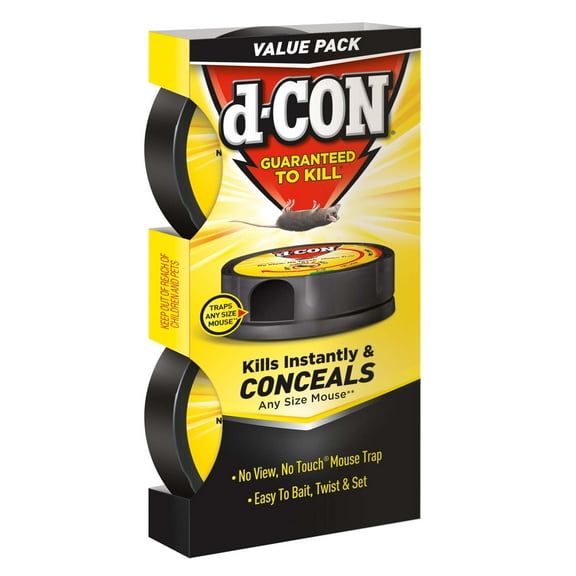
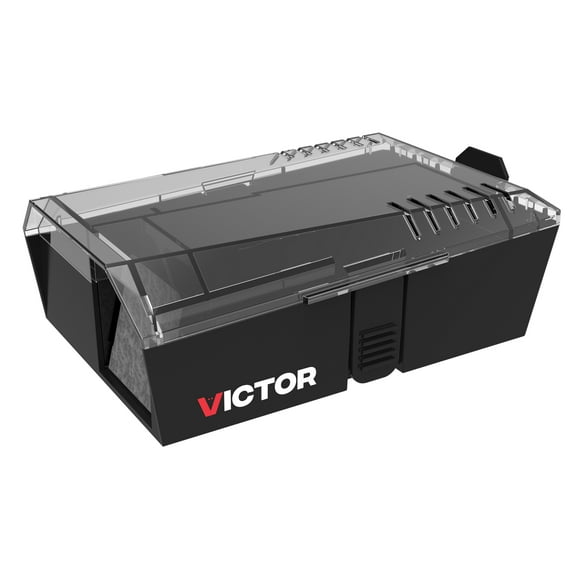
Battery-powered designs use a high-voltage shock chamber inside an enclosed housing. You may prefer this format when you want a no-see, no-touch disposal routine.
Adhesive options don’t need springs or batteries, so you can place them quickly in low-clearance areas. You should still compare tray size and surface coverage before you decide.
How reusability and disposal affect your choice
Reusable mouse traps can suit you when you want multi-use coverage across recurring problem spots. You should check whether the trap resets easily and cleans up with minimal handling.
Disposable options can simplify cleanup when you prefer to replace the whole trap after use. You may like this approach for guest spaces, storage rooms, or seasonal checks.
No-touch disposal matters when you want less direct contact during cleanup. You can compare enclosed electric chambers, covered snap stations, and release doors for the handling style you prefer.
Matching mouse traps to real household situations
If you’re covering a kitchen, pantry, or mudroom, compact indoor mouse traps can fit along walls and behind bins. You should look for small designs that help avoid crowding narrow storage areas.
If you’re managing a garage, shed, or workshop, outdoor mouse traps and enclosed stations can handle broader placement needs. You can use multi-packs to cover doors, corners, and shelving zones.
For apartments or shared spaces, humane mouse traps may fit your preference for reusable catch-and-release control. You should plan a release routine and check traps regularly for practical handling.
If you want less visible cleanup, electric mouse traps can suit utility rooms or basement edges. You may appreciate enclosed chambers and battery-powered operation in those lower-traffic spots.
When you need fast coverage before cooler weather, you can combine trap styles by room and entry point. You should place mechanical or adhesive options where wall activity and small gaps appear first.
Why a structured approach helps
You can choose more confidently when you compare trap type, location suitability, reusability, and power source together. That approach helps you cover the right spaces with mouse traps that fit your cleanup and placement preferences.