


Find auto parts that fit
Let’s search for parts that fit your vehicle.Motorcycle Engines in Motorcycle Engine Parts









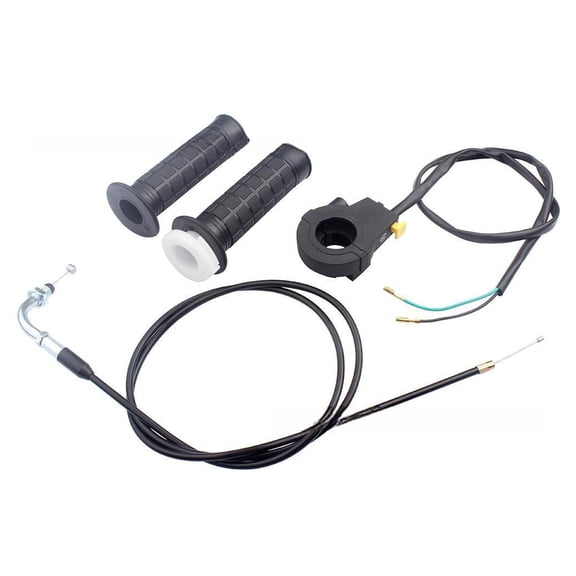

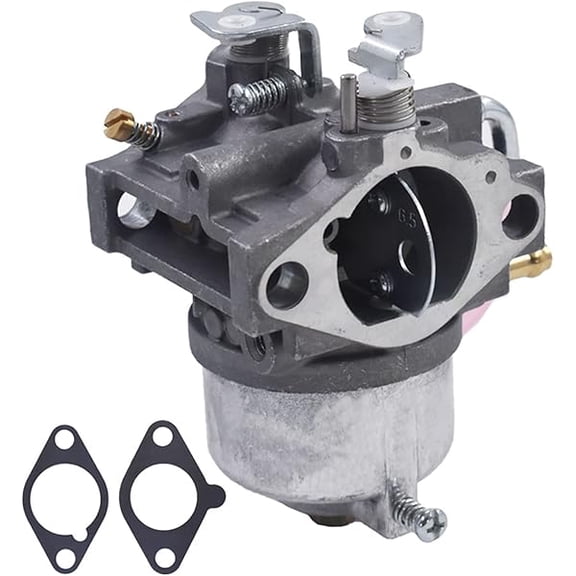
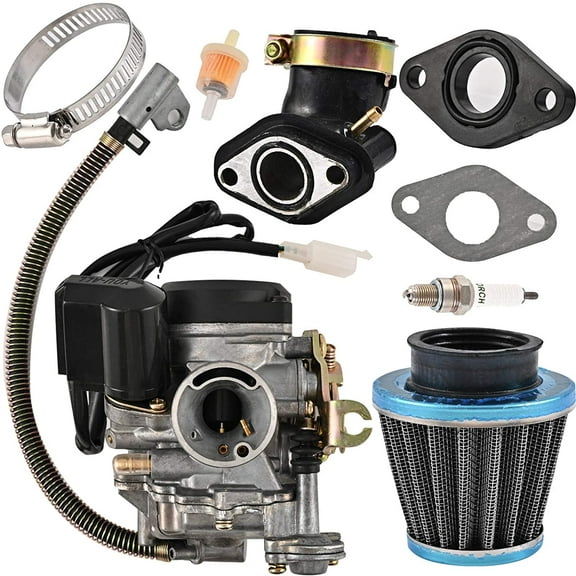








About Motorcycle Engines in Motorcycle Engine Parts - Walmart.com
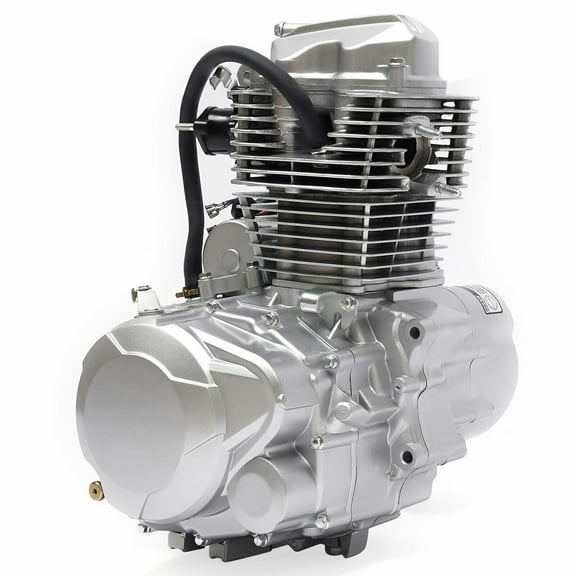
Motorcycle engines help you restore power, match your ride, and compare key specs before you choose a replacement. You can sort options by displacement, engine type, and vehicle fit, which matters when your moped, scooter, dirt bike, or motorcycle needs the right motor.
If you're replacing a worn setup, you should start with fit and configuration instead of guessing by appearance alone. You’ll get clearer results when you compare cc rating, stroke type, start method, and included components together.
How to choose motorcycle engines by displacement
You should match engine displacement to your frame, mounting points, and riding style before you compare anything else. A moped engine 50cc usually fits smaller commuter builds, while larger cc options support heavier scooters and motorcycles.
When you compare 50cc, 125cc, 150cc, and 250cc options, you’re really comparing output, weight, and compatibility. You should check your current engine label and service information so your replacement stays aligned with your drivetrain.
A 50cc moped motor often suits compact mopeds and light scooters that use small-frame engine bays. A 150cc moped engine or 150cc scooter engine usually fits larger scooter platforms with different mounts and transmission pairings.
- You can use 50cc options for many entry-level mopeds and smaller scooters.
- You can compare 125cc and 150cc choices when your frame supports mid-size scooter performance.
- You should consider 250cc engines for larger motorcycle or powersports applications with matching hardware.
- You’ll avoid fit issues when your replacement matches your original displacement and layout.
Choosing engine type, including gy6 49cc engine options
You should compare engine type next, because layout affects fit, maintenance, and parts compatibility. A gy6 49cc engine uses a common scooter-style platform that many riders recognize for replacement projects.
If you’re looking at GY6, 2-stroke, and 4-stroke models, you should check your intake, exhaust, and transmission setup. You’ll want the same basic configuration so your wiring, mounting, and surrounding parts line up correctly.
A 2-stroke setup usually has a different design and service routine than a 4-stroke setup. You should also confirm whether your current scooter or moped uses a horizontal or vertical engine orientation.
Many shoppers search for motorcycle motors, but you should narrow your choice by exact model family and mounting style. You’ll make a faster decision when your engine type matches your existing chassis and related components.
What to look for in complete assemblies and replacement details
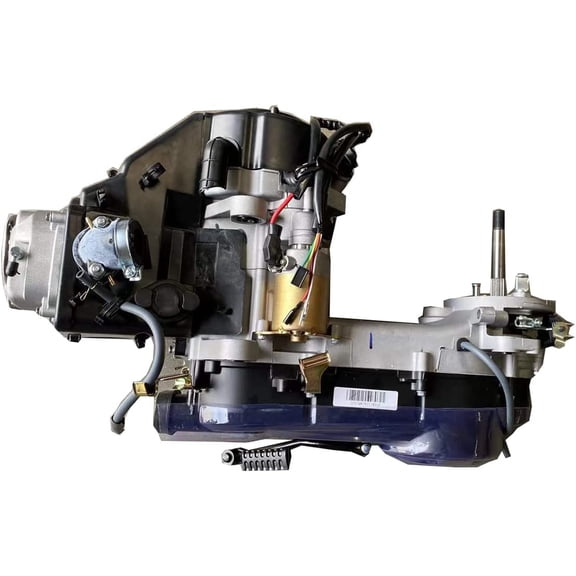
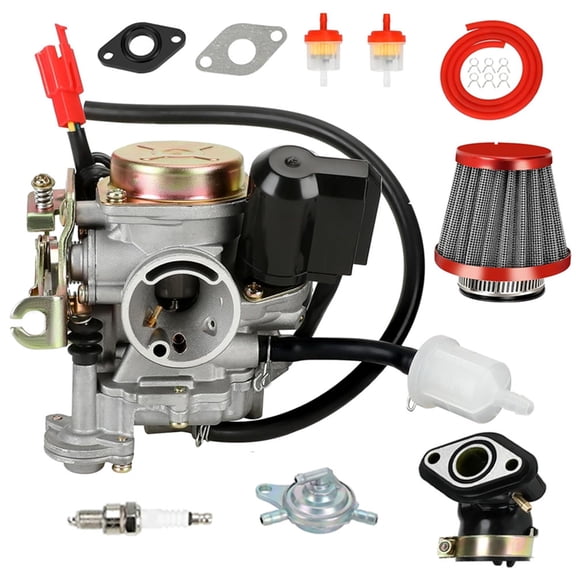
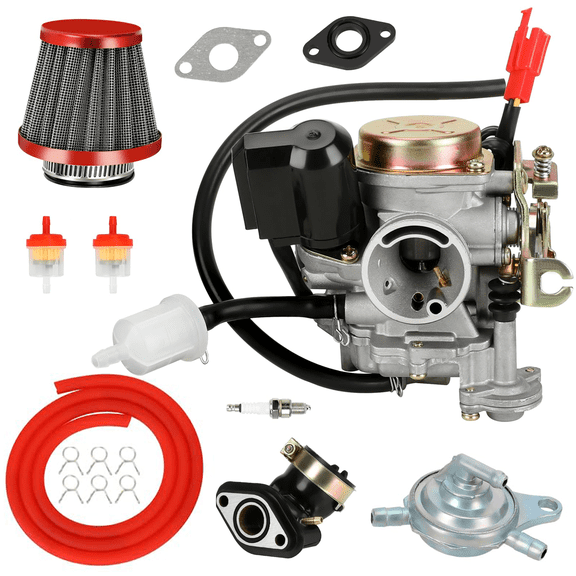
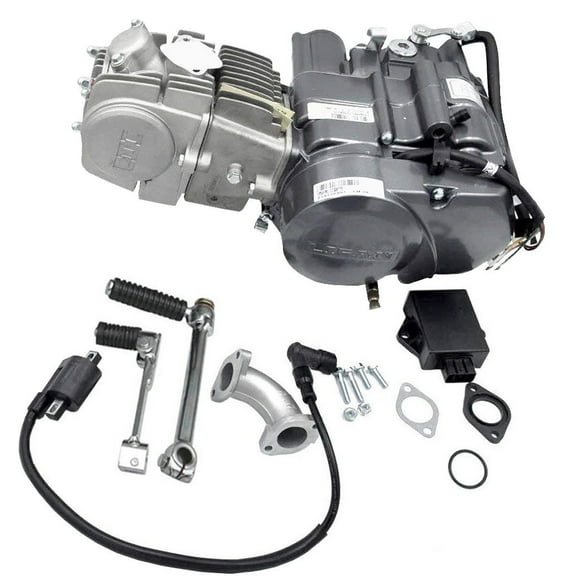
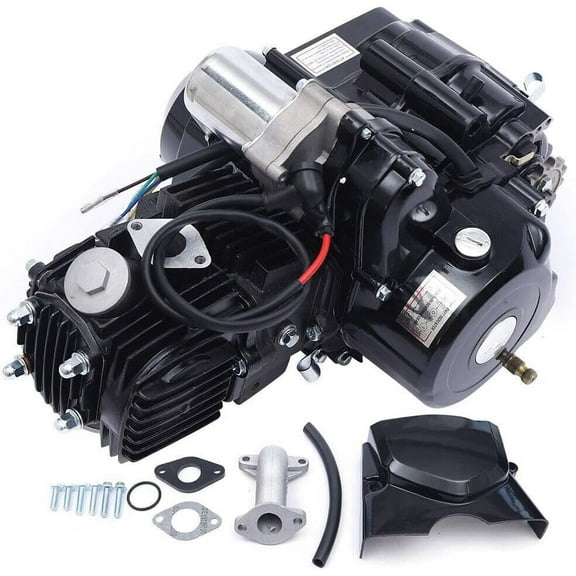
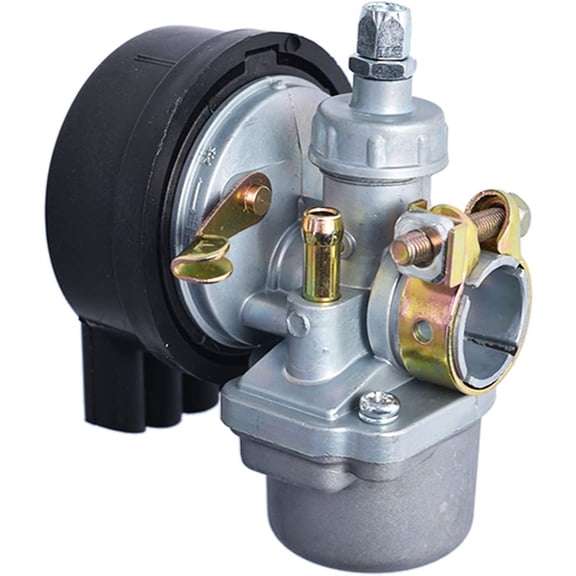
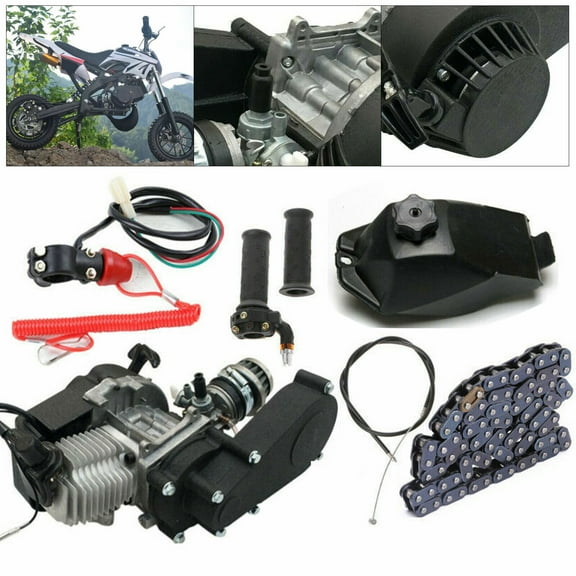
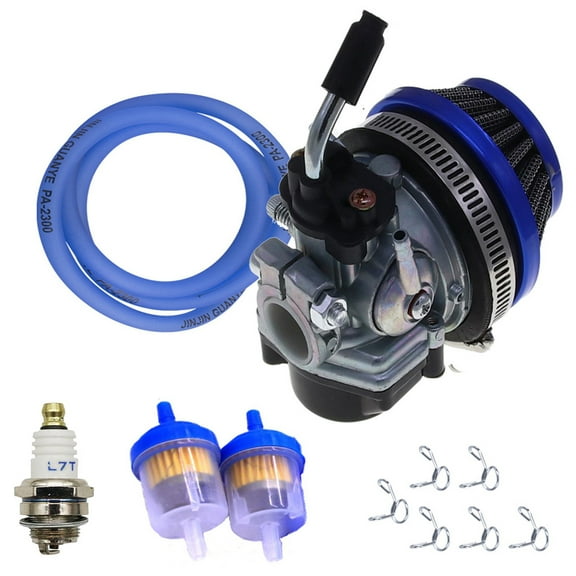
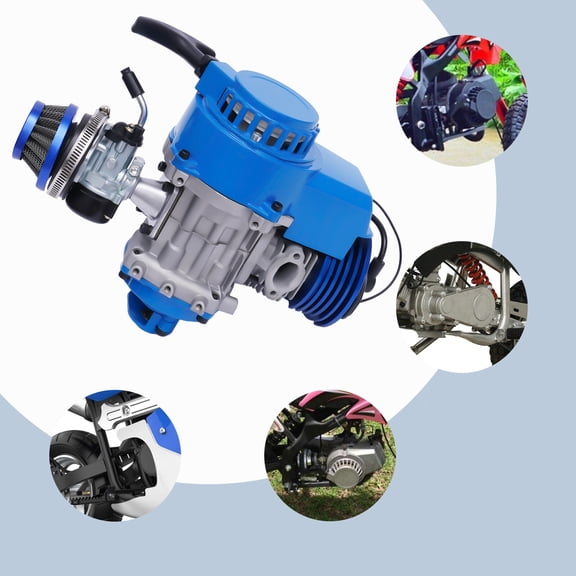
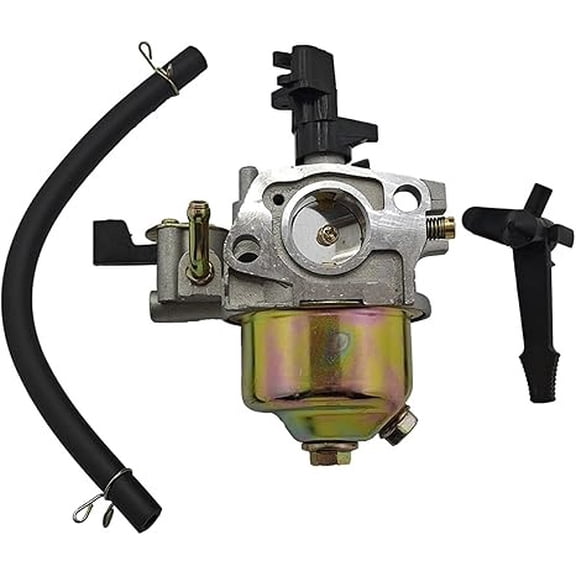
You should decide whether you need a complete engine assembly or a more basic replacement unit. Some listings may include parts like a carburetor, starter, or electrical pieces, while others focus on the core engine only.
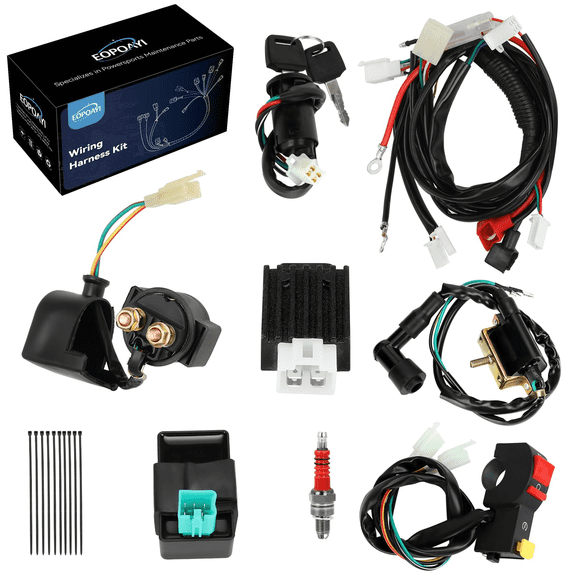
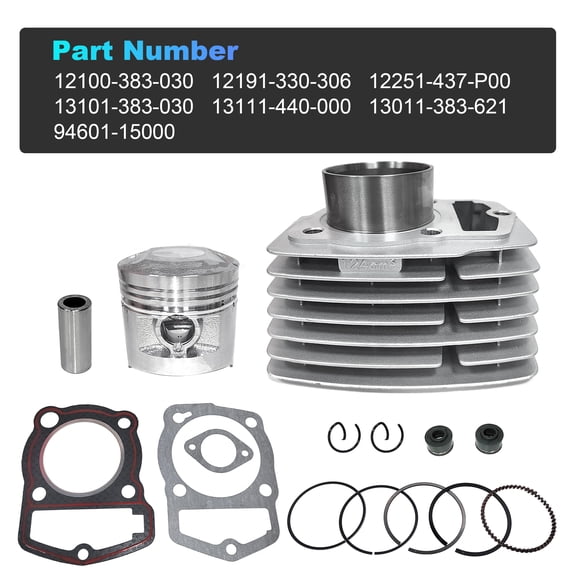
Before you choose, you should check what’s included so your installation plan stays realistic. You’ll want to compare intake parts, ignition components, charging pieces, and covers if your current setup is missing hardware.
Start type also matters when you compare replacement engines for everyday riding or project builds. You should verify whether your setup uses electric start, kick start, or a design that supports both methods.
If you’re replacing a scooter engine or dirt bike engine, you should also check chain or CVT compatibility. You’ll avoid mismatched parts when you confirm transmission style, shaft details, and mounting pattern first.
Matching vehicle compatibility and real-world use
You should treat vehicle compatibility as a final checkpoint, because the same displacement can appear across different platforms. A 150cc scooter engine won’t always match a motorcycle frame, even when the cc number looks similar.
For daily commuting, you may prefer compact engines that fit common moped or scooter layouts. You’ll likely focus on straightforward installation, familiar service parts, and start systems that suit routine stops and starts.
If you’re working on a trail or pit setup, a dirt bike engine choice should reflect frame style and intended terrain use. You should compare stroke type, cooling layout, and mounting dimensions before moving ahead.
For restoration projects, you may need a moto engine that matches an older configuration or a known replacement family. You’ll benefit from checking photos, connectors, and included hardware against your current engine from several angles.
Maintenance expectations should also shape your decision when you compare engine families. You should look for designs with accessible service points, common tune-up parts, and specifications that match your normal upkeep routine.
Why these motorcycle engines details matter
You can choose with more confidence when you compare displacement, GY6 or stroke type, included parts, and vehicle fit together. Your replacement is more likely to install cleanly and run as intended when those details match from the start.
At Walmart, you can focus on the engine specifications that matter for your moped, scooter, dirt bike, or motorcycle. You’ll spend less time sorting mismatched options and more time finding the right fit for your build.