



Moisture Absorbers in Air Fresheners

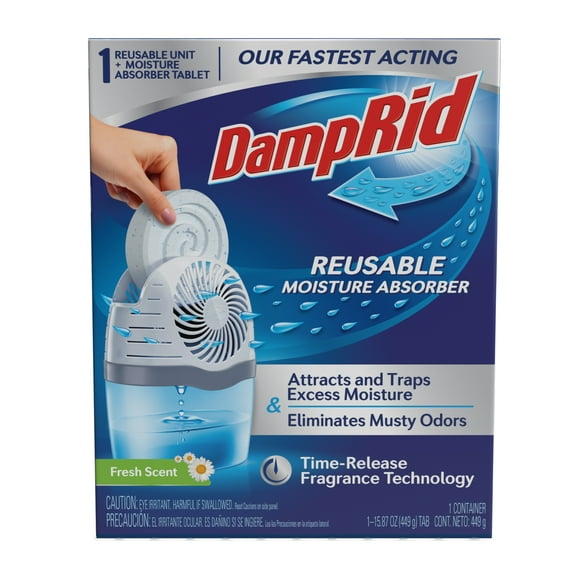

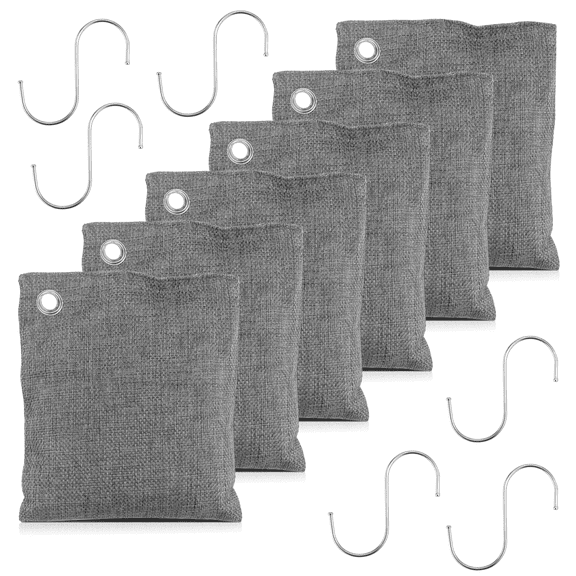

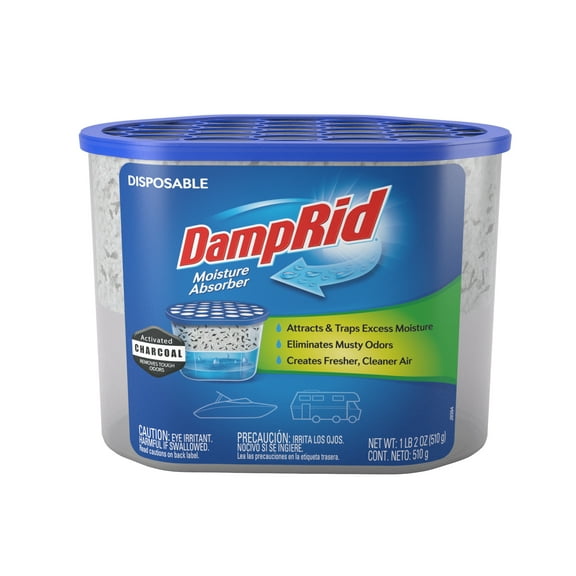


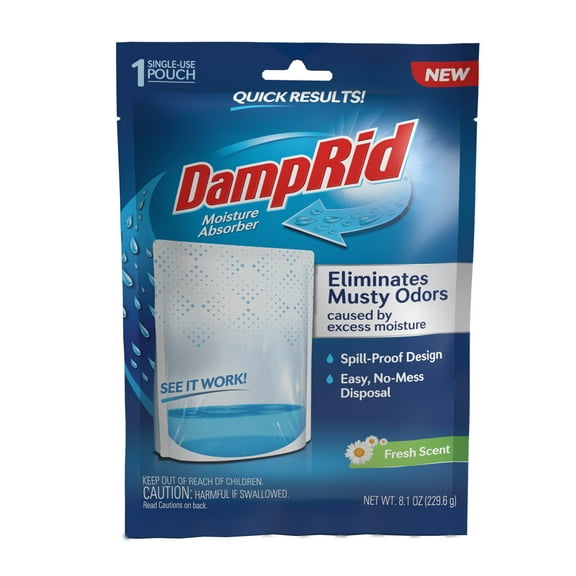






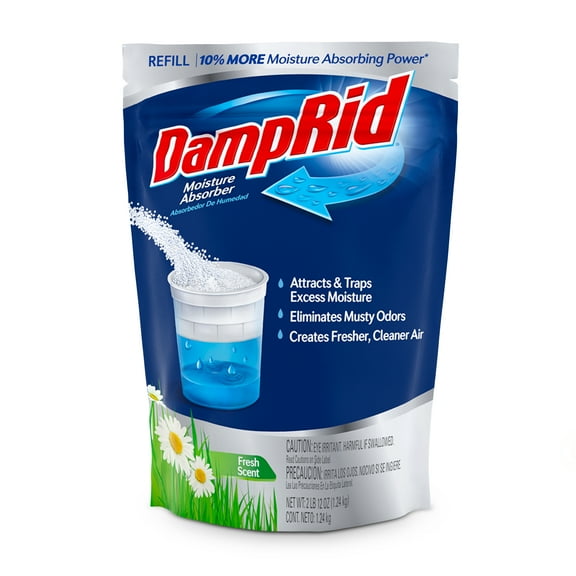
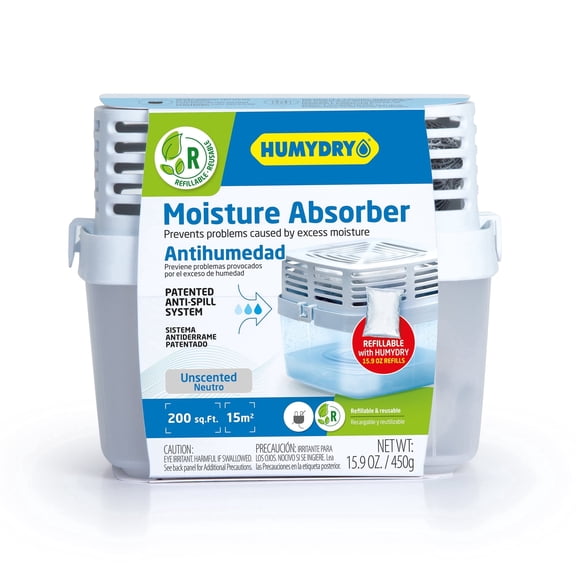


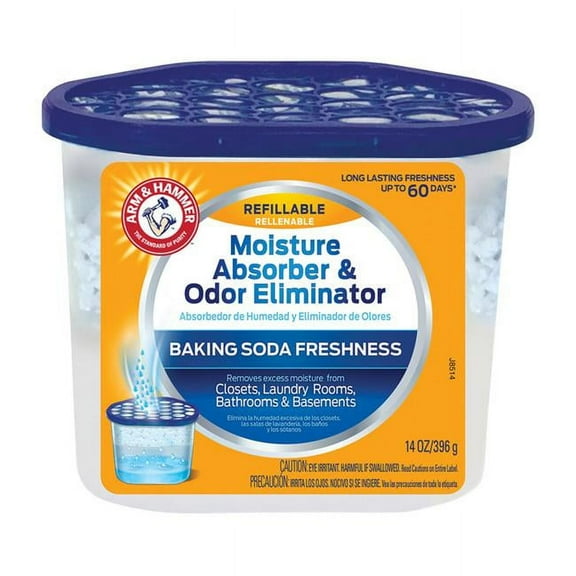


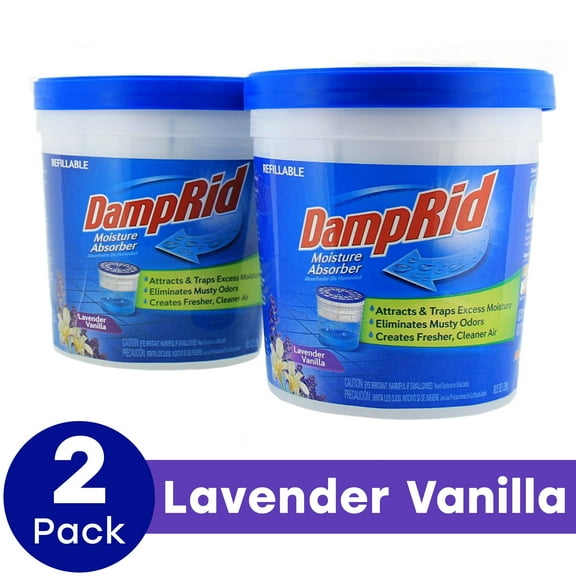





About Moisture Absorbers in Air Fresheners - Walmart.com
Patio heaters help you extend outdoor time in cooler weather, and you can compare fuel types, BTU ranges, and designs for your setup. You can narrow your choice quickly when you understand placement needs, heating radius, and finishes made for open-air spaces.
How to choose patio heaters for your space
You should start with your patio size and seating layout before you compare outdoor heaters. You can get targeted warmth when your heater matches the area you actually use.
If you’re covering a small bistro set, you may prefer tabletop patio heaters or wall-mounted designs. If you’re warming a larger dining area, you may prefer standing patio heaters with a wider heating radius.
You should also compare where your heater will sit and what surrounds it. You’ll want to check clearance needs from walls, railings, umbrellas, and overhead covers before you choose.
- You can use propane models when you want flexible placement without a cord.
- You can use electric models when you want simple plug-in setup on a covered patio.
- You can choose freestanding or hanging designs based on floor space and traffic flow.
- You can compare BTU ranges to match compact corners, dining zones, or open seating areas.
Choosing between propane patio heaters and electric patio heaters
You’ll want to compare fuel type first because it shapes setup, mobility, and daily use. You can move propane patio heaters easily, while electric patio heaters fit spaces near an outlet.
If you host in different spots, you may like propane for flexible placement around conversation sets or dining tables. If you want steady operation with fewer refills, you may prefer an electric model.
You can also compare natural gas options when your outdoor area already supports a fixed connection. You may consider wood-burning styles when you want a traditional fire feature and dedicated placement.
For smaller layouts, you may find tabletop patio heaters easier to place without crowding chairs or walkways. For open entertaining areas, you may lean toward freestanding units that project heat across a wider zone.
How to compare BTU ratings and heating radius
You should use BTU ratings as a simple guide to expected heat output. You’ll usually want lower ranges for small seating areas and higher ranges for larger patios.
If you’re warming a compact nook, you may consider under 10,000 BTUs for closer, targeted comfort. If you’re covering a standard dining set, you may compare 10,000 to 30,000 BTUs.
For broad patios or open-air entertaining spaces, you may look at 30,000 to 45,000 or higher. You may notice stronger output matters when wind and open sides disperse warmth.
You should also look for heating radius details because BTUs alone don’t tell the whole story. You can use that radius to estimate whether guests at the edge will still feel comfortable.
If your patio has partial walls or a covered roof, you may retain warmth effectively. If your space is fully open, you may need stronger output or more than one unit.
What to look for in design, materials, and placement
You should compare freestanding, tabletop, wall-mounted, and hanging designs based on traffic flow. You’ll want a shape that fits your furniture plan without blocking movement.
Freestanding heaters can anchor larger layouts and leave table surfaces open for serving. Tabletop heaters can suit smaller gatherings where you want warmth close to seated guests.
Wall-mounted and hanging options can free up floor area on narrow patios or balconies. You should measure mounting location carefully so your heater fits your overhead space.
You can also compare stainless steel, bronze, and powder-coated steel finishes for the look you want. You’ll often like stainless steel for a clean appearance, while bronze and powder-coated steel can complement classic outdoor furniture.
For busy outdoor setups, you may want materials that wipe clean and coordinate with existing seating. You can match your heater finish with dining sets, loungers, or side tables for a polished layout.
How to check safety features and clearance requirements
You should review automatic shutoff and anti-tilt features before you choose outdoor heaters. You’ll appreciate those features when your patio gets breezy or your layout stays active during gatherings.
If you have frequent foot traffic, you may prefer designs with a stable base and simple controls. If you place a heater near dining furniture, you should confirm the recommended clearance space first.
You’ll need to check product guidance for distance from ceilings, walls, railings, and umbrella fabric. You can avoid fit issues by measuring your space before installation or seasonal setup.
For covered patios, you should pay close attention to overhead clearance and mounting height. For open patios, you should still consider walkways, chair movement, and nearby tables when placing a unit.
Matching outdoor heaters to everyday use
You may want a compact heater for morning coffee on a small porch or balcony. You can choose a tabletop or wall-mounted option when floor area stays limited.
If you host family dinners outdoors, you may want wider coverage around a rectangular dining table. You can compare freestanding models with higher output for that larger seating zone.
For occasional entertaining, you may like a movable propane unit that shifts with your layout. For regular nightly use, you may prefer an electric heater that stays in a consistent spot.
You can also coordinate your setup with nearby patio furniture, fire pits, and outdoor furniture covers. You can create a more functional outdoor area when your heater fits your space, power source, and seating plan.
You can shop patio heaters with more confidence when you compare fuel, BTUs, design, and clearance together. You can choose an outdoor heating setup that fits your patio and keeps your gathering space comfortable longer.