

Rolling File Cabinets in Office Furniture


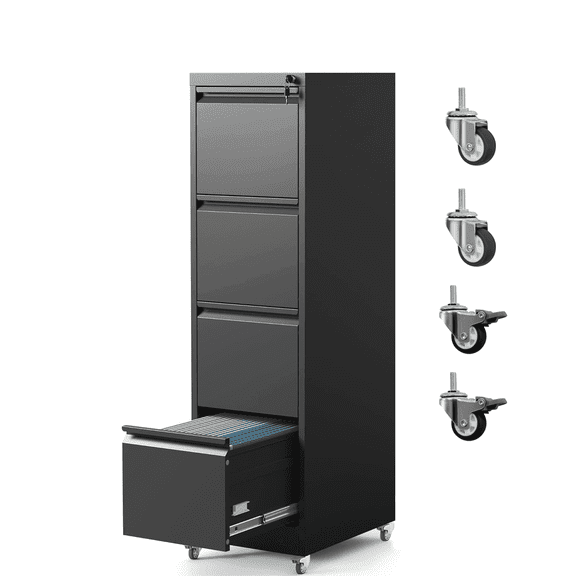
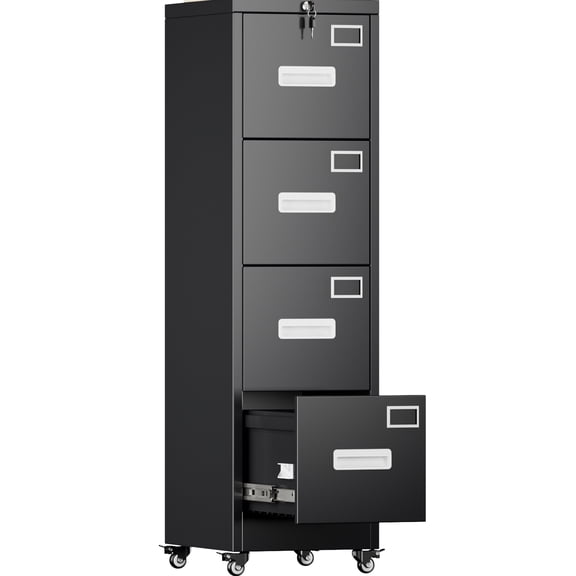
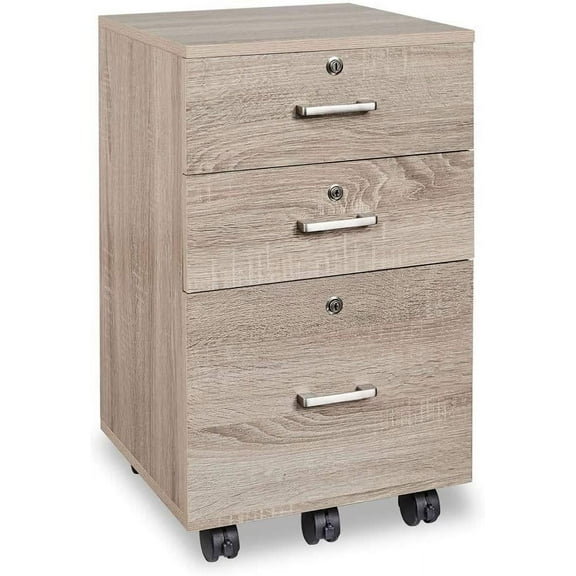


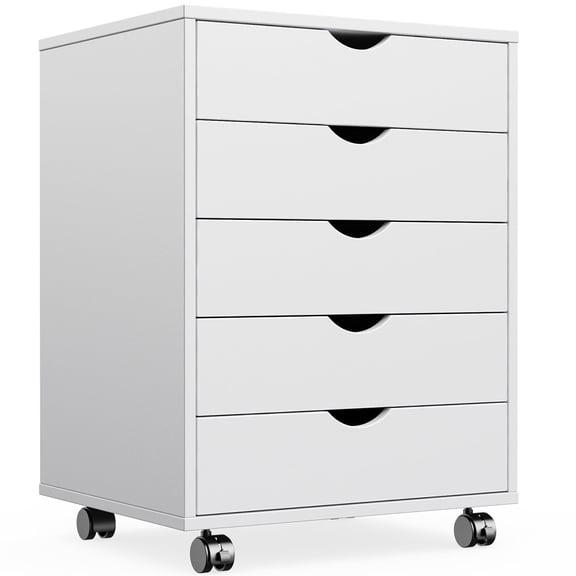







































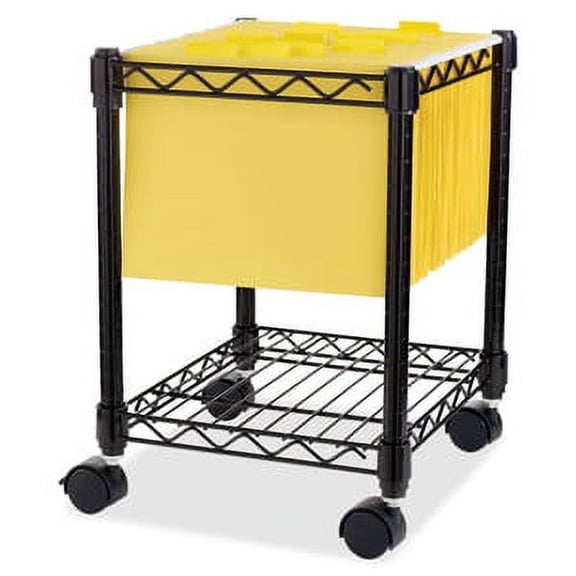


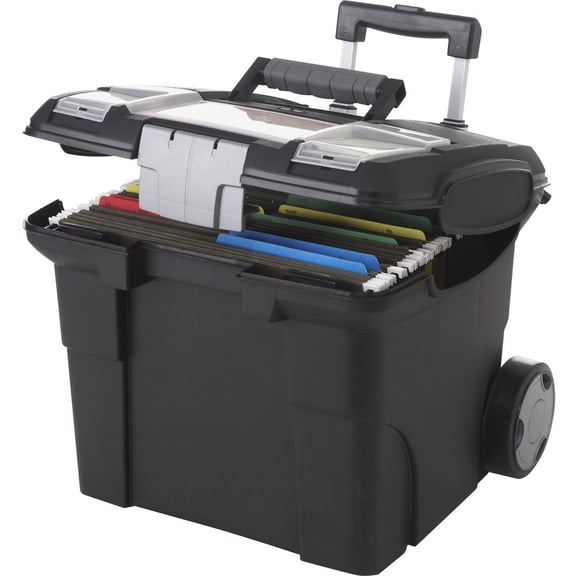
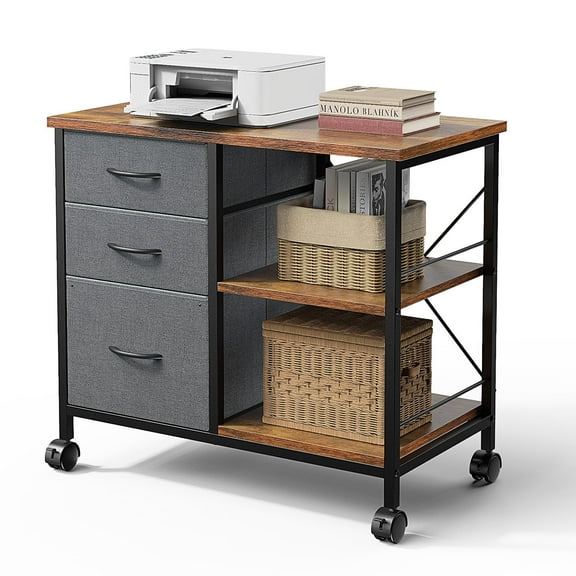


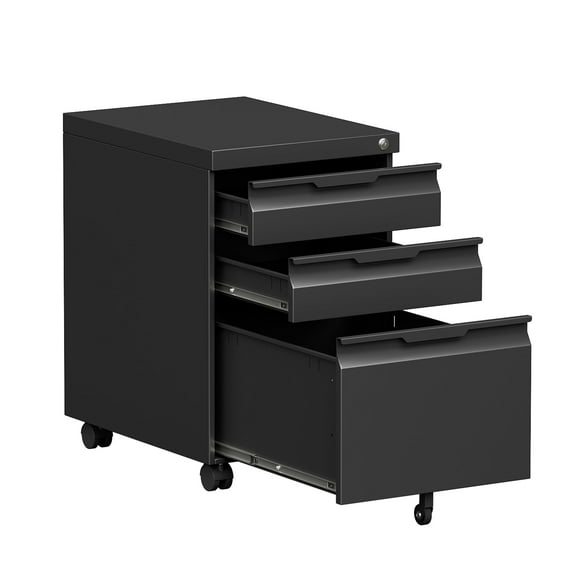




About Rolling File Cabinets in Office Furniture - Walmart.com
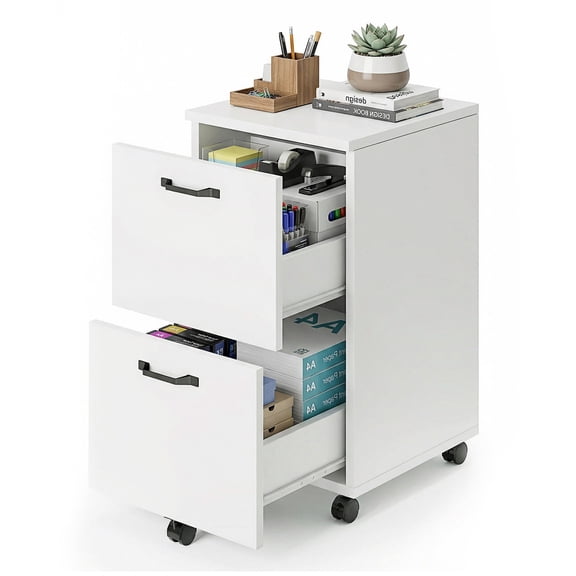
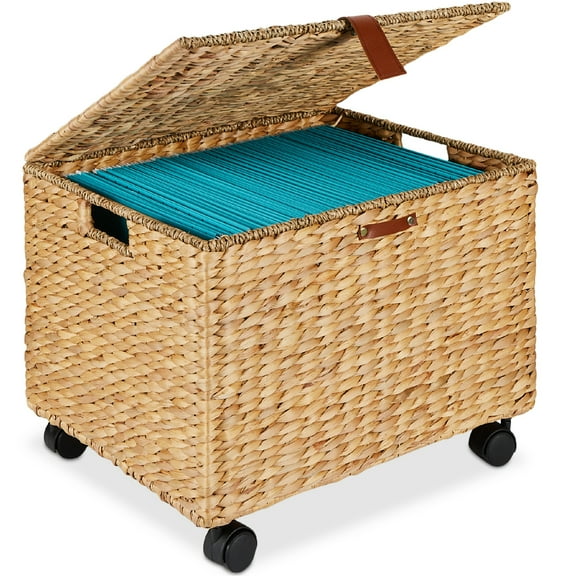
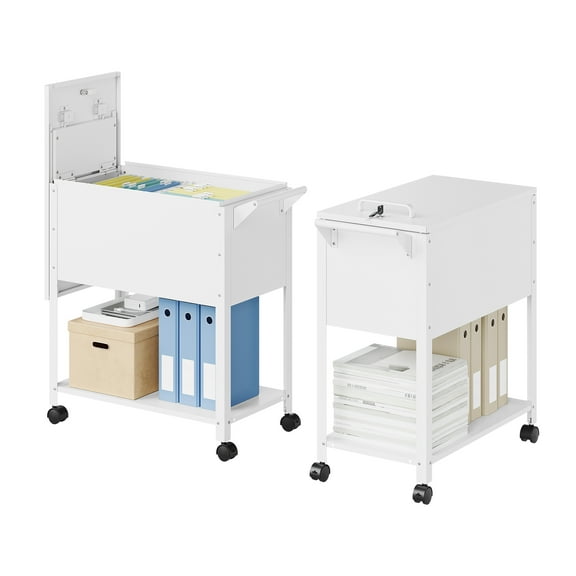
A rolling file cabinet helps you keep documents mobile, organized, and close to your desk. You can compare drawer count, lock coverage, and clearance height before you choose.
If you're setting up a home office or shared workspace, you may want storage that moves easily. You can look for under-desk sizing, legal file support, and wheels that roll smoothly.
Choosing the right rolling file cabinet
When you compare options, you should start with cabinet height and caster height. You can avoid fit problems by measuring your desk clearance before you buy.
A small filing cabinet on wheels can fit apartments, dorm desks, and compact office corners. You can keep active folders nearby without crowding your chair space.
If you handle dense paperwork, you may prefer a heavy duty rolling file cabinet. You can choose a cabinet built for heavier file loads and steadier daily access.
- You can move folders between rooms without emptying drawers first.
- You can keep letter and legal files sorted in one compact storage piece.
- You can choose locking drawers when your workspace includes shared access.
- You can use under-desk cabinets to keep supplies close and desktops clearer.
How to compare drawers, materials, and mobility
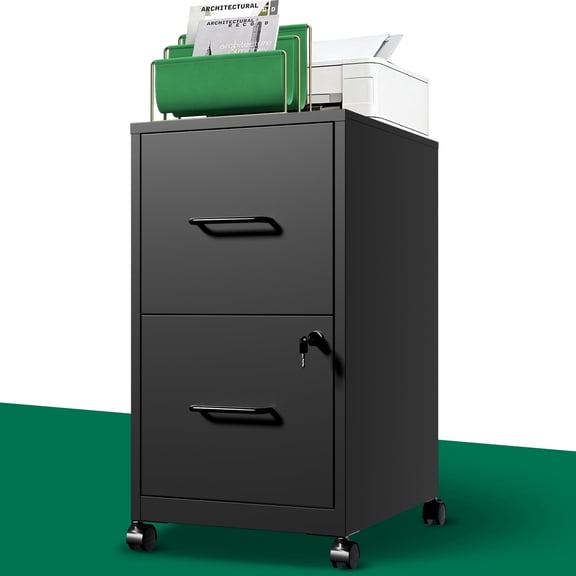
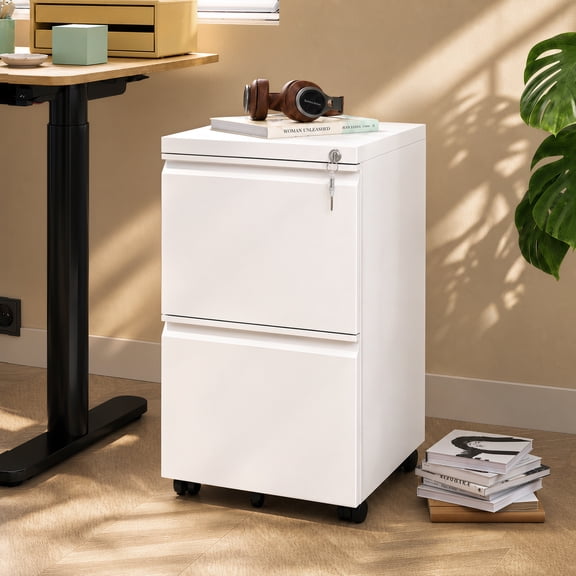
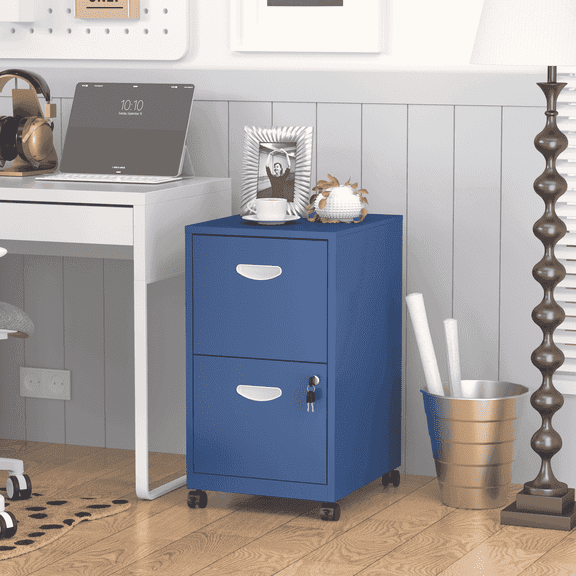
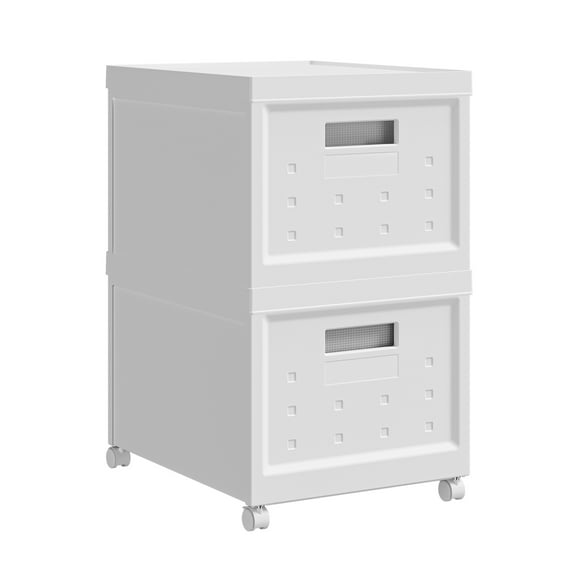
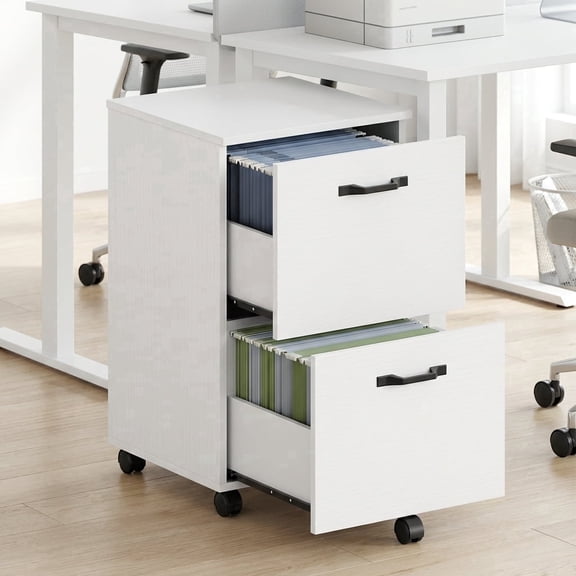
Drawer count affects how you sort daily paperwork and long-term records. You can choose a 2 drawer locking file cabinet for simple categories and smaller footprints.
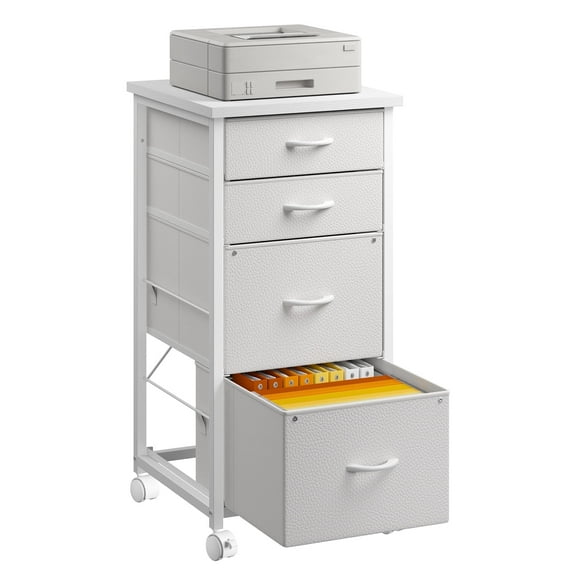
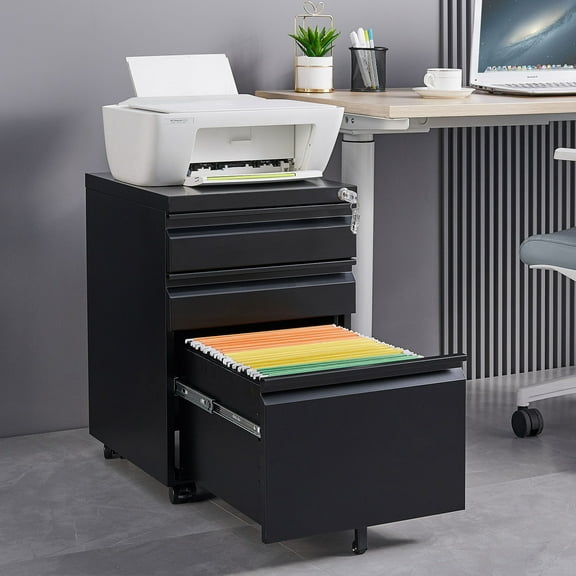
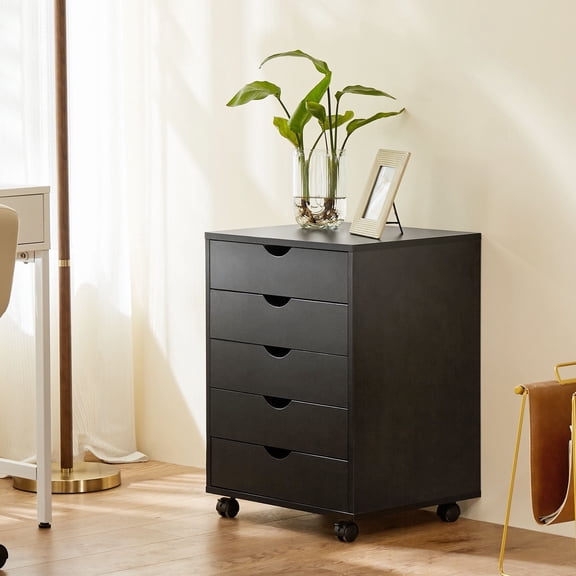
With two drawers, you can separate current projects from archived documents with less floor use. With three-drawer or multi-drawer styles, you can divide files, receipts, and supplies more clearly.
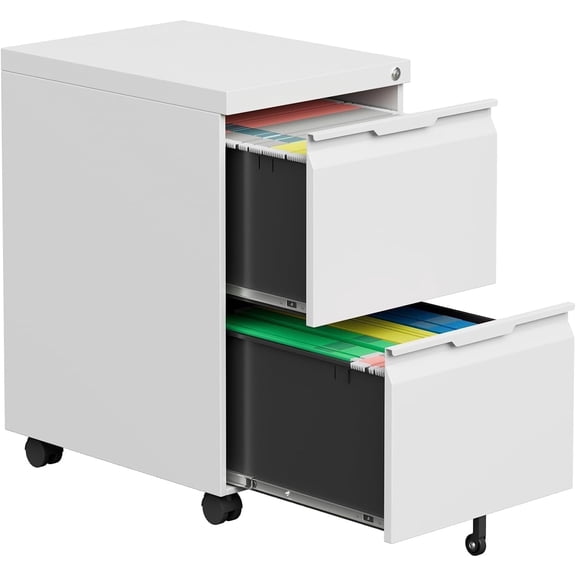
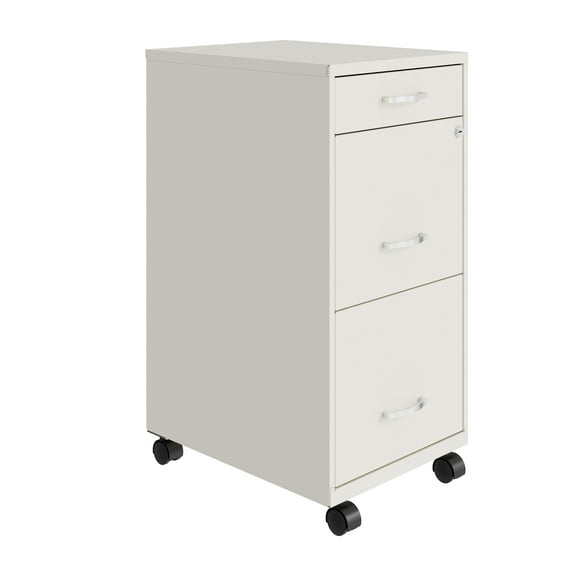
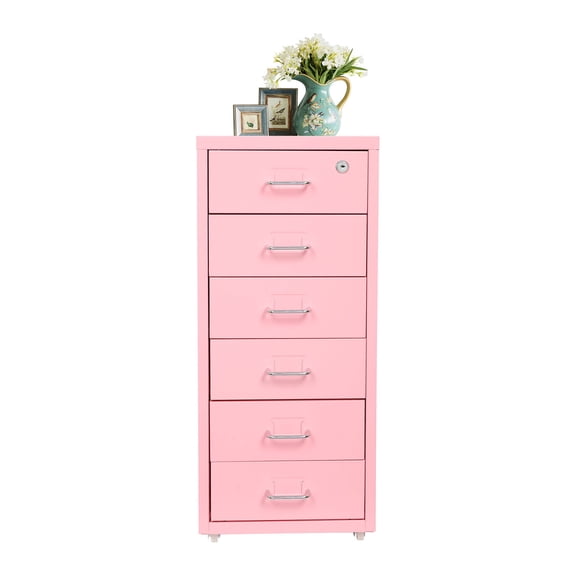
Material also changes how your storage looks and feels beside your desk. You can consider a metal rolling filing cabinet when you want a clean look and sturdy frame.
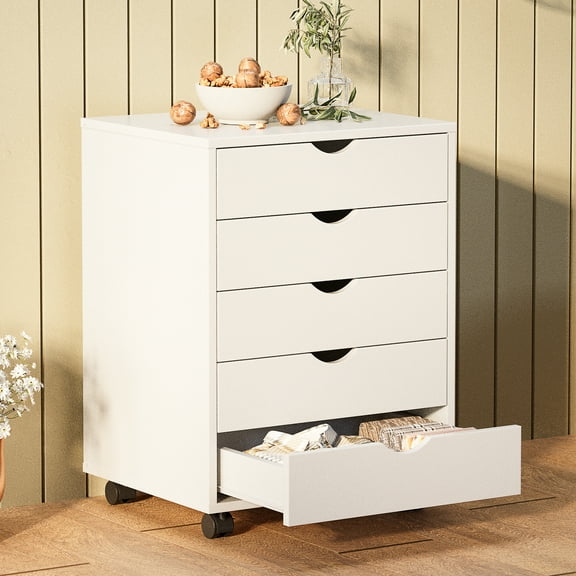
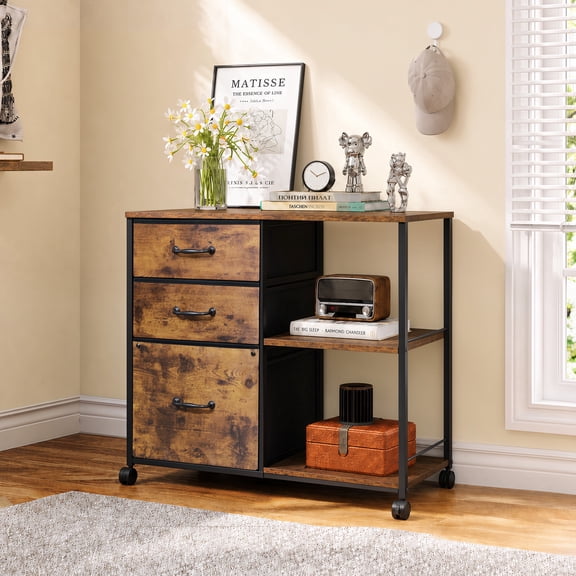
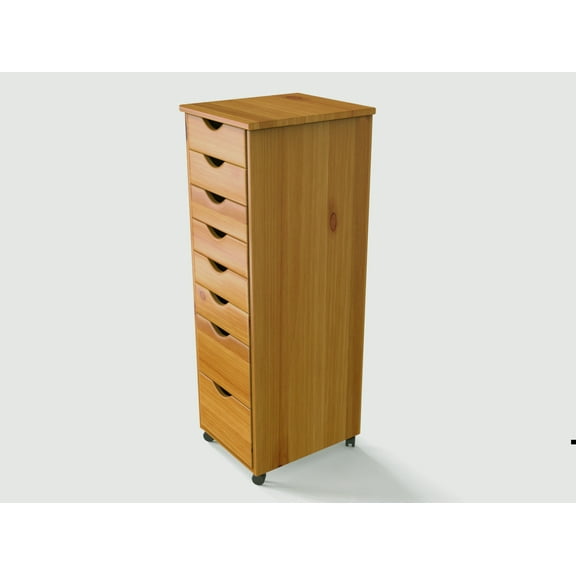
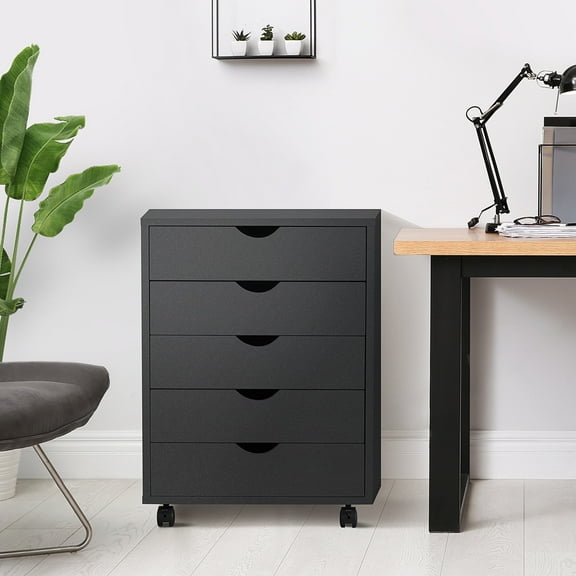
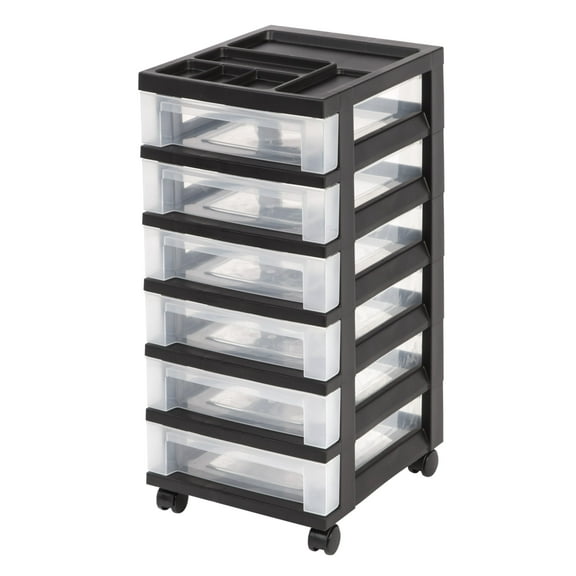
If you prefer a warmer style, you may compare wood finishes for desk-side storage. If you want lighter weight, you can review plastic cabinets for easier repositioning.
Mobility matters when you rearrange your workspace or clean around furniture. You should look for casters, wheels, or rollers that help your cabinet glide across office floors.
Some shoppers also compare wheel placement and base width before choosing. You can check whether the cabinet stays balanced when you open loaded drawers.
Choosing a file cabinet with wheels and lock
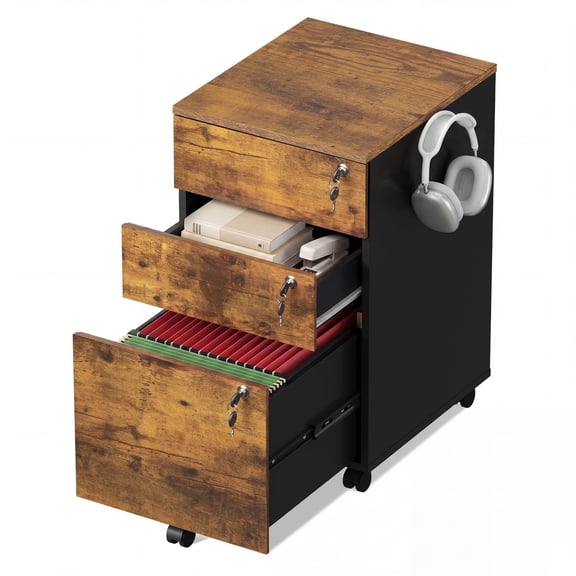
Security features matter when you store contracts, school papers, or household records. You should check whether a file cabinet with wheels and lock secures one drawer or several.
Locking coverage can vary by design, so you may want clear product details. You can match locking storage to shared offices, guest rooms, or family work zones.
Folder compatibility is another key decision when you compare cabinets. You should confirm whether drawers fit letter files, legal files, or both formats.
Hanging file support can make sorting easier during busy workdays. You can keep folders upright and easier to reach instead of stacking loose papers.
If you plan to store dense records, you should review weight capacity and anti-tip wheel details. You can get steadier performance when you choose a cabinet built for heavier file loads.
Anti-tip design matters when you open drawers during normal office use. You can feel more confident moving and accessing files when the base supports balanced operation.
Matching cabinet styles to your workspace
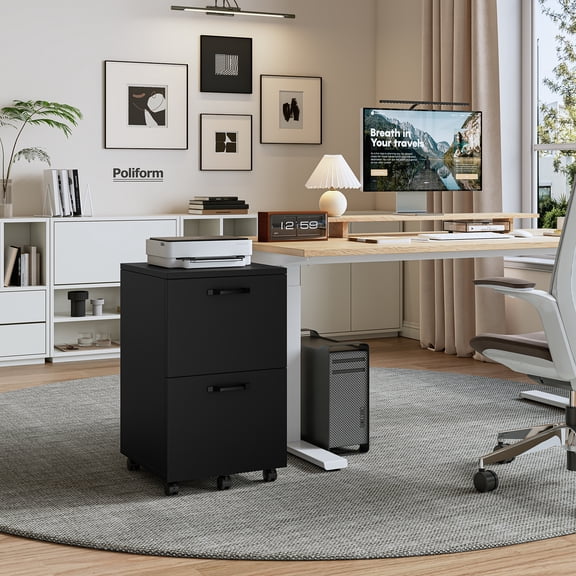
You can use an under-desk cabinet when you want documents within arm's reach. You can roll it out during work and tuck it back after meetings or study sessions.
For shared spaces, you may want a filing cabinet on wheels that moves between desks. You can shift paperwork with less lifting when your storage rolls smoothly.
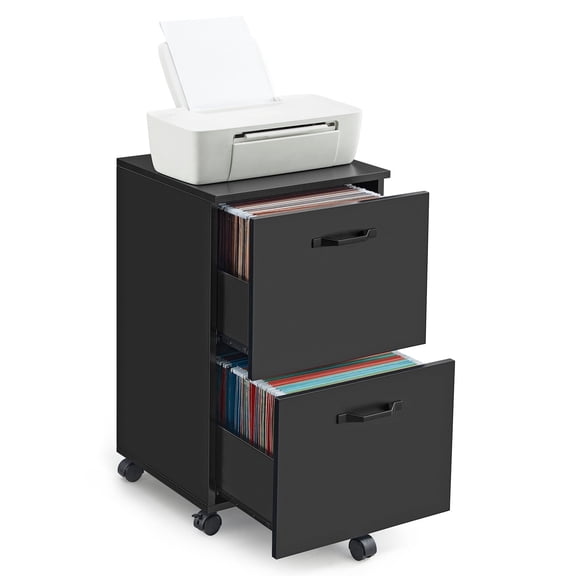
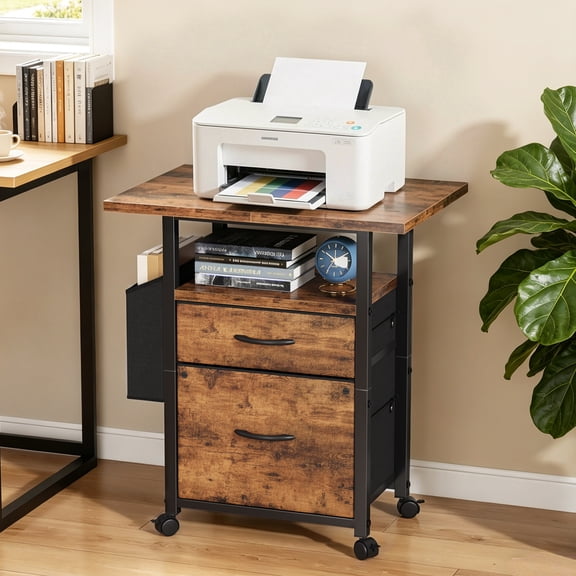
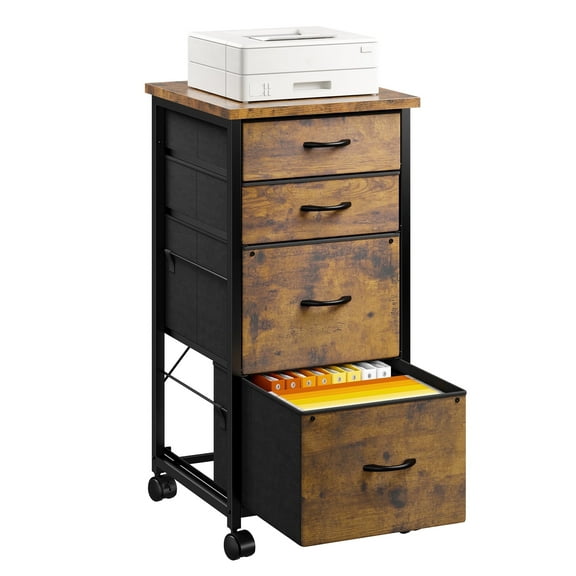
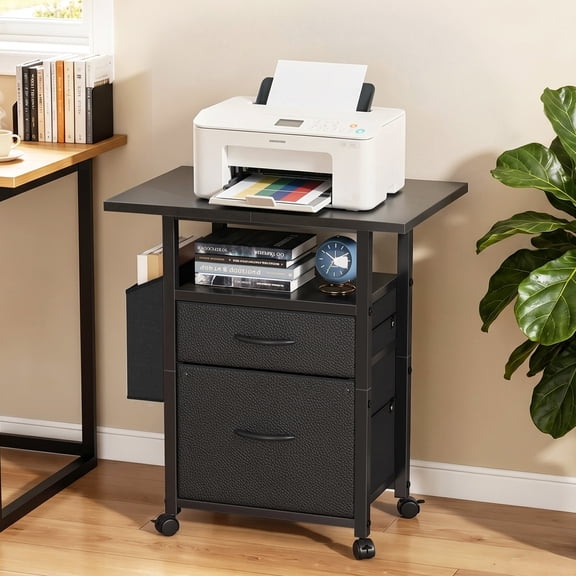
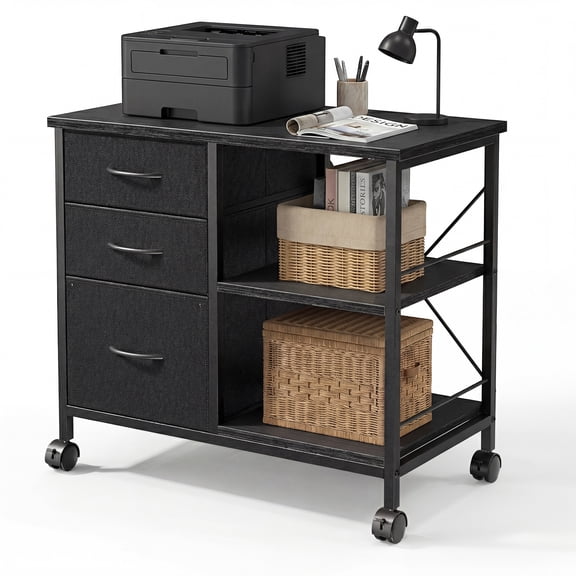
If your setup includes a printer, planner, or paper tray, you may prefer a wider top. You can use that surface for quick-access items while drawers organize files below.
A 2 drawer locking file cabinet can suit smaller rooms and focused document storage. You can keep household records in one drawer and active projects in the other.
When you manage larger paper volumes, you may want extra drawers or a stronger frame. You can sort manuals, invoices, and project folders without overfilling one section.
If your office style feels modern, you may prefer a metal rolling filing cabinet beside a simple desk. If your room feels traditional, you can compare wood-look cabinets with mobile bases.
As you compare options, you should focus on fit, lock coverage, file size support, and wheel design. You can choose storage that keeps paperwork easier to reach every day.