

Rear View Mirror Cameras in Backup Camera Types














About Rear View Mirror Cameras in Backup Camera Types - Walmart.com
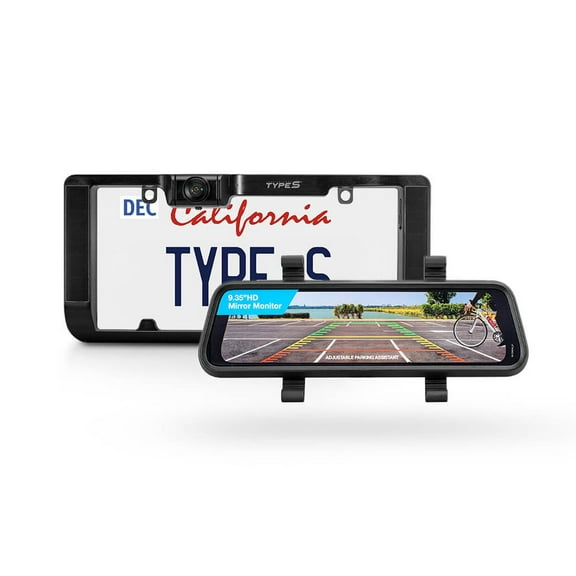
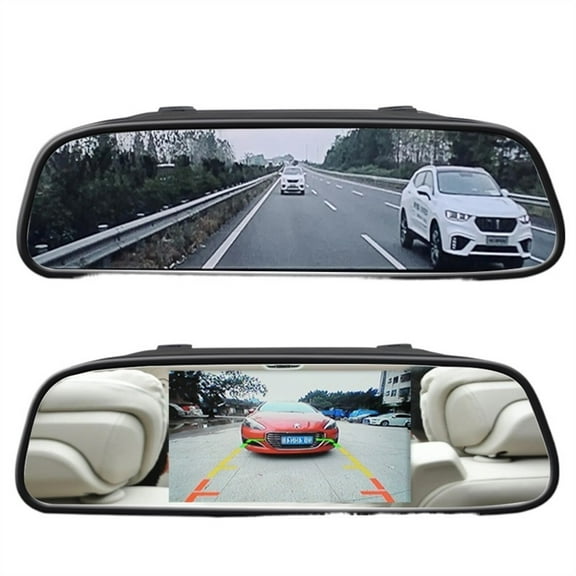
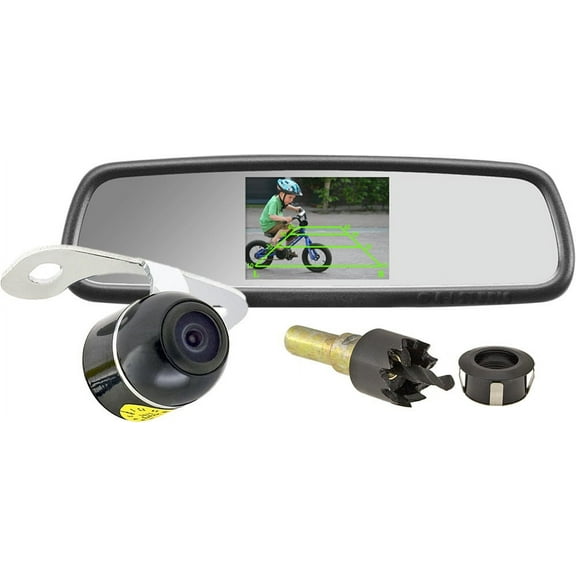
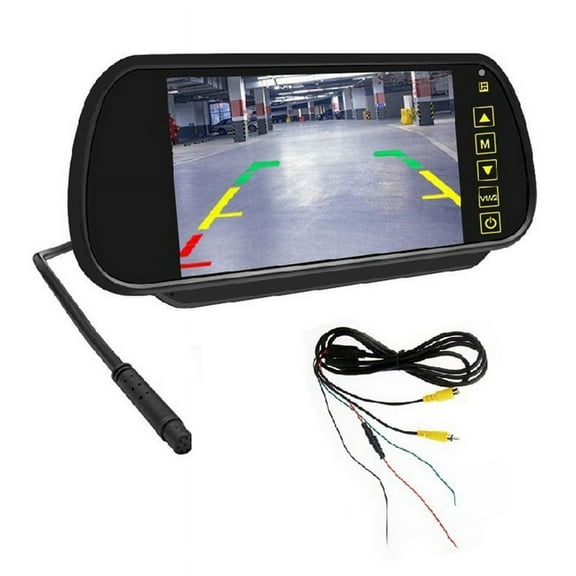
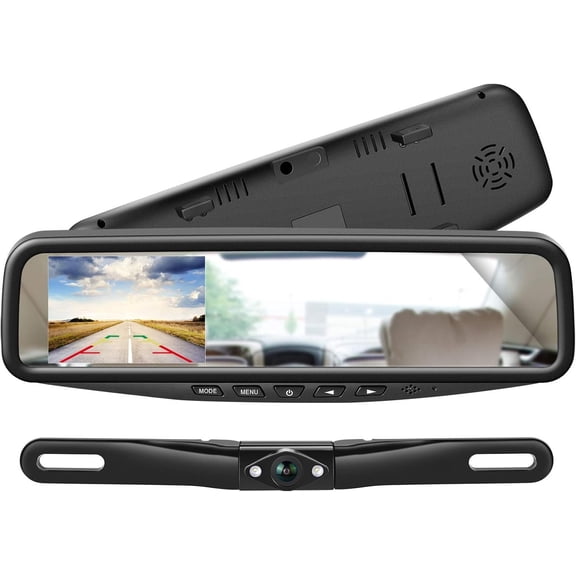
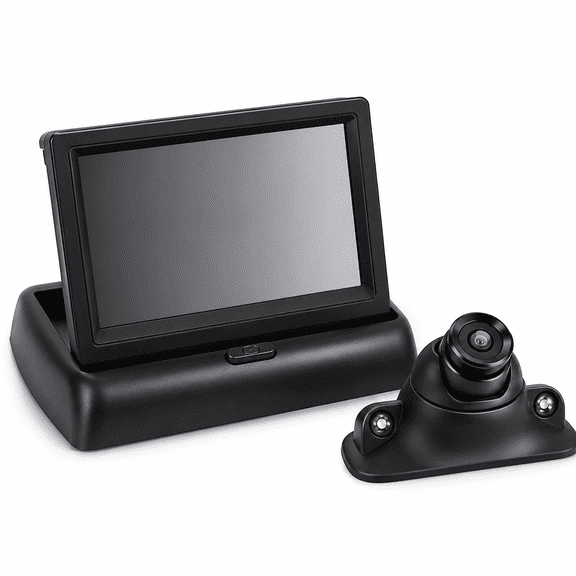
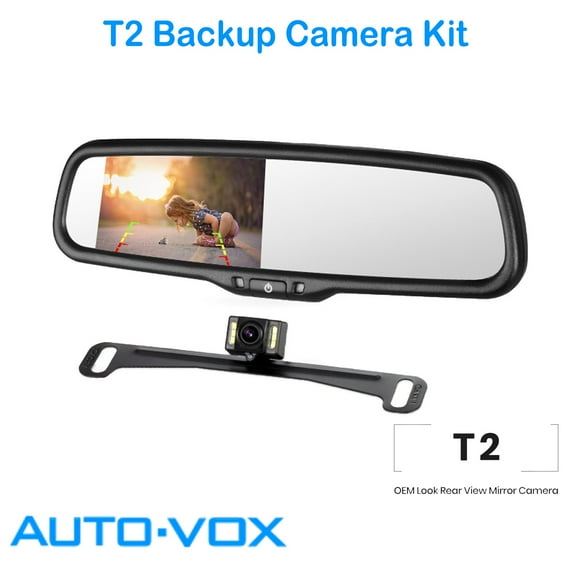
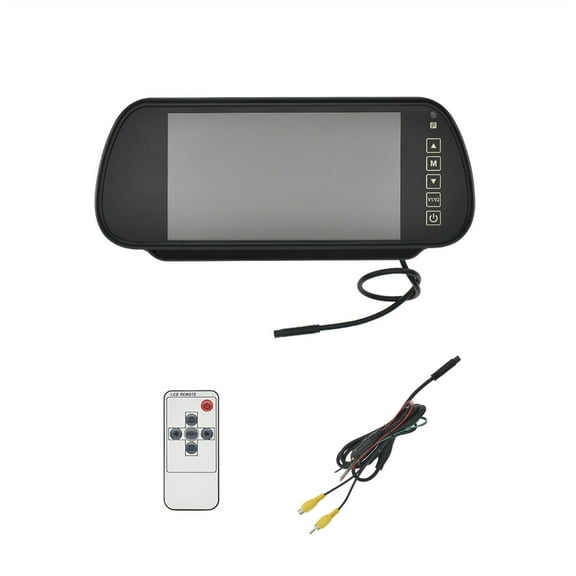
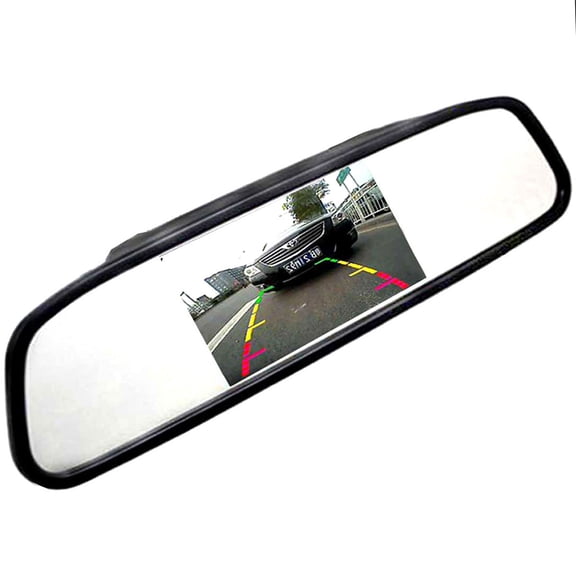
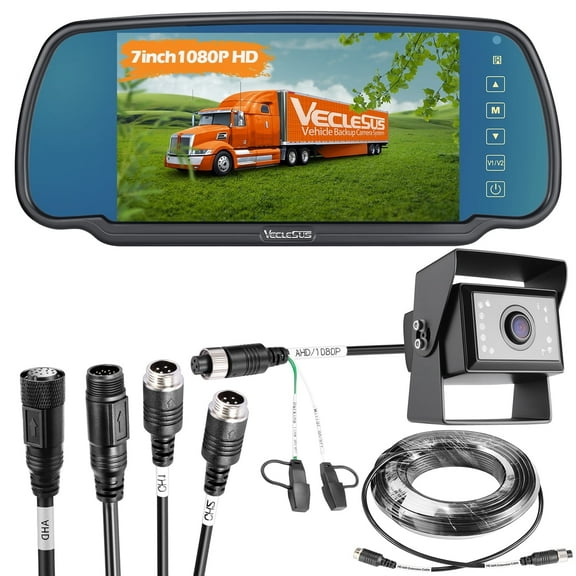
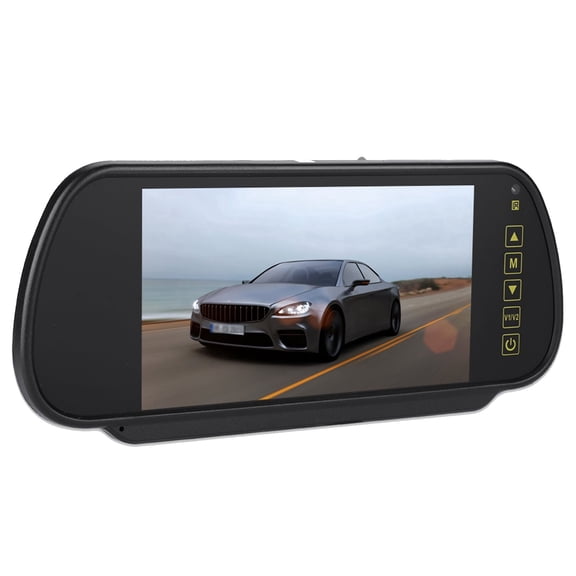
You can upgrade daily visibility with a rear view mirror camera that keeps your screen in a familiar sightline. You can compare mirror fitment, camera coverage, and recording tools in one category built for vehicle use.
When you shop this setup, you’re usually balancing backup visibility, cleaner cabin placement, and easier screen viewing. You can also compare mirror-based systems that combine reversing help with front and rear recording.
How to choose a rear view mirror camera
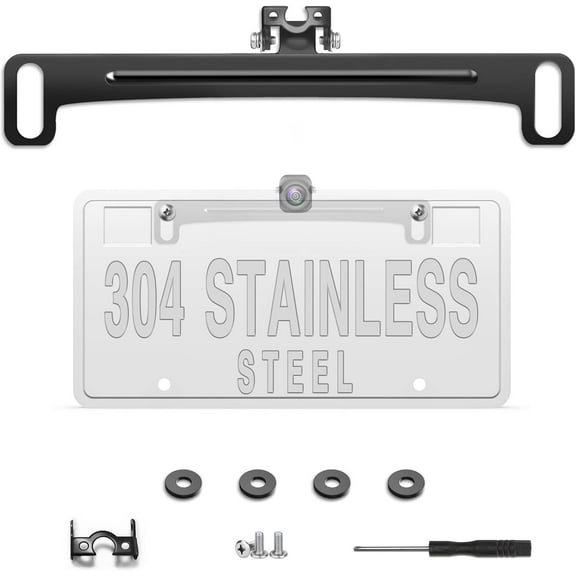
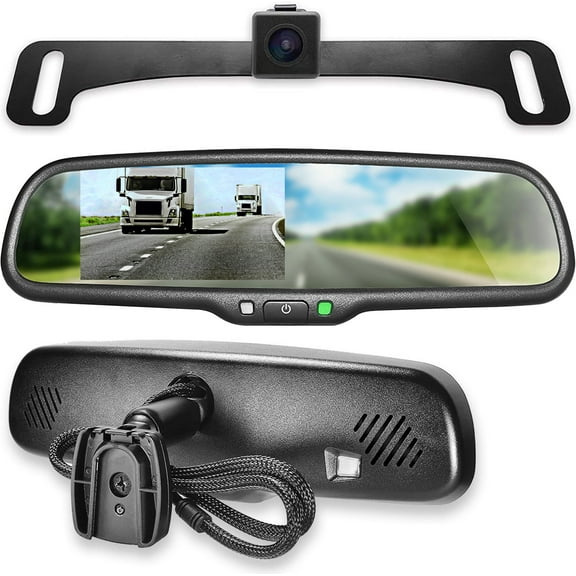
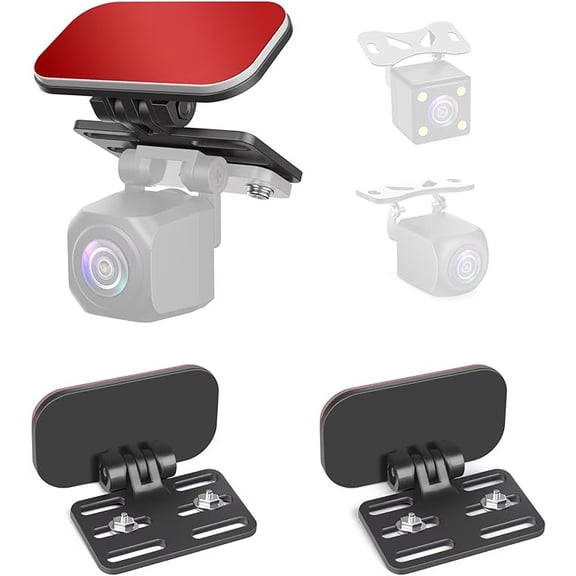
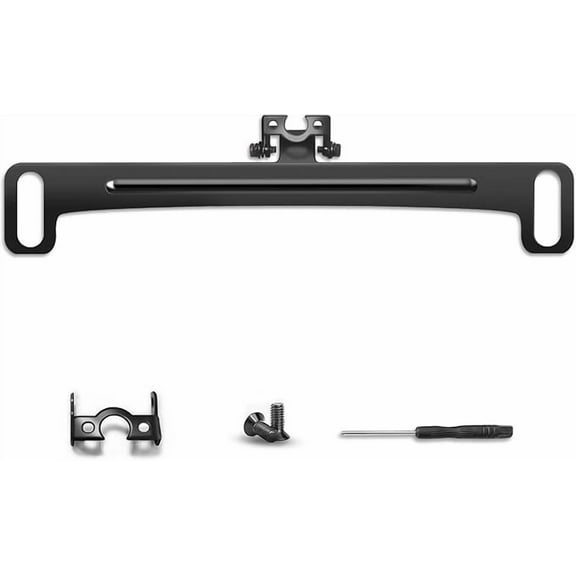
You should start by checking mirror dimensions and how the unit mounts in your vehicle. You can compare strap-on designs with replacement mounts, because each choice changes fit and installation steps.
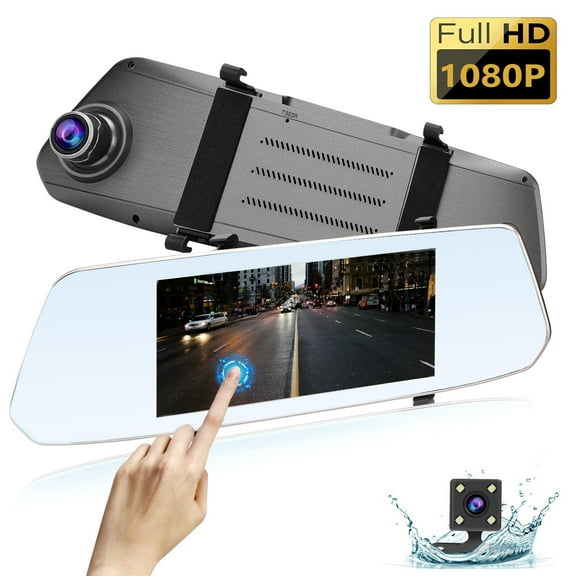
If you want a quick upgrade, you may prefer a strap-on unit over your current mirror. If you want a built-in look, you can compare replacement styles that match mirror size more closely.
You should also compare screen sizes like 9-inch, 10-inch, and 12-inch displays. You can expect a larger screen to show more image detail, while a smaller screen may suit tighter mirror spaces.
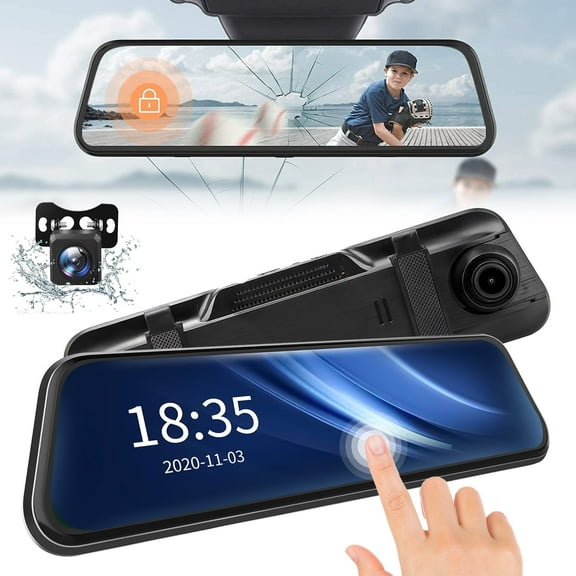
For many vehicles, you may prefer a full touchscreen for simpler menu control while parked. You can swipe through camera views, playback clips, and settings without adding another dashboard monitor.
- You can keep your windshield area less cluttered with a camera in mirror layout.
- You can view backup footage closer to your natural line of sight during parking.
- You can compare front and rear coverage in one system instead of mixing separate devices.
- You can choose recording tools that support driving, parked footage, and clip storage.
Choosing connectivity and installation
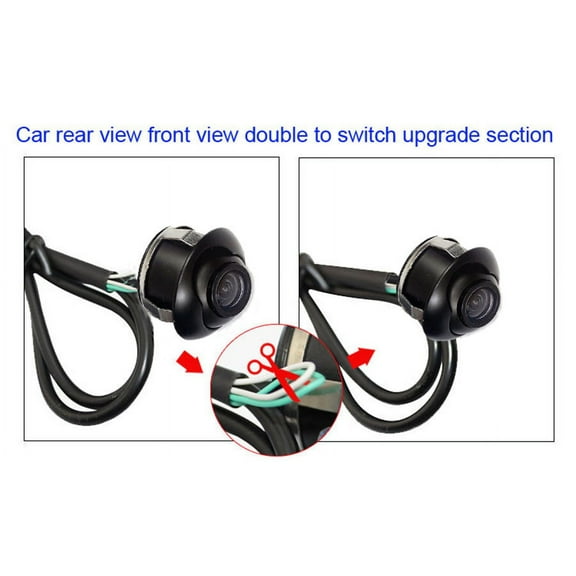
You should compare wireless, wired, and hardwired setups before you choose a reverse mirror camera. You can match the power method, signal path, and installation effort to your vehicle and routine.
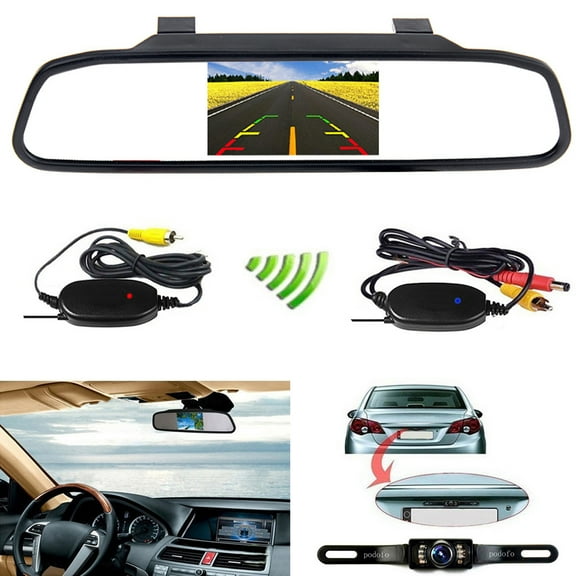
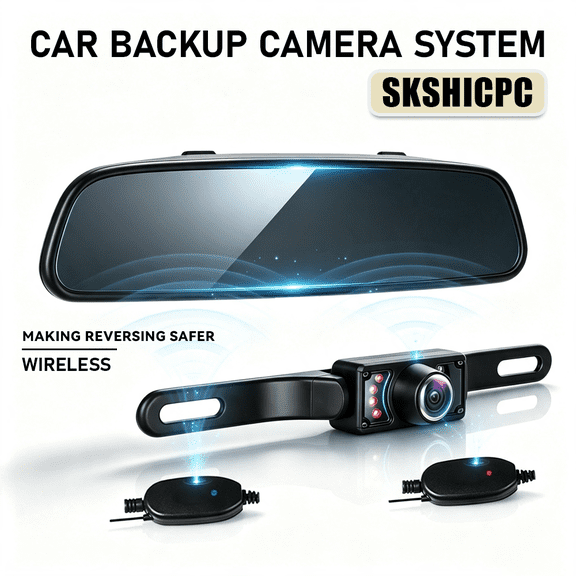
If you choose a wireless mirror backup camera, you can reduce the need to run a full video cable front to rear. You should still check transmission range and power connections, because wireless systems still need power at key points.
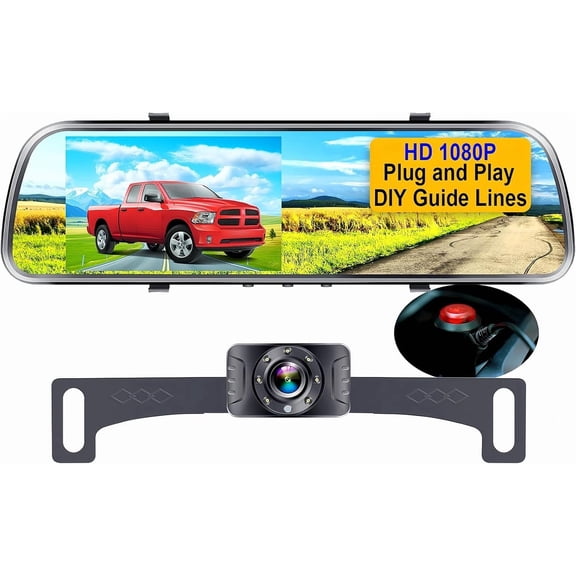
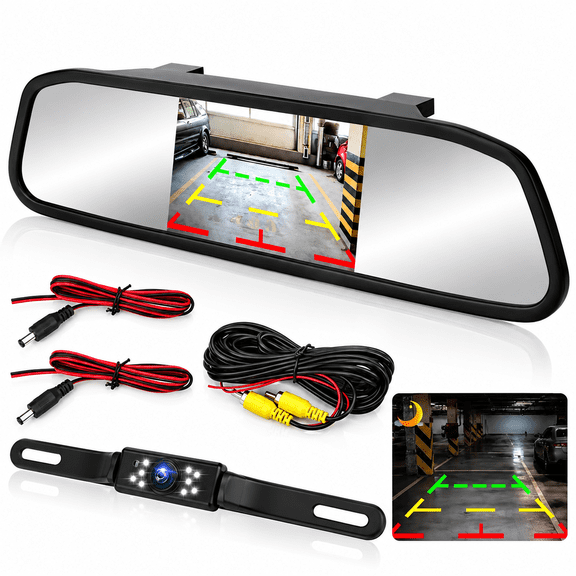
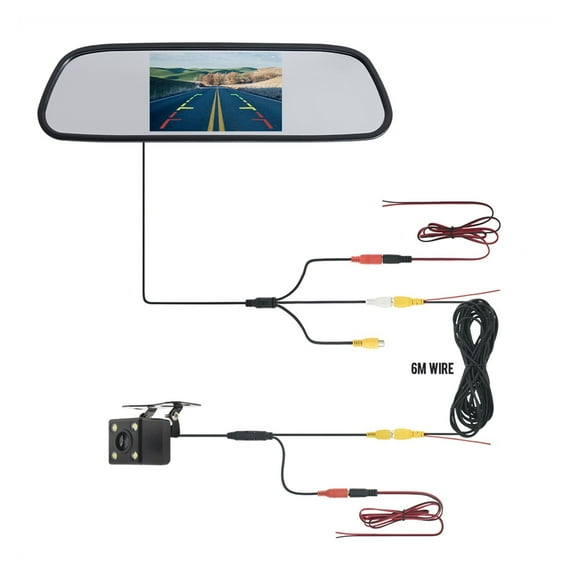
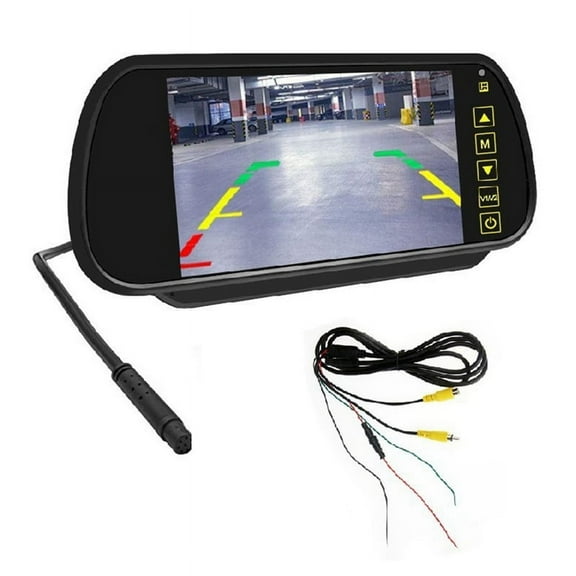
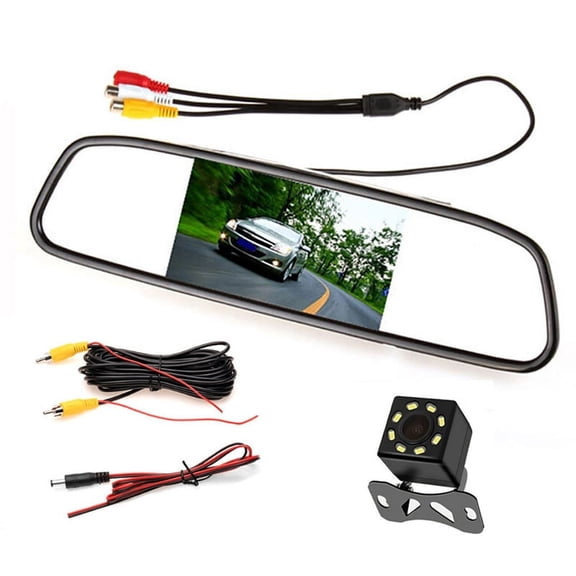
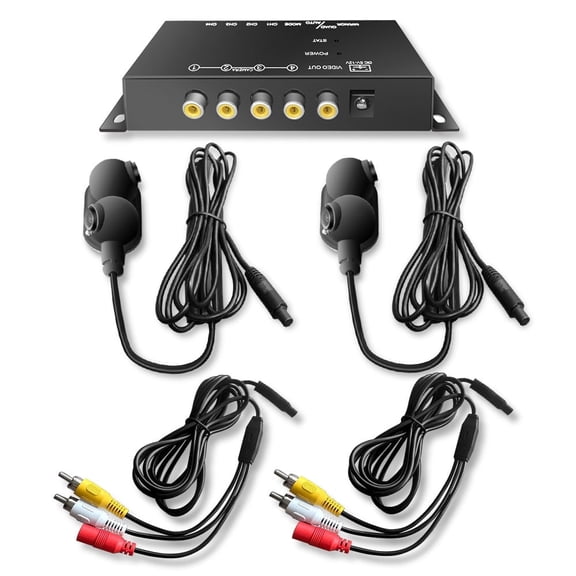
If you choose a wired setup, you can usually get a direct video connection from the rear camera to the mirror display. You may prefer this option when you want a consistent picture path and don’t mind routing cables.
When you compare hardwired systems, you should check whether the package includes a hardwire kit or sells it separately. You can use that detail to plan a cleaner install and continuous power for selected recording features.
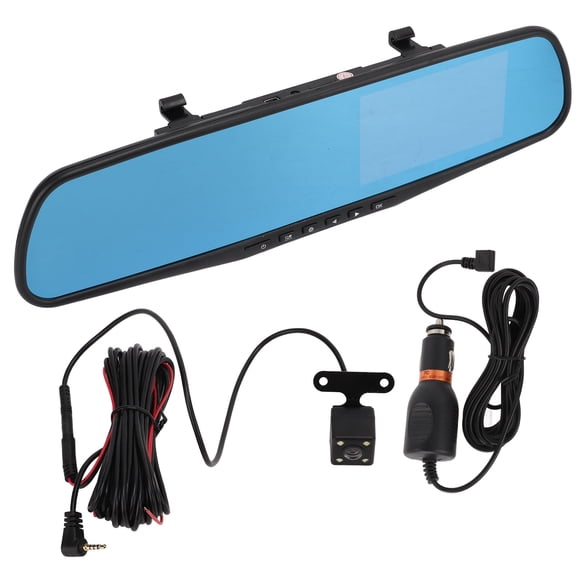
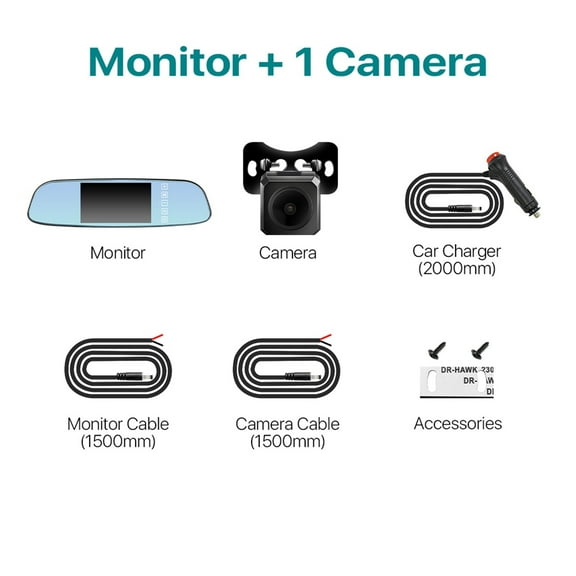
You should also compare how the system powers on during daily use. You can choose cigarette lighter power for simpler setup, or you can choose hardwired power for a more integrated look.
Comparing lens types and image coverage
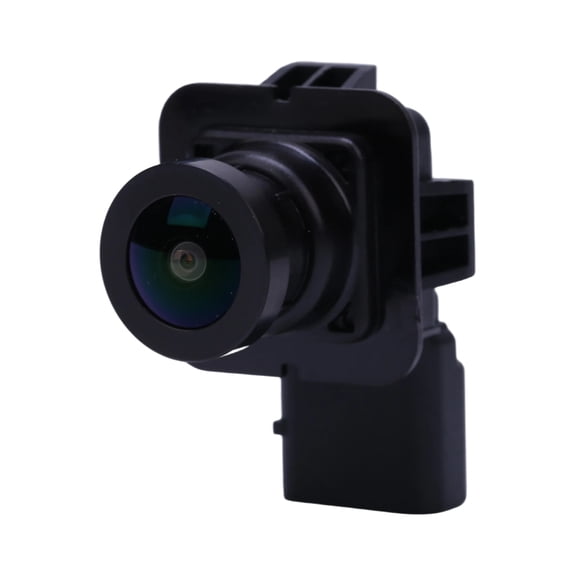
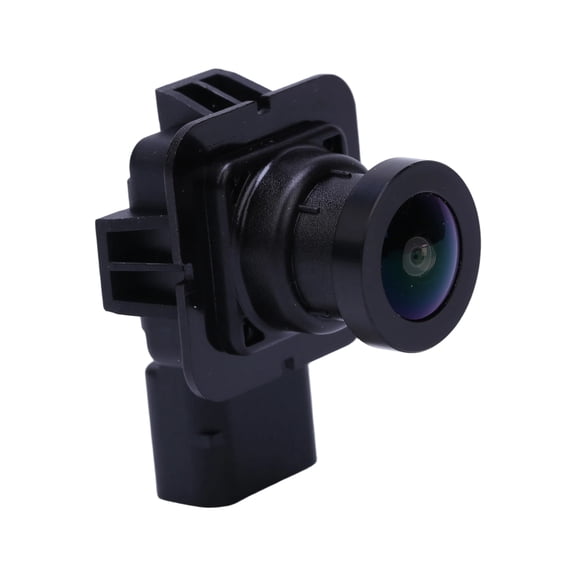
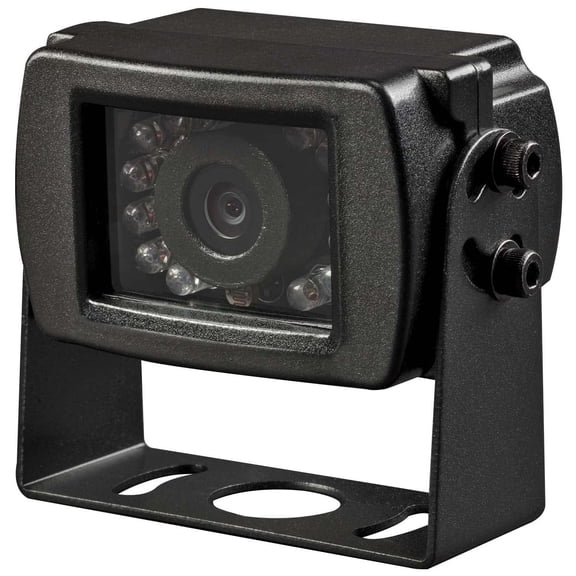
You should look closely at lens style because it changes what you can see behind your vehicle. You can compare fisheye, wide-angle, and dual-lens options based on parking habits and recording goals.
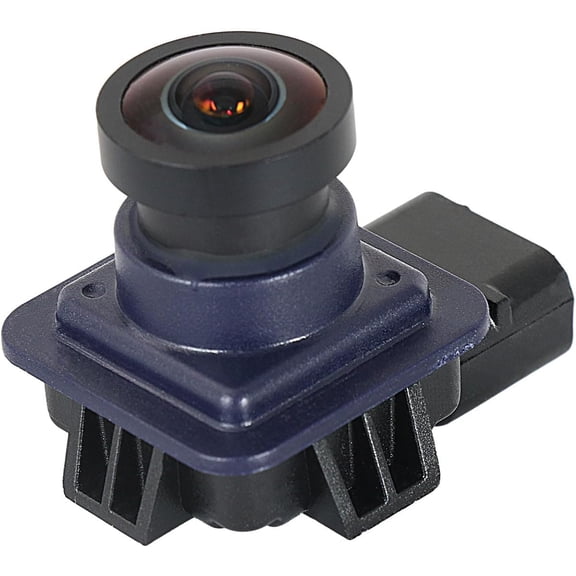
If you choose a fisheye backup camera, you can capture a broader field of view in tight spaces. You should expect some edge curve, so this style suits wider coverage during close parking moves.
If you choose a wide-angle lens, you can balance broad rear coverage with a familiar image shape. You may prefer that view when you want easier judging of parking lines, curbs, and nearby vehicles.
With a dual-lens setup, you can record the road ahead and the area behind your vehicle at once. You may find that feature especially useful when one mirror screen handles backup viewing and dash cam tasks.
You should also compare front and rear camera resolution in plain terms. You can think of higher resolution as clearer lane markings, signs, and nighttime detail instead of bigger spec numbers.
Understanding screens and recording features
You should match the display size to your mirror width and your comfort with on-screen controls. You can look for enough screen area for reversing views without taking over normal mirror use.
If you’re comparing a rearview mirror camera for car setup with smart features, you should look for loop recording first. You can keep recording active because older clips overwrite when storage fills.
You may also want a G-sensor if you prefer automatic file locking during sudden vehicle movement. You can keep selected footage separate from routine loop-recorded clips for easier review later.
If your vehicle spends time parked outside, you should check whether the manufacturer lists parking monitor support. You should also confirm whether continuous power needs a hardwire kit for that feature.
For lower-light driving, you should compare night vision support and plain-language image clarity notes. You can get a clearer rear image in dim driveways, garages, and evening parking areas.
Matching setups to daily driving needs
If you commute daily, you may want a rear view mirror with backup camera that also records the road ahead. You can keep one screen in view and avoid adding separate devices across your windshield and dash.
If you park in crowded lots, you may prefer a wide-angle or fisheye lens with a larger touchscreen. You can see more of the area behind your bumper and check the image quickly while reversing.
When you drive a sedan with limited rear visibility, you should compare a camera mirror car system with night vision support. You can get a clearer rear image in darker conditions where a standard mirror view feels restricted.
If you want a cleaner install in a family vehicle, you may choose a wireless mirror backup camera with strap-on mounting. You can simplify setup while still getting backup viewing and screen-based camera access.
For longer vehicles or if you want extra recording coverage, you should compare dual-lens systems with loop recording. You can review driving footage later and keep rear visibility available during parking and reversing.
You can shop more confidently when you compare fitment, screen size, lens coverage, and wiring before you choose. You can select a rear view mirror camera that fits your vehicle, your install preference, and your daily parking routine.