

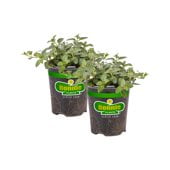
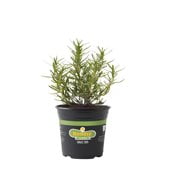
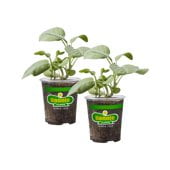
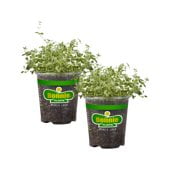
Mint Plants in Herb Plants









About Mint Plants in Herb Plants - Walmart.com
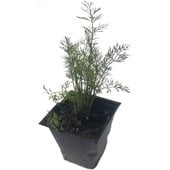
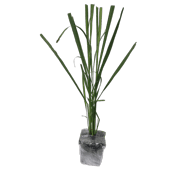
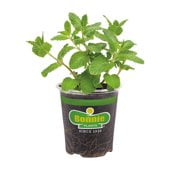
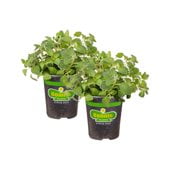
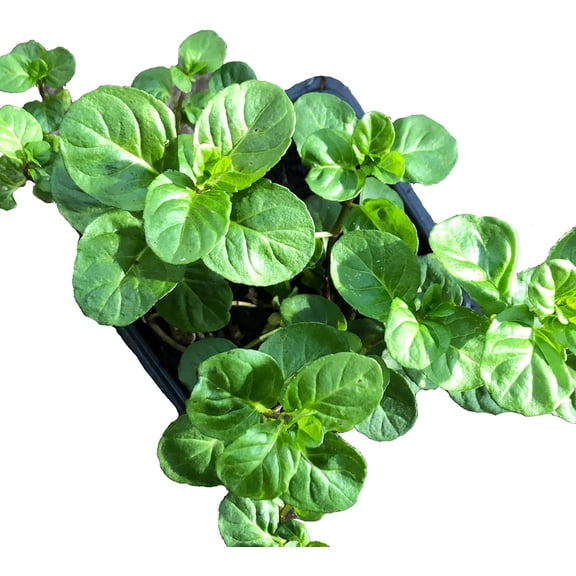
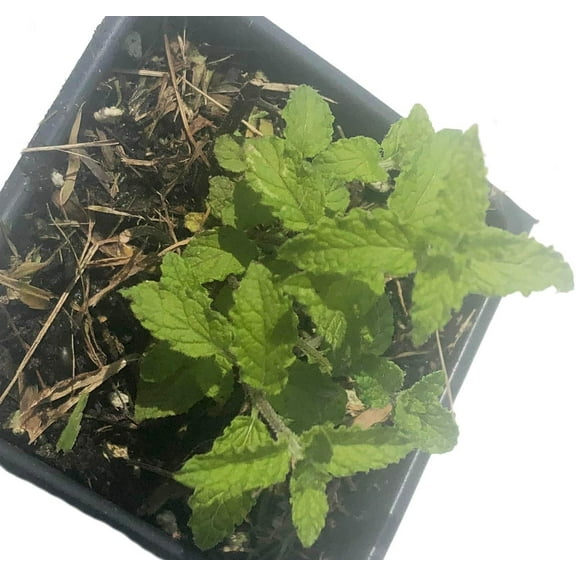
A mint plant adds fresh flavor and fast-growing greenery to patios, porches, and sunny windowsills. At Walmart, you’ll find live mint plants chosen for strong scent and steady growth. Many options arrive as rooted starters, ready for pots or garden beds. Mint’s spreading habit makes containers especially useful for cleaner borders and easier harvesting.
Different mint plants bring different aromas, from cool spearmint to bold peppermint. You can also match plant size to your space, from compact countertop pots to larger nursery containers. Use the grid filters to narrow by live plant type, pot size, and growing conditions. That makes it easier to buy the right herb for cooking, drinks, and backyard entertaining.
Why a mint plant belongs in your herb garden
Mint grows quickly, so you can snip often without waiting all season. Regular harvesting helps encourage fuller growth and stronger fragrance. Fresh leaves can lift everyday recipes with bright, clean flavor. You’ll also like how mint’s scent adds a garden-fresh feel to outdoor seating areas.
Many live mint plants handle container life well, which fits patios and balconies. Pots also help limit spreading, since mint runners can travel in garden beds. With the right light, indoor mint can keep producing through many months. That makes it handy for cooking when outdoor herbs slow down.
Mint pairs well with other herbs, but it often grows more aggressively. Keeping it in its own pot helps protect nearby basil, thyme, and parsley. You can still group containers together for a tidy herb garden look. That setup also simplifies watering and rotating plants for even sunlight.
- Harvest-ready leaves for teas, garnishes, and quick weeknight meals.
- Container-friendly growth that helps control spreading runners.
- Fragrant foliage that freshens patios, entryways, and kitchen windows.
- Easy clipping that encourages bushier growth over time.
What to look for when buying live mint plants
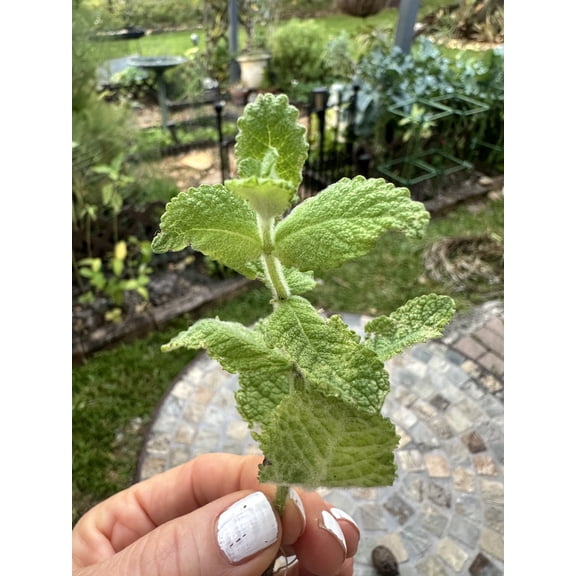
Start by choosing the variety that matches your flavor goals. Peppermint plants bring a sharper, cooler taste for teas and desserts. Spearmint plants lean sweeter and milder for drinks and savory dishes. If you want variety, mix several pots for a small mint collection.
Check the plant form and root health before you choose. Look for sturdy stems, even leaf color, and new growth at the tips. Avoid pots with dry, brittle leaves or soggy soil. Healthy starters settle in faster after repotting or planting.
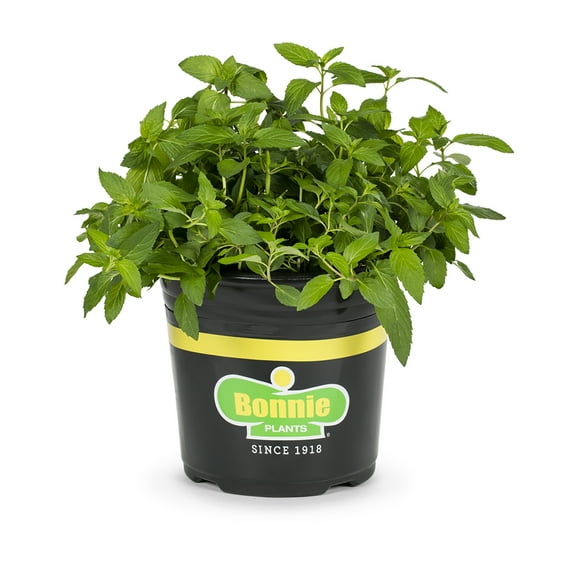
Pot size matters for growth and maintenance. Smaller pots fit windowsills, but they dry faster in summer heat. Larger containers hold moisture longer and support fuller plants. If you plan frequent harvesting, a wider pot can help the plant rebound.
Light needs vary by your setup, so read the care tag. Many mint plants do well with bright light and some gentle shade. Indoors, place your pot near a sunny window and rotate it weekly. Outdoors, morning sun can support strong growth in warm regions.
Watering habits affect leaf flavor and texture. Keep soil evenly moist, but don’t leave roots sitting in water. Containers should have drainage holes to protect the crown and roots. A saucer can help indoors, as long as you empty standing water.
Mint plant care guide for indoor and outdoor growing
Give your mint plant loose potting soil that drains well. If you’re repotting, choose a container a few inches wider than the root ball. Firm soil gently around roots to reduce air pockets. Water after planting to settle everything in place.
Pruning keeps mint compact and productive. Pinch back stems above a leaf node to encourage branching. Remove flower buds if you want more leaf growth and stronger aroma. Frequent snipping also helps prevent leggy, floppy stems.
Outdoor mint benefits from simple spacing and containment. In beds, consider a barrier pot sunk into soil to limit runners. In containers, trim back wandering stems that touch nearby pots. This keeps your herb garden looking neat and intentional.
Hardiness varies by variety, so check the plant label for guidance. In cooler seasons, containers can be moved to a sheltered spot. Indoors, avoid heat vents that dry leaves quickly. A steady routine helps mint stay green and flavorful.
Everyday ways to use mint plants at home
Home cooks like mint plants because harvesting is quick and clean. Rinse leaves, pat dry, and chop right before serving for stronger aroma. Use mint with cucumbers, tomatoes, and yogurt sauces for fresh contrast. It also works well in fruit salads and grain bowls.
For drinks, spearmint is a go-to for classic muddled cocktails and mocktails. Peppermint plants shine in hot tea, iced tea, and chocolate desserts. Freeze chopped leaves in ice cubes for a simple garnish. A small pot near the kitchen keeps fresh leaves within reach.
Indoor mint can support year-round cooking in apartments and smaller homes. A bright window, consistent watering, and regular pinching can keep it productive. Outdoor containers work well on decks and patios with partial sun. Bring pots closer to your door for easy harvesting while grilling.
Mint also fits giftable herb setups for housewarmings and hosts. Pair a mint plant with a planter, saucer, and potting soil for a complete kit. Add plant labels if you’re gifting peppermint plants and spearmint plants together. That makes it easier to keep flavors organized as they grow.
Finish your setup with the right garden essentials
A strong container and the right soil help mint stay lush and manageable. Consider adding planters and pots with drainage, plus saucers for indoor surfaces. Potting soil designed for containers can support steady moisture and root growth. With the right setup, your mint stays harvest-ready for meals and drinks.