

Ozark TrailHaokainiTesleaderLdysoCostwayNight CatEDOEMSEGVDVWakemanUnbrandedGeerTopslutingPacific Play TentsDANCHEL OUTDOORNFTIGBIbasetoyOutsunnyVEVORAlvantorTLSUNNYSunshineFaceNOBRANDKtaxonRaynesysTop LanderMAXVINIKFFKFFKesotoFirefly! Outdoor GearColemanStansportRanglandGonexPatiojoyNorchoKeltyRELOIVEEDMBGThe North FaceRedcampRiver CountryMeticprFeatherstoneMISSMILEKamp RiteZouXiSyEccotempClipopAnbteFavoryAndoerTETONEbaokuupAuwogoBN-LINKGenericAmpexUBesGooUnder the WeatherHtovilaLOLIPPYYRaindropsNear ZeroShadeHavenMuvitrixQuorivaPerthomeVothenColaeynoeAIRFINDRUIELuvensoFASCKChina tigerspringGARENDEKindofLOOKAymzbdChateauyOTTOBarefHavenNeoNichesSlortinxFANRUINAFOMIYESFUNAU E UNICAMPERYeadge,wdou1chkuahhS696076313ea&Mew Consulting GmbHnuaAXTQHChange Up KidshuitingtaoruifangAcpouwFaGGiLASDADMATT&HANNNOBOLEASewinflaSpacoWangpujie1YOZTRSZaveroxZimtownAbbracciaARC USABESTYASHBurfokoBushnellCOBIZIDECMAYDEXTRUSDonextEusebio SportingEZBYFenbeliGardenDriveGazelleharayaaHasschJESINLeadhomLiteHavenMaizoaMroobestNo bardNurtureTailORIXFORCEOuliiOunonarongjingRushawySWETRACETarmeekTopComfyTowallmarkUrbanNestsWoofPawYANGXUNYINGYUEYLSHRFYZHENDECZinkitoolZXFLOOVZzistar4 SupplyAibecyALEKOAlpinelAMYADarcwaresAUOSHIAURARMLETAuviveloBAYUELSWUBESTOYARDBingkersBiotreeBoldGearBoupowerBOXIOBoyueviBRIGHTFUFUBUTOMKYCacagooCATPANCaytonCozynestCQSXDADailysportDcentaDECORNIJIADemi BonnDIANJIEDnrnawDRAFIDEEPDraniteE-WesternEASHZMFYTBFEast OakEccomumELAYARDFCKJLYFeirrmimoFLARNRIANKIFlovellvoeFOGGBETGameday RugsGAXIREGeneralGETAJGHSDGigatentHAMPPLIESHBMYNHealiftyHEATSHAKINGHileetaHONMEETHOOWIFFYinQ ProductsInstaPod
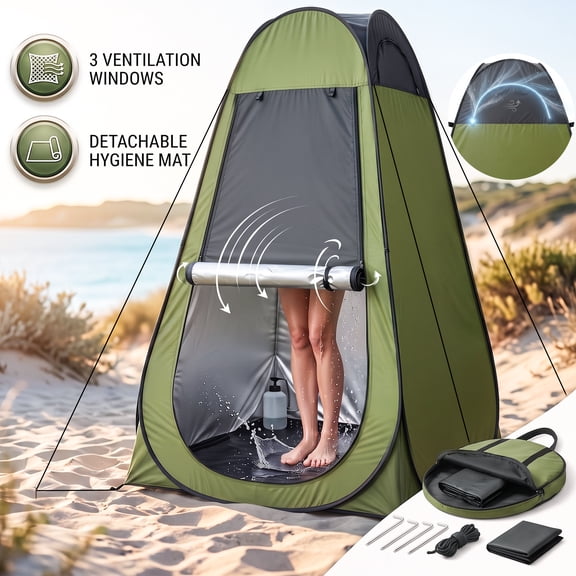
Shop Camping Tents, Shower & Privacy Shelters for Outdoors
Uses item details. Price when purchased online


























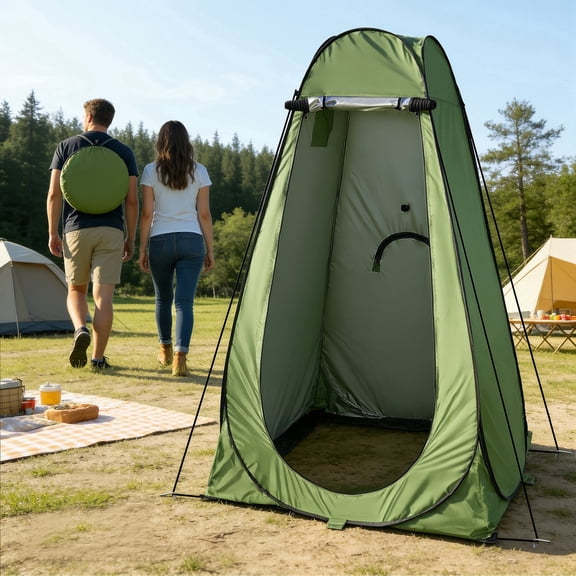
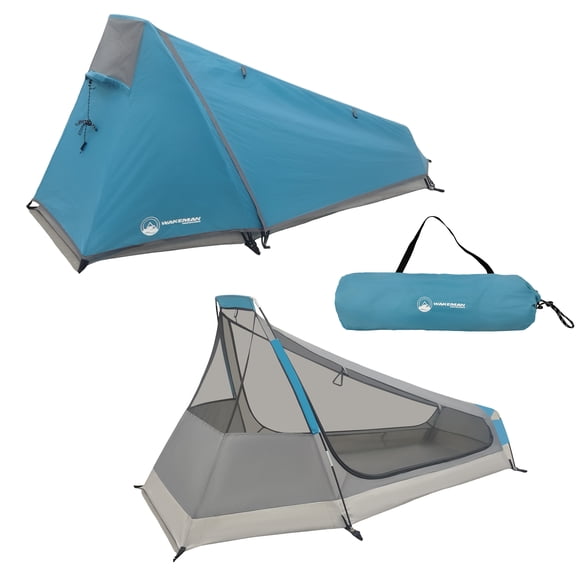
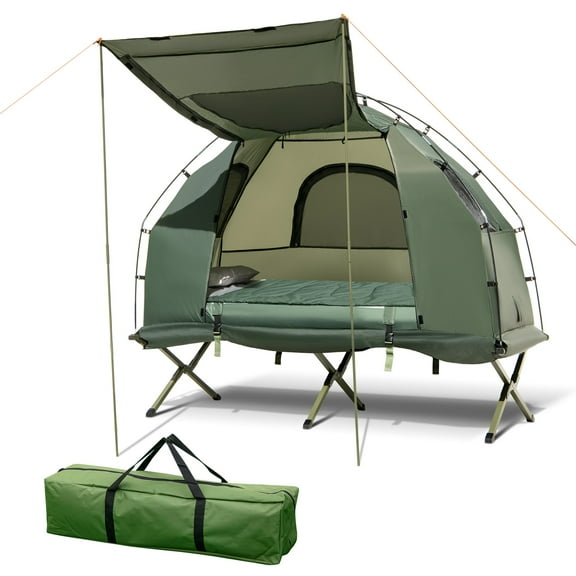
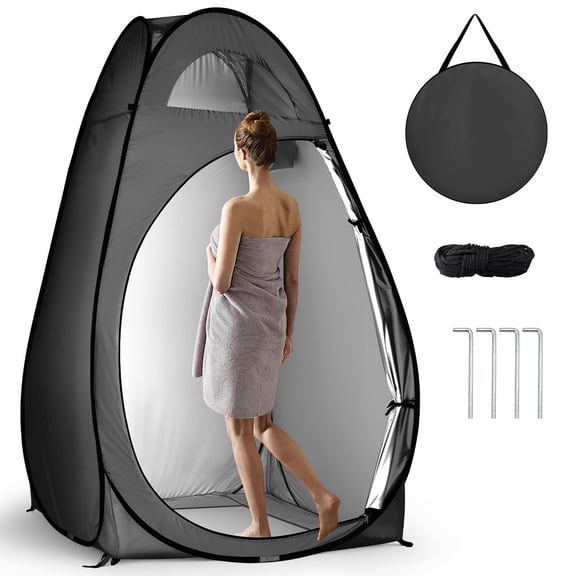


About Shop Camping Tents, Shower & Privacy Shelters for Outdoors - Walmart.com
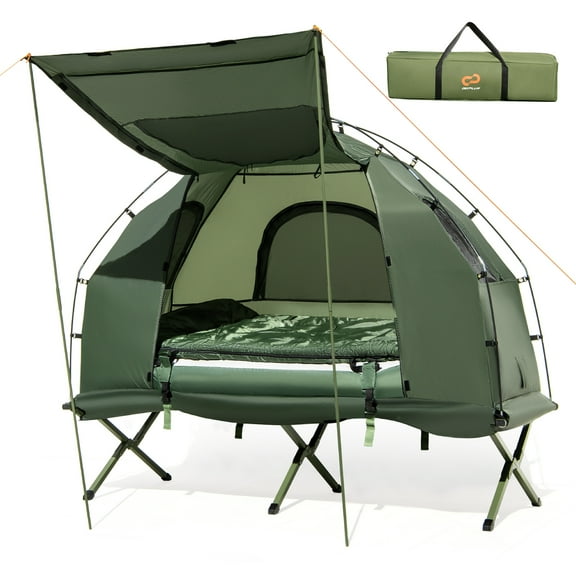
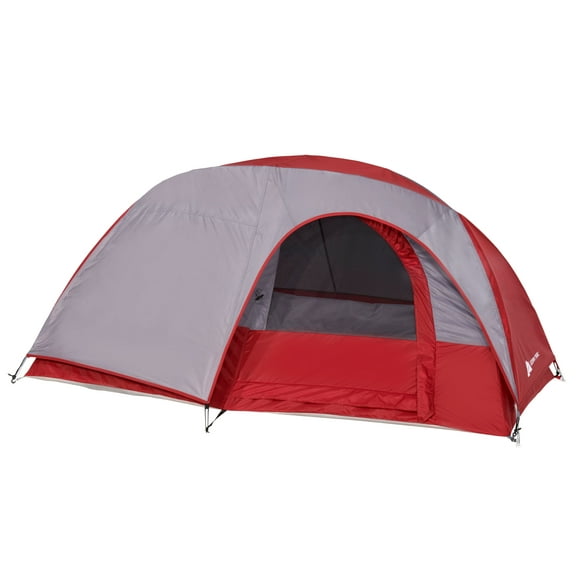
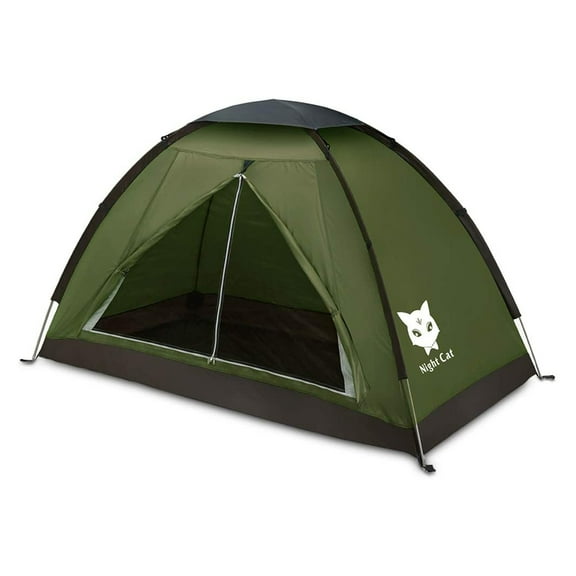
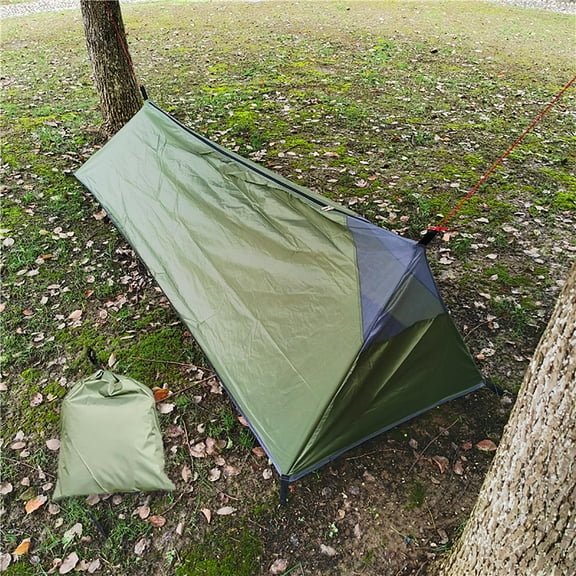
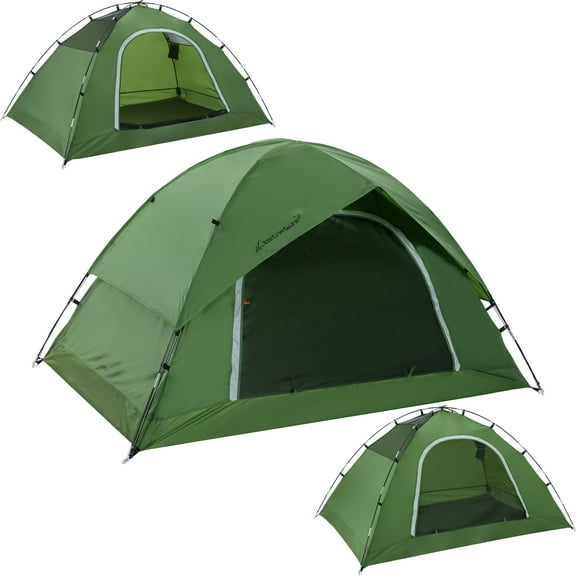
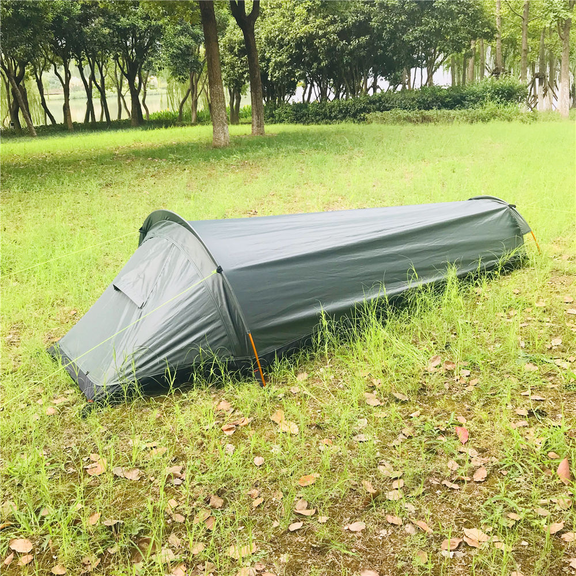
Set out on your next solo adventure with ease—Walmart’s selection of 1 person tents is designed to help you make the most of summer camping, festivals, and outdoor events this July 4th and beyond. These tents deliver a blend of convenience, protection, and practical features tailored for your independent getaway, whether you’re exploring parks, pitching near lakes, or just enjoying the fireworks.
- Effortless portability: Lightweight, compact designs make transport simple and keep your load manageable for day trips or extended excursions.
- Quick setup: Streamlined pole configurations and minimal stake requirements save you time, so you can set up your shelter swiftly—even after a busy day of festivities.
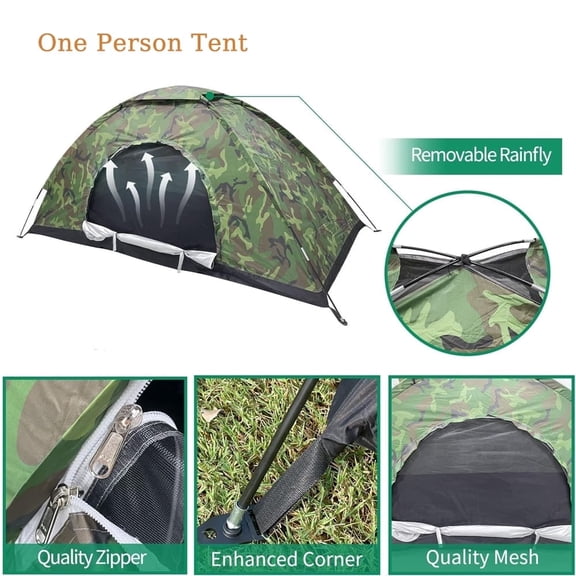
- Dependable weather protection: Features like waterproof rainflies and wind-resistant structures help safeguard you from summer storms and unexpected breezes common during July events.
- Personalized comfort: Enjoy ventilation and privacy with efficient floor plans and mesh panels, keeping you cool and comfortable throughout your stay.
- Smart organization: Integrated storage solutions and vestibules ensure your essentials are within reach, helping you keep your space tidy and ready for celebration gear or snacks.
- Versatile applications: Ideal for solo camping, hiking, or providing extra shelter at group gatherings, these tents adapt to your changing outdoor plans.
Discover the benefits of shopping for your next tent at Walmart—compare options confidently and enjoy straightforward online purchasing. Trust that your shelter is ready to support your summer adventure and help you celebrate July 4th with peace of mind.