


Micrometers in Measurement Tools















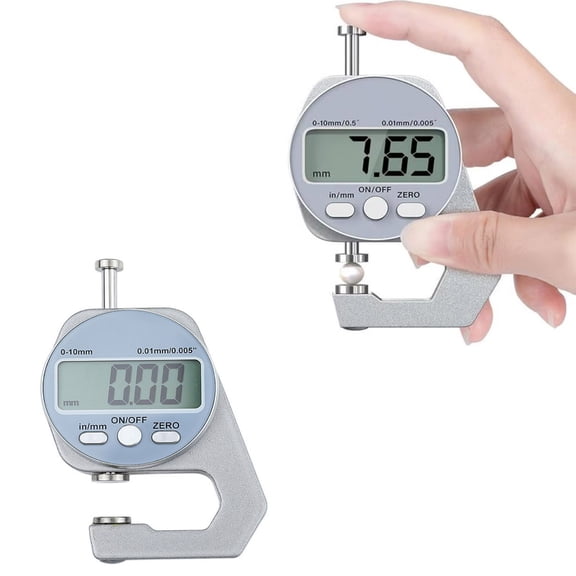
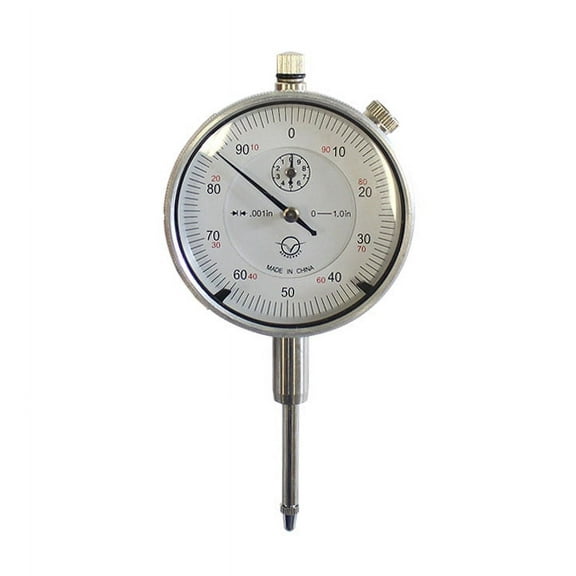
About Micrometers in Measurement Tools - Walmart.com
Micrometers help you measure tiny differences with control and repeatable accuracy. You can compare digital displays, vernier scales, and measurement types to match your project.
If you work with metal, wood, or machine parts, you need readings that stay consistent. You can use this guide to choose the right frame size, resolution, and measuring style.
How to choose micrometers for your work
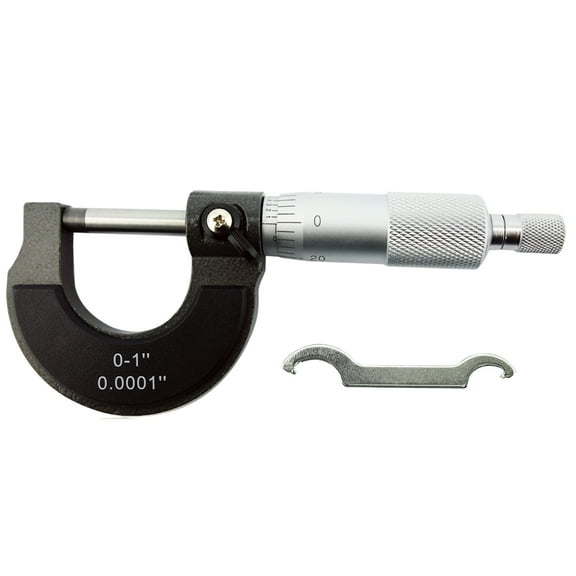
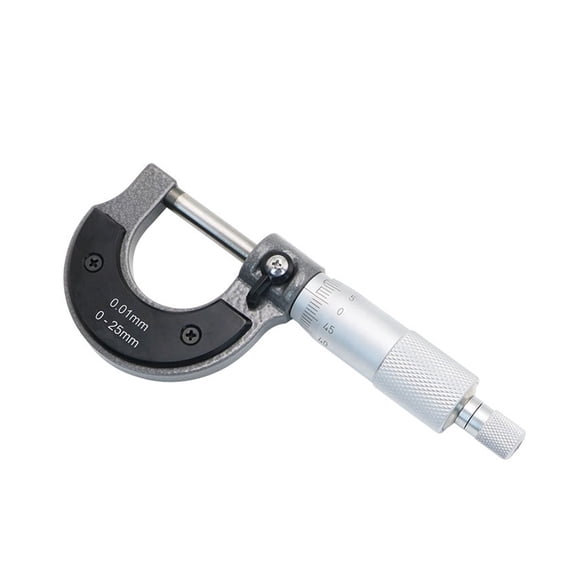
You should start with the measurement type because it changes what surfaces you can reach. You can choose outside micrometers for exterior dimensions, inside micrometers for internal widths, and depth models for slots or holes.
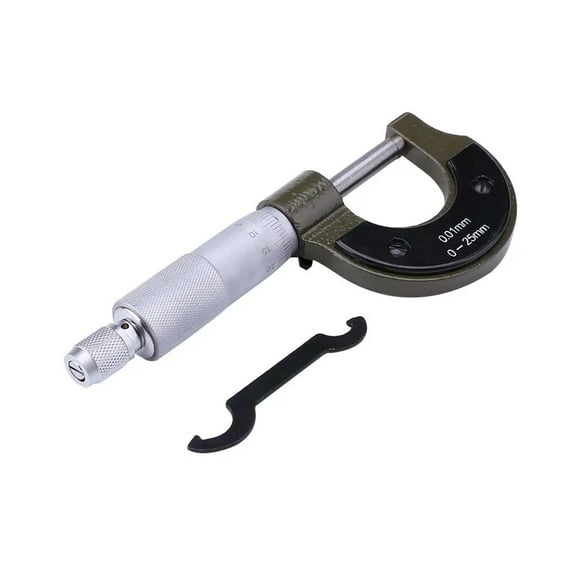
Outside micrometers help you check thickness, shaft diameter, and small part dimensions. Inside micrometers help you measure bores, openings, and interior spaces with a more targeted fit.
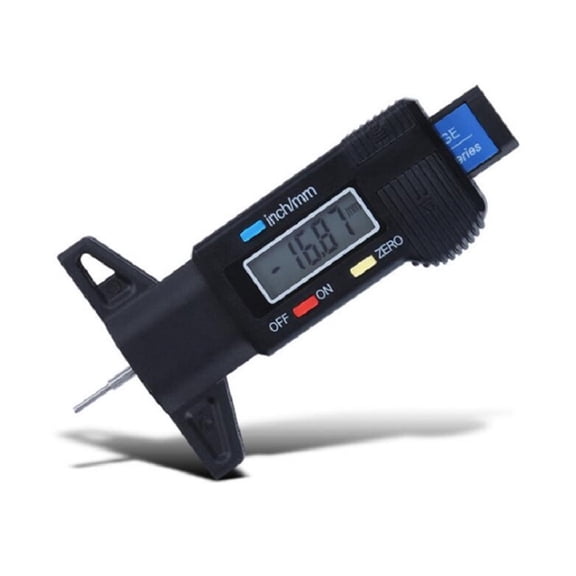
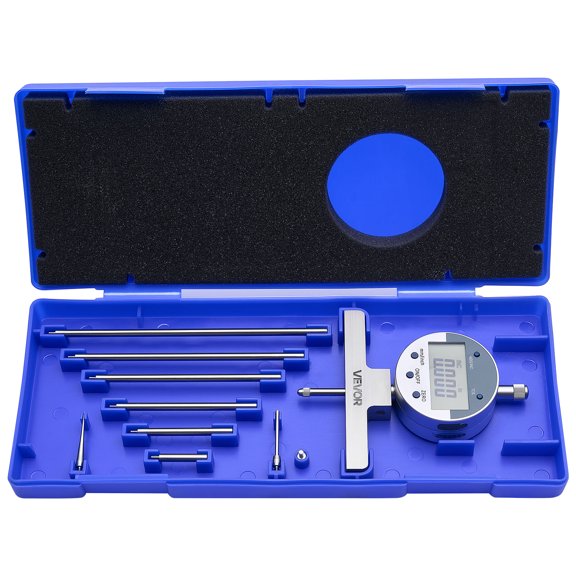
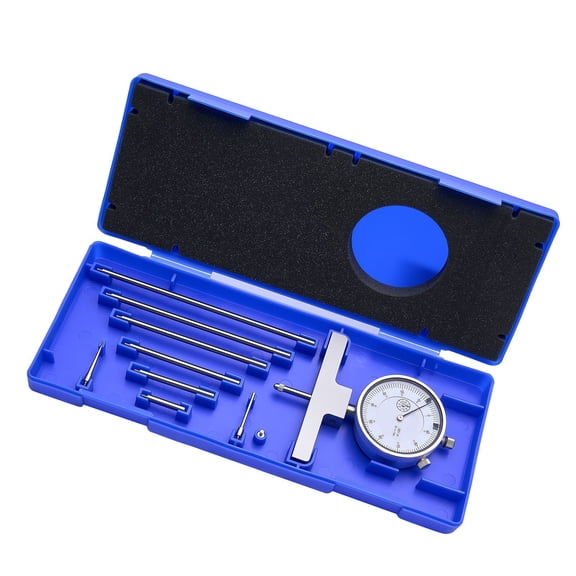
Depth styles help you measure recesses, grooves, and step depths from a flat reference surface. You can narrow your search quickly when you match the tool shape to the surface.
Why micrometers help with precision measuring
You get tighter control over fit when you use a tool built for very small increments. You can verify dimensions before assembly, machining, or inspection with more confidence.
Clear readings also help you work efficiently during repeated checks. You can compare parts with less guesswork when your markings or display stay easy to read.
Consistent measuring pressure matters when you want repeatable results across several parts. You can look for a ratchet stop or friction thimble to help keep contact pressure more uniform.
- You can measure small outside dimensions with more control than a ruler or tape.
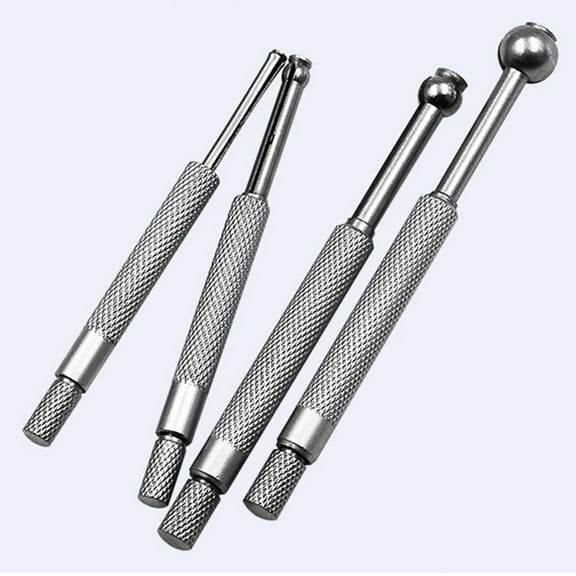
- You can verify internal openings by choosing inside micrometers sized for the bore.
- You can check slot and recess depth with a tool designed for flat reference points.
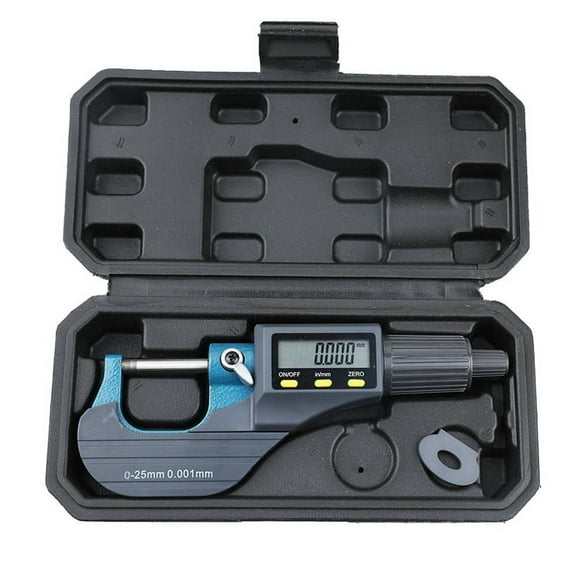
- You can read results quickly with digital micrometers or choose a vernier micrometer for battery-free use.
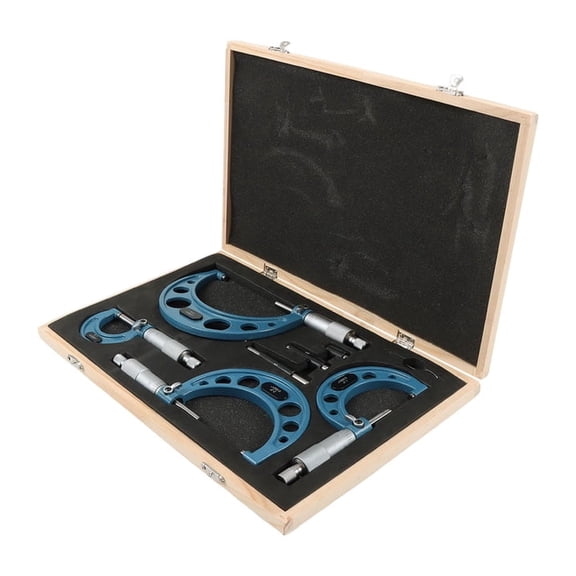
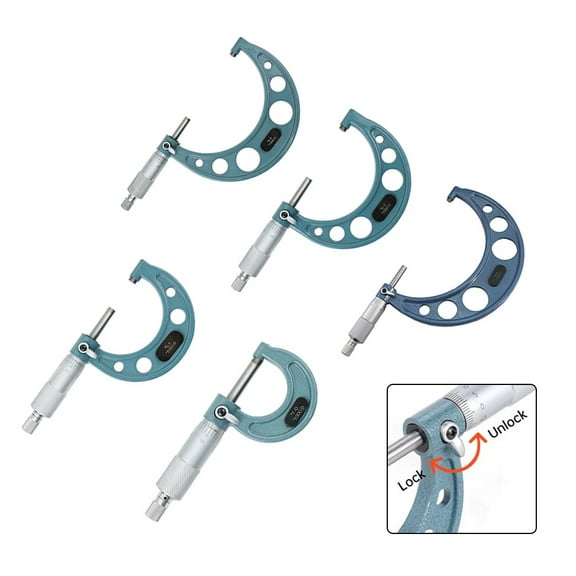
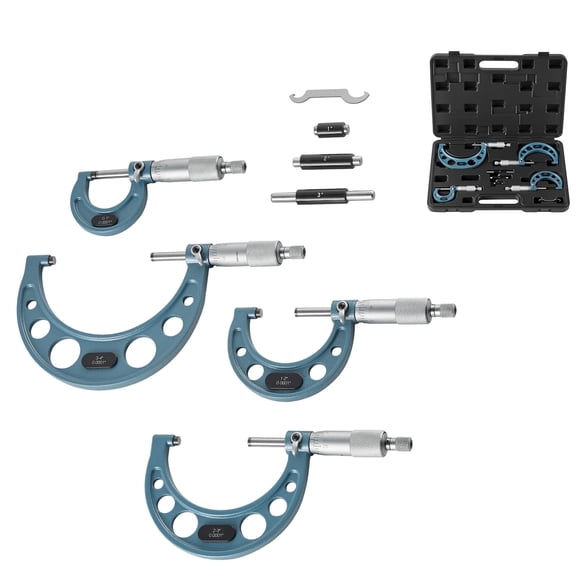
You may also prefer a micrometer set when your work covers several size ranges. You can switch between common capacities without stopping to find another tool later.
Choosing digital micrometers or vernier and dial options
You should compare display style first because it affects speed, power needs, and reading comfort. Digital micrometers give you a numeric screen, while vernier and dial models rely on scale interpretation.
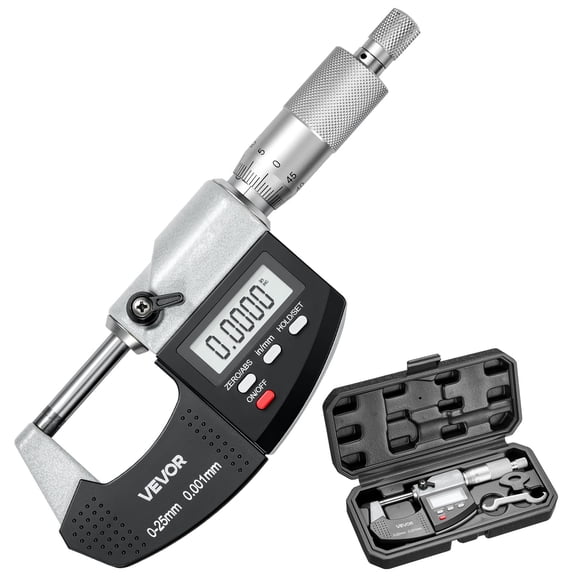
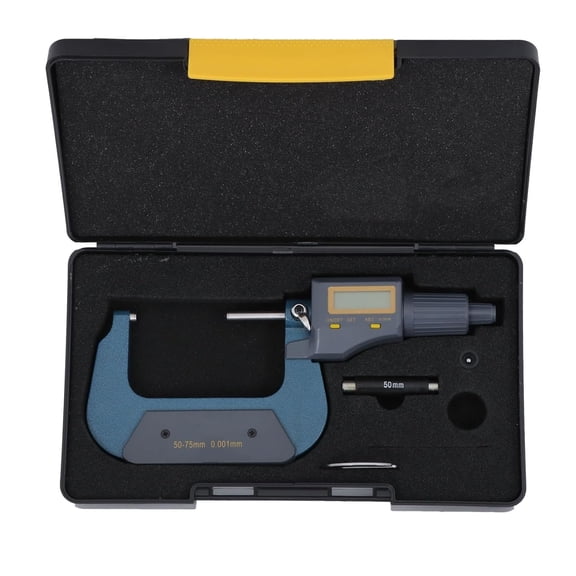
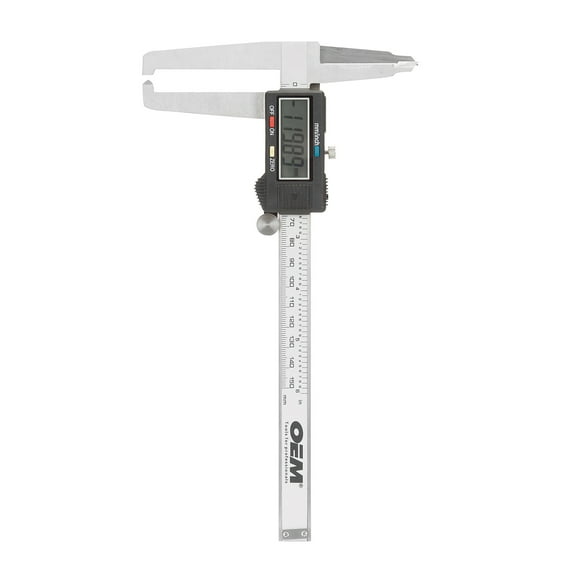
If you want faster readings, you may prefer digital micrometers for direct number display. You can often move between inch and metric readings smoothly on digital versions.
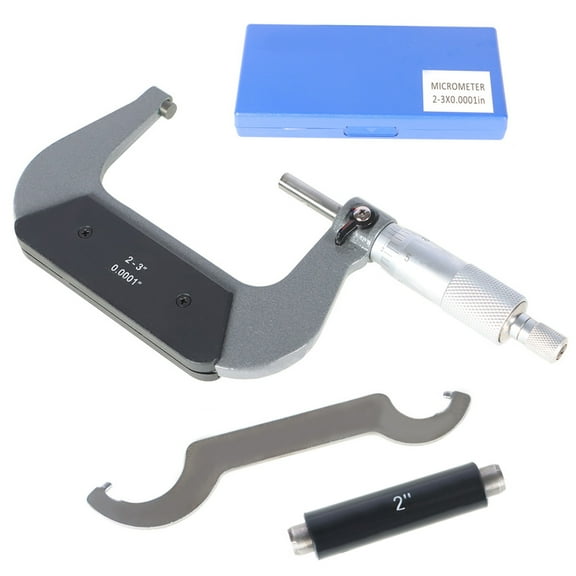
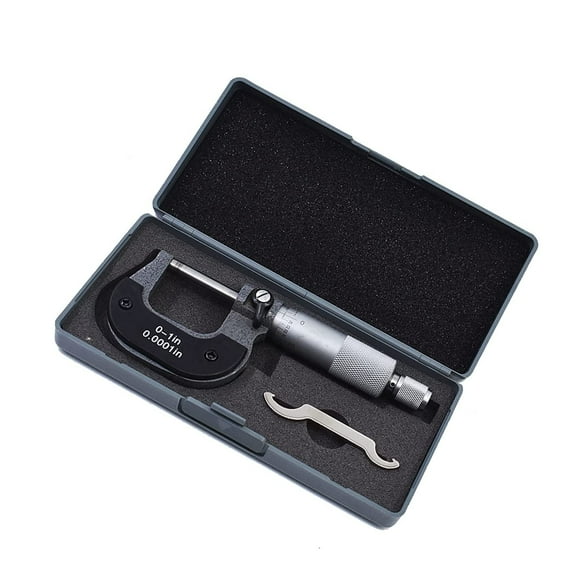
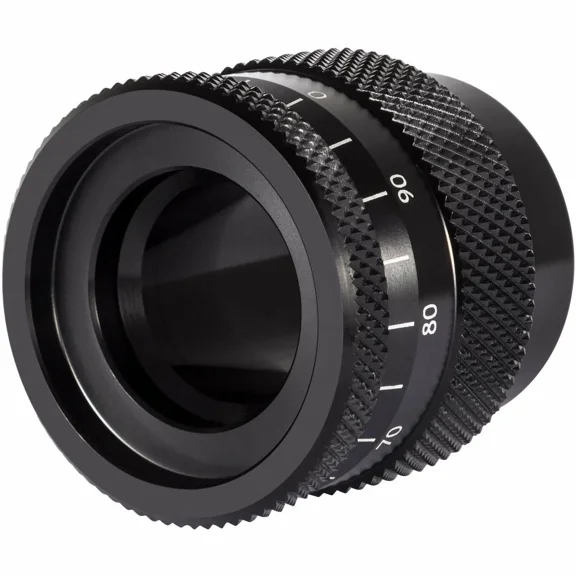
If you want a battery-free tool, you may lean toward a vernier micrometer. You can read fine graduations manually, which suits users comfortable with scale-based measurement.
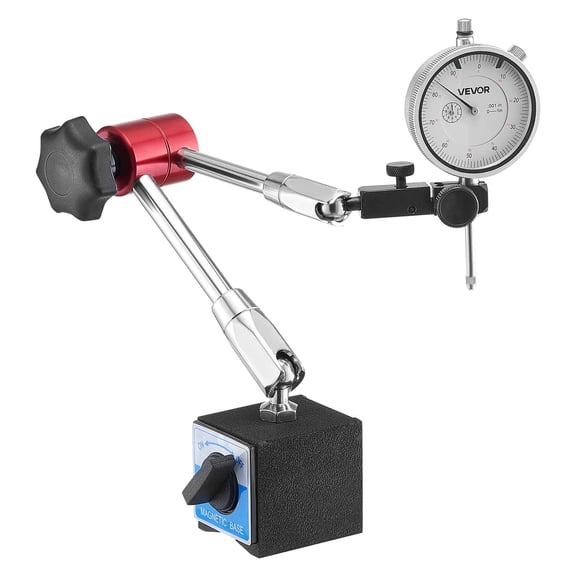
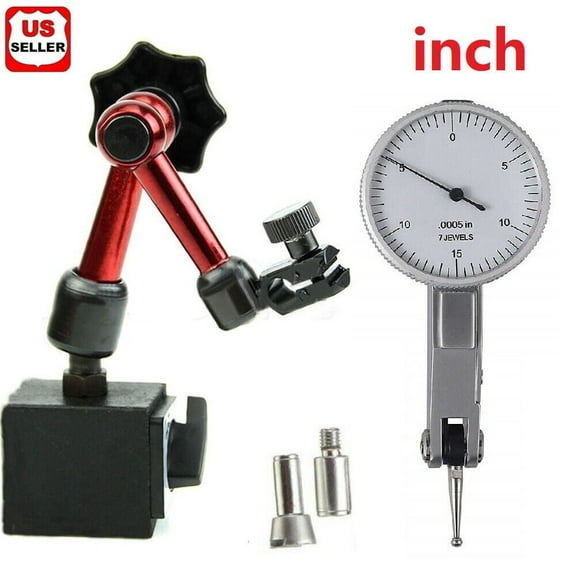
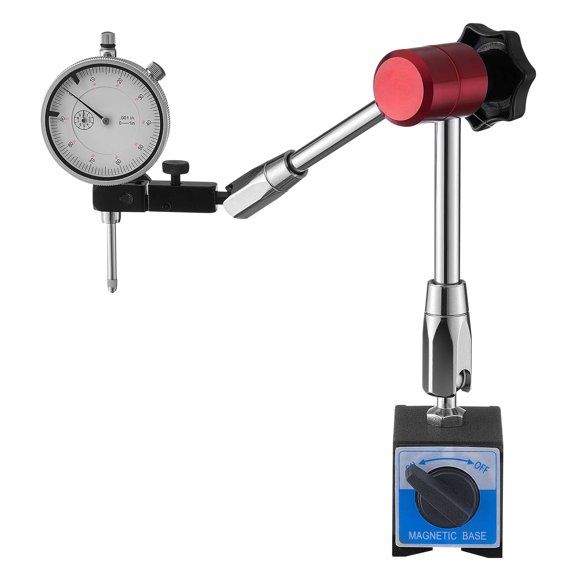
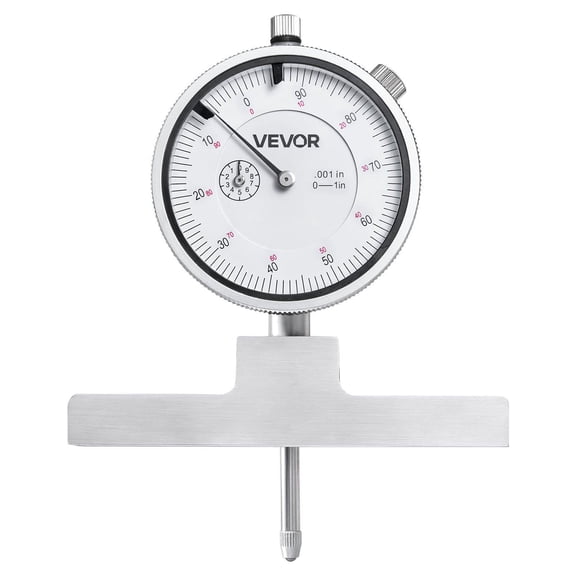
Dial options give you another visual format with pointer movement that some users prefer. You can compare these styles based on your workflow, lighting, and reading habits.
Resolution helps you understand how small a change the tool can show. You can look for 0.0001 inch or 0.001mm resolution when your work demands finer measurement steps.
Choosing the right range for outside micrometers and inside micrometers
You should match the measurement range to the actual size of the part you handle. A 0-1 inch model fits many small tasks, while 1-2 inches covers larger outside dimensions.
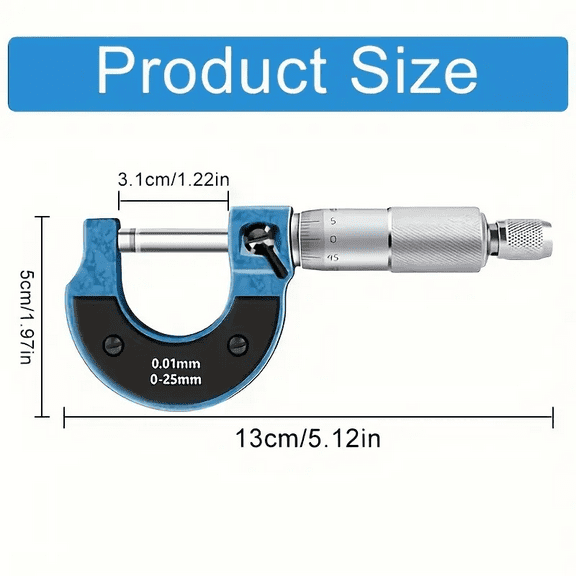
If you work in metric, you may prefer a 0-25mm range for common small-part measurement. You can avoid awkward setups when the tool capacity matches your typical workpieces.
You should also consider access points before choosing outside micrometers or inside micrometers. If you can only reach an internal wall, you need a tool designed for interior contact.
Frame size matters because it changes how easily you can reach around a part. You can compare compact frames for small pieces or larger capacities for broader measuring needs.
What to look for in calibration and accuracy control
You should check how the tool supports repeatable measuring force during use. A ratchet stop helps you apply steady pressure, and a friction thimble offers a similar control point.
Calibration matters because you want readings that stay aligned with known standards. You can use setting standards or reference pieces to confirm the tool starts at the correct point.
You should inspect the spindle and anvil faces for smooth contact and clean alignment. You can keep readings more dependable when contact surfaces stay free of dust and shop residue.
Storage also affects long-term precision in busy workspaces. You can protect your measuring faces and threads by keeping the tool clean, dry, and properly cased.
How micrometers fit common projects
You might use outside micrometers when you measure wire, tubing, sheet stock, or turned parts. You can compare repeated cuts or machined pieces with tighter consistency across a batch.
If you inspect holes or bores, inside micrometers help you confirm internal size without relying on rough estimates. You can use them in automotive, machining, and fabrication tasks.
Depth models work well when you need recess, slot, or counterbore measurements from a flat edge. You can check whether a groove or pocket matches your planned dimension.
You may choose a micrometer set when your projects move between several size ranges in one day. You can keep matching tools nearby instead of forcing one capacity across every task.
When you compare type, range, resolution, and calibration features, you can choose micrometers with more confidence. You get a tool that fits your parts, your reading style, and your accuracy needs.