

Food Thermometers






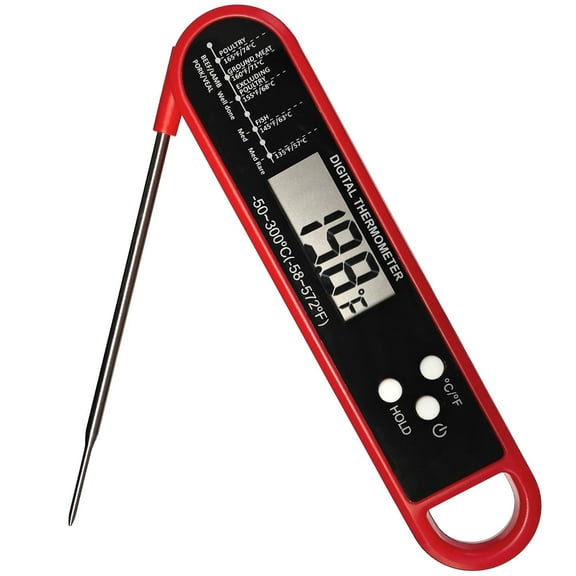


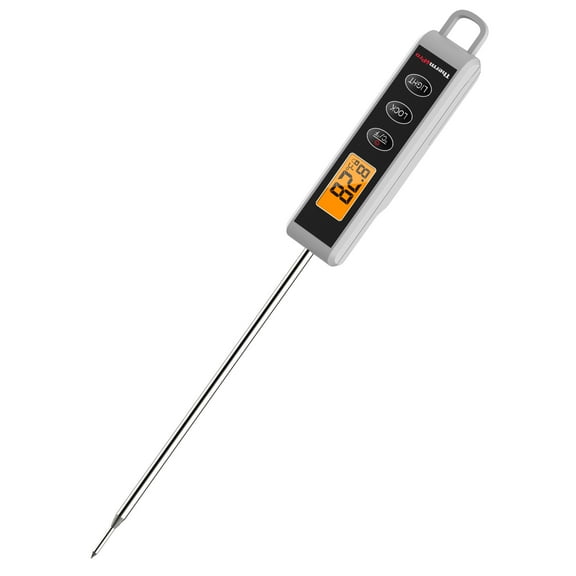

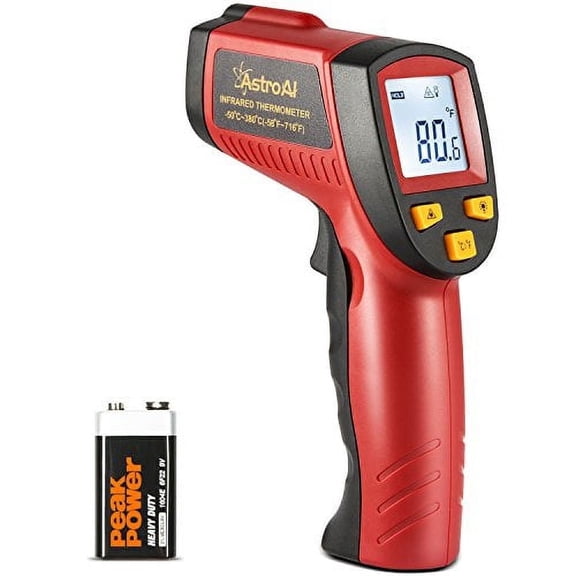


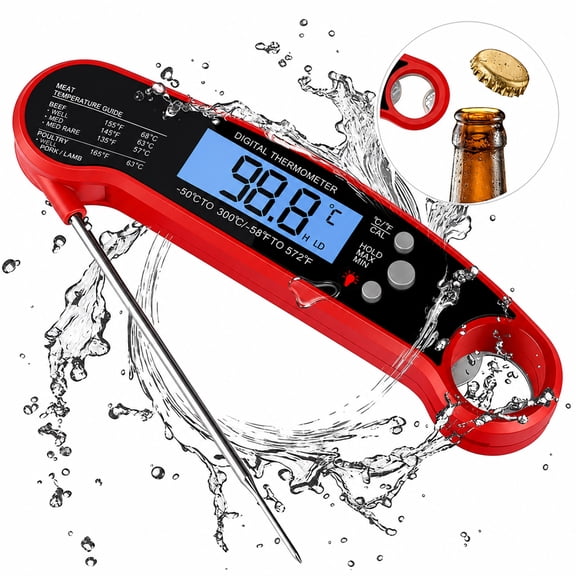














About Food Thermometers - Walmart.com
Food thermometers help you cook with precise control, whether you’re grilling outside or checking a roast in the oven. You can compare instant-read, probe, dial, and infrared options to match your cooking style and reading speed.
How to choose food thermometers for your kitchen
When you choose food thermometers, you’ll want to start with thermometer type and how you cook most often. You can use instant-read models for quick checks, while leave-in probes let you follow progress without opening the oven often.
If you cook steaks, burgers, or whole chicken, you may prefer a meat thermometer that gives a fast reading. If you make candy or fry foods, you may look for clips, longer stems, or higher temperature ranges.
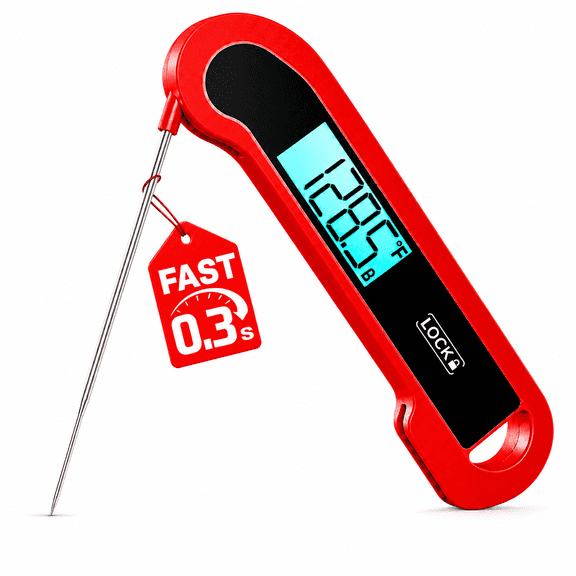
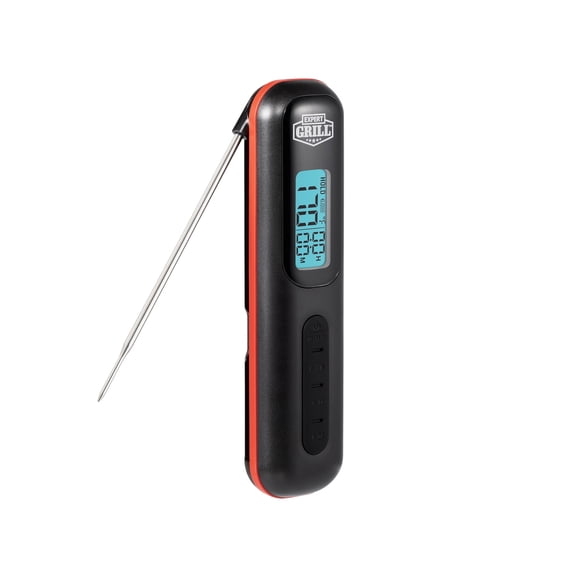
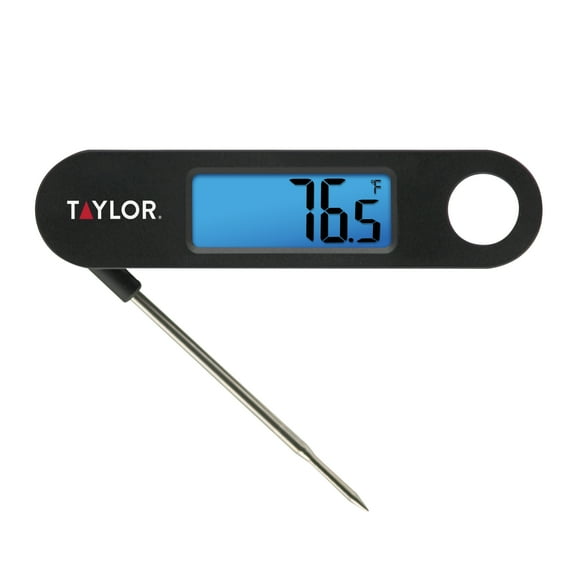
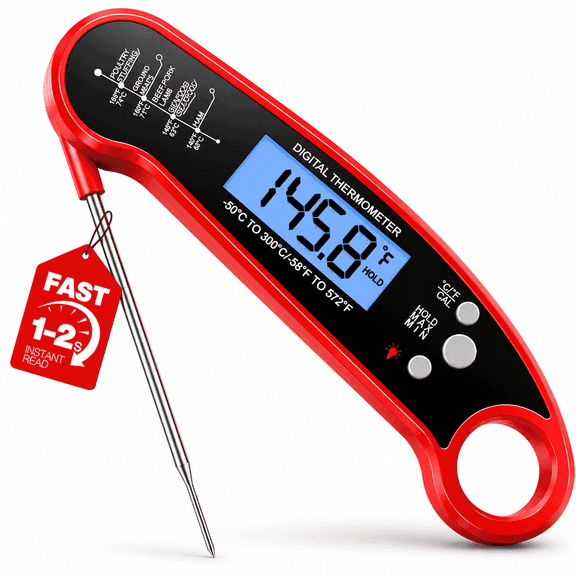
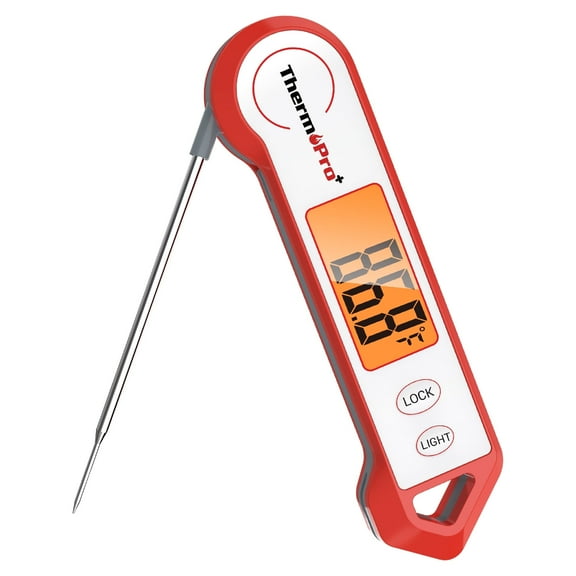
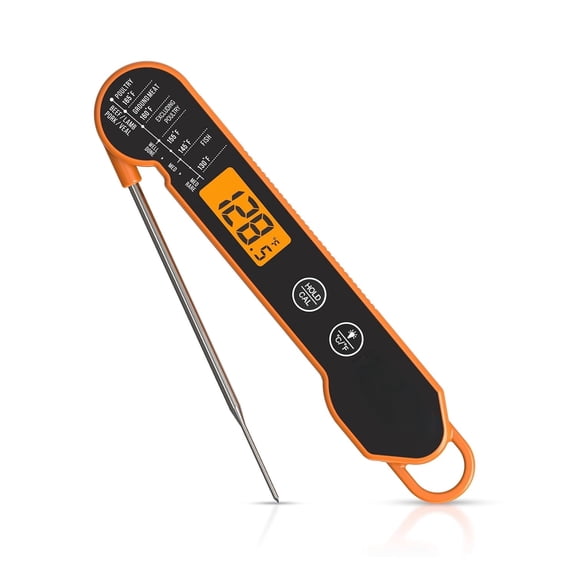
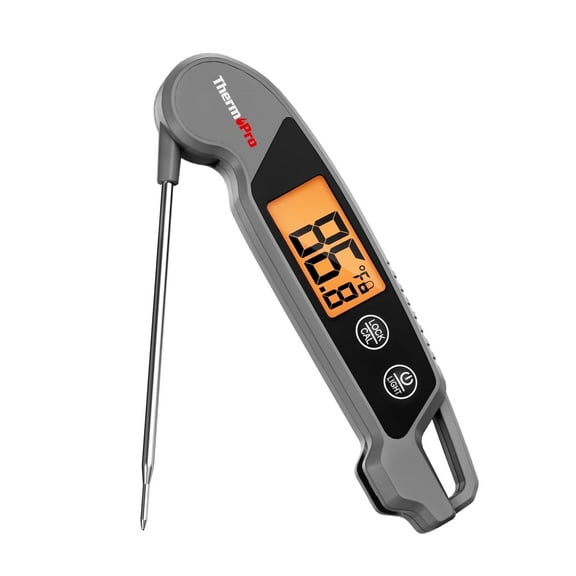
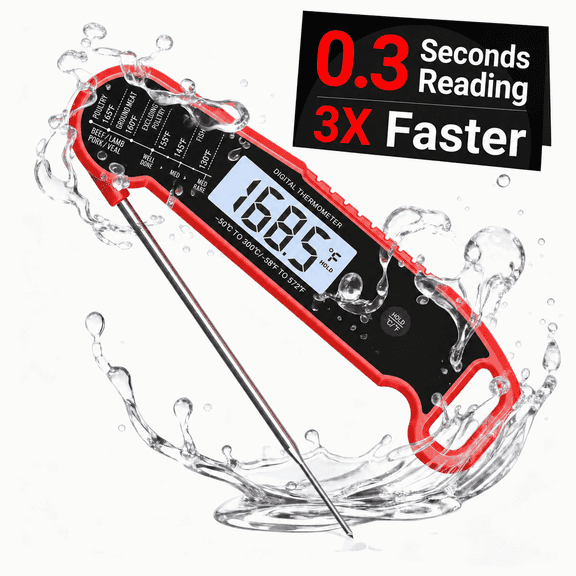
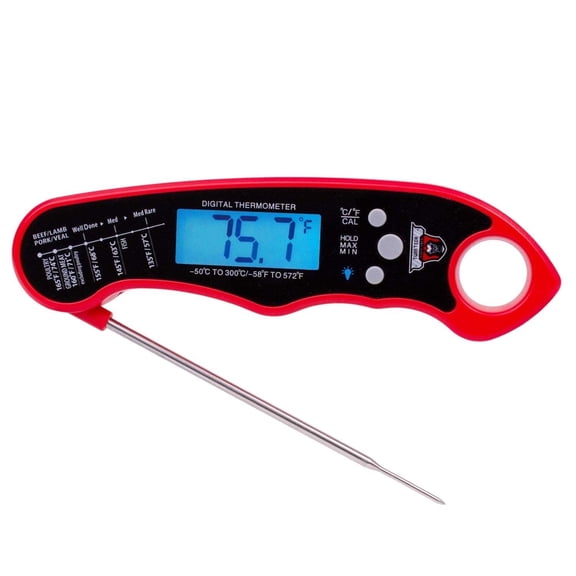
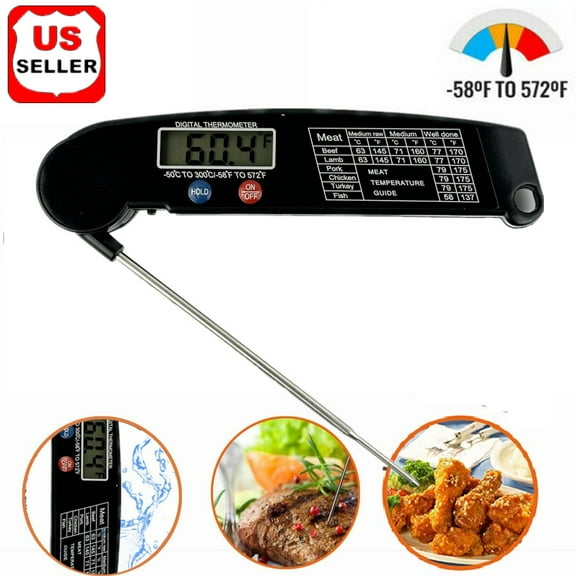
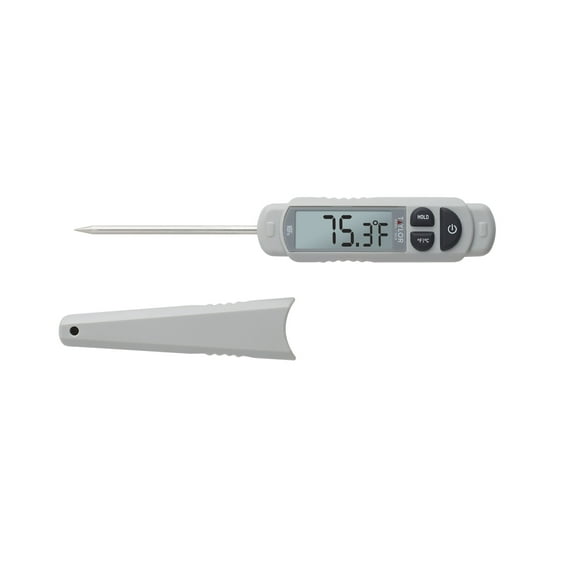
- You can check doneness quickly with an instant read thermometer during grilling or pan cooking.
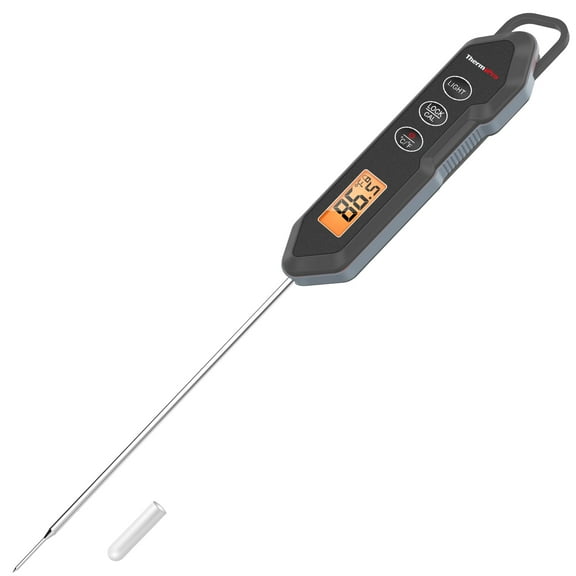
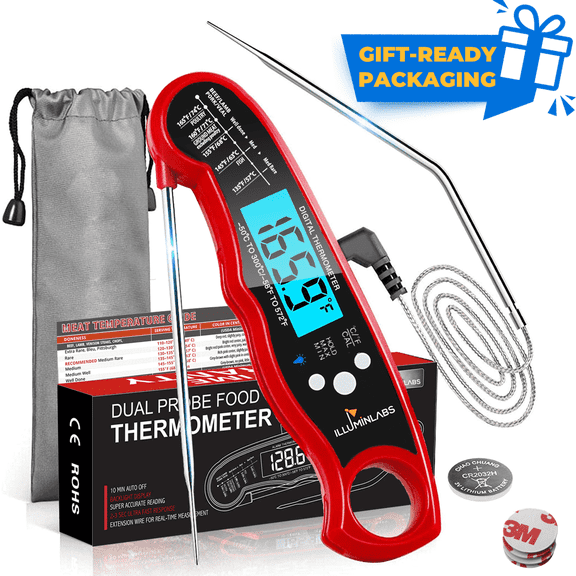
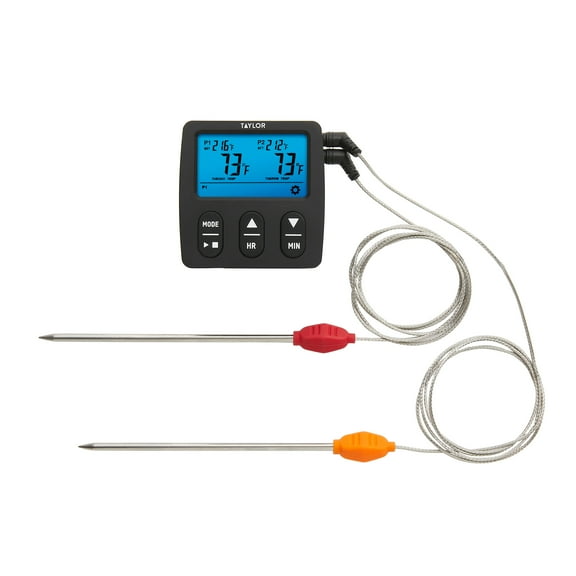
- You can monitor larger cuts with a leave-in probe while your roast, turkey, or brisket cooks.
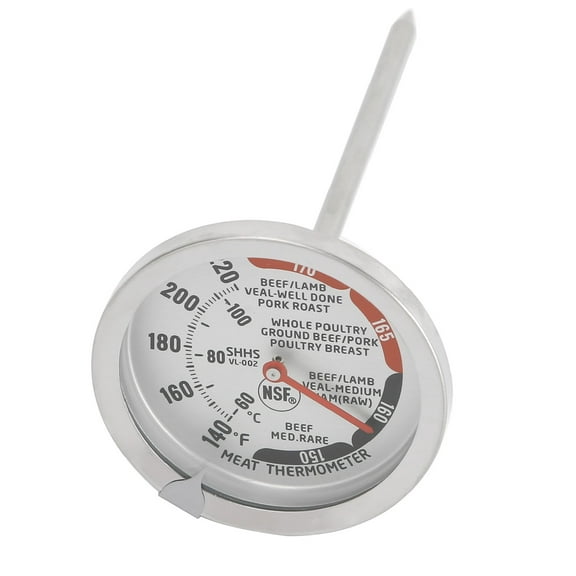
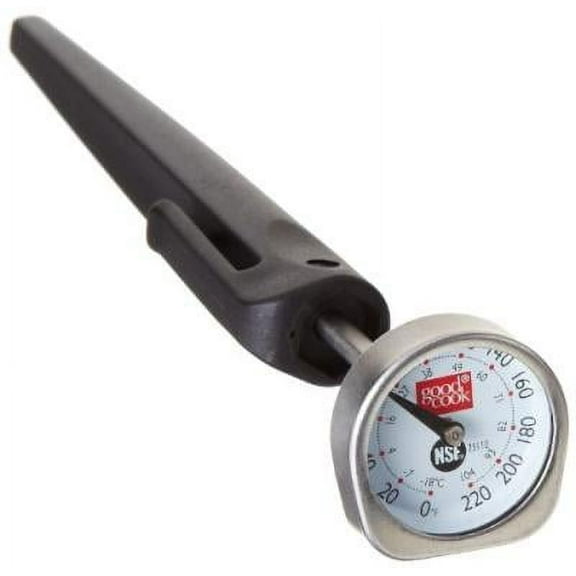
- You can choose dial styles if you prefer simple, battery-free reading for everyday tasks.
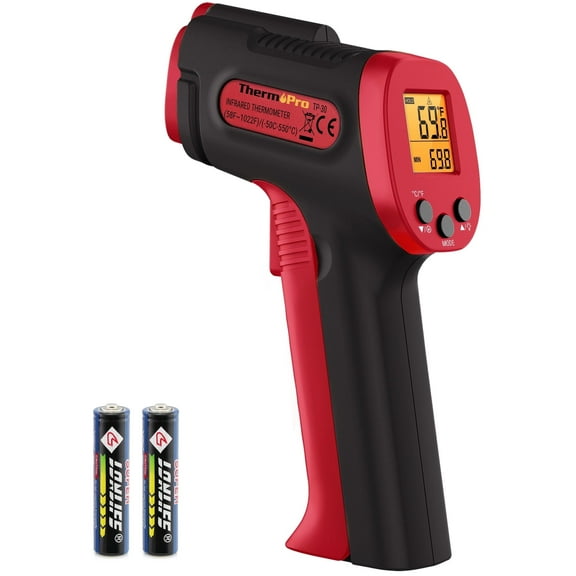
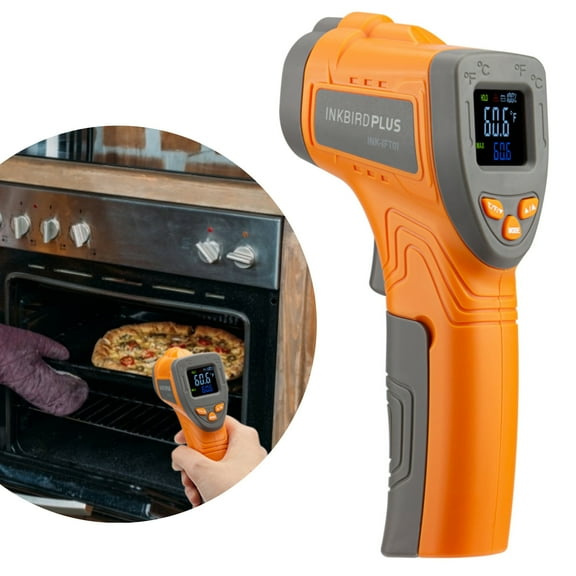
- You can use infrared options when you want to read surface temperatures on pans, griddles, or cooking areas.
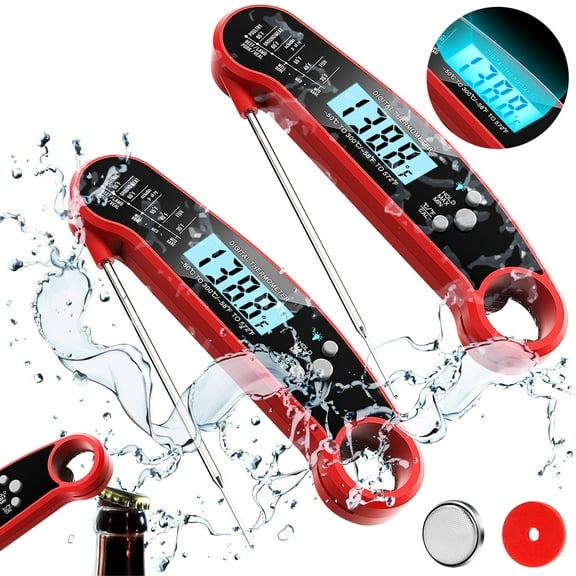
You’ll also notice cleaning convenience matters when you cook often. You may want waterproof designs, washable probes, or easy-wipe bodies that fit busy kitchen routines.
Choosing a meat thermometer by speed and accuracy
Read speed matters when you want less heat loss from your grill, smoker, or oven. You can use an instant read thermometer for a quick spot check, while a leave-in probe tracks temperature over time.
Accuracy matters just as much, especially when you cook thicker cuts or recipes with narrow temperature windows. You may compare specs like plus or minus 0.9 degrees Fahrenheit, because that tells you how close the reading stays.
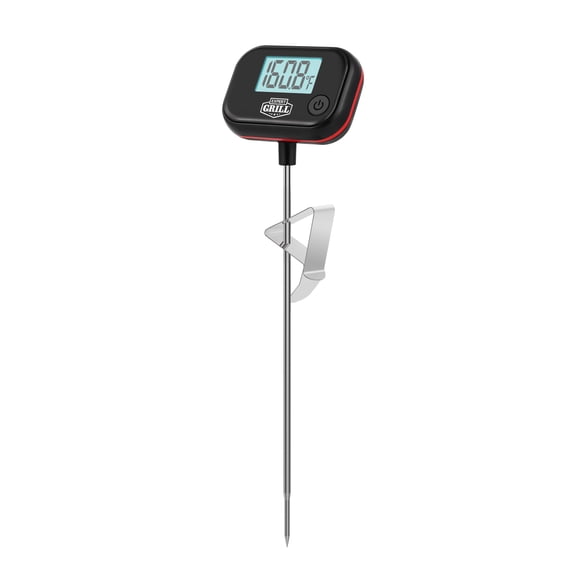
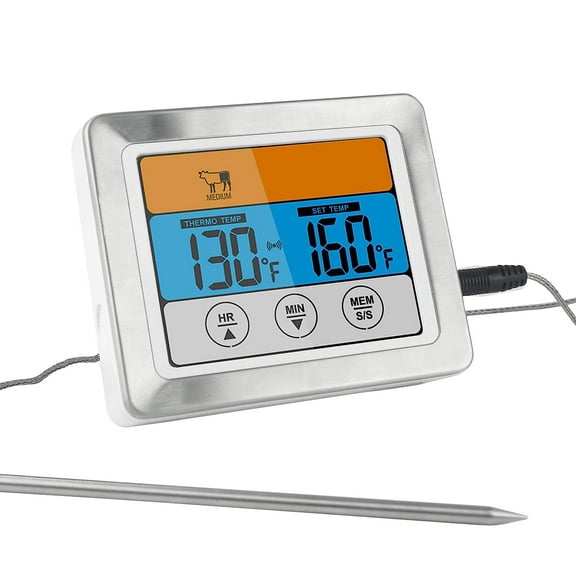
A digital food thermometer can make readings easier to see in dim kitchens or late-evening cookouts. You may prefer digital LCD or backlit LED displays when you want quick number checks without extra guesswork.
If you like simple tools, you can still choose an analog dial and focus on stem length and readable markings. You should compare response time, because slower dials may fit leave-in monitoring instead of quick checks.
What to look for in connectivity and display type
Connectivity changes how you monitor food, especially during long cooks. You can choose analog styles for straightforward use, or you can step up to wireless Bluetooth and smart Wi-Fi options.
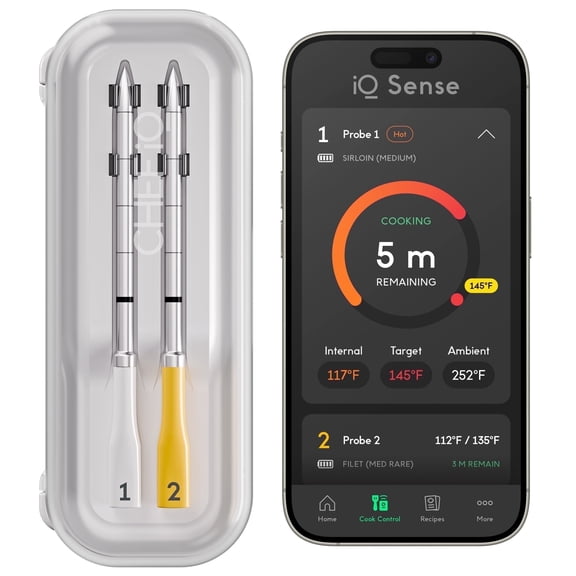
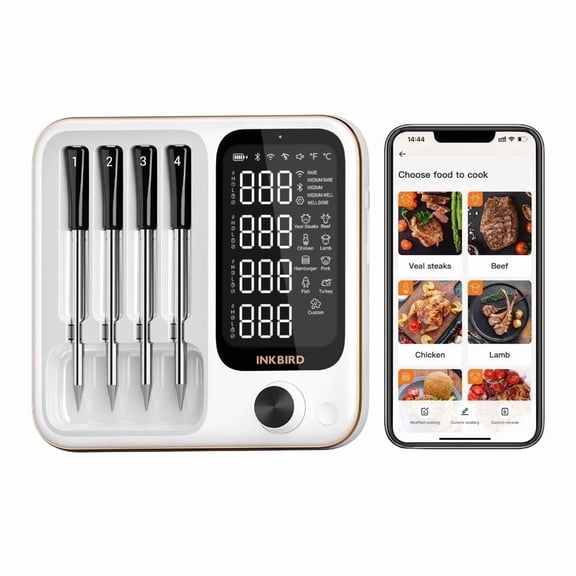
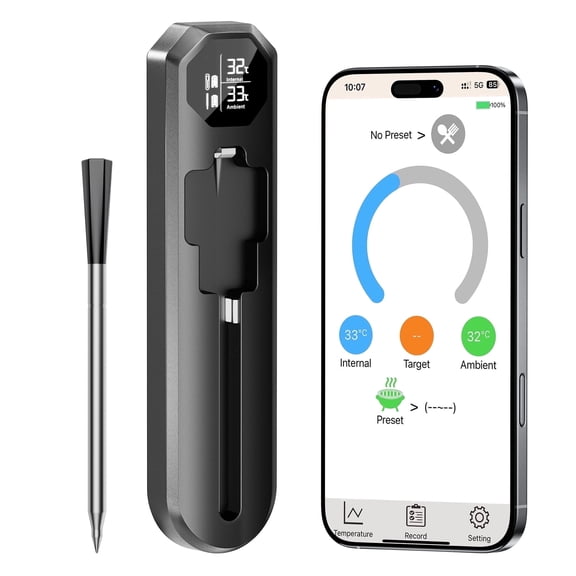
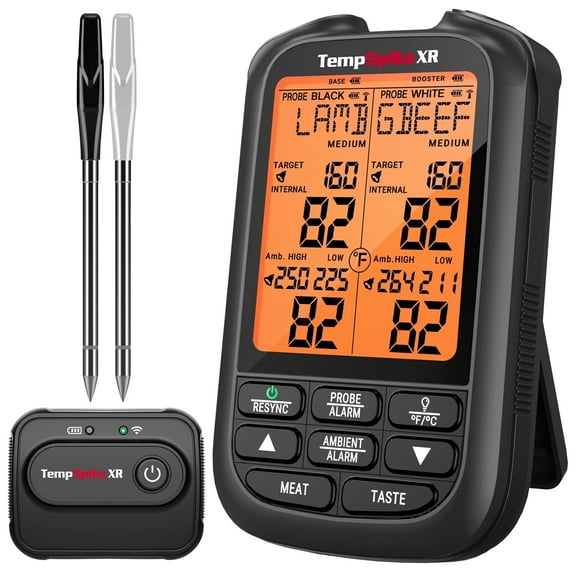
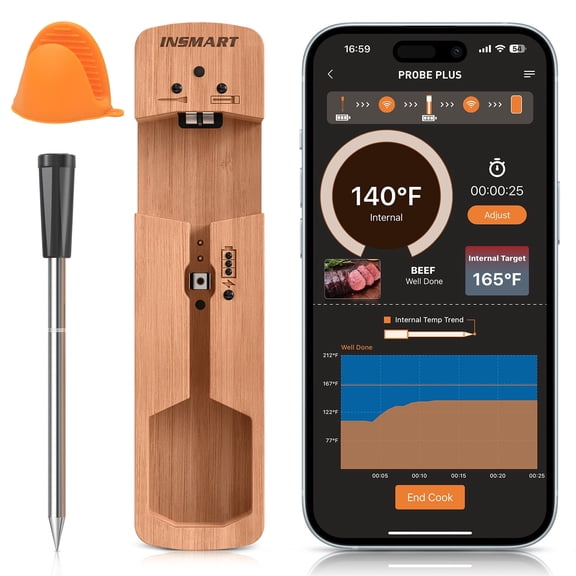
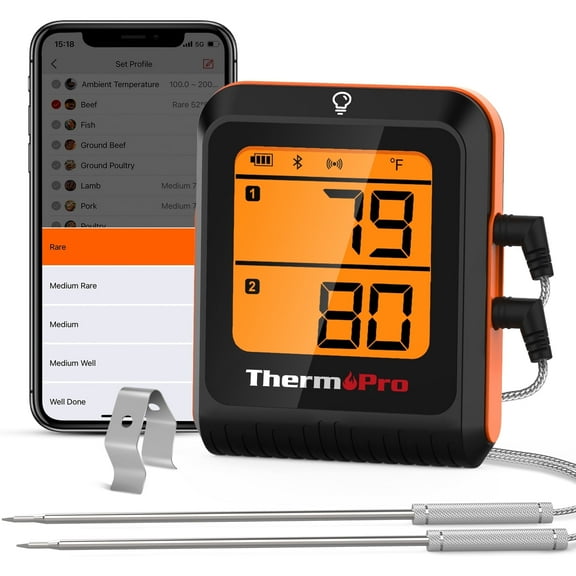
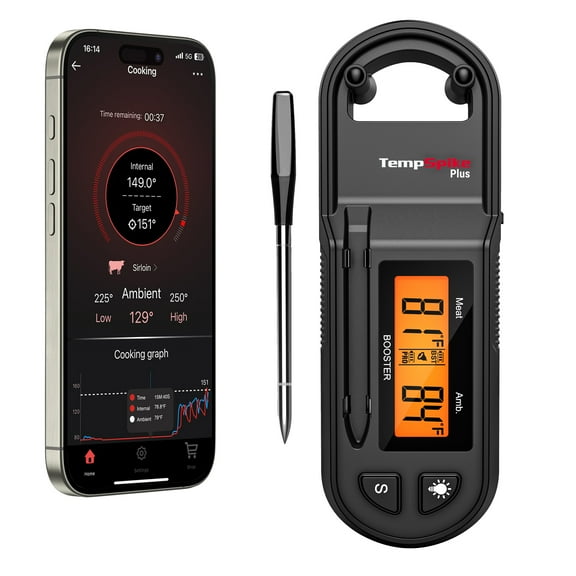
A wireless meat thermometer can help you track progress from your phone while you prep sides or greet guests. You should compare Bluetooth range, app setup, and dual-probe sync if you monitor two foods at once.
Smart Wi-Fi models can suit longer smoking sessions when you move farther from the cooker. You may like alerts, guided cook settings, and graph views that help you follow temperature changes over time.
Display type also significantly affects daily use. You can compare digital LCD screens for basic readability, backlit LED screens for lower light, and analog dials for a simple visual check.
If you clean tools often, you should check whether a model lists an IP67 rating in the details. That usually means you can rinse the probe or housing confidently during regular cleanup.
Matching food thermometers to grilling, baking, candy making, and frying
Your cooking routine should guide the style you choose. You can use a meat thermometer for grilling and BBQ when you want fast checks on steaks, chops, wings, or burgers.
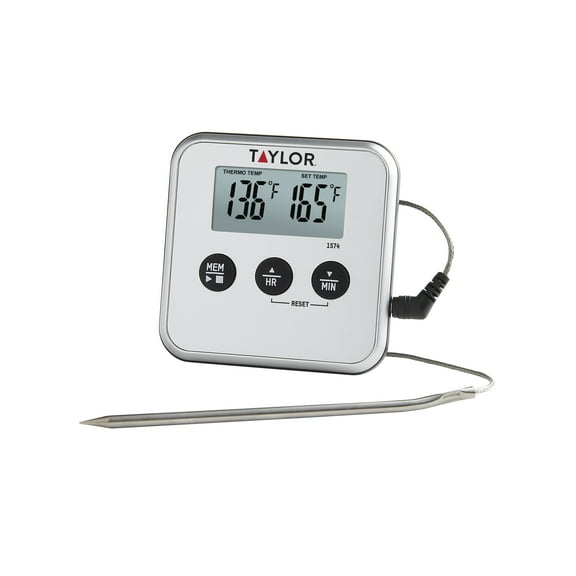
For oven cooking, you may prefer leave-in probe styles that stay in place during roasting. You can monitor turkey, ham, or prime rib without opening the door and interrupting cooking conditions.
If you bake bread or desserts, you may want quick spot checks that won’t slow your process. You can use compact digital styles when you check internal temperature in loaves, custards, or other baked dishes.
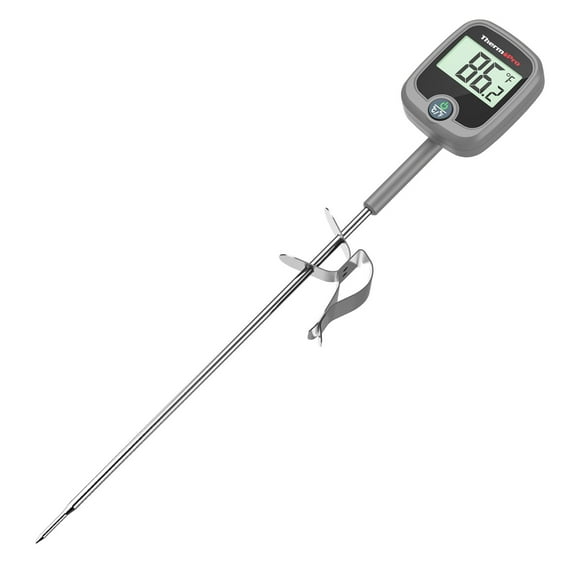
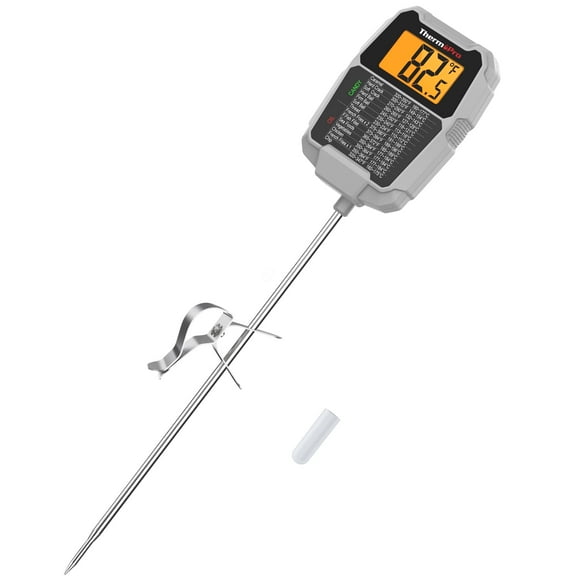
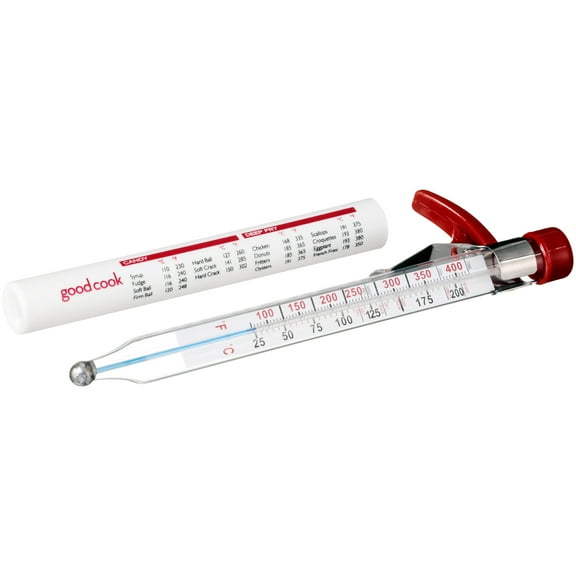
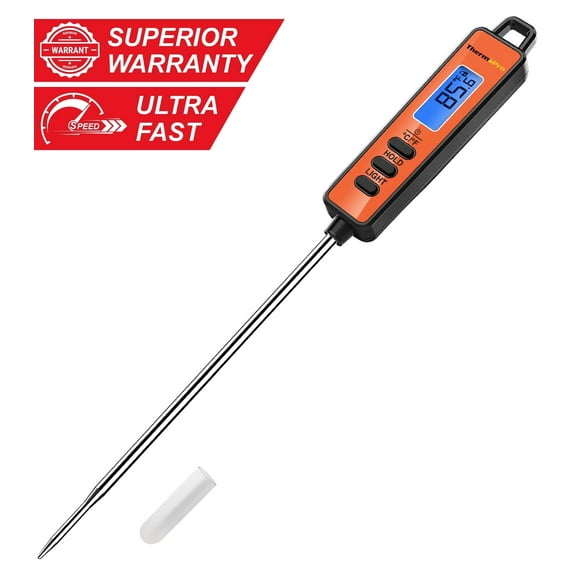
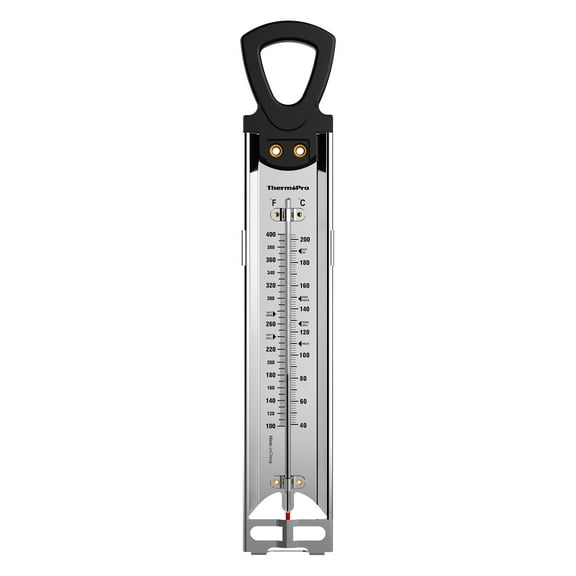
Candy making and deep frying call for a different approach than grilling. You should look for clips, tall probes, and temperature ranges that support hot sugar stages or steady frying temperatures.
Infrared styles fit surface checks rather than internal food readings. You can use them on griddles, pans, pizza stones, or cooking surfaces when you want a fast surface temperature snapshot.
You may also want to compare handle shape, probe length, and storage features before choosing. Those details can affect how easily you use your thermometer around grill lids, deep pots, or crowded drawers.
How an instant read thermometer fits everyday cooking
An instant read thermometer works well when you cook several items in a short window. You can move from chicken breasts to burgers to baked fish without waiting long for each reading.
If you cook on weeknights, you may appreciate a tool that helps you check food quickly and move on. You’ll notice faster reads feel especially helpful when you juggle stovetop pans, sheet pans, and side dishes.
When you compare food thermometers at Walmart, you can focus on the decisions that shape daily use. You’ll feel confident choosing the right type, display, and connectivity for the foods you cook most.