






Manila Envelopes in Envelopes



















About Manila Envelopes in Envelopes - Walmart.com
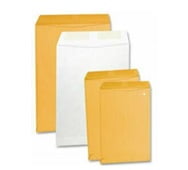
You can organize, mail, and store documents with manila envelopes that fit common paper sizes, closure needs, and pack quantities. You’ll notice these envelopes suit offices, classrooms, filing cabinets, and shipping prep because sturdy kraft paper handles everyday paperwork.
How to choose manila envelopes by size
You should start with the document size you need to protect, because envelope dimensions affect fit, stacking, and mailing prep. You’ll often compare manila envelopes 9x12, manila envelopes 6x9, 10x13 sizes, and 12x15 options.
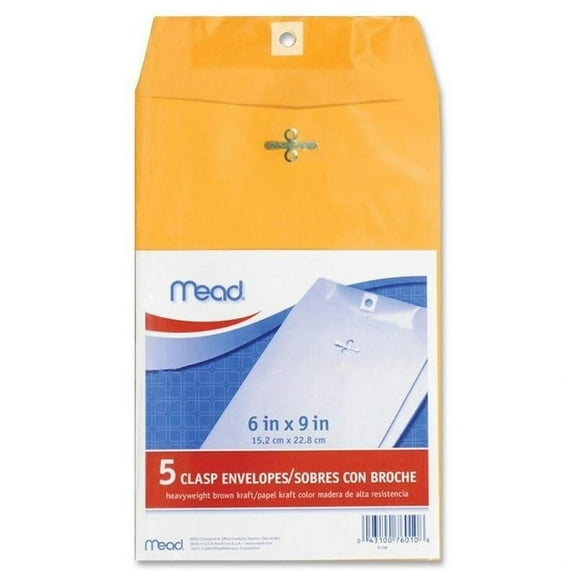
If you’re mailing full letter sheets without folding, you’ll usually want 9x12 envelopes for a clean, flat fit. If you’re packing smaller forms, receipts, or photos, you may prefer 6x9 sizes.
When you need room for thicker document sets, catalogs, or booklets, you should consider 10x13 or 12x15 envelopes. You’ll get extra space that helps papers slide in without bent corners.
- You can use 6x9 for smaller paperwork, photos, and compact sets.
- You can choose 9x12 for letter-size sheets, reports, and presentations.
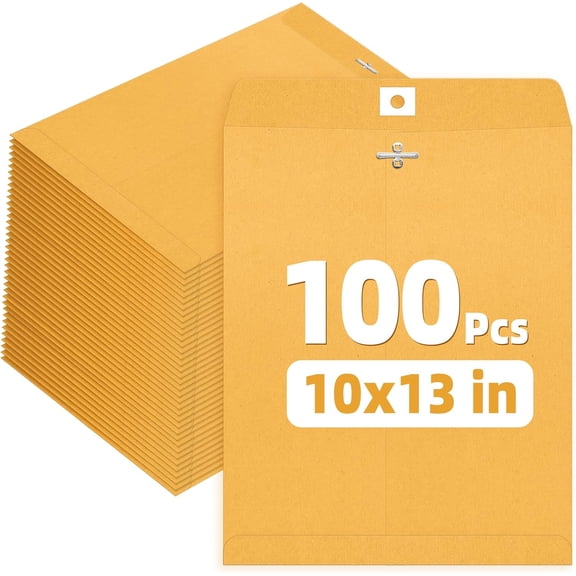
- You can consider 10x13 for thicker packets, catalogs, and larger files.
- You can check 12x15 when your documents need extra width and length.
Choosing clasp envelopes or self-seal closures
You should compare closure type early, because it changes how you reopen, reseal, and route paperwork. You’ll often see clasp envelopes, self seal envelopes, and gummed flaps across this category.
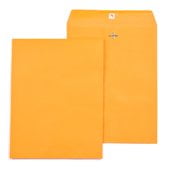
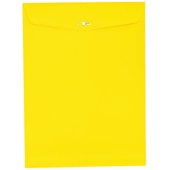
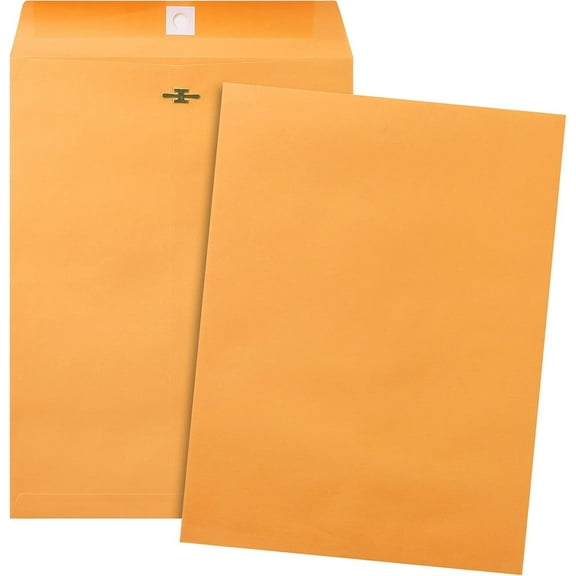
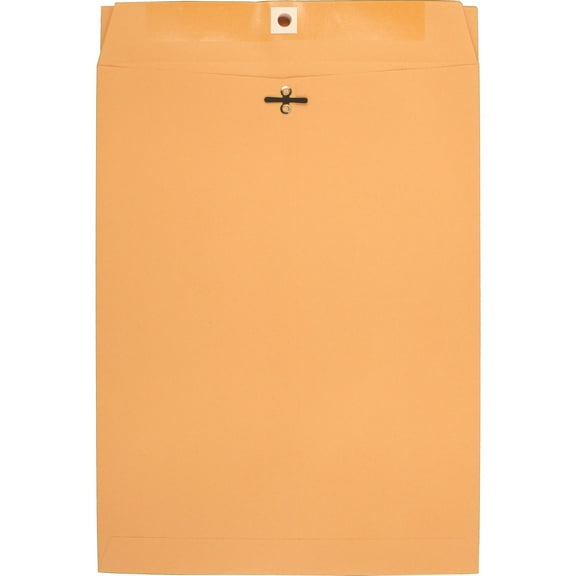
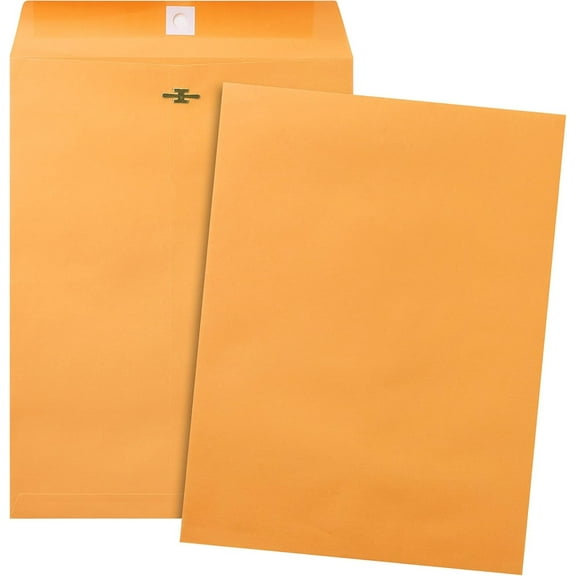
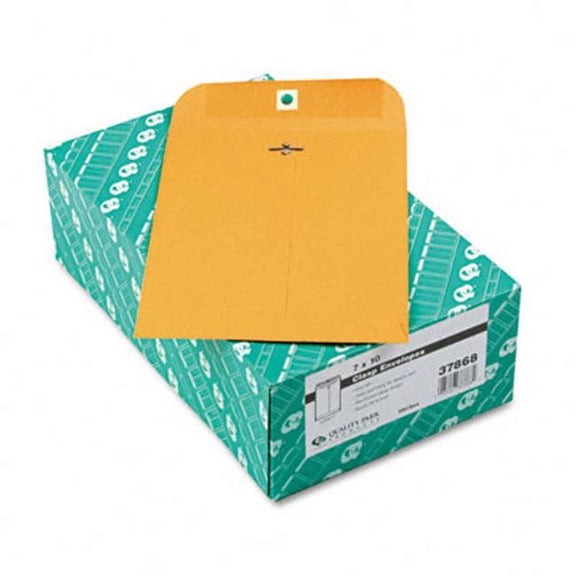
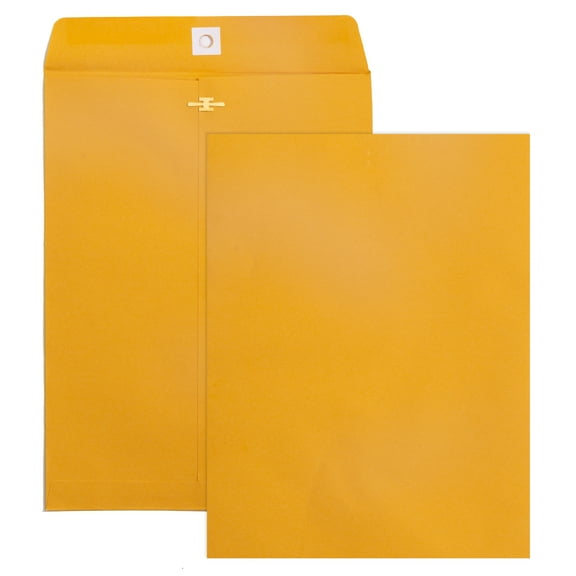
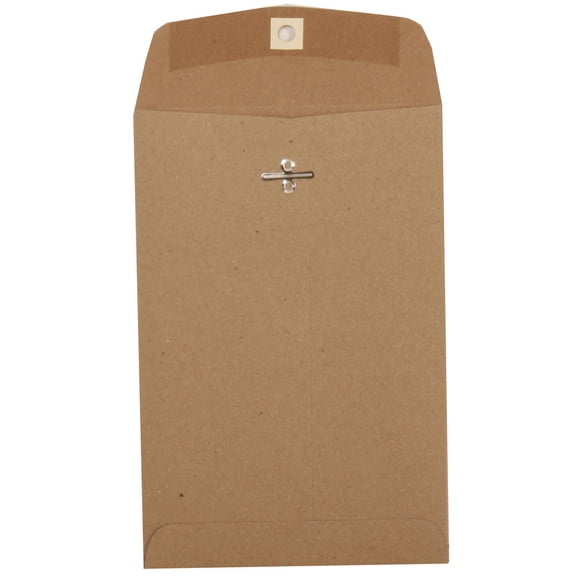
If you reopen envelopes during filing or routing, you may prefer clasp envelopes with a metal fastener and fold-over flap. You can close them again after reviewing contents, which helps during internal office use.
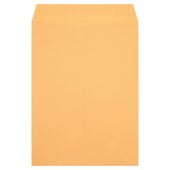
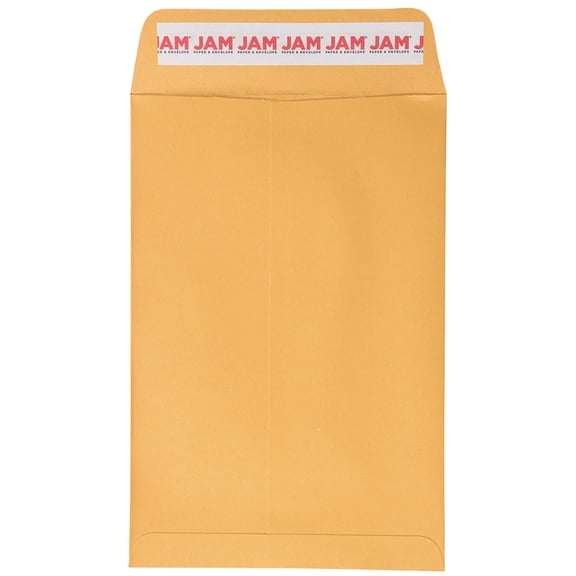
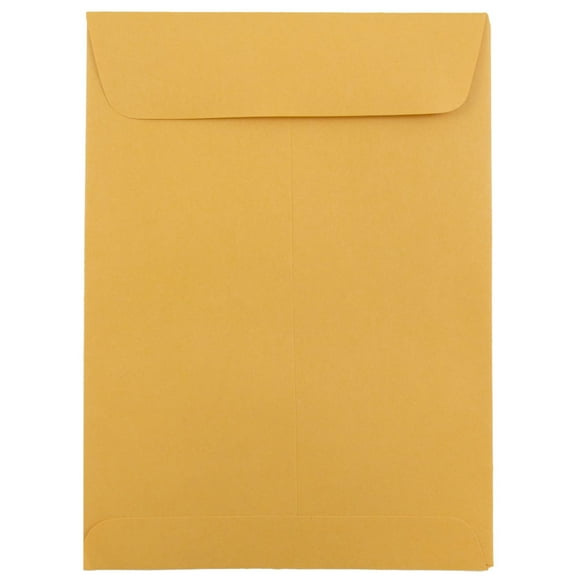
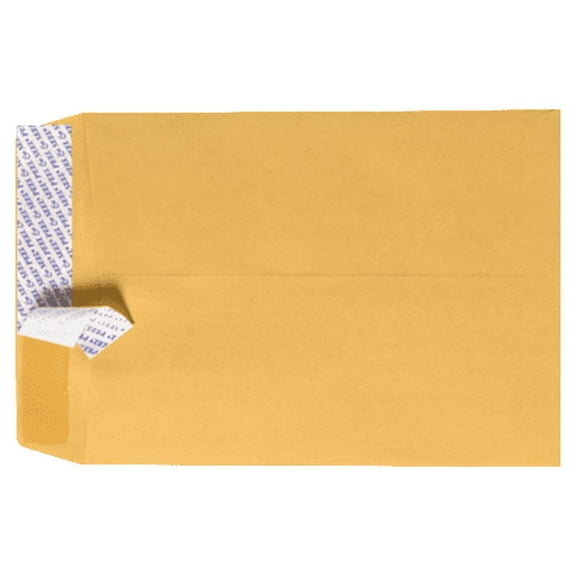
When you want quick packing for outgoing mail, you may lean toward self seal envelopes for a peel-and-press close. You’ll reduce prep steps during busy shipping tasks or classroom packet assembly.
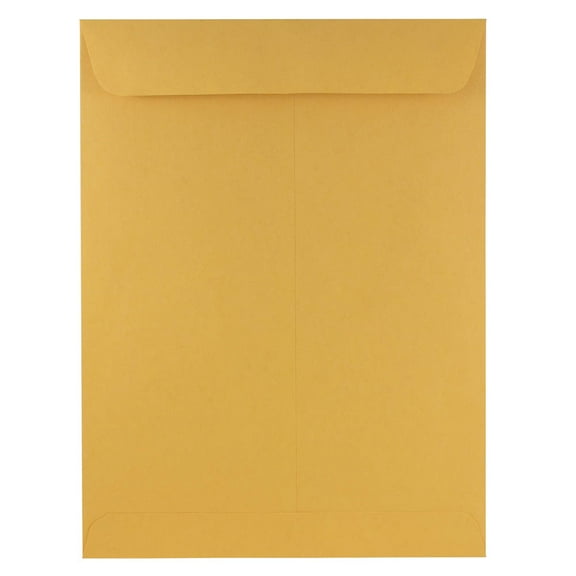
If you want a classic paper flap, you can compare gummed closures that moisten and seal shut. You should check mailing needs first, especially when you’re sending flat documents through standard postal channels.
What to look for in paper weight and durability
You should also compare paper weight, because thicker kraft stock changes how your envelope feels and performs. You’ll commonly see 28 lb, 32 lb, and heavy duty envelopes for sturdier document handling.
If you’re storing everyday papers, you may find 28 lb stock works well for routine filing and sorting. You’ll get a lighter feel that still supports general office organization.
When your packets feel fuller or travel more often, you should consider 32 lb paper for added structure. You’ll notice it helps documents stay flatter during handling, stacking, and transport.
If you need stronger coverage for busy mailrooms or packed document sets, you can look at heavy duty envelopes. You’ll want that extra stiffness when folders, manuals, or multi-page reports need more support.
Comparing pack sizes for home, school, and office use
You should match quantity to how often you mail or file, because pack size shapes daily convenience. You’ll usually see 25 pack, 50 pack, 100 pack, and bulk manila envelopes for larger routines.
If you handle occasional paperwork at home, you may prefer a 25 pack that fits a desk drawer easily. You can keep enough on hand for forms, tax records, and school paperwork.
When your office sends packets every week, you may find 50 pack or 100 pack options easier to manage. You’ll spend less time replacing supplies during recurring mailing projects.
If you support classrooms, departments, or shipping stations, you should compare bulk manila envelopes for steady volume. You can keep team workflows moving when packets, handouts, and records need consistent envelope stock.
How manila envelopes fit everyday tasks
You can use these envelopes for filing, interoffice routing, mailing flat paperwork, and storing important printed materials. You’ll appreciate the familiar kraft finish when you sort records by project, client, or class.
For presentations and contracts, you can choose a flat size that keeps pages unfolded and easy to review. You’ll create a neater handoff when paperwork arrives without creases.
During office routing, you may prefer clasp styles because you can reopen them as documents move between desks. You’ll keep forms together while still allowing repeated access.
For outgoing packets, you can choose self-seal or gummed flaps when you want a streamlined close. You should compare thickness and size together if your paperwork includes multiple sheets or inserts.
In classrooms or home offices, you can use larger envelopes to store worksheets, art pages, or receipts by subject. You’ll keep loose paper easier to sort when each stack has its own size and closure.
You can choose manila envelopes with more confidence when you compare size, closure type, paper weight, and quantity together. You’ll end up with envelopes that fit your documents cleanly and keep your paperwork organized from storage to mailing.