











Knives and Tools












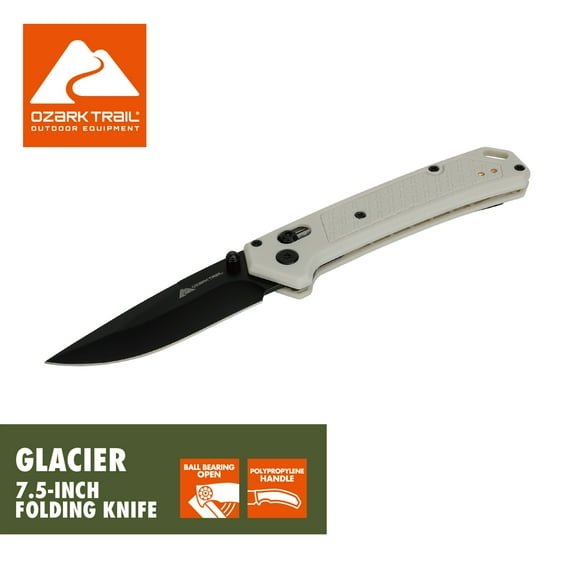
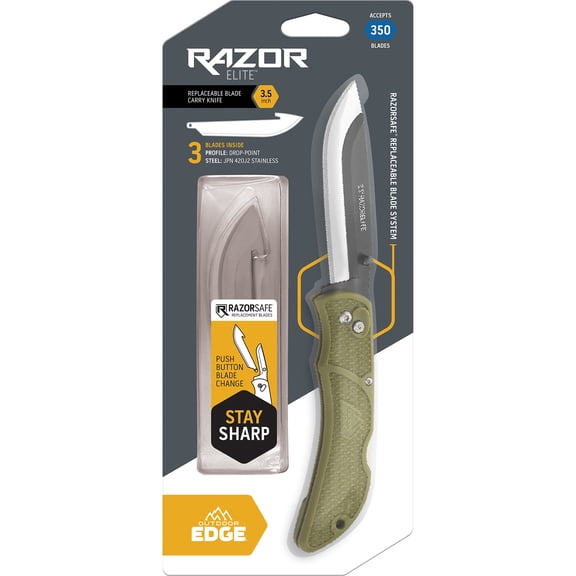
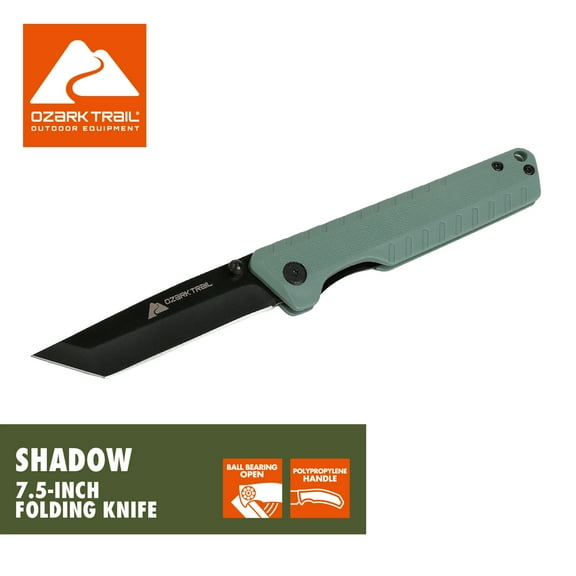


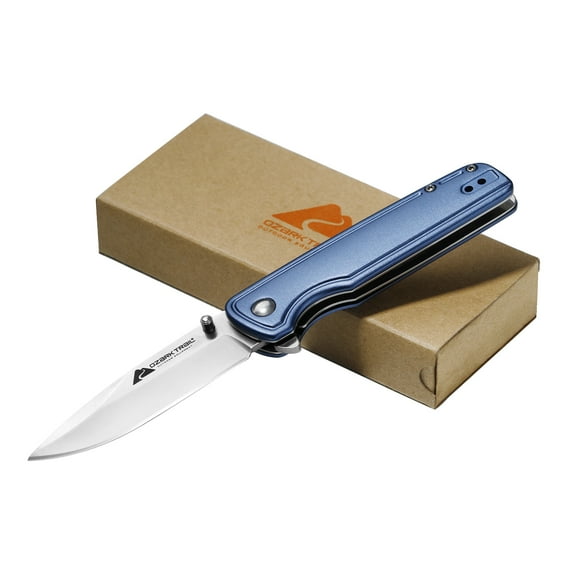









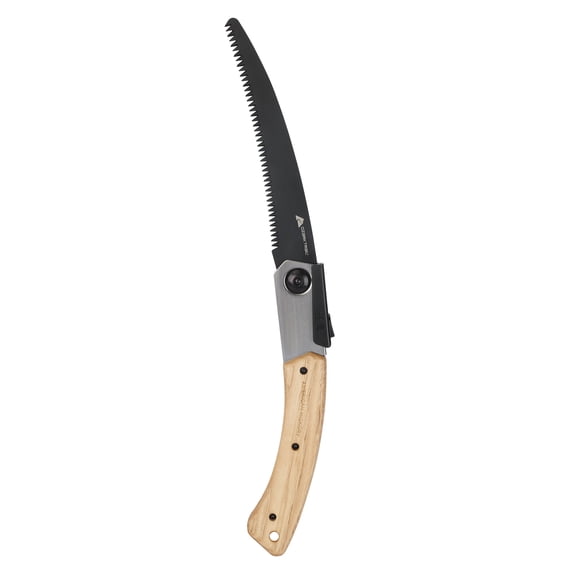


About Knives and Tools - Walmart.com
Knives and tools help you handle camp setup, trail tasks, and everyday carry with one category built for practical performance. You can compare pocket knives, multi tools, and fixed blade options by carry style, steel choice, and locking design.
How to choose knives and tools for daily use
When you compare knives and tools, you should start with the tasks you handle most often. You may want a slim pocket knife for daily carry or a multi tool for varied jobs.
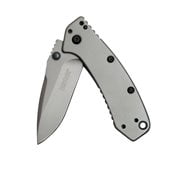
If you open boxes, cut cord, or handle light tasks, you may prefer folding knives with easy pocket carry. If you tighten screws, trim line, and adjust gear, you may prefer multi tools.
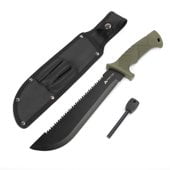
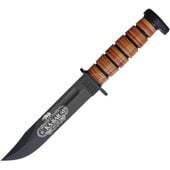
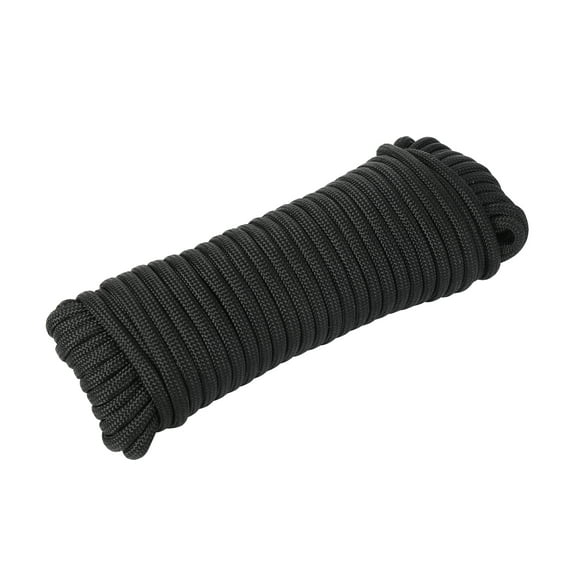
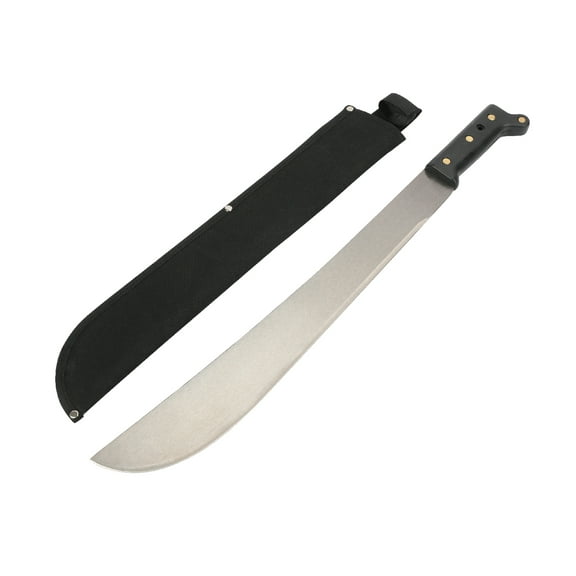
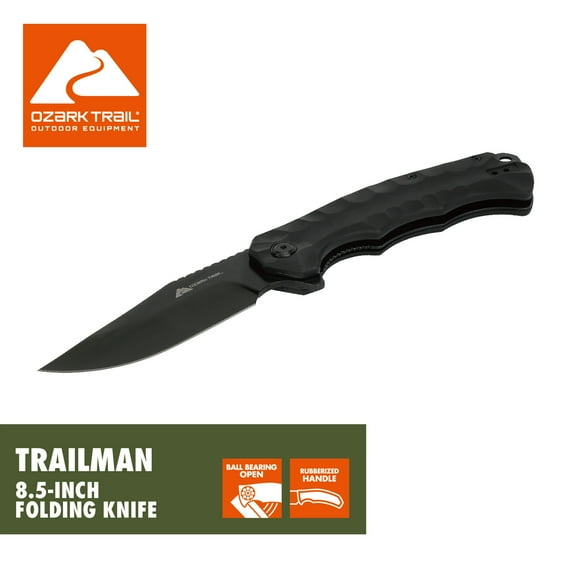
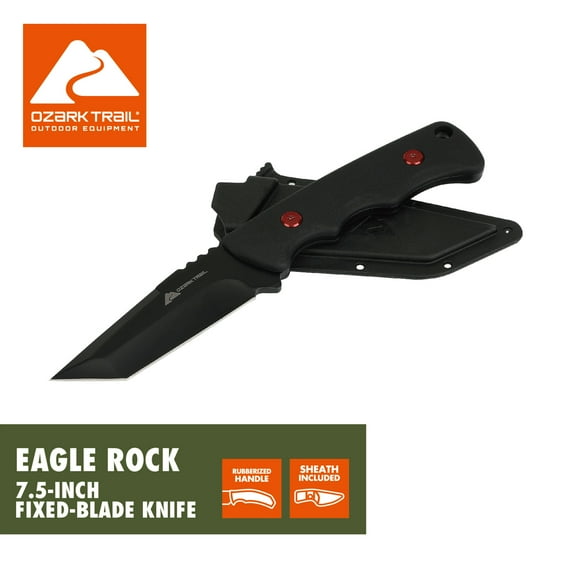
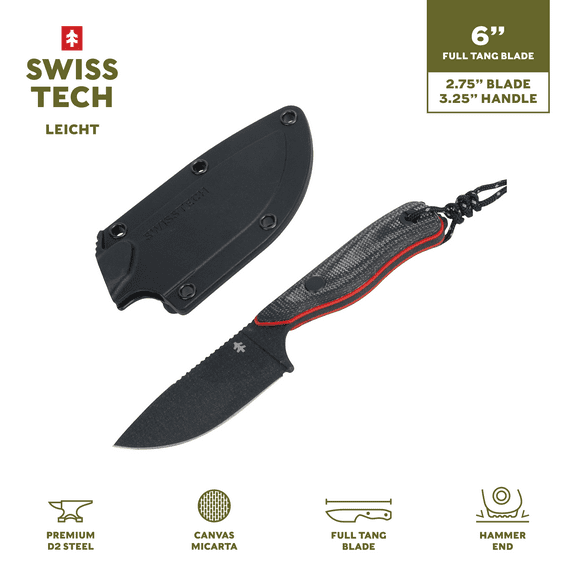
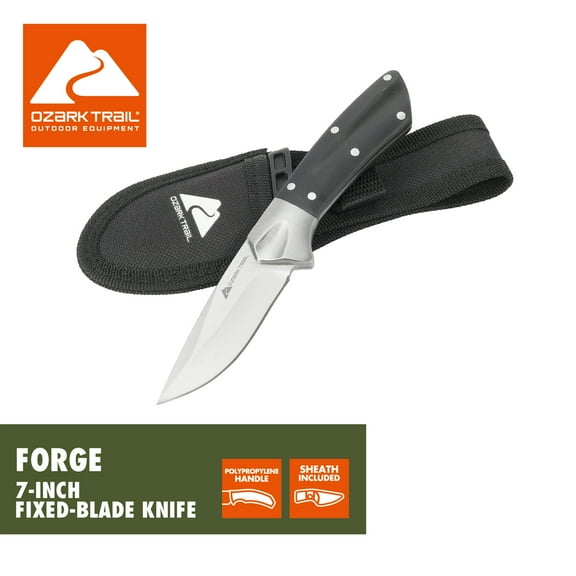
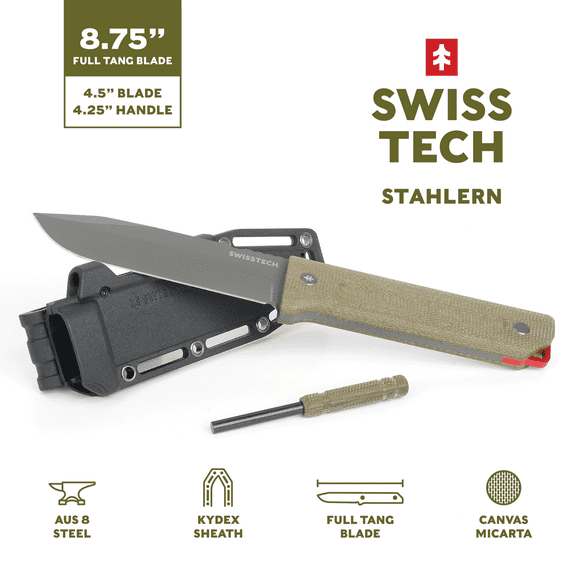
For camp cooking, wood prep, or repeated outdoor work, you may look at fixed blade designs. You’ll usually get quicker access, simpler cleaning, and a stronger feel in hand.
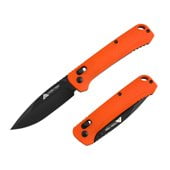
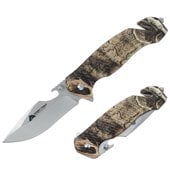
- You can carry pocket knives easily in a pocket, pack, or glove box.
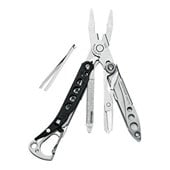
- You can use multi tools for small repairs, camp tasks, and everyday adjustments.
- You can choose fixed blade styles when you want fast access and a solid grip.
- You can match folding knives to lighter cutting tasks and compact storage.
Choosing between pocket knives and multi tools
You should compare tool type by how often you switch between cutting and repair tasks. You may want one blade for simple use or several functions in one compact frame.
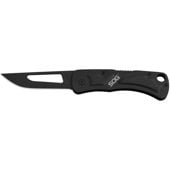
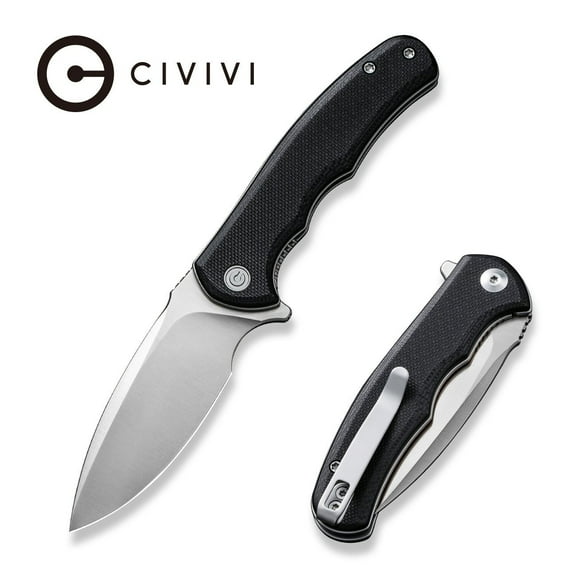
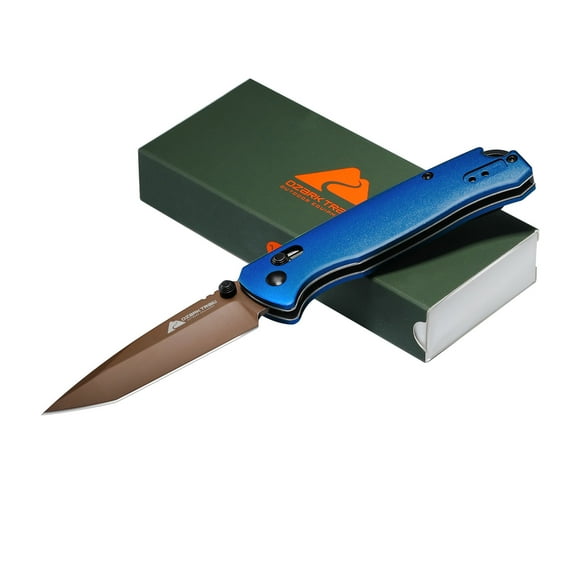
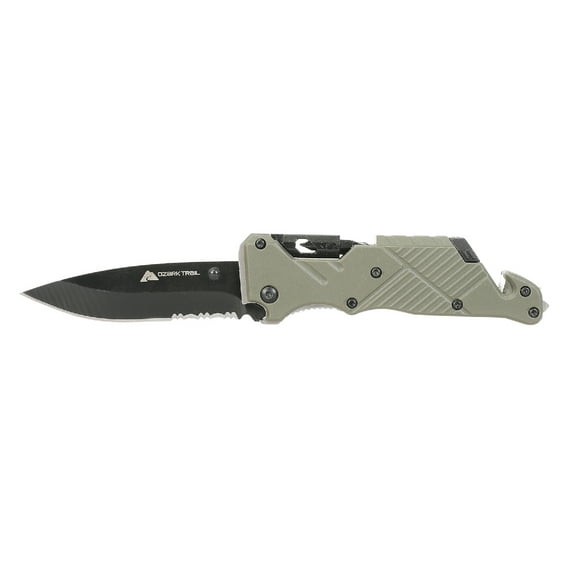
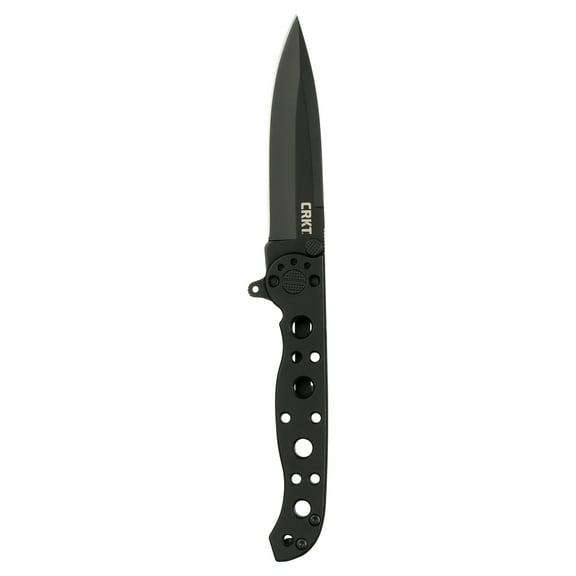
With pocket knives, you usually get a focused cutting tool that stays slim and easy to carry. You may find them useful for rope, packaging, food prep, and quick trail tasks.
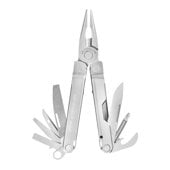
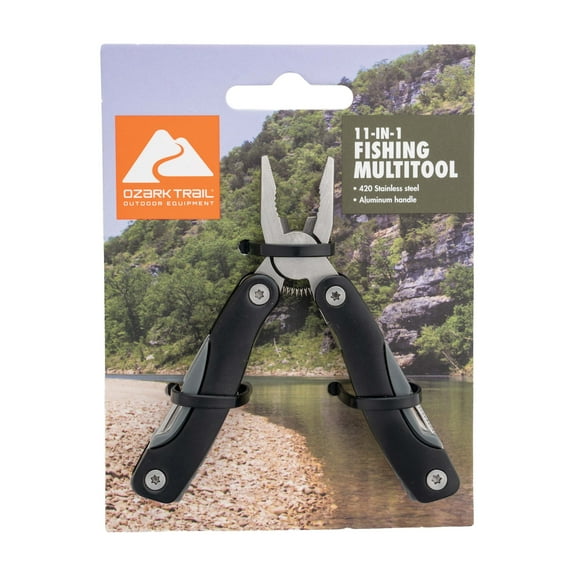
With multi tools, you can carry pliers, screwdrivers, files, and blades in one item. You may choose them for camping kits, vehicle storage, or household touchups.
If you carry gear every day, you should check the closed length and total weight. You’ll notice compact options feel easier in a pocket during long days.
What to look for in blade material and edge performance
You should compare blade material because steel affects sharpening, edge retention, and rust resistance. You may want stainless steel for easier care or carbon steel for a different sharpening feel.
Stainless steel can suit wet weather, fishing kits, and frequent outdoor carry. You’ll usually spend less time wiping down the blade after damp use.
Carbon steel can appeal to shoppers who want a traditional feel and easy field sharpening. You should check care needs, because your blade may need more routine attention.
Titanium details may appear on handles or tool components rather than main blades. You can use that comparison to balance weight, feel, and long-carry comfort.
You should also check blade length before you choose an everyday carry option. You may need a shorter blade length or a non-locking style, depending on local rules.
When you compare edge retention, you’re deciding how long your blade stays ready between sharpenings. When you compare corrosion resistance, you’re judging how your blade handles moisture and storage conditions.
How handle material and locking mechanisms change feel
You should compare handle material because your grip affects comfort and control. You may prefer G10, wood, aluminum, or a rubberized grip based on weather and hand feel.
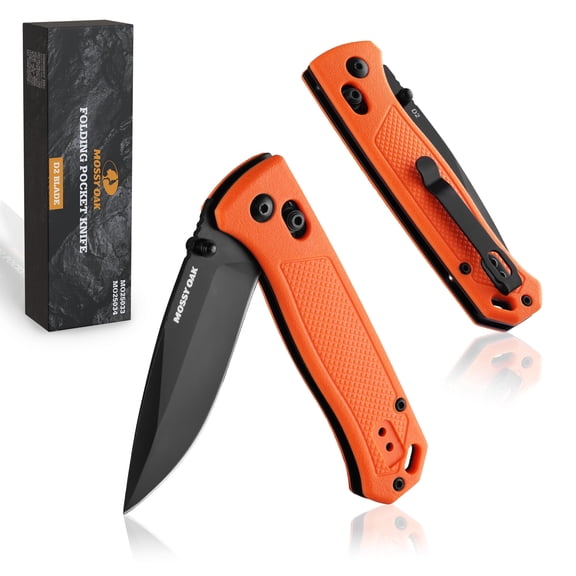
G10 handles can give you a textured surface that feels steady during active outdoor use. You may choose them when you want a grippy hold with low fuss.
Wood handles can give you a classic look and a warmer feel in hand. You should compare texture and contour if you want comfort during longer cutting sessions.
Aluminum handles can keep weight down while giving you a clean, rigid shape. You may like them for everyday carry when your pocket space feels limited.
A rubberized grip can help you keep a steadier hold in wet conditions. You should look for finger grooves or textured panels if your tasks happen outdoors.
Locking mechanisms matter because you want your blade to stay secure during use. You can compare liner lock, frame lock, and lockback systems by one-hand use and closing style.
A liner lock may feel familiar if you want quick thumb access inside a folding handle. A frame lock may feel solid if you like a simple metal-backed design.
A lockback can appeal to shoppers who prefer a centered feel and traditional action. You should also review local locking laws before you carry a locking pocket knife.
Matching knives and tools to camping, EDC, hunting, and tactical tasks
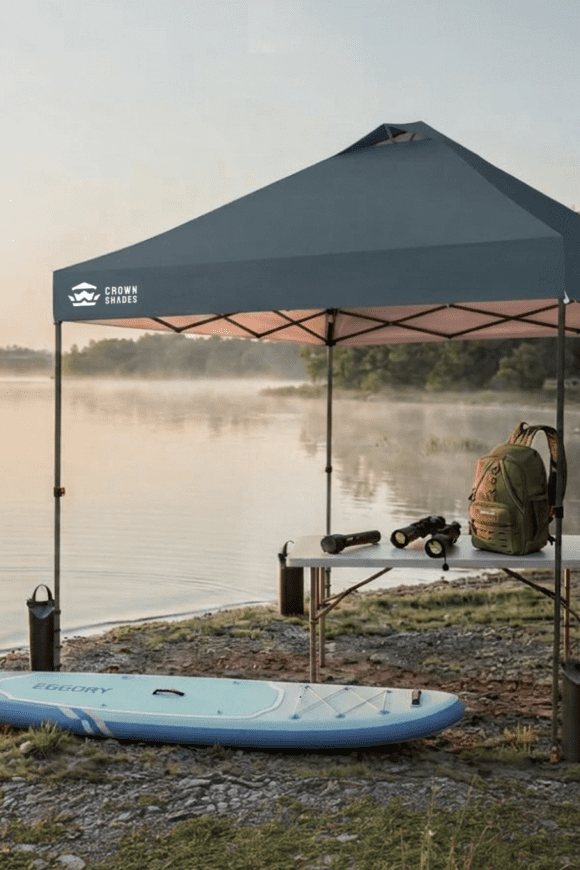
You should match your choice to the setting where you’ll use it most. You may want camping knives for food prep, cord cutting, and pack-friendly outdoor carry.
For everyday carry, you can focus on compact folding knives with practical blade lengths and pocket clips. You should compare opening style, grip texture, and carry weight for daily comfort.
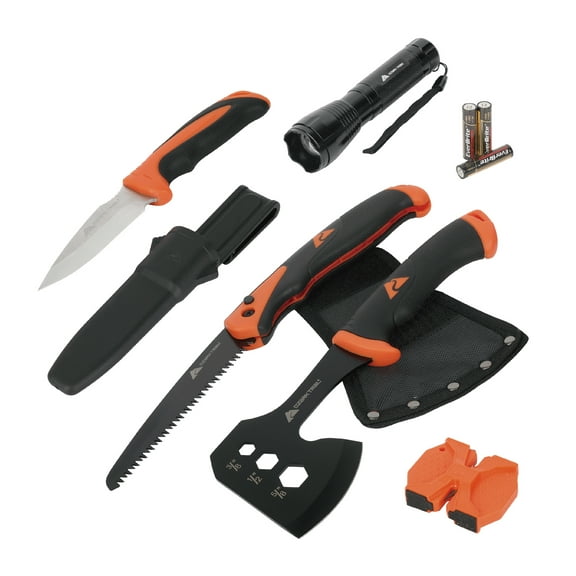
For camping, you may want multi tools that support gear adjustments, stove setup, and quick repairs. You can also pair a multi tool with a dedicated blade for broader camp coverage.
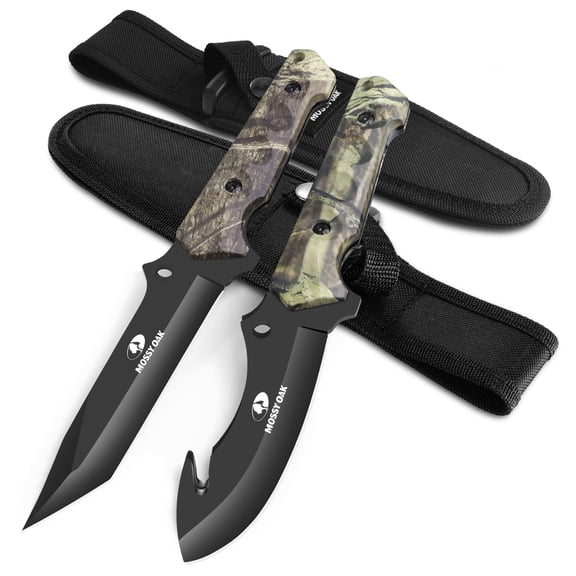
For hunting tasks, you may look for blade shapes and handle textures that support controlled cutting. You should compare cleanability, grip security, and sheath or carry style.
For tactical-inspired use, you may focus on deployment style, handle traction, and compact storage. You should still compare local rules, because carry preferences often depend on blade length and lock design.
When you choose with these decision points in mind, you can narrow the category quickly. You’ll end up with knives and tools that fit your carry style, task mix, and outdoor routine.