



Stools in Camping Chair Accessories
























About Stools in Camping Chair Accessories - Walmart.com
You can compare a camping stool by packed size, seat height, and frame strength before you head out. You’ll notice this category focuses on quick-carry seating that fits tight camp setups and changing terrain.
When you’re choosing for backpacking or car camping, you’ll want different tradeoffs in weight and support. You can use these decision points to narrow camping stools that match your setup style.
How to choose a camping stool
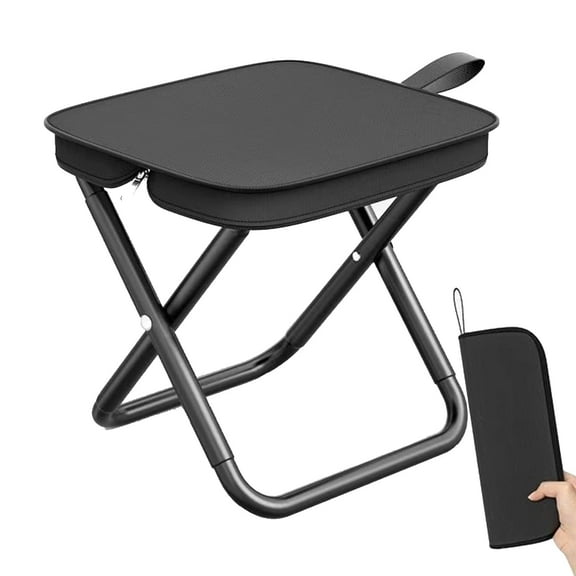
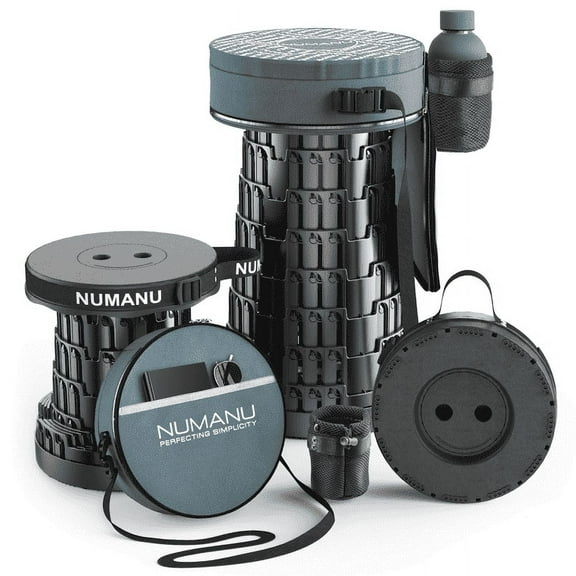
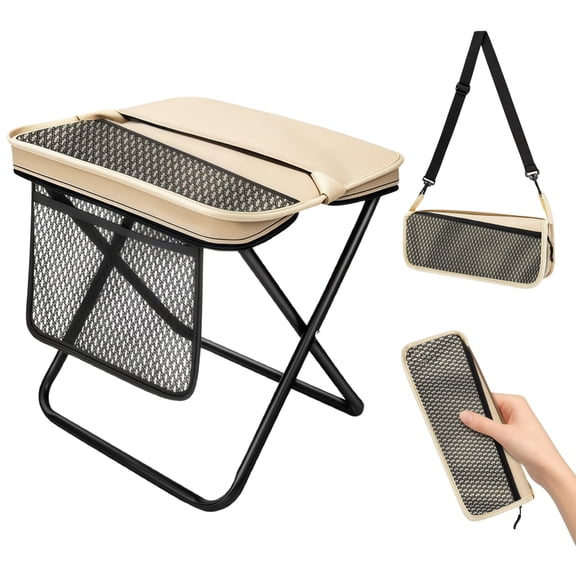
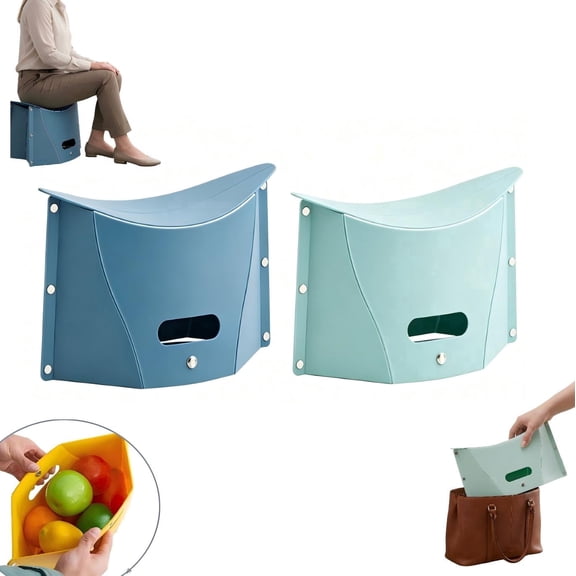
You should start with how far you’ll carry it and how often you’ll pack it away. You’ll usually want a foldable camping stool for quick setup and a telescopic style for compact storage.
If you’re packing light, you may prefer aluminum or titanium frames because you’ll feel less bulk in your bag. If you’re car camping, you may choose steel when you want a steadier feel.
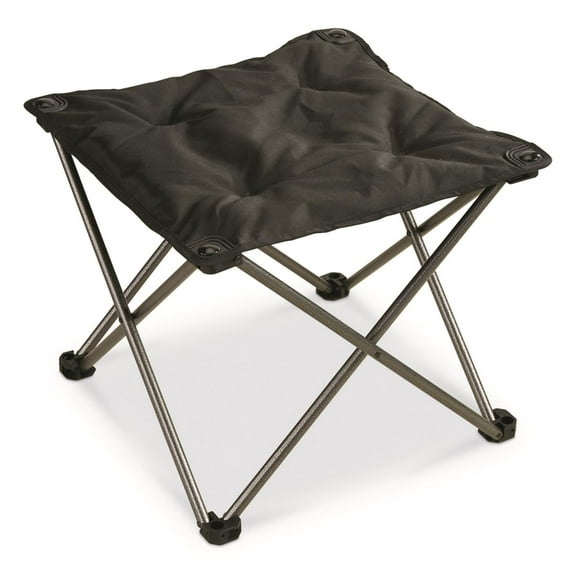
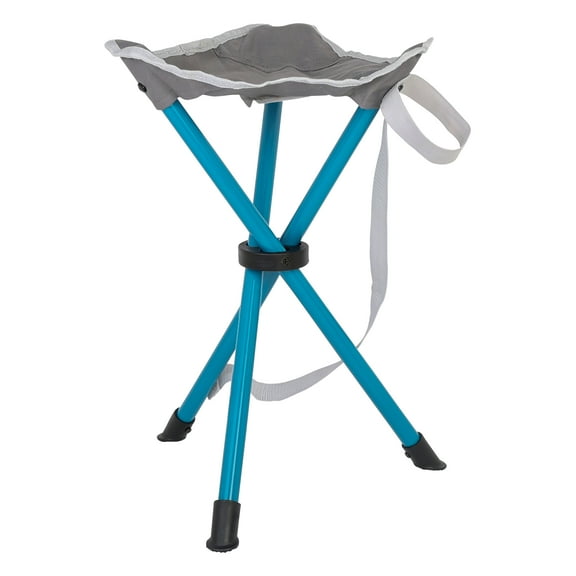
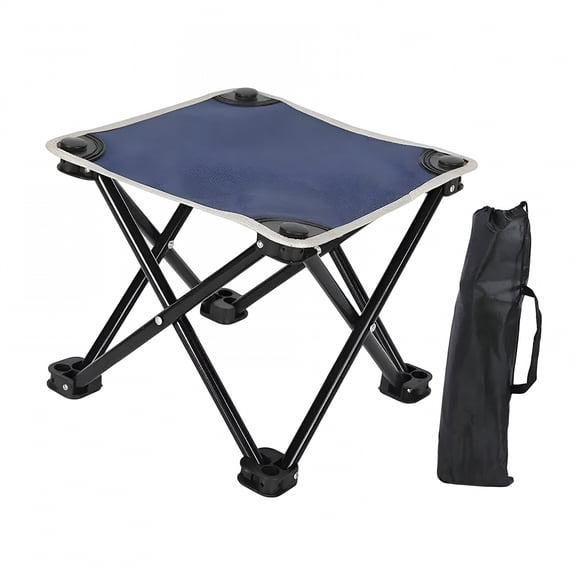
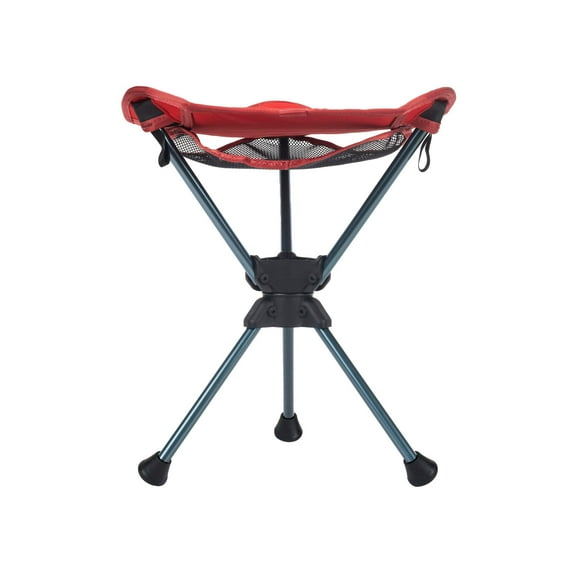
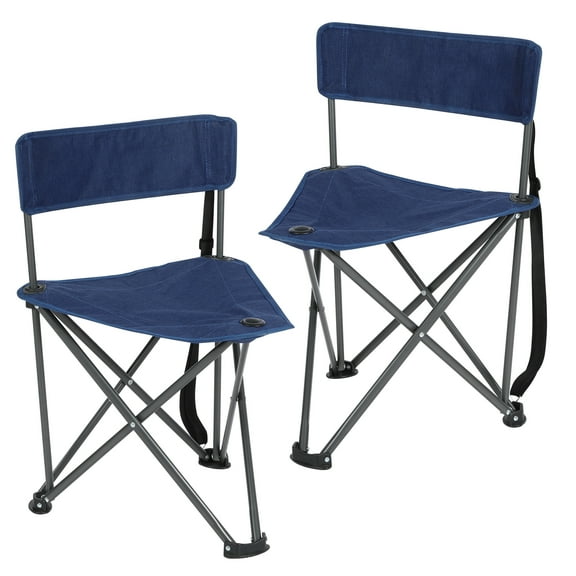
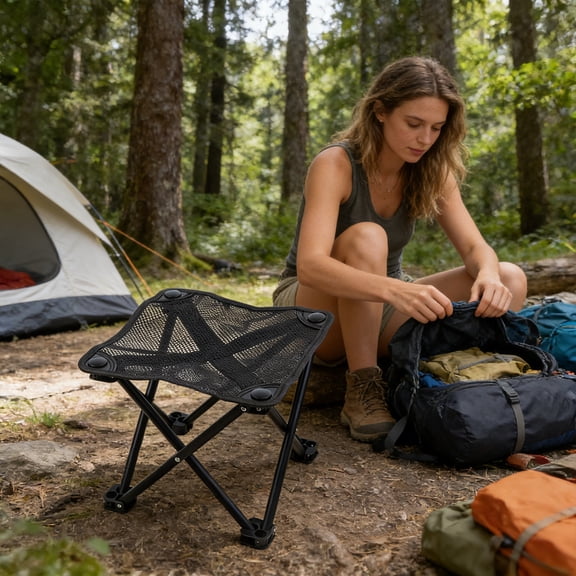
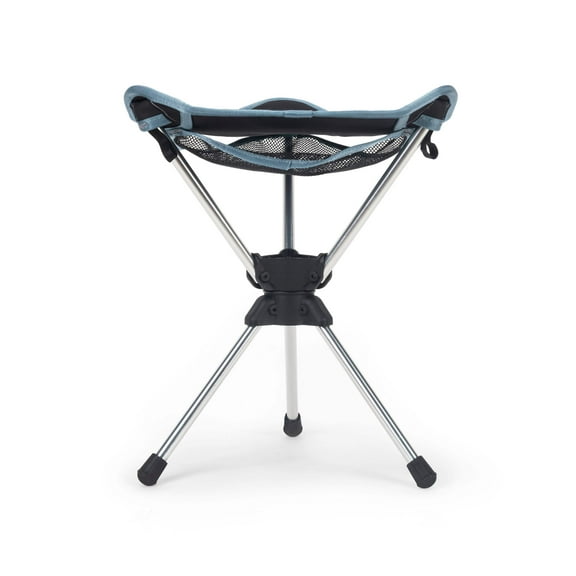
Seat shape also changes how you sit during meals, breaks, and fireside downtime. You’ll often find tripod stools lighter, while four-legged designs can feel more planted on flatter ground.
- You can carry collapsible options easily on hikes, fishing trips, and festival walks.
- You’ll get quick setup when your stool opens in one motion or telescopes with simple locks.
- You can match seat height to your campfire circle, picnic table, or cooking station.
- You’ll have clearer weight guidance when you compare standard and heavy-duty ratings.
Comparing frame material and seat fabric
You should compare frame material first because it affects carry weight and overall feel. You’ll often see steel, aluminum, and titanium, and each one suits a different packing plan.
If you want a sturdy camp stool for tailgates or base camps, you may lean toward steel. If you want less pack weight, you’ll often choose aluminum or titanium for longer carries.
You should also check the seat fabric because it changes comfort and wear over repeated trips. You’ll commonly see polyester, nylon, and oxford fabric across camping stool chair styles.
When you compare fabric details, you may notice denier numbers like 600D Oxford. You can read that as thicker, abrasion-resistant material for repeated setup on rough surfaces.
Nylon can help you keep weight down when every ounce matters in a backpack. Polyester can work well when you want familiar feel and easy cleanup after dusty weekends.
Choosing foldable camping stool options
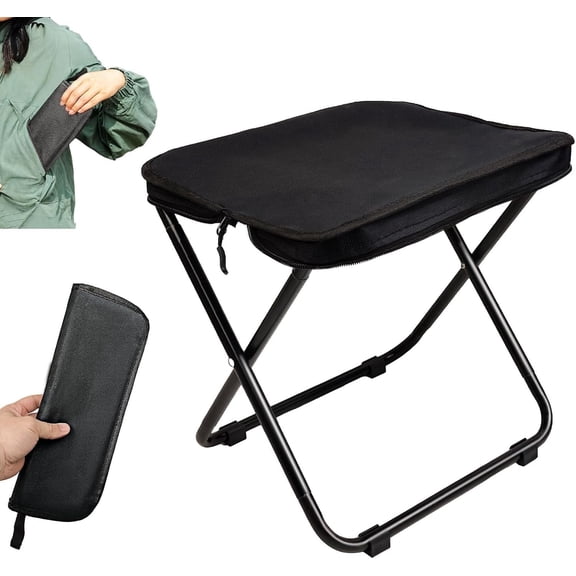
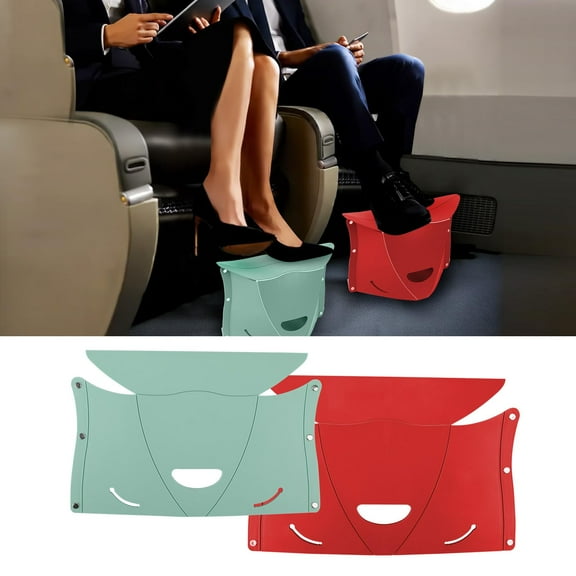
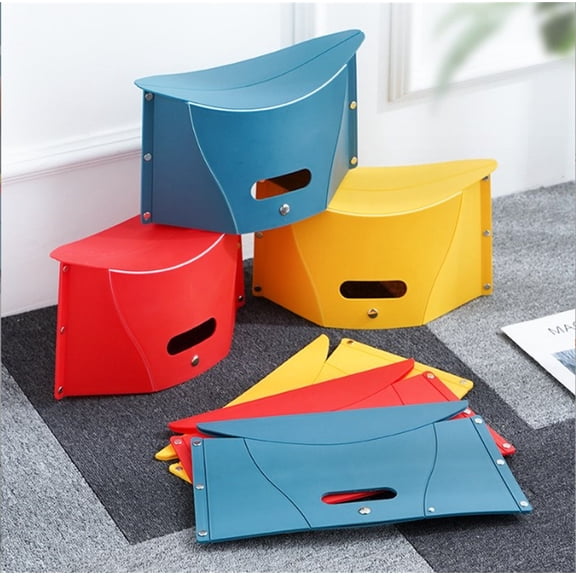
You should measure how compact your stool gets before you decide between backpacking and car camping. You’ll usually want a folding camping stool or collapsible camp stool when trunk space or pack space runs tight.
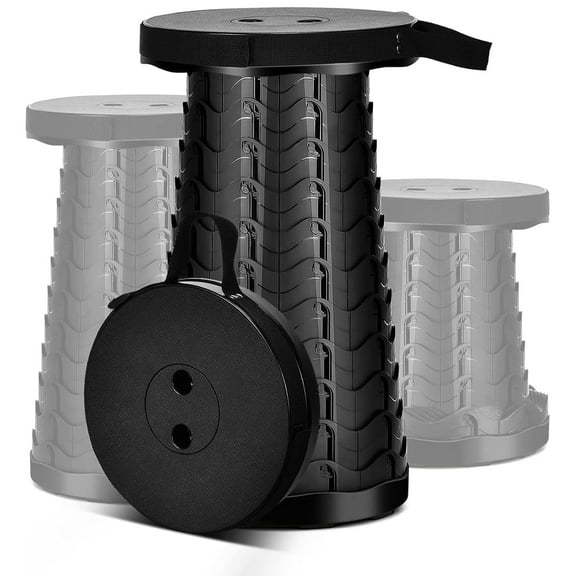
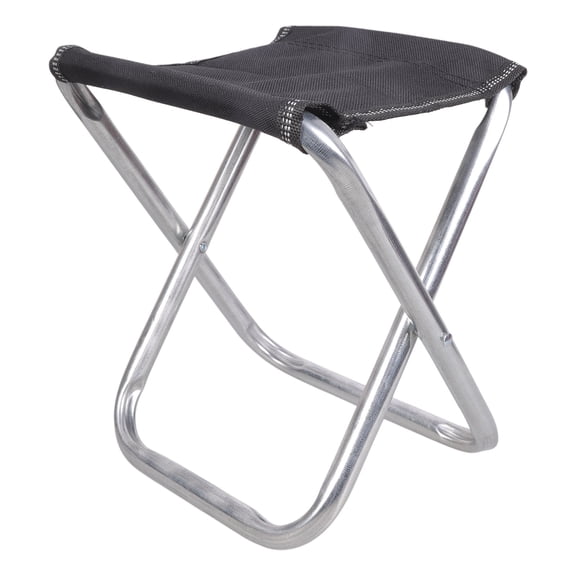
Tripod and scissor-fold designs can open quickly and slide into side pockets or gear bins. Telescoping disc styles can shrink into a round profile that you can stack or clip easily.
You’ll also want to check seat height because comfort changes with your campsite routine. If you sit around a low fire ring, you may like lower ground clearance and a relaxed posture.
If you eat at a camp table or prep food often, you may want more height. You’ll find that a camping bar stool shape or taller stool can pair well with raised surfaces.
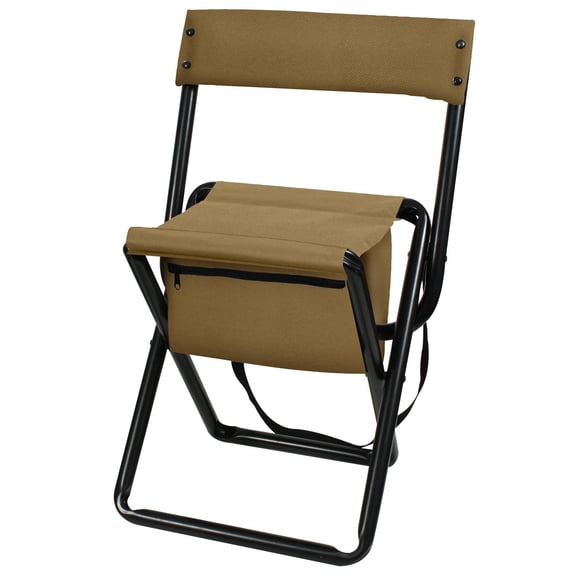
Some shoppers may want a stool with backrest support for longer sitting periods. You can treat that design as a bridge between a camp stool and a compact camp chair.
Checking weight capacity and stability
You should compare the listed weight rating because it tells you how manufacturers build the frame to support regular use. You’ll often see standard options around 250 pounds and heavier-duty models above that range.
If you want more confidence on uneven ground, you should look at leg spread and joint construction. You’ll usually notice that wider bases and reinforced hinges help the stool feel steadier.
You can also compare how the feet perform on dirt, gravel, or packed campsites. If you use a foldable camping stool on firm ground often, you may prefer a four-legged base.
Tripod styles can stay appealing when you want lighter carry and quick setup. You’ll often trade some planted feel for lower weight and a smaller folded footprint.
If you’re tall or you shift positions often, you should check both capacity and seat dimensions. You’ll get a more useful fit when the width and height match your sitting style.
Matching camping stools to real trips
You can match lightweight frames and compact folds to backpacking weekends and day hikes. You’ll appreciate a campstool that slips into your pack without taking space from cooking gear.
For lakeside fishing, outdoor concerts, and sports sidelines, you may want simple carry and quick access. You’ll often like a folding outdoor stool that opens fast during short stops.
If your setup centers on tailgates or family camp kitchens, you may choose more height and support. You’ll likely use a camping stool foldable design that moves easily between coolers, tables, and fire pits.
For longer sitting sessions, you may compare a stool with backrest or wider seat panels. You can also look for oxford fabric and stronger frame materials when your trips stay frequent.
When weather shifts and surfaces change, you’ll benefit from durable fabric and stable geometry. You can narrow camping stools faster when you compare portability, height, and rating together.
You’ll make a smarter pick when your camping stool fits your carry method, campsite layout, and sitting habits. You can use those details to land on a stool that packs compactly and seats you comfortably.