



Sexual Enhancers in Sexual Wellness


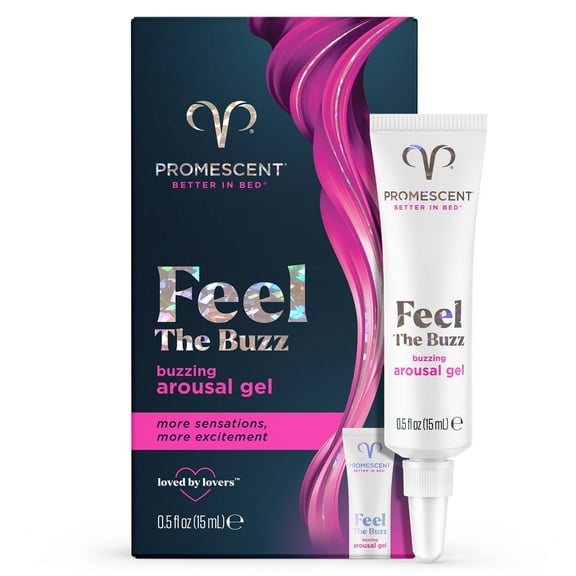



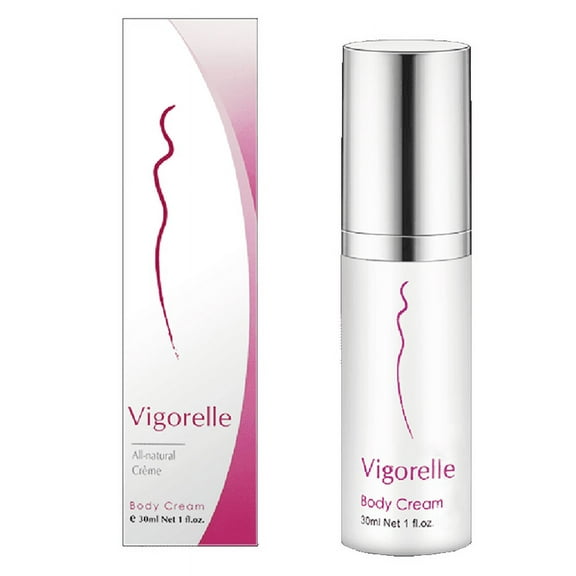





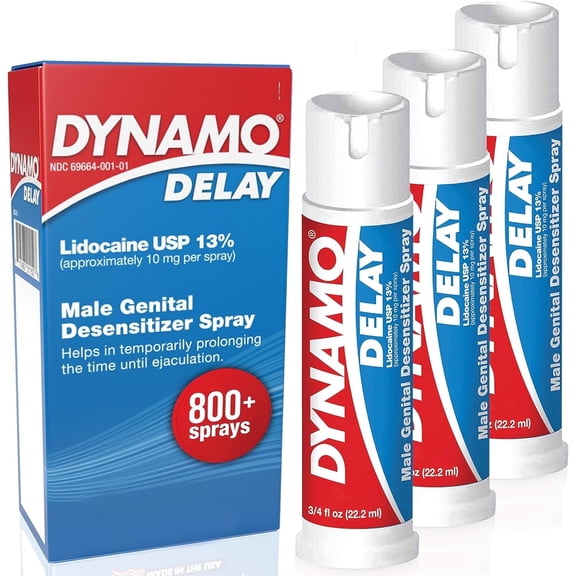

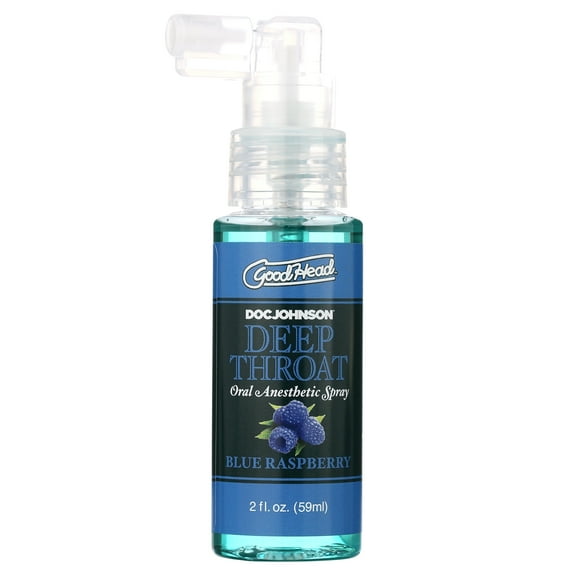
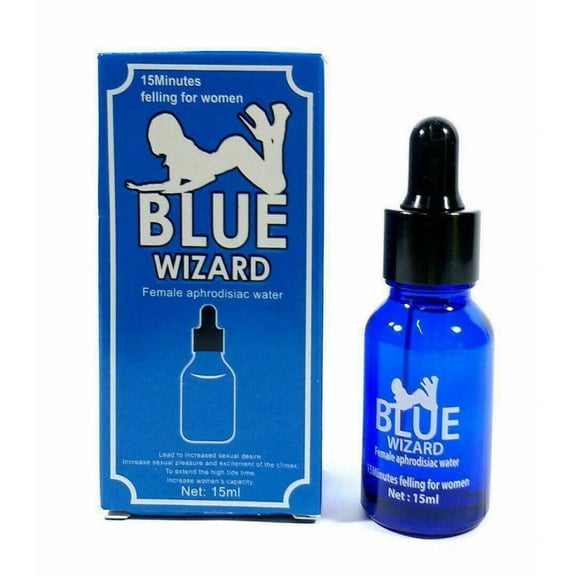

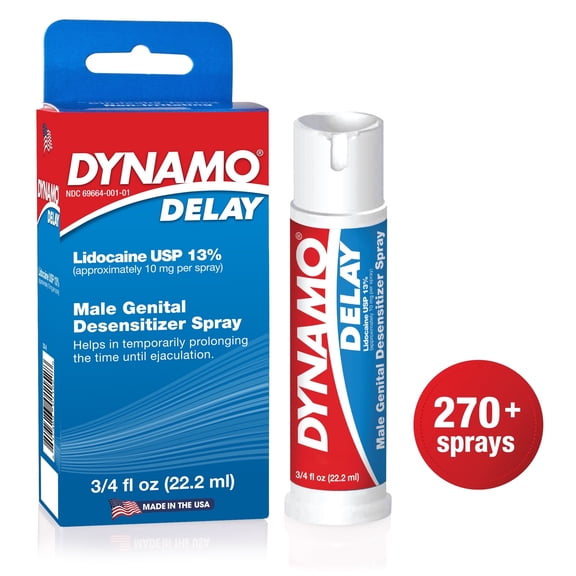

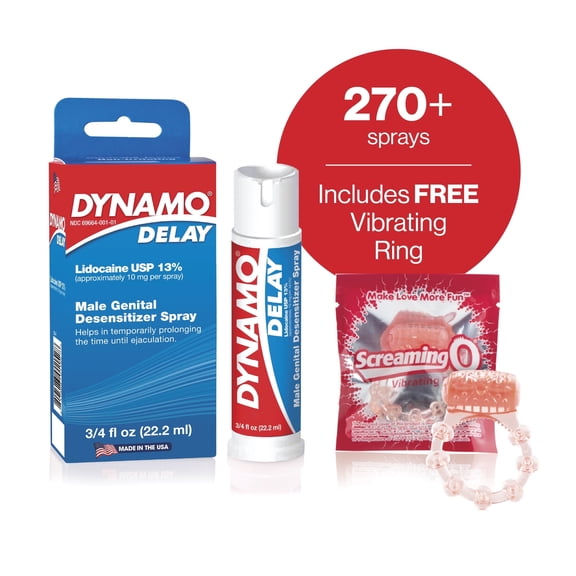
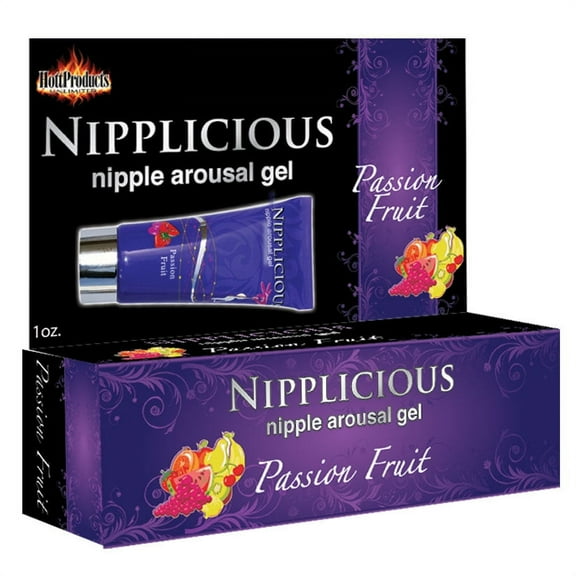








About Sexual Enhancers in Sexual Wellness - Walmart.com
Closet organizers help you turn crowded rods, empty corners, and hard-to-reach shelves into usable storage for clothes, shoes, and accessories. You can compare hanging, freestanding, and wall-mounted options to match your layout, your routine, and your available space.
If you're organizing a walk-in, reach-in, or small wardrobe, you can use the right setup to separate folded items, hanging pieces, and daily essentials. You'll also find category options that support closet organization with shelves, drawers, rods, and cubbies.
Modular closet storage systems for every space
Start with exact width, depth, and height measurements so you can check fit before you choose any system. You should also measure door swing, baseboards, and hanging clearance for longer garments.
Mount type shapes how your setup works in daily use. You can choose hanging closet organizers for quick setup, freestanding units for flexible placement, or wall-mounted styles for a built-in look.
Configuration matters just as much as size. You can compare closet shelves, drawers, hanging rods, and cubbies based on whether you fold sweaters, hang workwear, or sort shoes.
Closet storage systems help you create zones, so your outfits, shoes, and accessories stay easier to find each morning. You can spend less time digging through stacked piles or crowded hangers.
Modular layouts also give you room to adapt as your wardrobe changes through seasons or routines. You can move shelves, add bins, or shift rod space when your storage needs change.
- You can separate folded clothes, handbags, hats, and shoes into dedicated spaces.
- You can keep everyday items at eye level and store occasional pieces higher up.
- You can use vertical space more efficiently with stacked shelves or hanging compartments.
- You can create clearer categories for shared closets, kids' rooms, or guest spaces.
When you match the organizer type to your closet size, your storage feels more intentional and easier to maintain. You'll notice that a reach-in closet needs different planning than a walk-in layout.
Smaller closets often benefit from narrow shelves, double-hang sections, or hanging fabric compartments. Larger spaces may give you room for freestanding towers, wider shelf runs, or multiple drawer sections.
Hanging closet organizers & shelves
Hanging closet organizers usually work well when you want a simple update without hardware or permanent changes. You can place them over a rod and start sorting sweaters, shoes, or accessories quickly.
Freestanding units make sense when you want flexibility or need storage outside a standard closet frame. You can reposition them in a wardrobe area, dressing room, or open bedroom wall.
Wall-mounted options often suit spaces where you want a fixed layout with clear vertical structure. You should check stud placement, wall type, and tool needs before you install them.
Material changes the feel and function of your setup. You can choose fabric for lightweight storage, wood for a furniture-style look, wire for visibility, or metal for a clean frame.
Weight capacity matters when you plan for jeans, stacked sweaters, handbags, or shoe collections. You should compare how much each shelf or rod can hold, so your layout matches your garment load.
A shelf that holds folded tees may not suit heavy denim stacks or storage baskets. You'll want stronger support when you store boots, bulkier knits, or denser accessories.
Adjustable parts can give you more control over closet organization as your needs shift. You can look for shelves that move later, rods that change height, or cubbies that support bins.
Installation complexity also affects your choice. You can compare tool-free pieces for faster setup or assembled systems that may need a drill, anchors, or extra measuring steps.
Closet organization ideas for real rooms
In a walk-in closet, you can combine drawers, shelves, and hanging rods to create dressing zones for workwear, shoes, and accessories. You can often benefit from adjustable sections that change with seasons.
For a reach-in closet, you can focus on vertical storage and clear access from the front. Hanging closet organizers, double rods, and narrow closet shelves can help you use limited depth.
If you're working with a small closet, you should prioritize slim profiles and stacked storage. You can use cubbies for shoes, shelves for folded pieces, and top space for less-used items.
Wardrobe setups often need freestanding or modular pieces that don't rely on a built-in closet frame. You can pair drawers with rods to create a flexible clothing station in bedrooms or apartments.
Shared closets call for visual separation, so each person can keep items contained and easy to identify. You can assign shelves, drawer sections, or rod zones by person, category, or routine.
Seasonal rotation also becomes easier when your organizer includes accessible upper and lower storage. You can keep current pieces in reach and move off-season items into bins or higher cubbies.
What to look for before you decide
You should compare dimensions, weight support, assembly steps, and adjustability before you choose among closet organizers. Those details affect how well your system fits your room and your clothing mix.
When you choose with your measurements and habits in mind, your setup works harder from day one. This helps you get a cleaner closet layout that keeps clothes visible, sorted, and easier to access.