

RV Leveling Blocks in RV Levelers













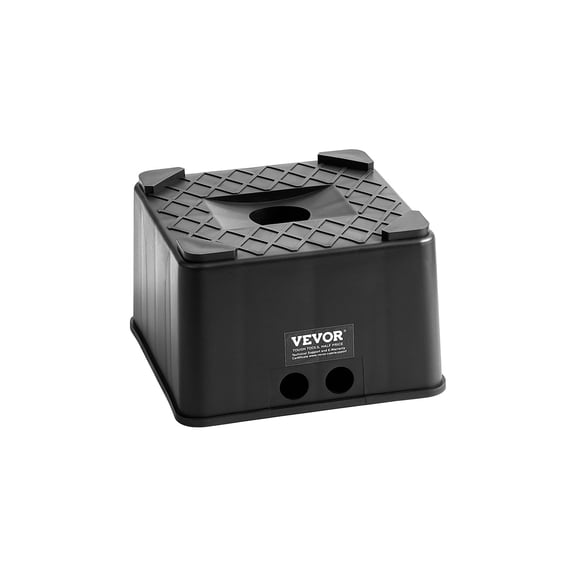
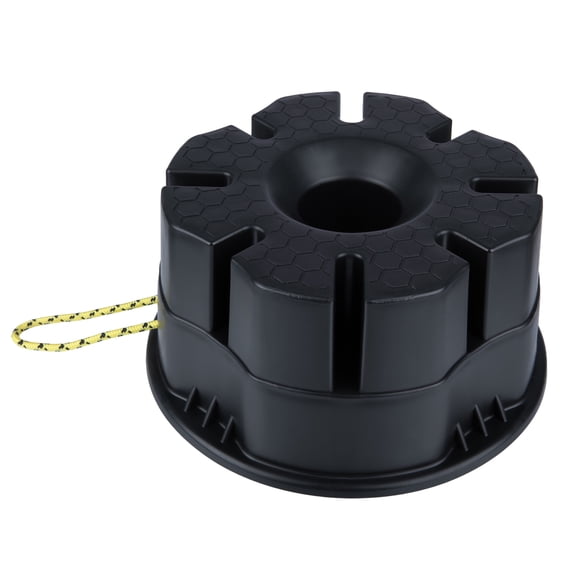
About RV Leveling Blocks in RV Levelers - Walmart.com
How to level an rv starts with the right RV leveling blocks, so you can park evenly on gravel, asphalt, grass, or packed dirt. You’ll find these blocks give you a simple way to adjust height under your tires before you settle in.
When you compare camper blocks on Walmart.com, you can focus on material, vehicle type, block design, and compatibility. You’ll also see options that fit travel trailers, motorhomes, campers, and leveling blocks for 5th wheel setups.
How to level an rv with leveling blocks
You can start by checking your parking spot and placing a level on your floor, countertop, or entry step. You’ll want to see which side sits lower before you position a level block.
Next, you can place leveling blocks in front of or behind the low-side tire, depending on your approach path. You’ll then drive forward or back onto the stack until your RV sits close to even.
Once you reach the right height, you can recheck your level and add or remove a block if needed. You can get fine adjustment when you use stackable leveler blocks instead of guessing with loose boards.
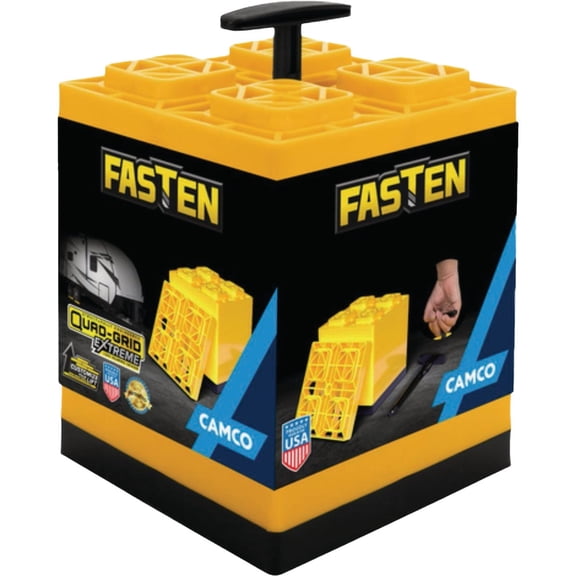
- You can build gradual height with interlocking blocks.
- You can adjust for uneven campsites without cutting wood.
- You can store compact stacks in your RV compartment.
- You can match the block setup to your tire position and terrain.
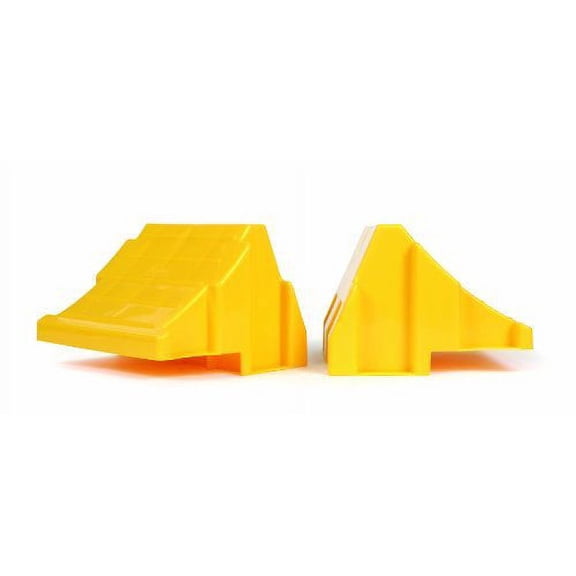
After you level side to side, you can complete your setup with stabilizers, wheel chocks, and other RV accessories. This helps create a steady parked position when your support gear works together.
Choosing leveling blocks by material
You can compare heavy-duty plastic, rubber, and wood by traction, weather exposure, and storage needs. You’ll usually prefer purpose-built blocks because they stack predictably and fit RV use cleanly.
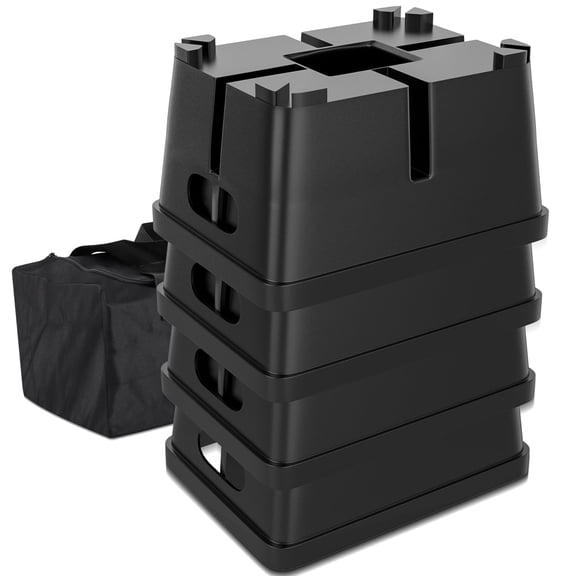
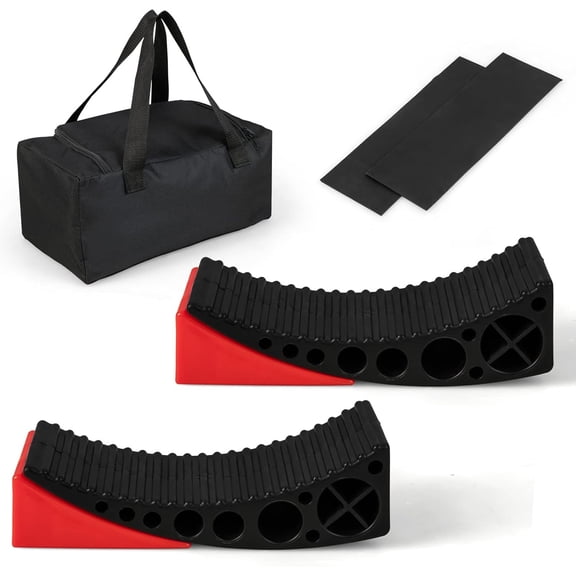
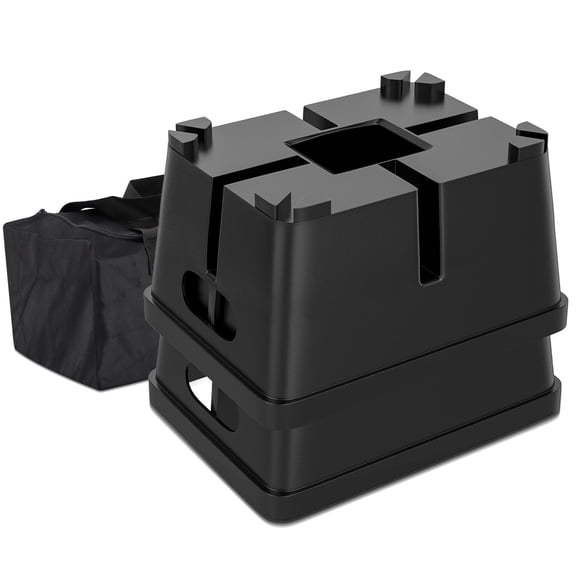
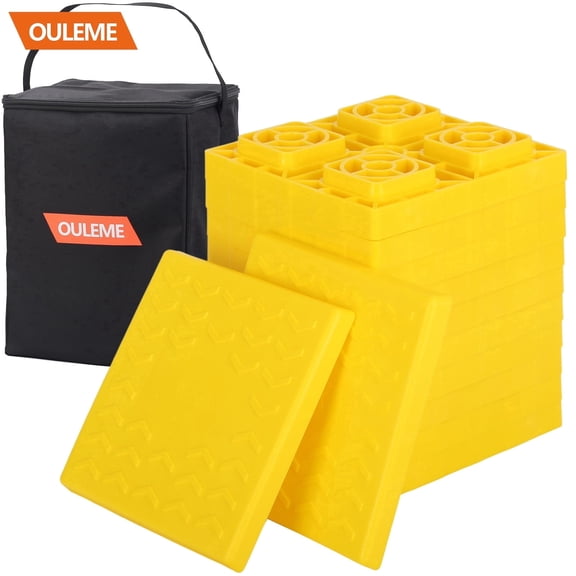
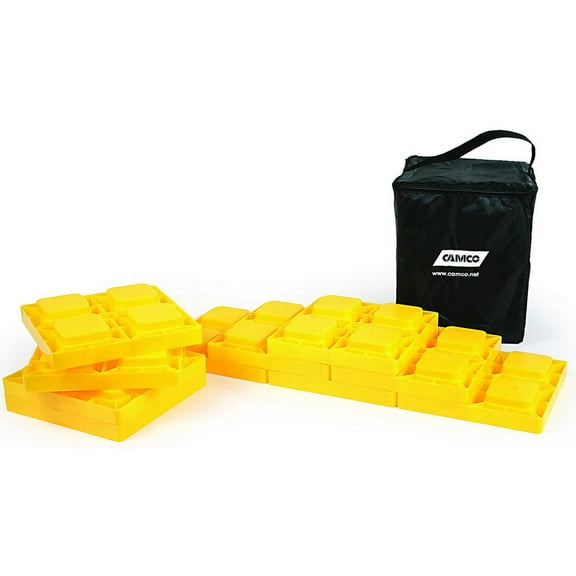
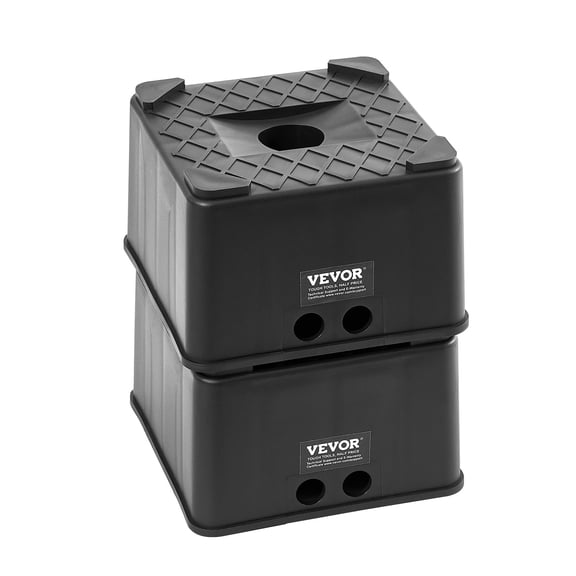
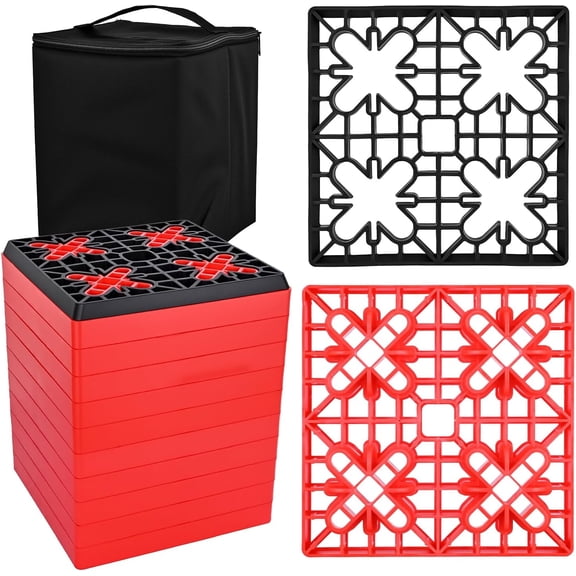
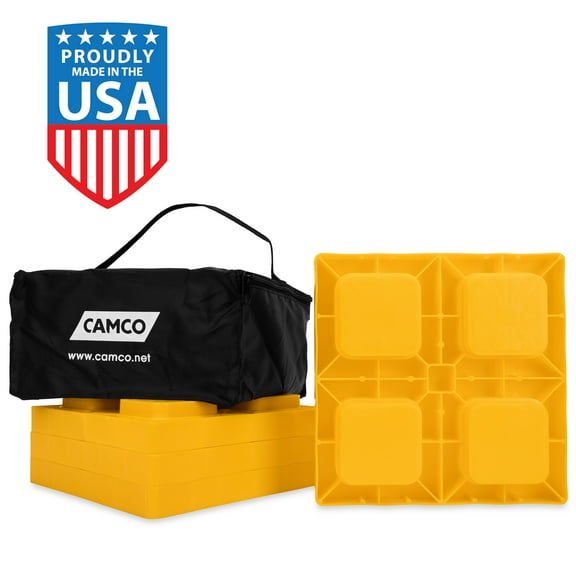
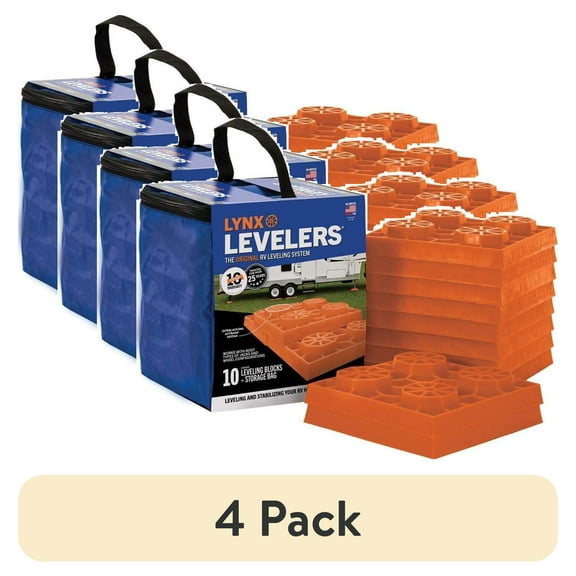
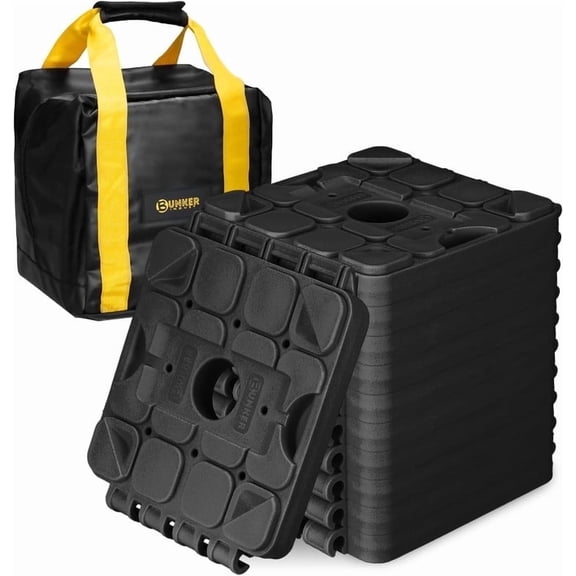
With heavy-duty plastic, you can get interlocking shapes that stack quickly and create repeatable height changes. You’ll appreciate that design when you want neat storage and fast setup at each stop.
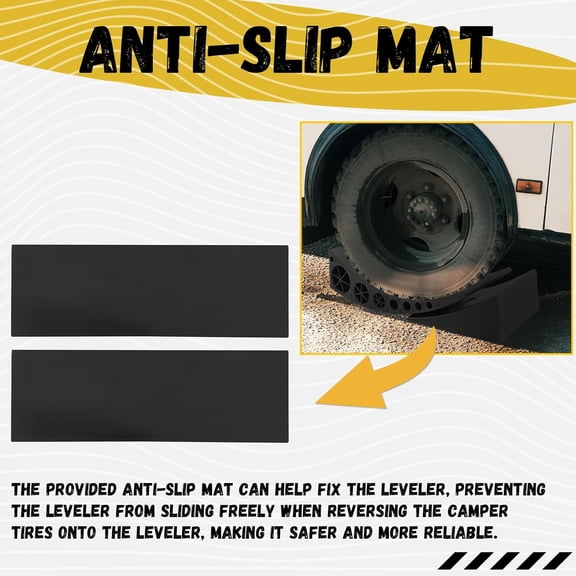
With rubber leveling blocks, you can get surface grip on slick pavement, gravel, or slightly muddy ground. You’ll often choose rubber leveling blocks when you want a dense feel and less sliding during placement.
With wood, you can get a familiar option for basic support, but you’ll need to check thickness and condition carefully. You may prefer RV-specific blocks when you want consistent stacking and easy packing.
You should also compare how each material handles dirt, moisture, and repeated loading. You’ll notice that the right material choice depends on your campsite surface and storage routine.
Choosing the right fit for your rig
You can narrow your choice by vehicle type, because a camper, travel trailer, motorhome, and 5th wheel don’t load blocks the same way. You’ll want to check the max load rating per block before you choose.
For leveling blocks for 5th wheel setups, you may need a block system built for heavier loads and wider tires. You’ll also want enough stackability to correct larger side-to-side differences at uneven sites.
For a smaller camper or travel trailer, you may prefer lighter stacks that store easily in a front compartment. You’ll still need enough height adjustment to handle sloped pads and mixed terrain.
Motorhome owners can benefit from comparing tire contact area and ramp shape before choosing a set. You can get a smooth climb when the block design supports gradual tire movement.
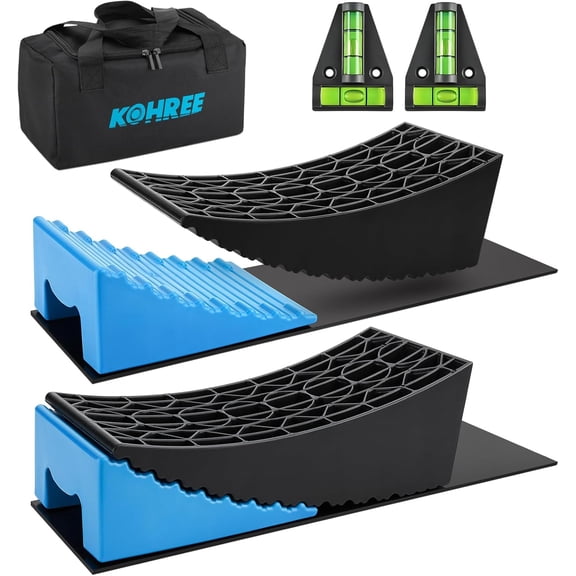
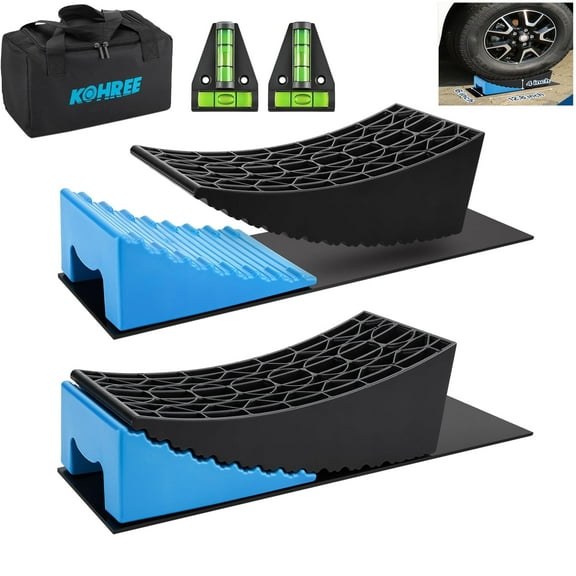
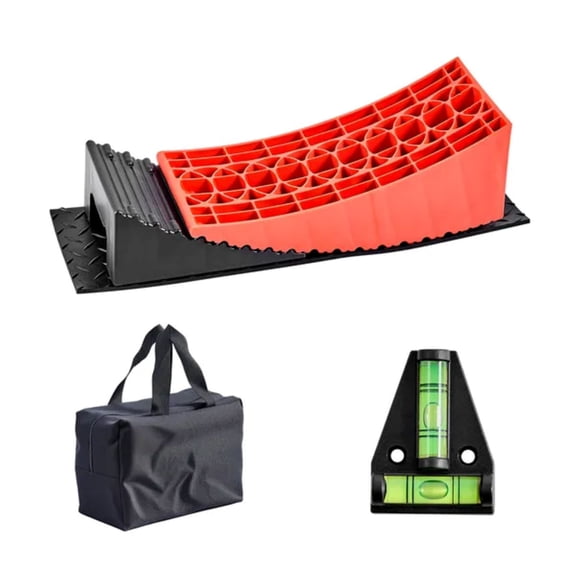
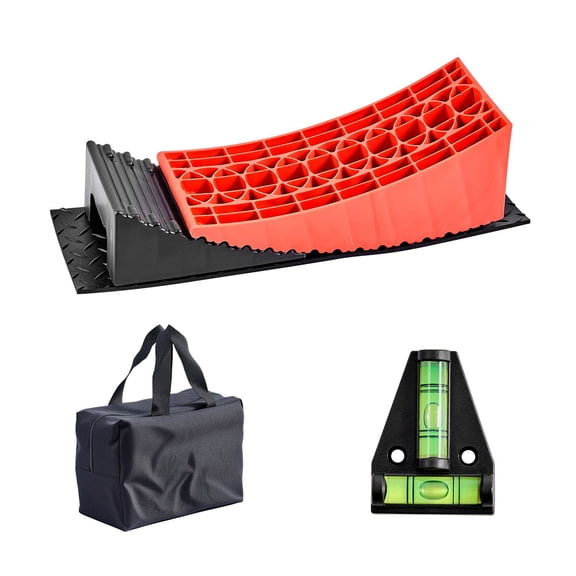
You should check whether your preferred system includes a carrying bag or strap. This helps keep your storage area tidy between trips.
Comparing camper blocks by design
You can choose from interlocking blocks, ramps, and leveling pads based on how you like to set up. You’ll find each design changes how quickly you build height and how compactly you pack.
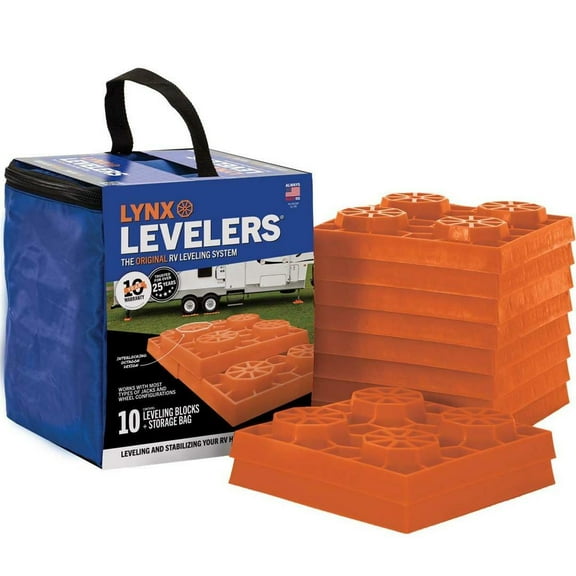
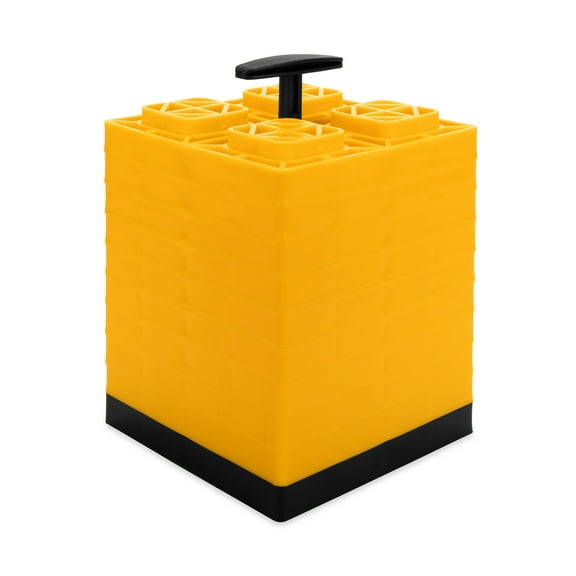
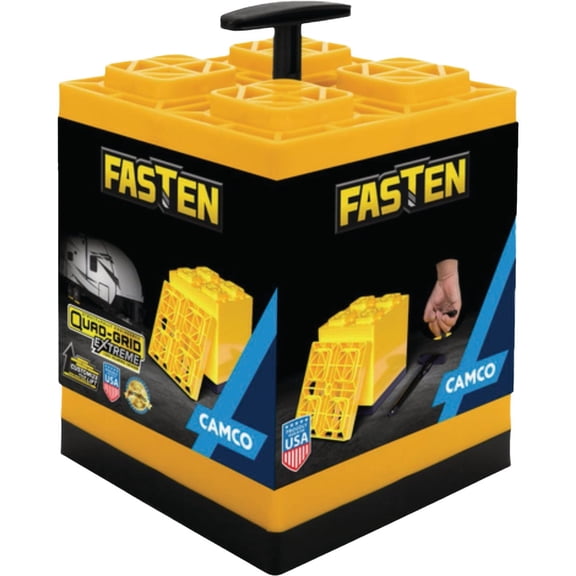
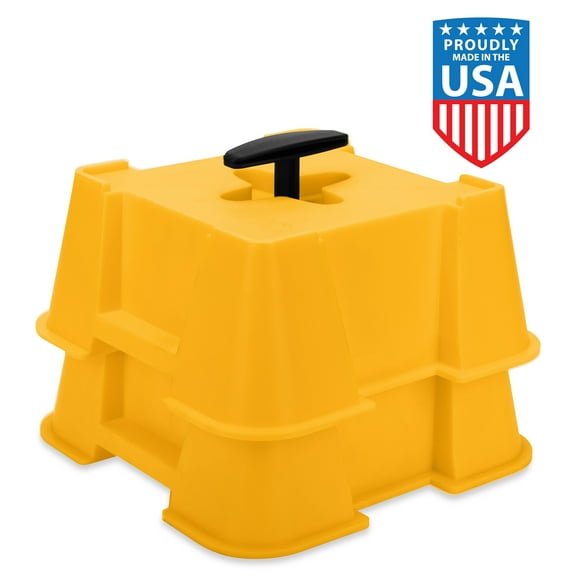
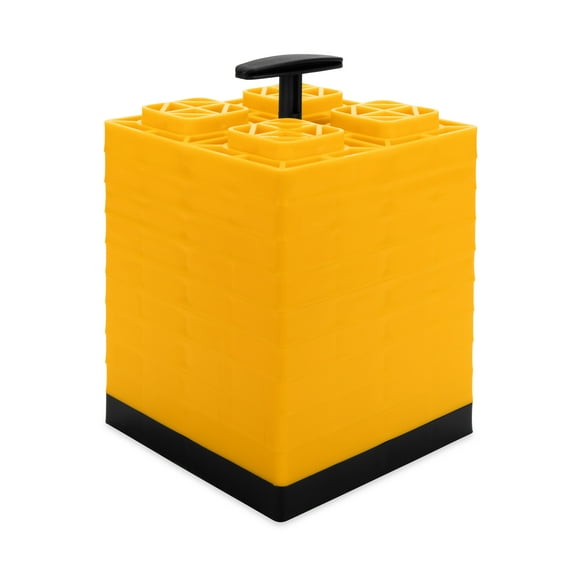
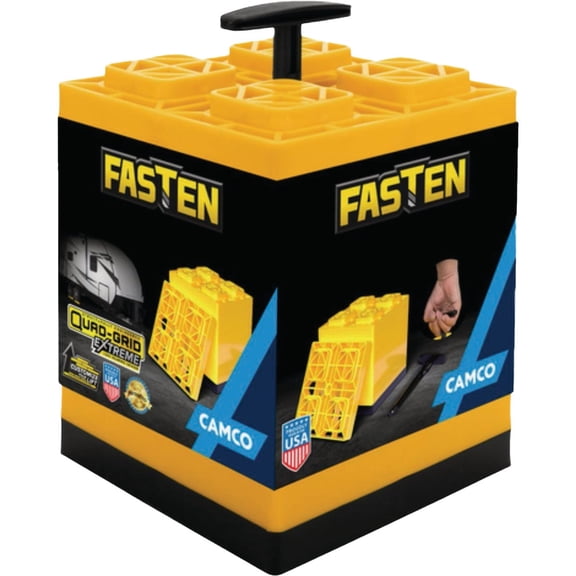
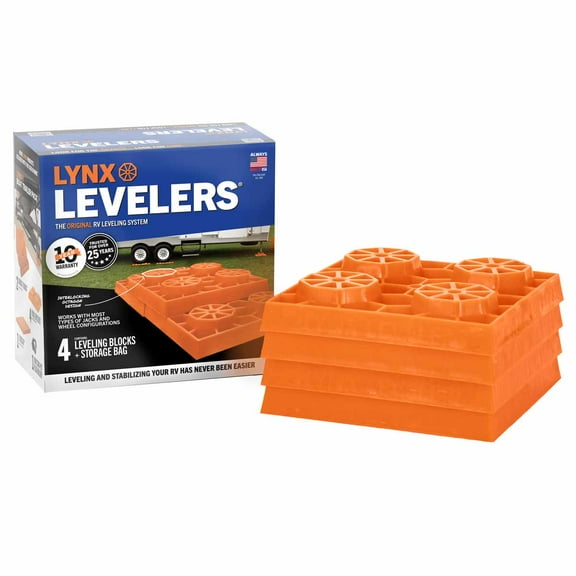
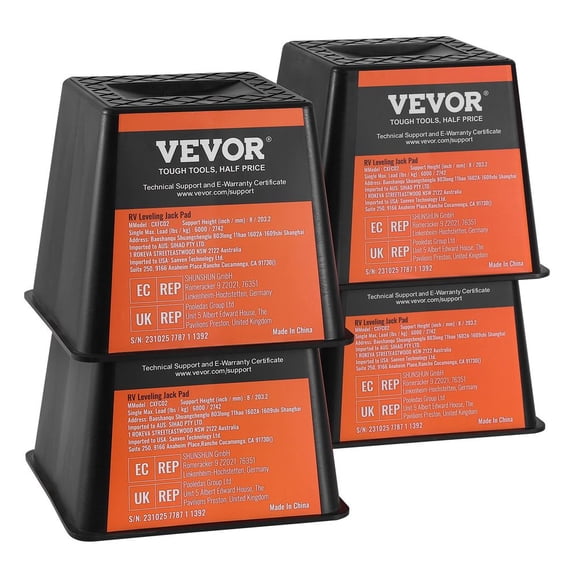
Interlocking camper blocks let you stack one piece into another for measured height changes. You’ll like this style when you want to add one layer at a time and rework the stack fast.
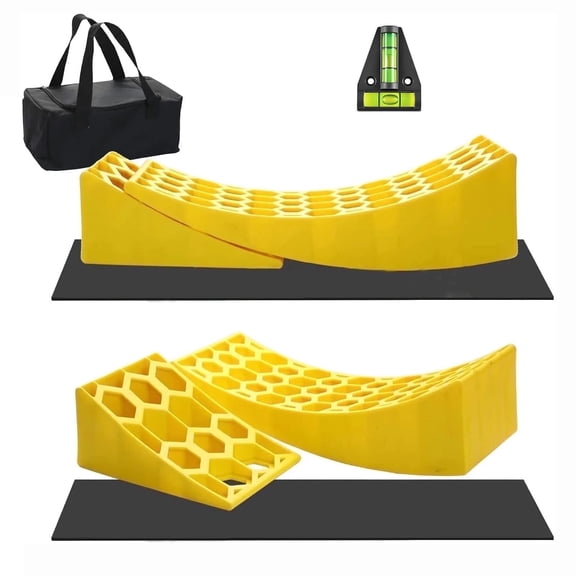
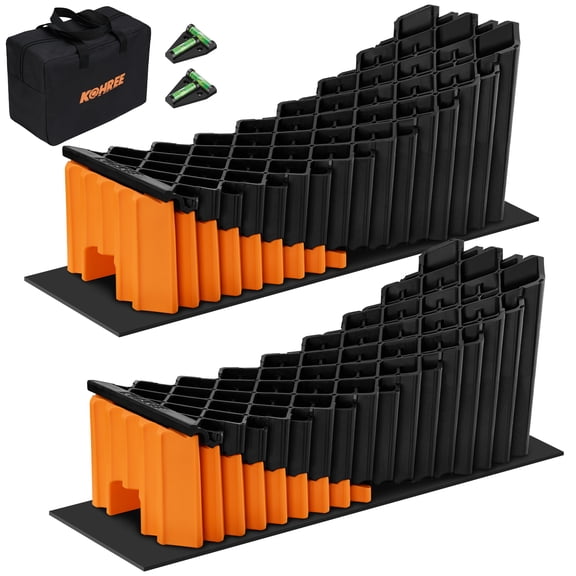
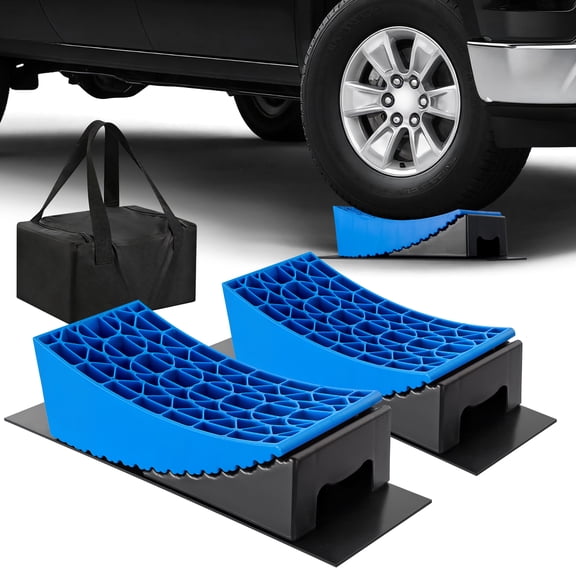
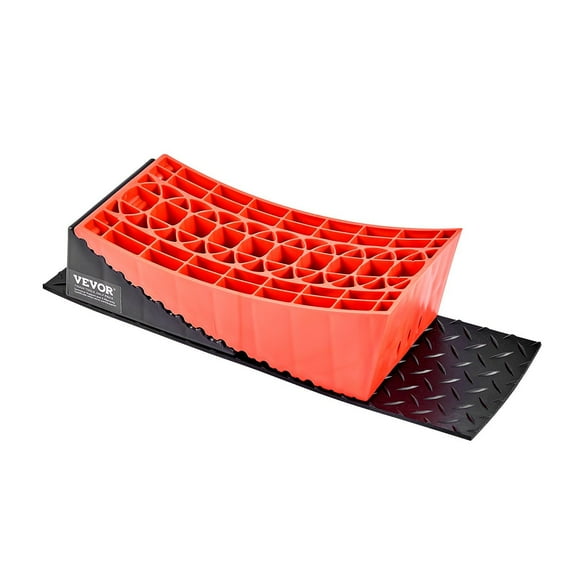
Ramp-style options let you roll onto a shaped surface instead of building a square stack. You may prefer ramps when you want a quicker approach for mild slope correction.
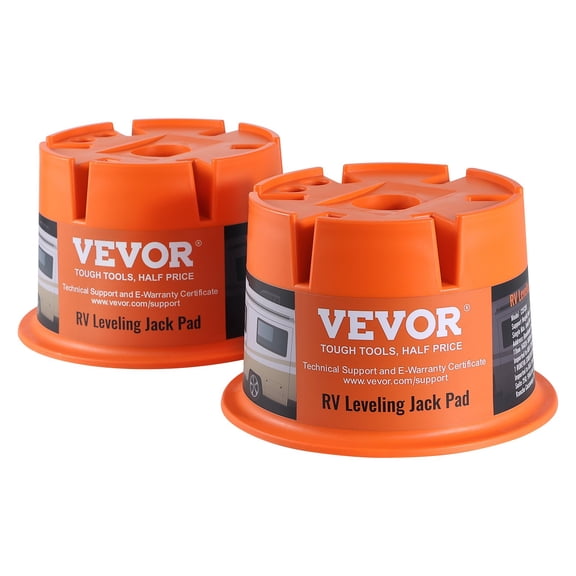
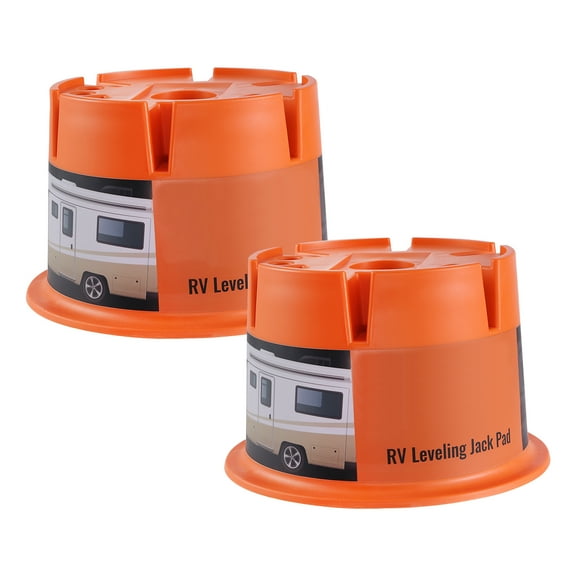
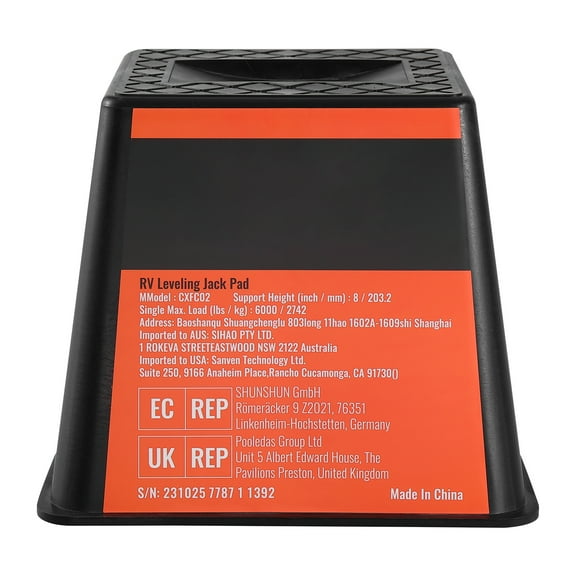
Leveling pads give you a flatter base under tires or jacks on softer ground. You’ll use them when you want separation from dirt, gravel, or damp campsites.
You can also compare a single level block with full kits that support multiple tires and positions. You’ll want enough pieces to handle tandem axle setups and uneven parking spots.
What to look for in rv leveling blocks near me searches
When you search for rv leveling blocks near me, you’re often looking for fast pickup, delivery options, and the right fit. You should compare dimensions, stack pattern, and load support before you choose.
You can shop Ramble leveling blocks and other compatible systems by shape, storage format, and tire fit. You’ll want a design that matches your tire size, your clearance, and your usual campsite surfaces.
When you compare compatibility, you should focus on dimensions and load support instead of brand name alone. You’ll make a clean choice when the block format fits your rig’s actual setup.
If you move often, you may want blocks that nest tightly and clean off easily after use. You’ll appreciate that convenience during frequent campground stops and roadside setup checks.
For weekend trips, you might prefer a simple kit that handles common side-to-side correction without extra bulk. You can get usable cargo space when your leveling gear packs flat.
Use cases for RV leveling blocks
You can use RV leveling blocks at full-hookup parks, fairgrounds, race weekends, and off-grid campsites with uneven surfaces. You can have control over tire height when the pad isn’t perfectly flat.
On gravel, you may want rubber or pad-style support for added grip and separation from loose stone. You’ll often prefer interlocking plastic on cleaner hard surfaces where stacking speed matters.
At wooded campsites, you can use compact stacks when tree roots or worn pads create small height changes. You’ll benefit from carrying several pieces so you can fine-tune each stop.
During longer stays, you can pair your blocks with wheel chocks, RV stabilizers, and RV tires that suit your route. You’ll also want to check your support gear before each trip.
If you’re replacing worn camper blocks, you can compare storage size, stack height, and surface grip in one pass. You’ll make a practical choice when you match the block system to your travel style.
With the right RV leveling blocks, you can turn uneven campsites into a predictable setup routine. You can gain clean height adjustment, steady tire support, and easy packing for the next stop.