


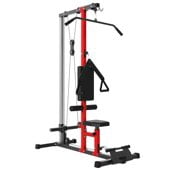
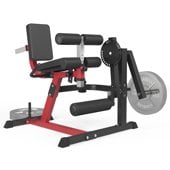
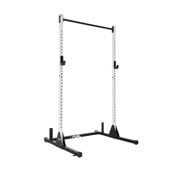
Leg Extension in Home Gym Equipment
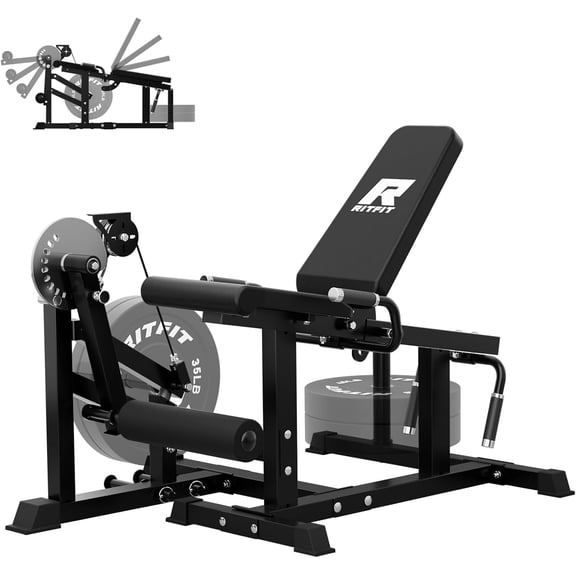
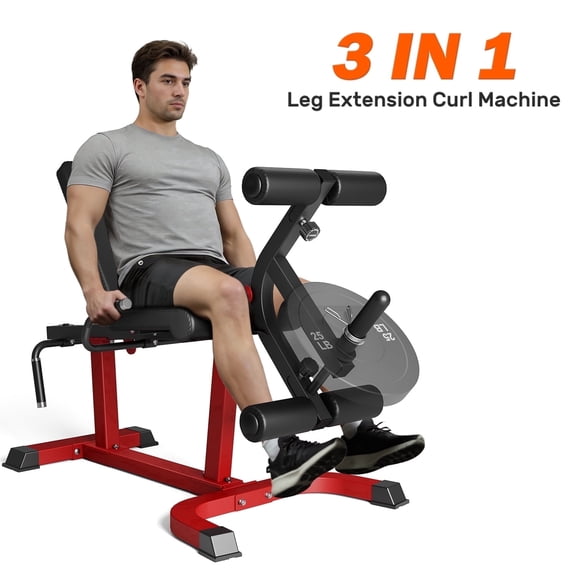
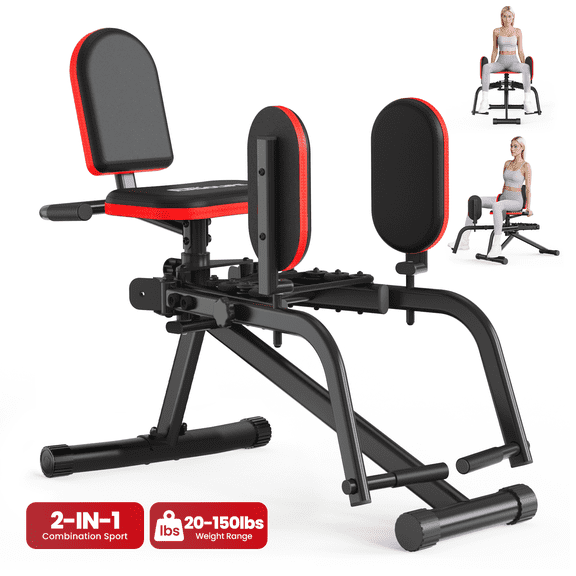

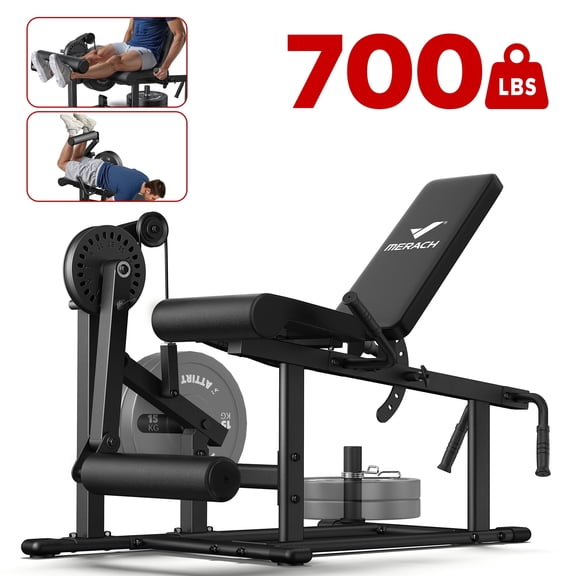
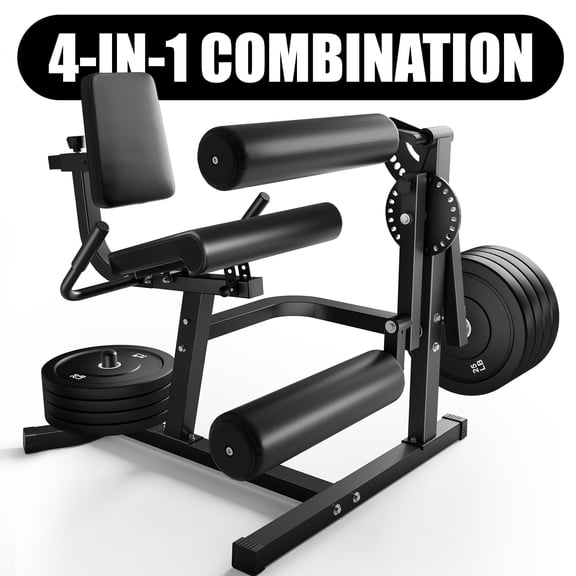


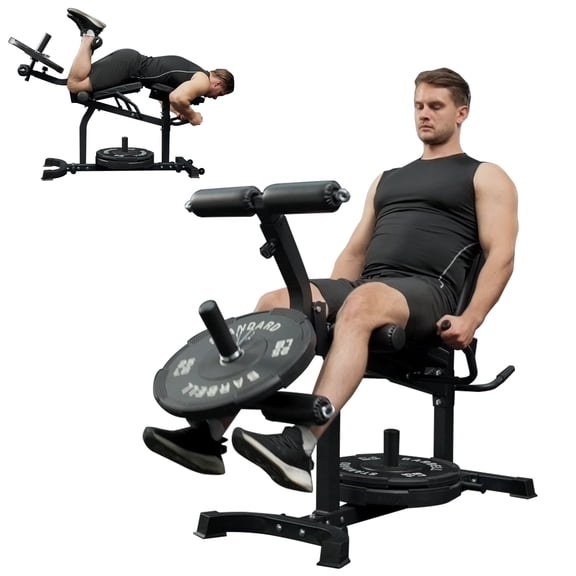
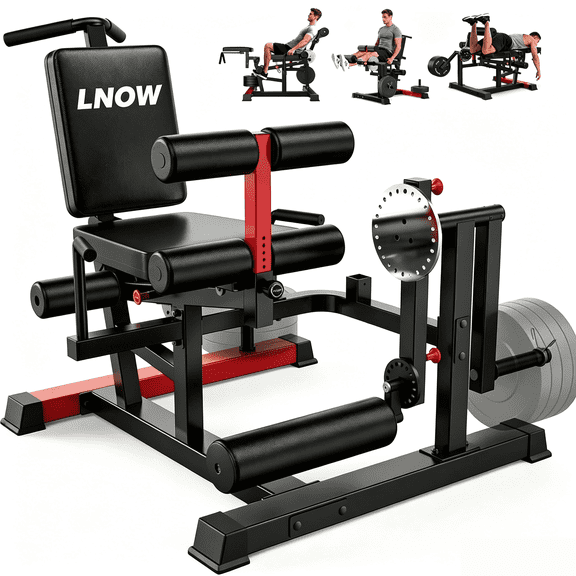






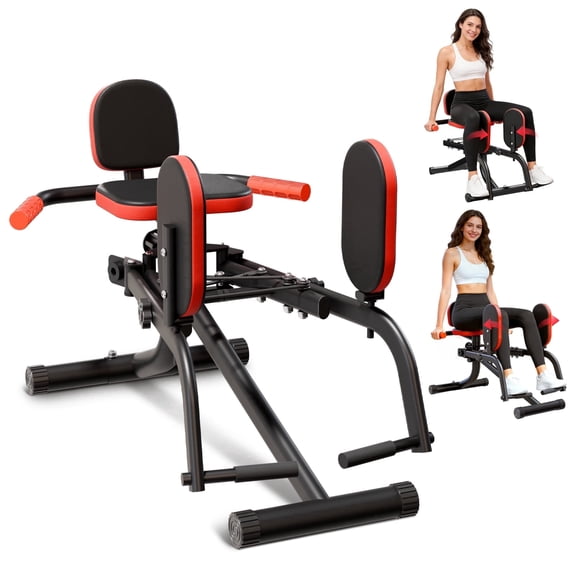


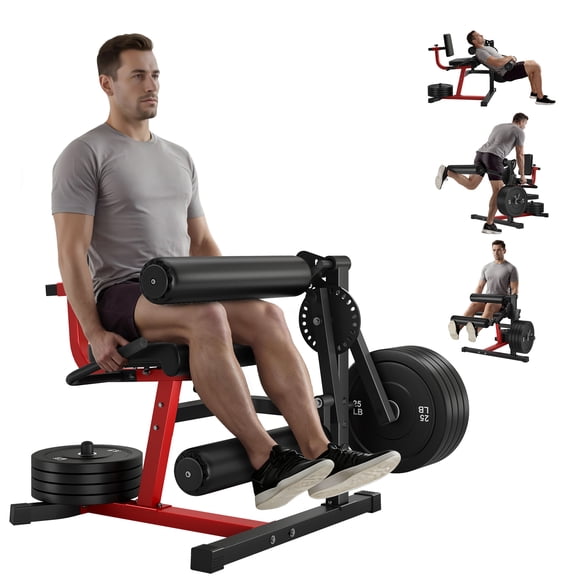


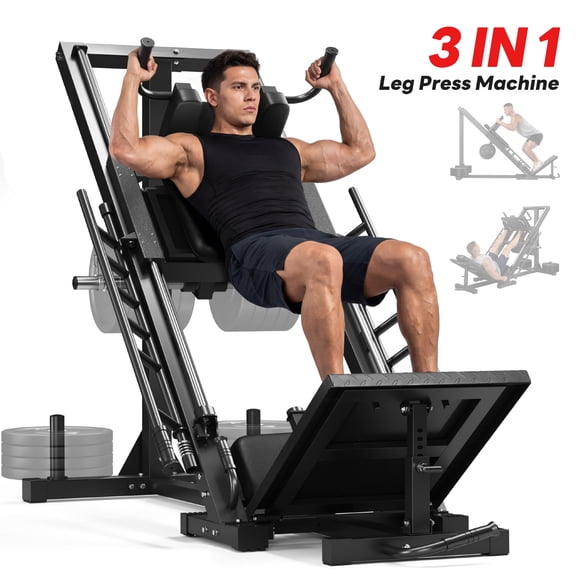


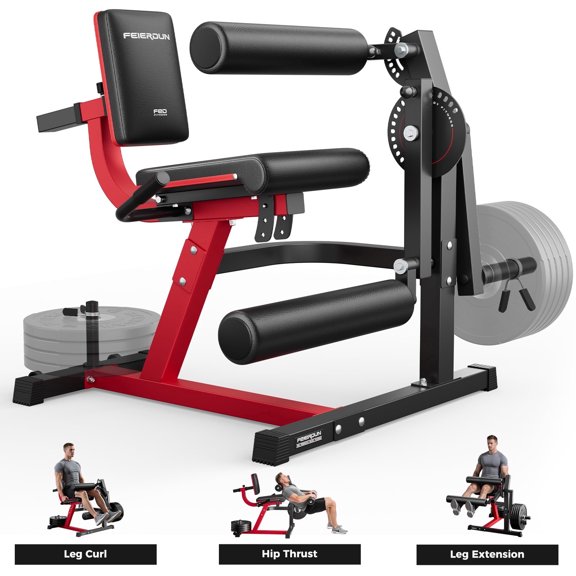

























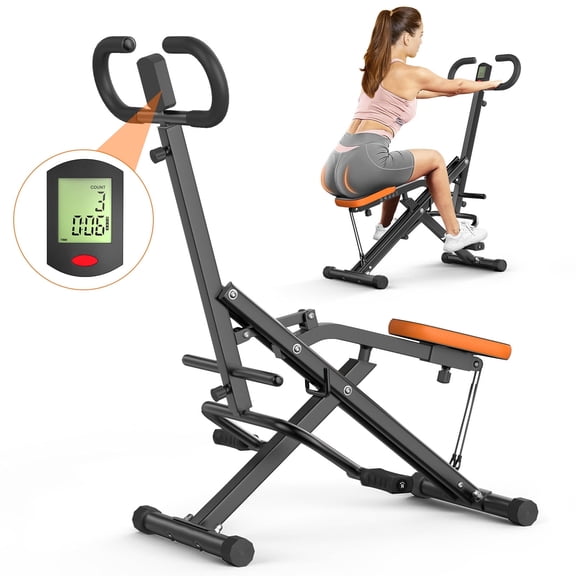


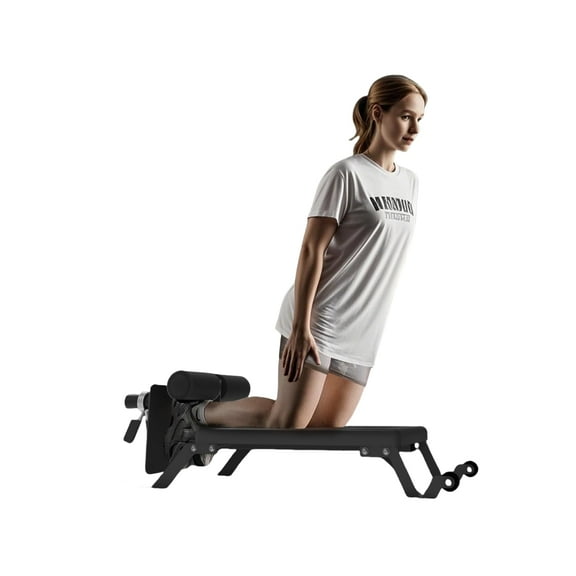


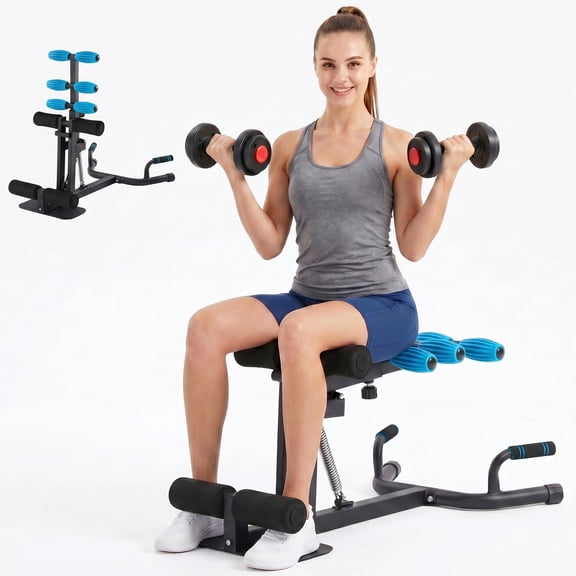


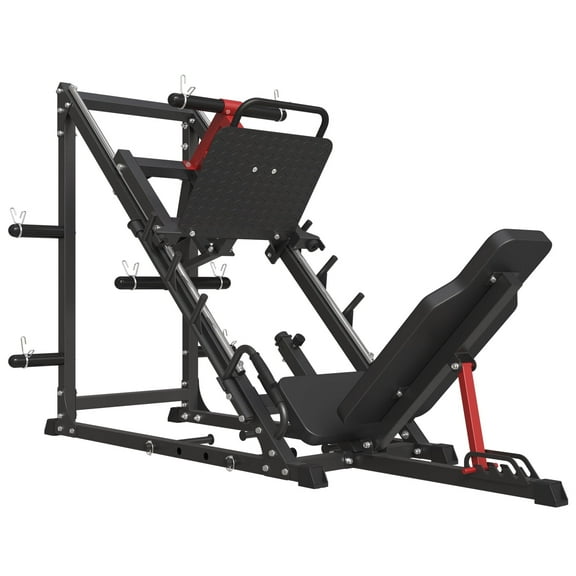


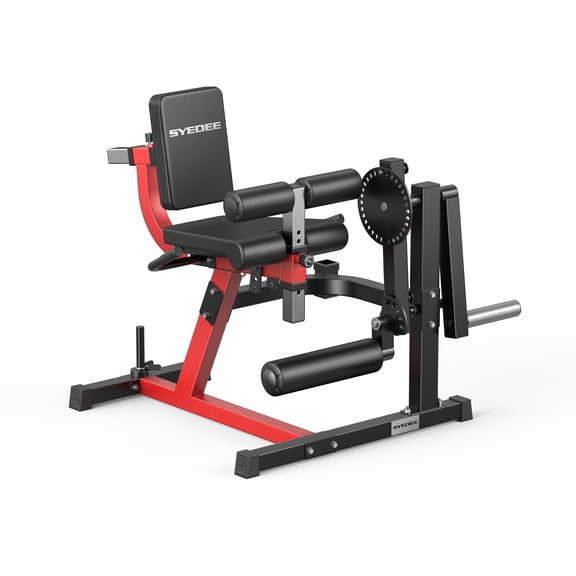


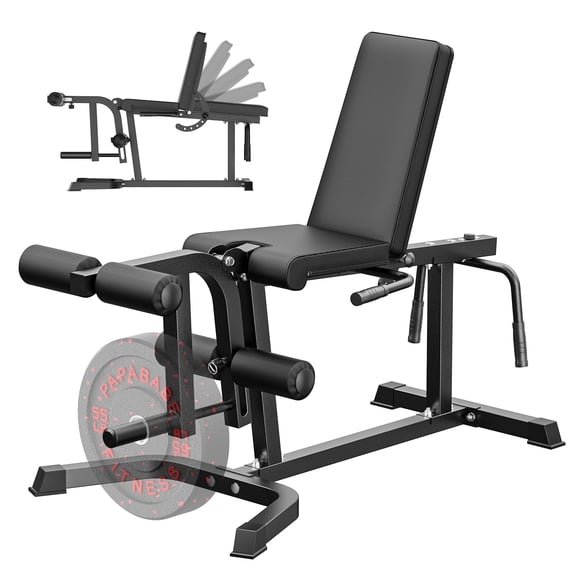
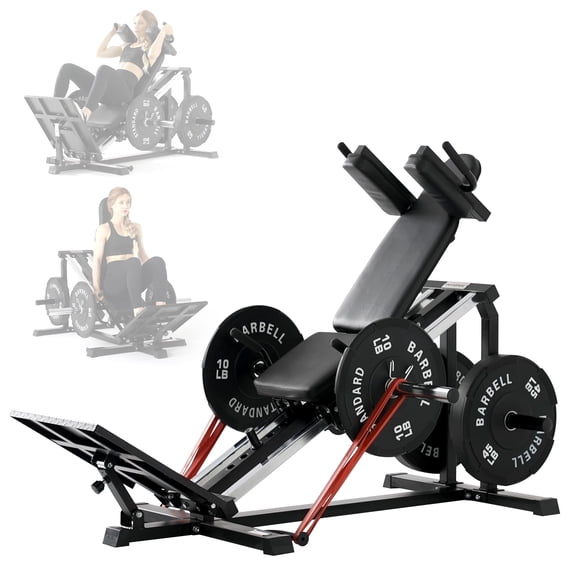


About Leg Extension in Home Gym Equipment - Walmart.com
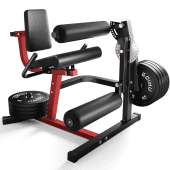
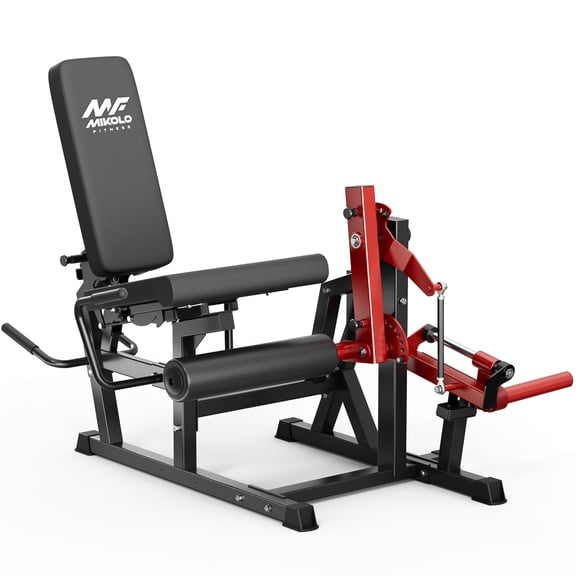
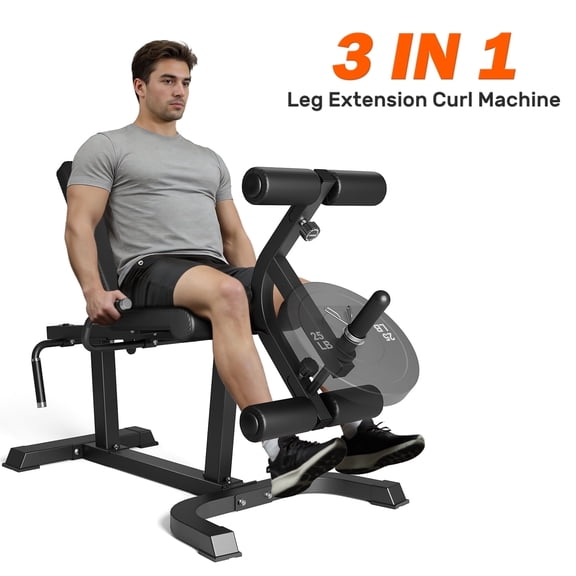
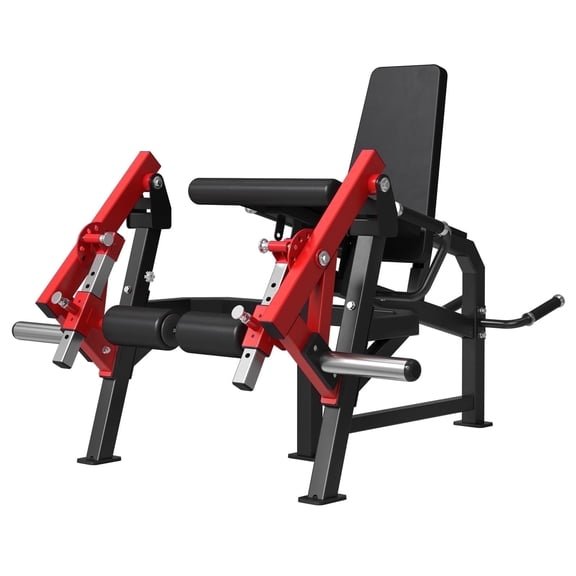
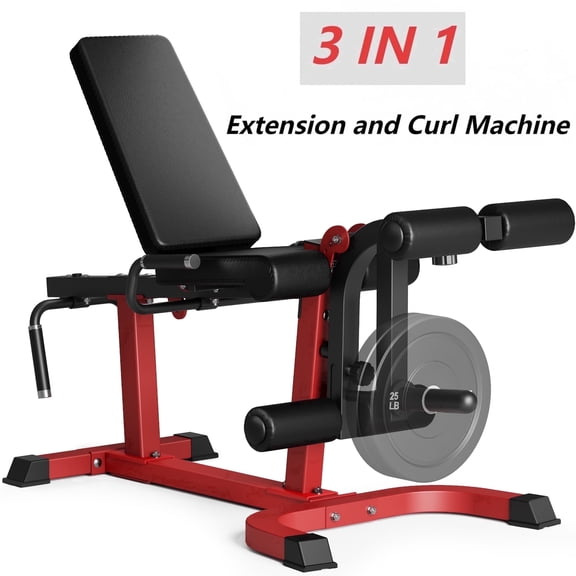
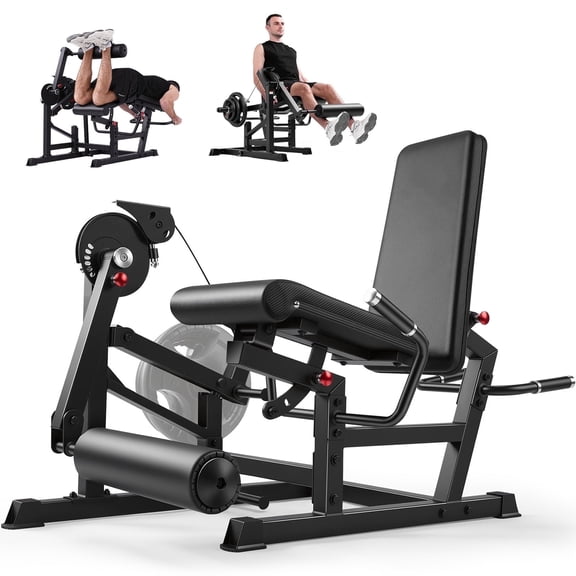
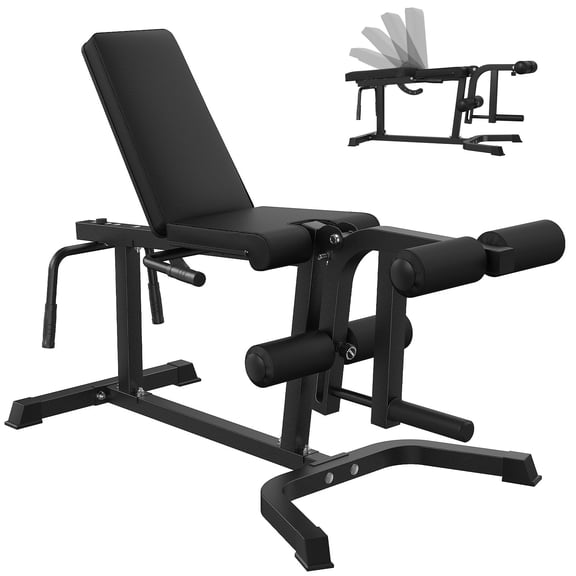
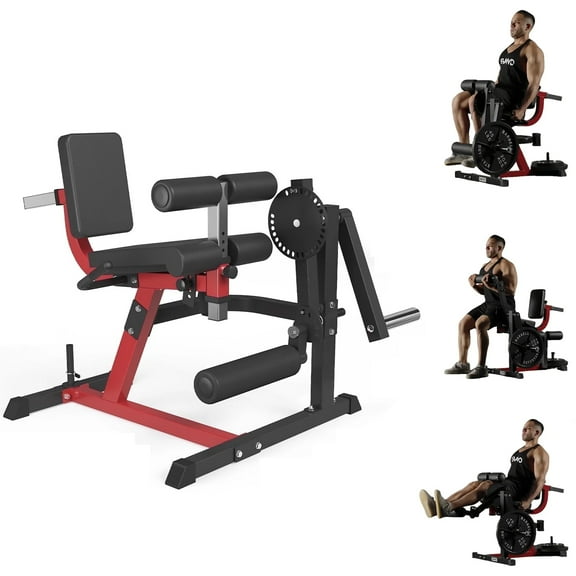
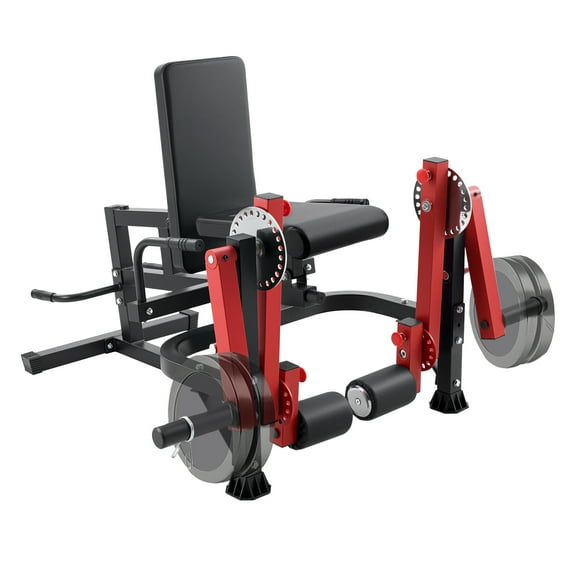
Find a leg extension machine built for home workouts that target quads with controlled, repeatable resistance. This category focuses on seated leg extension and leg curl stations made for compact gym corners. Many options pair a padded roller and adjustable back support for consistent form. Choose from plate-loaded designs or selector-style stacks, depending on the setup already in your space.
Dialing in fit matters on these machines because small adjustments change how the pad meets your lower leg. Look for easy pin settings so you can share equipment across different heights. A smooth pivot and stable base help each rep feel steady through the full arc. With the right layout, leg day feels organized instead of improvised.
Why a leg extension machine belongs in your home gym
A dedicated leg extension station lets you focus on quads without balancing a bar or managing multiple attachments. The seated position supports your upper body, so your effort stays on the working muscles. That focus is useful when you want consistent reps across sets. It’s also helpful when you’re building a routine around time-efficient training blocks.
Many home gym leg machines combine leg extension and leg curl in one frame. That pairing helps you plan balanced lower-body sessions with fewer equipment changes. Switching between moves often means adjusting the roller pad and start angle. Once it’s set, you can move through sets with a predictable rhythm.
- Keep lower-body training consistent with a fixed path that’s easy to repeat.
- Target quads with focused tension when you want a controlled movement pattern.
- Balance training days by pairing extensions with curls on combo stations.
- Support shared workouts with quick adjustments for different users.
Space planning is simpler with leg weight machines designed for home footprints. Many frames fit against a wall and leave room for a bench and dumbbell area. Transport wheels on some models make layout changes less of a hassle. A clean setup helps you stick to the plan you wrote.
Key features to compare on quad extension machines
Start with the resistance style because it affects feel and compatibility with your gear. Plate-loaded units use standard or Olympic plates, depending on the sleeve size. Selectorized stacks change weight with a pin for fast transitions. Some designs use bands or hydraulic resistance for lighter, compact use.
Adjustment points tell you how easily the machine fits your body. Check the back pad positions, seat depth, and shin roller height options. A good range helps align your knee with the pivot point. That alignment supports smoother reps and more consistent contact with the pad.
Look at the range-of-motion settings and the start angle controls. These features let you set the initial position for the first rep. They’re especially useful when multiple people share one station. Clear markings make it faster to return to your settings.
Upholstery and rollers matter because they touch your legs every session. Dense foam holds shape and feels stable during slower reps. A textured cover can improve grip while you reset between sets. Wipe-clean surfaces help keep the station ready for frequent use.
Pay attention to the frame footprint and overall stability. Wider bases and rear stabilizers help limit rocking when the weight increases. Rubber feet can help protect flooring and keep placement consistent. If your space is upstairs, check the assembled weight before choosing.
Leg extension machine setups for real workouts
For a simple home routine, pair extensions with goblet squats and calf raises. This mix covers quads, hips, and lower legs with minimal equipment changes. A knee extension machine keeps the quad-focused portion organized and repeatable. That structure helps when you’re training before work or between meetings.
Many shoppers build a corner gym around a bench and adjustable dumbbells. In that layout, a compact quad extension machine adds a seated option that doesn’t need a rack. It also gives you a consistent finisher after lunges. The roller pad makes tempo work easier to track.
If you already use a cable system, a standalone station can still make sense. It keeps leg work separate from your pulldown and row setup. That separation reduces attachment swaps during shared workouts. It also helps keep cables free for other exercises.
For multi-user households, fast changes matter more than extra features. Choose machines with pin-based adjustments and clear setting labels. A shared station can fit different heights with a few quick moves. That convenience helps everyone keep a steady training habit.
Flooring and placement can make the experience feel more solid. Pair your machine with gym flooring tiles or a protective mat for traction. Leave space behind the seat so adjustments stay accessible. Keeping plates and collars nearby also reduces mid-workout interruptions.
Leg extension machine buying guide for confident decisions
Match the machine to your plates, your space, and how you like to change weight. Plate-loaded models work well when you already own plates and want simple mechanics. Selectorized options suit faster circuits and quick drop sets. Combo leg extension and curl designs help small spaces stay versatile.
Check the maximum user weight and the resistance capacity listed on the product page. Compare those numbers to your training plan and plate collection. Review the assembled dimensions and door clearance for delivery day. A measured fit prevents last-minute rearranging.
Comfort and adjustability should be non-negotiable for a seated station. Prioritize a supportive back pad and a roller that positions comfortably on your lower leg. Look for easy-to-reach handles for bracing during slower reps. A stable, comfortable setup makes consistency easier to maintain.
Complete your setup with useful add-ons that support this category. Weight plates, collars, and storage racks keep plate-loaded stations organized. Gym flooring helps protect your surfaces and stabilize the base. A bench nearby supports accessory work between lower-body sets.
Choosing the right leg extension machine comes down to fit, stability, and resistance style that matches your routine. When those basics line up, every session feels more repeatable and efficient. A dialed-in station keeps your quad work consistent across weeks. That consistency is what turns plans into progress.