

LED Tube Lights in LED Light Bulbs







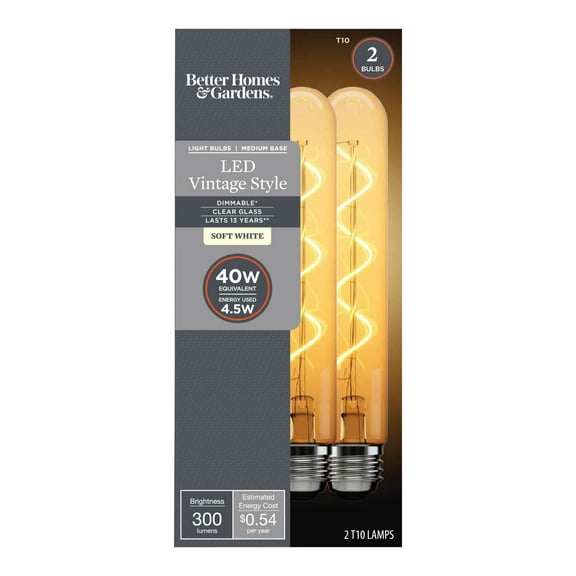
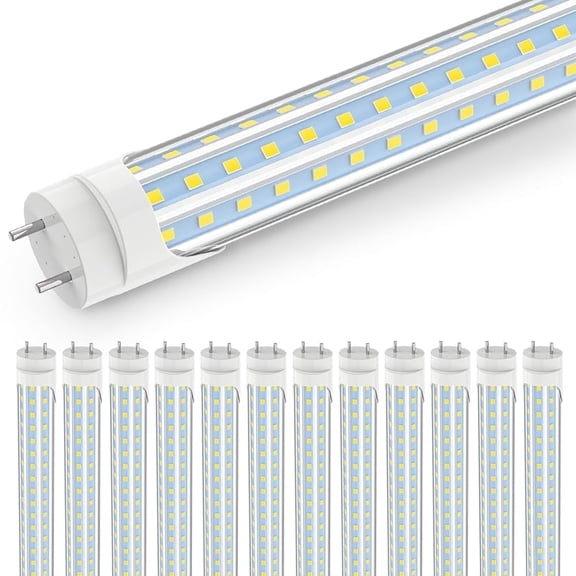

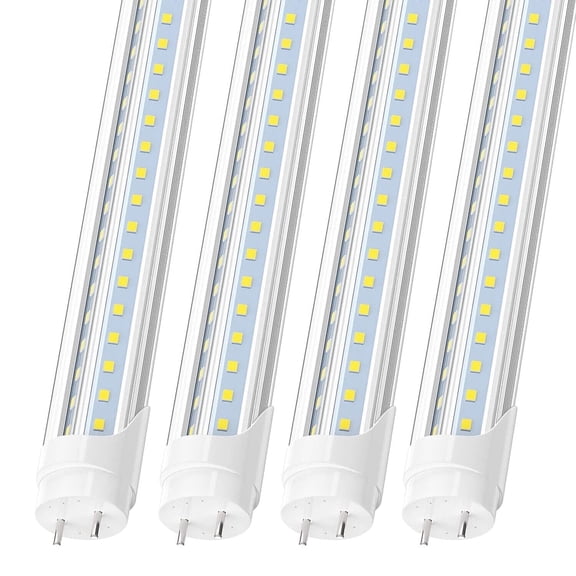
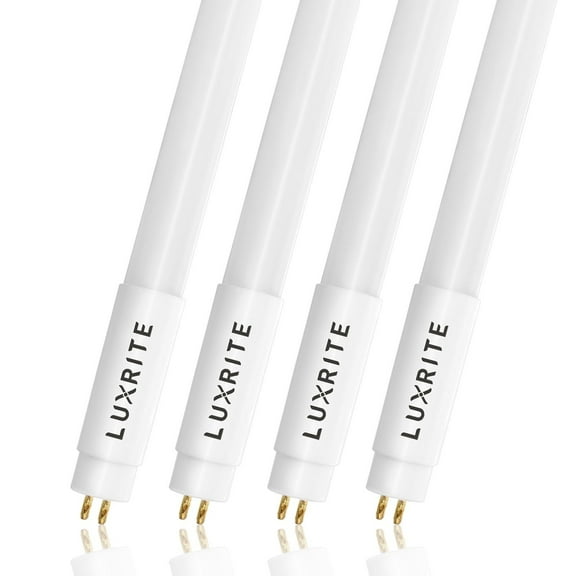
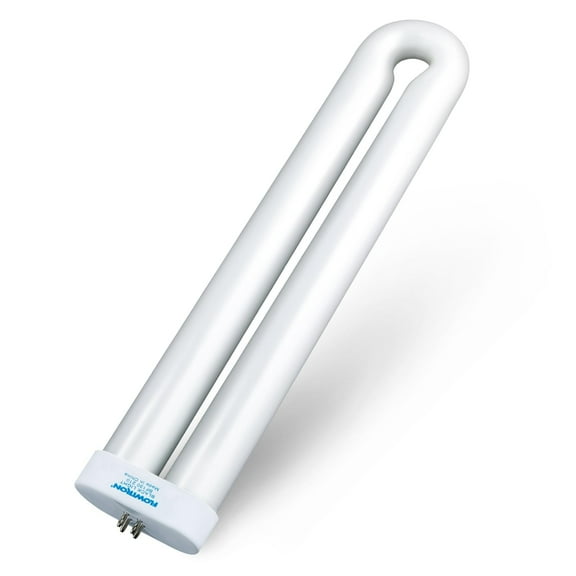
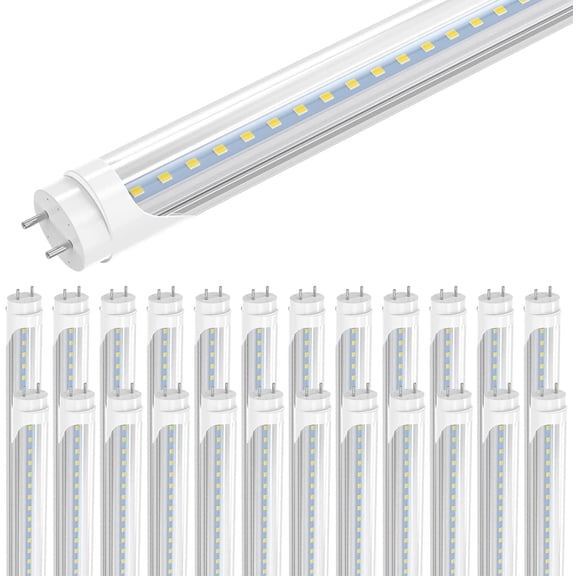










About LED Tube Lights in LED Light Bulbs - Walmart.com
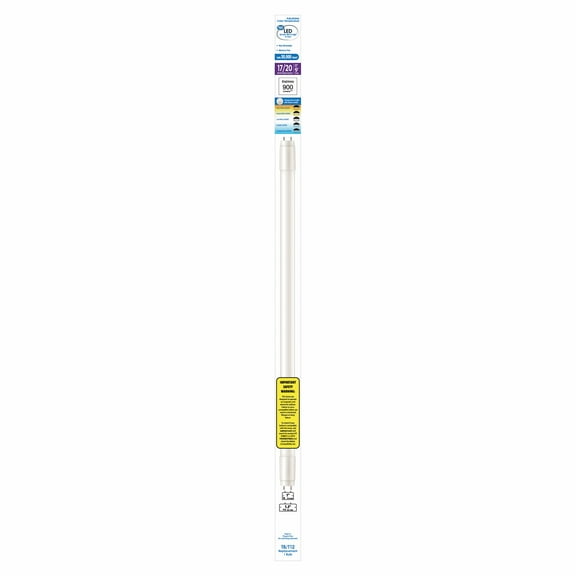
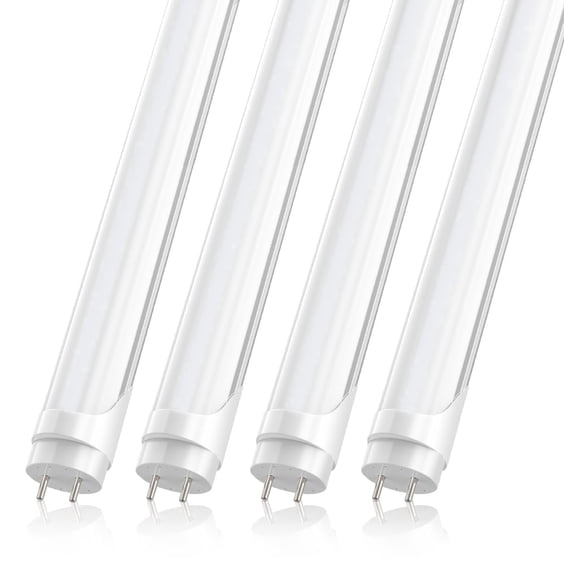
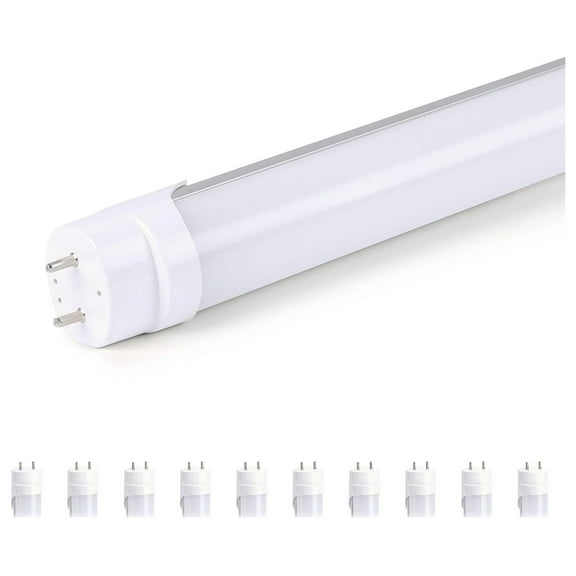
LED tube lights help you brighten kitchens, garages, offices, and utility spaces with longer lamp formats and straightforward replacement paths. You can compare ballast compatibility, tube length, pin style, and color temperature before you choose a setup that fits your fixtures.
How to choose LED tube lights
When you compare LED tube lights, you can start with compatibility before you consider brightness or color. You can avoid fit issues by checking whether your fixture uses Type A plug-and-play tubes or Type B ballast bypass tubes.
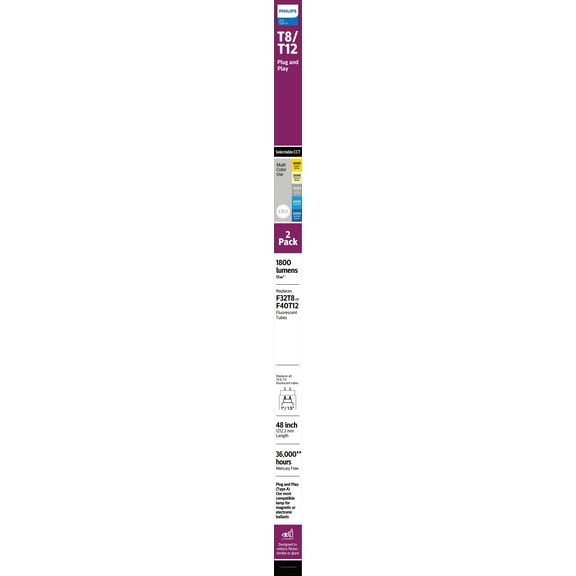
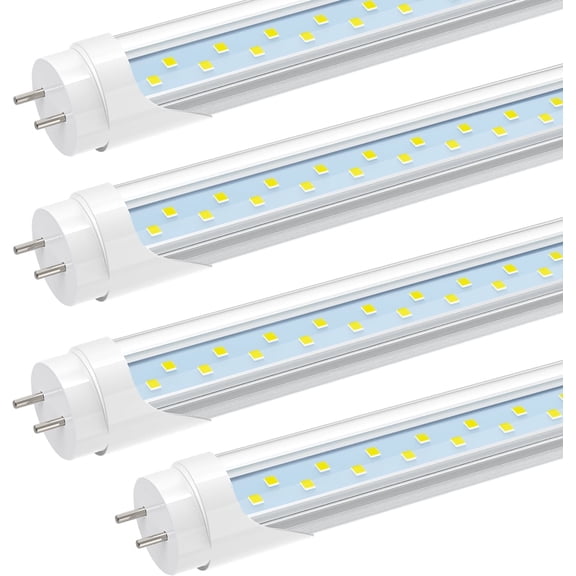
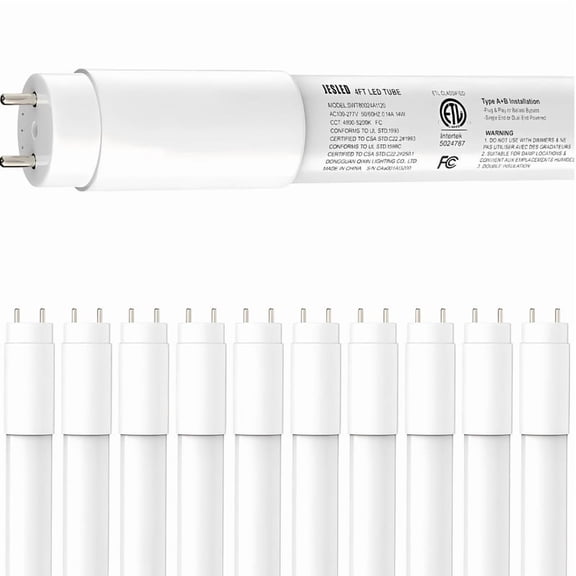
Type A tubes work with a compatible ballast, so you can replace fluorescent lamps with less rewiring in many fixtures. Type B tubes bypass the ballast, so you can choose a direct-wire option when you want a different installation path.
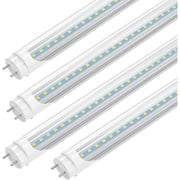
You should also measure your fixture length before you order, because 2ft, 4ft, and 8ft tubes serve different spaces. You can narrow your options quickly when you match the tube length to the housing already in place.
- You can use Type A options when your fixture supports plug-and-play replacement.
- You can choose Type B options when your fixture is set up for ballast bypass.
- You can match 2ft, 4ft, or 8ft tubes to the fixture length you already have.
- You can compare warm white, cool white, and daylight tones by room type.
Choosing a tube light for home
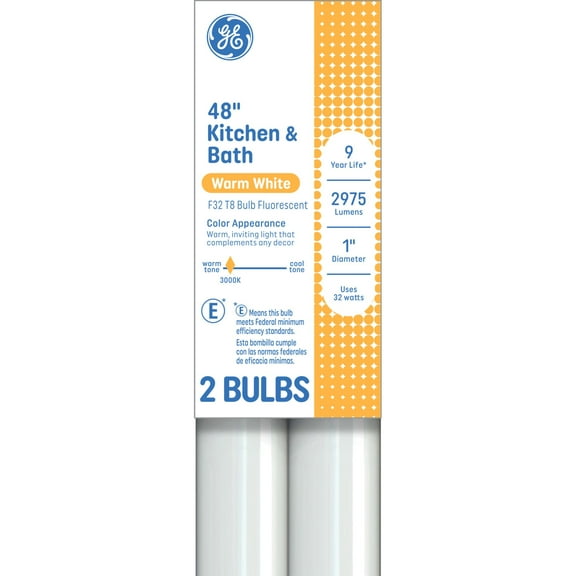
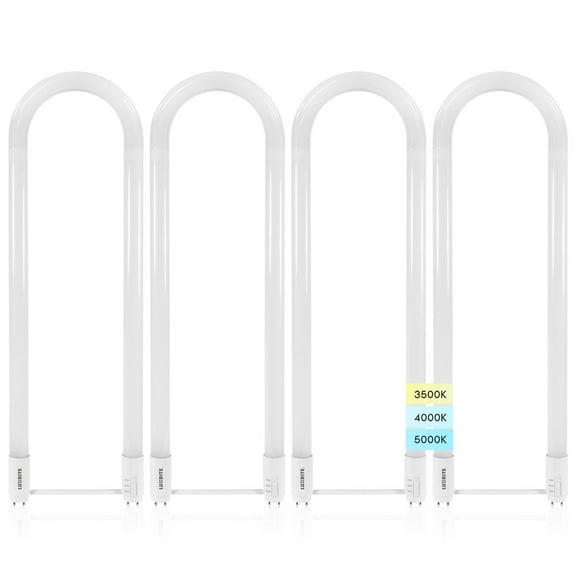
When you need a tube light for home use, you should think about how the room feels during daily tasks. You can use warm white around 3000K for a softer look in laundry rooms, closets, or finished basements.
If you want a cleaner, more neutral look, you can consider cool white around 4000K in kitchens or work areas. You can choose daylight around 5000K when you need a crisp appearance in garages, workshops, or storage spaces.
You may also compare wattage equivalent and actual LED power draw on the package. You can get the light output you want while using less electricity than older fluorescent tube light bulbs.
Type A and Type B tube LED light options
Ballast compatibility is a key decision, because you need the tube to match your fixture's electrical setup. You can look for Type A when you want plug-and-play installation with a compatible ballast already installed.
You can look for Type B when your fixture is configured for ballast bypass and direct wire operation. You should check the product details carefully, because compatibility affects installation steps, replacement planning, and long-term upkeep.
Some shoppers also compare hybrid Type A/B choices when they want broader fixture flexibility across different spaces. You can use that approach when you maintain several fixtures and need a straightforward way to compare replacement paths.
Comparing length and pin configuration
You should measure both the lamp length and the socket style before you choose long bulb lights. You can prevent returns by confirming whether your fixture uses 4ft or 8ft tubes and the correct base style.
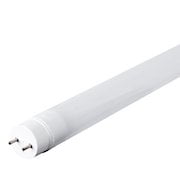
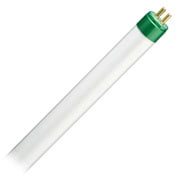
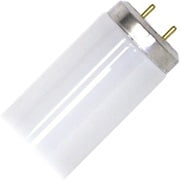
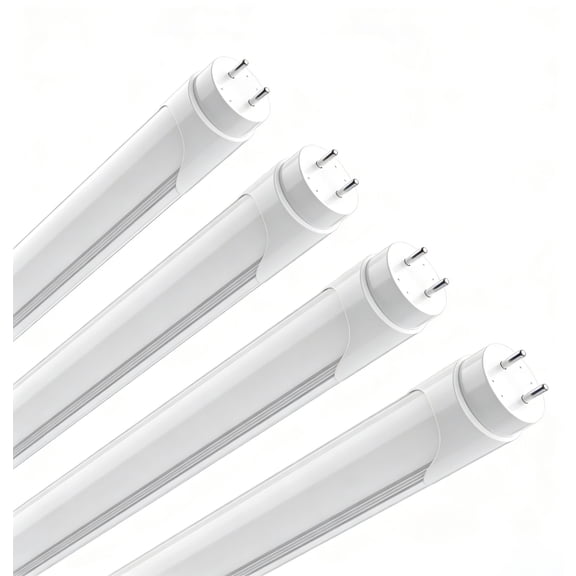
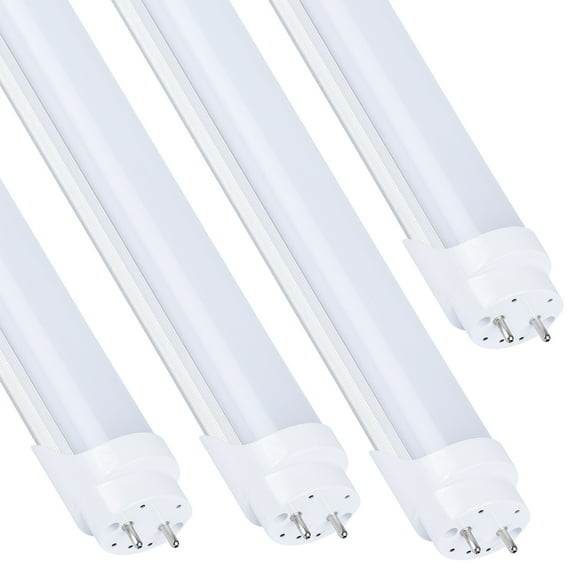
Many 4ft fixtures use G13 bi-pin ends, which fit common linear sockets in homes, offices, and utility areas. Some larger fixtures use FA8 single-pin or R17d recessed double contact bases, so you should check the socket shape first.
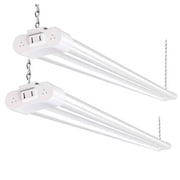
If you replace tubular LED lights in workshop or utility settings, you may need 8ft lengths for wider coverage. You can also choose 2ft tubes for compact fixtures under shelves, above benches, or in smaller utility zones.
Matching tube LED lights for room use
Room type can guide your decision once you've confirmed length and compatibility. You can use tube LED lights for room lighting in basements, garages, pantries, offices, and craft spaces where long, even light matters.
For task-heavy areas, you may prefer brighter daylight tones that help surfaces look clearer during projects. For shared living spaces, you may prefer warmer tones that feel softer while still giving you the long format coverage you need.
You can also compare packs, lumen output, and intended fixture use when you plan updates across several rooms. You can create a more consistent look when you keep color temperature and tube style aligned throughout the space.
What to look for in tube light bulbs
When you review tube light bulbs, you should read the product page for ballast type, base style, and listed length. You can make a quick decision when those three details match your fixture first.
You may also look for information about wattage replacement and expected lifespan, because those details shape everyday use. You can reduce repeat replacements and maintain steady light when you choose the output and format that fit your space.
With LED tube lights, you can focus on fixture match, room tone, and installation type instead of guessing. You can end up with cleaner, more even light and a tube that fits the first time.